Castiglion del Bosco, A Rosewood Hotel


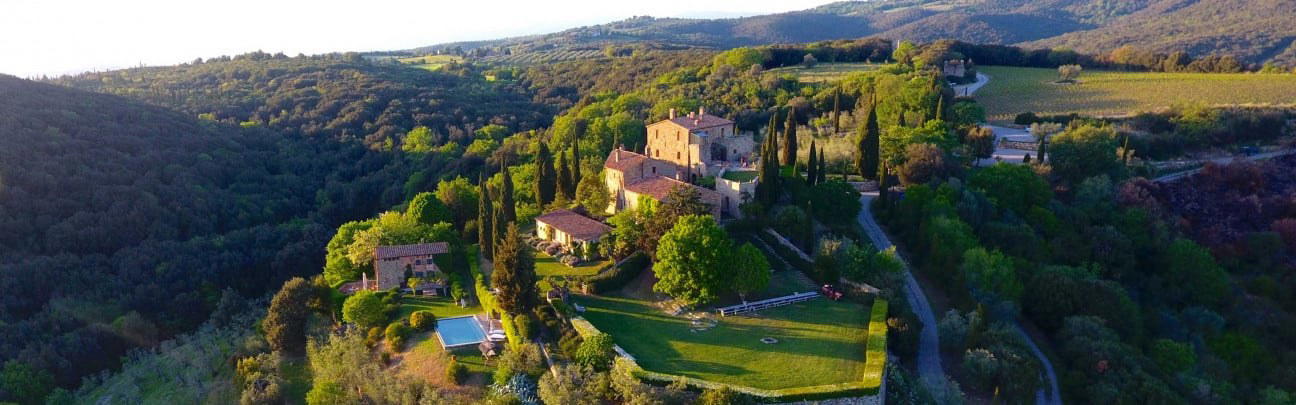
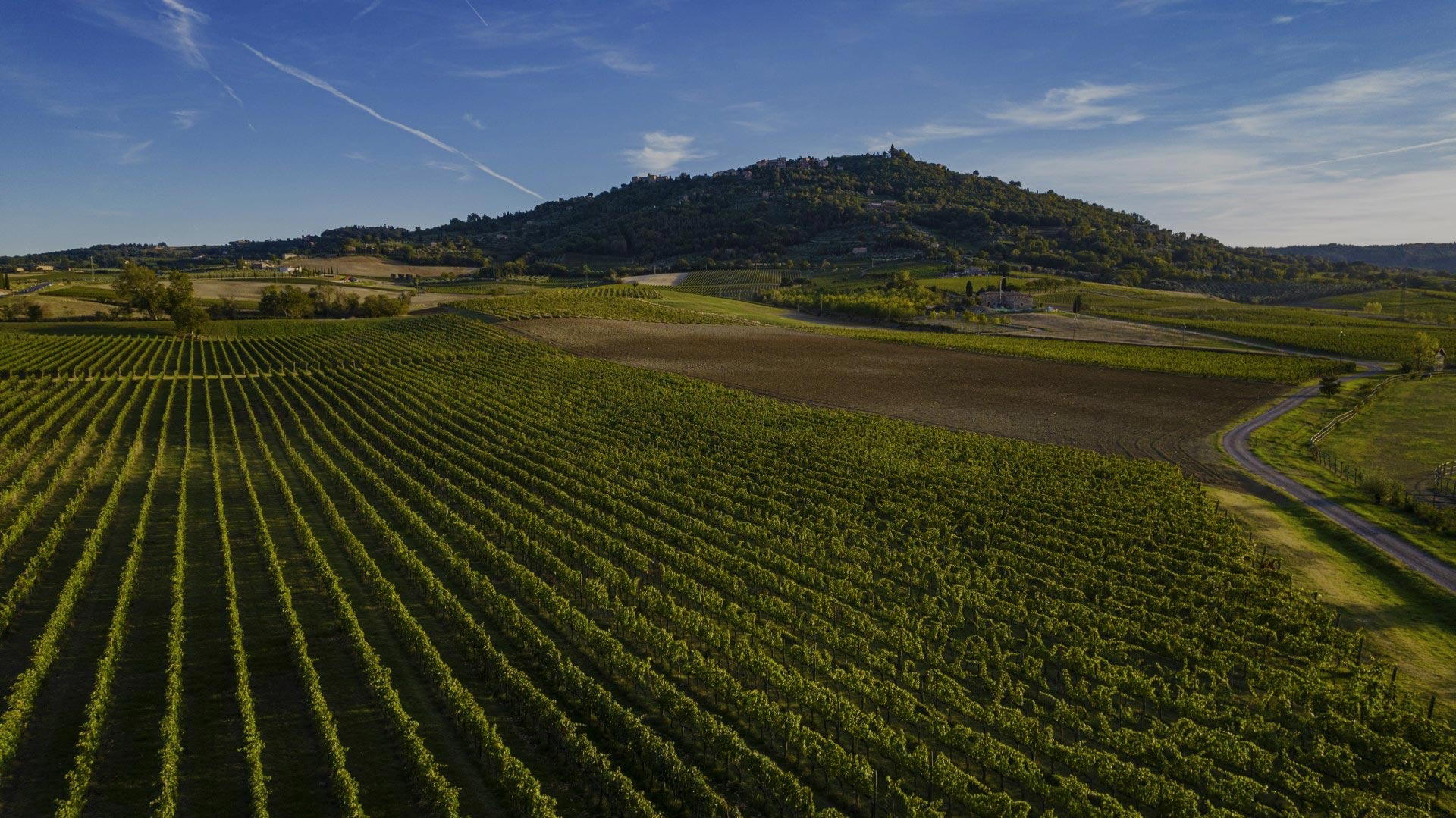
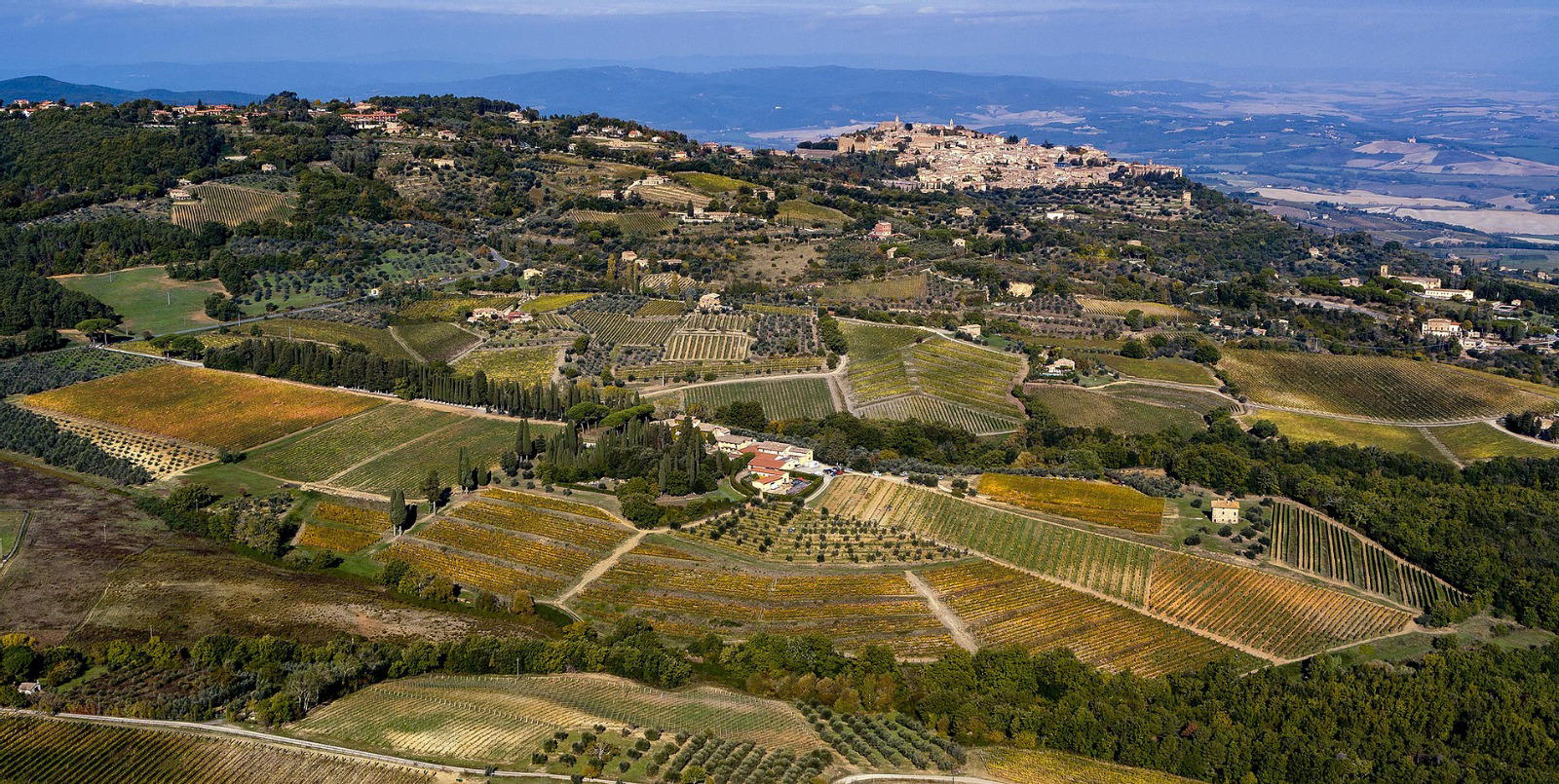
A Three MICHELIN Keys–awarded estate in the Val d'Orcia, Castiglion del Bosco occupies a medieval borgo above Montalcino's Brunello vineyards. As a Rosewood property, it places itself in the smaller tier of Italian estate hotels where the land, architecture, and wine production operate as integrated parts of a single experience. The surrounding 4,200-acre estate, one of Tuscany's larger private landholdings, sets the physical scale of everything here.
Pearl is the En Primeur Club membership app — saves, bookings, and concierge access live there. Same editors, same standards.
- Address
- SP103, 53024 Castiglion del Bosco SI, Italy
- Phone
- +39 0577 191 3001
- Website
- rosewoodhotels.com
- Directions
- Get directions
 Saves & bookings on Pearl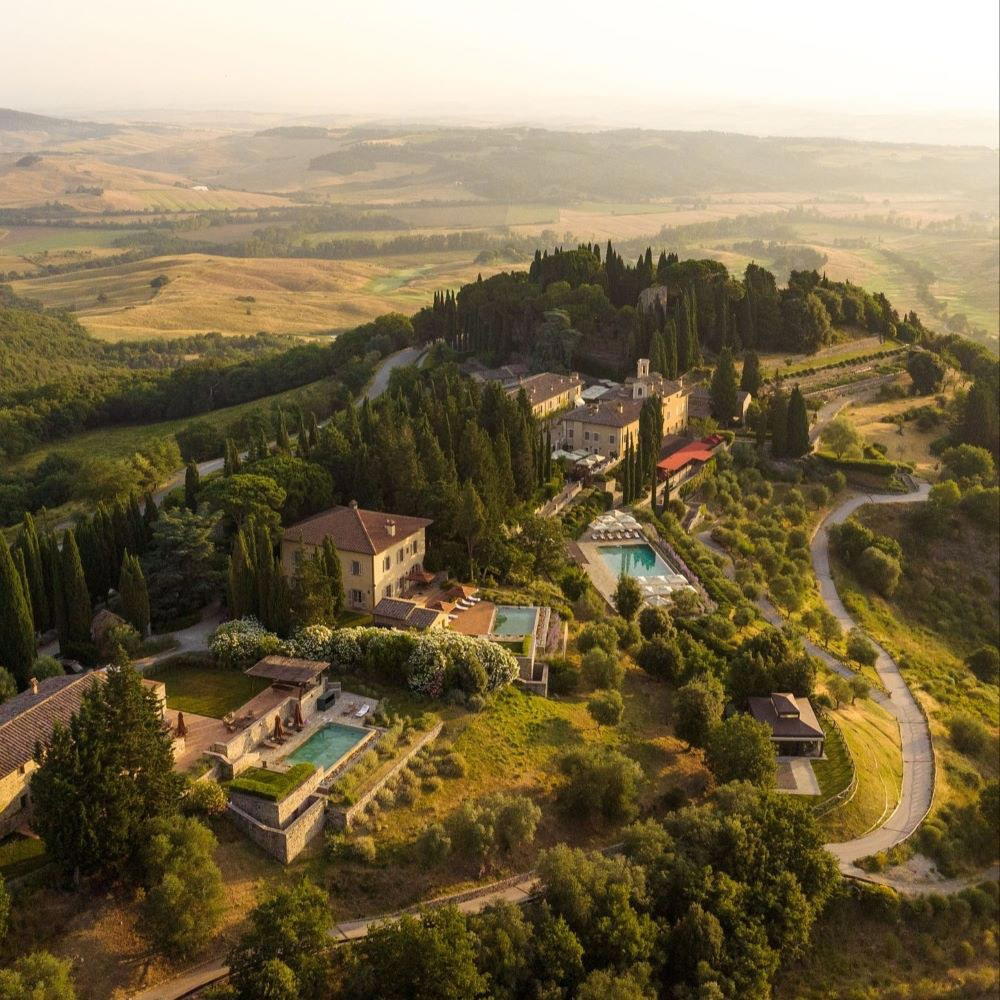
A Medieval Borgo at Altitude: Arriving at Castiglion del Bosco
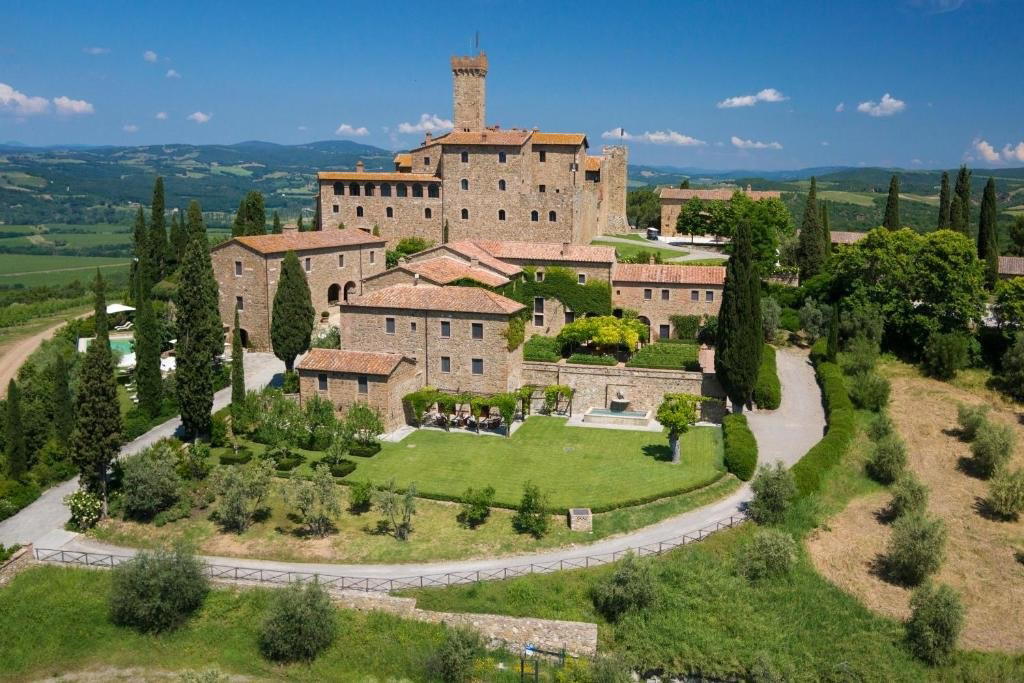
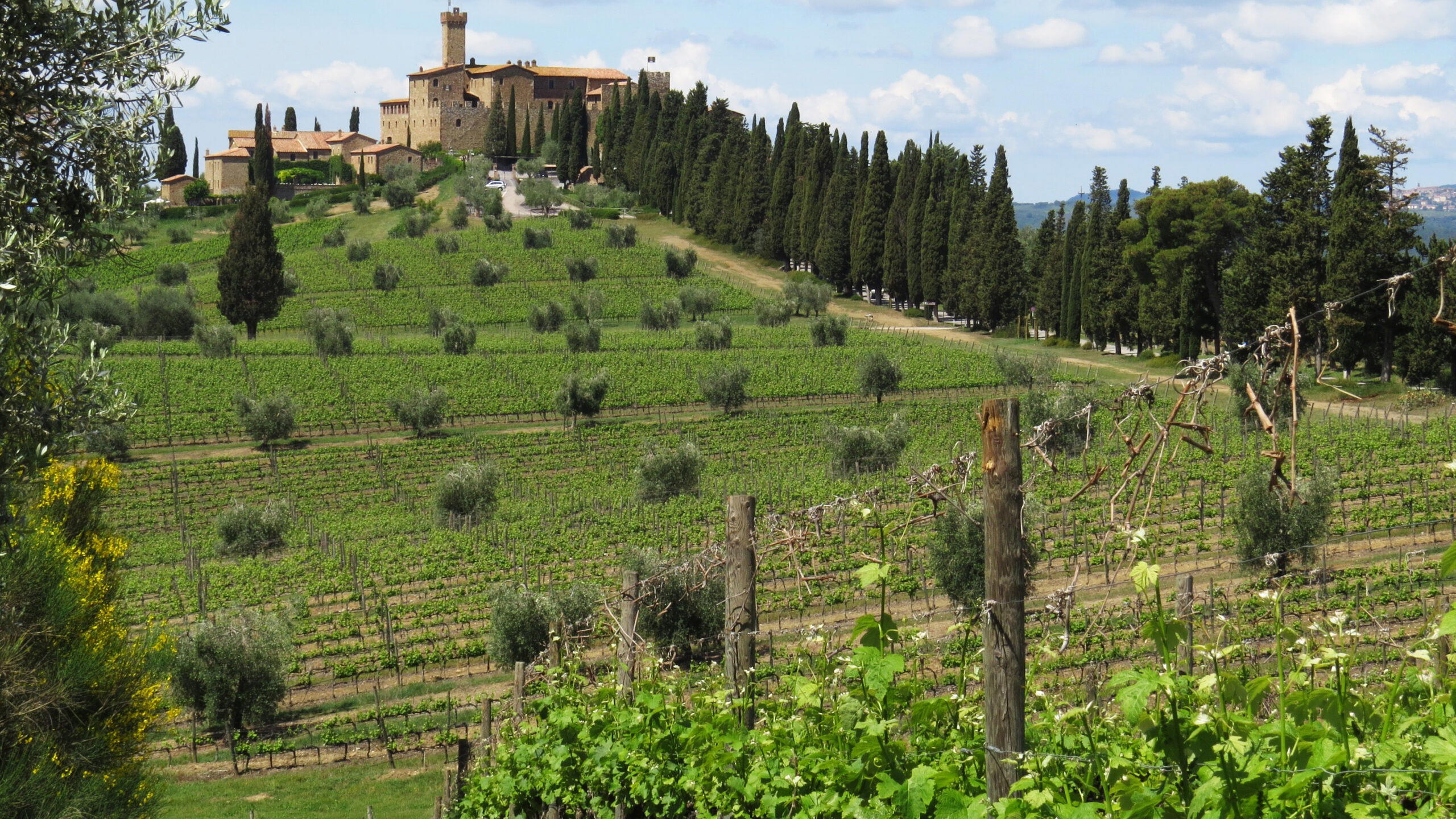
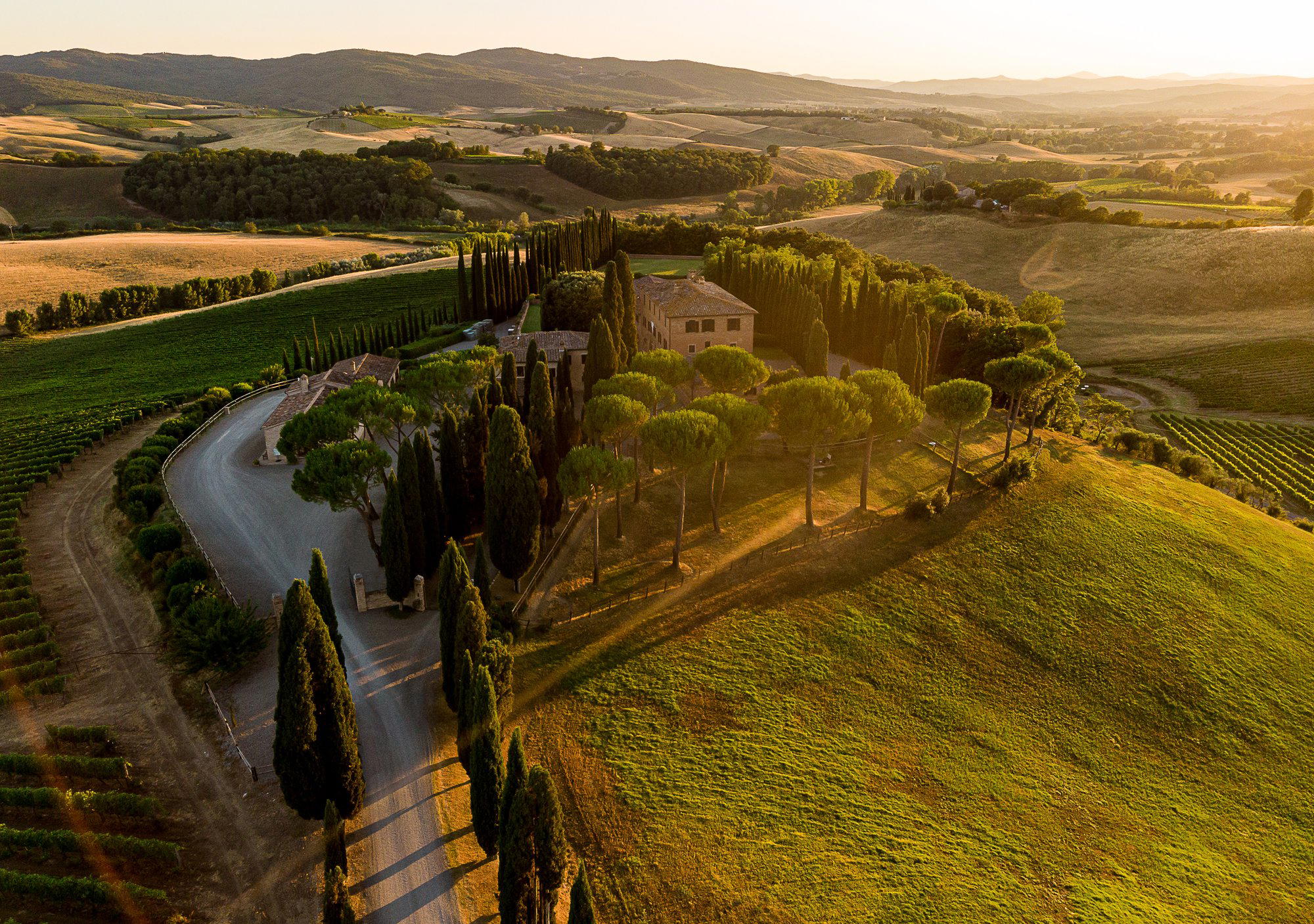
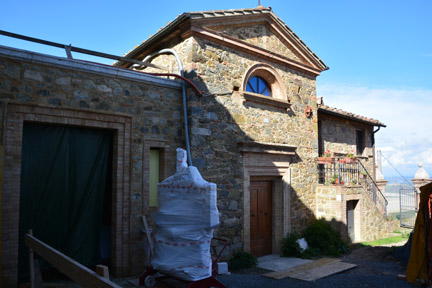
The road to Montalcino's upper reaches climbs through cypress-lined switchbacks before the medieval towers of a walled borgo come into view against the Val d'Orcia. This is the physical reality of arriving at Rosewood Castiglion Del Bosco: an estate hotel in Montalcino, Tuscany, set within a working Brunello wine estate and a 5-star property with 53 rooms. The distinction matters. Where many Tuscan properties simulate rural authenticity through salvaged stone and terracotta tile, Castiglion del Bosco operates within structures whose bones precede the Renaissance.
The Michelin guide's hotel program awarded the property Three MICHELIN Keys in its 2025 edition.
The Architecture of a Working Estate
Tuscan estate hotels broadly divide into two categories: properties where heritage architecture is primarily scenographic, and those where the land and its structures define the entire logic of the stay. Castiglion del Bosco belongs firmly in the second group. The estate spans approximately 4,200 acres, incorporating medieval towers, a Romanesque chapel, farm buildings, and the working Brunello di Montalcino vineyards that produce the property's own wine under the Castiglion del Bosco label. The result is a spatial experience where the built environment and agricultural landscape are genuinely inseparable, rather than decorative complements.
The core borgo architecture dates from the medieval period, and the conversion approach has preserved the massing and materiality of those original structures rather than homogenising them toward a hotel aesthetic. Stone walls read as load-bearing elements rather than cladding. Interior volumes in the converted accommodations reflect the original agricultural or domestic purposes of each building rather than the standardised room footprints typical of purpose-built luxury hotels. This approach places Castiglion del Bosco in a comparable set with properties like Castello di Reschio in Lisciano Niccone and Borgo Egnazia in Savelletri di Fasano, where conversion of historic agricultural estates into hospitality has been handled with material discipline rather than wholesale reinvention.
Within the Montalcino market itself, the property sits among the area's leading estate hotels, with comparable wine-and-land settings at Castello Banfi - Il Borgo and Castello di Velona Resort Thermal SPA & Winery.
Wine, Land, and the Val d'Orcia
The Val d'Orcia's designation as a UNESCO World Heritage Cultural Landscape since 2004 provides the broader context for the property's setting. The rolling hills between Montalcino and Pienza represent among the more extensively documented agricultural landscapes in European history, appearing in Renaissance painting and drawing tourism that is as much about the land itself as any individual site within it. A stay at Castiglion del Bosco is therefore as much about occupying this landscape as it is about the hotel infrastructure within it.
The estate's Brunello production means guests engage with the wine region in a more direct way than at a hotel that simply stocks local bottles. Brunello di Montalcino's DOCG regulations require a minimum of five years' aging before release (six for Riserva), making the wine inherently tied to patience and long-term land stewardship. An estate that produces its own Brunello communicates something specific about its relationship to the territory, and that signal carries as much weight with a certain traveller as any facility or design detail.
Italy's Estate Hotel Tier: Where Castiglion del Bosco Sits
Italy's premium hotel market has developed a coherent tier of estate-based properties that compete on land, architecture, and authenticity of place rather than urban amenity or service density. Castiglion del Bosco operates within this tier alongside properties as varied as Four Seasons Hotel Firenze in Florence, with its Medicean garden, and Il Pellicano in Porto Ercole, where a coastal setting provides the geographic anchor. Across the broader Italian peninsula, the Michelin Keys framework has formalised what previously operated through word-of-mouth and editorial recognition: a defined upper bracket of properties where the full stay experience, not just the restaurant, warrants the premium.
Rosewood's positioning as an operator reinforces this. The brand occupies a specific niche within international luxury hospitality, favouring low-key properties with strong sense-of-place credentials over the more programmatic luxury of larger chains. Properties like Portrait Milano in Milan and, farther afield, Badrutt's Palace Hotel in St. Moritz and Hôtel de Paris Monte-Carlo in Monte Carlo anchor the broader European luxury context within which Castiglion del Bosco's rates and expectations should be calibrated. The Tuscany property, however, operates with a degree of geographic isolation that amplifies the sense of inhabiting a private world rather than accessing a high-service urban product.
Planning a Stay: Logistics and Timing
Montalcino sits roughly 40 kilometres south of Siena, accessible by car from Florence (approximately two hours) or from Rome's Fiumicino airport (roughly two and a half hours). The Val d'Orcia's harvest season, running from late September through October, draws visitors specifically for the agricultural calendar, while spring offers the landscape's fullest green before summer heat. The borgo's altitude keeps temperatures cooler than the valley floor in high summer, which matters for a property where much of the experience happens outdoors.
Extended lead times are standard at estate properties with limited room counts. Travellers building longer Italian stays might also consider Casa Maria Luigia in Modena for a northern Italian counterpoint, or Borgo Santandrea on the Amalfi Coast for a coastal extension, both properties where the architecture and setting do the same kind of editorial work as the services within.
A Quick Peer Check
Comparable venues nearby, for context on price, style, and recognition.
| Venue | Cuisine | Price | Awards | Notes |
|---|---|---|---|---|
| Castiglion del Bosco, A Rosewood HotelThis venue — the venue you are viewing | Restored 800-year-old Tuscan borgo and farmhouses harmoniously integrated with the UNESCO Val d'Orcia landscape. | $$$$ | 5-Star | Not listed |
| Castello di Velona Resort Thermal SPA & Winery | Historic Tuscan castle estate reimagined as a luxury wellness resort, blending medieval architecture with contemporary comfort and natural thermal amenities. | $$$$ | 5-Star | Montalcino |
| Villa le Prata | Historic 1862 villa reimagined as a luxury winery retreat with contemporary comfort and rustic Tuscan charm. | $$$ | Michelin 1 Key | Montalcino |
| Castello Banfi - Il Borgo | Historic Tuscan borgo restored into a luxurious boutique retreat | $$$$ | Michelin 1 Key | Montalcino |
| Rosewood Castiglion Del Bosco | Hotel | Not listed | Michelin 3 Key | Montalcino |
| Tenuta Le Tre Virtù | Restored 17th-century stone farmhouse transformed into luxury agriturismo with contemporary comfort and rustic authenticity. | $$$$ | 5-Star | Mugello Valley |
Recognition history
Dated appearances from independent guides and award organizations, with the underlying list record or original source where available.
Travel + Leisure 100 Favorite Hotels in the World #8 · No. 8
Travel + Leisure · 2026 Travel + Leisure 100 Favorite Hotels in the World
Michelin 3 Keys
Michelin
Continue exploring
More in Montalcino
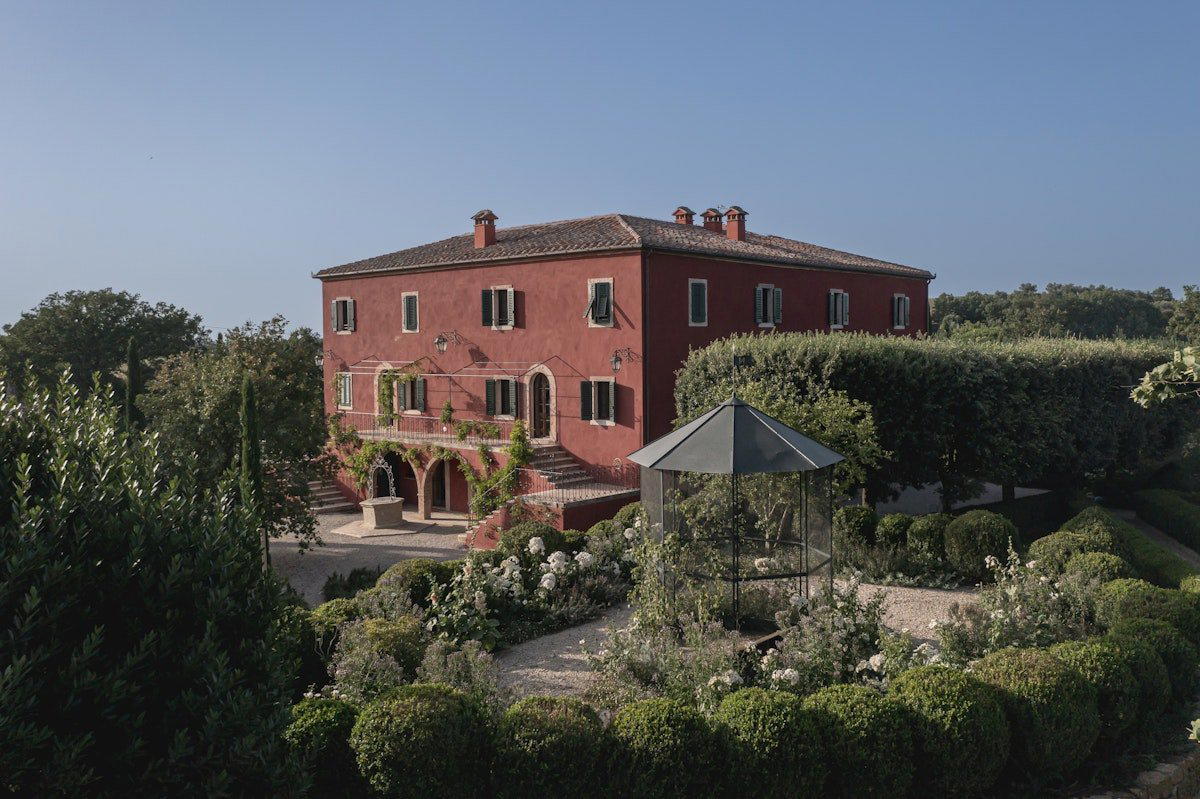
Hotels in Montalcino
Browse all →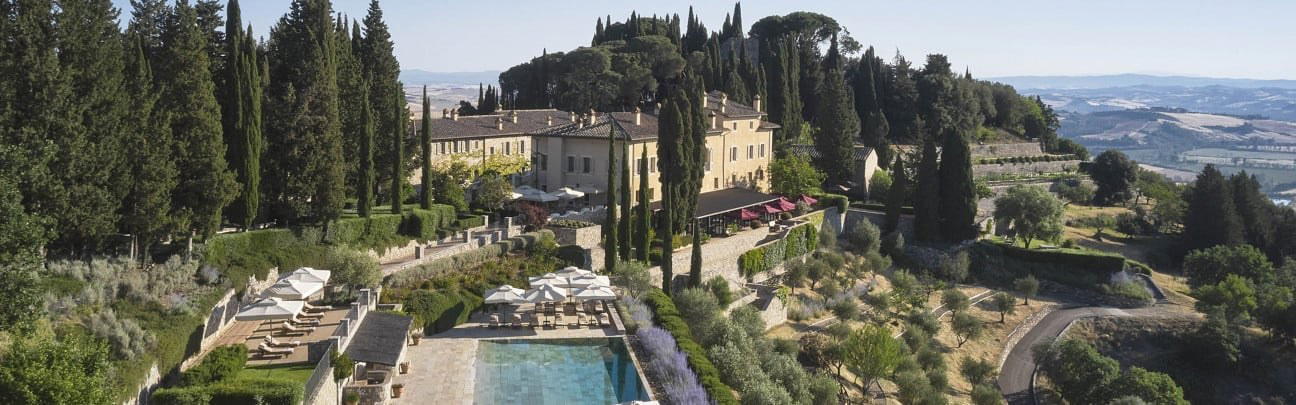
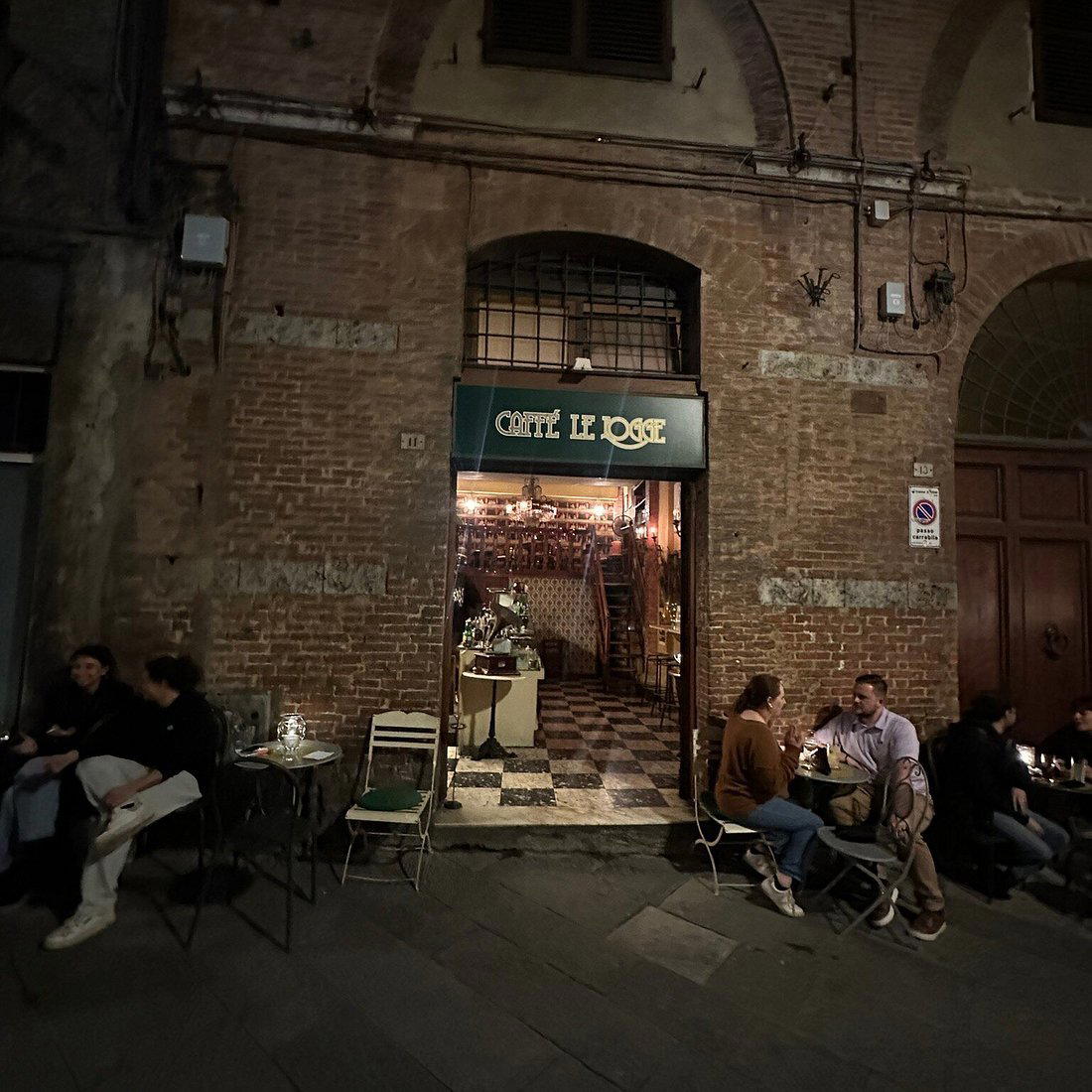
Bars in Montalcino
Browse all →
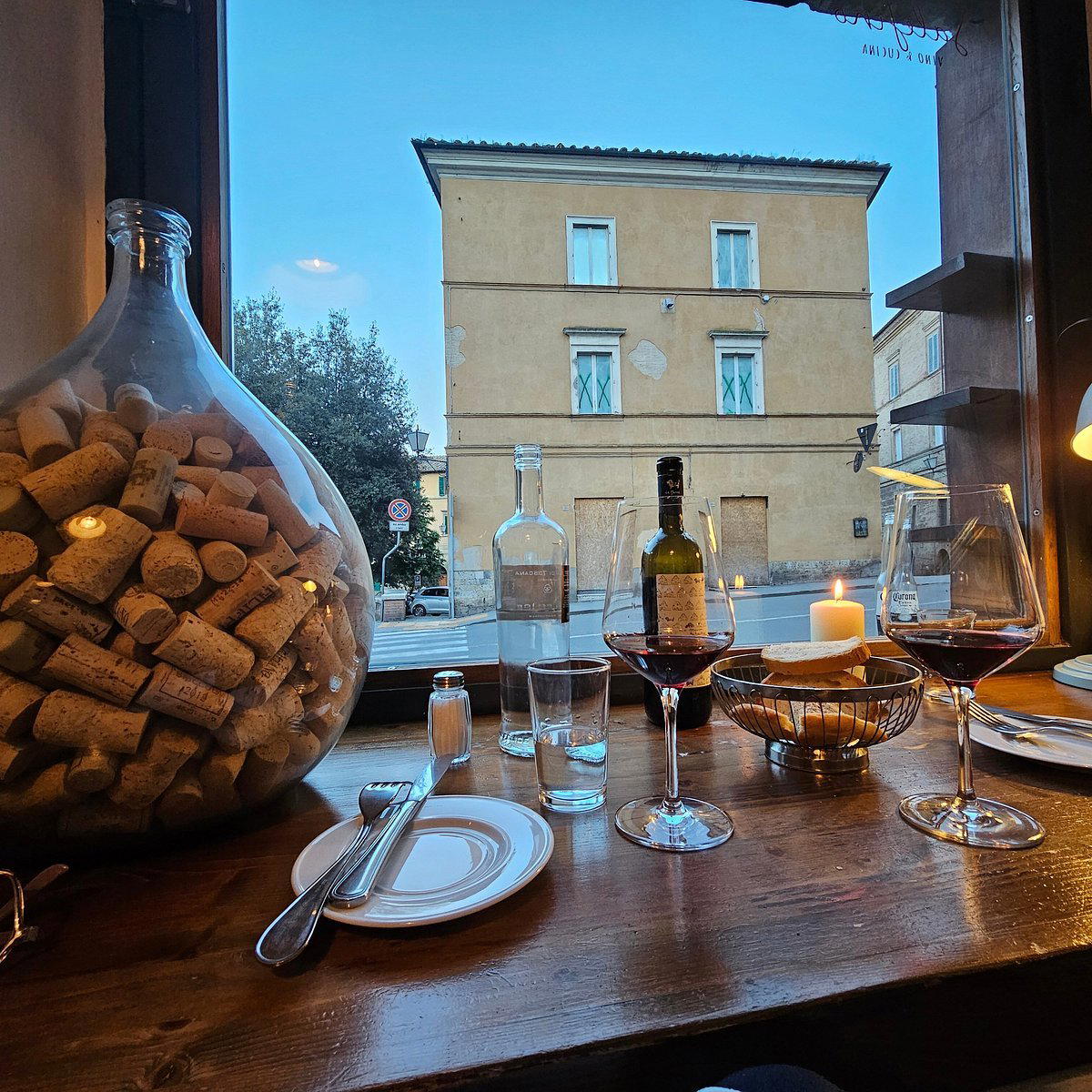
Restaurants in Montalcino
Browse all →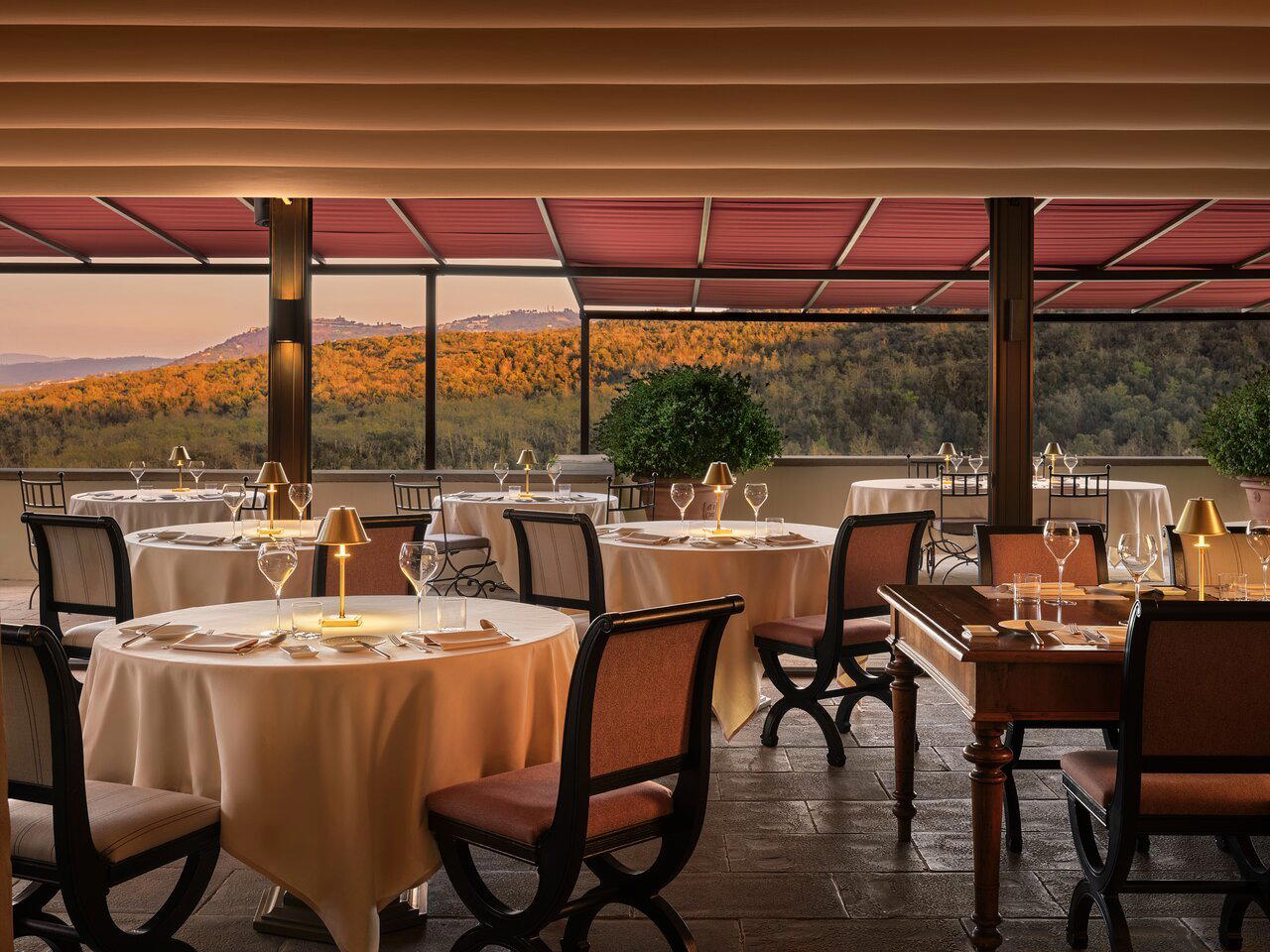
At a Glance
- Romantic
- Elegant
- Rustic
- Scenic
- Sophisticated
- Serene
- Honeymoon
- Romantic Getaway
- Family Vacation
- Wellness Retreat
- Anniversary
- Weekend Escape
- Golf Course
- Infinity Pool
- Private Villa
- Panoramic View
- Terrace
- Historic Building
- Spa
- Pool
- Fitness Center
- Room Service
- Concierge
- Tennis
- Golf Course
- Kids Club
- Vineyard
- Mountain
- Garden
- Spa
- Pool
- Fitness Center
- Room Service
- Concierge
- Tennis
- Golf Course
- Kids Club
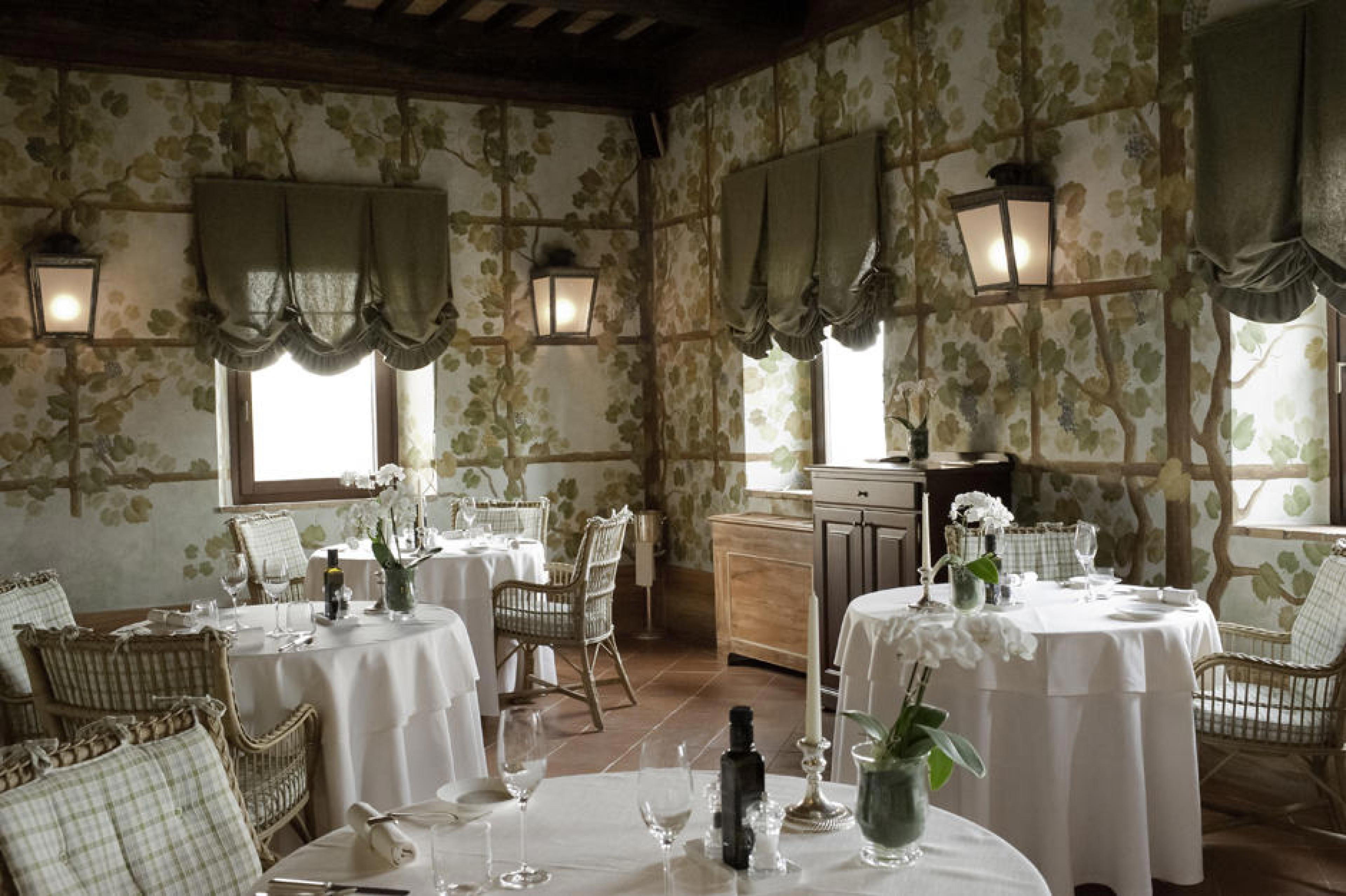
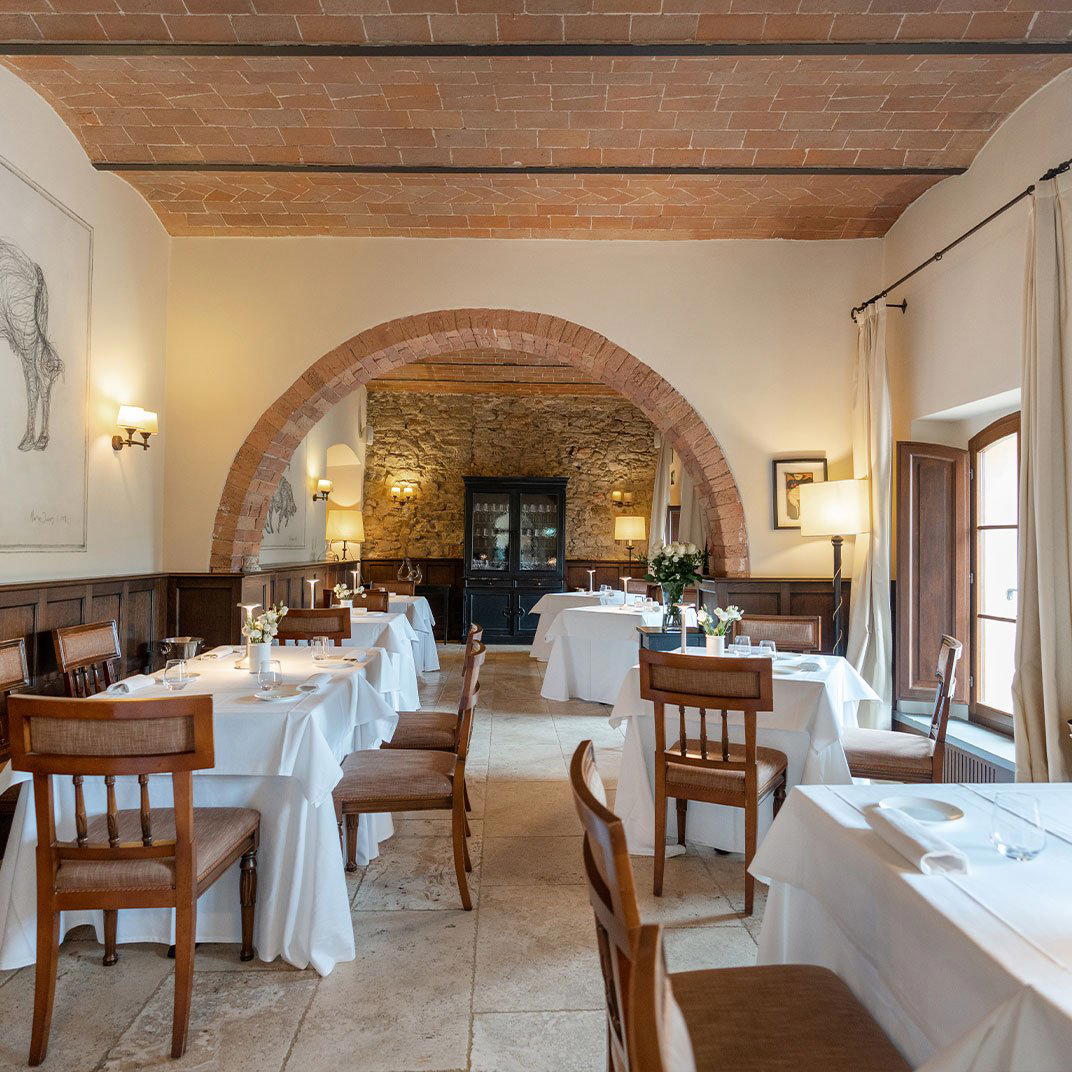
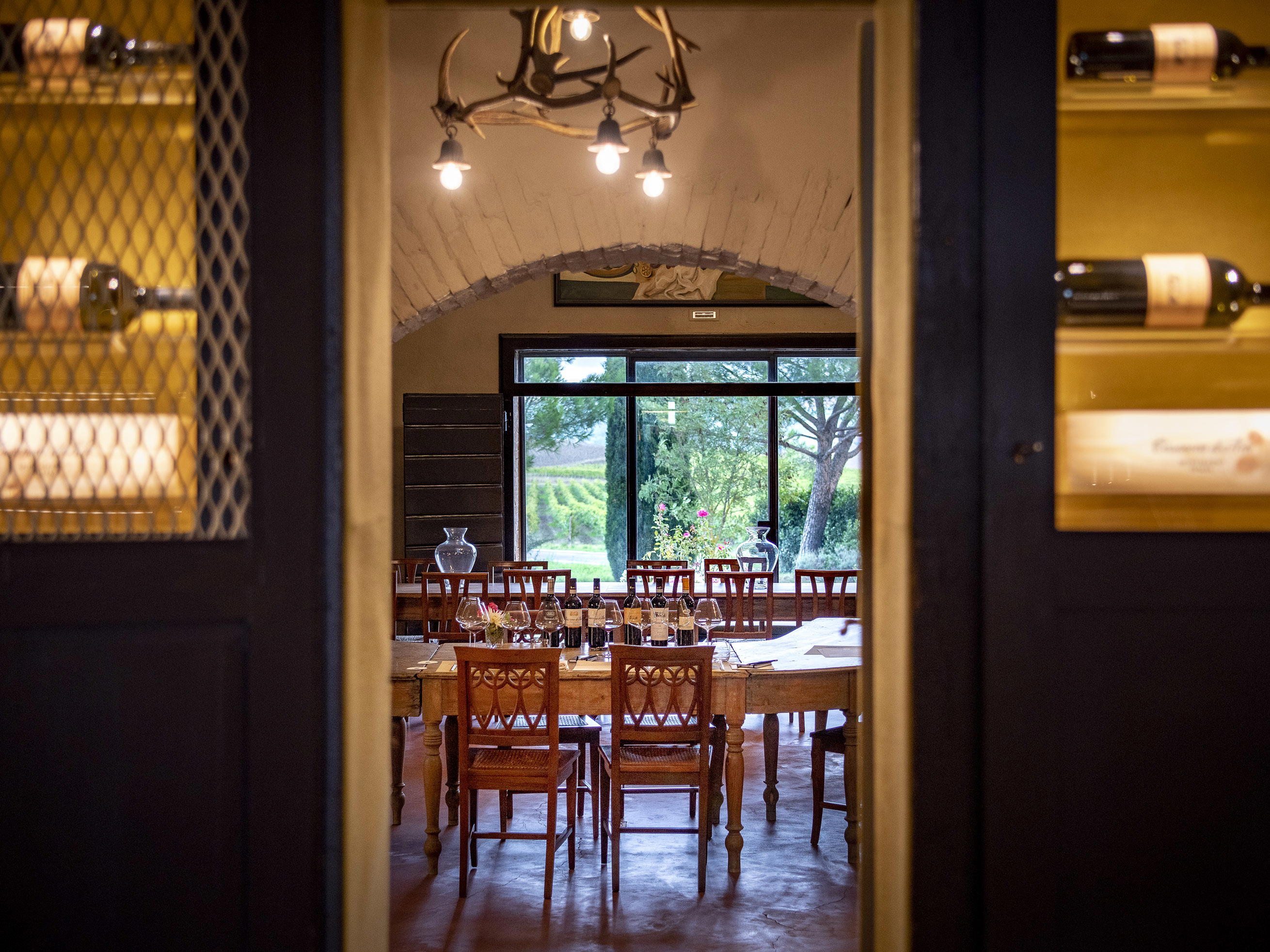
Serene and pastoral atmosphere blending historic Tuscan elegance with natural splendor, featuring exposed wooden beams, antique furnishings, and picturesque countryside views.