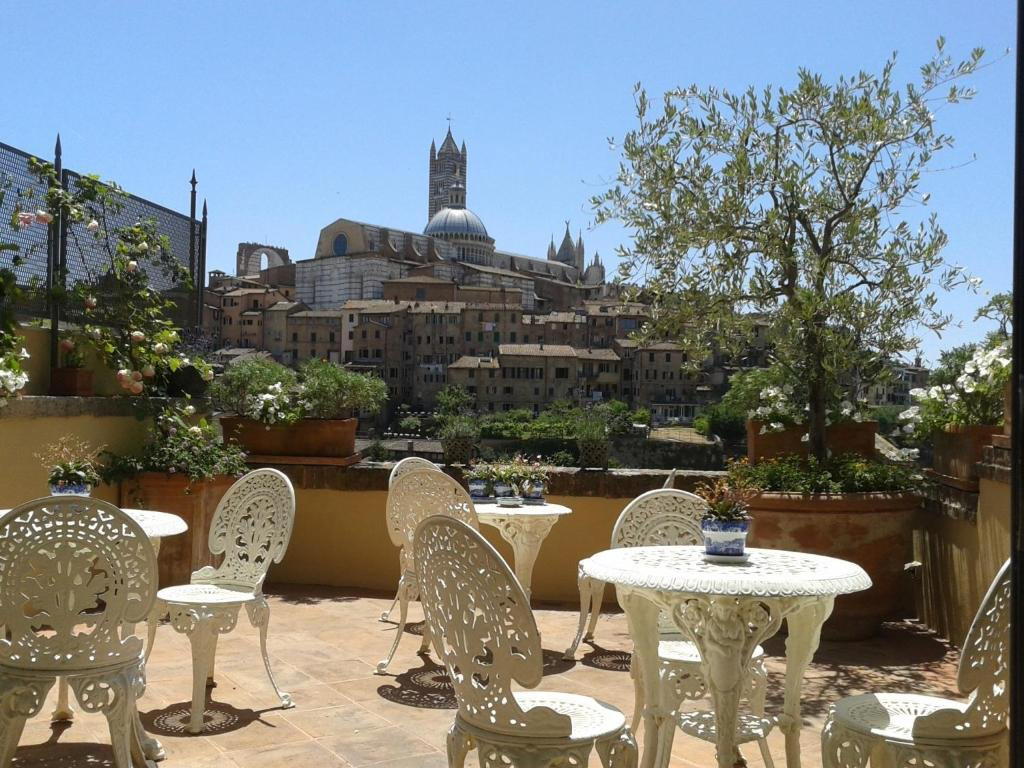
A small-scale residenza on Via della Sapienza in the heart of medieval Siena, Campo Regio Relais occupies a category of Italian hospitality that prizes historic fabric over brand infrastructure. Its position within the centro storico places guests within walking distance of the Campo and the Duomo, making it a practical base for serious engagement with one of Tuscany's most architecturally intact cities.

Pearl is the En Primeur Club membership app, where members save venues, book tables and use the concierge.
A Medieval City and a Different Kind of Hotel
Siena does not accommodate large-footprint hotels gracefully. The centro storico, a UNESCO World Heritage Site since 1995, is a dense web of medieval lanes, Gothic palazzi, and sudden piazzas that resists the kind of ground-floor expansion a branded property requires. What the city does support is a particular class of accommodation: the residenza d'epoca, literally a historic-period residence, where the architecture is the product and the room count stays deliberately low. Campo Regio Relais, on Via della Sapienza in the Terzo di Camollia, belongs to this category.
Via della Sapienza runs along the northern flank of the city's historic core, named for the university faculty that once occupied the street. The address places the property within a short walk of the Campo, the sloping shell-shaped piazza that defines Sienese civic identity, and the Duomo, whose black-and-white marble striping remains one of the most arresting Gothic facades in Italy. For a guest arriving on foot from the railway station or by taxi through one of the city gates, the approach along narrow stone streets is itself part of the arrival sequence.
The Residenza Format in Context
Across Tuscany, premium accommodation has sorted into two broad types: rural relais and agriturismo operations positioned in the countryside (the Chianti hills, the Crete Senesi, the Val d'Orcia), and smaller urban properties embedded in historic fabric. Campo Regio Relais occupies the latter position, making it structurally different from countryside options like Borgo Scopeto Wine & Country Relais or Borgo Vescine, both of which trade on landscape immersion and estate amenities. Within Siena itself, the comparison set includes Grand Hotel Continental Siena, which operates at larger scale inside a baroque palazzo, and smaller guesthouses like Antica Residenza Cicogna and Albergo Bernini, which serve a more modest tier.
A residenza d'epoca is not simply an old building repurposed for paying guests. The designation implies a preserved historic interior, frescoed ceilings, original floors, period furniture authenticated to the property's era, alongside modern comfort standards. The tension between preservation and guest expectation is what defines the format. At its finest, the category delivers something that neither a rural resort nor a chain hotel can replicate: a sense of inhabiting the actual city, not a simulation of it. Comparable properties in other Italian cities include Aman Venice and Corte della Maestà in Civita di Bagnoregio, both of which resolve the same tension between architectural integrity and hospitality function, albeit at considerably different price points and scales.
Food and Drink in a City Without a Restaurant Street
Siena's food culture is not organised around a single dining district. The city's most serious eating happens in scattered enoteca and trattoria spaces, often unmarked, often requiring advance knowledge, rather than along a pedestrianised strip. The regional kitchen draws on pici (a thick hand-rolled pasta), ribollita, wild boar ragu, and Pecorino di Pienza in its harder aged form. Wine pours almost exclusively from the surrounding denominazioni: Chianti Classico to the north and west, Brunello di Montalcino to the south, Nobile di Montepulciano to the southeast.
For a small urban property in this context, the question of dining provision matters considerably. Guests who cannot walk out of a rural relais to a full kitchen operation need either an in-house restaurant or reliable guidance toward the city's actual options. Guests interested in pairing accommodation with a more complete culinary programme should also consider Hotel Santa Caterina Siena, which sits at the city's southern edge near the Porta Romana. For a full overview of eating and drinking options across the city, the EP Club Siena guide maps the relevant neighbourhood patterns in more detail.
Across Italy more broadly, the properties that handle this food-and-drink question most effectively at small scale tend to be those with strong breakfast provisions and a list of local referrals rather than those attempting a full restaurant operation with limited kitchen capacity. Casa Maria Luigia in Modena demonstrates how a smaller property can anchor its food identity around a single strong offering tied to regional provenance, without requiring a multi-course kitchen infrastructure.
How Campo Regio Relais Sits in the Wider Italian Luxury Register
Italy's premium hotel market has a long tradition of small, independently operated properties that punch above their room count in terms of design quality and location value. The international brands, the Four Seasons, the Bulgari group, the Aman properties, tend to concentrate in Rome, Venice, Milan, and Florence. Tuscany's secondary cities, Siena among them, remain largely in the hands of independent operators and smaller regional groups. This creates a hospitality character that is more variable in delivery but often more specific to place. Four Seasons Hotel Firenze and Bulgari Hotel Roma represent the international-brand end of the spectrum; Campo Regio Relais represents the other, where the building's own history carries most of the identity work.
For travellers used to the consistency of larger branded properties, the fixed check-in experience, the predictable amenity floor, the 24-hour room service, the residenza format requires a recalibration of expectations. What it offers instead is integration with the actual city: the same stone underfoot, the same light through the same window orientations that have defined the building for centuries. Properties like Passalacqua in Moltrasio and Il Pellicano in Porto Ercole operate on a similar logic of place-specificity over brand infrastructure, though at significantly higher price points and with more developed amenity programmes.
Planning Considerations
Siena operates on two distinct travel rhythms. The Palio, the bareback horse race run twice annually in the Campo, on 2 July and 16 August, compresses demand dramatically in the weeks surrounding each race, with room rates across the city reflecting that scarcity. Outside Palio season, the city receives a steadier but significant flow of day-trippers from Florence (approximately 70 kilometres north by road) and from the broader Chianti touring circuit. A property in the centro storico benefits from this pattern in the shoulder months, particularly April to early June and September to October, when pedestrian traffic in the historic lanes is serious but not overwhelming.
Booking directly through the property's own channels typically offers the most flexibility on cancellation terms for small independent properties in this category, a pattern that holds across Italian residenze regardless of platform. Guests arriving by car should note that access to Siena's centro storico is restricted under ZTL (Zona a Traffico Limitato) regulations; the property's address on Via della Sapienza falls within the controlled zone, and coordination with the hotel on vehicle access is essential before arrival.
For those building a broader Tuscany itinerary, the surrounding region offers considerable range: Rosewood Castiglion Del Bosco in Montalcino sits roughly 40 kilometres south and anchors the Brunello wine country. Castello di Reschio in Lisciano Niccone covers the Umbrian border zone to the east. Campo Regio Relais functions well as an urban counterpoint to these estate properties, particularly for travellers who want to spend concentrated time in Siena itself rather than treating the city as a day stop on a countryside circuit.
Budget Reality Check
| Venue | Price | Awards |
|---|---|---|
| Campo Regio Relais, Residenza d'Epoca SienaThis venue (the venue you are viewing) | $300–500 | Not listed |
| Borgo Scopeto Wine & Country Relais | Not listed | Michelin Selected · Preferred Hotels Member |
| Borgo Vescine | $100–200 | Michelin Selected · Star Wine List |
| Grand Hotel Continental Siena | Not listed | Michelin Selected · Virtuoso Luxury Hotel Partner |
| Hotel Santa Caterina Siena | $100–200 | Not listed |
| Antica Residenza Cicogna | $100–200 | Not listed |
Continue exploring
More in Siena
Hotels in Siena
All hotels in Siena →
Bars in Siena
All bars in Siena →
Restaurants in Siena
All restaurants in Siena →
Details
- Romantic
- Elegant
- Classic
- Intimate
- Cozy
- Romantic Getaway
- Honeymoon
- Anniversary
- Weekend Escape
- Historic Building
- Panoramic View
- Terrace
- Wi Fi
- Concierge
- Room Service
- Massage
- Street Scene
- Skyline
- Elevator
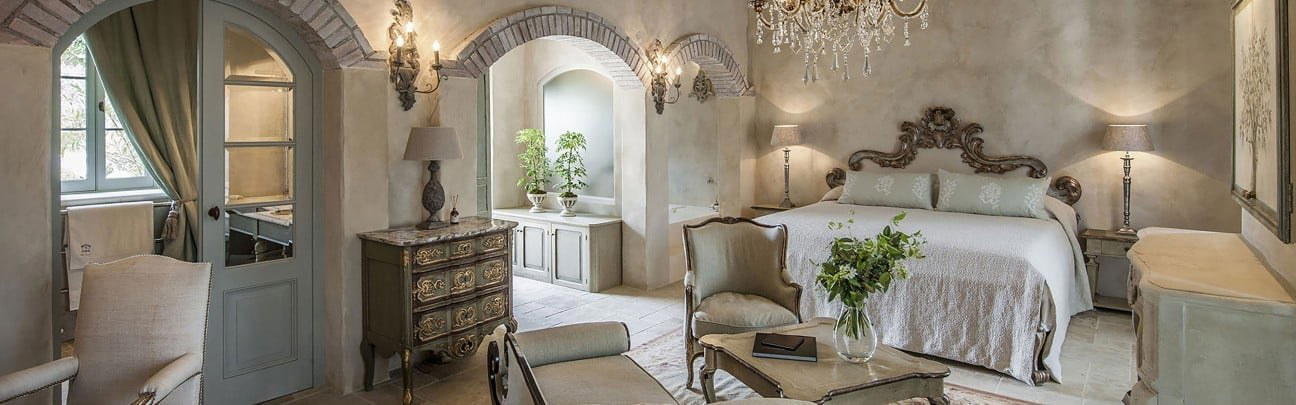
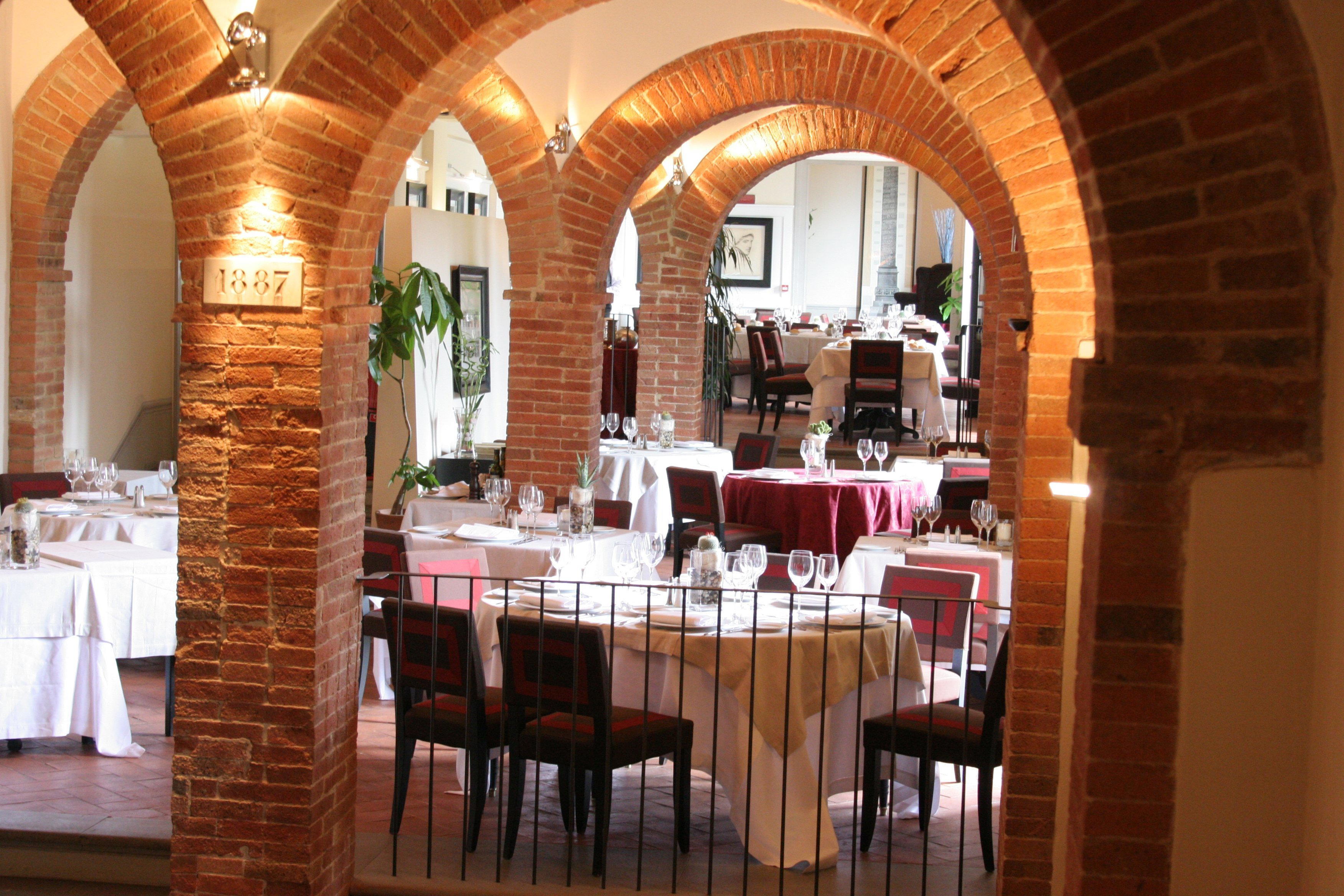
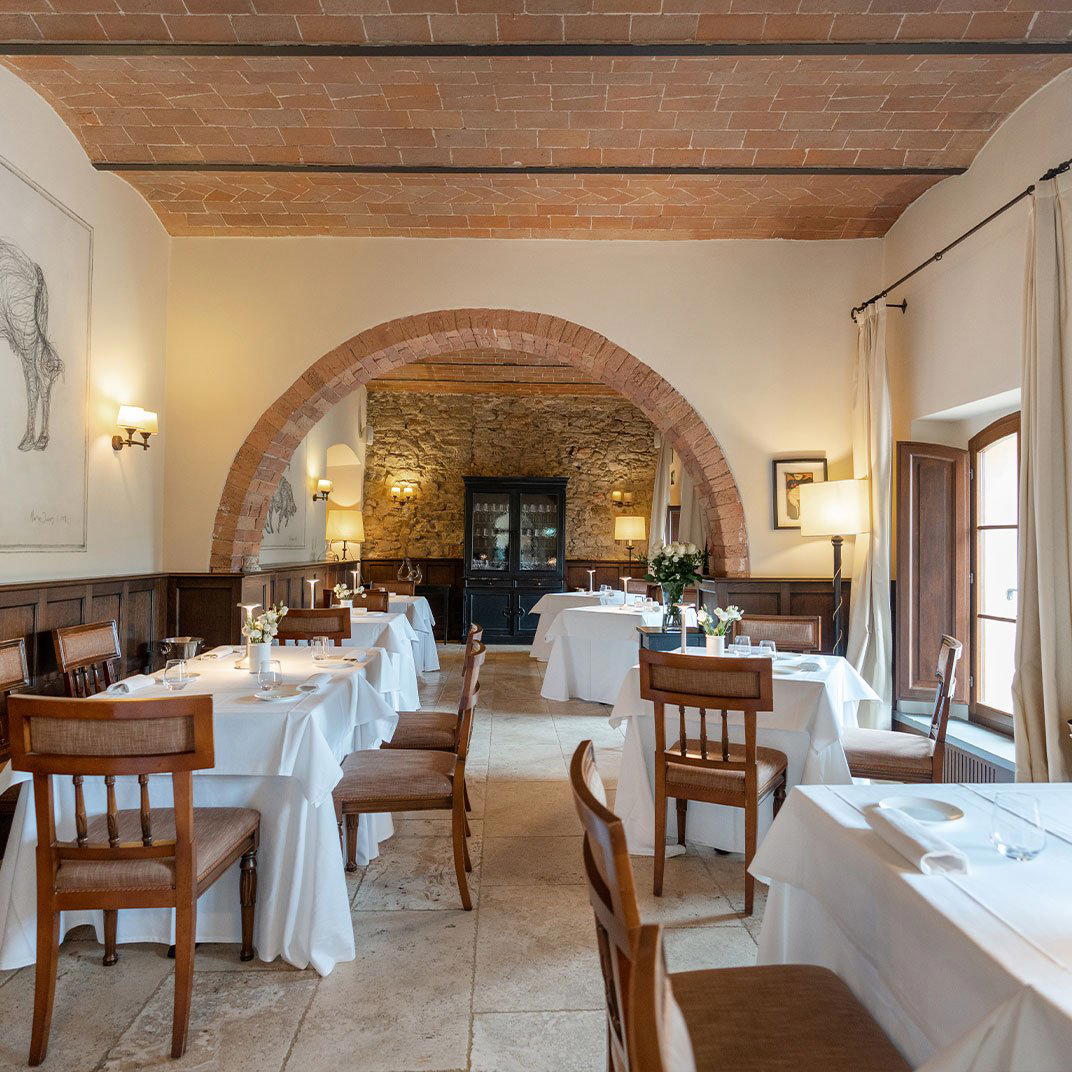
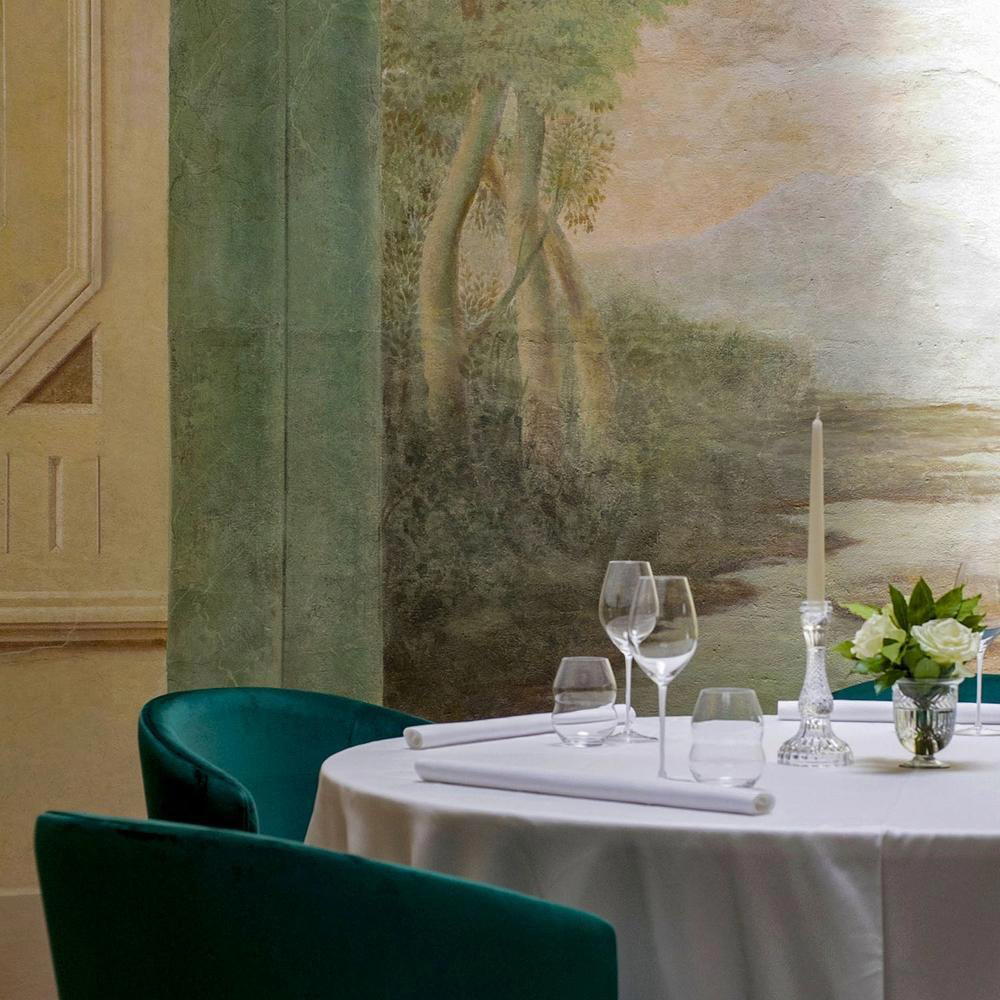
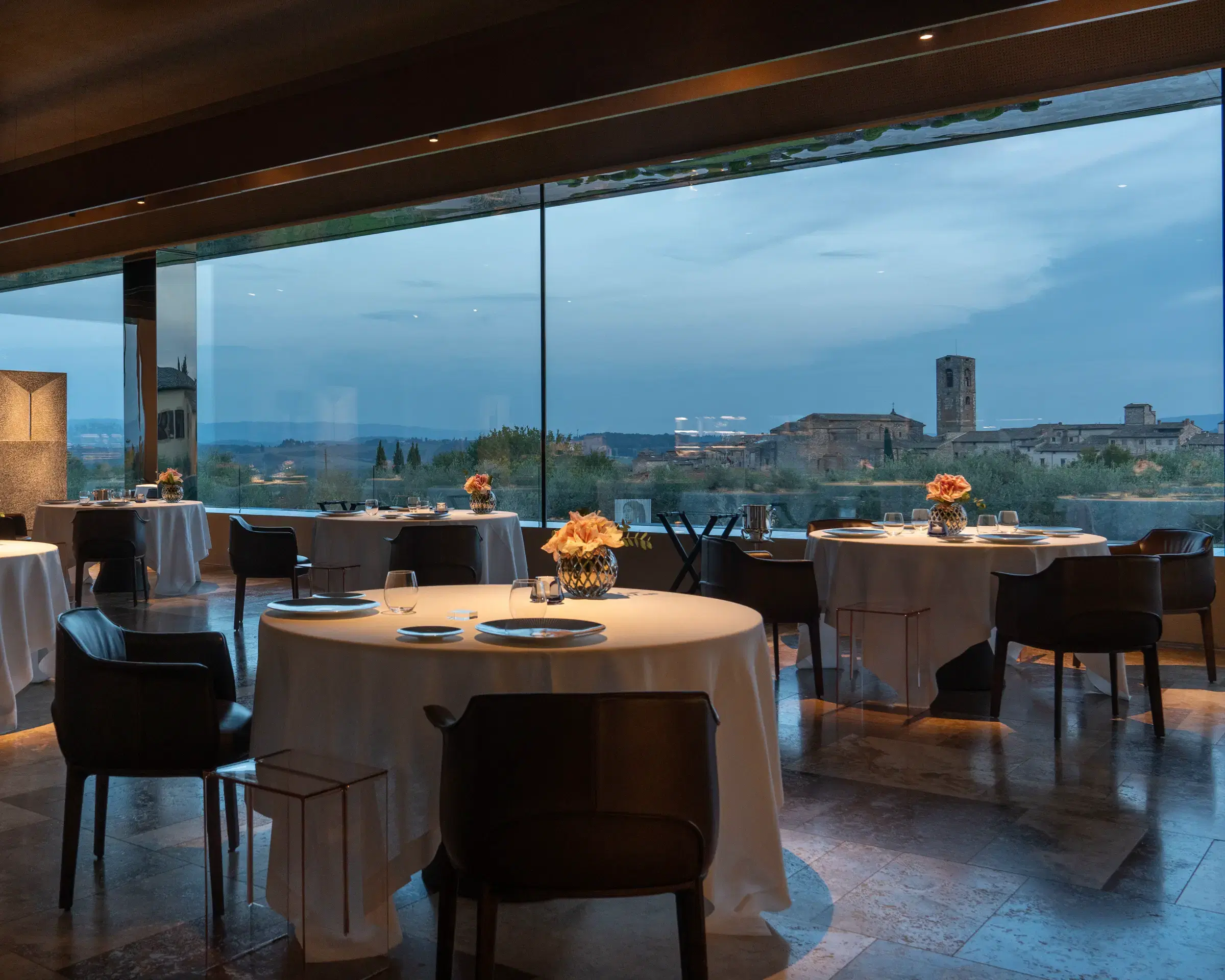
Refined and elegant atmosphere with antique furnishings, frescoes, and a quiet, romantic setting enhanced by the panoramic terrace.