A medieval palazzo address on Via Enea Silvio Piccolomini, Hotel Santa Caterina Siena positions guests within the historic city walls yet close enough to the Campo to walk. The property occupies a building with the architectural bones typical of Sienese civic heritage, offering a quieter residential character than the larger palace conversions clustered near the Duomo. For travellers who want stone floors and frescoed ceilings without the operational scale of a grand hotel, it sits at a distinct point in Siena's accommodation tier.

Pearl is the En Primeur Club membership app, where members save venues, book tables and use the concierge.
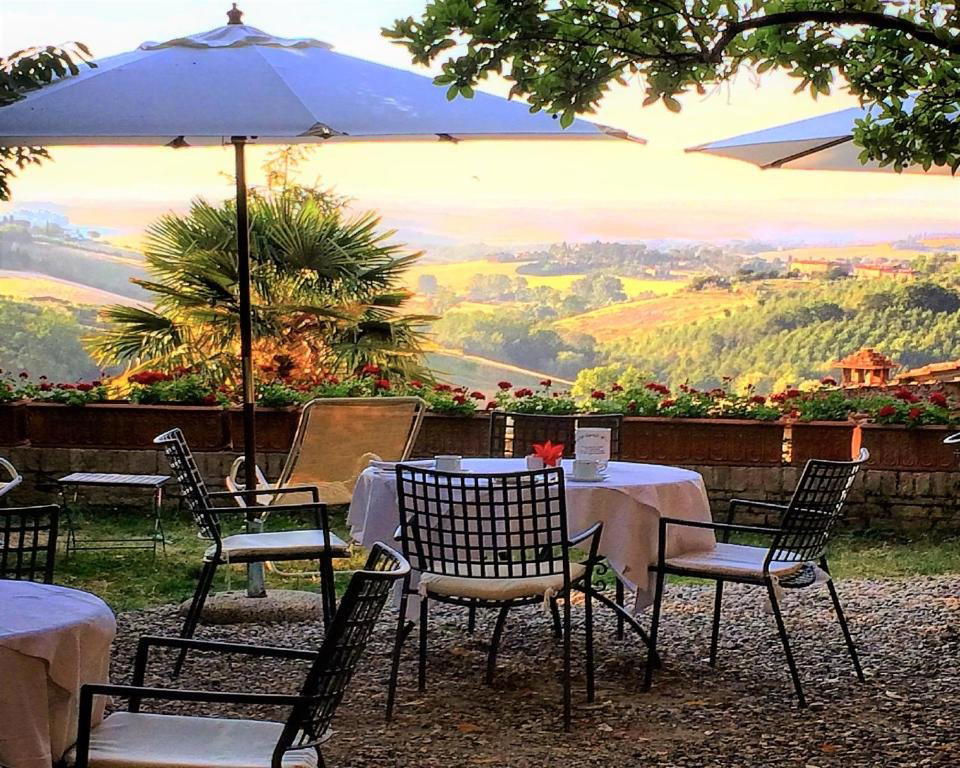
Stone, Arch, and the Sienese Street
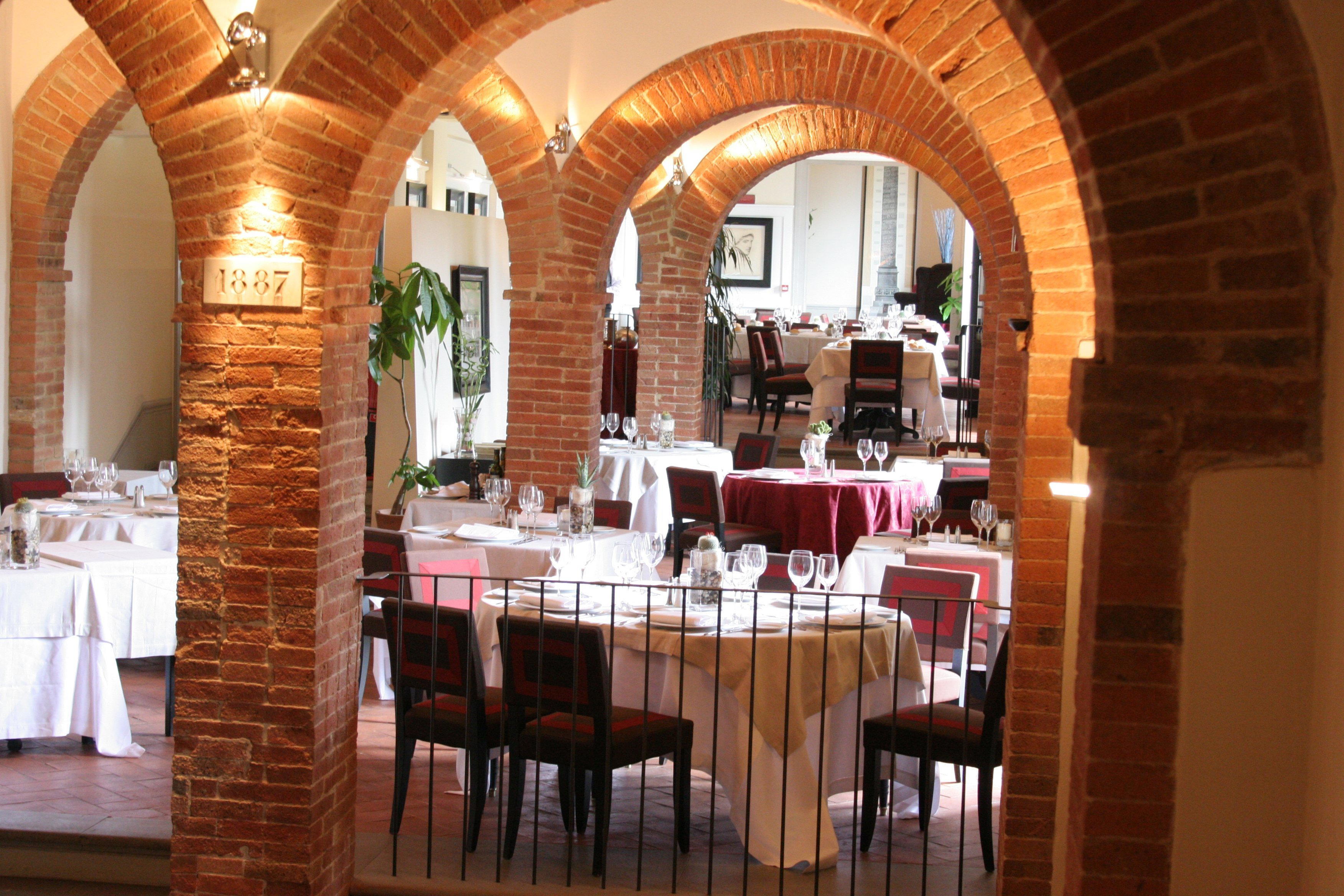
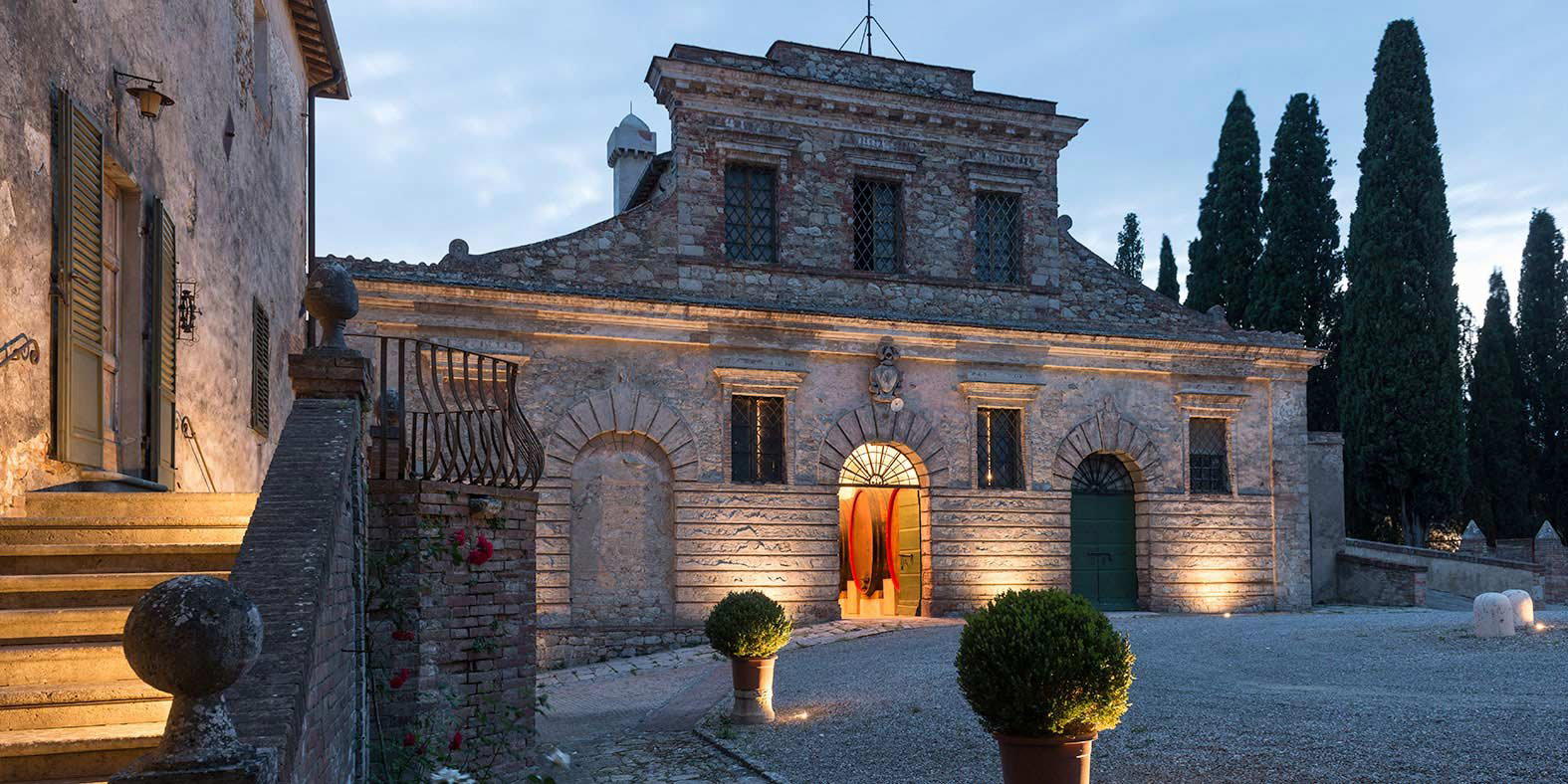
Arriving on Via Enea Silvio Piccolomini, the street itself sets the register before you reach the door. The road is named for the Sienese humanist who became Pope Pius II, and the buildings along its length carry the civic seriousness that defines the medieval city: travertine coursework, deep-set windows, carved lintels that predate the unification of Italy by centuries. Siena never had a Baroque rebuilding phase in the way Rome did, and that absence is the city's architectural argument. What you encounter here is Gothic and early Renaissance in its bones, layered with centuries of domestic use rather than grand institutional renovation.
Hotel Santa Caterina Siena occupies this context without apology. The address places it within the historic centre, which in Siena means inside the walls and within walking distance of the Campo, the shell-shaped piazza that ranks among the most formally studied medieval civic spaces in Europe. The walk from the property to the Campo takes you through contrade streets where the neighbourhood boundaries, established in the thirteenth century, are still marked by territorial plaques and ceramic crests. Few cities in Italy maintain this degree of medieval urban continuity, and the hotel's location makes that continuity part of the daily experience rather than a day-trip destination.
Where This Property Sits in Siena's Accommodation Tier
Siena's hotel market divides roughly into three bands. At one end sit the grand palazzo conversions: properties like the Grand Hotel Continental Siena, which occupies a seventeenth-century palace with frescoed ballrooms and operates at a price and operational scale that targets the international luxury circuit. At the other end, the city has a layer of small guesthouses and residenze, typified by places like Antica Residenza Cicogna, which trade on intimacy and price rather than architectural ambition. Hotel Santa Caterina Siena occupies the middle register, where the building has genuine historic character but the operation remains compact enough to feel residential rather than institutional.
For travellers calibrating this choice, it is worth knowing what the alternatives signal. Campo Regio Relais leans into its position above the Campo with terrace views that carry a premium. Albergo Bernini is closer to the central pedestrian axis. Properties in the surrounding countryside, such as Borgo Scopeto Wine & Country Relais and Borgo Vescine, offer a different proposition entirely: agriturismi and estate-style stays set in the Chianti or Crete Senesi hills, with a car as a practical requirement. Hotel Santa Caterina's position inside the walls means the city is on foot from the moment you arrive.
The Architecture of the Historic Centre
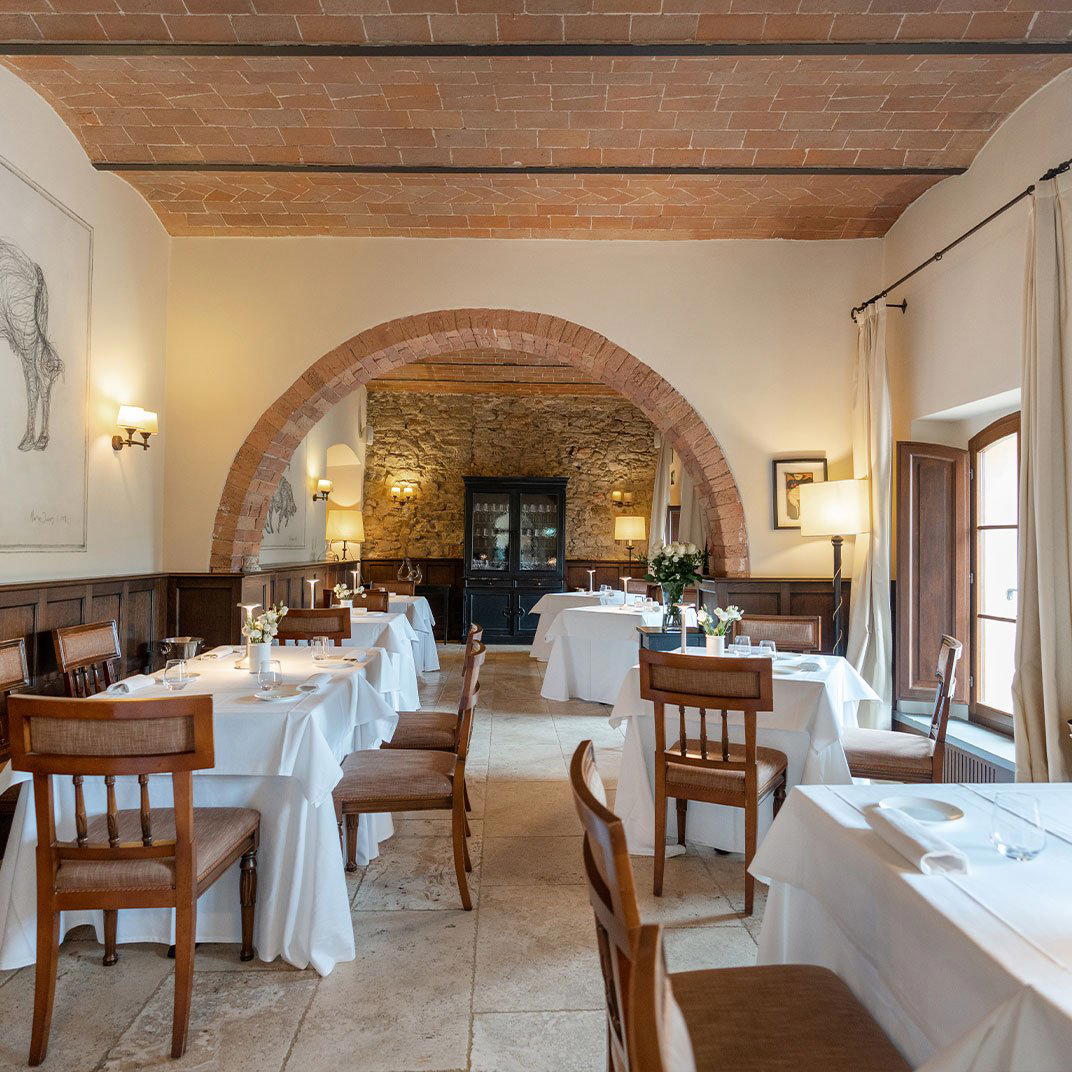
Understanding what makes a Sienese building distinctive requires separating it from Florentine and Roman precedents. The city's Gothic tradition produced a specific aesthetic: narrow, tall facades in the local pink-brown brick known as mattone senese, pointed arches in the biforate windows that face the street, and an interior logic organised around cortili and loggias rather than grand enfilades. The Palazzo Pubblico on the Campo and the Duomo represent the civic and sacred peaks of this tradition, but the same vocabulary runs through the residential fabric of the historic centre. A property on Via Enea Silvio Piccolomini inherits that fabric.
This matters practically as well as aesthetically. Medieval buildings in Siena were constructed for Tuscan summers, with thick walls, north-facing rooms, and internal gardens designed to hold cool air. These are not incidental design choices; they are thermal strategies that predate air conditioning by six hundred years, and in a city that gets warm from May through September, they remain functional. Travellers who have stayed in modern hotels in Siena's periphery and then moved into the historic centre often remark on the temperature differential as one of the more immediate sensory differences.
Planning Your Stay
Siena rewards a minimum of two nights for anyone arriving for the first time, and three nights for those who want to spend a half-day in the surrounding countryside without feeling rushed. The city's two Palio horse races, held on 2 July and 16 August, transform the Campo and the surrounding streets into an event of extraordinary civic intensity; rooms anywhere in the centro storico book many months ahead for those dates, and prices across all tiers rise sharply. For travellers who want the city without the crowd pressure, late September through October and the period from late March to mid-May both offer shorter queues at the Duomo's Museo dell'Opera and more reliable table availability at the restaurants along Banchi di Sopra and around Via di Città.
Reaching Siena by train from Florence takes approximately ninety minutes on regional rail, with the main station at Piazza Carlo Rosselli below the city walls. From the station, a short taxi or bus ride into the centro storico brings you to addresses within the historic zone. If arriving by car, note that the ZTL (Zona a Traffico Limitato) that governs the historic centre requires advance registration of your vehicle with the hotel to avoid automatic fines; this is standard practice for all centro storico properties but worth confirming when booking.
For broader orientation across Siena's dining and hotel scene, the EP Club Siena guide covers the city's restaurant tiers alongside accommodation options across all price bands.
Italy in Comparison
Siena's model of urban preservation puts it in a specific peer group within Italian travel. It is not the rural seclusion of a property like Castello di Reschio in Lisciano Niccone or the coastal drama of Borgo Santandrea on the Amalfi Coast. It is not the palazzo-as-institution scale of Four Seasons Hotel Firenze or the pure design ambition of Aman Venice. Siena offers something more specific: a functioning medieval city where the built fabric is the attraction, and the hotel functions primarily as an anchor inside that fabric rather than as a destination in itself.
For travellers who have already covered Rome's density, as represented by properties like Bulgari Hotel Roma, or who are building a multi-city Tuscan itinerary that might include a Montalcino wine-country stop at Rosewood Castiglion Del Bosco, Siena slots naturally as the urban counterpoint: smaller than Florence, less visited than Rome, and architecturally more coherent than either. Hotel Santa Caterina's address gives that itinerary a centro storico base without requiring the investment that the grand palazzo tier demands. The city provides the theatre; the hotel provides the room.
Quick Comparison
A quick peer reference to anchor this venue in its category.
| Venue | Price | Awards |
|---|---|---|
| Hotel Santa Caterina SienaThis venue (the venue you are viewing) | $100–200 | Not listed |
| Borgo Scopeto Wine & Country Relais | Not listed | Michelin Selected · Preferred Hotels Member |
| Borgo Vescine | $100–200 | Michelin Selected · Star Wine List |
| Grand Hotel Continental Siena | Not listed | Michelin Selected · Virtuoso Luxury Hotel Partner |
| Campo Regio Relais, Residenza d'Epoca Siena | $300–500 | Not listed |
| Antica Residenza Cicogna | $100–200 | Not listed |
Continue exploring
More in Siena
Hotels in Siena
All hotels in Siena →
Bars in Siena
All bars in Siena →
Details
- Classic
- Cozy
- Elegant
- Scenic
- Romantic Getaway
- Weekend Escape
- Garden
- Historic Building
- Terrace
- Wi Fi
- Garden
- Room Service
- Concierge
- Massage
- Garden
- Wheelchair Accessible
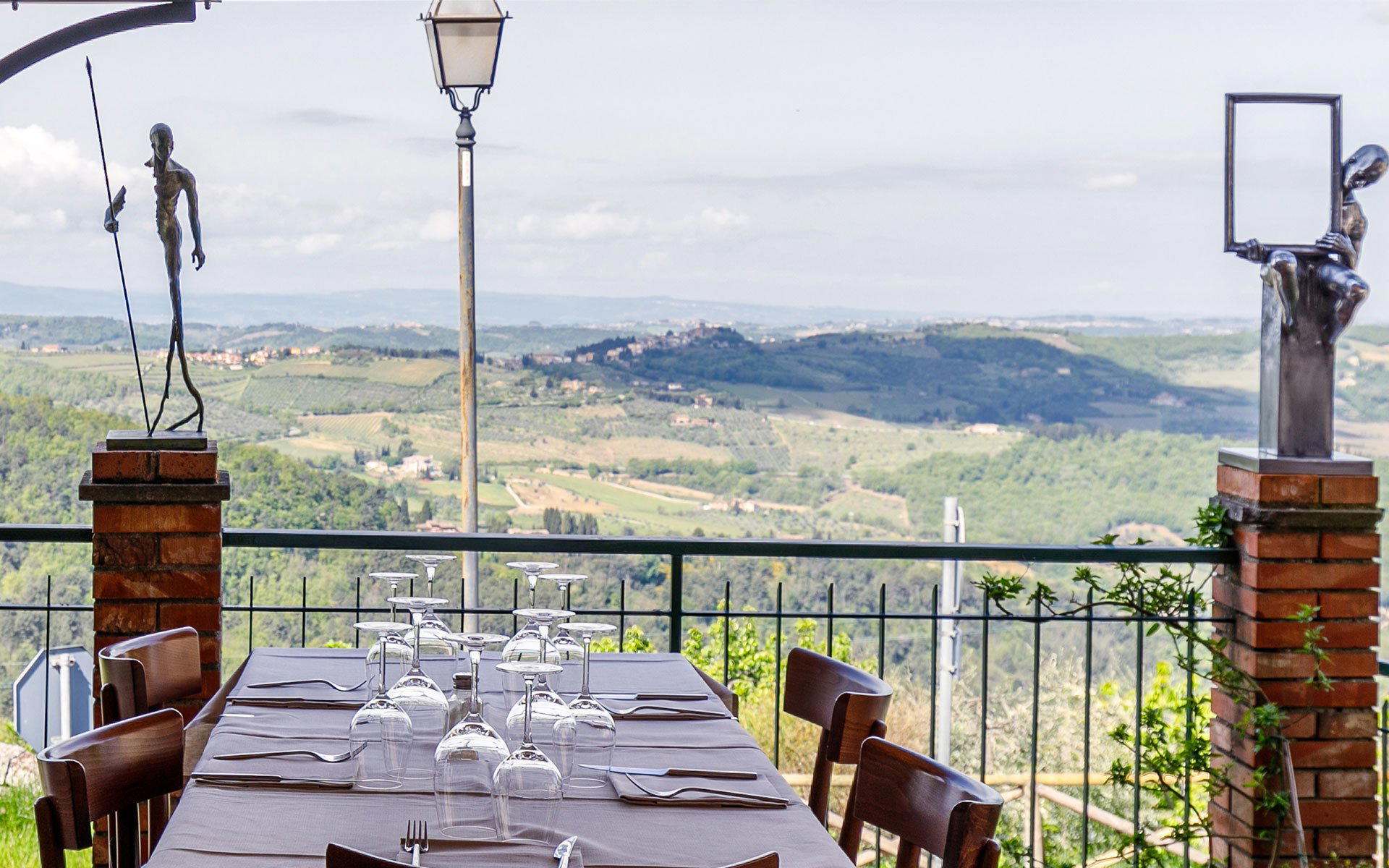
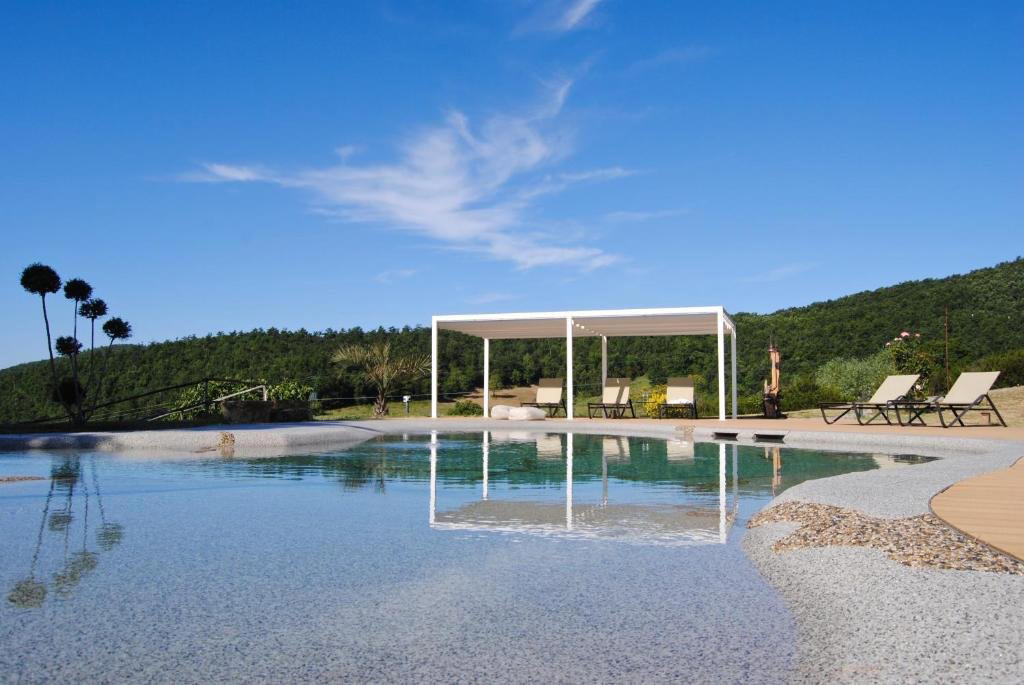
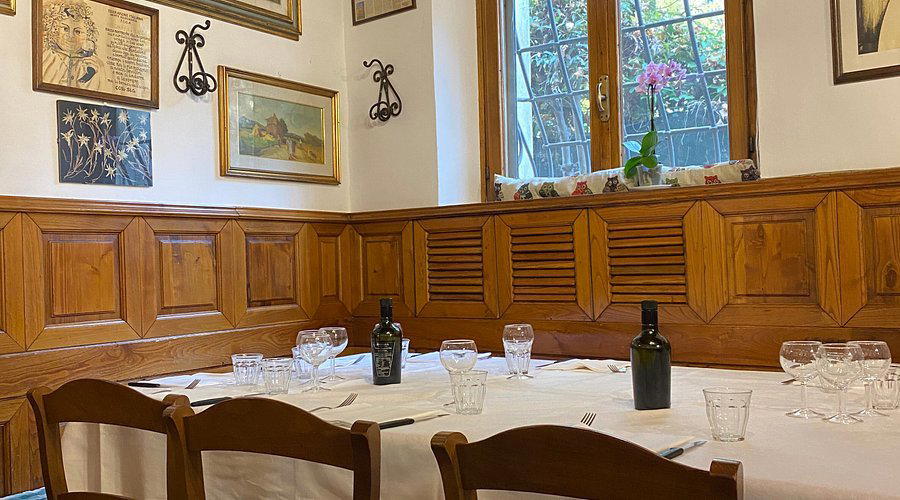
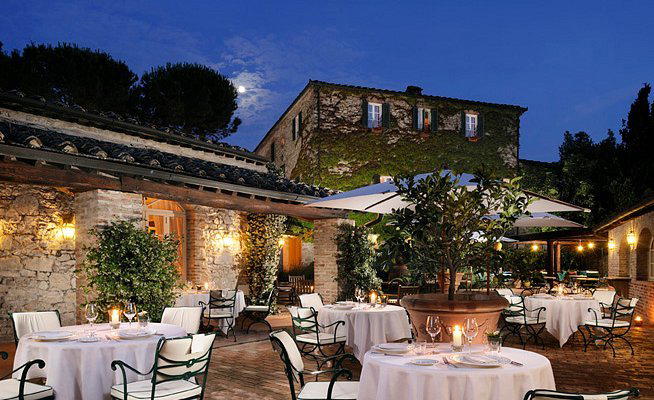
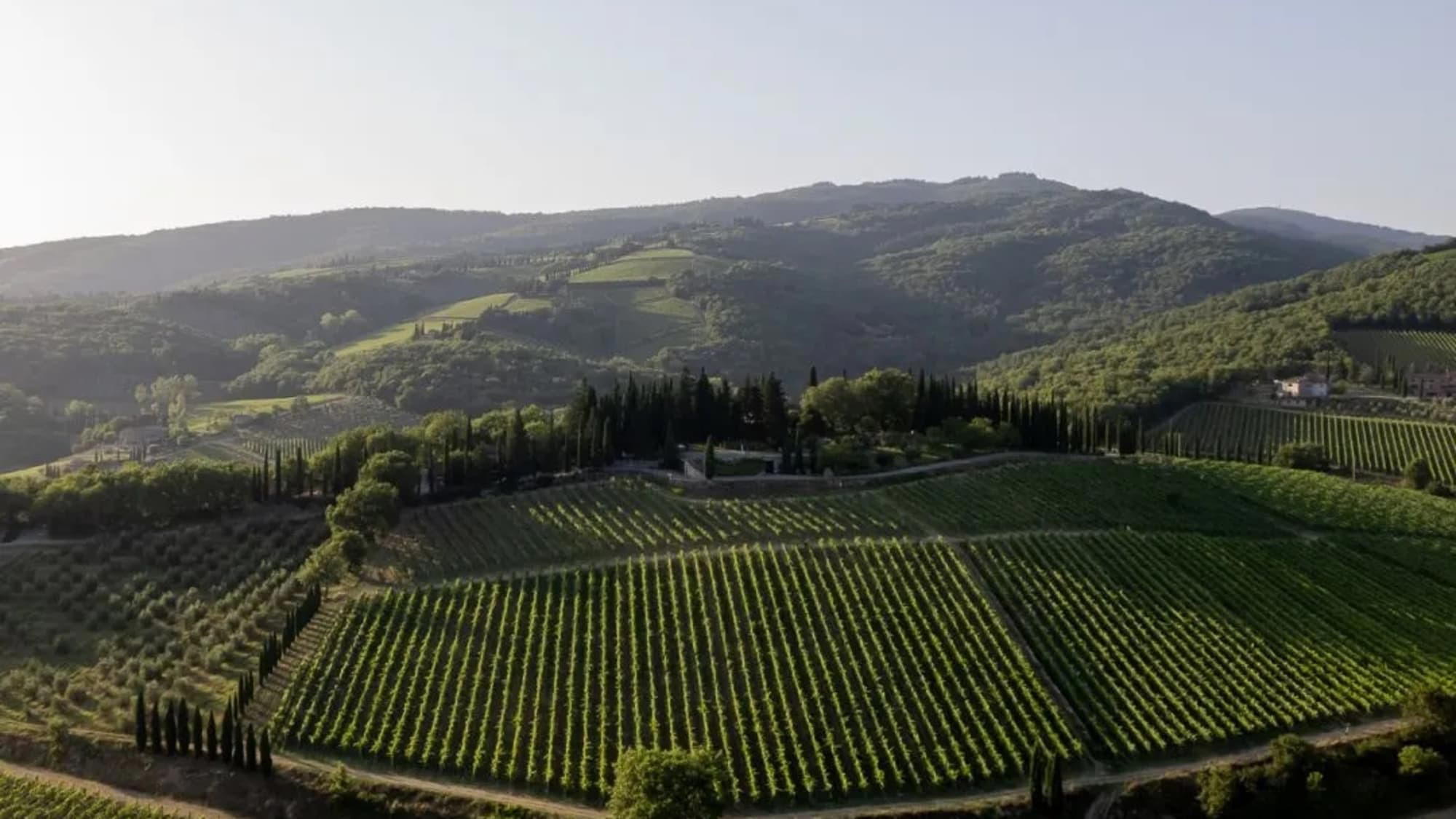
Cozy and cheerful with traditional Tuscan decor, lush garden views, and a tranquil atmosphere enhanced by soundproofed rooms.