Relais Borgo Vescine



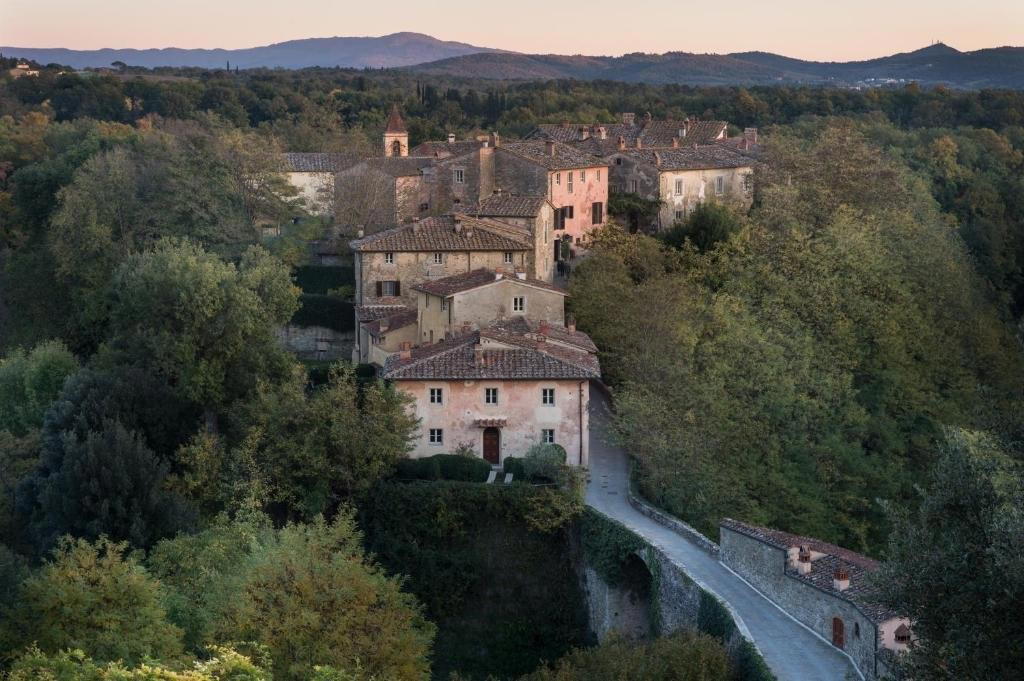
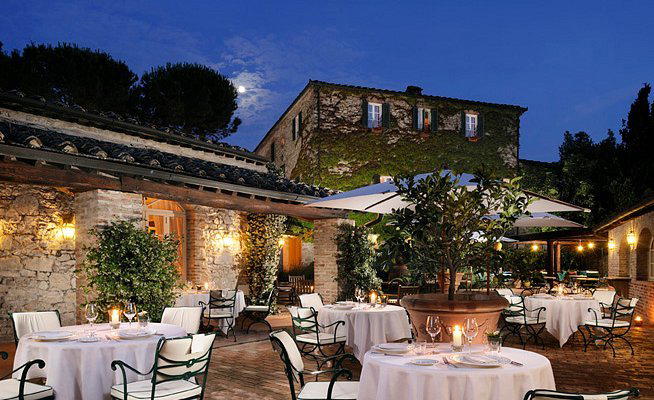
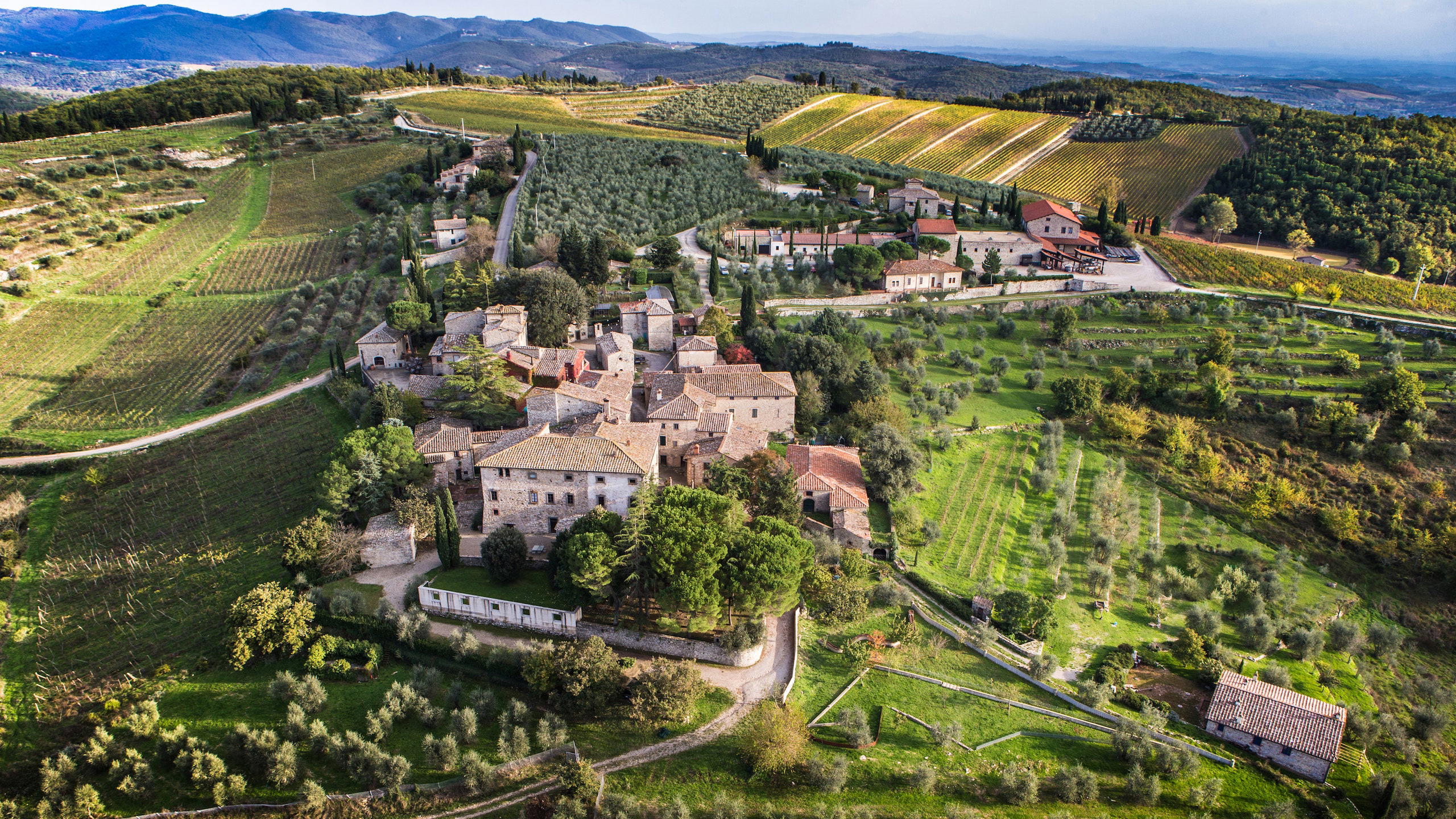
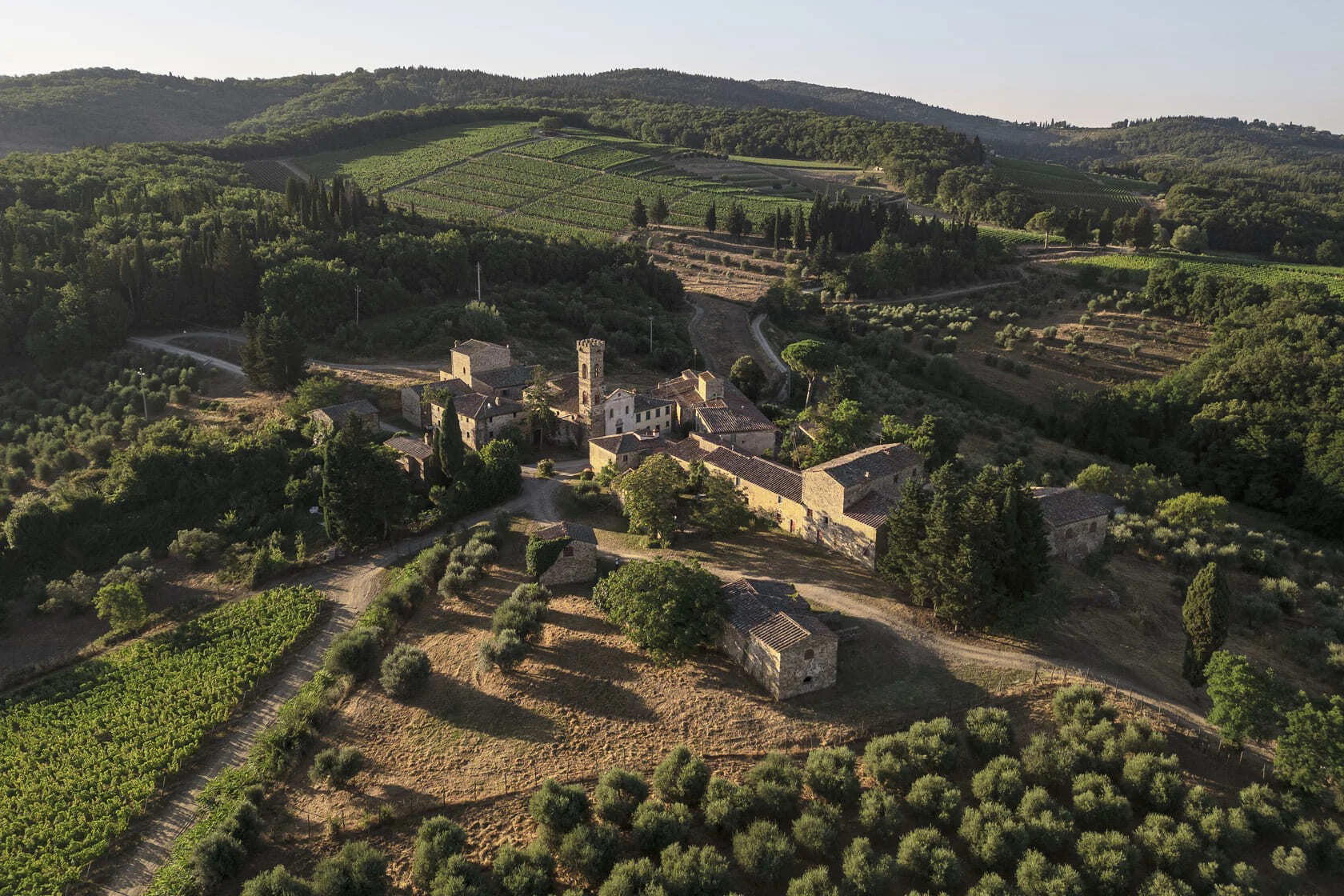
A five-star medieval hamlet in the heart of Chianti Classico, Relais Borgo Vescine occupies restored stone buildings surrounded by vineyards outside Radda in Chianti. The property sits within a tier of Tuscan estate hotels where architectural authenticity and rural seclusion define the offer rather than resort-scale amenities. For guests arriving from Florence, it represents a shift from urban grandeur to something older and more deliberately still.
Pearl is the En Primeur Club membership app — saves, bookings, and concierge access live there. Same editors, same standards.
- Address
- Località Vescine, 53017 Radda in Chianti SI
- Phone
- +39 0577 741144
- Website
- vescine.it
- Directions
- Get directions
 Saves & bookings on Pearl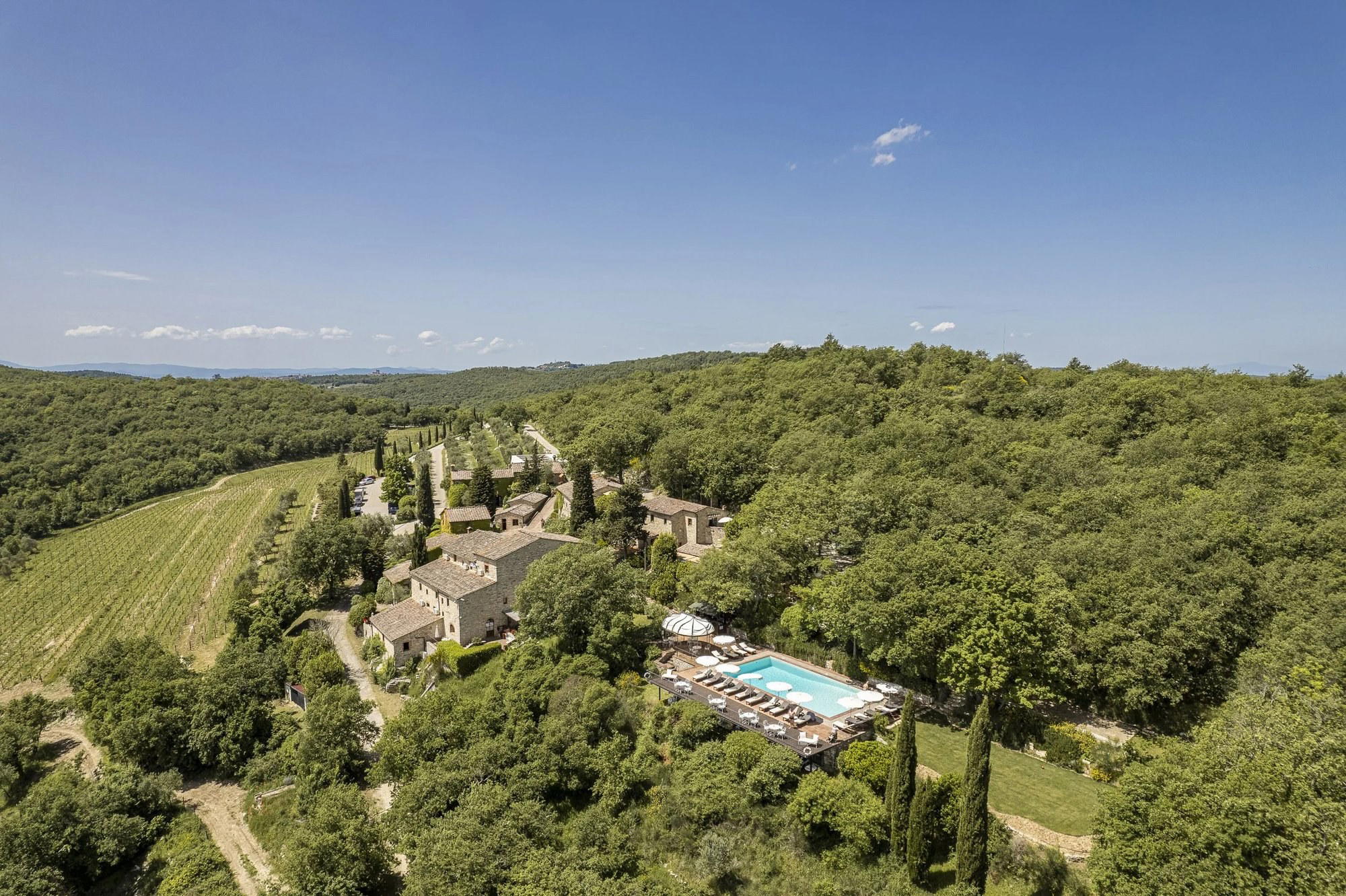
Stone, Silence, and the Architecture of the Chianti Hamlet
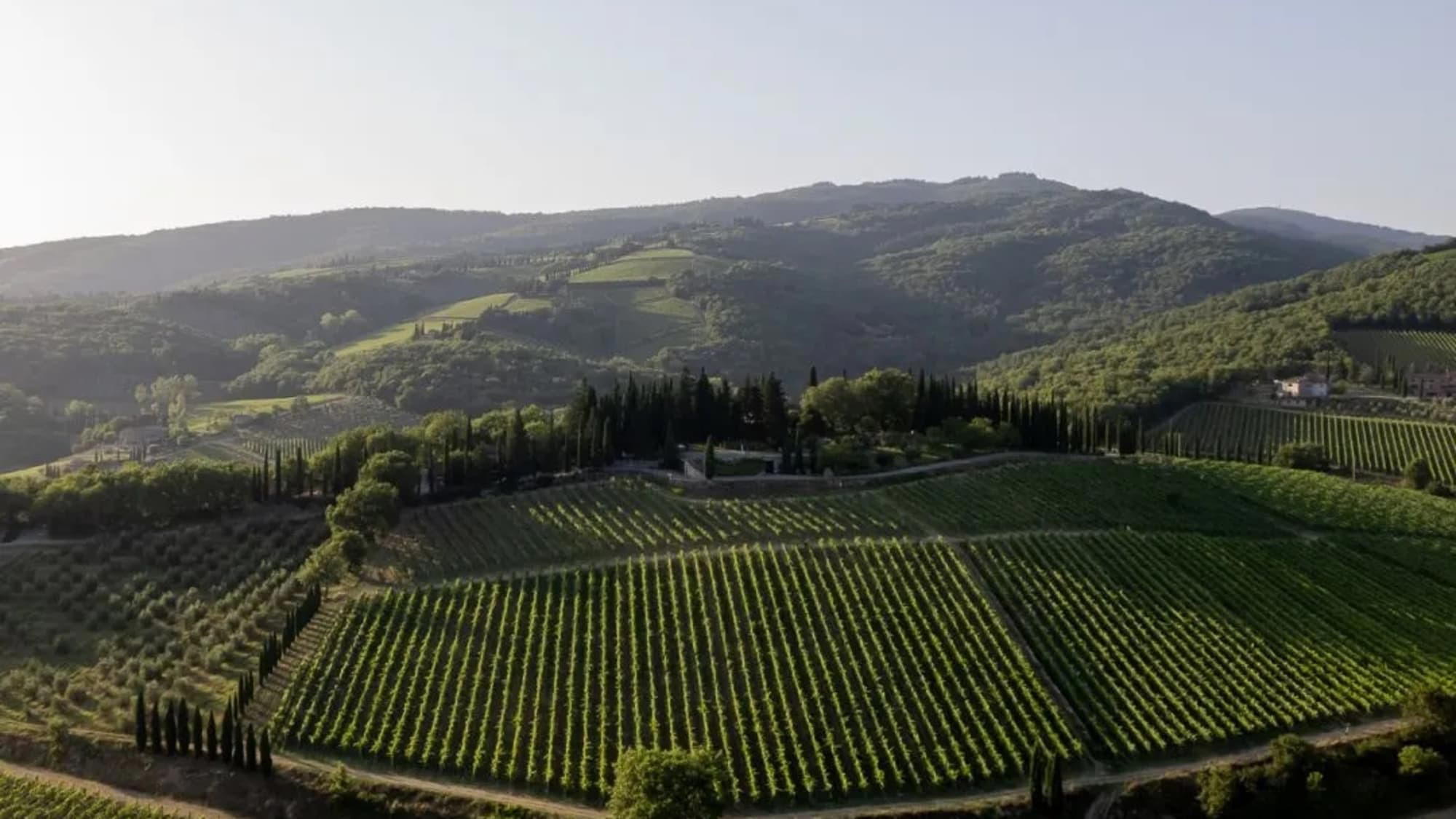
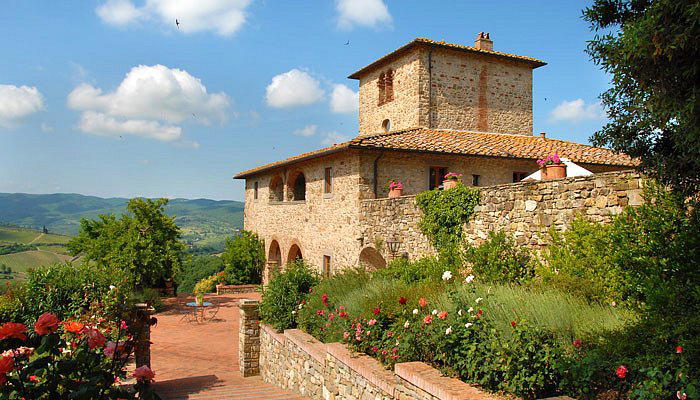
Approaching Relais Borgo Vescine along the narrow lanes that cut through the Chianti Classico ridge, the property announces itself not with a formal entrance but with a gradual accumulation of stone: walls, outbuildings, a tower profile against cypress and vine. This is the characteristic grammar of the Tuscan borgo, a self-contained medieval settlement that operated for centuries as a working agricultural unit before depopulation and, eventually, careful restoration. What distinguishes Borgo Vescine within that tradition is the fidelity of its restoration. The stone courses, the proportions of openings, the logic of the internal lanes connecting building to building, these read as continuations of the original fabric rather than period-dressed new construction.
In Tuscany's premium estate hotel tier, there are broadly two restoration philosophies at work. The first overlays contemporary interior design on historic shells, using the stone exterior as a brand backdrop for interiors that could sit equally well in Milan or Miami. The second attempts to preserve the spatial logic of the original settlement and let that logic shape the guest experience. Borgo Vescine belongs to the latter category, where the irregularity of medieval construction, rooms of unequal size, corridors that follow old paths rather than hotel-efficiency logic, becomes the product itself rather than an inconvenience to be designed around. Properties like Castello di Reschio in Lisciano Niccone operate within a similar philosophy, and the comparison is instructive: both treat architectural conservation as a hospitality argument, not merely an aesthetic choice.
The Chianti Classico Context
Radda in Chianti sits at roughly 530 metres above sea level, among the higher settlements in the Chianti Classico zone, and this elevation shapes both the agriculture and the visual register of the surrounding land. The vineyards that frame Borgo Vescine are not decorative; they sit within one of Italy's most documented wine appellations, where the Sangiovese-dominant Chianti Classico DOCG and its Gran Selezione tier have attracted sustained critical attention over the past two decades. Staying inside the zone rather than treating it as a day-trip destination from Florence changes the quality of access to that agricultural world. The morning light on terraced vineyards, the afternoon stillness that follows harvest, the proximity to cellars that rarely appear on standard tourism itineraries, these are legible only from within the zone.
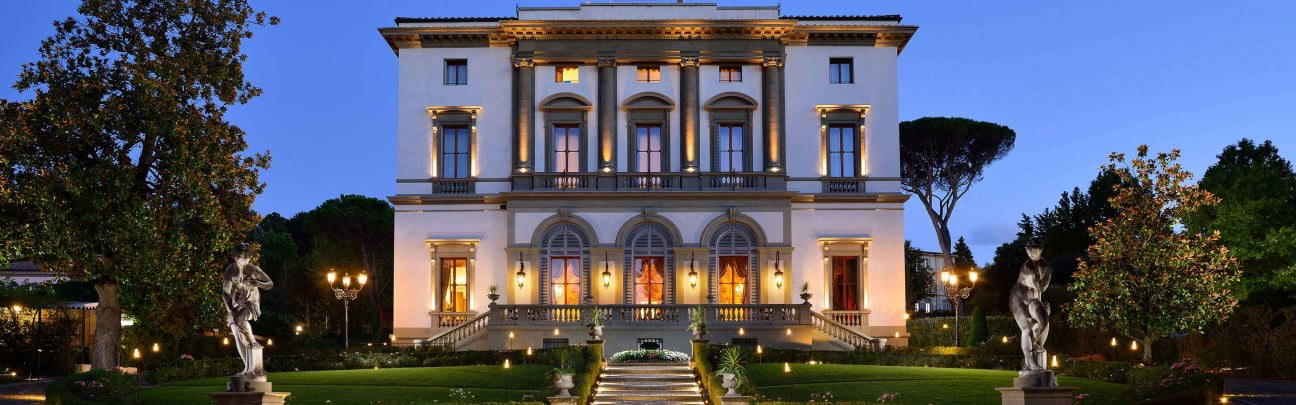
This positions Borgo Vescine differently from Florentine five-star properties such as the Four Seasons Hotel Firenze, which deliver urban access. Radda is a forty-minute drive from Siena and roughly an hour from Florence, which is close enough for day excursions but far enough to make the property's rural character the primary draw rather than a secondary amenity. The practical implication: guests who come expecting a resort base for city itineraries will find the property a poor fit. Guests who come for the wine country itself, and for the slower cadence that follows, will find the geography coherent with the architecture.
Five-Star Status in the Borgo Format
The five-star designation applied to a restored medieval hamlet carries different expectations than the same classification applied to a purpose-built resort. In the borgo format, the rating tends to signal service quality and room finish rather than facility volume. Properties of this type typically run modest key counts, the nature of historic structures limits expansion, and channel investment into kitchen, cellar, and hospitality depth rather than spa square footage or conference infrastructure. This is the same logic that applies at Borgo San Felice Resort in Castelnuovo Berardenga, where five-star status operates within a similarly contained historic footprint, or at Castelfalfi in Montaione, another Tuscan estate property where the historic envelope defines the guest experience ceiling.
Italy's broader luxury estate hotel category has seen considerable investment over the past decade, with major groups acquiring and repositioning historic properties across Tuscany, Umbria, and the southern coastline. Rosewood Castiglion Del Bosco in Montalcino represents the group-backed end of this spectrum, where brand infrastructure and capital scale produce a full-service resort within a historic setting. Borgo Vescine, operating outside that group context, sits in a different register: independent, smaller in ambition, more dependent on the quality of the place itself rather than the depth of the amenity stack behind it. For a particular type of traveller, one who finds the brand apparatus of large group properties a distraction rather than a reassurance, that independence is the point.
Arriving and Orienting
Access to Radda in Chianti is primarily by car. The town is not served by rail, and the road network through the Chianti hills rewards drivers who are comfortable with single-lane roads and unhurried routing. The nearest airports with meaningful international connectivity are Florence (roughly one hour) and Pisa (somewhat further, with more transfer options). Guests arriving from Rome typically come via the A1 autostrada with a turn toward Siena, then north into the Chianti zone. Driving is not merely a logistical necessity here; the road through the vines and olive groves between Greve in Chianti and Radda is itself a transition, a physical crossing from the pace of Italian urban travel into something older.
For guests calibrating Borgo Vescine against other Italian properties in the five-star rural category, the relevant comparison set includes not only the Tuscan estate hotels mentioned above but also properties in adjacent traditions: Borgo Egnazia in Savelletri di Fasano in Puglia, which operates at considerably larger scale within a purpose-built borgo format, or Corte della Maestà in Civita di Bagnoregio in Lazio, where the historic setting is similarly the primary architectural argument. Across that comparable set, the common thread is an understanding that the physical fabric of the building, not the amenity list, carries the experiential weight. Borgo Vescine reads within that tradition clearly.
Guests building a longer Italian itinerary might also consider how Borgo Vescine connects to properties across the country's luxury tier, from Aman Venice and Portrait Milano in the north to Il Pellicano in Porto Ercole and Borgo Santandrea on the Amalfi Coast further south, and Passalacqua in Moltrasio or Grand Hotel Tremezzo for the lake district comparison.
Comparison Snapshot
Comparable venues nearby, for context on price, style, and recognition.
| Venue | Cuisine | Price | Awards | Notes |
|---|---|---|---|---|
| Relais Borgo VescineThis venue — the venue you are viewing | Historic Tuscan borgo relais with restored rustic charm and modern luxury. | $$$$ | 5-Star | Not listed |
| Pieve Aldina | Intimate countryside Relais & Châteaux retreat in a historic Chianti estate with its own church, gardens and vineyards. | $$$$ | 5-Star | Radda in Chianti |
| Pieve Aldina - Fontenille Collection | Contemporary renovation of a historic 12th-century episcopal complex blending antique architecture with modern design sensibility. | $$$$ | 5-Star | Radda in Chianti |
| Maritim Resort Calabria | Large contemporary all‑inclusive beach resort operated by an international chain, designed for leisure stays with extensive activities and facilities. | $$$$ | 5-Star | Villapiana / Villapiana Lido |
| Therasia Resort Sea & Spa | Aeolian resort with modern luxury and natural integration | $$$$ | 5-Star | Vulcano |
| Hotel Première Abano | Luxury 5-star thermal spa resort in a renovated Art Nouveau building surrounded by a large private park. | $$$$ | 5-Star | Not listed |
Recognition history
Dated appearances from independent guides and award organizations, with the underlying list record or original source where available.
Star Wine List
Star Wine List
Michelin Selected
Michelin
Tablet Hotels Top 40 New Hotels #19
Tablet Hotels
Continue exploring
More in Radda in Chianti
Hotels in Radda in Chianti
Browse all →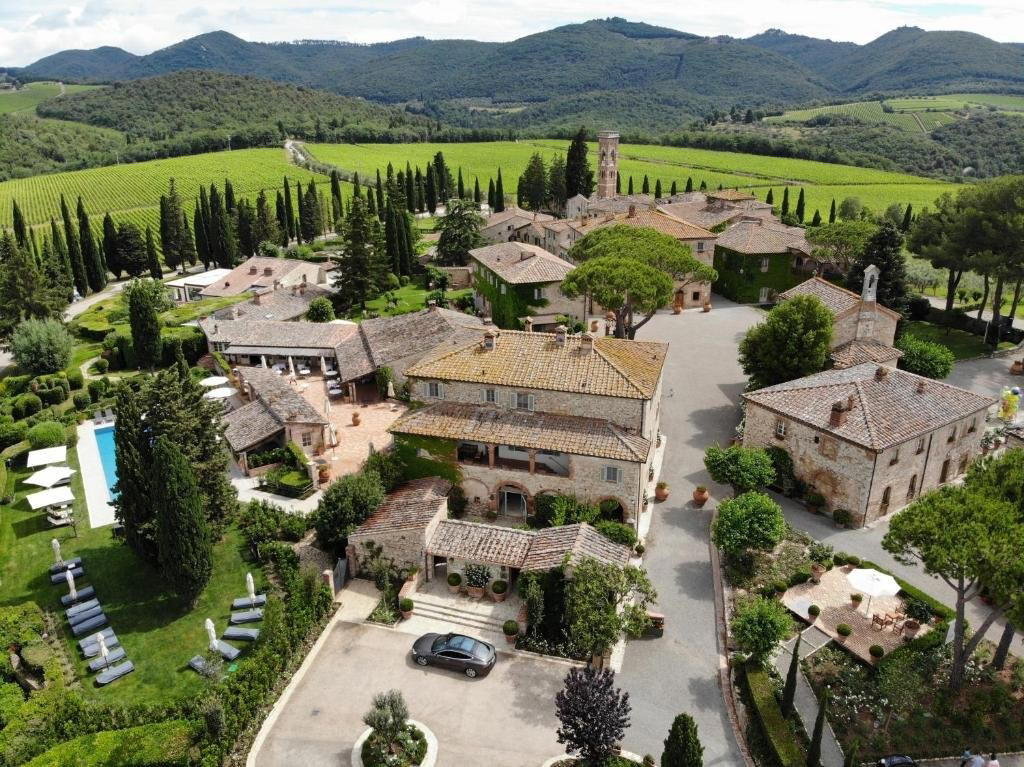
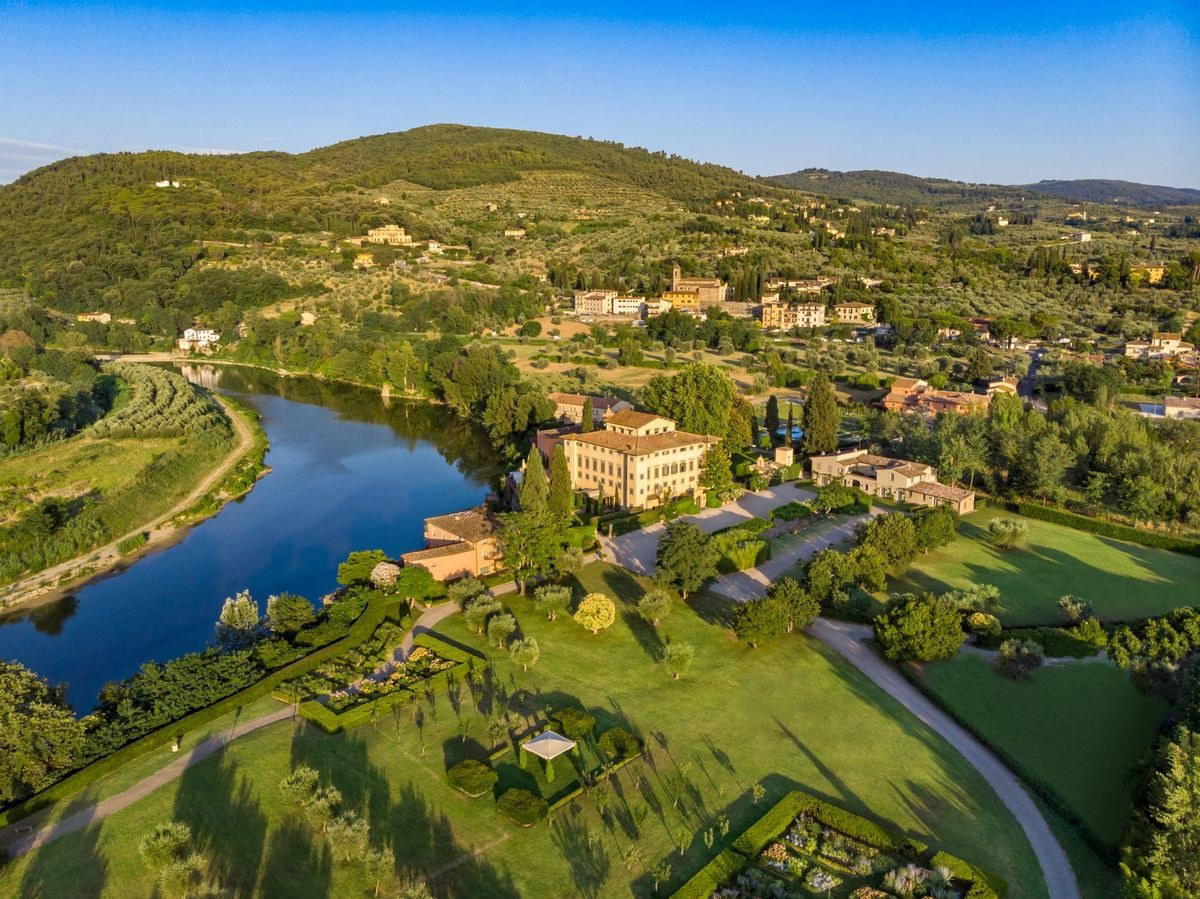
Bars in Radda in Chianti
Browse all →
Restaurants in Radda in Chianti
Browse all →
At a Glance
- Romantic
- Quiet
- Rustic
- Elegant
- Scenic
- Cozy
- Sophisticated
- Honeymoon
- Romantic Getaway
- Anniversary
- Weekend Escape
- Destination Wedding
- Group Retreat
- Panoramic View
- Garden
- Terrace
- Historic Building
- Private Dining
- Pool
- Spa
- Wi Fi
- Room Service
- Concierge
- Fitness Center
- Restaurant
- Bar
- Garden
- Vineyard
- Mountain
- Garden
- Pool
- Spa
- Wi Fi
- Room Service
- Concierge
- Fitness Center
- Restaurant
- Bar
- Garden
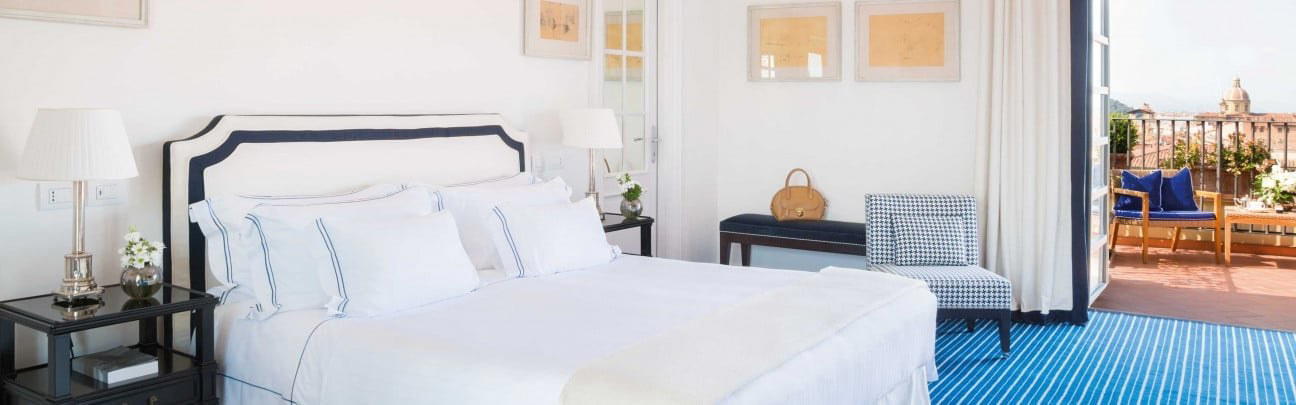
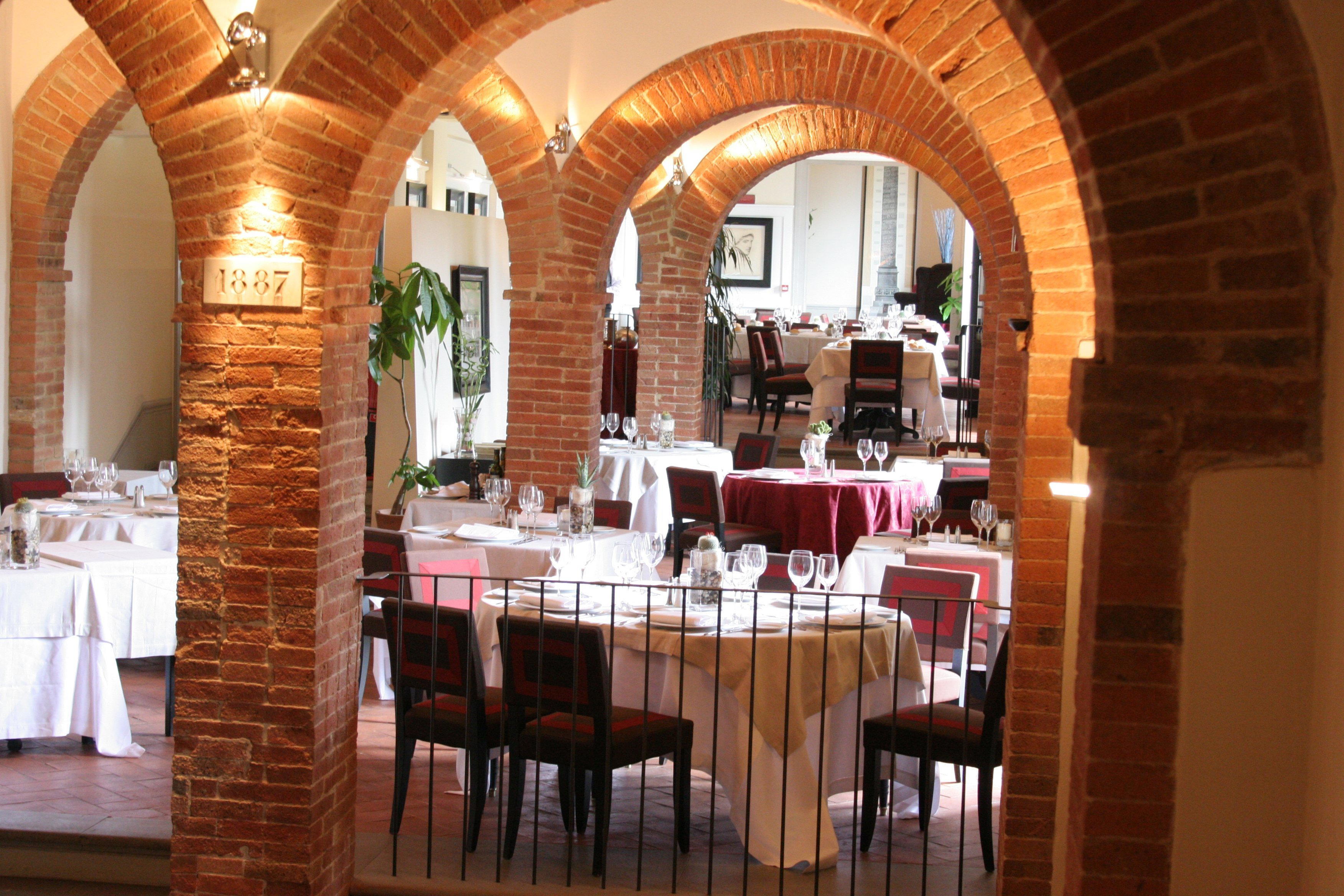
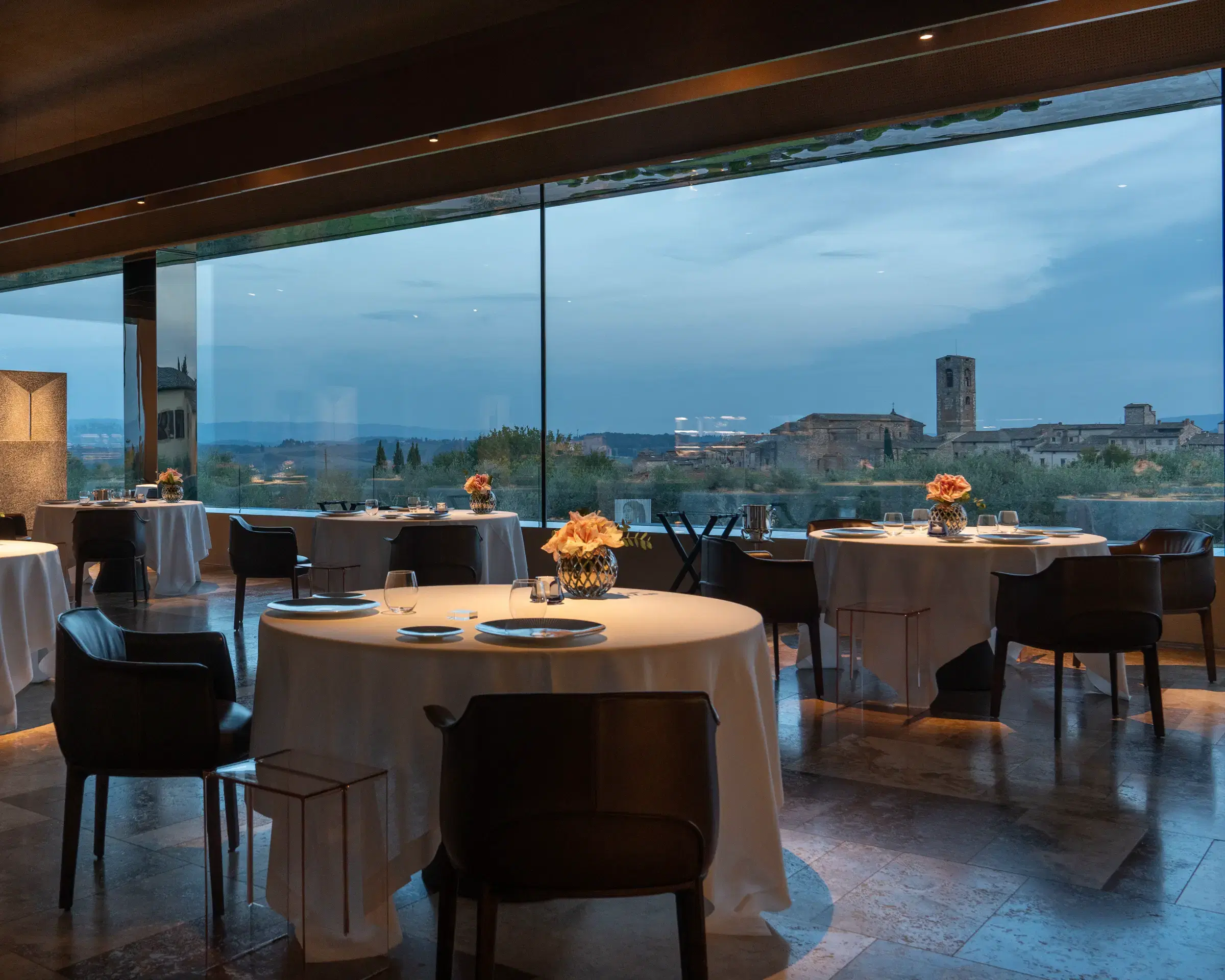
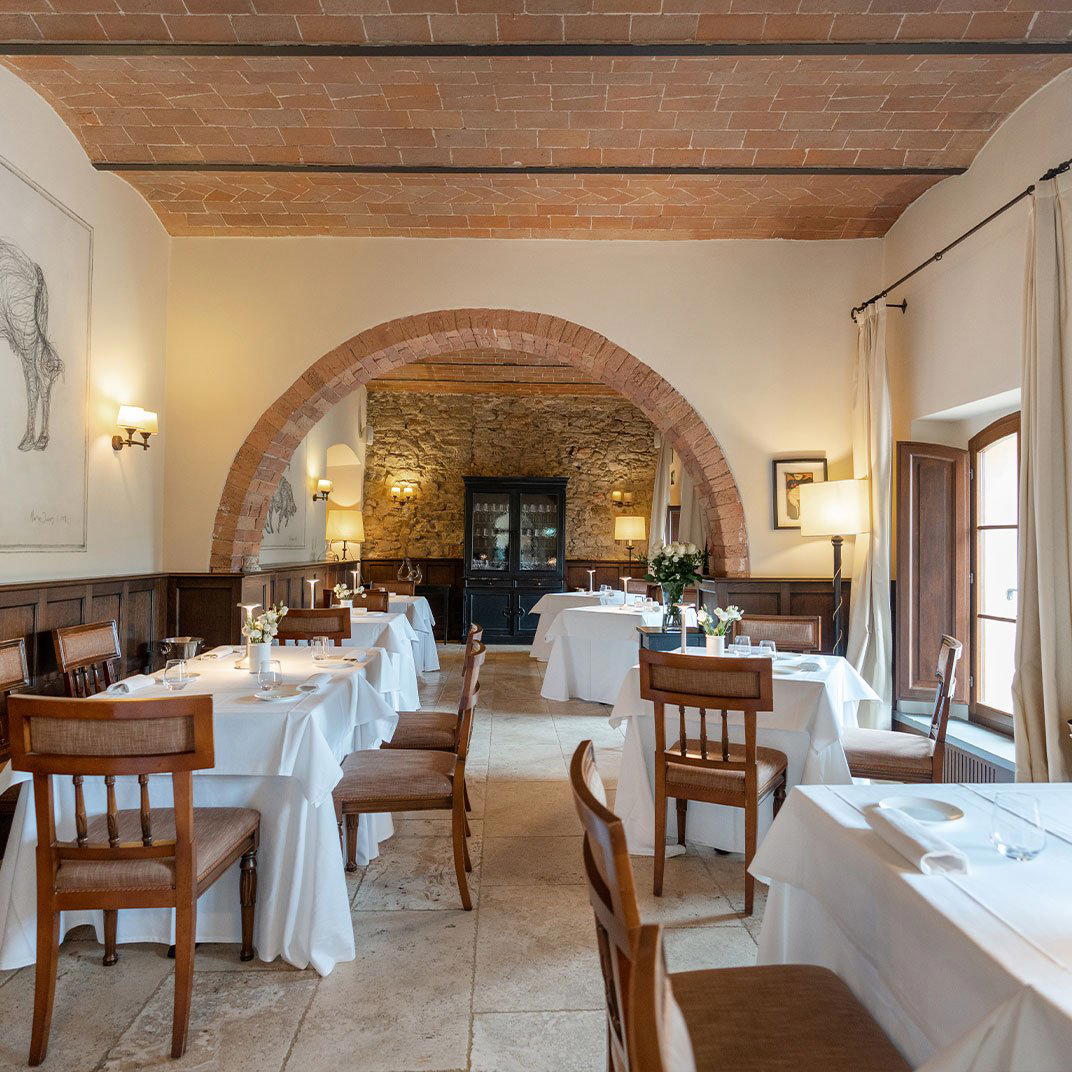
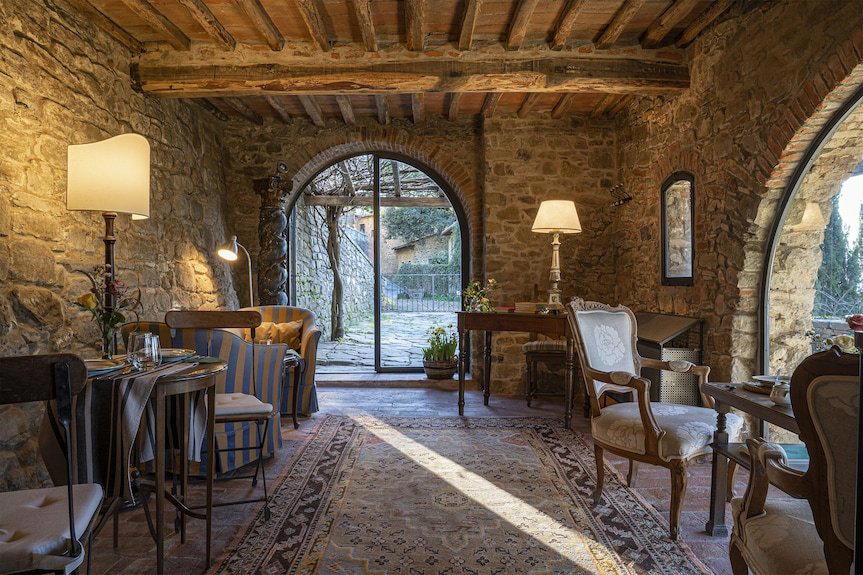
Rustic yet refined atmosphere with natural light, stone walls, terracotta floors, and serene Tuscan countryside tranquility.