A small-scale residence on Via delle Terme in Siena's historic centre, Antica Residenza Cicogna occupies the kind of intimate tier that defines Siena's character-led accommodation offer. With limited rooms and a setting inside the city's medieval fabric, it positions itself against boutique residenze rather than full-service hotel properties. Guests travelling to Siena for the Palio calendar, Crete Senesi drives, or Brunello cellar visits tend to find this format a closer fit than large-format hotels.

Pearl is the En Primeur Club membership app, where members save venues, book tables and use the concierge.
Where Siena's Residential Scale Makes Itself Felt
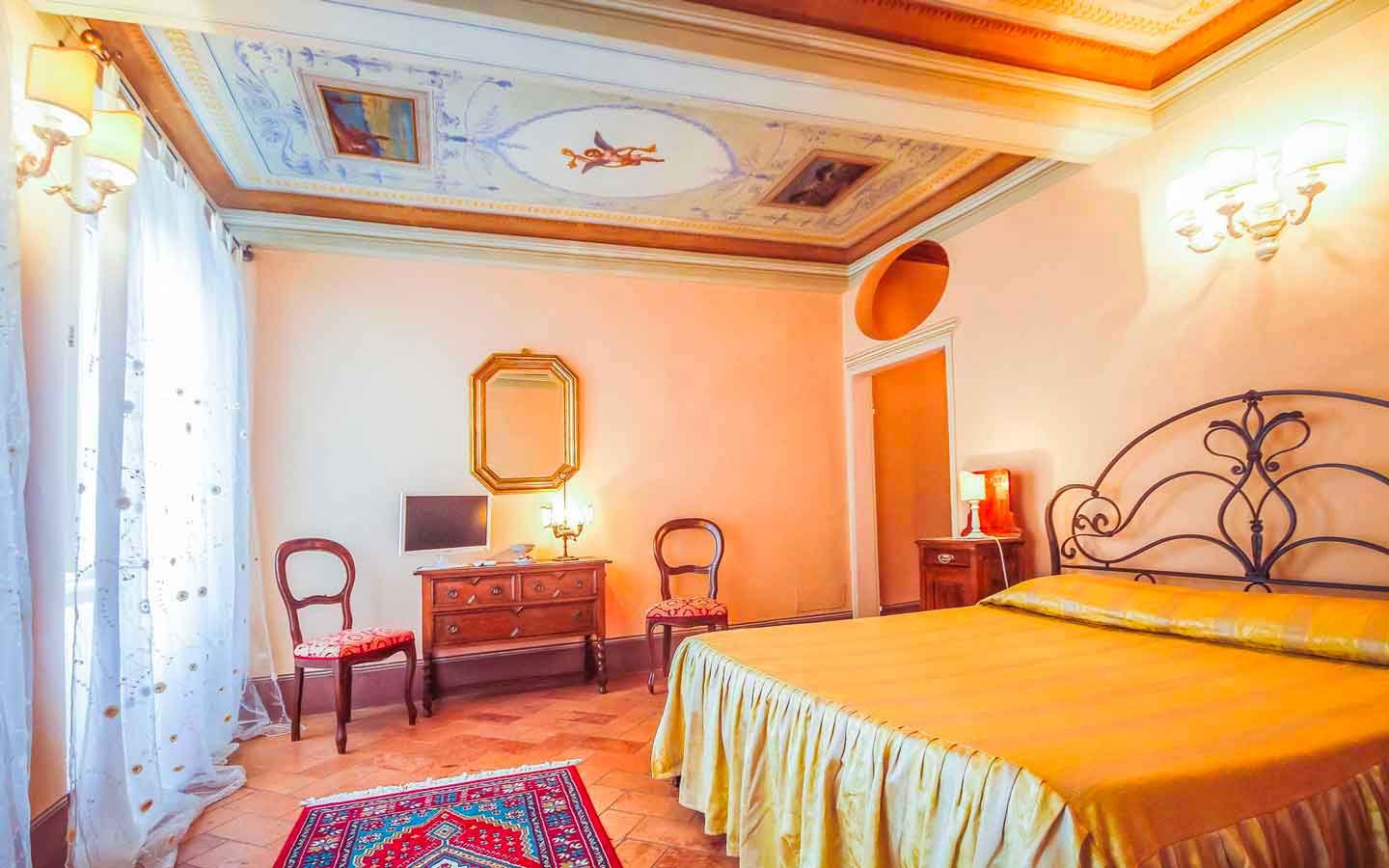
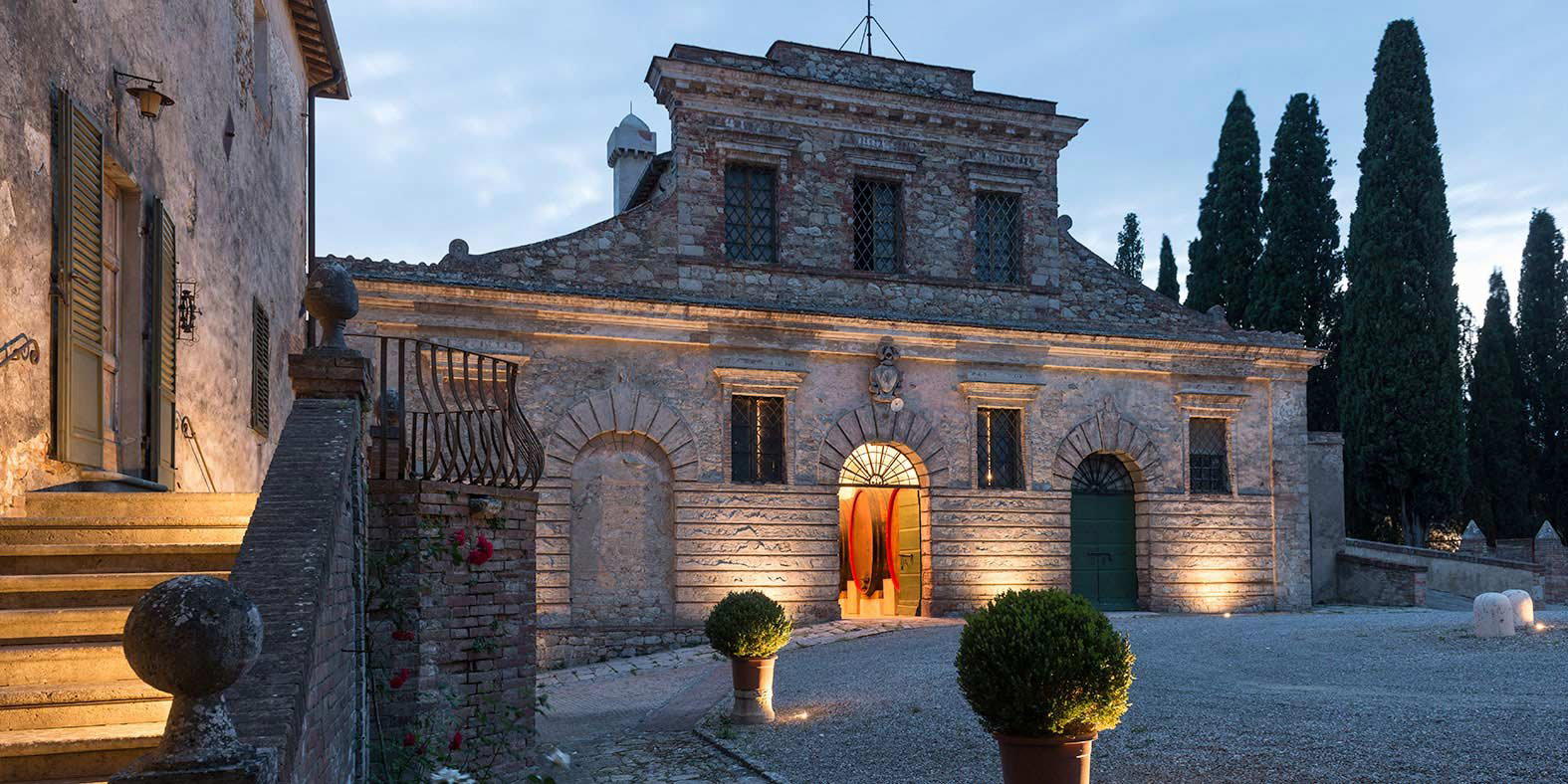
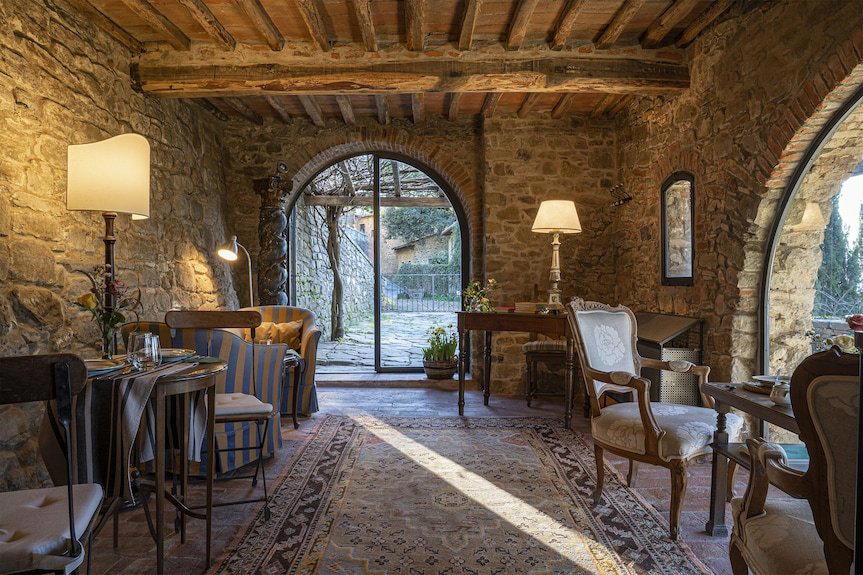
There is a particular register of accommodation that Siena handles better than almost any other Tuscan city: the small residenza operating inside a historic palazzo, where the scale is domestic, the staff count is low, and the relationship between guest and property is closer to staying in a well-appointed private house than checking into a hotel. Antica Residenza Cicogna on Via delle Terme sits squarely in that category. The address places it within the dense medieval fabric of the city centre, a neighbourhood where stone corridors and terracotta rooflines make the distinction between street and interior feel almost arbitrary. Approaching on foot, as nearly every guest must given central Siena's restricted traffic zones, the building announces itself with the restraint typical of the residenza format: a discreet facade, no canopy, no concierge at the door.
This format has grown into a recognised tier of its own across Siena. Travellers who have spent time at properties like Campo Regio Relais, Residenza d'Epoca Siena or Albergo Bernini will recognise the operating logic: limited keys, individually styled rooms, and an approach to service that relies on personal familiarity rather than departmental protocol. Antica Residenza Cicogna belongs to this cohort, and its position on Via delle Terme puts it within comfortable walking distance of the Campo and the Duomo, which remain the two fixed reference points for any serious visit to the city.
The Service Register of a Small Residenza
The editorial angle most relevant to a property at this scale is service philosophy, and in Siena's residenze that philosophy is shaped almost entirely by size. When a property runs a handful of rooms, the staff-to-guest ratio either produces something genuinely attentive or collapses into inconsistency. The residenza format at its most effective delivers the former: hosts who know which guests are arriving before the key is handed over, who can speak to the particular rhythm of the city at a given time of year, and who manage the practical questions, where to eat on a Tuesday when half the trattorie are closed, how far in advance to secure tickets for the Palazzo Pubblico's frescoed halls, without routing every query through a front desk script.
This kind of anticipatory service is harder to manufacture than a branded hotel can manage, precisely because it depends on consistency of ownership and staff across multiple seasons. The small residenza model in Siena has historically produced it more reliably than mid-tier hotel formats, because the economics require the people running the property to be genuinely present rather than operationally abstracted. For the traveller arriving at Antica Residenza Cicogna, that presence is the product as much as the room itself.
For comparison, properties like Grand Hotel Continental Siena offer a different transaction entirely: full concierge infrastructure, frescoed public rooms on a palatial scale, and a service architecture that suits large groups and formal occasions. Hotel Santa Caterina Siena and Borgo Scopeto Wine & Country Relais occupy different positions again, the latter set in the countryside outside the city walls and oriented around wine estate stays rather than walkable urban access. Understanding which format matches the purpose of a trip is the first planning decision, and for guests whose itinerary centres on the city itself, the residenza model keeps options open in a way that a countryside estate cannot.
Siena as Context: What the City Demands of Its Accommodation
Siena's accommodation ecology is shaped by two overriding facts. First, the historic centre is a UNESCO World Heritage Site with strict building controls, which means that new-build hotels are not an option and every property of note operates within an inherited structure. Second, the city's two Palio races, run in July and August, create a demand spike that pushes booking lead times significantly earlier than at any other point in the year. Guests planning to attend the Palio typically need accommodation secured months in advance; the residenza tier, with its limited room counts, fills faster than larger properties during these windows.
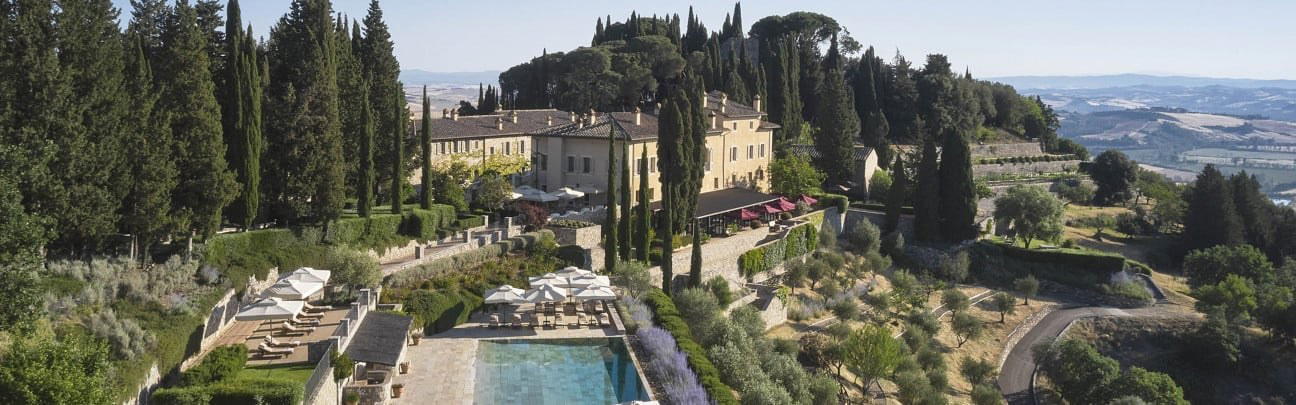
Outside the Palio calendar, the Crete Senesi to the southeast and the Val d'Orcia further south provide the dominant day-trip logic for guests using Siena as a base. The drive south toward Montalcino, home to some of Brunello's most recognised estates, runs comfortably as a half-day from the city centre. Properties like Rosewood Castiglion Del Bosco in Montalcino serve the wine-immersive end of that market, but for travellers who want proximity to Siena's civic and artistic life rather than a rural retreat, a central residenza keeps the city's museums, markets, and restaurants at walking distance throughout.
The Tuscan accommodation market more broadly has bifurcated over the past decade between large international-flagged properties, concentrated mostly in Florence, and smaller, independently operated residences and relais that trade on specificity of place. Borgo Vescine operates in the countryside north of Siena, sharing the relais format. In Florence itself, the Four Seasons Hotel Firenze anchors the international-flagship end. Antica Residenza Cicogna sits in neither of those positions: it is city-centre, independently scaled, and oriented toward guests who want to move through Siena at their own pace rather than on a packaged programme.
Italy's most atmospherically distinctive small-scale stays, from Aman Venice to Castello di Reschio in Lisciano Niccone or Corte della Maestà in Civita di Bagnoregio, share a design-led intimacy that the residenza format in Siena mirrors at a more accessible price tier. The comparison is useful not to equate them on amenity, but to note that the underlying appeal, inherited architecture, a managed sense of quiet, and a staff scale that produces genuine rather than scripted service, is consistent across the category.
Planning a Stay: Practical Orientation
Via delle Terme is reachable on foot from Siena's train station in under fifteen minutes, though the gradient through the medieval streets makes a taxi or rideshare worth considering on arrival with luggage. The city's ZTL (zona a traffico limitato) covers the historic centre, so self-drive guests should clarify parking arrangements before arrival; most residenze can advise on the nearest authorised car parks outside the restricted zone. For guests arriving by rail from Florence, the Siena connection runs from Santa Maria Novella with a change at Empoli, taking approximately ninety minutes in total.
Booking should be approached with lead time calibrated to season. The Palio windows in early July and mid-August require the longest advance planning. Spring visits, particularly April and May before the summer crowds consolidate, offer the most manageable conditions for moving around the city on foot. Autumn, from late September through November, brings quieter streets and the harvest season across the Crete Senesi, which adds a practical layer to day-trip planning from the city.
For a broader view of Siena's accommodation options and dining, see our full Siena restaurants guide. Travellers building a wider Italian itinerary around the Siena stay might also reference Casa Maria Luigia in Modena, Portrait Milano in Milan, or Borgo Egnazia in Savelletri di Fasano for contrasting registers of Italian hospitality at different points in the country.
Style and Standing
| Venue | Cuisine | Price | Awards |
|---|---|---|---|
| Antica Residenza CicognaThis venue (the venue you are viewing) | This venue | $100–200 | Not listed |
| Borgo Scopeto Wine & Country Relais | Not listed | Not listed | Michelin Selected · Preferred Hotels Member |
| Borgo Vescine | Not listed | $100–200 | Michelin Selected · Star Wine List |
| Grand Hotel Continental Siena | Not listed | Not listed | Michelin Selected · Virtuoso Luxury Hotel Partner |
| Hotel Santa Caterina Siena | Not listed | $100–200 | Not listed |
| Campo Regio Relais, Residenza d'Epoca Siena | Not listed | $300–500 | Not listed |
Continue exploring
More in Siena
Hotels in Siena
All hotels in Siena →
Bars in Siena
All bars in Siena →
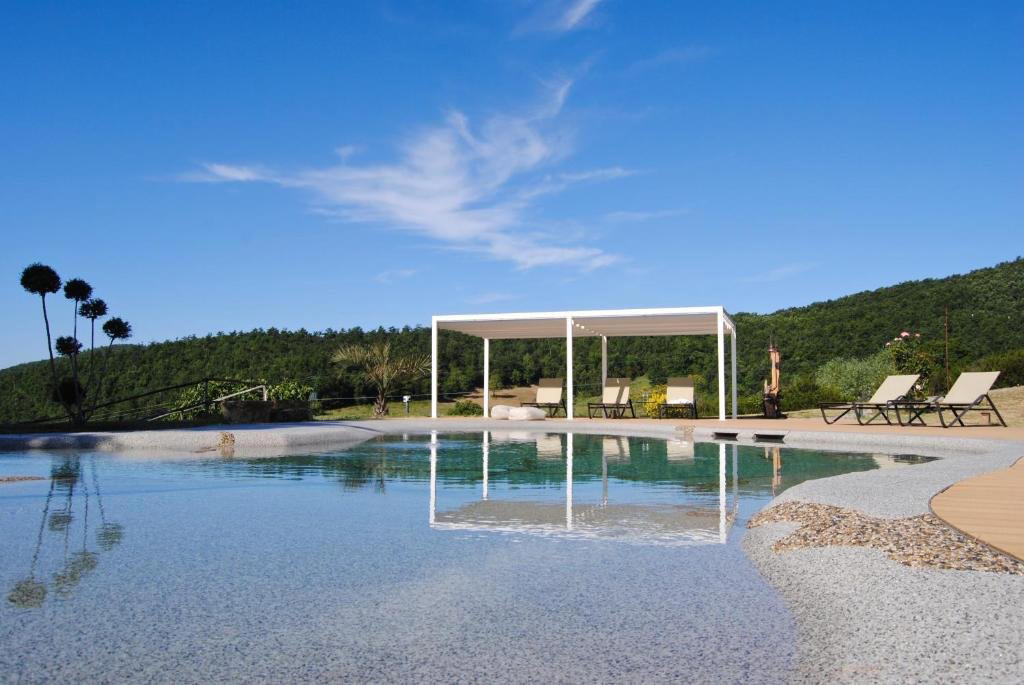
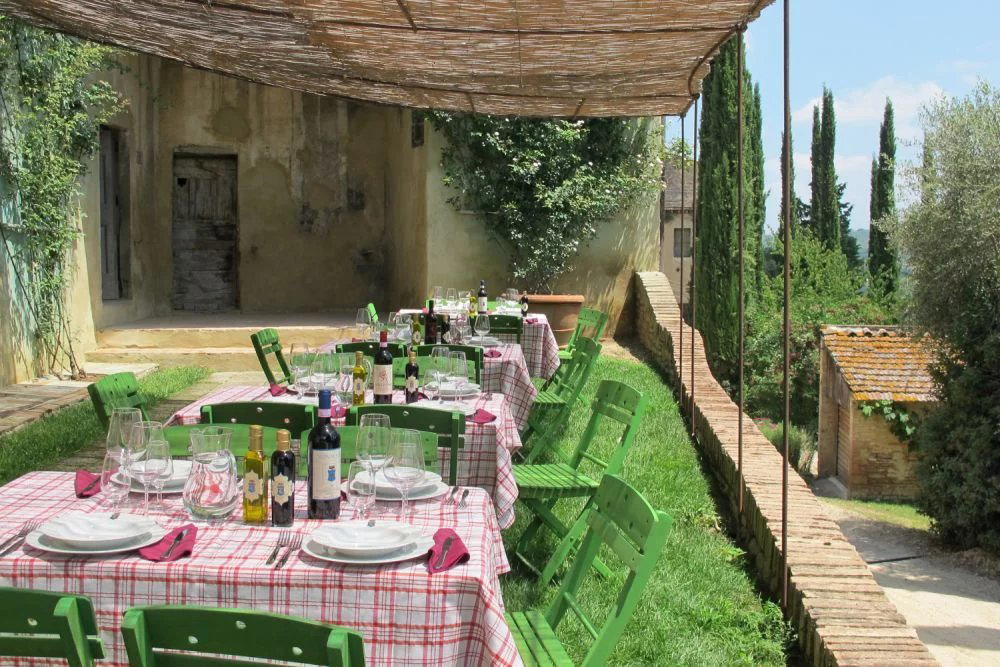
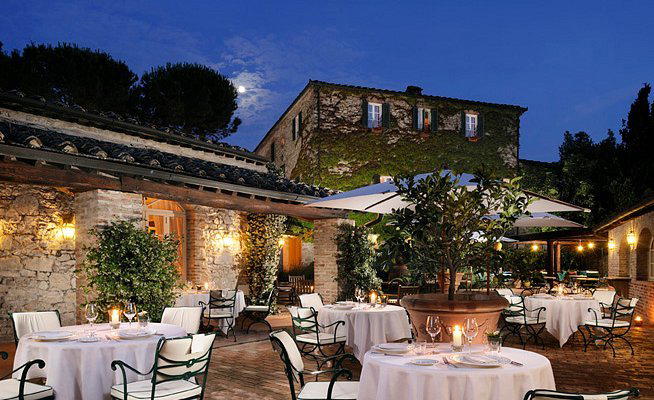
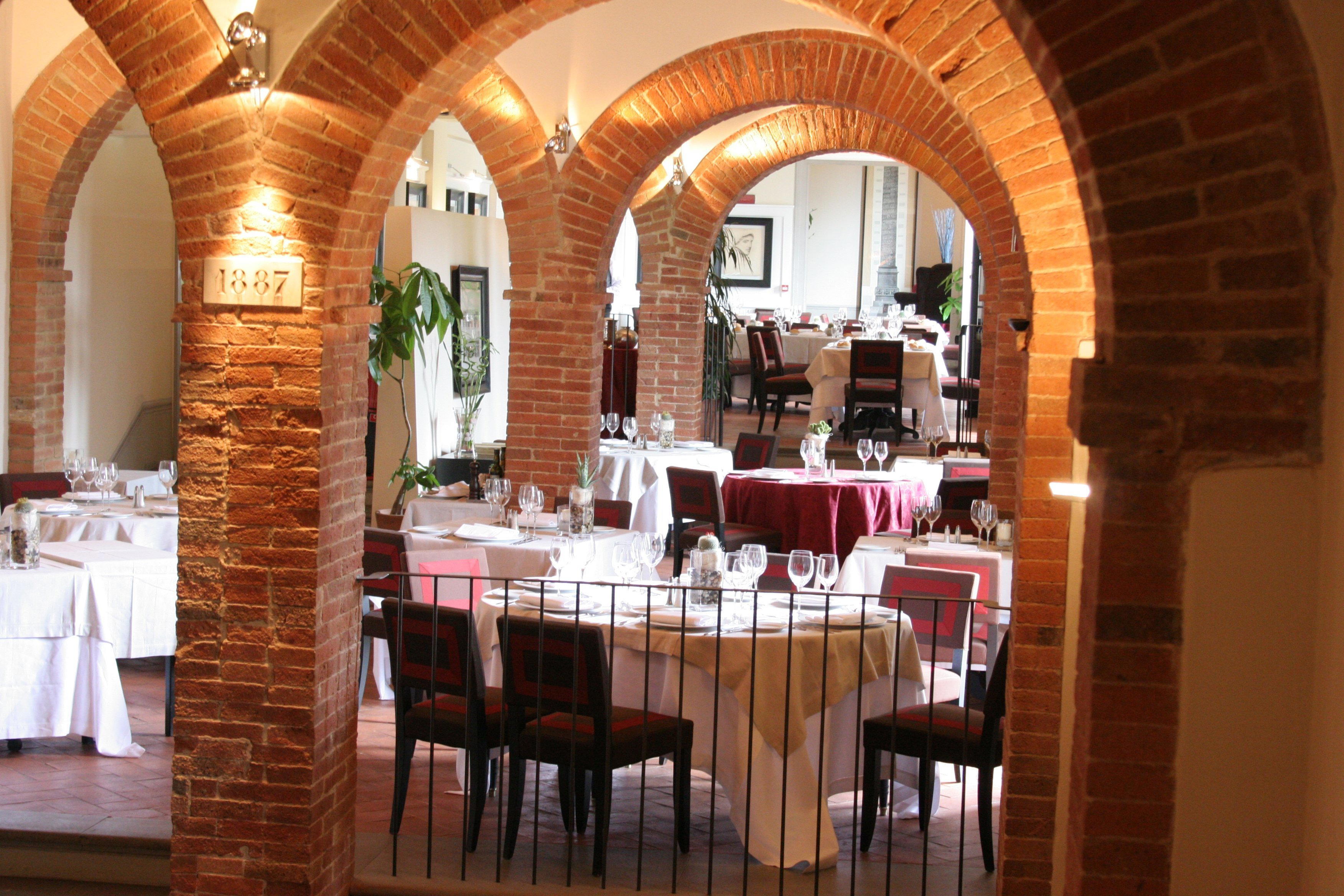
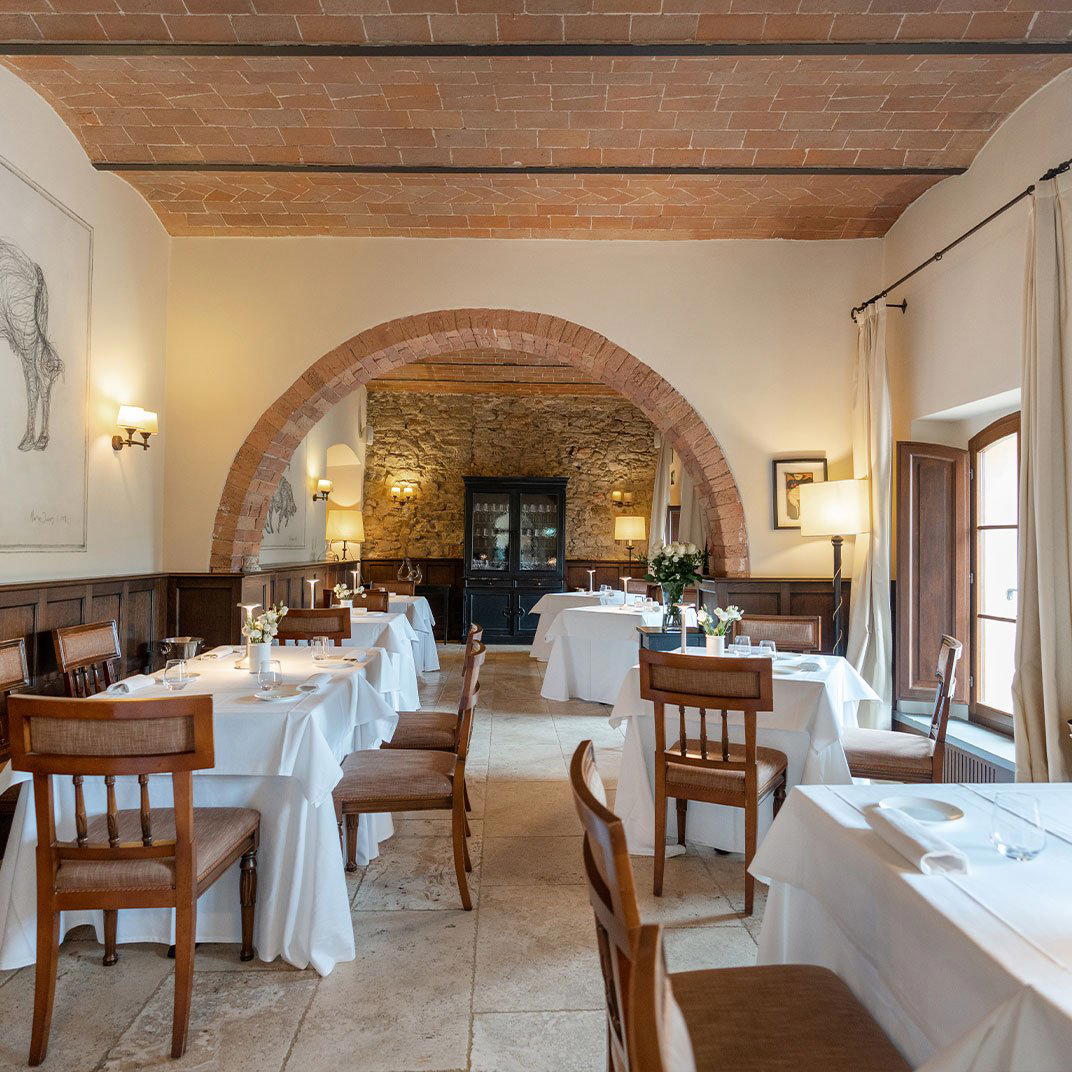
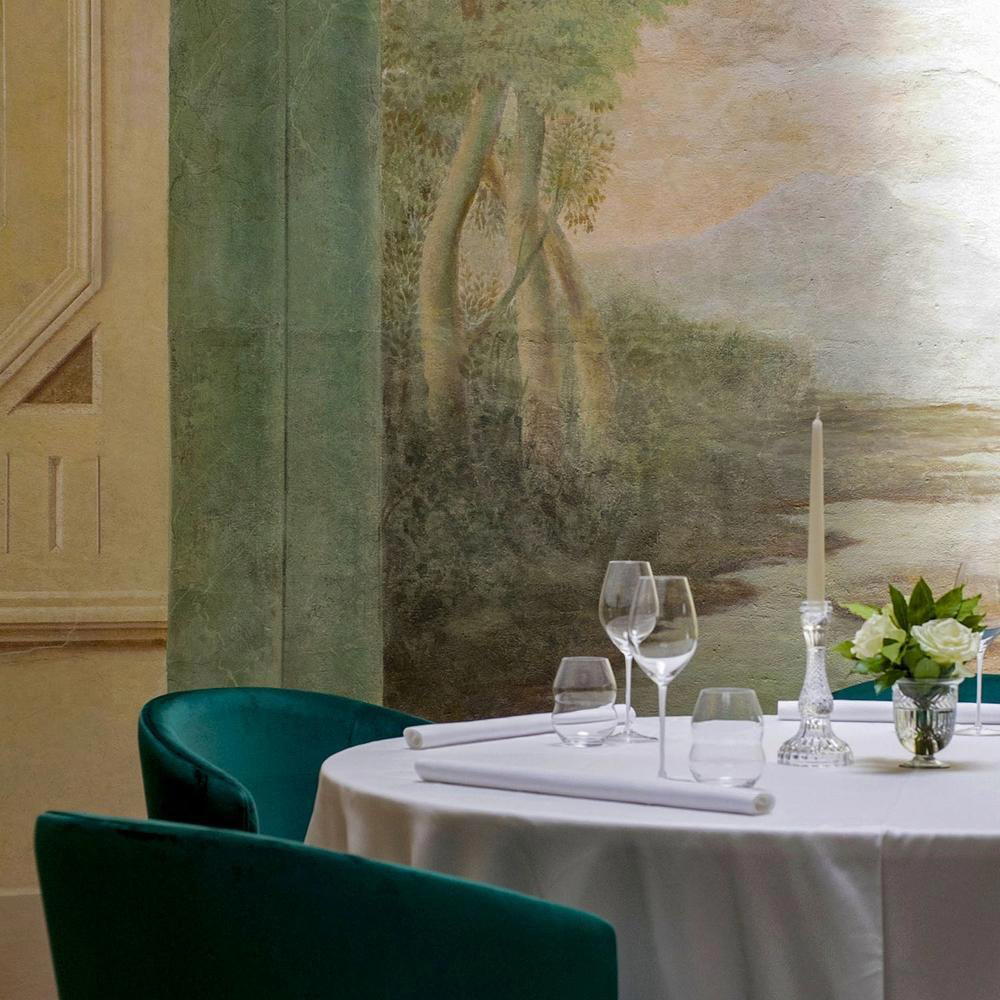
Details
- Romantic
- Classic
- Cozy
- Intimate
- Romantic Getaway
- Weekend Escape
- Historic Building
- Garden
- Wi Fi
- Breakfast Included
- Air Conditioning
- Luggage Storage
Warm and welcoming with a homely, intimate atmosphere enhanced by beautifully frescoed walls, antique furnishings, and personal touches from the family owners.