
Michelin Selected
Occupying a medieval building on Piazza San Giovanni, steps from the Baptistery that gives it its name, Il Battistero Siena - Residenza d'Epoca holds Michelin Selected status for 2025. The address places guests at the symbolic heart of Sienese religious and civic architecture, with the Duomo complex directly overhead. For travellers who want position over scale, few addresses in the city are more precisely located.

Pearl is the En Primeur Club membership app, where members save venues, book tables and use the concierge.
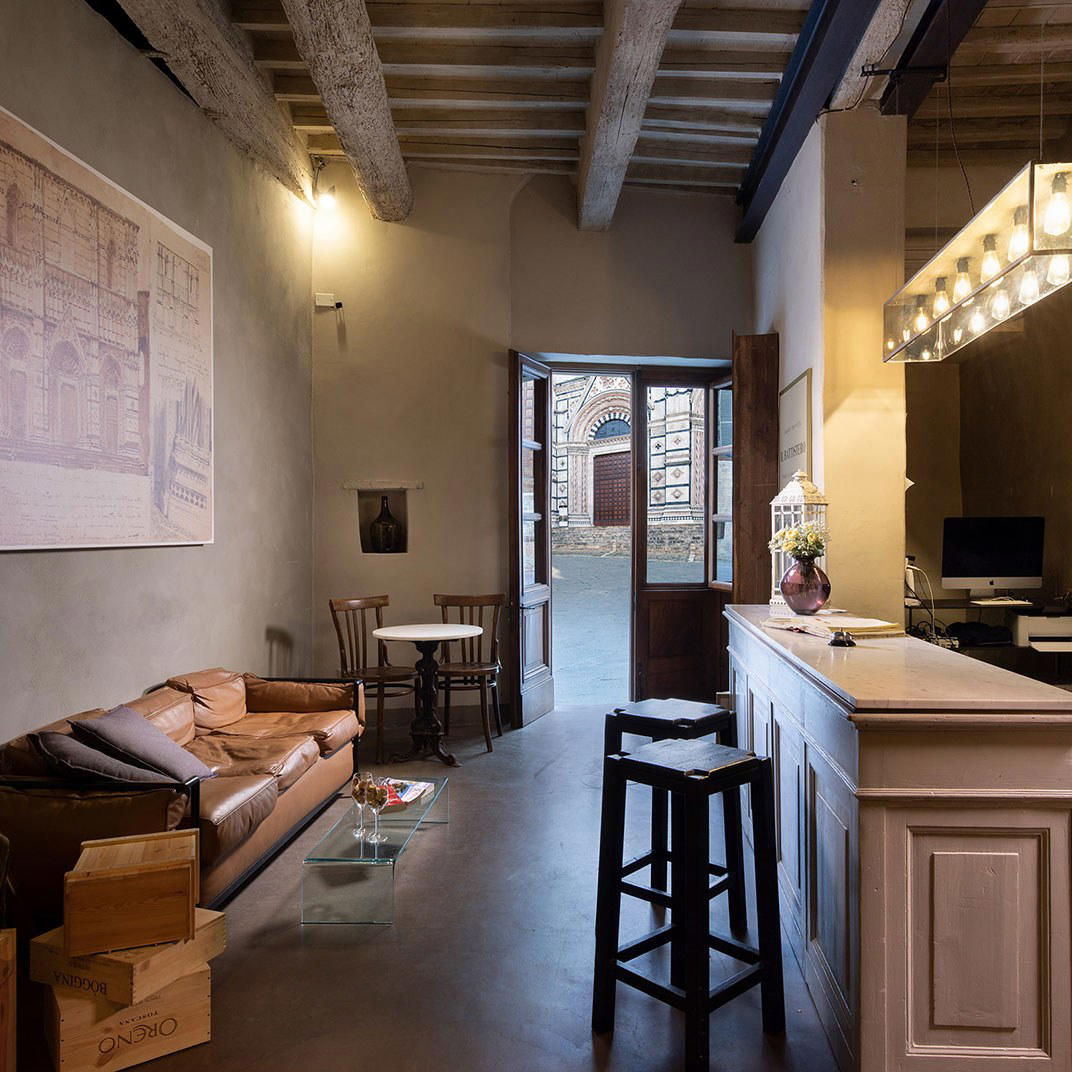
Stone, Piazza, and the Weight of a Medieval Address
Piazza San Giovanni sits at the lower tier of Siena's cathedral complex, tucked beneath the unfinished nave of the Duomo and facing the fourteenth-century Baptistery facade. It is a quieter square than the Campo, fewer tourists, no restaurant terraces competing for attention, and the buildings that line it carry the kind of accumulated gravity that comes from centuries of civic and religious use. Il Battistero Siena - Residenza d'Epoca occupies numbers 12 and 13 on this piazza, which means waking up to a view that most visitors to Siena only pass through on the way to somewhere else. That adjacency to the Baptistery of San Giovanni, whose early-fifteenth-century font includes bronze relief panels by Donatello and Ghiberti, is not incidental to the property's identity. It is the identity.
The residenza d'epoca category in Italy describes historic buildings converted to hospitality use while retaining their architectural character, a deliberately lighter intervention than full hotel renovation. Properties in this classification vary widely in execution, from bare-bones restoration to period interiors, but the premise is consistent: the building comes first, the hospitality infrastructure is arranged around it. For Siena, a city whose medieval street plan and building stock are among the most intact in Tuscany, this category fits the urban fabric more naturally than branded hotel formats.
Where Il Battistero Sits in Siena's Accommodation Spectrum
Siena's accommodation offer splits into several distinct tiers. At the top of the market, properties like the Grand Hotel Continental Siena occupy palazzo-scale buildings with full hotel infrastructure and fresco-lined public rooms. Converted agricultural estates and wine-country retreats, among them Borgo Scopeto Wine & Country Relais and Borgo Vescine, operate outside the city walls entirely, trading the medieval centre for landscape and privacy. A separate cluster of smaller, design-aware properties including Hotel Palazzetto Rosso and Antica Residenza Cicogna sit within the historic centre and compete on intimacy and position. Il Battistero belongs to this last group, but with an address argument that is harder to match: Piazza San Giovanni is not a secondary street in the centre, it is the base of the city's defining monument complex.
It does not carry the starred hierarchy of the restaurant guide, but it does indicate that the property has passed editorial review for quality standards and guest experience consistency. Across Italy, Michelin Selected hotels range from small B&B-scale properties to full-service hotels; the designation is less about scale than about coherence between setting, standard, and delivery. For comparison, Hotel Certosa di Maggiano and Albergo Bernini represent alternative positions in Siena's heritage accommodation tier.
The Architecture as the Primary Argument
Medieval Sienese civic architecture operated according to a logic of material continuity: local travertine and brick, narrow window openings calibrated to structural necessity, facades that absorbed and reflected the particular light quality of the Val d'Arbia basin. Buildings on Piazza San Giovanni were constructed within this logic and have largely remained within it. A residenza d'epoca in this context is, by definition, an exercise in working with existing fabric rather than against it, preserving ceiling heights, wall thicknesses, aperture proportions, and material surfaces that a conventional hotel renovation would typically replace or conceal.
That physical context gives Il Battistero a character that no amount of interior design budget can manufacture from scratch. The stonework, the light angles, the acoustic quality of thick medieval walls, the relationship between indoor space and the piazza directly outside: these are fixed conditions that have been accumulating for six centuries. The hospitality function is layered on top of that, not the other way around.
For travellers whose primary interest in Siena is the built environment, and Siena draws a disproportionate share of visitors motivated by architecture and urban form rather than beach or food tourism, the address at Piazza San Giovanni reads as a direct argument. Comparable positions inside historic Italian cities are rare; properties that combine recognised quality standards with genuinely historic fabric and this level of proximity to primary monuments are rarer still. The Aman Venice occupies a similar logic in its city, as does the Four Seasons Hotel Firenze in Florence, though both operate at substantially larger scale and price points. Smaller Italian analogues include Corte della Maestà in Civita di Bagnoregio and Castello di Reschio in Umbria, both of which operate within similar historic fabric but in considerably less urban settings.
Arriving, Staying, and Using the Location
Siena's historic centre is a limited-traffic zone, and Piazza San Giovanni sits deep within it. Guests arriving by car will need to use one of the peripheral car parks, Parcheggio il Campo and Parcheggio Santa Caterina are the standard references, and walk or arrange transfer from there. The Siena train station sits below the city on the valley floor and connects to the centre by bus or taxi; journey time is short but the elevation change is significant. The piazza itself is pedestrian, which means the immediate environment outside the property is quiet by the standards of a city centre, particularly in the early morning before the Duomo complex opens.
The density of significant sites within walking distance from Piazza San Giovanni is among the highest of any address in central Siena. The Duomo and its associated museum complex are directly above. The Campo, the Museo Civico, and the main Banchi di Sotto commercial corridor are five to eight minutes on foot. This makes the property a practical base for a city that rewards walking and punishes driving, and it positions a stay here as a structurally different experience from the estate properties outside the walls, where a car is a daily requirement.
For context on the wider Siena dining and hospitality scene, EP Club's full Siena guide covers restaurants, bars, and accommodation across the city. Those extending into broader Tuscany and Italian itineraries may also consider Rosewood Castiglion Del Bosco in Montalcino, the Casa Maria Luigia in Modena, or for southern Tyrrhenian coast extension, Borgo Santandrea on the Amalfi Coast.
Fast Comparison
Comparable venues nearby, for context on price, style, and recognition.
| Venue | Cuisine | Price | Awards | Notes |
|---|---|---|---|---|
| Il Battistero Siena - Residenza d'EpocaThis venue (the venue you are viewing) | Historic residence d'epoca in Siena's center | $100–200 | Michelin Selected | Not listed |
| Hotel Palazzetto Rosso | First boutique hotel in Siena combining medieval palace architecture with ultra-modern design furnishings and contemporary interiors. | $100–200 | Michelin Selected | Siena Historic Center |
| Hotel Santa Caterina Siena | Renovated 18th-century Tuscan villa | $100–200 | Not listed | Porta Romana |
| Antica Residenza Cicogna | Historic family-run boutique residence restored to honor its medieval heritage and Cicogna family legacy. | $100–200 | Not listed | Siena City Center |
| Borgo Scopeto Wine & Country Relais | Historic Tuscan wine estate relais restored from 14th-century buildings | Not listed | Michelin Selected · Preferred Hotels Member | Chianti |
| Campo Regio Relais, Residenza d'Epoca Siena | Charming historic B&B in a 16th-century palazzo offering personalized service and simple elegance. | $300–500 | Not listed | Siena Historical Center |
Recognition history
Dated appearances from independent guides and award organizations, with the underlying list record or original source where available.
Michelin Selected
Michelin
Continue exploring
More in Siena
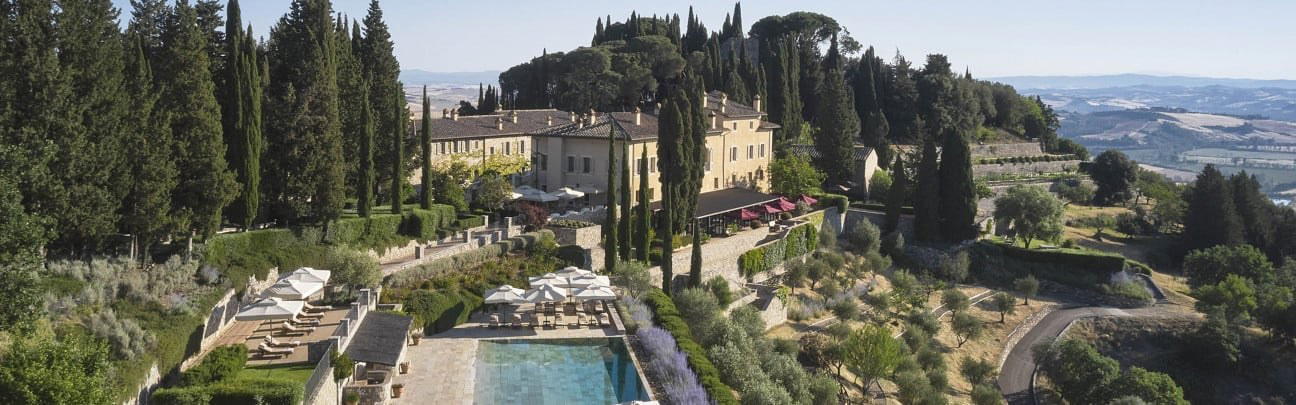
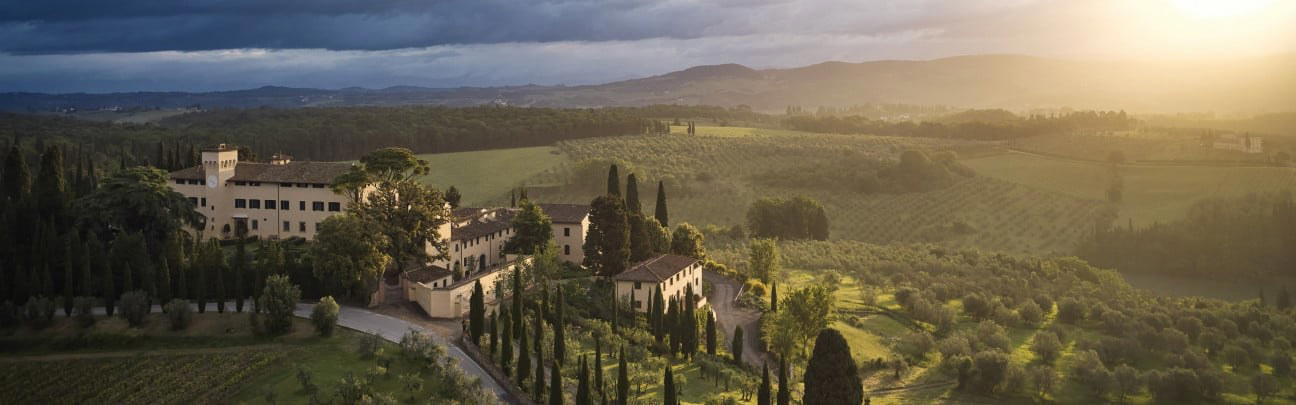
Hotels in Siena
All hotels in Siena →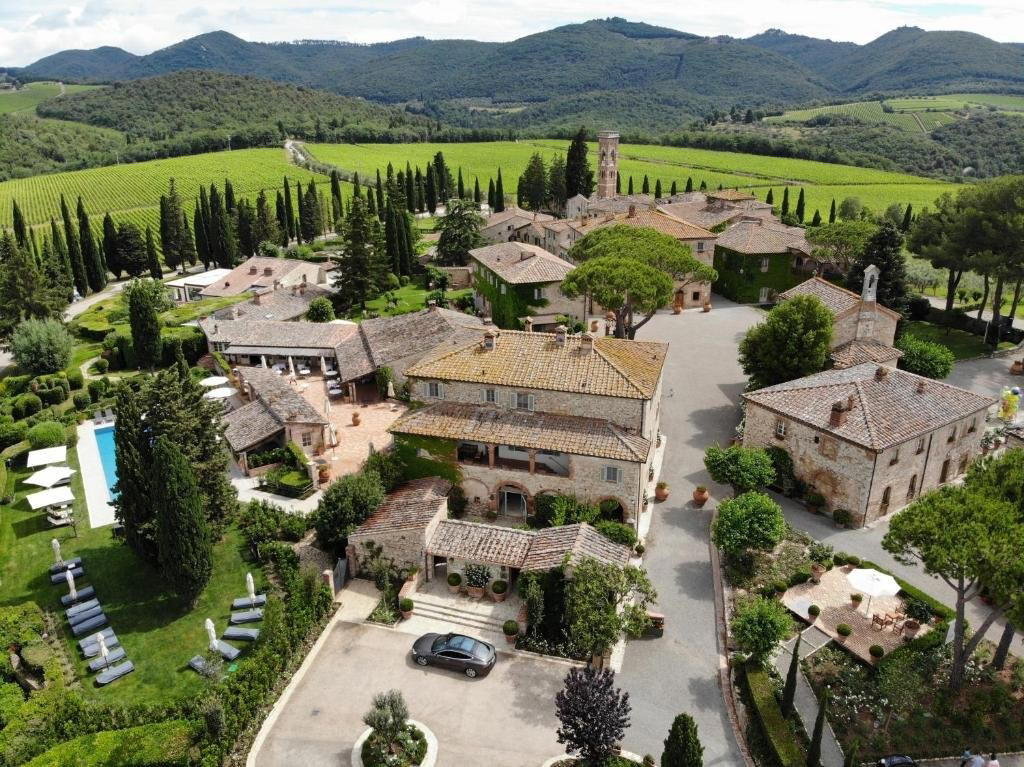
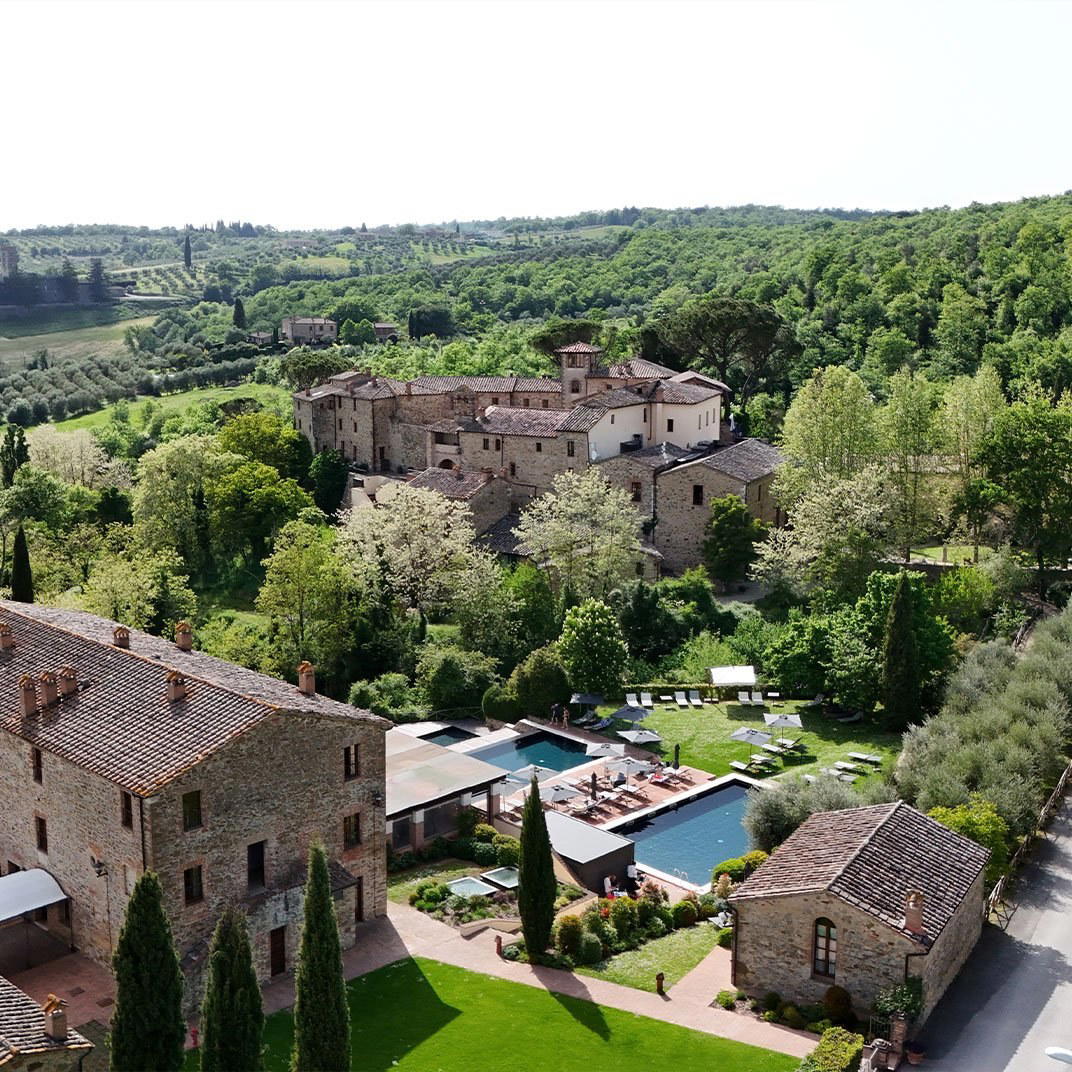
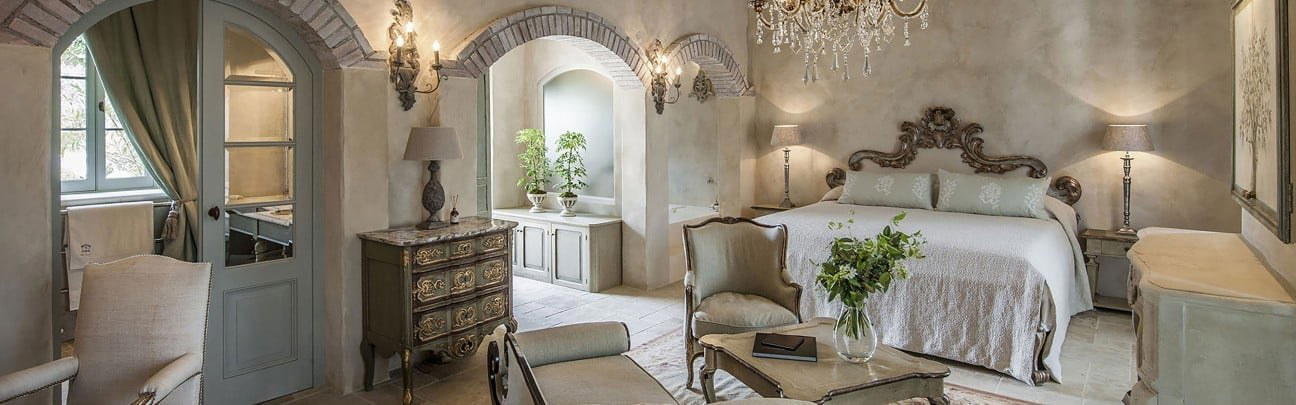
Bars in Siena
All bars in Siena →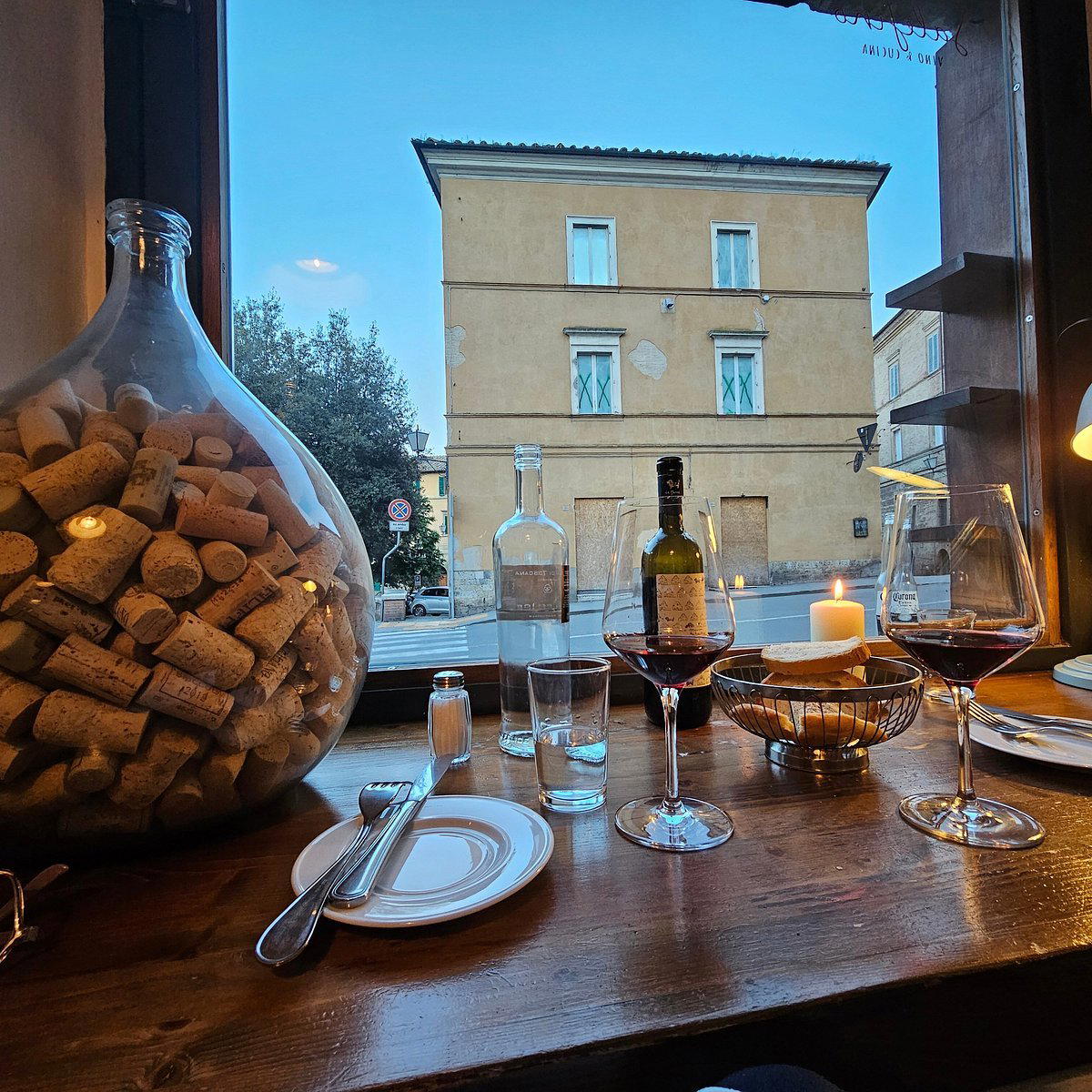
Restaurants in Siena
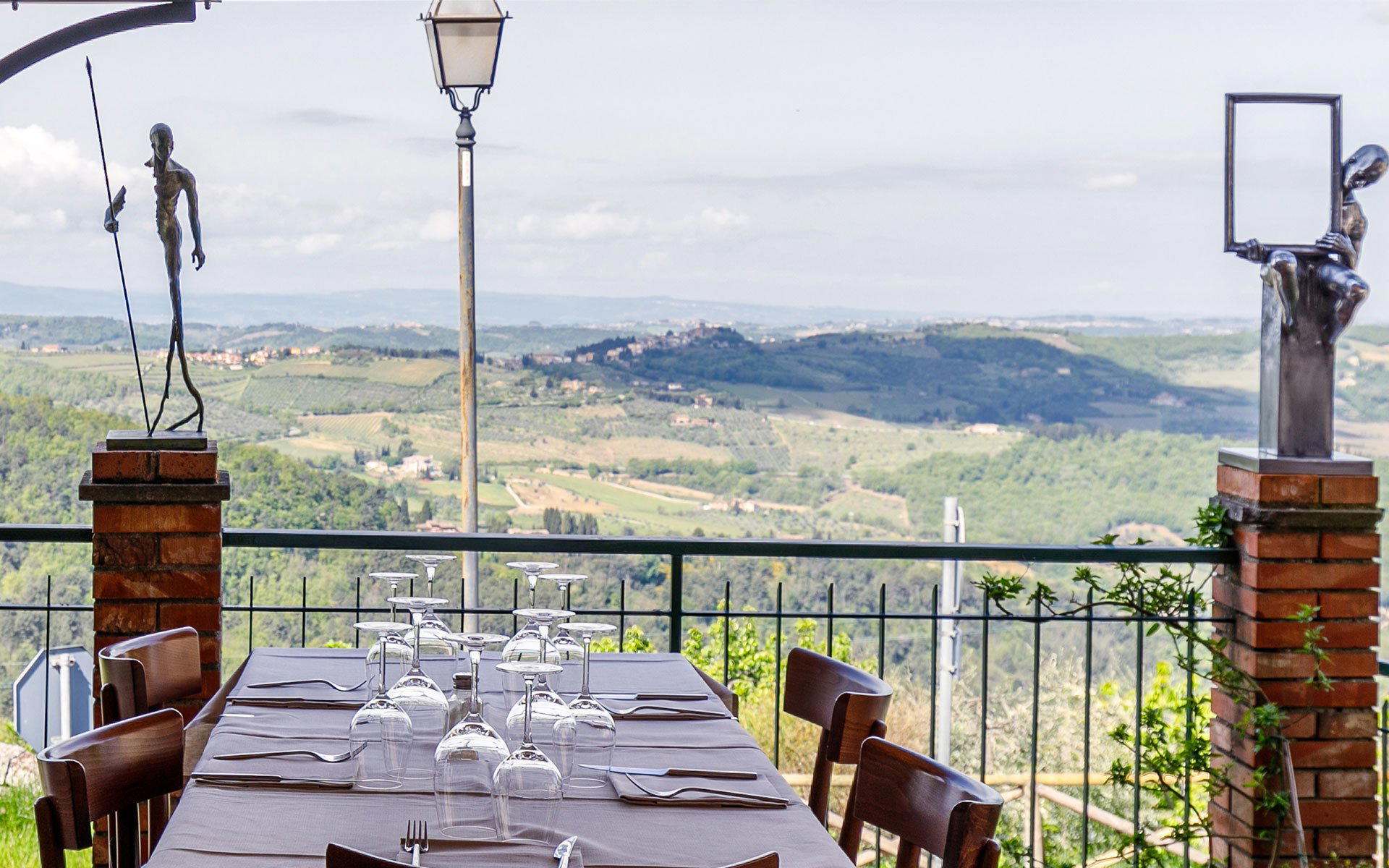
All restaurants in Siena →
Details
- Romantic
- Elegant
- Classic
- Intimate
- Sophisticated
- Romantic Getaway
- Anniversary
- Weekend Escape
- Historic Building
- Terrace
- Wi Fi
- Restaurant
- Bar
- Room Service
- Concierge
- Spa
- Air Conditioning
- Skyline
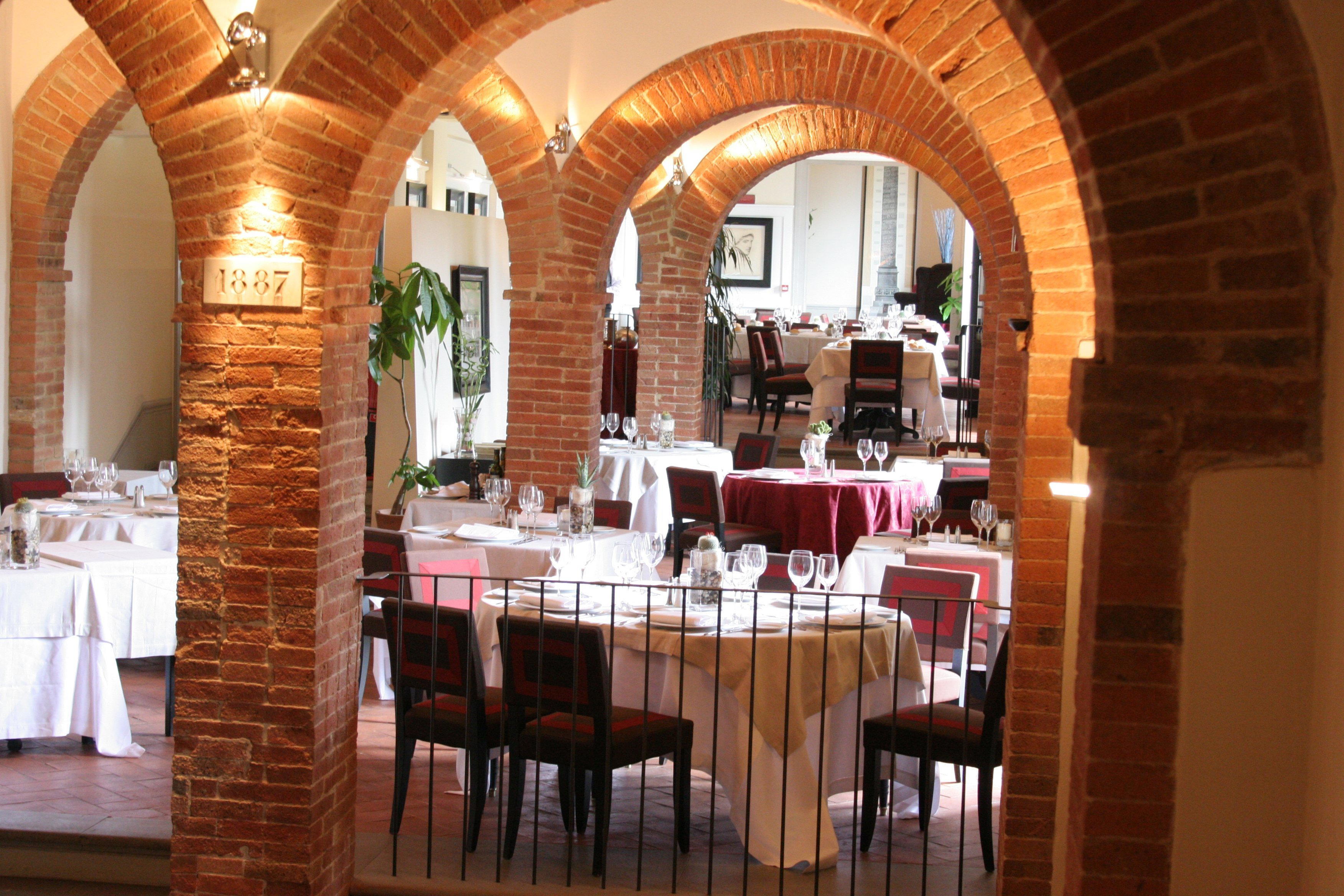
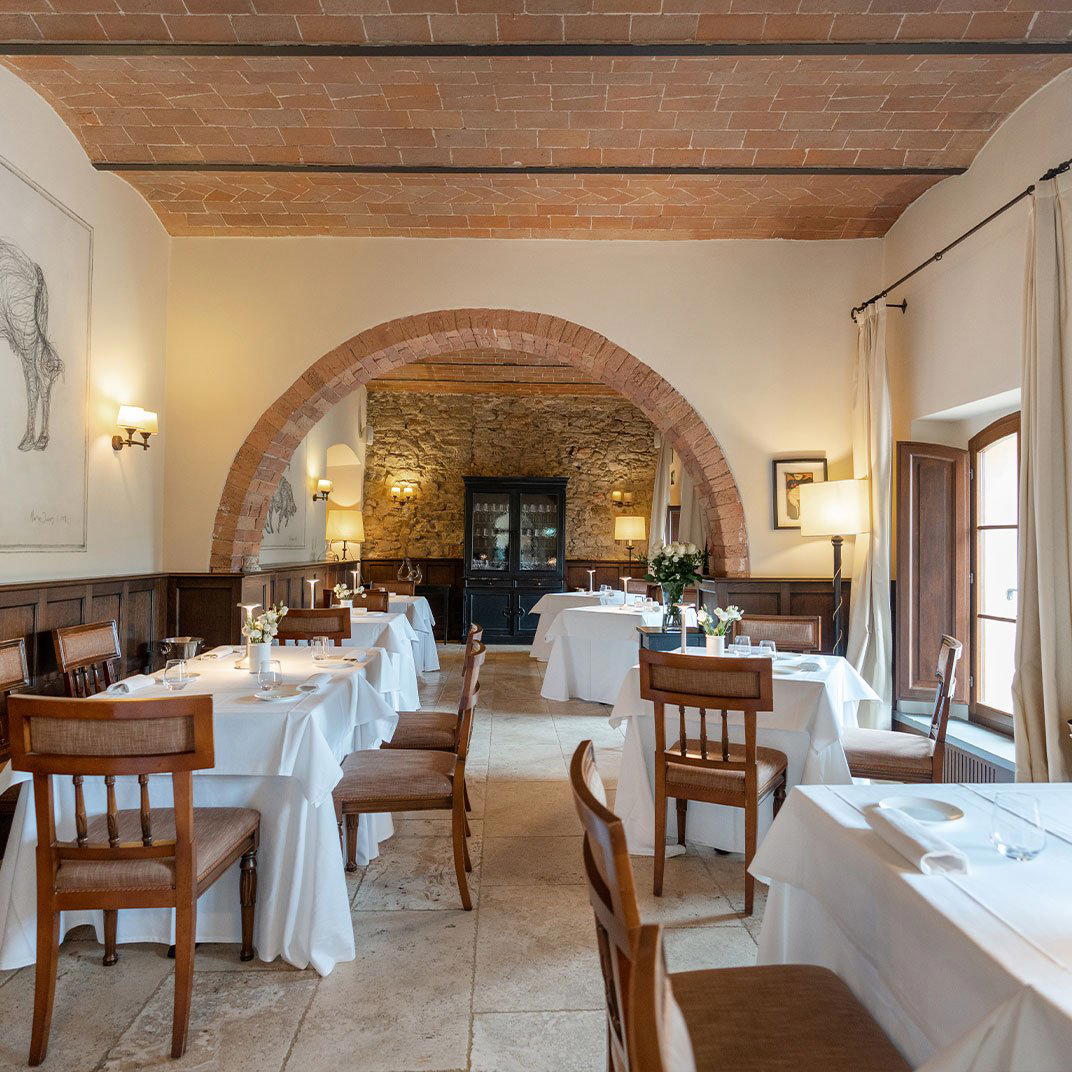
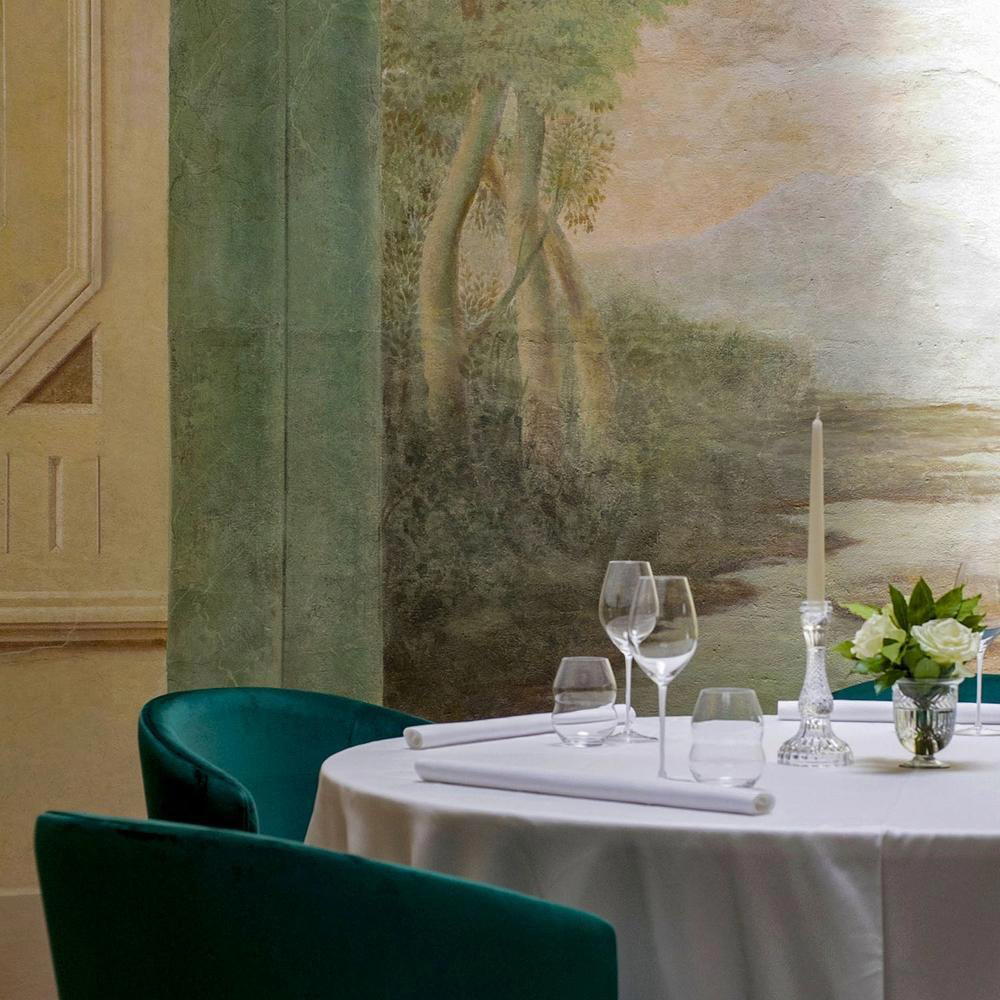
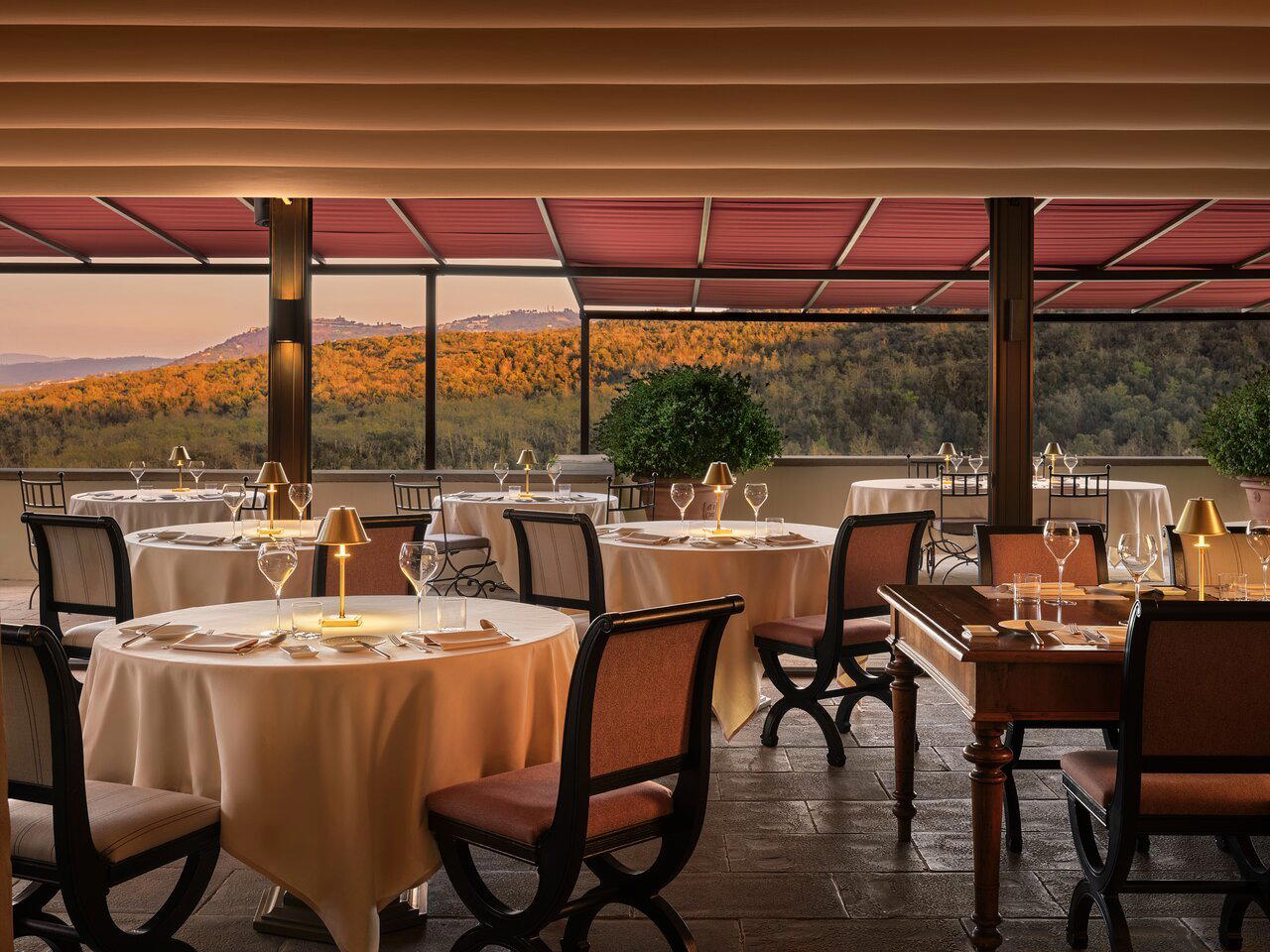
Charming historic atmosphere with intimate elegance and city views from rooms.