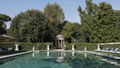





3 Michelin Keys · World's 50 Best #12 · La Liste Top Hotels
Four Seasons Hotel Firenze is Florence at palace scale: a Renaissance palazzo and former convent set around an 11-acre private garden, with frescoes, friezes, pool, spa and serious dining folded into the fabric. Its recognition from World's 50 Best Hotels and La Liste places it in the city's upper luxury tier, but the real argument is architectural rather than merely service-led.

Pearl is the En Primeur Club membership app, where members save venues, book tables and use the concierge.
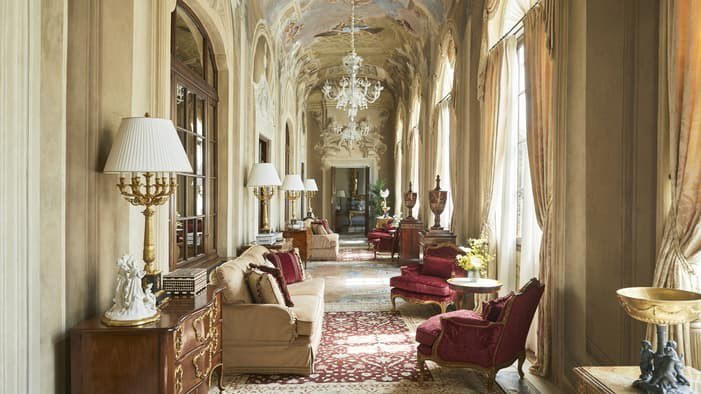
Four Seasons Hotel Firenze is presented as an enchanted city sanctuary in Florence, where an art-filled Renaissance palazzo and a former convent frame a centuries-old private park. The verified picture is one of historic architecture, original frescoes, sculptured reliefs and a calmer sense of retreat within the city.
A palace-and-convent hotel shaped by Renaissance rooms and garden scale
The most reliable description of Four Seasons Hotel Firenze centers on its Renaissance palazzo, former convent setting and private park.
Florence comparisons can range from intimate city hotels to other heritage-minded stays. Arté Boutique Hotel, Hotel Regency, Residence Hilda, The Hoxton and The James Suite Hotel Firenze 1564 are other nearby options to consider depending on the style of stay you want. For the wider field, use Our full Florence hotels guide.
What is verified, and what should be confirmed before booking
Verified public detail does not establish specific restaurant names, spa facilities, menus, drinks programs, prices or service formats. What can be stated with confidence is that Four Seasons Hotel Firenze is a Florence hotel defined by an art-filled Renaissance palazzo, a former convent and a centuries-old private park. Pair the stay with broader Florence travel planning as needed.
For other stays, compare Four Seasons Hotel Firenze with Florence options such as Arté Boutique Hotel, Hotel Regency, Residence Hilda, The Hoxton and The James Suite Hotel Firenze 1564, or consider other Italian hotels generically according to location, scale and travel style.
Fast Comparison
Comparable venues by cuisine and price in the same metro.
| Venue | Cuisine | Price | Awards |
|---|---|---|---|
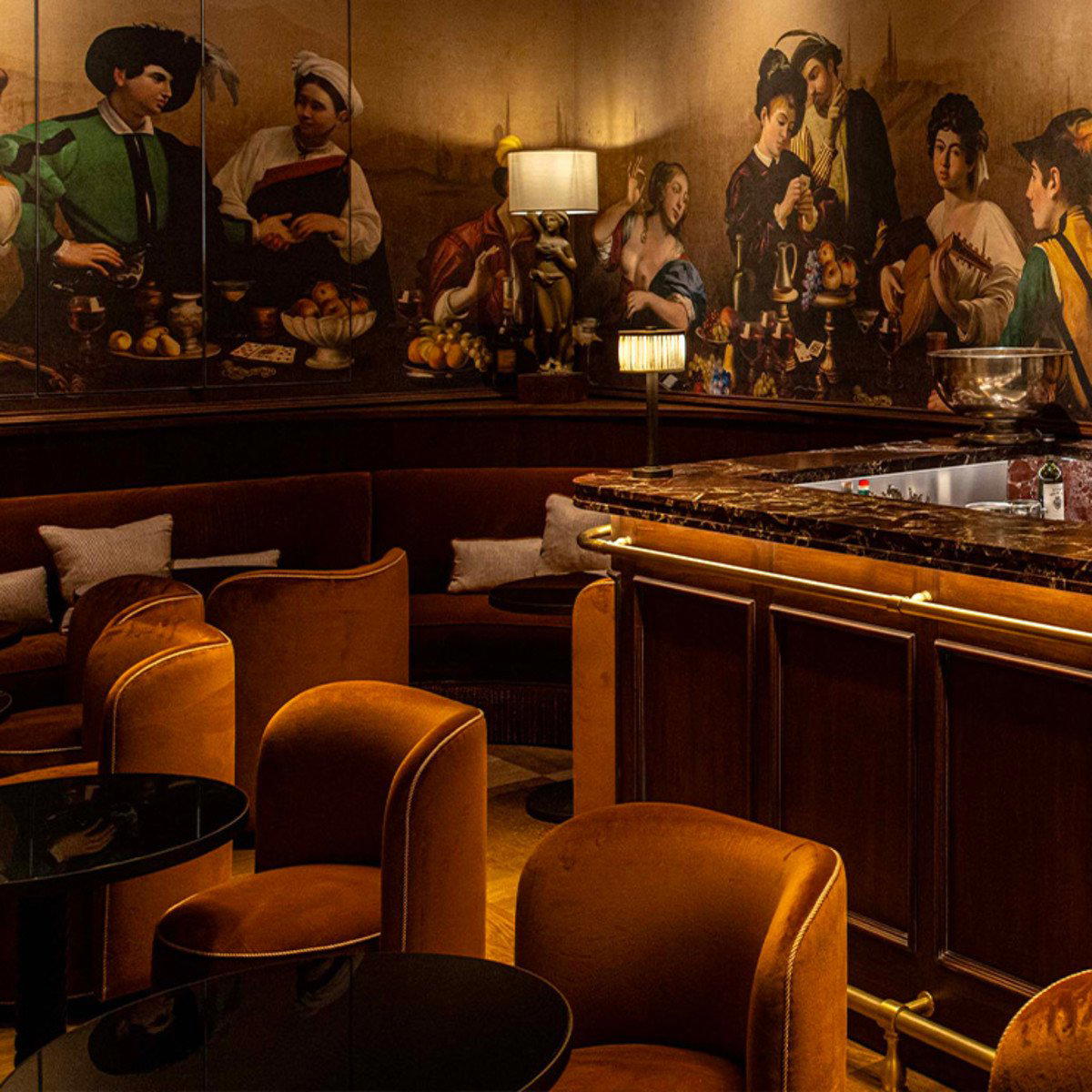
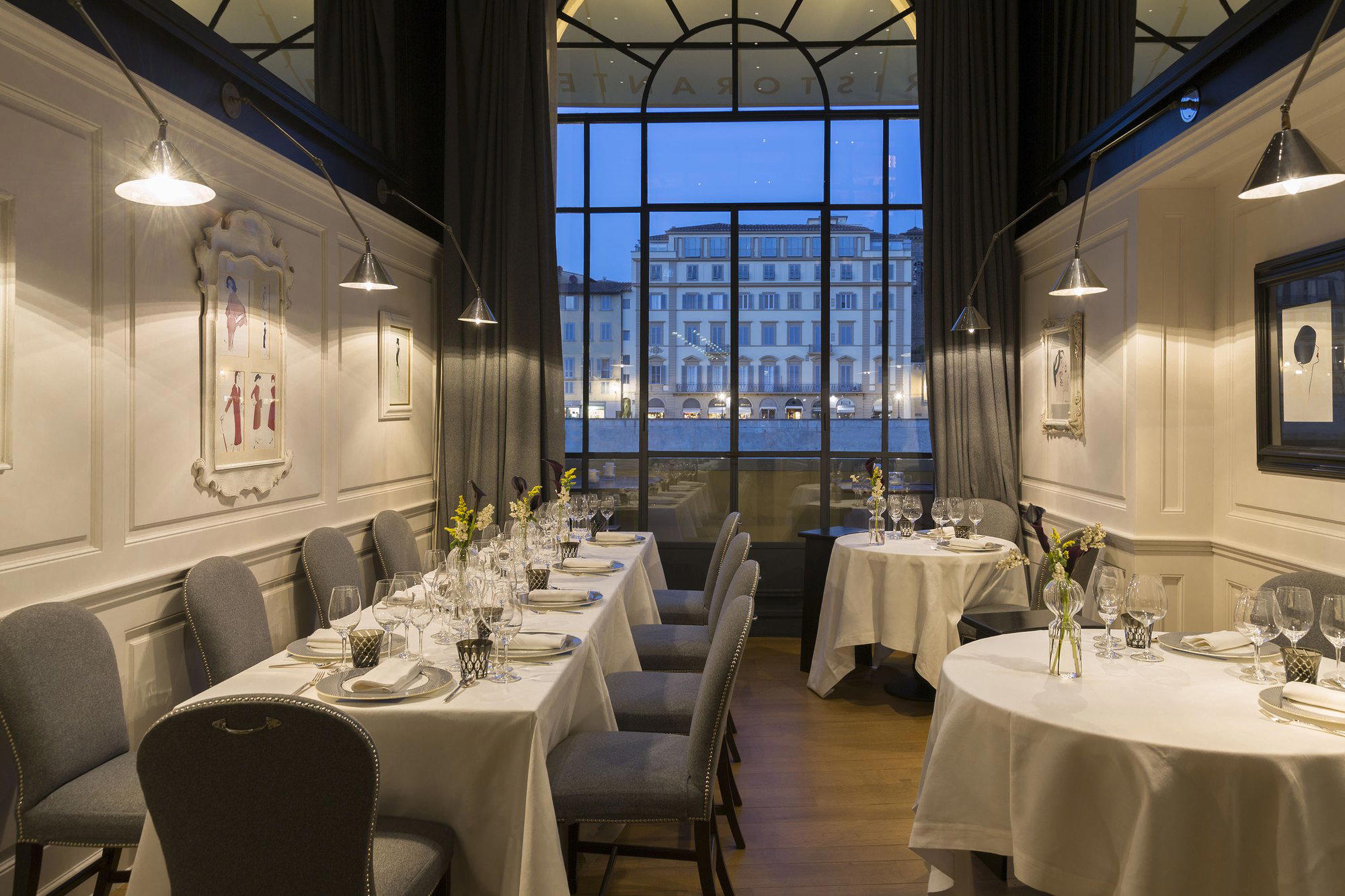
| Four Seasons Hotel FirenzeThis venue (the venue you are viewing) | Welcome to Four Seasons Hotel Firenze. An enchanted city sanctuary in the midst of Florence, where an art-filled Renaissance palazzo and a former convent frame a centuries-old private park. Relax amidst original frescoes and sculptured reliefs, graced by sunlight and airy garden vistas. Sip espresso under majestic trees, lounge by the open-air pool or bask in Italian spa secrets. Wonders of the Uffizi and Duomo are a stroll away. Tuscan hill towns beckon. Guestrooms Four Seasons Hotel Firenze has 116 sun-filled guest rooms and suites, with no two alike. Reflecting the architectural beauty of their celebrated past, they blend Renaissance artistry with high-tech comfort. Overlooking the inner courtyard, lovely garden vistas and neighbouring streets, rooms are located in either La Villa, a former convent from the 17th century, or the Palazzo Della Gherardesca, a 15th-century palace. Dining Located on the ground floor of the Palazzo della Gherardesca, the Michelin-starred Il Palagio Restaurant features vaulted ceilings, elegant décor and lovely views of the inner gardens. Large French doors open to a terrace that offers al fresco dining during clement weather. A seasonal menu features regional cuisine prepared with a contemporary twist, accompanied by notable Italian wines. Set in the beautiful Giardino della Gherardesca, adjacent to the swimming pool and spa, Al Fresco enjoys an enviable location under a majestic tree that offers shade during hot summer days, the well-suited place for relaxed dining, refreshing drinks and ice cream. Beneath a skylight in the Palazzo della Gherardesca, the Atrium Bar offers an elegant setting for guests to enjoy light meals, coffee specialties, cocktails throughout the day and rich afternoon teas. In the evenings, live piano music adds a soothing tone. Four Seasons In-Room Dining is a fine dining experience within the comfort and convenience of your guest room or suite. Choose from an extensive menu – day or night – that is ideal for time-zone-hopping travellers, impromptu meetings or quiet, private dining. Spa The only hotel Florence with an on-site spa, Four Seasons Hotel Firenze is pleased to offer a strong experience for the mind, body and spirit – an oasis of calm the city. The expansive 791-square-metre (8,511-square-foot) Spa at Four Seasons Hotel Firenze offers a wide range of inspiring treatments in ten luxuriously appointed treatment rooms, including one double room and one double VIP suite. In between treatments, guests have full access to relaxation lounges and the outdoor pool and whirlpool to further enhance their spa experience. The Spa uses Officina Profumo – Farmaceutica di Santa Maria Novella, one of the world's oldest pharmacies still following traditional recipes of monks from the 13th century with natural ingredients. All of its offerings have been carefully designed to promote a sense of pampering and wellness.; You'd never guess that the unassuming walls of Four Seasons Hotel Firenze, which lies in Florence's historic city center, hide a sumptuous Renaissance-era palace. But upon entering hotel, you'll find a big hint, an enclosed loggia circled with a frieze that dates back to after 1473.; La Liste Top Hotels (2026): 97pts; Housed in a pair of historic properties slathered in Renaissance sculptural friezes and Baroque frescoes, the Four Seasons would probably be open for guided tours today if it were not a hotel. But this 115-room grande dame, located a short walk from the Duomo in Florence's quiet University district, wears its opulence lightly. The 11-acre landscaped park, whose current design dates back to the 19th century, separates the main Palazzo della Gherardesca building from the hotel's Palazzo del Nero annex and is a leafy joy. An autumn 2024 makeover of Palazzo del Nero has raised the 36-room outlier from Cinderella to sassy princess, thanks also to Bar Berni, its cool new vermouth bar, and Onde seafood restaurant.; World's 50 Best Hotels #9 (2025); Property highlights: One of our favorite parts of the hotel is its Giardino della Gherardesca, an 11-acre secret garden filled with art that dates back to the 15th century. The two-story Spa at Four Seasons Hotel Firenze gives you views of the pool and surrounding park. Reserve treatments like the Lift & Glow by Mimi Luzon, a service that significantly improves the consistence, tone and brightness of your skin. The hotel maintains a weekly calendar of kids activities that include fun outdoor activities. Adults can join a yoga and Pilates sessions, a negroni tasting, cocktail-making classes, boating excursions on the Arno, biking in the Chianti region and more. The gorgeous design is impressive, especially in the suites. The Sangallo Suite takes on a regal look with deep purples and a white-and-gold coffered ceiling above the bed, while the Scala Suite offers a fresco of angels on its ceiling. The Royal Suite wows with art on the vaulted ceilings, gorgeous frescoes and stuccos and an 18th-century ceramic floor. Il Palagio is a destination restaurant. Under the antique vaulted ceiling and elaborate chandeliers with tiny lampshades (or the stars, if you decide to dine on the patio), you'll be entranced with chef Paolo Lavezzini's modern regional Italian cuisine. What to know: If you want a rich only-in-Florence dining experience, the historic hotel can set up a private dinner on the Ponte Vecchio's only terrace. You'll get great vistas of the Arno River while noshing on a five-course meal. Rooms: Choose from two buildings at the dramatic Florence hotel: the Palazzo della Gherardesca, a converted 15th-century palace, or La Villa, a 16th-century palazzo that was turned into a convent. The 36-room La Villa sits at the opposite end of the garden, so it affords more privacy and less foot traffic. It's like a hotel-within-a-hotel, offering its own reception desk, concierge, breakfast room (La Magnolia is only for La Villa guests), butler service, business center and presidential suite. None of the luxury hotel's 115 rooms are the same; they have different dimensions and original features, such as frescoes, bas-reliefs, skylights, ceiling art, staircases, fireplaces and friezes. Designer Pierre Yves Rochon (who also did the ornate interiors of Four Seasons Hotel George V, Paris and The Savoy in London) decorated each room individually with lavish period furnishings, rich brocades and velvets, but you'll see green and yellow palettes used in many of the spaces and a white marble bathroom in each. You'll find even more luxurious touches in the specialty suites. In the Stephenson Suite, a white marble tub sits in the middle of the stuccoed bathroom, which also features carved silver armoires and a fireplace. The Volteranno Suite is distinctive for being draped in Chinese silk wallpaper. Amenities: Borgo Pinti 99, 50121 Florence, Italy; Price: 1,069 Rooms: 116 Rooms Among the more common complaints about the big luxury chains is that they tend to exhibit a certain sameness of style, no matter the location. But whatever you might say about the Four Seasons Firenze, you certainly can't get away with saying that. Never mind the museums and the galleries, you could give yourself an attack of Stendhal syndrome without even leaving the hotel, especially if you walk in expecting a more typically beige sort of luxury. It's a converted Renaissance-era palazzo, of course, well, not “of course,” but honestly, this is what a Florentine luxury hotel ought to be, right down to the frescoed ceilings. Imagine living like the Medicis did, but with less murderous intrigue and more satellite television channels; for underneath a layer of Renaissance opulence, the Four Seasons is as utterly modern a luxury hotel as you'll find anywhere. After all, when you're talking about a Four Seasons, there are some features that are absolutely obligatory. They've managed to squeeze in not just a spa but an outdoor pool as well, and not one but two Italian restaurants. And you're in the city center, so if you can take a little more Renaissance beauty, you're just a brisk walk to the Duomo or the Uffizi.; World's 50 Best Hotels #19 (2024); Michelin 2 Keys (2024); World's 50 Best Hotels #9 (2023) | $750–1,000 | 3 Michelin Keys · World's 50 Best #12 |
| Hotel Regency | Not listed | $300–500 | Michelin Selected · Small Luxury Hotels of the World Member |
| Residence Hilda | Not listed | $100–200 | Michelin Selected |
| The James Suite Hotel Firenze 1564 | Not listed | $750–1,000 | 1 Michelin Key · Small Luxury Hotels of the World Member |
| Arté Boutique Hotel | Not listed | $100–200 | Michelin Selected |
Recognition history
Dated appearances from independent guides and award organizations, with the underlying list record or original source where available.
Michelin 3 Keys
Michelin
World's 50 Best Hotels #12 · No. 12
World's 50 Best · 2026 World’s 50 Best Hotels 1-50
La Liste Top Hotels
La Liste
Forbes 5-Star
Forbes
Virtuoso Luxury Hotel Partner
Virtuoso
Full recognition history (12 entries)
Conde Nast Gold List
Conde Nast
Forbes 5-Star
Forbes
Michelin 3 Keys
Michelin
World's 50 Best Hotels #9
World's 50 Best
Michelin 2 Keys
Michelin
World's 50 Best Hotels #19
World's 50 Best
World's 50 Best Hotels #9
World's 50 Best
Four Seasons Hotel Firenze
Featured Guides
Continue exploring
More in Florence
Hotels in Florence
All hotels in Florence →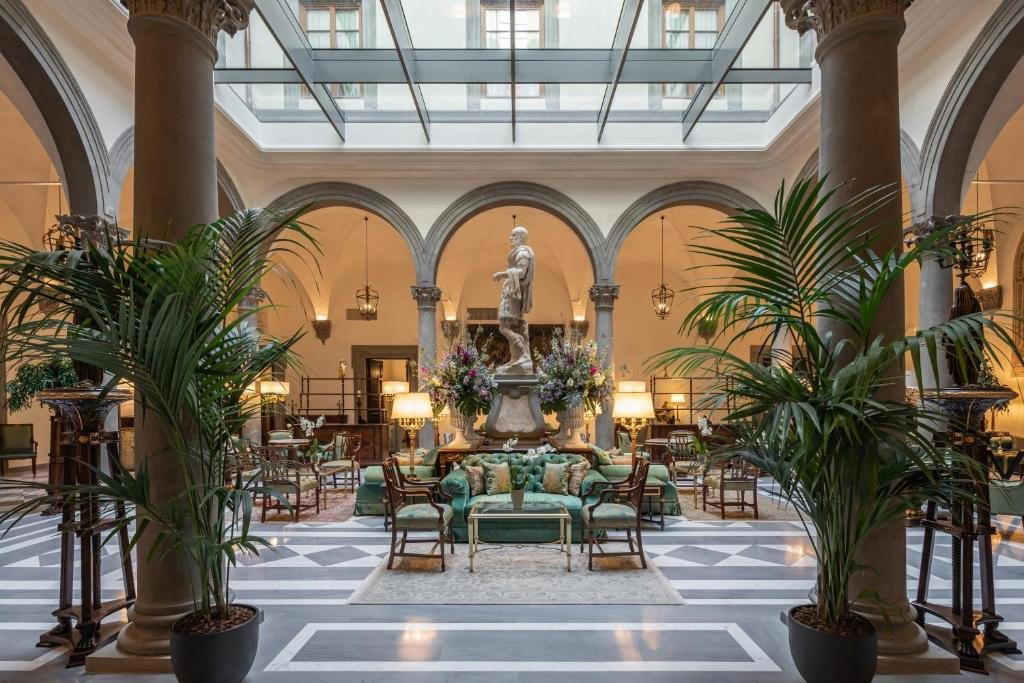
Bars in Florence
All bars in Florence →
Restaurants in Florence
All restaurants in Florence →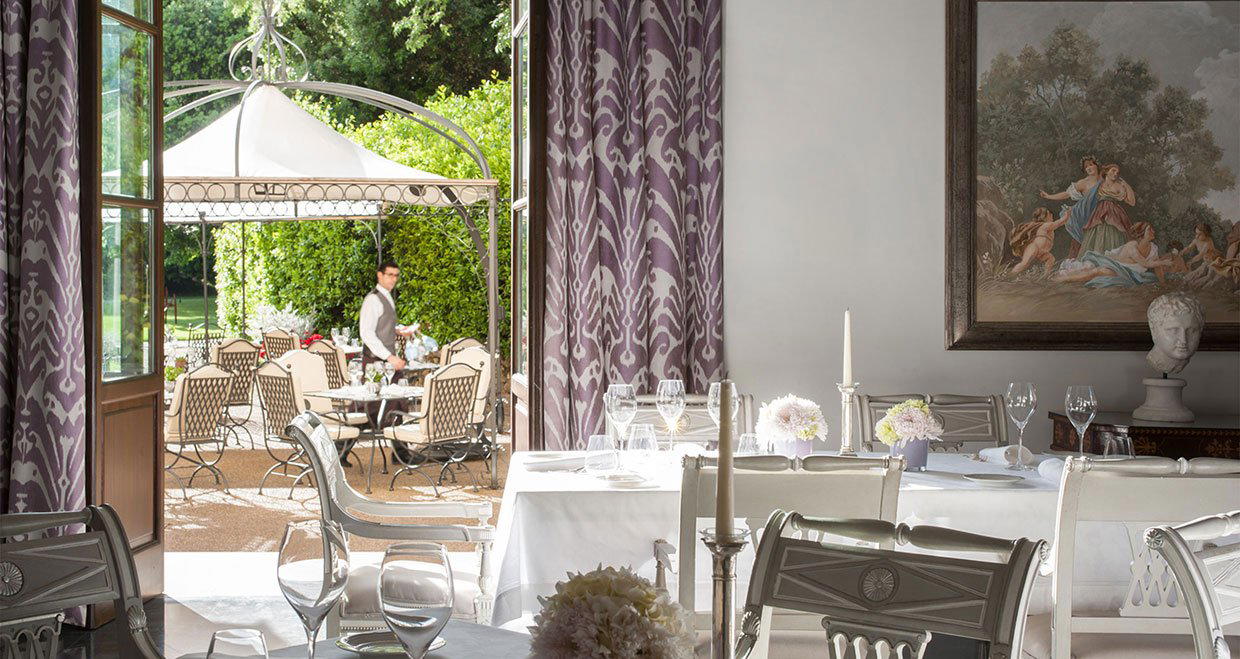

Details
- Quiet
- Elegant
- Scenic
- Classic
- Intimate
- Romantic Getaway
- Anniversary
- Honeymoon
- Business Trip
- Wellness Retreat
- Family Vacation
- Garden
- Historic Building
- Destination Spa
- Private Dining
- Terrace
- Panoramic View
- Wi Fi
- Pool
- Spa
- Fitness Center
- Room Service
- Concierge
- Business Center
- Valet Parking
- Garden
- Skyline
- Street Scene
- Wheelchair Accessible
- Elevator
- Accessible Restroom
- Step Free Entrance
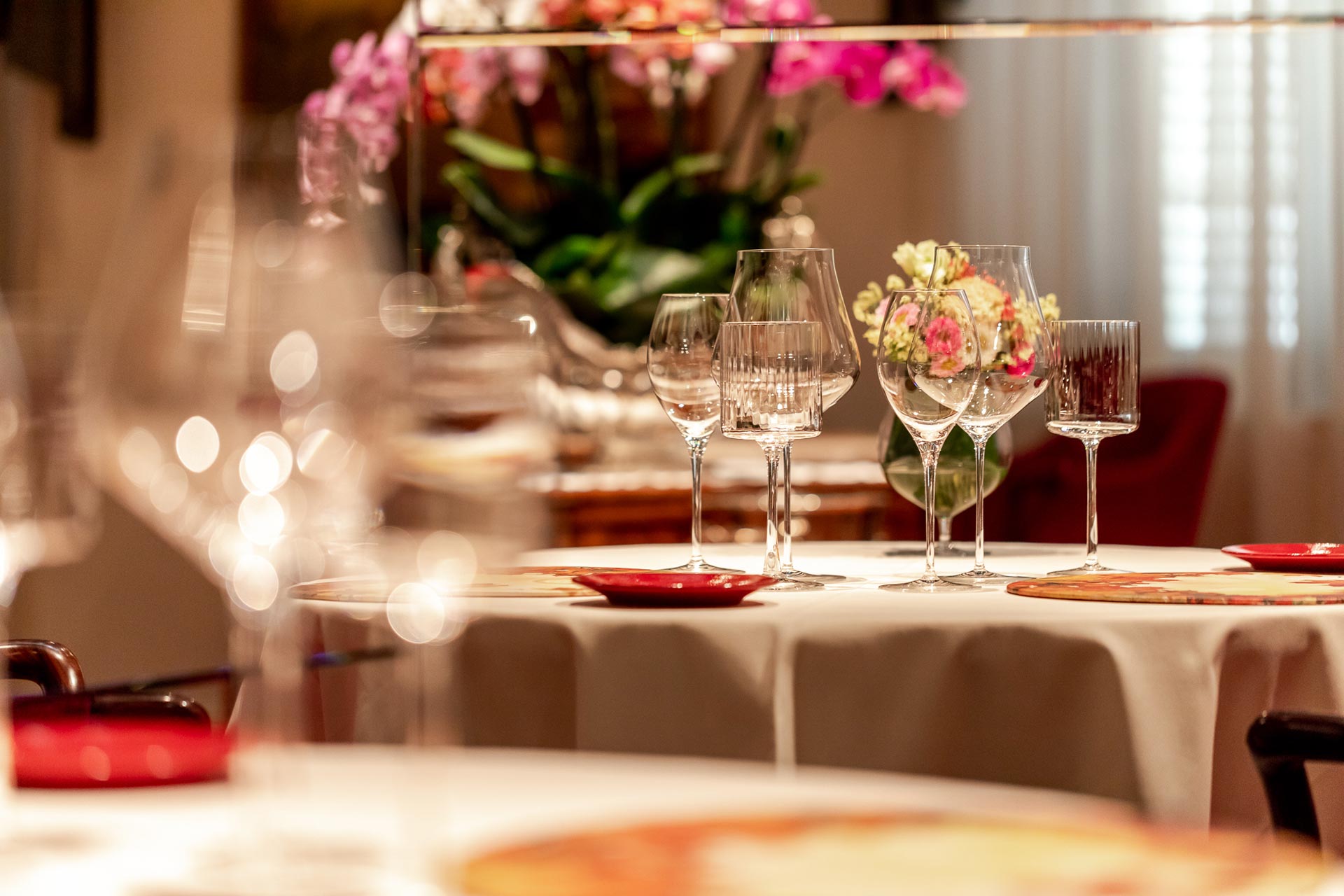
Quiet, elegant, and palatial, with Renaissance interiors softened by garden light, candlelit dining rooms, and a serene private-estate atmosphere.