



3 Michelin Keys · World's 50 Best #32 · Forbes 4-Star
Opened in 2023 on Piazza Augusto Imperatore in Rome's Campo Marzio district, Bulgari Hotel Roma holds a Michelin Key and ranks 22nd on the World's 50 Best Hotels list for 2025. The 110-room property pairs architect Antonio Citterio's composed interiors with a dining programme anchored by Il Ristorante - Niko Romito. Rates from $2,672 per night position it at the top of Rome's luxury tier.

Pearl is the En Primeur Club membership app, where members save venues, book tables and use the concierge.
Where Roman History Meets the Bulgari Dining Programme
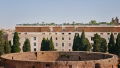
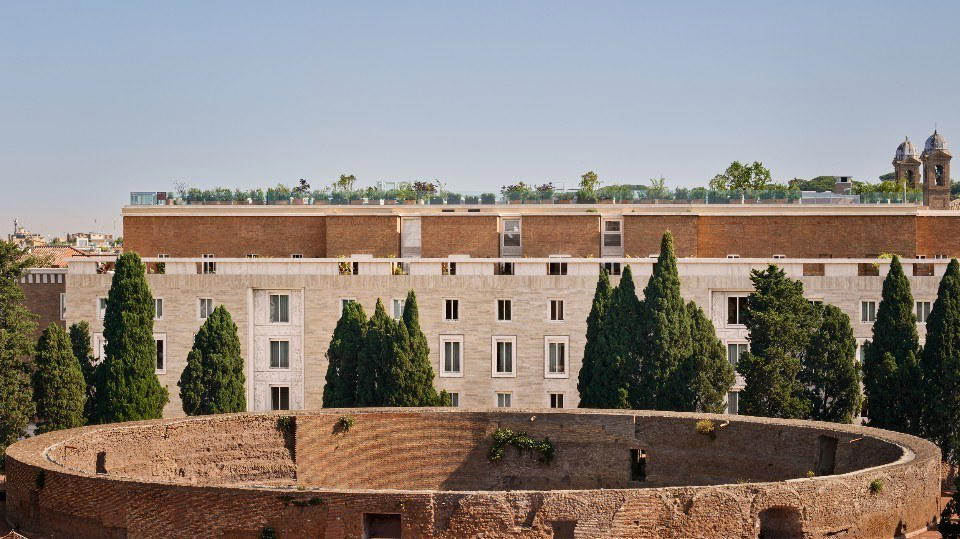
Piazza Augusto Imperatore is one of Rome's most charged addresses: the square centres on the Mausoleum of Augustus, a structure that has defined the Campo Marzio neighbourhood for two millennia. The building Bulgari chose here, a monumental 1930s structure, carries that weight visually and architecturally. Approaching from the piazza, the property reads less like a hotel entrance and more like an institution, which, given Bulgari's Roman origins, is precisely the point. The brand did not import a foreign concept into the city; it returned to the place that shaped it.
That sense of homecoming runs through every programmatic decision at Bulgari Hotel Roma, which opened in 2023 and moved quickly into the conversation about where Rome's ultra-luxury tier now sits. A Michelin Key awarded in 2024 and a rank of 22nd on the World's 50 Best Hotels list for 2025 confirm its position in that tier. At $2,672 per night as an entry rate, it prices against the city's most serious addresses, Hassler Roma, Hotel Eden, Rocco Forte Hotel De La Ville, rather than the broader five-star market.
The Dining Programme as Architectural Argument
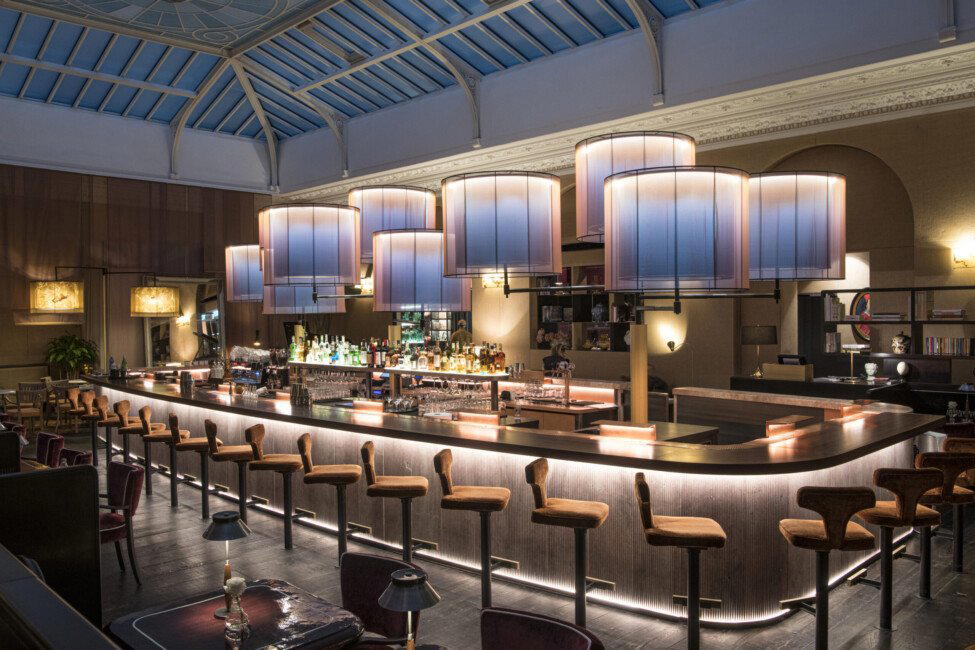
Rome's luxury hotels have historically treated restaurants as amenities, competent, occasionally good, rarely the reason anyone books. Bulgari Hotel Roma challenges that pattern. The dining programme here is structured like a full editorial vision: a Michelin-recognised destination restaurant, a signature bar, a panoramic terrace, a lobby lounge, and an in-house chocolatier and patisserie that represents Italy's first Bulgari Dolci outlet. That last detail matters not as novelty but as signal, Bulgari is building an experiential ecosystem inside the hotel rather than a collection of independent venues.
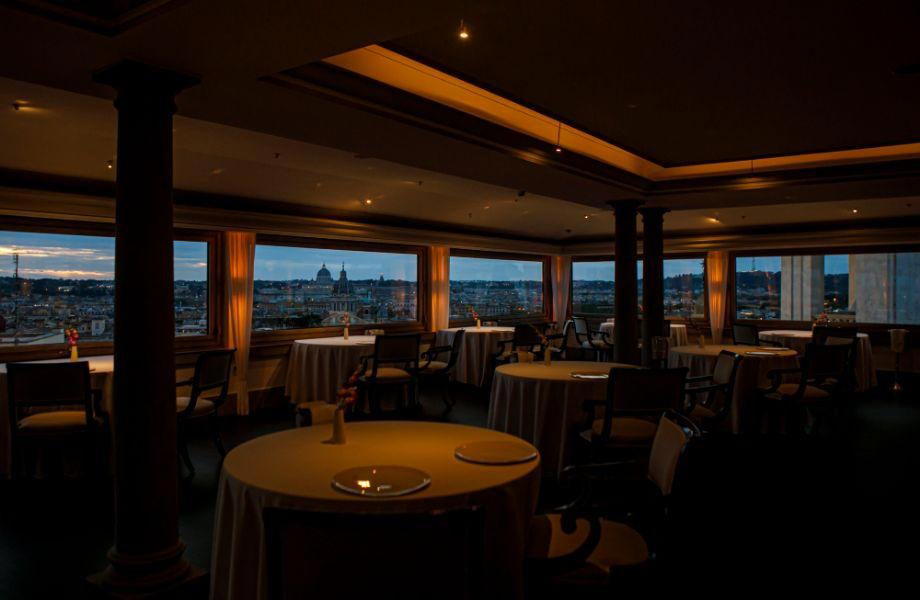
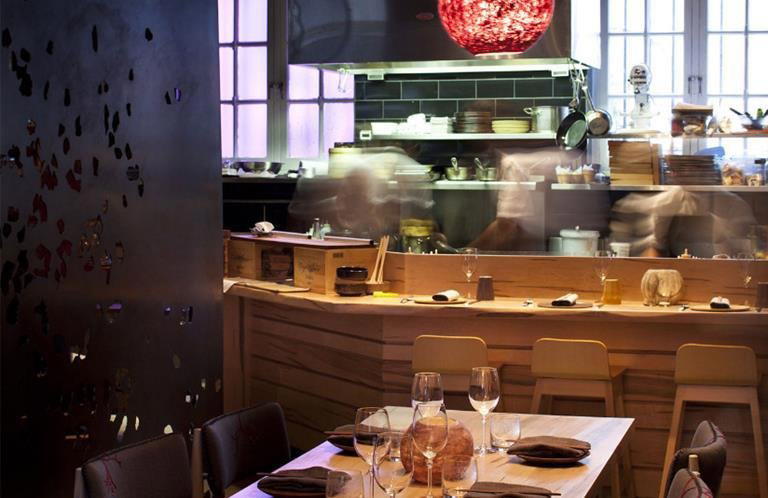
Il Ristorante - Niko Romito anchors the programme. Romito holds three Michelin stars at his Abruzzo flagship, Reale, placing him among the most decorated Italian chefs working today. That credential brings a specific culinary orientation: his cooking is known for rigour, reduction, and a disciplined focus on Italian ingredients stripped of unnecessary technique. In a city where tourists and locals alike approach Roman food with strong opinions about tradition, placing a chef of this profile at a hotel restaurant is a considered editorial choice, not a celebrity partnership designed to generate press, but a genuine alignment of culinary values with the hotel's overall aesthetic restraint. Within our full Rome restaurants guide, Il Ristorante occupies a distinct position: it is the only hotel restaurant in the city operating at this level of culinary recognition.
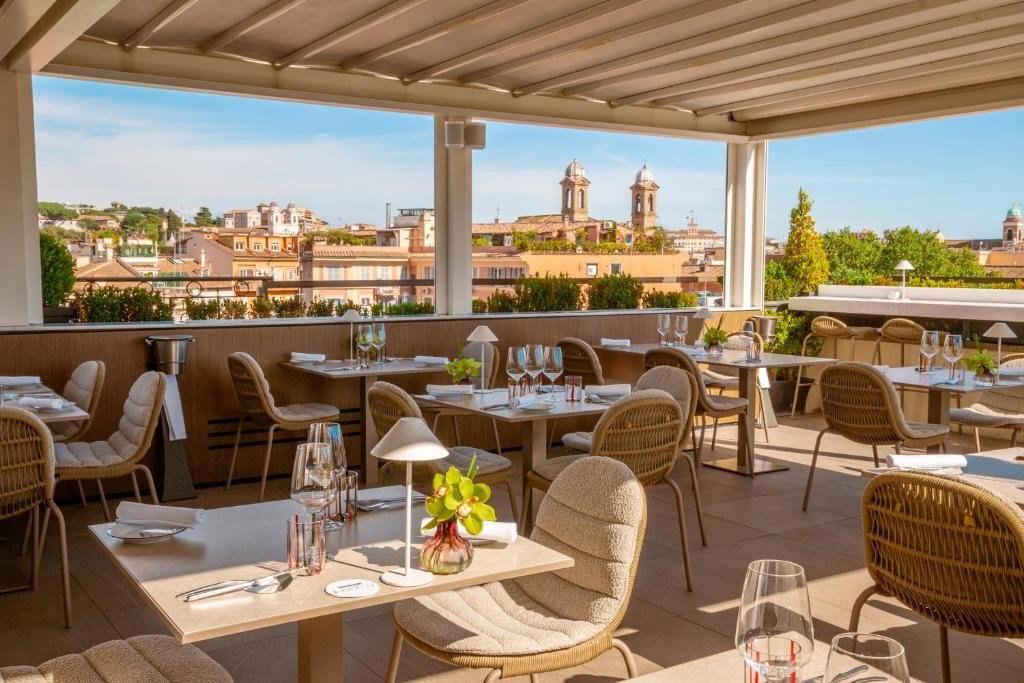
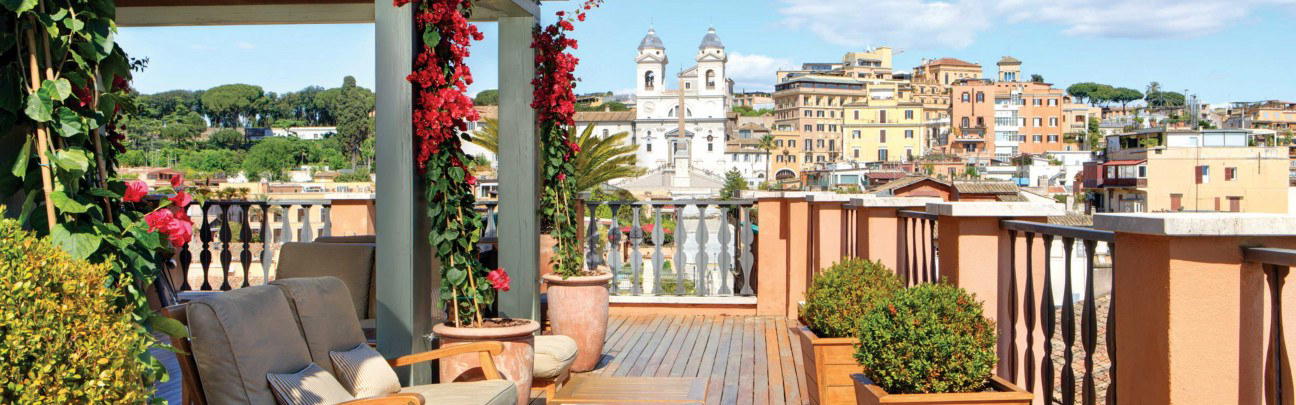
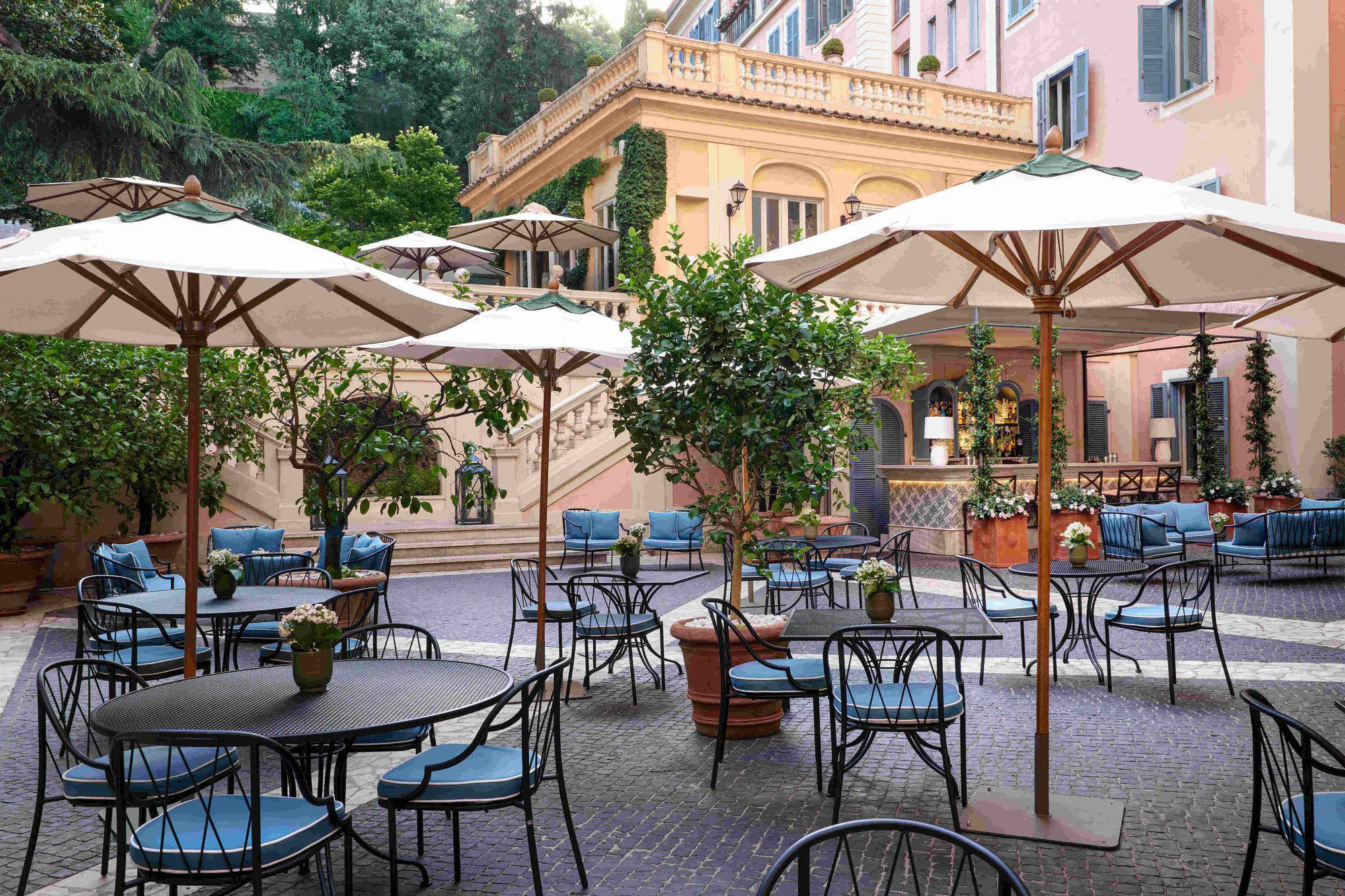
The Bulgari Bar and La Terrazza expand the programme into different registers. The terraces, decorated with over 200 native plants, convert the hotel's upper floors into a seasonal outdoor destination for the city. Rome's terrace culture is a genuine dining and drinking institution, the city's leading roof and terrace venues draw both visitors and Romans through summer and into autumn, and La Terrazza positions itself within that tradition rather than above it.
Interiors and the 110 Rooms
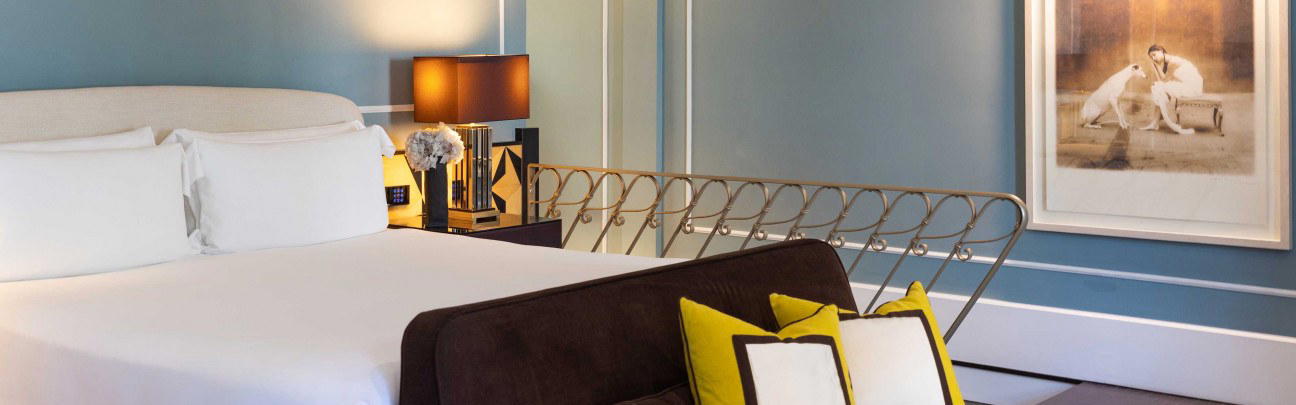
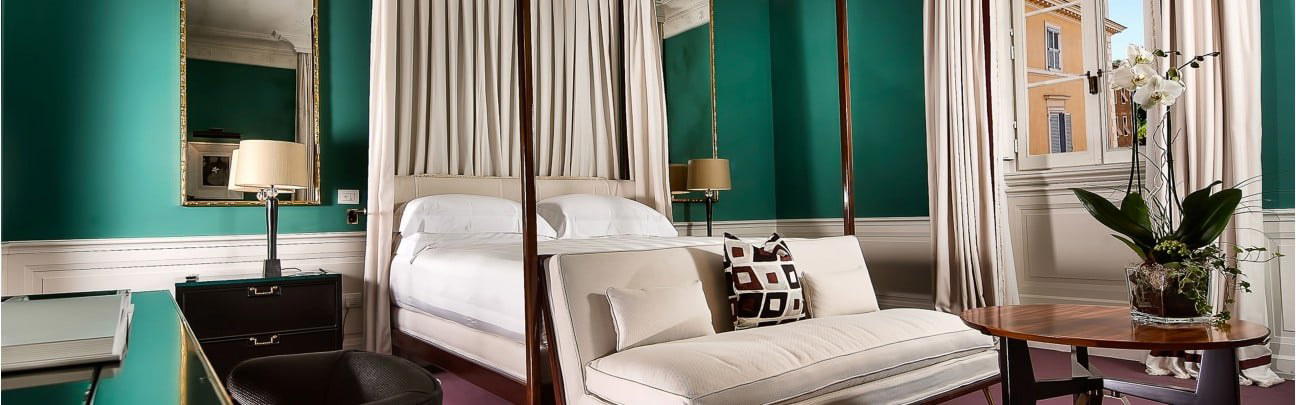
Antonio Citterio and Patricia Viel designed the interiors, as they have for the other properties in the Bulgari portfolio. Their approach across the group has been consistent: composed material palettes, Italian craftsmanship applied at high specification, and a deliberate avoidance of the maximalism that characterises some competing luxury brands. In Rome, the colour palette draws from the city itself, the ochres, travertines, and warm neutrals that define the Roman streetscape. The result is an interior language that feels local without resorting to the folkloric gestures that weaker hotel design uses to signal Italian identity.
The 110 rooms and suites place Bulgari Hotel Roma in a mid-scale footprint for its category. Compare that with the 122 rooms at Hotel Eden or the larger inventory at chain-affiliated competitors, and the number reflects a deliberate choice to maintain density of service. Across Italy's premium hospitality spectrum, from Aman Venice to Passalacqua on Lake Como, the properties that sustain the strongest guest-experience scores tend to hold between 50 and 130 keys. Bulgari Hotel Roma sits in that range.
The spa's Bisazza mosaic tile pool is the property's most frequently cited design feature in published reviews. Bisazza is a Venice-based manufacturer whose glass mosaic tiles are used across architectural projects internationally; their presence here is a specific material credential, not a generic luxury gesture. It places the spa in a different conversation from the standard hotel wellness offering.
Campo Marzio and the Hotel's Position in Rome
Campo Marzio is one of central Rome's more coherent neighbourhoods for a luxury hotel to occupy. It is walkable to the Pantheon, the Piazza Navona corridor, and the Tridente shopping district, while sitting at a remove from the densest tourist concentrations around the Colosseum and Vatican. The Piazza Augusto Imperatore address gives the hotel a monumental Roman outlook without the pedestrian congestion of the most visited areas. Within the neighbourhood, Rome's luxury hotel market has consolidated around a handful of serious addresses. Alongside Bulgari, Portrait Roma and Hotel Vilòn occupy the design-led, lower-key segment. JK Place Roma and Maalot Roma represent the boutique alternative. Hotel Locarno anchors the historic end. Bulgari Hotel Roma differs from all of these in scale of ambition: it is the only property in that peer group with a three-Michelin-starred chef attached to its restaurant and a brand identity that frames Rome as its origin story rather than its location.
Across Italy more broadly, the Bulgari Hotel Roma sits within a competitive luxury set that includes Four Seasons Hotel Firenze, Borgo Egnazia, Il Pellicano, and Rosewood Castiglion Del Bosco. Each of those properties derives its premium from a specific context, Florentine palazzo scale, Pugliese vernacular, Argentario isolation, Brunello vineyard territory. Bulgari Hotel Roma's context is the city itself, and its premium is built on the argument that no other brand has a deeper claim to Rome as source material. That argument is more defensible here than it would be anywhere else in the portfolio.
Planning Your Stay
Bulgari Hotel Roma is managed under the Marriott International portfolio, which affects booking logistics: reservations connect through Marriott Bonvoy's platform, and loyalty points apply. The hotel is part of The Luxury Collection segment. Entry rates from $2,672 per night reflect the property's positioning, and rates rise considerably for suites and peak periods. Rome's peak season runs from April through October, with June and September representing the highest demand months for accommodation at this level. The Il Ristorante - Niko Romito dining room operates separately from hotel room reservations, and given the chef's recognition profile, advance booking for non-residents is advisable. The Bulgari Dolci patisserie, Italy's first of its kind, operates as a standalone experience within the property and represents a lower entry point for guests who want to engage with the hotel's food programme outside a full restaurant meal. For broader context on Rome's hotel and dining scene, our full Rome guide covers the city's key neighbourhoods and comparable properties across price tiers.
Travellers comparing Rome against other Italian destinations may also consider Casa Maria Luigia in Modena, Castello di Reschio in Umbria, Borgo Santandrea on the Amalfi Coast, or Il San Pietro di Positano in Positano, each representing a different register of Italian luxury, from agricultural estate to coastal cliff property. For international comparison at a similar price tier, Aman New York, The Fifth Avenue Hotel, and Amangiri occupy analogous positions in their respective markets, and Portrait Milano offers a direct Italian city comparison from the same Lungarno group that operates Portrait Roma. JK Place Capri rounds out the Italian coastal alternative for those whose itinerary extends south.
Comparable Options
Comparable venues nearby, for context on price, style, and recognition.
| Venue | Cuisine | Price | Awards | Notes |
|---|---|---|---|---|
| Bulgari Hotel RomaThis venue (the venue you are viewing) | Bvlgari luxury palace blending Roman heritage with contemporary Italian design | Not listed | 3 Michelin Keys · World's 50 Best #32 | Not listed |
| Rocco Forte Hotel de Russie | Luxury historic hotel with secret gardens | Not listed | 2 Michelin Keys · La Liste Top Hotels | Campo Marzio |
| Orient Express La Minerva | Historic palace reimagined with Orient Express luxury. | Not listed | 2 Michelin Keys · World's 50 Best #66 | Pigna |
| Rocco Forte Hotel De La Ville | Contemporary 18th-century palazzo blending classical Roman romance with modern zestful design | Not listed | 2 Michelin Keys · Forbes 5-Star | Campo Marzio |
| The St. Regis Rome | Grand historic palace blending noble heritage with modern luxury interiors | $500–750 | 2 Michelin Keys · La Liste Top Hotels | Castro Pretorio |
| Palazzo Talìa | Restored Renaissance palace blending historical architecture with modern luxury and informal elegance. | $500–750 | 2 Michelin Keys · Tablet Hotels Best New Hotel Designs (Europe) | Colonna |
Recognition history
Dated appearances from independent guides and award organizations, with the underlying list record or original source where available.
Michelin 3 Keys
Michelin
World's 50 Best Hotels #32 · No. 32
World's 50 Best · 2026 World’s 50 Best Hotels 1-50
Fodor's Most Incredible Hotels in the World
Fodor's
Forbes 4-Star
Forbes
Virtuoso Luxury Hotel Partner
Virtuoso
Full recognition history (8 entries)
Michelin 3 Keys
Michelin
World's 50 Best Hotels #22
World's 50 Best
Michelin 1 Key
Michelin
Continue exploring
More in Rome
Hotels in Rome
All hotels in Rome →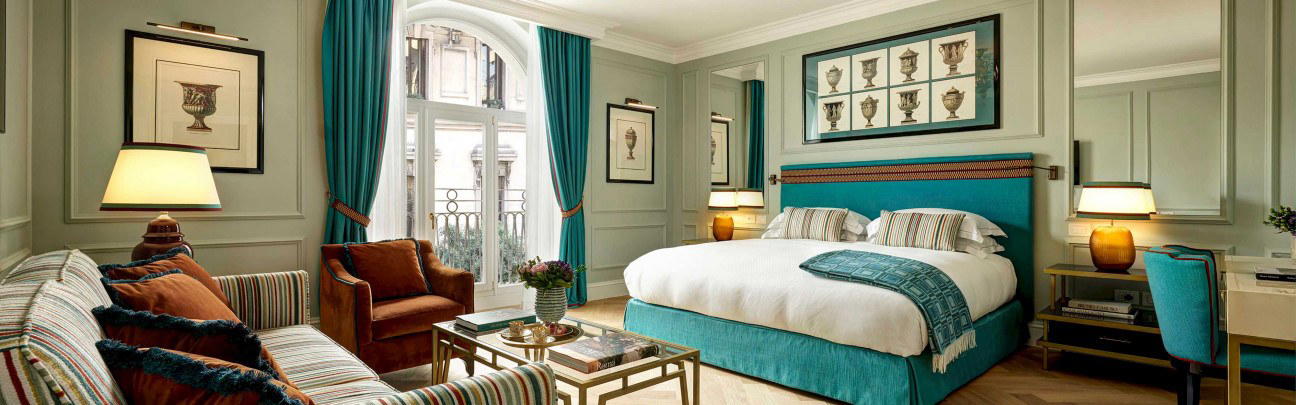
Bars in Rome
All bars in Rome →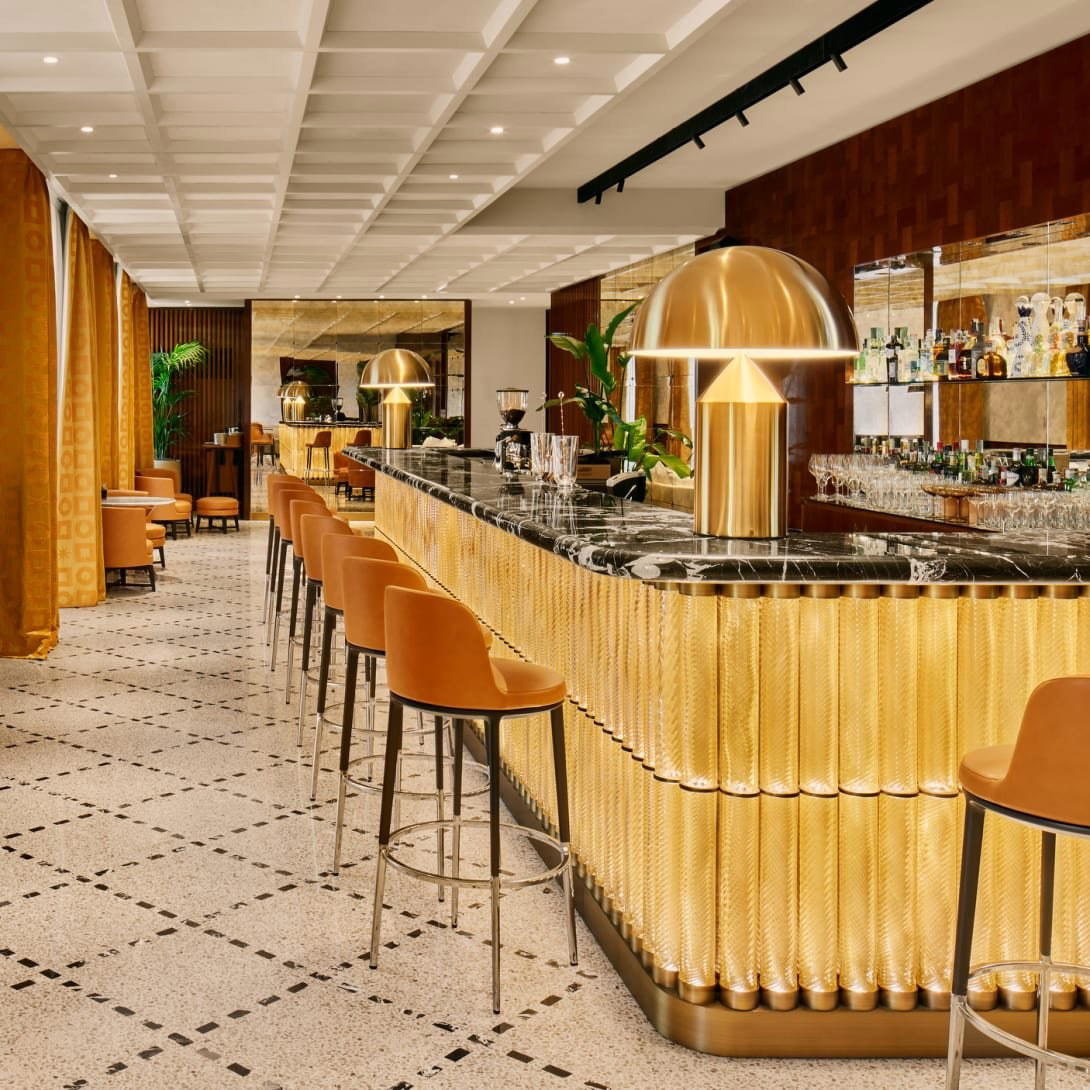
Restaurants in Rome
All restaurants in Rome →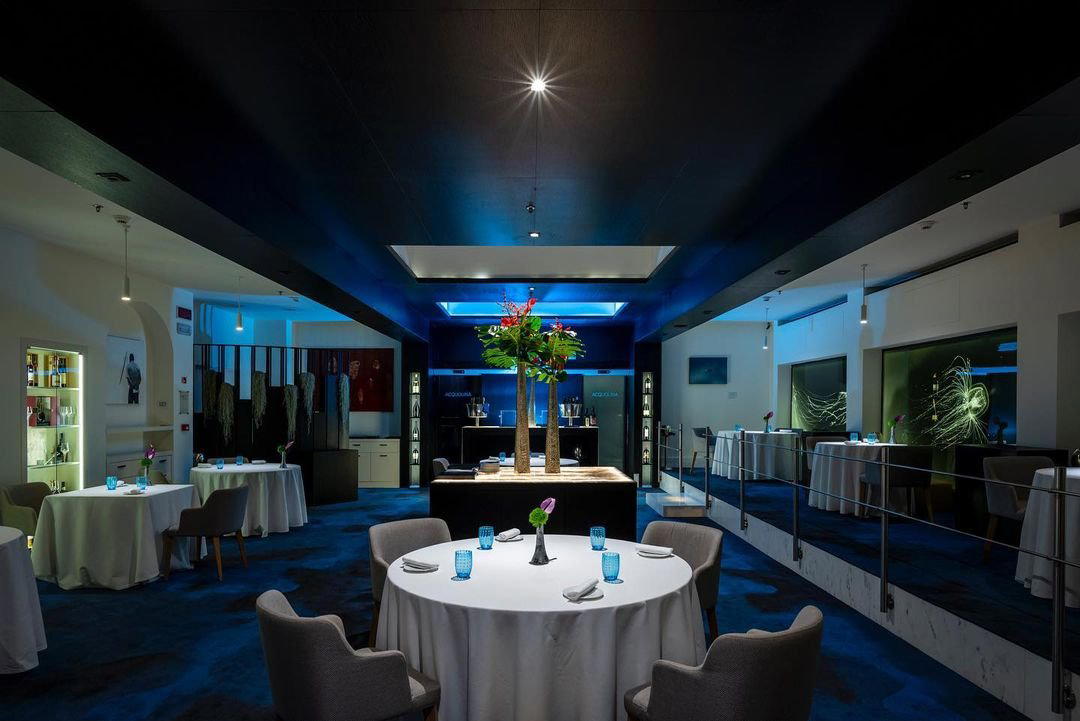

Details
- Elegant
- Sophisticated
- Ornate
- Honeymoon
- Romantic Getaway
- Anniversary
- Historic Building
- Rooftop Pool
- Panoramic View
- Pool
- Spa
- Fitness Center
- Room Service
- Concierge
- Wi Fi
- Street Scene
- Wheelchair Accessible
- Step Free Entrance
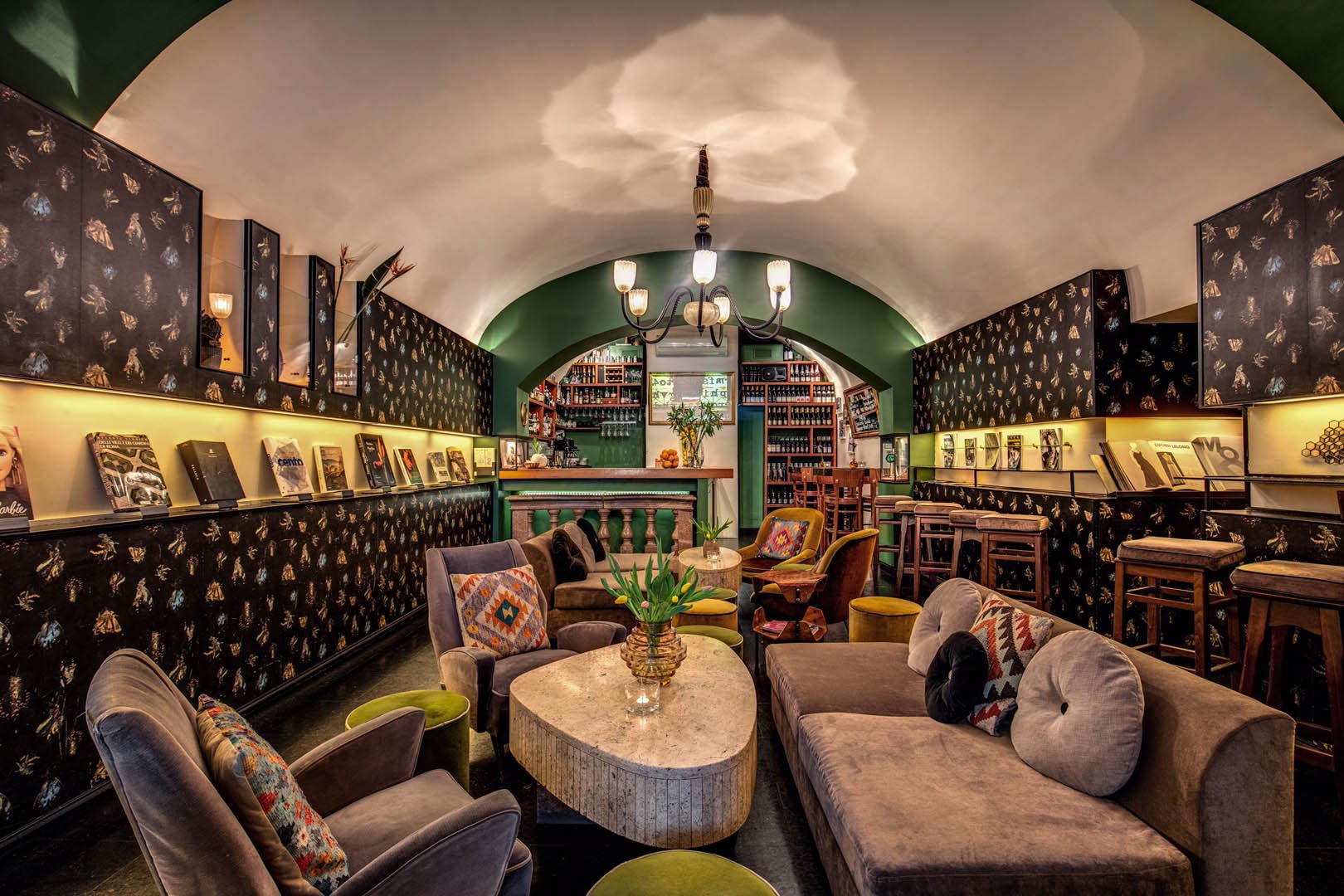
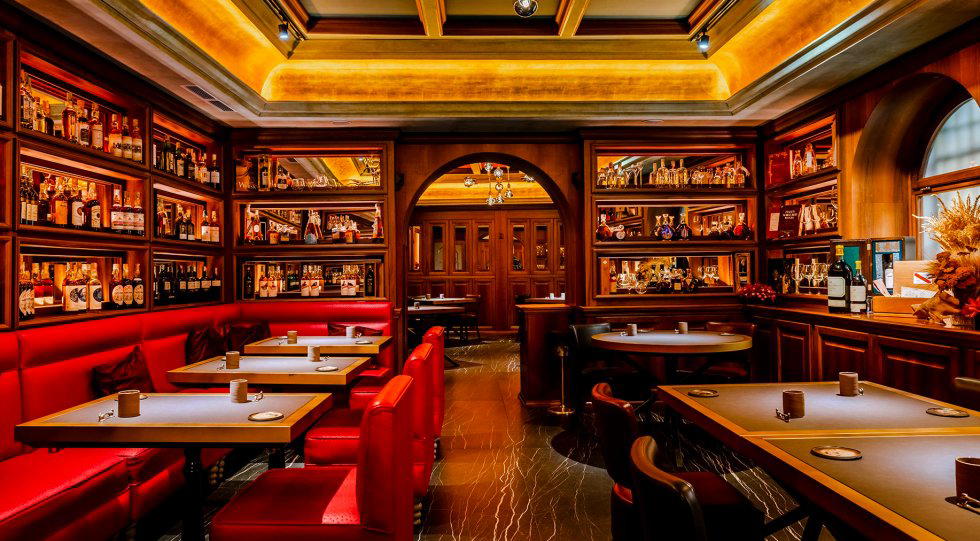
Ornate lighting from Murano glass and marble accents creates a warm, elegant, and relaxing Italian luxury atmosphere.