
2 Michelin Keys
In the forested mountains of Kirishima, Kagoshima Prefecture, Gajoen sits beside the Amorigawa River as one of Japan's most quietly serious ryokan. Its eight rooms — each with a private onsen bath — earned a Michelin One Key in 2024, placing it in a small tier of rural Japanese inns where natural setting, architectural restraint, and farm-sourced food carry equal weight.

Pearl is the En Primeur Club membership app — saves, bookings, and concierge access live there. Same editors, same standards.
- Address
- 宿窪田-4230 牧園町 Kirishima, Kagoshima 899-6507
- Phone
- +81 995-77-2114
- Website
- gajoen.jp
- Directions
- Get directions
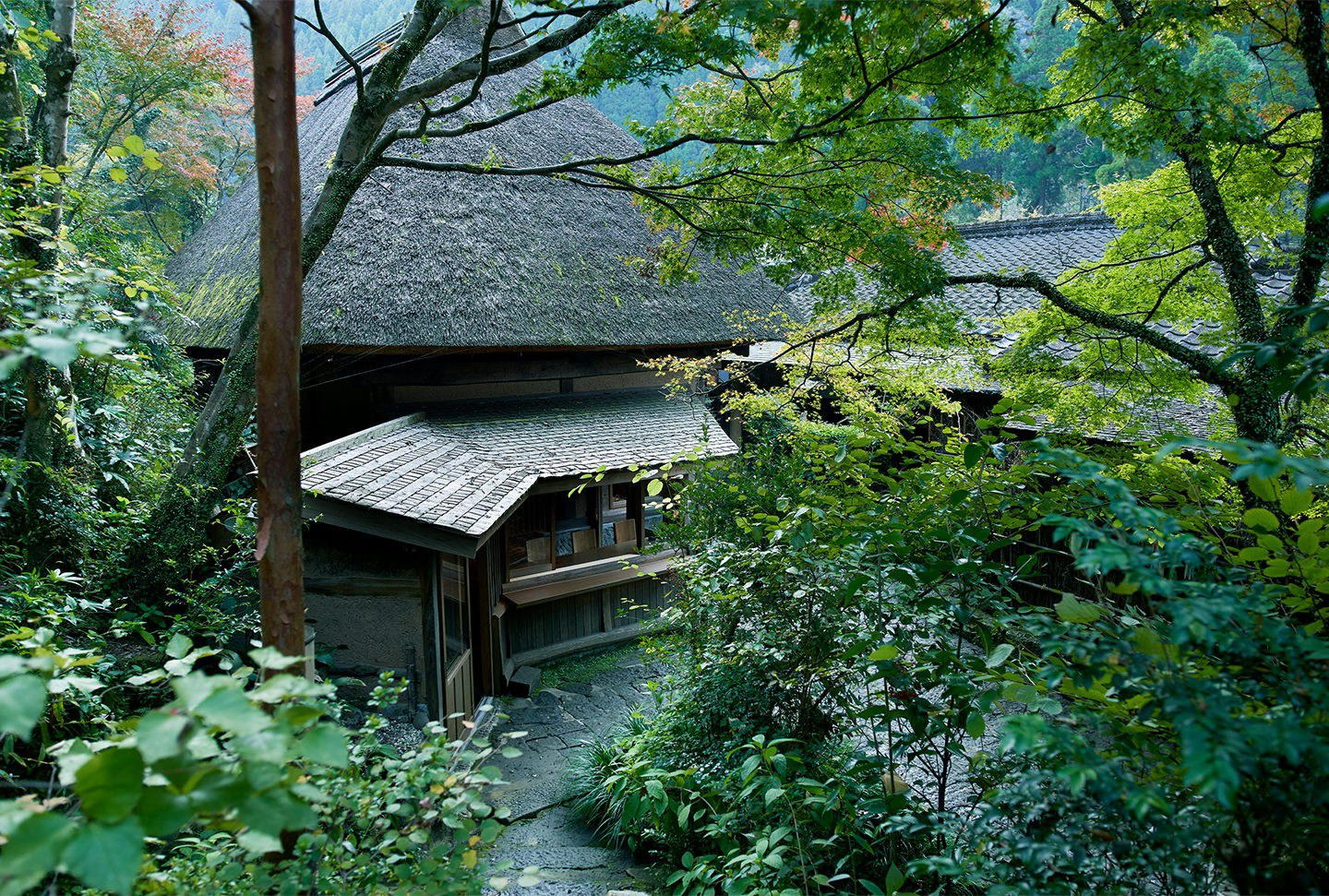
Where the Forest Absorbs the Building
The approach to Gajoen sets the terms. Thatched rooflines appear before walls do, rising from the tree canopy in Kirishima's forested mountains as though the structure grew from the ground rather than was placed upon it. The sound of the Amorigawa River — audible from arrival — runs beneath every other impression, from the carved-stone onsen baths to the open terraces where guests take the water. This is a property where architecture is inseparable from landscape, and where the landscape is inseparable from what appears on the table.
That relationship between built form and natural setting is not incidental to the ryokan tradition; it is the tradition. The leading rural Japanese inns have always used their sites as primary design material. Gajoen, with its position among the forested peaks of Kagoshima Prefecture and its Amorigawa frontage, is a clear exponent of that principle. The thatched roofs, which require skilled periodic renewal and signal a deep commitment to vernacular construction, place Gajoen in a lineage of Japanese inn design that resists the smooth international luxury vernacular adopted by properties in city centres.
For context on how the ryokan category has evolved, the contrast between properties like Gajoen and urban alternatives is worth noting. Hotels such as Bvlgari Hotel Tokyo in Tokyo or HOTEL THE MITSUI KYOTO in Kyoto represent one pole of Japanese luxury hospitality: city-located, architecturally contemporary, globally branded. Gajoen sits at the other pole, rural, materially rooted, deliberately quiet.
Eight Rooms and a Private Onsen: The Architecture of Seclusion
Gajoen holds eight rooms across its site. The layout can only support a small count while maintaining the spatial separation that gives each guest the sense of occupying their own portion of the riverbank. With capacity capped at that level, the property carries a structural guarantee of quiet that larger ryokan, regardless of their prices, cannot match.
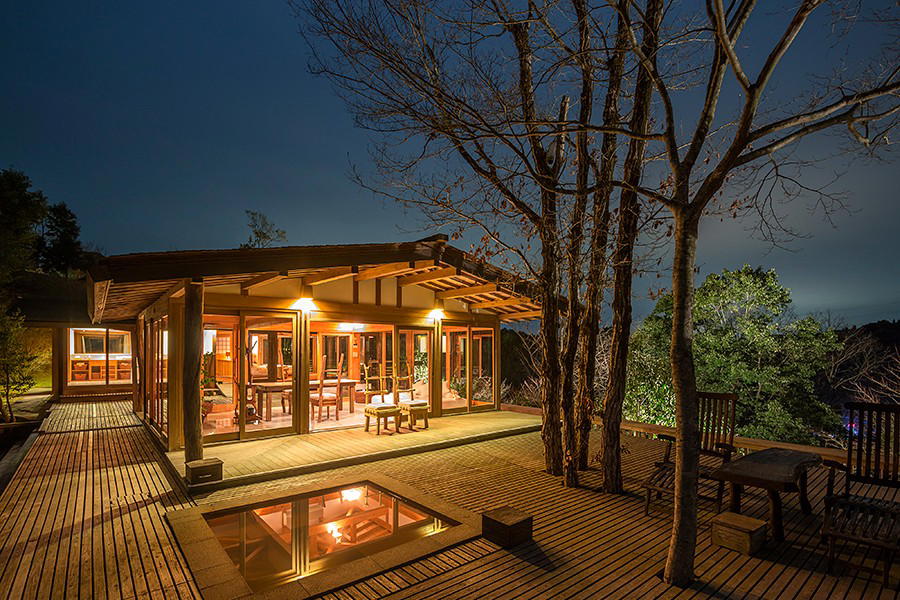
The onsen configuration at Gajoen carries specific historical weight. These rooms were among the first in Japan to incorporate private onsen baths, placing the thermal bathing experience within the suite rather than in shared facilities. That shift, now replicated across much of the premium ryokan sector, changed the category's expectations permanently. The private baths appear either on wooden terraces cantilevered toward the river or within semi-open enclosures that blur the boundary between interior and exterior, an approach that defines the property's design logic at its most intimate scale.
The carved-stone construction of the onsen baths is worth attending to. Stone requires a different skill set and a different relationship with time than the tiled or fabricated alternatives that dominate mid-market onsen design. It weathers differently, sits differently in the landscape, and carries a tactile authority that manufactured materials do not. At a property where the connection between materials and site is the central architectural argument, the stone baths function as a structural commitment to that argument rather than a decorative one.
For reference across the broader premium onsen ryokan sector in Japan, comparable properties with this level of spatial restraint and private-bath architecture include Amanemu in Mie, Gora Kadan in Hakone, and Asaba in Izu, each of which manages the relationship between hot-spring access and architectural integrity in a distinct regional register. In Kyushu specifically, ENOWA Yufu in Yufu and ANA InterContinental Beppu Resort & Spa in Beppu offer instructive comparisons from within the island's onsen culture.
The Farm, the River, the Table
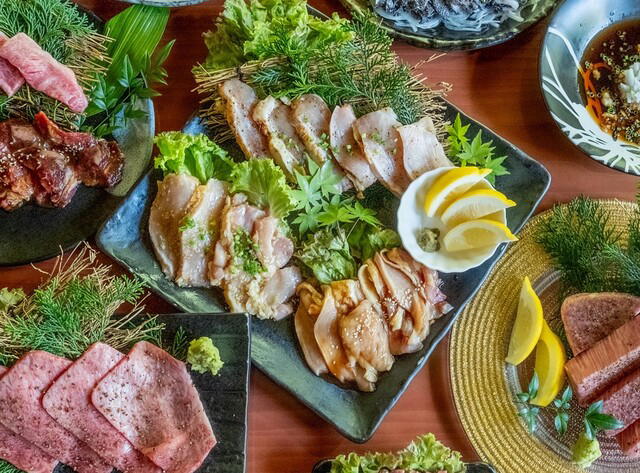
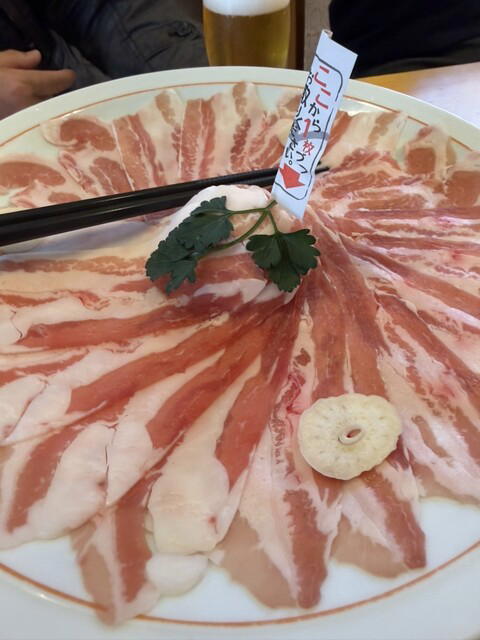
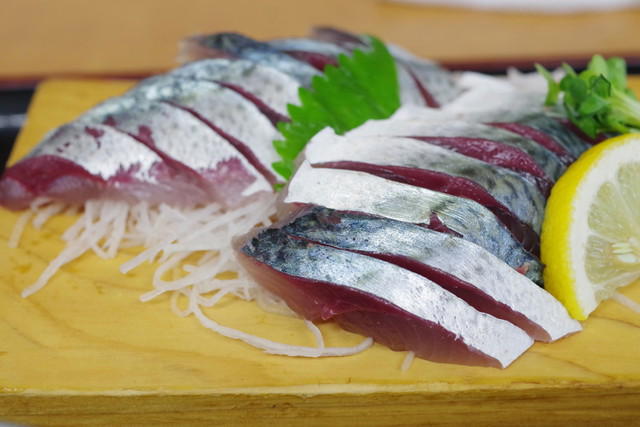
The dining program at Gajoen draws from two sources: a farm on the property's pastoral grounds and a network of locally sourced meats and seafood from Kagoshima Prefecture. Kagoshima is one of Japan's more productive agricultural prefectures, known for Berkshire-descended kurobuta pork, wagyu beef from the Kagoshima Black cattle breed, and seafood from the waters between Kyushu and the southern island chains. The farm at Gajoen extends that regional supply chain to its shortest possible form, closing the distance between cultivation and service.
In the broader context of kaiseki and ryokan dining, farm-to-room production is a commitment that changes how a kitchen works rather than simply what it serves. Seasonal availability becomes non-negotiable rather than aspirational. The menu's shape follows the harvest rather than a fixed template, which is a constraint that produces a different kind of discipline in the kitchen. Gajoen's position in the mountains of Kirishima, with its distinct microclimate and soil conditions, means the farm's output is genuinely site-specific rather than generically rural.
Other Japanese properties that have made farm provenance central to their dining identity, such as Zaborin in Kutchan, drawing on Hokkaido's agricultural depth, or Araya Totoan in Kaga, demonstrate how the principle scales differently depending on region and setting. At Gajoen, the farm's physical proximity to the river setting gives the dining program a coherence that is architectural as much as culinary: everything in the experience comes from the same piece of ground.
What the Michelin One Key Recognition Signals
The Michelin Key designation, introduced in the 2024 guide to recognize hospitality rather than food alone, provides a calibration point for where Gajoen sits within the Japanese inn sector. A single Key marks a property as providing a stay worth travelling for, a criterion that rewards properties where the complete experience, including design, service, and setting, rises above category standard. For a rural ryokan in Kagoshima Prefecture, receiving this recognition places Gajoen in direct comparison with a national set of properties rather than merely a regional one.
Properties in comparable positions within the Michelin hospitality recognition system include Nishimuraya Honkan in Kinosaki-cho, Beniya Kofuyuden in Awara, and Bettei Otozure in Nagato, all of which operate in the tradition of architecturally grounded rural ryokan with a serious approach to food and setting.
Planning a Stay
Gajoen sits in the Makizono district of Kirishima, Kagoshima Prefecture, at an address in the Amorigawa valley that requires a car or arranged transfer from Kagoshima city. The remoteness is not incidental, it is load-bearing for the property's entire premise. With only eight rooms and a Michelin Key now attached to its name, availability at Gajoen requires advance planning, particularly during Kyushu's autumn foliage season and the new year period when ryokan travel across the region runs at peak demand. Given the property's size and recognition level, booking several months ahead is a reasonable starting assumption. For a broader orientation to the city before or after a stay, our full Kagoshima restaurants guide covers the prefecture's dining context in depth.
Travellers building a wider Japan itinerary through properties of this register might also consider Fufu Kawaguchiko in Fujikawaguchiko, Fufu Nikko in Nikko, Azumi Setoda in Onomichi, Sekitei in Hatsukaichi-shi, Atami Izusan Karaku in Atami, Bettei Senjuan in Minakami, Jusandi in Ishigaki, Halekulani Okinawa in Okinawa, and Benesse House in Naoshima as complementary properties across Japan's regional luxury spectrum. For global reference points on how intimate-scale luxury operates outside Japan, Aman Venice in Venice and Aman New York in New York City offer useful contrast.
How It Stacks Up
| Venue | Price | Awards |
|---|---|---|
| GAJOENThis venue — the venue you are viewing | $200–300 | 2 Michelin Keys |
| Bvlgari Hotel Tokyo | Not listed | 3 Michelin Keys · World's 50 Best #24 |
| Aman Kyoto | Not listed | 2 Michelin Keys · World's 50 Best #74 |
| Aman Tokyo | Not listed | 2 Michelin Keys · World's 50 Best #11 |
| Amanemu | Not listed | 3 Michelin Keys · La Liste Top Hotels |
| Four Seasons Hotel Tokyo at Otemachi | Not listed | 3 Michelin Keys · La Liste Top Hotels |
Recognition history
Dated appearances from independent guides and award organizations, with the underlying list record or original source where available.
Michelin 2 Keys
Michelin
Full recognition history (3 entries)
Michelin 2 Keys
Michelin
Michelin 1 Key
Michelin
Continue exploring
More in Kagoshima
Hotels in Kagoshima
Browse all →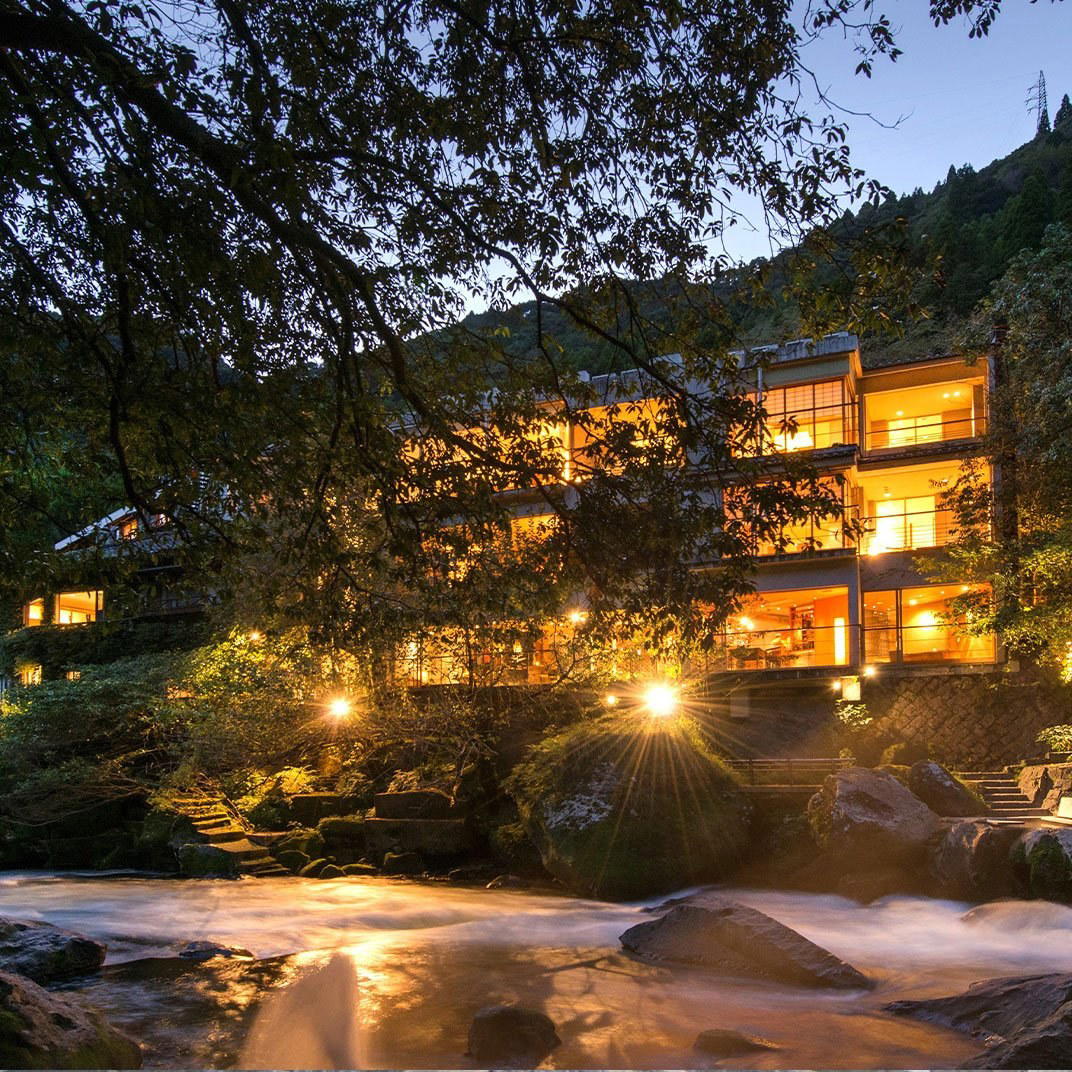
Restaurants in Kagoshima
Browse all →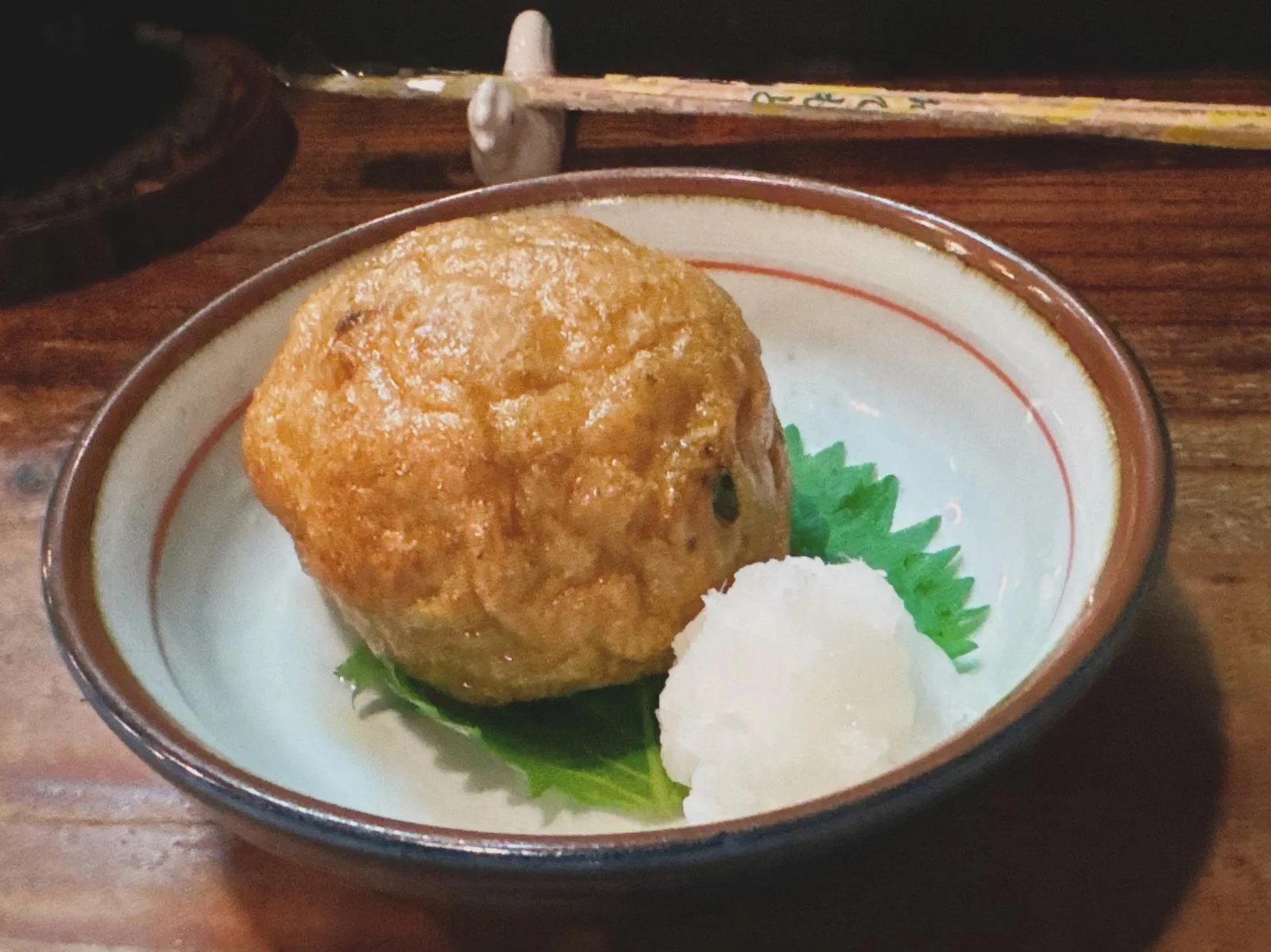
Wineries in Kagoshima
Browse all →
Details
- Rustic
- Scenic
- Cozy
- Quiet
- Classic
- Romantic Getaway
- Wellness Retreat
- Weekend Escape
- Historic Building
- Wi Fi
- Restaurant
- Spa
- Garden
Rustic and tranquil with natural lighting from wooden terraces and open-air spaces, evoking old Japan amid river sounds and lush greenery.