
Tabelog 100 #61
Our verdict
A fish-market cafeteria inside Kagoshima City Central Wholesale Fish Market, Ichiba Shokudo Jounan ten belongs to the practical, early-day side of the city’s seafood culture rather than its polished dining circuit. Tabelog selected it for the Diner 100 in 2026, with cafeteria, sushi, and seafood categories placing it firmly in Kagoshima’s market-counter tradition.

Pearl is the En Primeur Club membership app — saves, bookings, and concierge access live there. Same editors, same standards.
- Address
- 37-2 Jonancho, Kagoshima, 892-0835, Japan
- Phone
- +81 99-224-9864
- Hours
- Mon–Tue 5 AM–2:30 PMWed ClosedThu–Sat 5 AM–2:30 PMSun Closed
- Website
- tabelog.com
- Directions
- Get directions
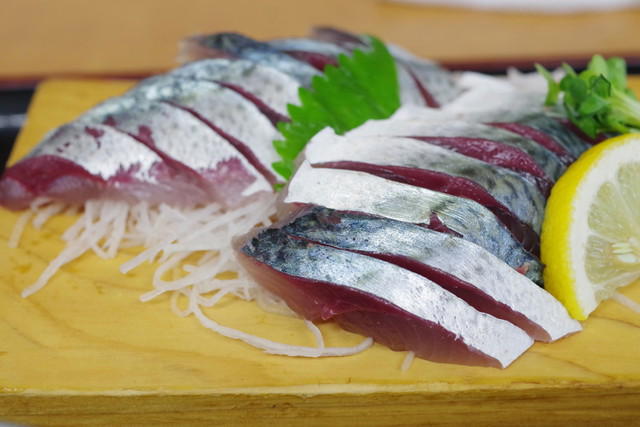
The menu
What to order
- Sashimi set meal
- Headless mackerel sashimi set
- Assorted seafood set meals
The approach is defined by working-day energy in Kagoshima, where meals can be shaped by supply, routine, and the pace of everyday commerce. Kagoshima’s dining identity is often discussed through well-known local specialties, but seafood also carries clear cultural weight. A cafeteria in this setting reads differently from a polished sushi counter: it is built around immediacy, turnover, and the everyday grammar of set meals, not ceremony.
Ichiba Shokudo Jounan ten is editorially relevant because it presents Kagoshima seafood through a practical shokudo lens. This is not the luxury seafood script of choreographed omakase; it is the cafeteria model, where fish, rice, soup, and a direct style of service do the work. Tabelog’s 2026 Hyakumeiten recognition gives the place a national signal within a category that usually rewards regularity and local confidence rather than high-design ambition.
Market seafood in Kagoshima belongs to the working day
Japanese market-style dining has its own hierarchy. At one end are tourist-facing counters that translate the market into spectacle. At the other are cafeterias designed for people whose tolerance for fuss is low. Kagoshima’s seafood culture pushes this address toward the second camp. The listed categories, cafeteria, sushi, and seafood, matter because they place the cooking between set-meal utility and raw-fish precision.
That distinction is useful for travelers. In Kagoshima, a seafood meal does not need to imitate Tokyo’s sushi culture to be serious. The city’s southern Kyushu setting creates a different rhythm: straightforward meal formats, local drinking culture alongside fish, and rooms where efficiency is a virtue rather than a compromise. The appeal is cultural fluency. A diner who understands the shokudo tradition will read the experience as part of the city’s infrastructure, not as a stripped-down version of formal dining.
The recognition also says something about Japan’s diner category in 2026. Tabelog’s Hyakumeiten signal is not a fine-dining list in the usual sense; it validates places where repetition, value, and local use carry as much weight as chef authorship. That makes Ichiba Shokudo Jounan ten a useful counterpoint to the polished end of Kagoshima eating, including comparison points such as Umeya and Kurobuta Ryori Ajimori, where the meal is framed with a different level of ceremony. Ramen Kokinta occupies another local lane, but seafood-focused cafeteria dining answers a separate question: where does Kagoshima turn everyday seafood into a meal?
The room favors speed, counter culture, and local regularity
The practical character of the room is part of the story. A shokudo format is built for movement. That rhythm suits solo diners, pairs, local regulars, and families who want a meal that does not require negotiation with a long tasting sequence. The attraction is not privacy or elaborate choreography; it is the direct pleasure of a Kagoshima cafeteria, sushi, and seafood address working within a familiar everyday register.
The format reinforces the place’s position in the city’s food culture. This is the kind of meal that feels closer to a public dining utility than a destination restaurant operating around a grand booking narrative. Those details are not framed as inconveniences so much as signals: the system is local, direct, and built around the pace of a working day.
For travelers mapping Kagoshima by appetite rather than landmarks, the contrast is instructive. Other Kagoshima dining rooms speak to the city’s familiar specialties, comfort, and leisurely meals. Fish-focused cafeteria dining adds another axis. It is less about a grand occasion and more about how a city feeds itself through direct, everyday formats.
How to place it in a Kagoshima eating itinerary
This is best treated as a practical seafood decision rather than a long-night restaurant decision. The setting is Kagoshima, and travelers should plan around the fact that the appeal is tied to a working-meal rhythm rather than casual drifting between late-evening stops. The reward is clarity: a direct expression of seafood, cafeteria pace, and local habit.
The stronger itinerary pairs this meal with a broader reading of Kagoshima rather than stacking it against formal sushi. For a later or more ceremonious meal, comparisons points such as Sushisho Nomura, Umeya, Kurobuta Ryori Ajimori, エ ヌゥ, or Ramen Kokinta can frame different parts of the city’s dining range. Ichiba Shokudo Jounan ten occupies its own lane: a seafood-and-rice register that explains Kagoshima through routine rather than spectacle.
Travelers building a fuller city plan can use a broader Kagoshima restaurants guide, then layer in Kagoshima hotels, bars, wineries, and experiences according to the shape of the trip. The wider Japan file helps calibrate category expectations too: everyday formats vary by city, and Kagoshima’s version should be judged on its own terms. Overseas Japanese-adjacent references can be useful only as distant analogies, because market-style shokudo culture is hard to export; it depends on place, schedule, and local demand.
The editorial case is clear. Ichiba Shokudo Jounan ten is for diners who want Kagoshima’s seafood culture in its workaday form, with Tabelog Hyakumeiten recognition adding a credible national marker. Skip it if the plan calls for a slow, quiet dinner or polished service choreography. Choose it when the point is to understand how a southern Japanese city turns seafood proximity into an everyday meal.
Frequently asked questions
Can I bring kids to Ichiba Shokudo Jounan ten?
Ichiba Shokudo Jounan ten is a casual Kagoshima cafeteria, sushi, and seafood venue. The listed price range, JPY 1,000 - JPY 1,999, keeps it in an accessible lunch bracket.
Is Ichiba Shokudo Jounan ten better for a quiet night or a lively one?
It is better understood as a practical shokudo than as a polished night-out restaurant. The Kagoshima seafood-cafeteria format points to brisk, everyday dining rather than a slow, ceremonial evening.
Is Ichiba Shokudo Jounan ten expensive?
Pricing at Ichiba Shokudo Jounan ten is listed as JPY 1,000 - JPY 1,999.
What is Ichiba Shokudo Jounan ten known for?
Ichiba Shokudo Jounan ten is known as a Kagoshima cafeteria, sushi, and seafood venue with Tabelog Hyakumeiten recognition in 2026.
Price and Positioning
Comparable venues by cuisine and price in the same metro.
| Venue | Cuisine | Price | Awards | Notes |
|---|---|---|---|---|
| Ichiba Shokudo Jounan tenThis venue — the venue you are viewing | Japanese market cafeteria with sushi and seafood set meals | $10–20 | Tabelog 100 #61 | Not listed |
| shirokuma cafe | Not listed | $10–20 | Tabelog 100 #12 | Tenmonkan, Traditional Kagoshima shaved ice & dessert cafe |
| Washoku Tei | Japanese Set-Meal Restaurant | $10–20 | Tabelog 100 #68 | Chuocho, Japanese Set-Meal Restaurant |
| Yakitori Kouun | Yakitori | $30–50 | Tabelog 100 #80 | Hinohiguchi-cho, Yakitori |
| Tonkatsu Taketei Tagami ten | Tonkatsu (Japanese pork cutlet) | $10–20 | Tabelog 100 #42 | Tagami, Kagoshima City, Tonkatsu (Japanese pork cutlet) |
| Tenmonkan Mujaki Amyu puraza ten | Japanese cafe & shaved ice (Shirokuma) | $1–10 | Tabelog 100 #21 | Kagoshima Chuo Station / Amu Plaza, Japanese cafe & shaved ice (Shirokuma) |
Recognition history
Dated appearances from independent guides and award organizations, with the underlying list record or original source where available.
Tabelog 100 #61 · No. 61
Tabelog · Tabelog 100 - Diner - 2026
Continue exploring
More in Kagoshima
Restaurants in Kagoshima
Browse all →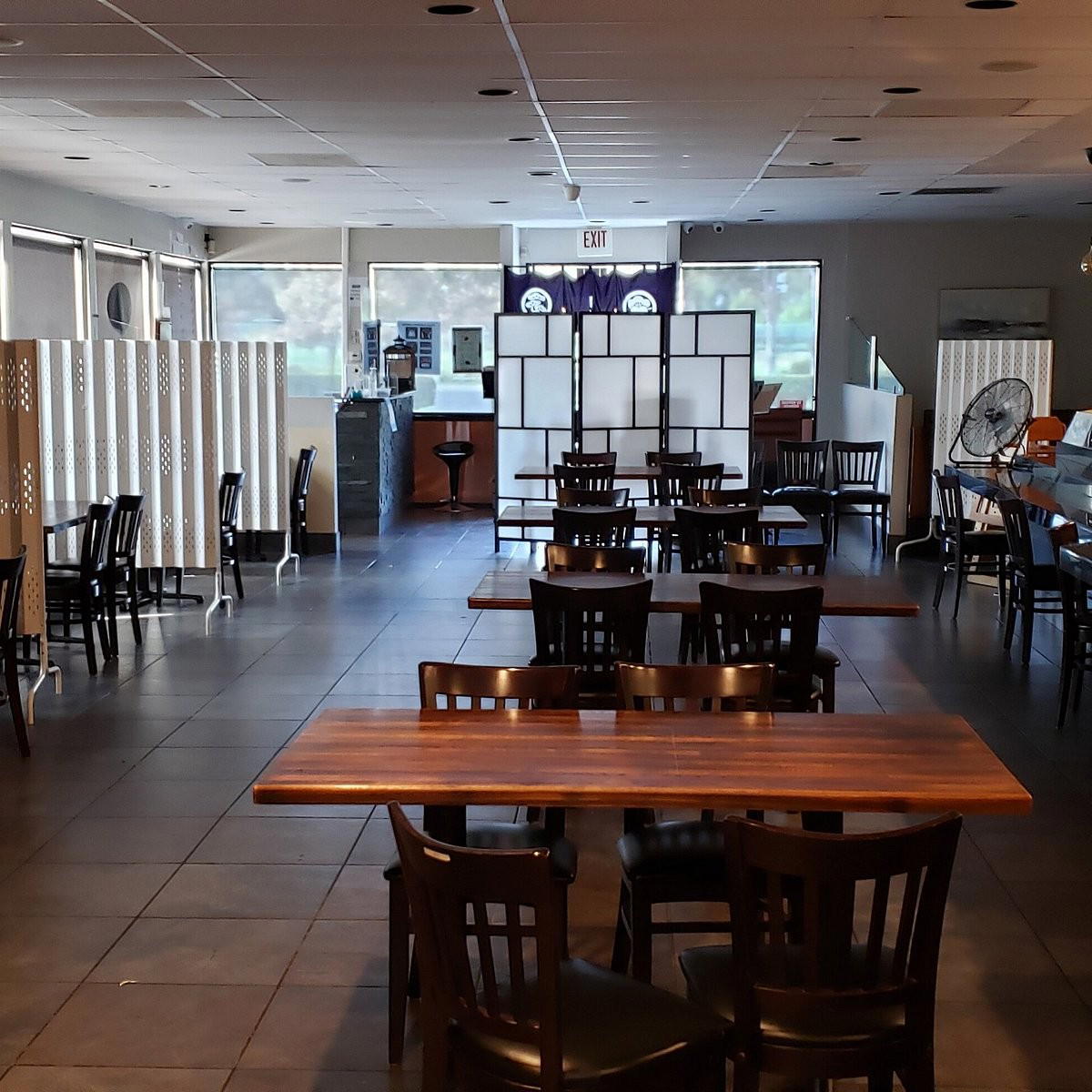
Hotels in Kagoshima
Browse all →
Wineries in Kagoshima
Browse all →
Details
- Lively
- Classic
- Cozy
- Solo
- Family
- Casual Hangout
- Group Dining
- After Work
- Standalone
- Local Sourcing
- Sustainable Seafood
- Set Menu
- A La Carte
- Counter Dining
- Shochu
- Pescatarian Friendly
Current opening hours
- Monday
- 5 AM–2:30 PM
- Tuesday
- 5 AM–2:30 PM
- Wednesday
- Closed
- Thursday
- 5 AM–2:30 PM
- Friday
- 5 AM–2:30 PM
- Saturday
- 5 AM–2:30 PM
- Sunday
- Closed
Hours can change for holidays and private events. Last verified .