
Tabelog Bronze #301
Our verdict
Set within the ryokan grounds of Myoken Ishiharaso in Kirishima, Kagoshima, Shokusai Ishikura has held Tabelog Bronze recognition every year from 2020 through 2026 and earned a place on the Tabelog Japanese Cuisine WEST 100 list in 2021, 2023, and 2025. Dinner runs JPY 60,000 to JPY 79,999 per person, placing it firmly in the premium tier of Kyushu kaiseki. Private rooms are available, and the kitchen is noted for its focus on fish.

Pearl is the En Primeur Club membership app — saves, bookings, and concierge access live there. Same editors, same standards.
- Address
- 4376番地 Hayatocho Kareigawa, Kirishima, Kagoshima 899-5113, Japan
- Phone
- +81 995-77-2111
- Website
- m-ishiharaso.com
- Directions
- Get directions
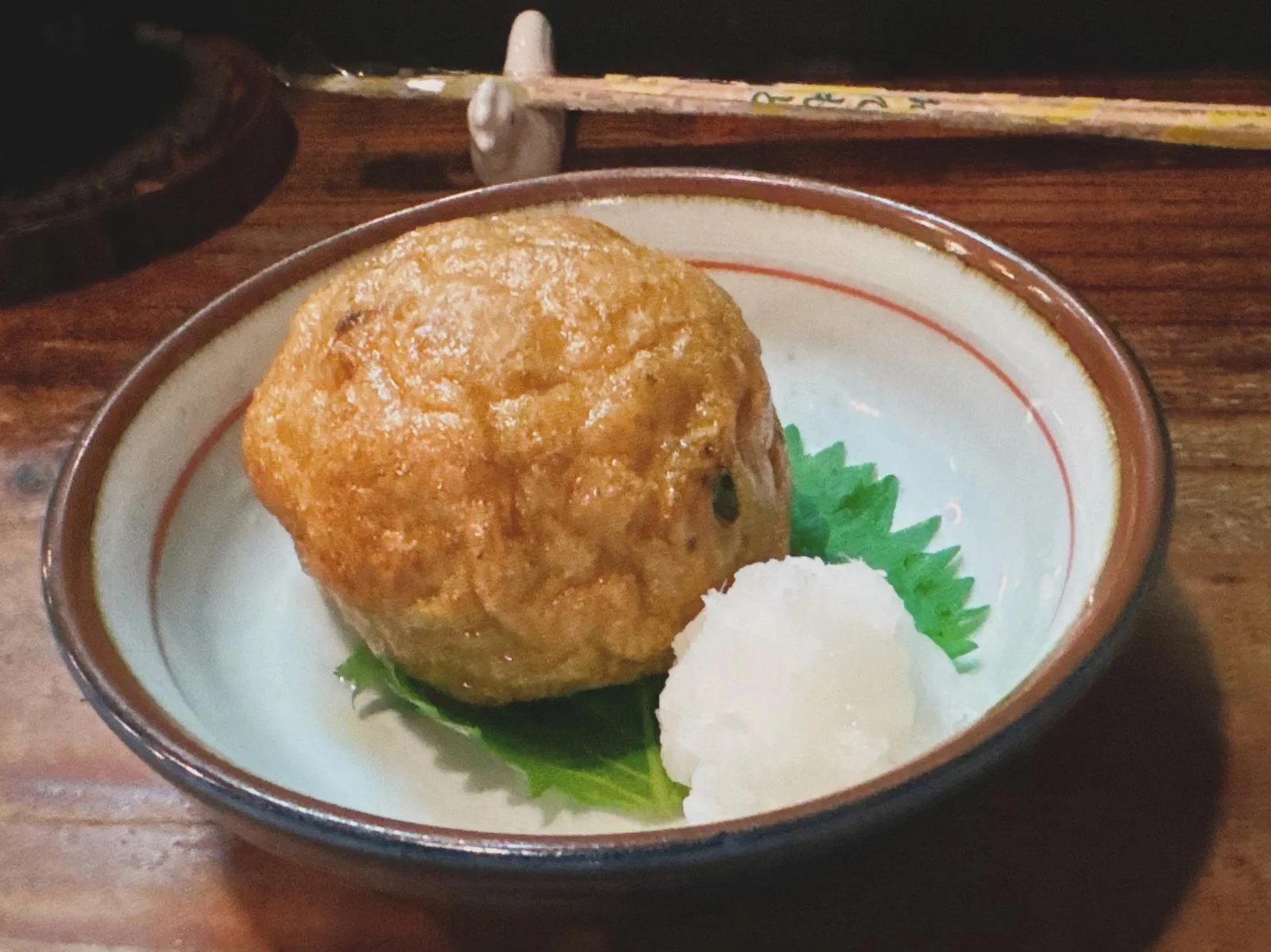
The menu
What to order
- Hakusai Sumashi Jitate
- Lightly Seared Buri
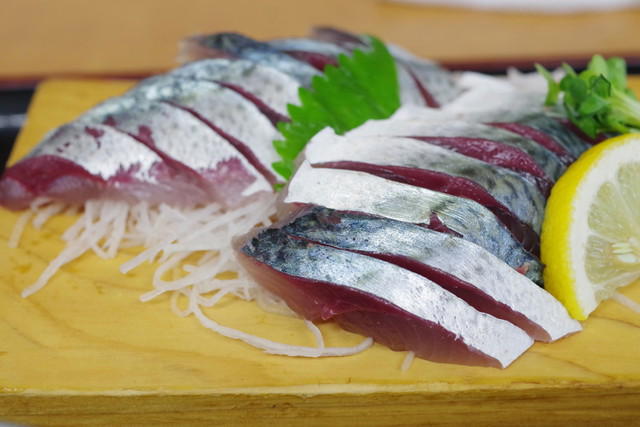
- Takaebi Sashimi
Where Kirishima Sets the Table
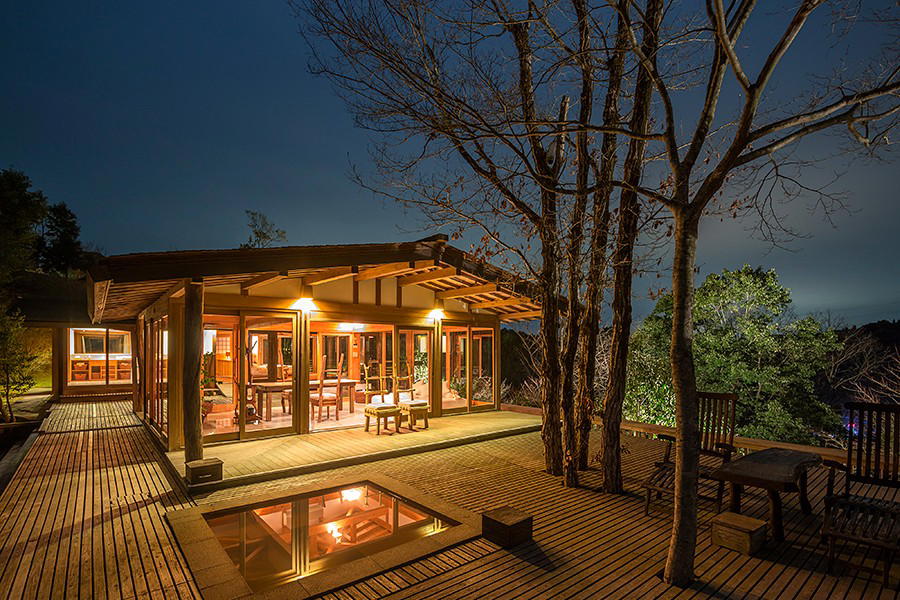
The approach to Myoken Ishiharaso tells you something before the meal begins. The property sits in Hayatocho Kareigawa, a district of Kirishima city in Kagoshima prefecture, roughly fifteen minutes by taxi from either Hayato Station on the JR Nippo Main Line or Kagoshima Airport. That distance from the urban grid is not incidental. Ryokan dining at this level is designed around arrival as transition: the act of leaving the city is part of the ritual, and the kitchen at Shokusai Ishikura is conceived to receive guests who have already slowed down. The stone warehouse setting referenced in the property name reinforces this register. Heavy materials, deliberate architecture, and a pace that accommodates the full arc of a kaiseki progression are the physical conditions under which the meal unfolds.
The Ritual Architecture of Kaiseki in Kyushu
Japan's kaiseki tradition operates through a sequenced logic that has little to do with European tasting menus, even when the two formats share a course count. In kaiseki, each dish is calibrated to a position in the meal's emotional curve: the opening course establishes season and restraint, the middle courses accumulate in richness and complexity, and the final rice and soup sequence provides deliberate release. The pacing is slow enough that conversation fills the space between dishes, and private rooms, which Shokusai Ishikura provides, are part of that architecture rather than a premium add-on. They make it possible for guests to inhabit the meal as a contained experience rather than a public performance.
Kagoshima's position at Japan's southern tip gives its kaiseki kitchens access to a distinct larder. The prefecture's coastline produces fish that differ in character from the Pacific-facing catches that supply Kyoto and Tokyo restaurants. Shokusai Ishikura's Tabelog listing is explicit about this: the kitchen is noted as particular about fish, and the drink program gives prominent placement to shochu, the spirit most closely associated with this region's drinking culture, alongside sake and wine. In regional kaiseki, the drink pairing is not decoration. Shochu's lower sweetness and higher alcohol tolerance relative to sake changes how it bridges the fish-forward courses that define southern Kyushu cuisine.
A Sustained Record at the top of Kyushu Kaiseki
Shokusai Ishikura holds a Tabelog score of 4.11 as of 2026 and has received the Tabelog Bronze Award in six separate years: 2020, 2022, 2023, 2024, 2025, and 2026. On Japan's most-used restaurant review platform, Bronze represents a meaningful threshold, sitting below Silver and Gold but above the vast majority of recognized venues nationwide. The restaurant has also been selected for the Tabelog Japanese Cuisine WEST 100 in three separate cycles: 2021, 2023, and 2025. That list, which covers the western half of Japan, operates as a peer-reviewed curatorial cut rather than a simple rating, and repeated inclusion across multiple years signals consistency rather than a single strong season.
For context, Kagoshima city produces strong competition at the counter level. Meizan Kimiya (Sushi) and Sushisho Nomura represent the prefecture's sushi tier, while KAI and SENTI.U occupy different registers of the city's dining scene. Shokusai Ishikura operates outside that urban cluster entirely, functioning as the destination-format proposition in the Kagoshima premium market. Guests are not dropping in; they are building an itinerary around the meal, and frequently around a stay at the ryokan itself.
Dinner pricing runs from JPY 60,000 to JPY 79,999 per person, which places the restaurant in a bracket shared by the serious kaiseki houses in Kyoto and the omakase counters of central Tokyo. Lunch, by contrast, is listed in the JPY 10,000 to JPY 14,999 range, offering a substantially different entry point for those who want access to the kitchen without the full dinner investment. That spread is common among ryokan restaurants operating dual formats, and it reflects the different ritual weight each meal carries in Japanese hospitality culture. Dinner is the ceremonial event; lunch is available and considered, but it is not the same proposition.
Etiquette and Approach at a Ryokan Table
First-time visitors to premium ryokan kaiseki in Japan often arrive with omakase counter habits that need adjustment. The counter dynamic, which rewards attentiveness to the chef and produces an interactive exchange across the pass, does not apply here. Shokusai Ishikura's kaiseki format is delivered through private rooms, meaning the relationship is between the guests and the meal rather than between the guest and a visible kitchen. Servers carry courses, explain dishes, and manage the drink pairing; the kitchen remains offstage. This is the older model of formal Japanese dining, predating the omakase counter format that dominates the international conversation about Japanese cuisine.
The appropriate approach is to allow the pacing to dictate the meal rather than to compress it. A full kaiseki dinner at this price point will run two to three hours in most cases, and that duration is structural rather than incidental. The restaurant is non-smoking, credit cards are accepted (Visa, Mastercard, JCB, and American Express), and parking is available, which matters given the rural location. Children are welcome, and private use of the full space is available for groups or events. Reservations can be made through the property's website at m-ishiharaso.com or by phone at +81-995-77-2111.
How Ishikura Sits Within Japan's Regional Kaiseki Circuit
Japan's regional kaiseki circuit has expanded significantly over the past decade as diners and critics began looking beyond Kyoto and Tokyo for serious Japanese cooking. The Tabelog 100 lists for western Japan have been instrumental in mapping that expansion, surfacing kitchens in Fukuoka, Kanazawa, and now Kagoshima that operate at the same technical level as the Kyoto establishments that originally defined the category. Goh in Fukuoka and Gion Sasaki in Kyoto represent different points on that regional arc, and international comparisons extend further: Harutaka in Tokyo, HAJIME in Osaka, and akordu in Nara each sit in their own city's premium tier, while 1000 in Yokohama and 6 in Okinawa extend the map to Japan's geographic edges. For a global frame, the fish-centric tasting format has international analogues in places like Le Bernardin in New York City and the Korean tasting precision of Atomix in New York City, though the kaiseki structure and ryokan context produce a fundamentally different experience.
Shokusai Ishikura's positioning within this map is specific: it is a ryokan-embedded kaiseki kitchen in rural Kagoshima with a consistent six-year award record, a fish-led kitchen philosophy, and a shochu program that grounds the meal in its region. That combination does not exist in duplicate elsewhere in the prefecture.
Planning Your Visit
The property operates year-round with no regular closure days. Check-in times vary by accommodation type: the Main Building receives guests from 16:00 with checkout at 10:00, while the Stone Warehouse allows earlier check-in at 14:00 and checkout at 11:00. A daytime rest plan runs from 11:00 to 15:00, and the drop-in bath is available from 10:00 until approximately 15:00. For those combining a dinner reservation with regional exploration, [our full Kagoshima restaurants guide]() maps the wider dining scene, and [our full Kagoshima hotels guide]() covers accommodation options across the prefecture. Further resources are available through [our full Kagoshima bars guide](), [our full Kagoshima wineries guide](), and our full Kagoshima experiences guide.
Frequently asked questions
What time does Myoken Ishiharaso Shokusai Ishikura open and close?
Hours at Myoken Ishiharaso Shokusai Ishikura: ■Business hoursMain Building Check-in: 16:00Main Building Check-out: 10:00Stone Warehouse Check-in: 14:00Stone Warehouse Check-out: 11:00Daytime Rest Plan Check-in: 11:00Daytime Rest Plan Check-out: 15:00Drop-in Bath: 10:00 - until around 15:00■Closed onOpen year-round.
Where exactly is Myoken Ishiharaso Shokusai Ishikura?
Myoken Ishiharaso Shokusai Ishikura is located at 4376番地 Hayatocho Kareigawa, Kirishima, Kagoshima 899-5113, Japan, Kagoshima.
Does Myoken Ishiharaso Shokusai Ishikura have a Michelin star or similar recognition?
Myoken Ishiharaso Shokusai Ishikura has received recognition including: {"Year":"2026","Award Source":"Tabelog","Award Type":"The Tabelog Award","Award Group":"bronze","Award Group Rank":"301","Restaurant Name":"Myoken Ishihara So Shokusai Ishikura","Score":"4.11","Budget":"Dinner: JPY 60,000 - JPY 79,999; Lunc….
What's the best thing to order at Myoken Ishiharaso Shokusai Ishikura?
Ishikura operates as a kaiseki restaurant within a ryokan, which means the meal is a set course rather than an à la carte selection. The kitchen has a documented focus on fish, and the drink program gives particular attention to shochu — the spirit most closely associated with Kagoshima's food culture. Staying overnight and dining as a house guest gives access to the full kaiseki format that has earned the restaurant six Tabelog Bronze Awards between 2020 and 2026.
What do critics highlight about Myoken Ishiharaso Shokusai Ishikura?
Tabelog reviewers have placed Ishikura in the top tier of western Japan kaiseki consistently enough to earn selection for the Tabelog Japanese Cuisine WEST 'Tabelog 100' in 2021, 2023, and 2025 — a list that draws from peer scoring across hundreds of Japanese cuisine restaurants in the region. The current score of 4.11 (2026) and six Bronze Awards reflect sustained performance rather than a single strong year. The combination of a ryokan setting, private dining rooms, and a Kirishima location away from the main urban kaiseki circuit distinguishes it from city-based counterparts in Kagoshima.
Is Myoken Ishiharaso Shokusai Ishikura allergy-friendly?
Given the kaiseki format — where courses are typically pre-set and ingredients sourced specifically for the sequence — allergy requirements should be communicated directly to the property at the time of reservation. The restaurant can be reached at +81-995-77-2111, and reservations are confirmed as available through the Tabelog listing.
How far is Myoken Ishiharaso Shokusai Ishikura from Kagoshima Airport, and how do you get there?
The property in Hayatocho Kareigawa, Kirishima is approximately 15 minutes by taxi from Kagoshima Airport, making it one of the more accessible premium ryokan kaiseki destinations in Kyushu for international arrivals. It is also around 15 minutes by taxi from Hayato Station on the JR Nippo Main Line. Parking is available on-site for guests arriving by car. The six-time Tabelog Bronze Award record makes the short transfer from the airport worth factoring into a broader Kagoshima itinerary.
Style and Standing
Comparable venues nearby, for context on price, style, and recognition.
| Venue | Cuisine | Price | Awards | Notes |
|---|---|---|---|---|
| Myoken Ishiharaso Shokusai IshikuraThis venue — the venue you are viewing | Seasonal Kaiseki with Kagoshima Seafood | $500+ | Tabelog Bronze #301 | Not listed |
| Sushisho Nomura | Kagoshima-Style Omakase Sushi | $30–50 | Tabelog Silver #132 | Matsubaracho |
| Tonkatsu to, Shabushabu. Kurobuta Fukuya | Kagoshima Kurobuta Tonkatsu & Shabu-shabu | $30–50 | Tabelog 100 #45 | Tenmonkan |
| Sushi Dokoro Kimiya | Edomae Sushi Omakase Counter | $50–100 | Tabelog 100 #70 | Not listed |
| Meizan Kimiya | Modern Japanese Kaiseki Omakase | $200–300 | Tabelog Bronze #177 | Meizancho |
| Karen Kagoshima ten | Kagoshima wagyu & Kurobuta shabu-shabu and sukiyaki | $50–100 | Tabelog 100 #20 | Tenmonkan |
Recognition history
Dated appearances from independent guides and award organizations, with the underlying list record or original source where available.
Tabelog Bronze #301
Tabelog
Full recognition history (2 entries)
Tabelog 100 #90 · No. 90
Tabelog · Tabelog 100 - Japanese cuisine - WEST - 2025
Continue exploring
More in Kagoshima
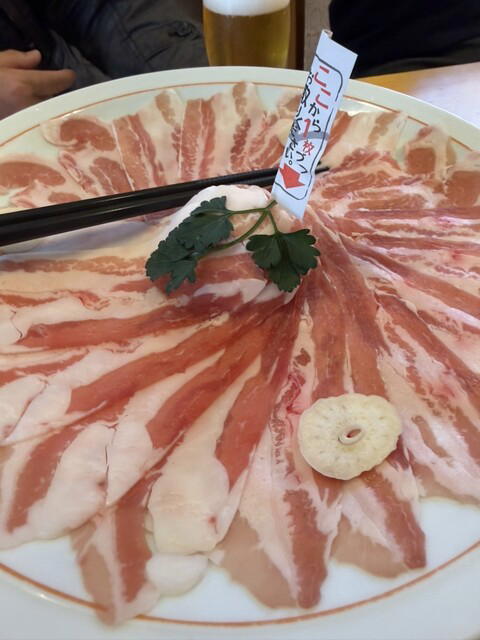
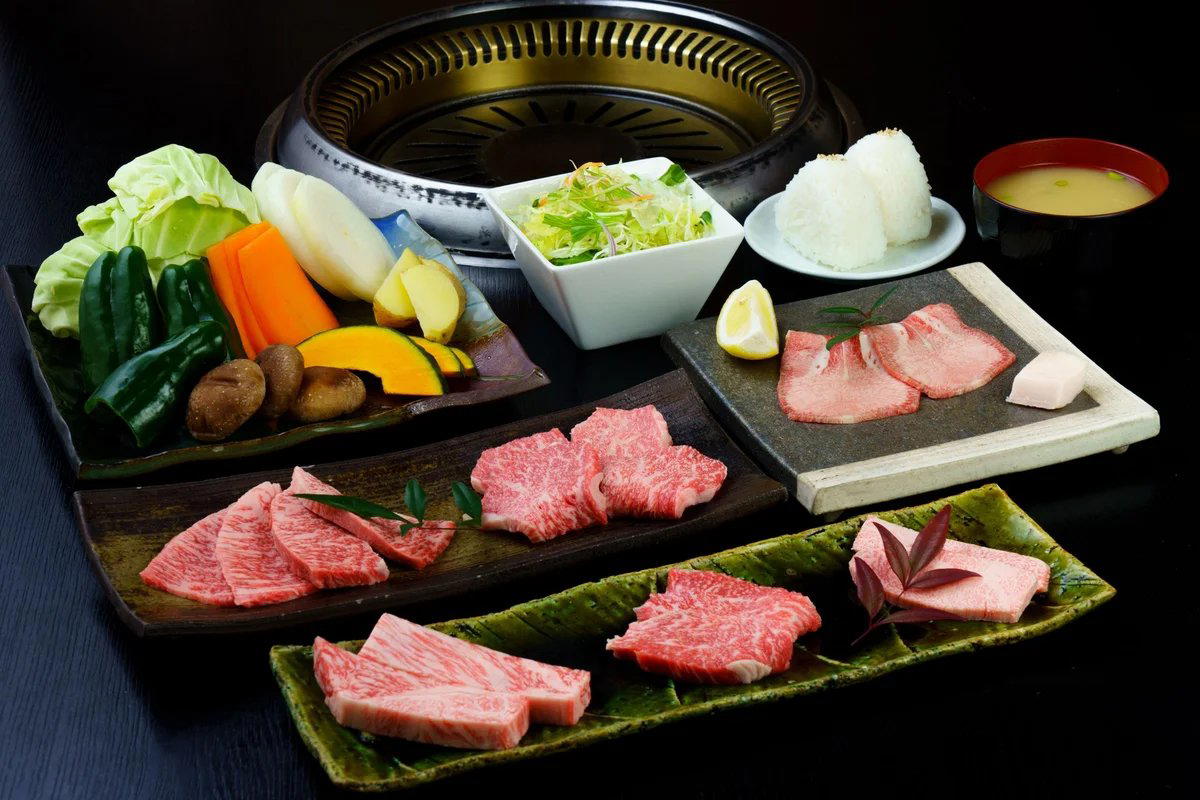
Restaurants in Kagoshima
Browse all →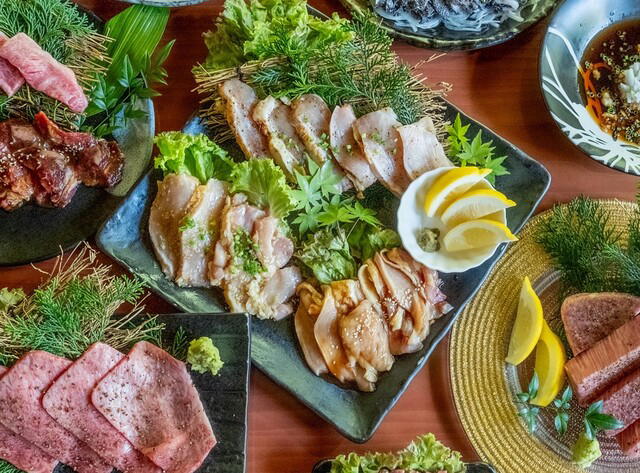
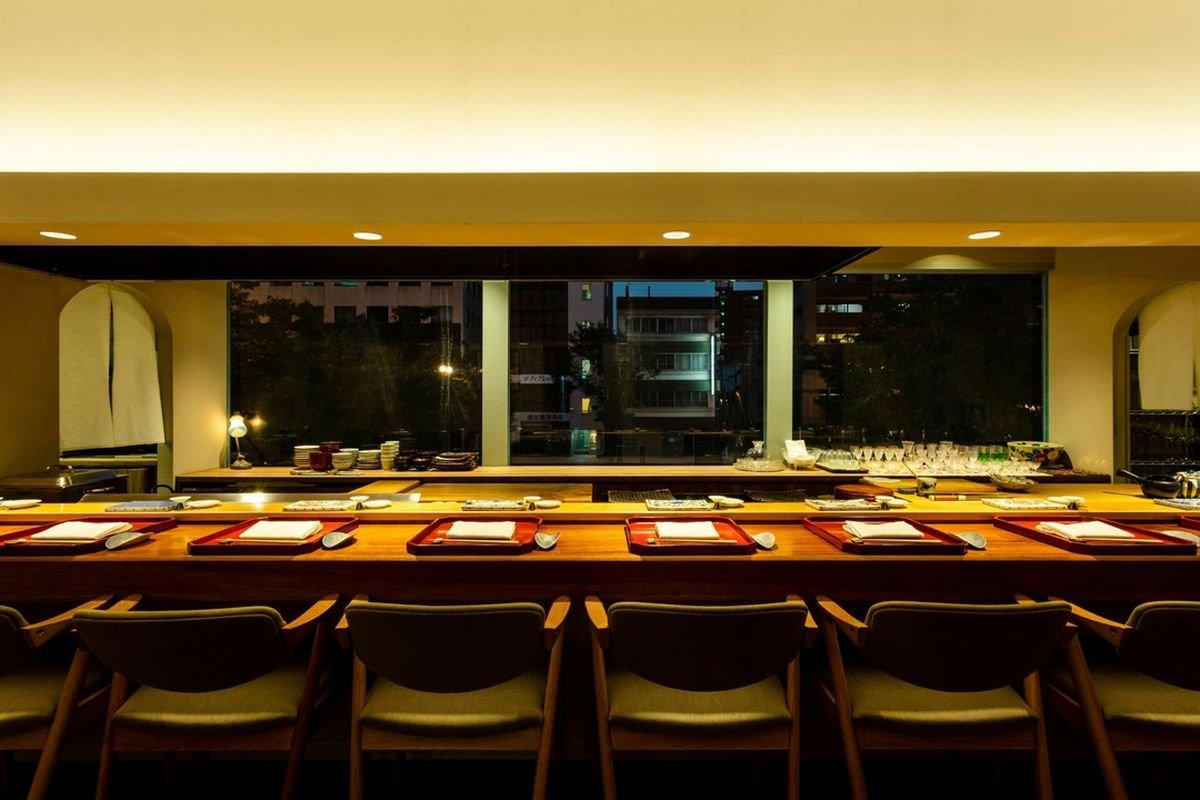
Hotels in Kagoshima
Browse all →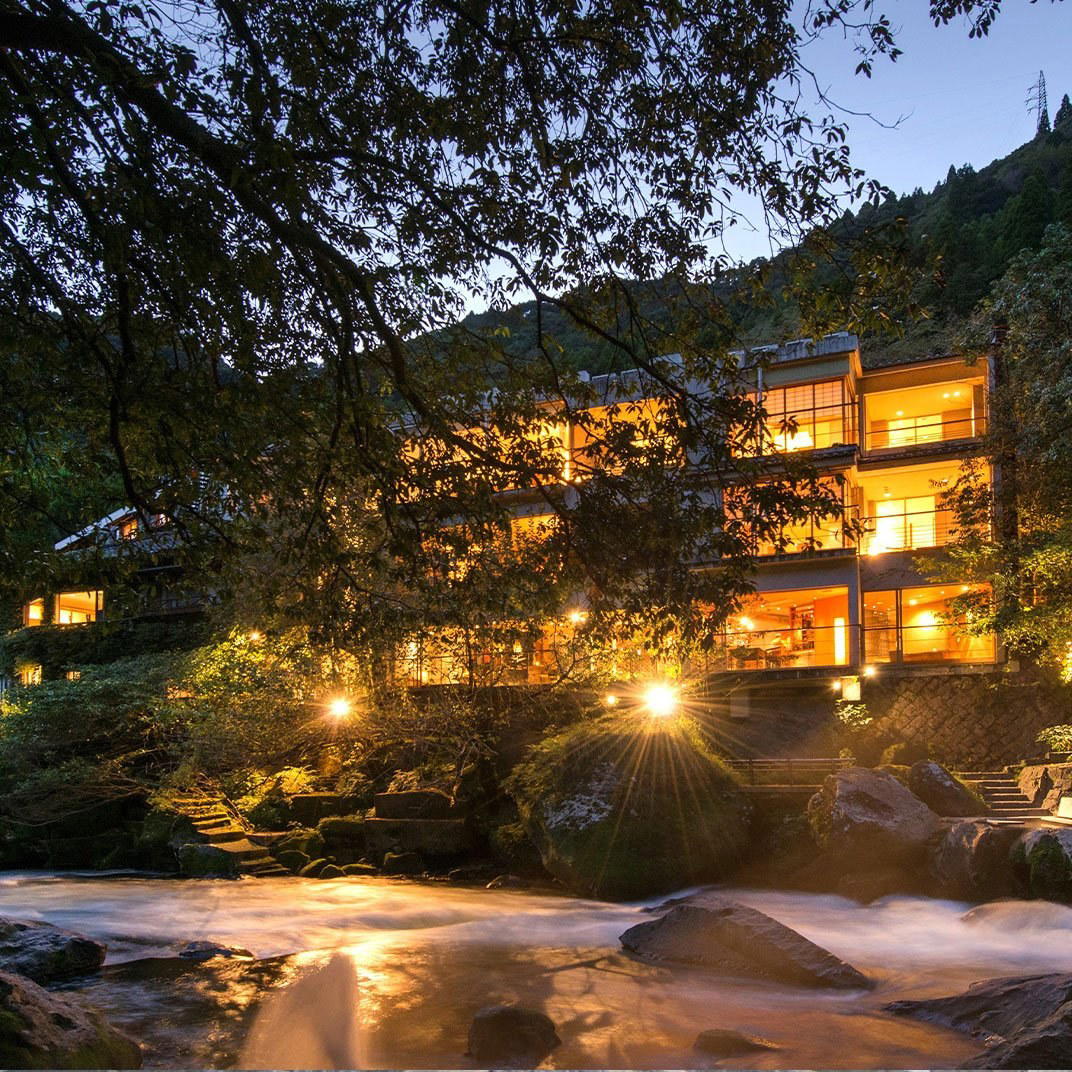
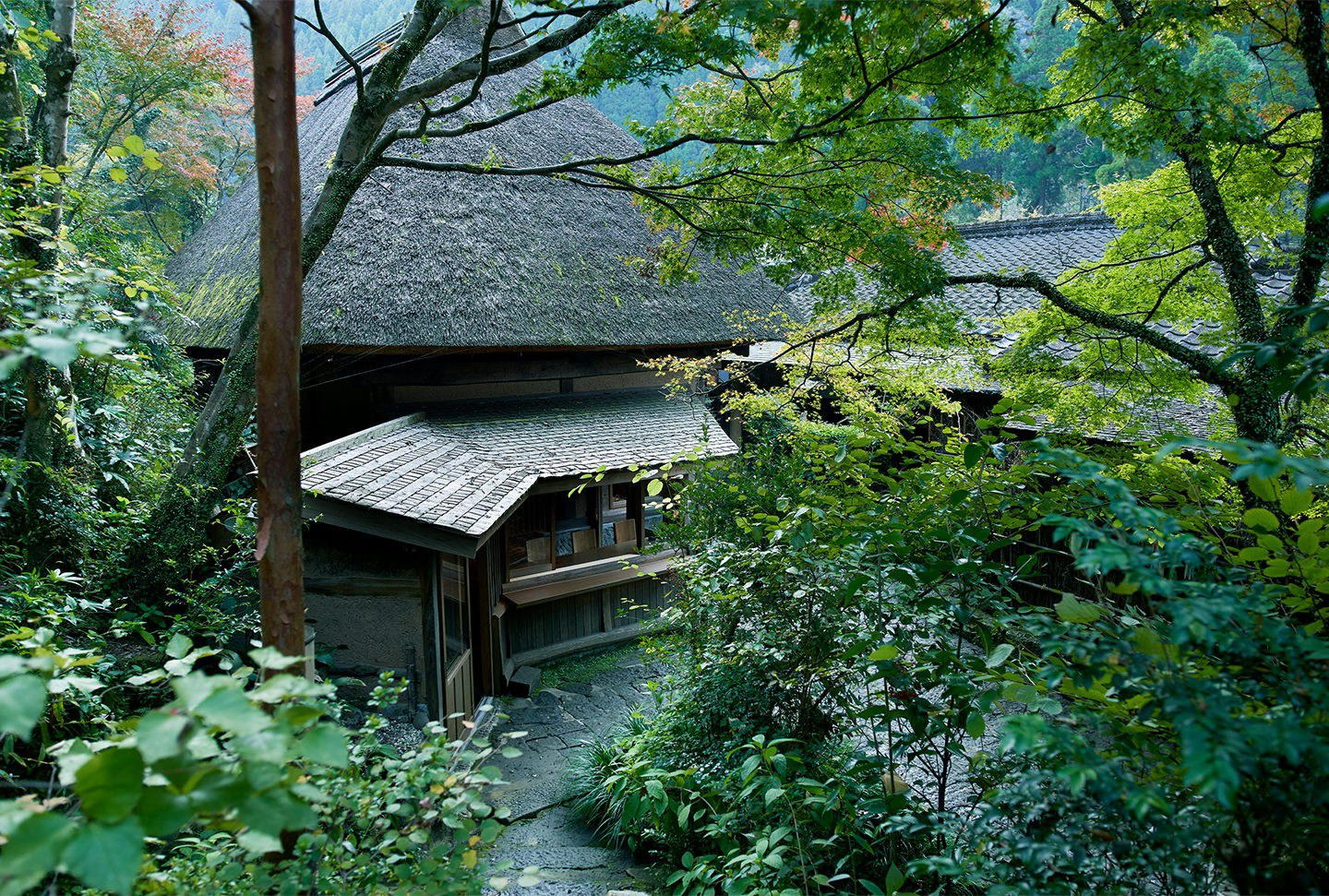
Wineries in Kagoshima
Browse all →
Details
- Romantic
- Quiet
- Elegant
- Scenic
- Intimate
- Sophisticated
- Date Night
- Special Occasion
- Celebration
- Private Dining
- Waterfront
- Garden
- Hotel Restaurant
- Panoramic View
- Sake Program
- Sommelier Led
- Local Sourcing
- Farm To Table
- Sustainable Seafood
- Waterfront
- Mountain
- Garden
- Tasting Menu
- Set Menu
- Sake
- Shochu
- Wine
- Pescatarian Friendly
- Allergy Accommodating
Soft evening lighting in tatami-lined dining rooms overlooking the Amorigawa River and forested slopes; traditional Japanese architecture with warm wood and cool stone elements creating serene, contemplative atmosphere.