
Tabelog 100 #89
Our verdict
Jidori no Sato Eirakuso puts Kirishima’s country-house dining idiom into a yakiniku and chicken-focused frame, with local sourcing implied by the jidori identity rather than chef theatrics. Its Tabelog 100 Yakiniku WEST 2025 selection gives it a clear quality signal in a region where destination meals often sit outside dense urban restaurant districts.

Pearl is the En Primeur Club membership app — saves, bookings, and concierge access live there. Same editors, same standards.
- Address
- 3766-6 Hayatocho Matsunaga, Kirishima, Kagoshima 899-5112, Japan
- Phone
- +81 995-42-3210
- Hours
- Mon 11 AM–3 PM, 5–10 PMTue ClosedWed–Thu 11 AM–3 PM, 5–10 PMFri 11 AM–9 PMSat 11 AM–3 PM, 5–9 PMSun 11 AM–3 PM, 5–10 PM
- Website
- eirakuso.jp
- Directions
- Get directions
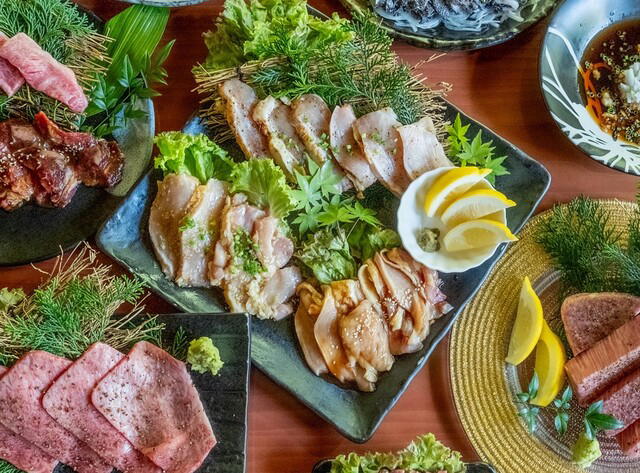
The menu
What to order
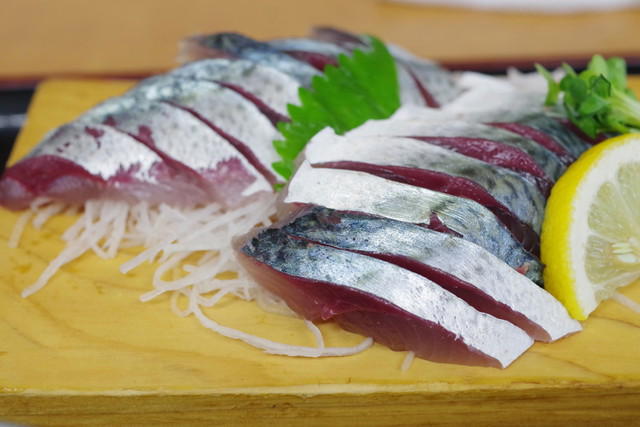
- Satsuma jidori chicken sashimi
- Jidori yakiniku (grilled local chicken)
- Kagoshima Kuroge Wagyu yakiniku
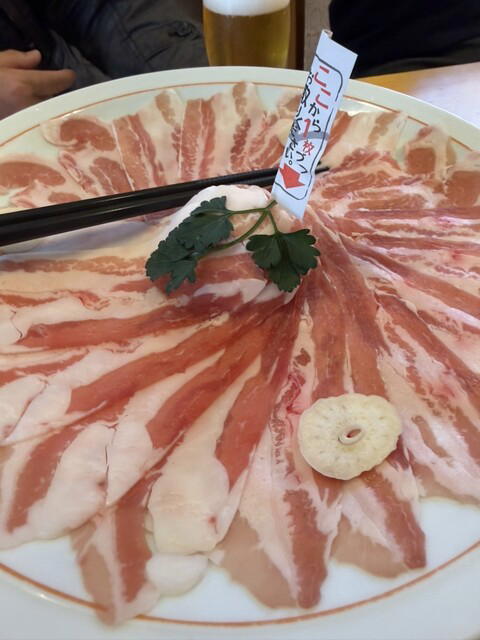
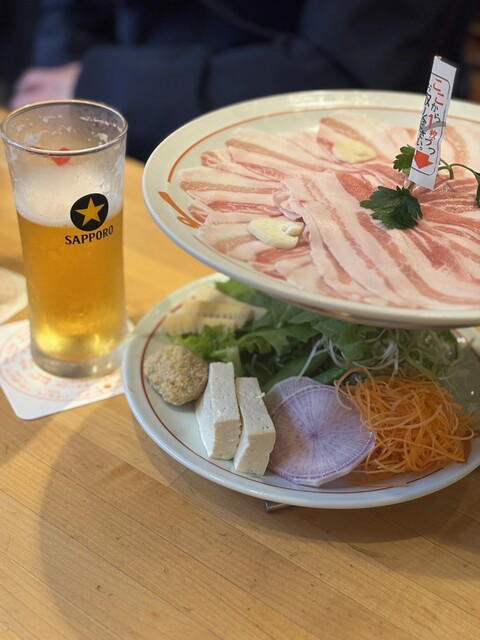
- Kurobuta seiro-mushi set (black pork steamed with vegetables)
- Negi-mamire jidori with ponzu
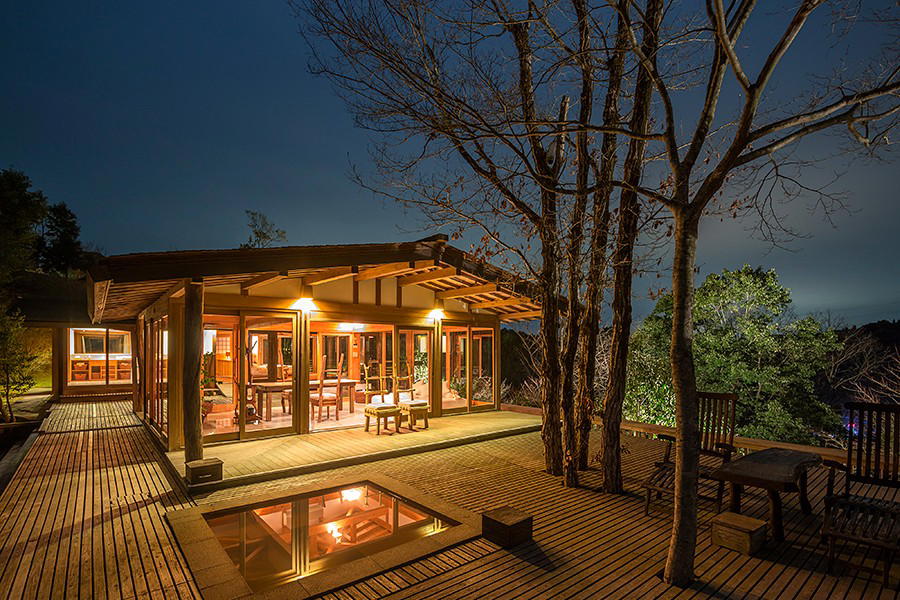
The approach to a rural Kagoshima dining room changes a meal before the grill is lit. Kirishima is not shaped by Ginza’s compressed counter culture or Kyoto’s hotel dining circuits; it rewards restaurants that make sense by car, landscape, and agricultural hinterland. Jidori no Sato Eirakuso belongs to another Japanese luxury grammar: not ceremony for its own sake, but the slower confidence of a Kirishima restaurant built around yakiniku, chicken dishes, smoke, and a local meal that would feel misplaced in a tower dining room.
Kagoshima’s food identity is more physical than ornamental. Regional produce, drinking culture, grilling traditions, and local chicken dishes carry more weight than imported fine-dining codes. The point is not only that the restaurant is listed for yakiniku and chicken dishes; the category fits Kirishima’s terrain. Around hot-spring towns, airport routes, and mountain roads, the strongest meals treat provenance as structure, not decoration. A chicken-focused grill restaurant can say more about southern Kyushu than a tasting menu imitating Tokyo.
Jidori, grilling and the Kagoshima case for source-led cooking
Japanese yakiniku is often framed through beef hierarchy, cut selection, and urban table turnover. Kirishima shifts the conversation. Here, chicken matters because jidori carries a rural signal: texture, cooking method, and regional context count as much as luxury pricing. Jidori no Sato Eirakuso’s inclusion in Tabelog Hyakumeiten 2025 for yakiniku places it in a regional grill category usually associated with barbecue specialists, making the chicken focus more interesting than a generic barbecue label.
The award matters because Tabelog’s Hyakumeiten lists are category-specific and recognition-led. A selection for yakiniku is not merely a note of general popularity; it identifies restaurants with traction within a particular dining form. For Kirishima, where good eating lacks the density of Fukuoka or Osaka, recognition in a wider grill category helps separate a serious destination meal from a convenient local stop.
The format suits groups and travellers who want the meal to feel rooted in place rather than staged as a counter performance. In Kyushu, grilled food naturally extends the table, even when the exact order depends on the day and the party. The logic is simple: smoke, richness, and grilled chicken reward a relaxed rhythm more than a prestige pairing script.
Practical consequence is to think less about rarefied chef performance and more about ingredient identity, grill control, and whether the room supports the occasion. The Tabelog score of 3.73 and 2025 Hyakumeiten recognition create the trust signal; the editorial reason to go is how a rural chicken-and-yakiniku restaurant can express Kagoshima more directly than a polished urban dining room.
Where it sits in Kirishima's dining map
Kirishima’s restaurant scene is scattered by design. Meals follow hospitality routes, airport access, onsen areas, and local roads rather than one restaurant quarter, which changes comparison. Ichinii San Kokubu ten gives the area another local reference point, while Tenku no Mori belongs to a different Kirishima dining lane. Restaurant Ishikura and 食菜石蔵 point toward other parts of the city’s restaurant identity. Against that field, Jidori no Sato Eirakuso reads as the grill specialist: less formal comparison, more ingredient-and-fire clarity.
That distinction helps plan a Kirishima food itinerary. Over several days, a traveller can separate meals by function: one local meal, one more composed meal, one grill meal, and one casual local table. Other dining in Kirishima may add further grill-adjacent options, but the Kagoshima chicken emphasis gives Jidori no Sato Eirakuso a more local frame. The broader city index in Our full Kirishima restaurants guide is the natural starting point for building that sequence.
The rural setting shapes expectations around arrival, pacing, and audience. In central Tokyo, convenience can revolve around counter scarcity and late-night density. In Kirishima, a serious grill restaurant works best when travellers treat the meal as part of the day’s route, not as an interchangeable stop between sights.
How to plan the meal without treating it like Tokyo
Travel logistics in Kirishima reward a wider lens. Dining often sits alongside stays, airport timing, or onsen routes, so restaurant choice should connect with the day. Pair the meal with the city’s hospitality map through Our full Kirishima hotels guide, then plan drinks and post-dinner realistically via Our full Kirishima bars guide. For travellers stretching into regional food and culture, Our full Kirishima wineries guide and Our full Kirishima experiences guide are better tools than assuming the restaurant sits in a walkable nightlife grid.
Planning ahead is sensible, especially because Kirishima dining can be shaped by driving time, hotel arrangements, and the rhythm of local lunch and dinner service. Treat Jidori no Sato Eirakuso as a planned Kirishima lunch or dinner built around local grill culture, not a backup after sightseeing.
For readers comparing Japanese regional dining beyond Kagoshima, category matters. Grill meals in other cities sit in different registers, while urban fire-led formats show how similar dining changes in a metropolitan context. Casual and cross-category references across Japan underline the same point: Japanese dining is strongest when format, place, and ingredient logic align. In Kirishima, that alignment is chicken, yakiniku, regional setting, and a restaurant best understood through locality rather than spectacle.
Frequently asked questions
Is Jidori no Sato Eirakuso suitable for children?
The available ground-truth information does not specify a children policy. Check the venue's official channels for the latest details.
What kind of setting is Jidori no Sato Eirakuso?
Jidori no Sato Eirakuso is in Kirishima and is listed in the categories Yakiniku (Japanese BBQ) and Chicken dishes. Its appeal is best understood as a Kirishima grill meal rather than a city counter experience.
What does dinner at Jidori no Sato Eirakuso typically cost?
Budget guidance for Jidori no Sato Eirakuso is Dinner: JPY 6,000 - JPY 7,999; Lunch: JPY 3,000 - JPY 3,999.
Is Jidori no Sato Eirakuso open every day?
The available ground-truth information does not specify opening days or hours. Check the venue's official channels for the latest schedule.
In Context: Similar Options
Comparable venues by cuisine and price in the same metro.
| Venue | Cuisine | Price | Awards | Notes |
|---|---|---|---|---|
| Jidori no Sato EirakusoThis venue — the venue you are viewing | Traditional Japanese Yakiniku & Jidori Chicken | $30–50 | Tabelog 100 #89 | Not listed |
| Korean Kirishima ten | Traditional jidori charcoal grill in a rustic countryside house | $20–30 | Tabelog 100 #11 | Kirishima |
| Ichinii San Kokubu ten | Kagoshima black pork shabu-shabu & Japanese hotpot | $30–50 | Tabelog 100 #32 | Kokubu, Kirishima |
| Tenku no Mori | Seasonal Organic Japanese Fine Dining | $500+ | Relais Chateaux Award | Makizono-cho |
| 北のうまいもん碧水 | 北海道ローカルフード | Not listed | Not listed | 支笏湖温泉 |
Recognition history
Dated appearances from independent guides and award organizations, with the underlying list record or original source where available.
Tabelog 100 #89 · No. 89
Tabelog · Tabelog 100 - Yakiniku - WEST - 2025
Continue exploring
More in Kirishima
Restaurants in Kirishima
Browse all →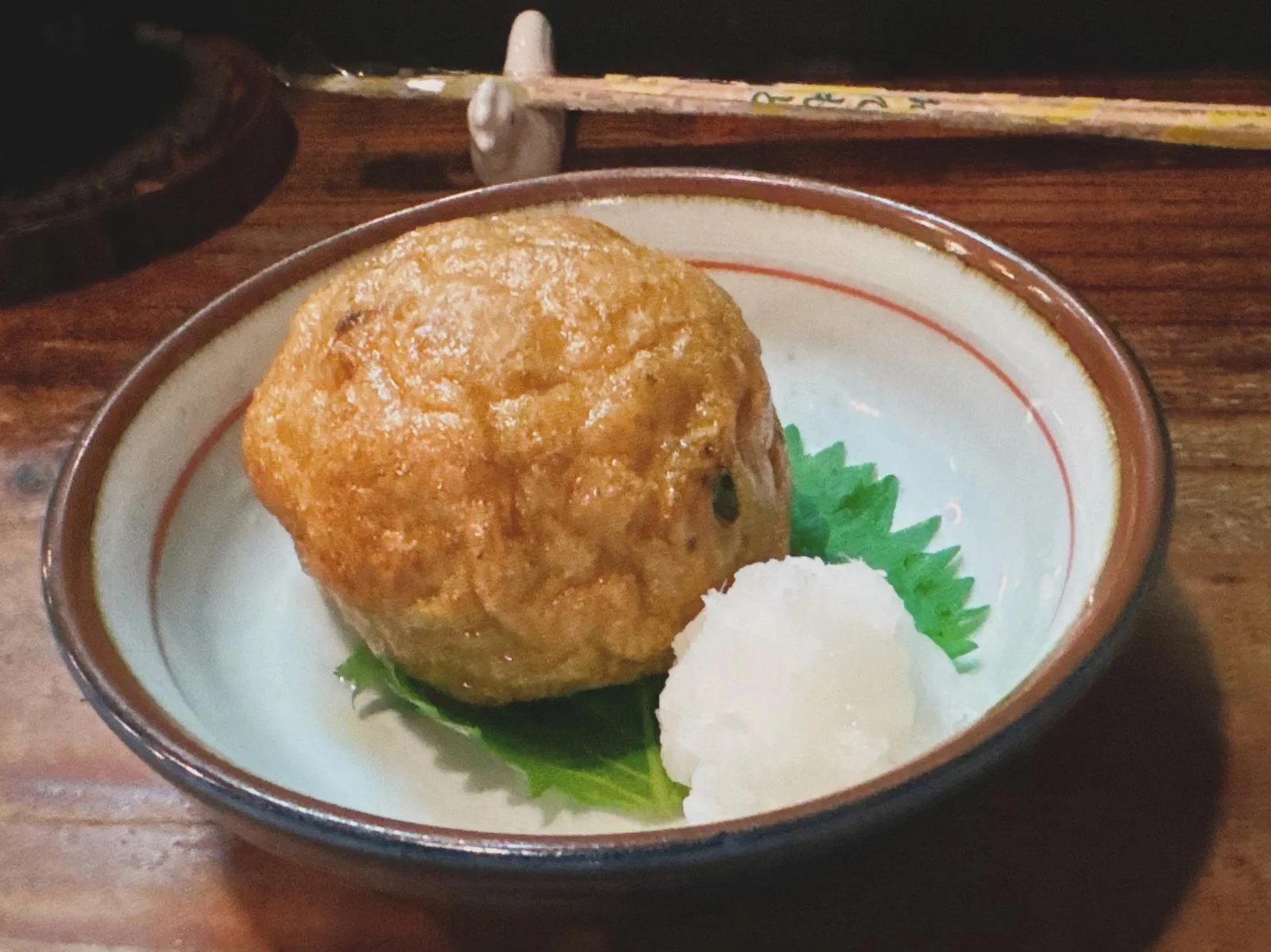
Hotels in Kirishima
Browse all →
Wineries in Kirishima
Browse all →
Details
- Rustic
- Scenic
- Cozy
- Classic
- Family
- Group Dining
- Date Night
- Casual Hangout
- Celebration
- Special Occasion
- Garden
- Standalone
- Historic Building
- Design Destination
- Local Sourcing
- Garden
- Mountain
- A La Carte
- Set Menu
Current opening hours
- Monday
- 11 AM–3 PM, 5–10 PM
- Tuesday
- Closed
- Wednesday
- 11 AM–3 PM, 5–10 PM
- Thursday
- 11 AM–3 PM, 5–10 PM
- Friday
- 11 AM–9 PM
- Saturday
- 11 AM–3 PM, 5–9 PM
- Sunday
- 11 AM–3 PM, 5–10 PM
Hours can change for holidays and private events. Last verified .
The atmosphere is that of a traditional countryside house, with a kominka-style interior, wide tatami seating areas, and views of a carefully tended garden and surrounding trees, creating a relaxed, cozy, and scenic retreat away from the city.