Tenuta Cavalier Pepe


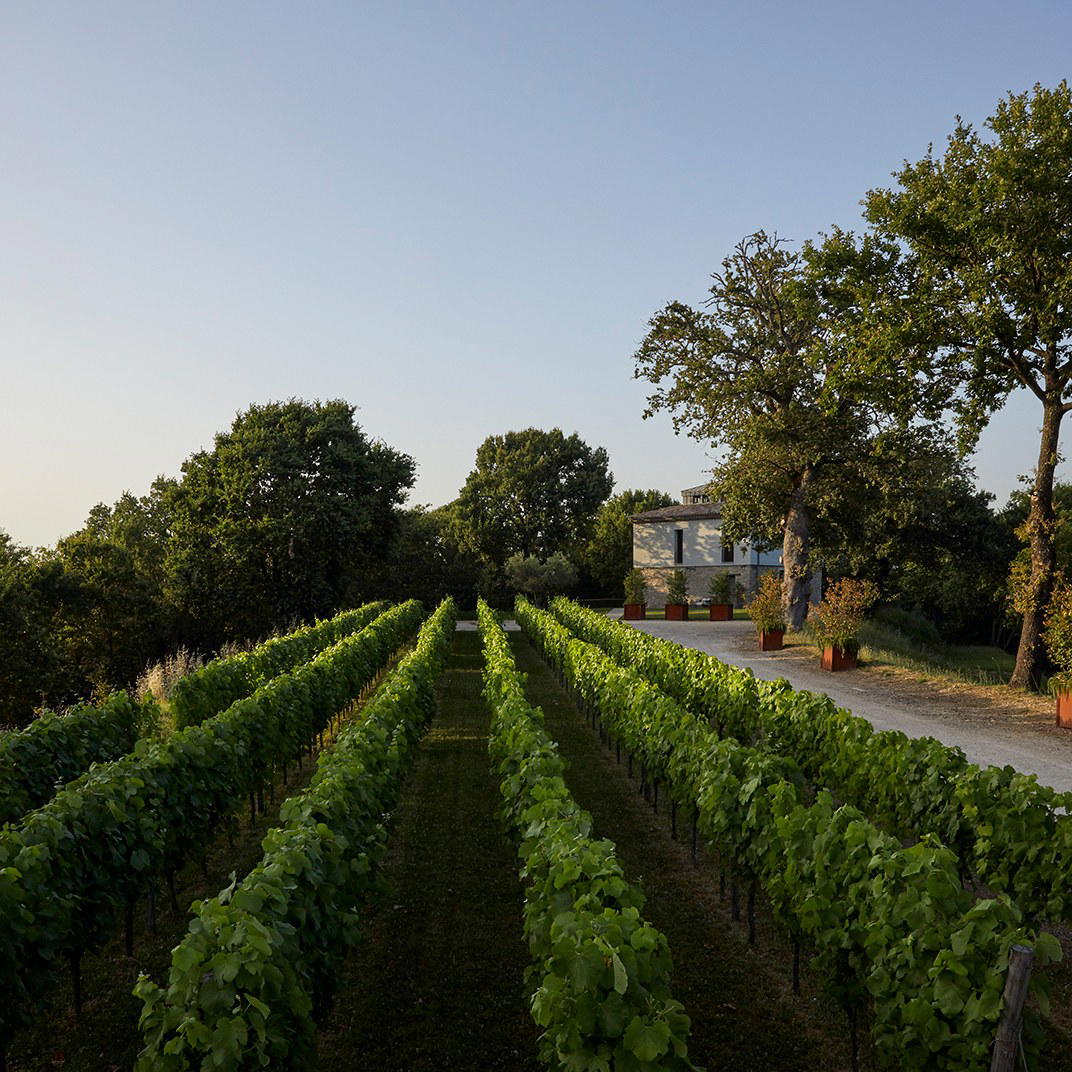
Across 55 hectares of vineyards and 11 olive groves outside Sant'Angelo All'Esca, it offers hiking, biking, and wine programming that puts the terrain at the centre of every activity.
Pearl is the En Primeur Club membership app — saves, bookings, and concierge access live there. Same editors, same standards.
- Address
- Via Francesco de Sanctis, 83040 Sant'Angelo All'esca AV
- Phone
- +39 0827 73766
- Website
- tenutapepe.it
- Directions
- Get directions
 Saves & bookings on Pearl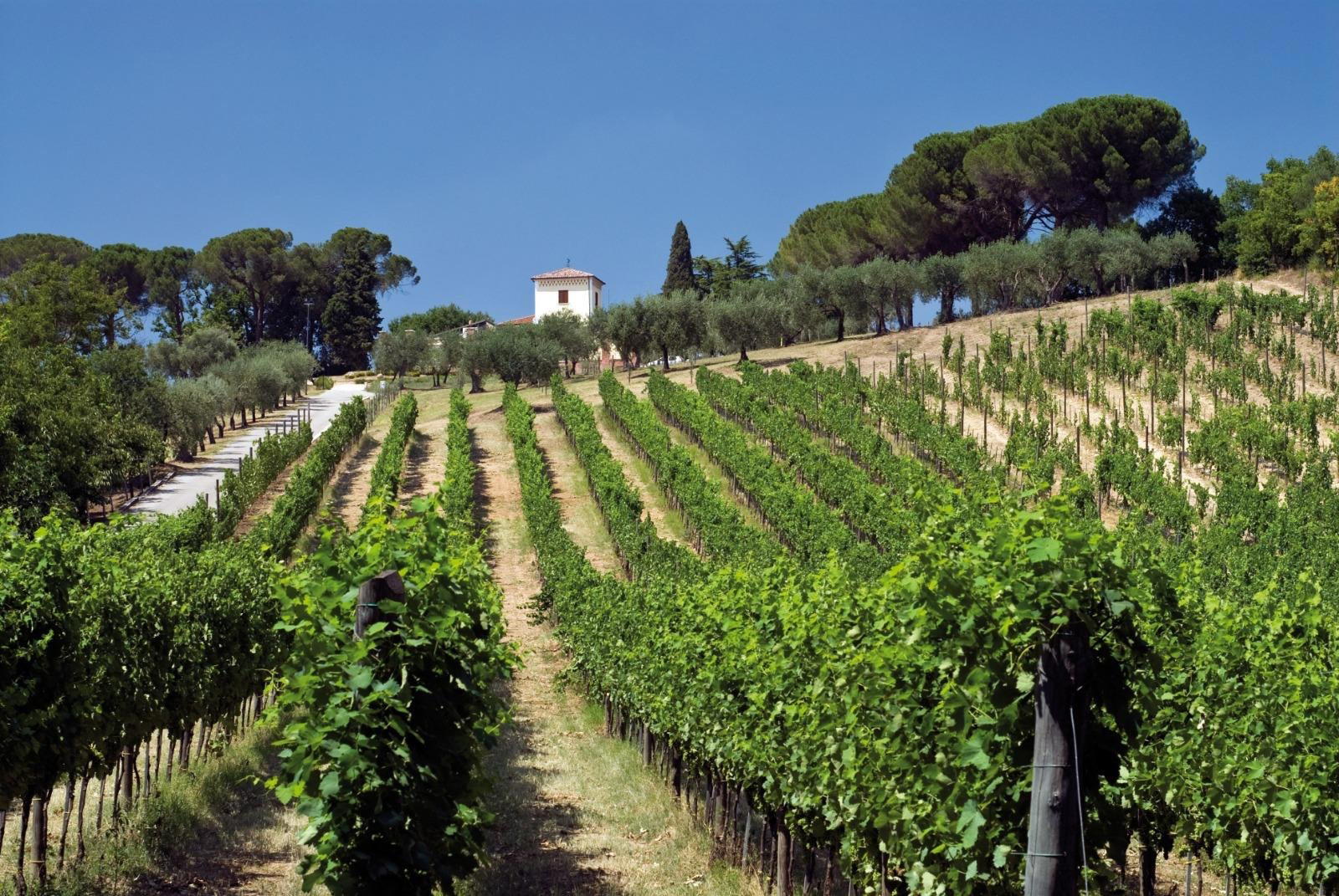
Where Irpinia's Terrain Sets the Agenda
The approach to Sant'Angelo All'Esca prepares you for what follows. The road climbs through Campania's Irpinia hills, a range of volcanic soils and steep gradients that has shaped some of southern Italy's most age-worthy white wines. By the time Tenuta Cavalier Pepe's vineyards come into view, spreading across 55 hectares of the estate alongside 11 olive groves, the logic of the place is already clear: this is not a property that uses the countryside as a backdrop. The land is the programme.
Irpinia occupies a distinct position within Italian wine geography. While the coastal Campania of Vesuvius and the Campi Flegrei draws attention for volcanic reds and mineral-cut whites from indigenous varieties near Naples, the inland province of Avellino operates at higher elevation with soils shaped by both volcanic deposits and calcareous clay. Those conditions are the foundation on which Fiano di Avellino and Greco di Tufo built reputations as two of Italy's most structurally serious white wines, capable of evolving over a decade in bottle. Aglianico, the region's dominant red, adds another dimension: a late-ripening variety that in the hands of Taurasi producers, the DOCG zone that covers this part of Avellino province, produces wines with tannin and extract that rival northern Italian reds for cellar longevity.
Tenuta Cavalier Pepe sits at the point where all three of those conversations intersect. The estate's position in Sant'Angelo All'Esca places it within or adjacent to the geographic boundaries relevant to Irpinia's key appellations, and the multi-generational continuity of the family operation reflects the longer arc of Campanian viticulture: producers who stayed through decades when southern Italian wine carried little critical weight, and who are now positioned as the region gains serious international attention. For context on how other Italian estates have built similarly deep terroir programs across multiple generations, Lungarotti in Torgiano and Castello di Volpaia in Radda in Chianti represent comparable models in Umbria and Tuscany respectively.
What the Estate Offers Beyond the Cellar
Agriturismo of this type, where the estate's own agricultural production forms the activity base rather than simply providing a view, represents one of the more coherent models in Italian rural hospitality. Hiking and biking tours across the 55 hectares give guests direct physical access to the vineyard parcels and olive groves that produce what ends up in the glass and on the table. That sequence, from terrain to plant to product, is the editorial thread running through a stay here.
This format has become increasingly considered in how premium wine estates across Italy position their guest experience. Rather than staging passive tastings in converted cantinas, the stronger properties now ask guests to engage with the agricultural system that makes the wine what it is. Walking a vineyard at harvest, understanding the relationship between altitude and ripening, or observing how different soil profiles within a single estate produce different expressions of the same variety, all of this contextualises the tasting in a way that a cellar visit alone cannot. For comparison, Planeta in Menfi in Sicily and Ca' del Bosco in Erbusco in Franciacorta have built estate experiences along similar lines, using the agricultural footprint as the primary draw.
The olive groves are part of this proposition in their own right. Eleven groves across the estate means olive oil production runs parallel to viticulture, and in Campania that pairing carries historical weight. The region's traditional varieties, cultivated at elevations that slow ripening and concentrate flavour, produce oils with a different character from the Ligurian or Tuscan styles more familiar to export markets. A stay at Cavalier Pepe engages with both outputs.
Irpinia's Place in the Southern Italian Wine Conversation
Understanding why this estate merits serious attention requires understanding where Irpinia sits in the broader southern Italian wine reassessment of the past two decades. Campania's inland provinces spent much of the twentieth century producing for bulk markets, with a few exceptions. The late rehabilitation of Aglianico del Vulture in Basilicata and the serious critical re-engagement with Taurasi in Avellino have shifted expectations. Taurasi received DOCG status in 1993, but the deeper critical attention has been more recent, driven partly by growing international interest in indigenous Italian varieties and partly by the emergence of producers capable of making wines that could compete in quality terms with the established northern appellations.
Fiano di Avellino, produced from a variety that may have been cultivated in the area since Roman times, now regularly appears in serious Italian wine discourse alongside Greco di Tufo as evidence that southern Italy's white wine potential had been consistently undervalued. The combination of volcanic soil, calcareous clay subsoils, and mountain elevation creates ripening conditions that preserve acidity through the growing season, producing whites with the structural backbone to age rather than the tropical-fruit softness associated with warmer-climate southern whites elsewhere. This is the context in which an estate like Tenuta Cavalier Pepe operates, and it is a context that rewards attention from anyone building a serious understanding of Italian wine. For estates working with comparably serious terroir propositions in other Italian regions, Aldo Conterno in Monforte d'Alba, Poggio Antico, and L'Enoteca Banfi in Montalcino offer instructive comparisons from Barolo and Brunello country.
Planning a Visit
Sant'Angelo All'Esca sits in the Avellino province, roughly 60 kilometres east of Naples, accessible via the A16 motorway connecting Naples to Bari. The town is not served by rail, so a car is the practical necessity for reaching the estate, and that same car opens up the wider Irpinia wine route, with Taurasi's historic producers within easy driving distance. The estate address on Via Francesco de Sanctis places it in Sant'Angelo All'Esca. Given the estate's activity programme across its full agricultural footprint, allocating at least a full day, preferably an overnight stay, allows the terrain engagement to unfold at a sensible pace rather than being compressed into a two-hour visit.
Distilleria Marzadro in Nogaredo, Nonino Distillery in Pavia di Udine, Poli Distillerie in Schiavon, Distilleria Romano Levi in Neive, Campari in Milan, Aberlour, and Accendo Cellars in St. Helena.
Comparable Spots, Quickly
Comparable venues nearby, for context on price, style, and recognition.
| Venue | Cuisine | Price | Awards | Notes |
|---|---|---|---|---|
| Tenuta Cavalier PepeThis venue — the venue you are viewing | Aglianico, Fiano di Avellino | $$$ | World's 50 Best #14 | Not listed |
| Tenuta Castelbuono (Tenute Lunelli) | Sagrantino, Sangiovese | $$$ | World's 50 Best #25 | Bevagna |
| Ferrari | Chardonnay, Pinot Noir | $$$ | World's 50 Best #11 | Trento |
| Ceretto | Nebbiolo, Arneis | $$$ | World's 50 Best #19 | Langhe |
| Gaja | Nebbiolo, Barbera | $$$$ | World's 50 Best #36 | Barbaresco |
| Castello Banfi | Sangiovese, Cabernet Sauvignon | $$$$ | World's 50 Best #22 | Montalcino |
Recognition history
Dated appearances from independent guides and award organizations, with the underlying list record or original source where available.
Falstaff Winery - Listed
Falstaff
World's 50 Best Best Vineyards #81
World's 50 Best
World's 50 Best Best Vineyards #14
World's 50 Best
Continue exploring
More in Sant'Angelo All'Esca
Wineries in Sant'Angelo All'Esca
Browse all →
Bars in Sant'Angelo All'Esca
Browse all →
Restaurants in Sant'Angelo All'Esca
Browse all →
At a Glance
- Scenic
- Elegant
- Rustic
- Romantic
- Romantic Getaway
- Wine Education
- Group Outing
- Special Occasion
- Vineyard Tour
- Estate Grounds
- Panoramic View
- Terrace
- Barrel Room
- Sustainable
- Vineyard
- Mountain
- Taurasi Docg, Fiano Di Avellino Docg, Greco Di Tufo DOCG
- Aglianico
- Fiano Di Avellino
- Greco Di Tufo
- Falanghina
- Coda Di Volpe
- Still Red
- Still White
- Still Rosé
- Sparkling
- Guided Tasting
- Restaurant Pairing
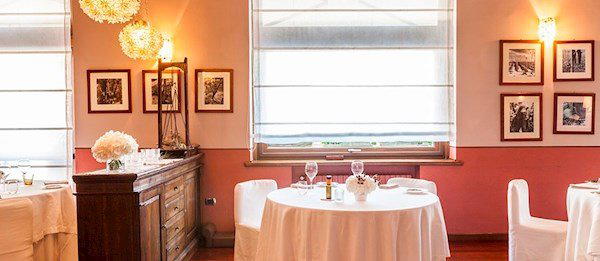
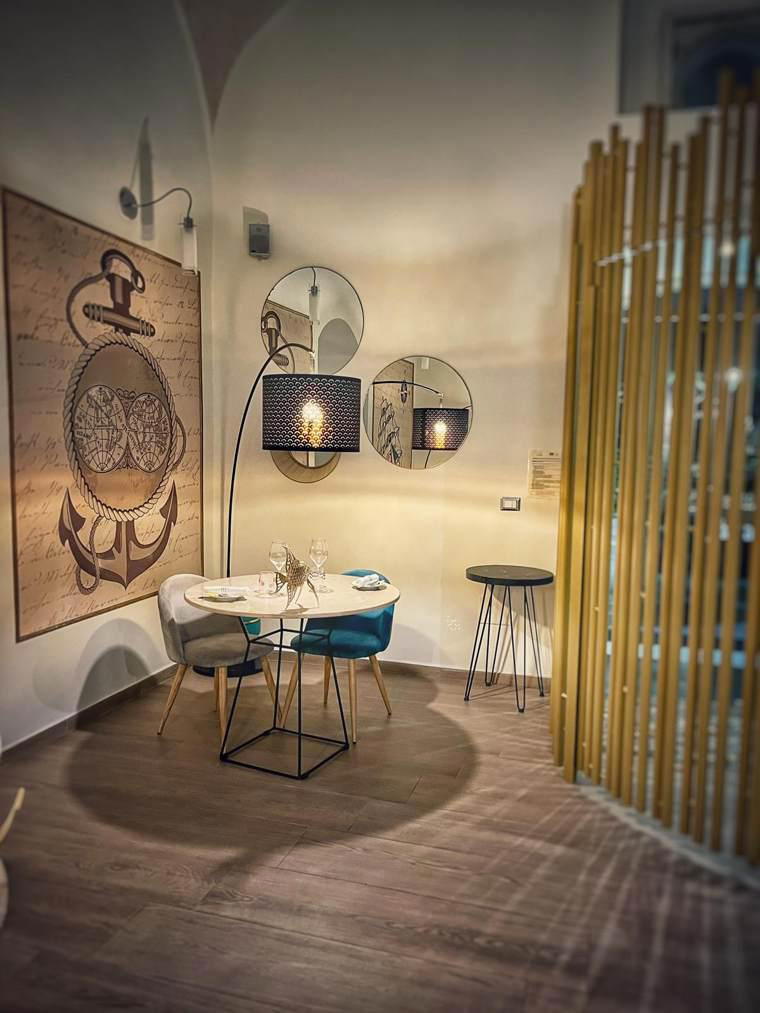
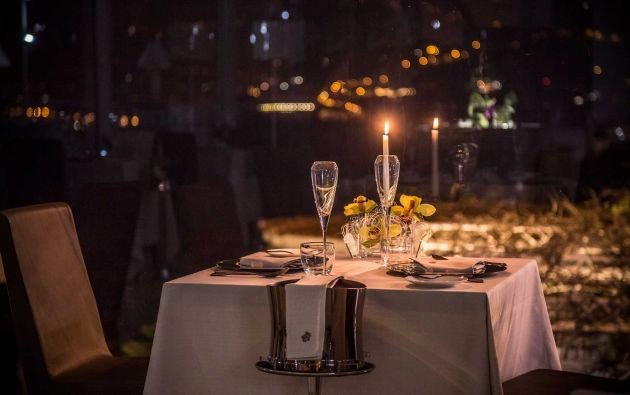
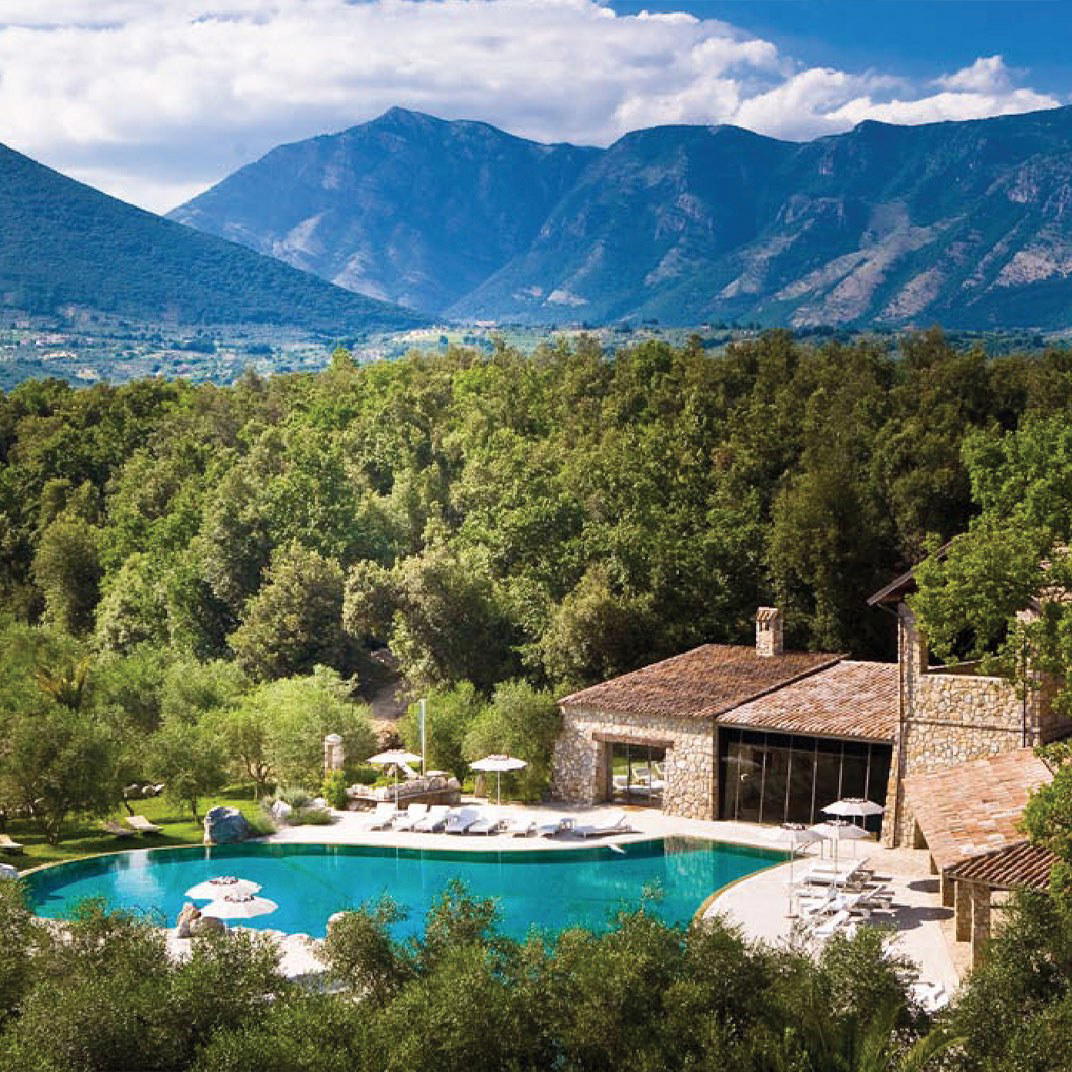
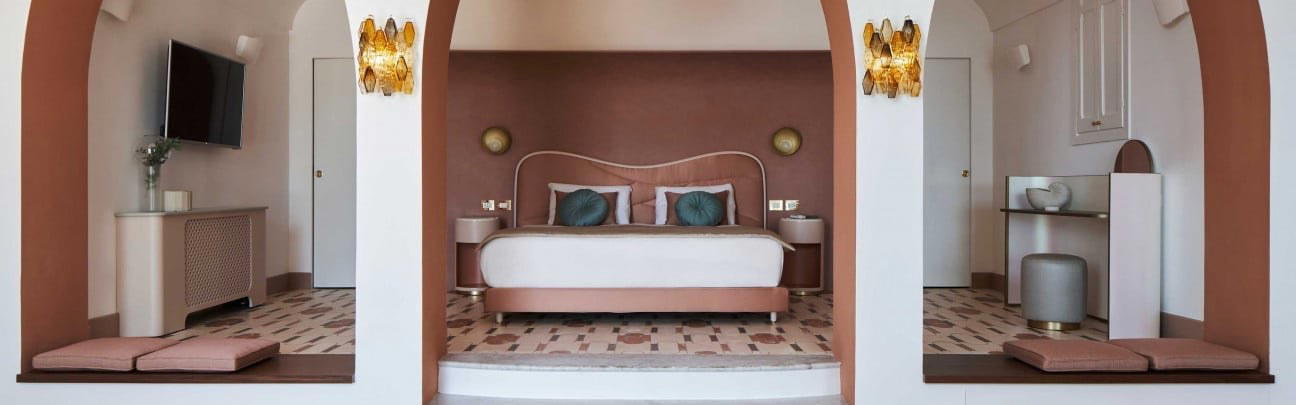
Panoramic setting set in nature with elegant, refined atmosphere reflecting the winery's commitment to quality and terroir-driven winemaking.