Monastero Santa Rosa Hotel & Spa




1 Michelin Key · La Liste Top Hotels · Virtuoso Luxury Hotel Partner
A 17th-century monastery on a clifftop above Conca dei Marini, Monastero Santa Rosa packs a Michelin-starred restaurant, a full spa built into ancient vaulted stone, and 20 individually furnished suites into one of the Amalfi Coast's most architecturally compelling small hotels. Scored 97.5 points in La Liste's 2026 Top Hotels ranking, it sits at the quieter, more removed end of the coast's premium property tier.

Pearl is the En Primeur Club membership app — saves, bookings, and concierge access live there. Same editors, same standards.
- Address
- Via Roma, 2, 84010 Conca dei Marini SA
- Phone
- +39 089 832 1199
- Website
- monasterosantarosa.com
- Directions
- Get directions
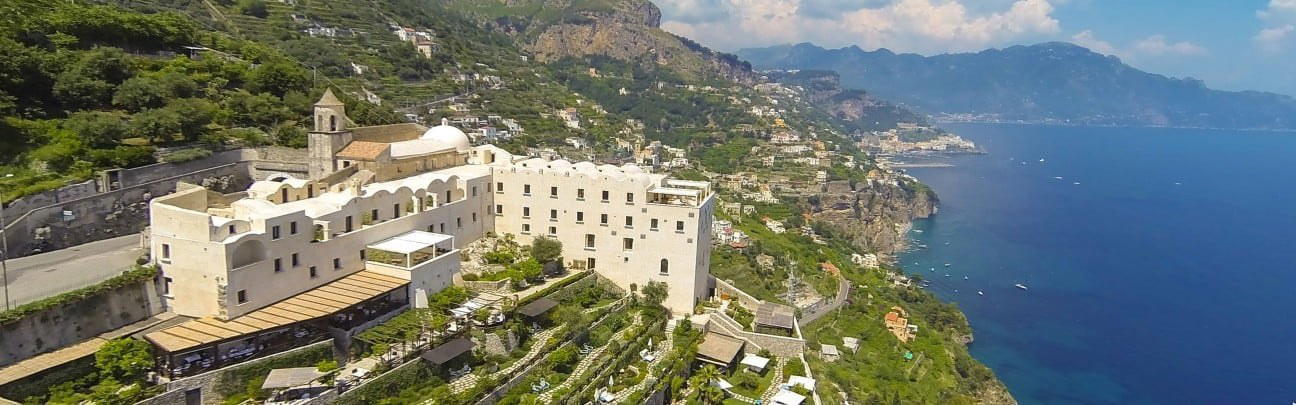
Stone, Sea, and Four Levels of Garden: The Architecture of Monastero Santa Rosa
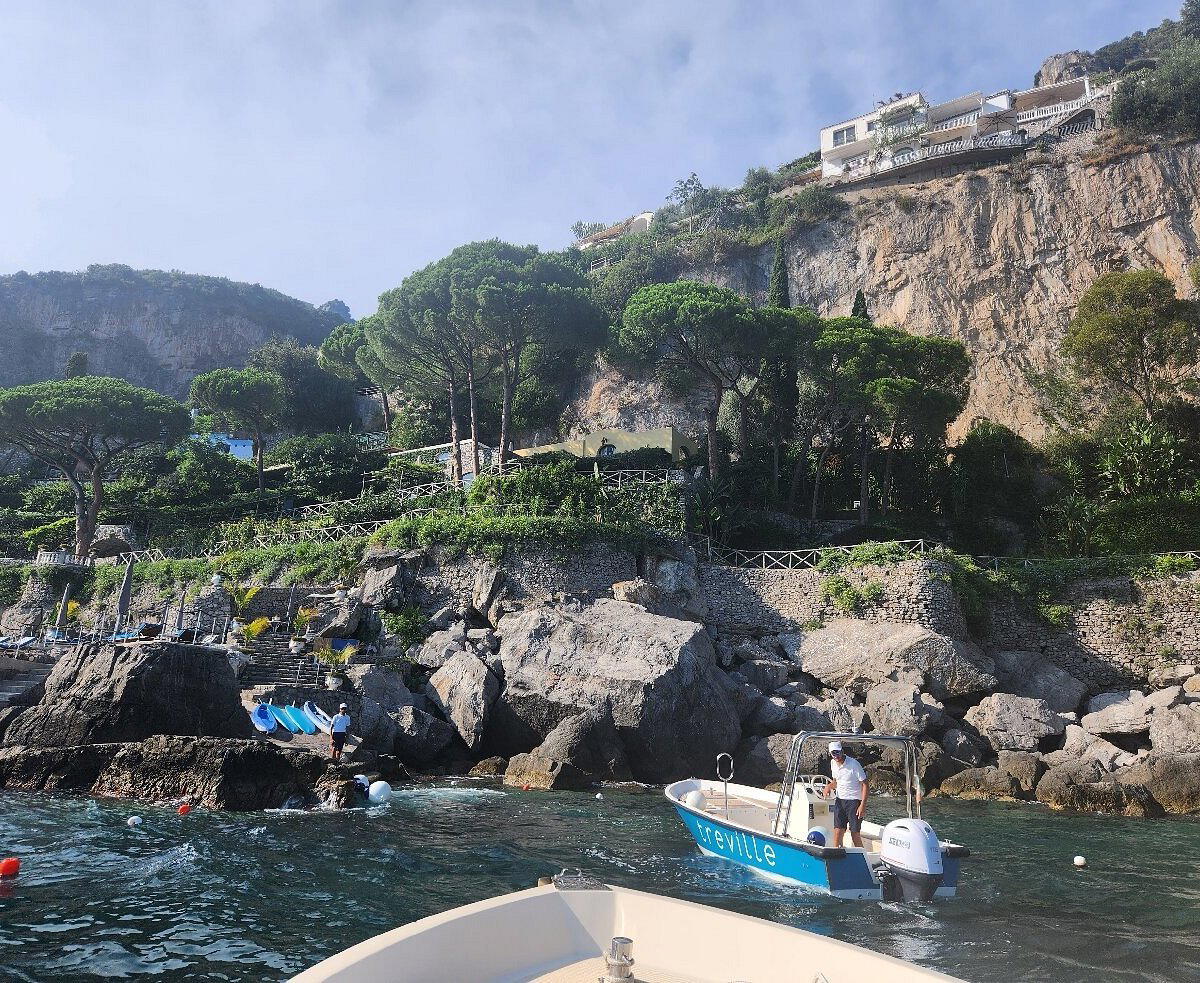
Approaching Conca dei Marini from the coast road, the Monastero Santa Rosa reads as a vertical proposition: a seventeenth-century building stacked into the cliff face, its terraces descending toward the Gulf of Salerno in successive planes of garden, stone, and open sky. This is an architectural condition that the Amalfi Coast imposes on its hillside properties, but few have exploited it as coherently as this former monastery. The conversion has preserved the logic of the original structure while layering in the infrastructure of a contemporary hotel: vaulted ceilings remain, old stone walls frame the spa's treatment spaces, and the overall spatial sequence moves from enclosed and ecclesiastical at the upper levels to open and panoramic at the cliff edge.
The Amalfi Coast's premium hotel tier has bifurcated over the past decade. On one side sit the grand, seafront-fronting addresses in Positano and Amalfi itself; on the other, a smaller cohort of properties that trade proximity to the beach for altitude, privacy, and physical singularity. Monastero Santa Rosa belongs firmly to the second group. Its position slightly west of the main tourist concentrations means guests are further from the crowds without being disconnected from them: a complimentary shuttle runs to Amalfi until midnight.
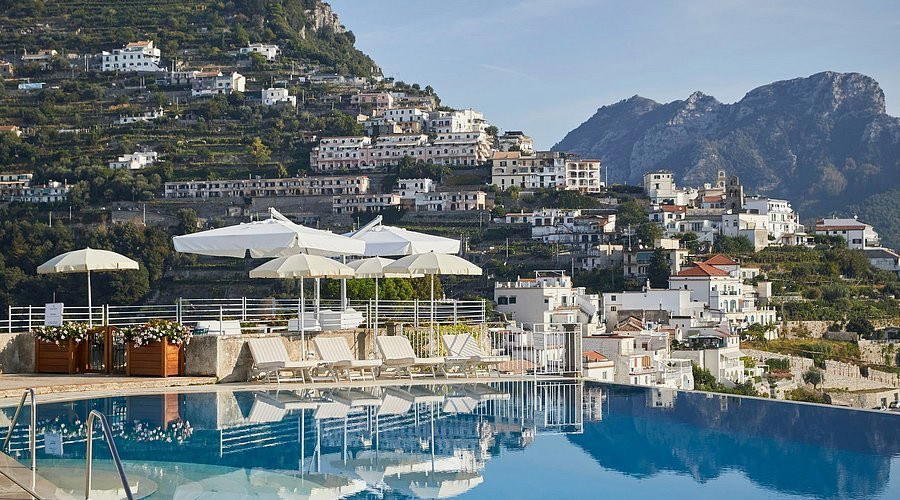
That positioning matters because it shapes the entire experience. The property's 20 rooms and suites are distributed across a footprint that would support far more keys in a different kind of development. The resulting density — or rather, the deliberate absence of it — is the defining spatial quality. Four levels of landscaped garden, lounge chairs, canopied daybeds, and quiet sun decks serve a guest count that most Italian resort hotels would consider a minimum rather than a cap. For comparison, properties like Borgo Santandrea on the Amalfi Coast or Il San Pietro di Positano operate at similar boutique scale but in distinctly different physical configurations. At Monastero Santa Rosa, the monastery's original geometry, its layered terraces, its enclosed courtyards, its cliff-edge orientation, does work that no amount of interior design can replicate.
The Suites: Antique Meets Contemporary in Former Nuns' Quarters
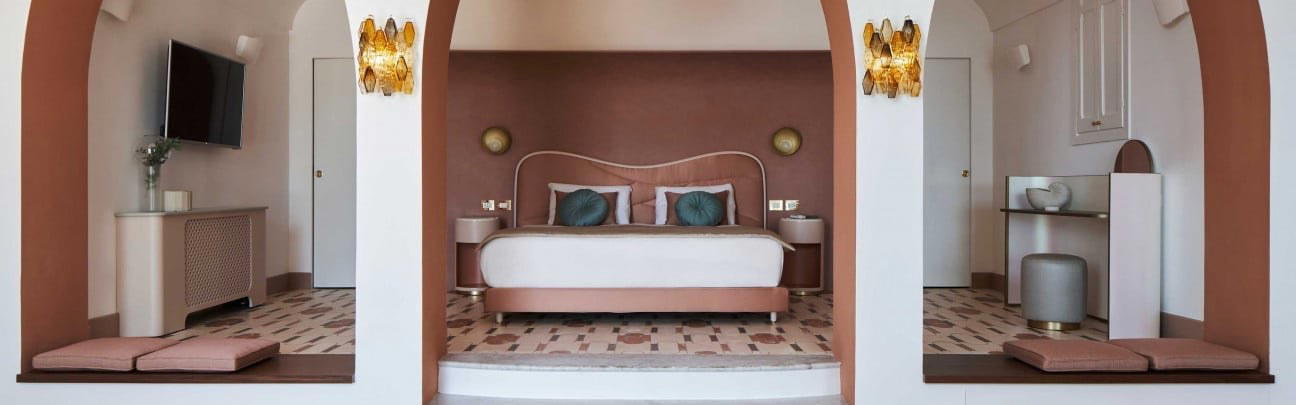
The 20 suites occupy spaces that once served a monastic community, and the conversion has leaned into rather than away from that history. The owner furnished them in a style that pairs antique pieces with contemporary comfort, a curatorial approach that reads as considered rather than merely decorative. The effect is consistent with a broader trend in Italian boutique hospitality, seen at properties like Castello di Reschio in Lisciano Niccone and Casa Maria Luigia in Modena, where historical fabric is treated as a design asset rather than a constraint to be modernised away.
The suite count is significant in practical terms. La Liste's 2026 Leading Hotels ranking scored Monastero Santa Rosa at 97.5 points, placing it in a tier that includes some of Europe's most recognised small luxury addresses. At that score, with only 20 keys, availability runs tight across the Amalfi season, which peaks from late May through September. Anyone planning around the coast's optimal weather window should treat booking as a logistical priority, not an afterthought.
Il Refettorio: A Michelin-Starred Table Above the Gulf
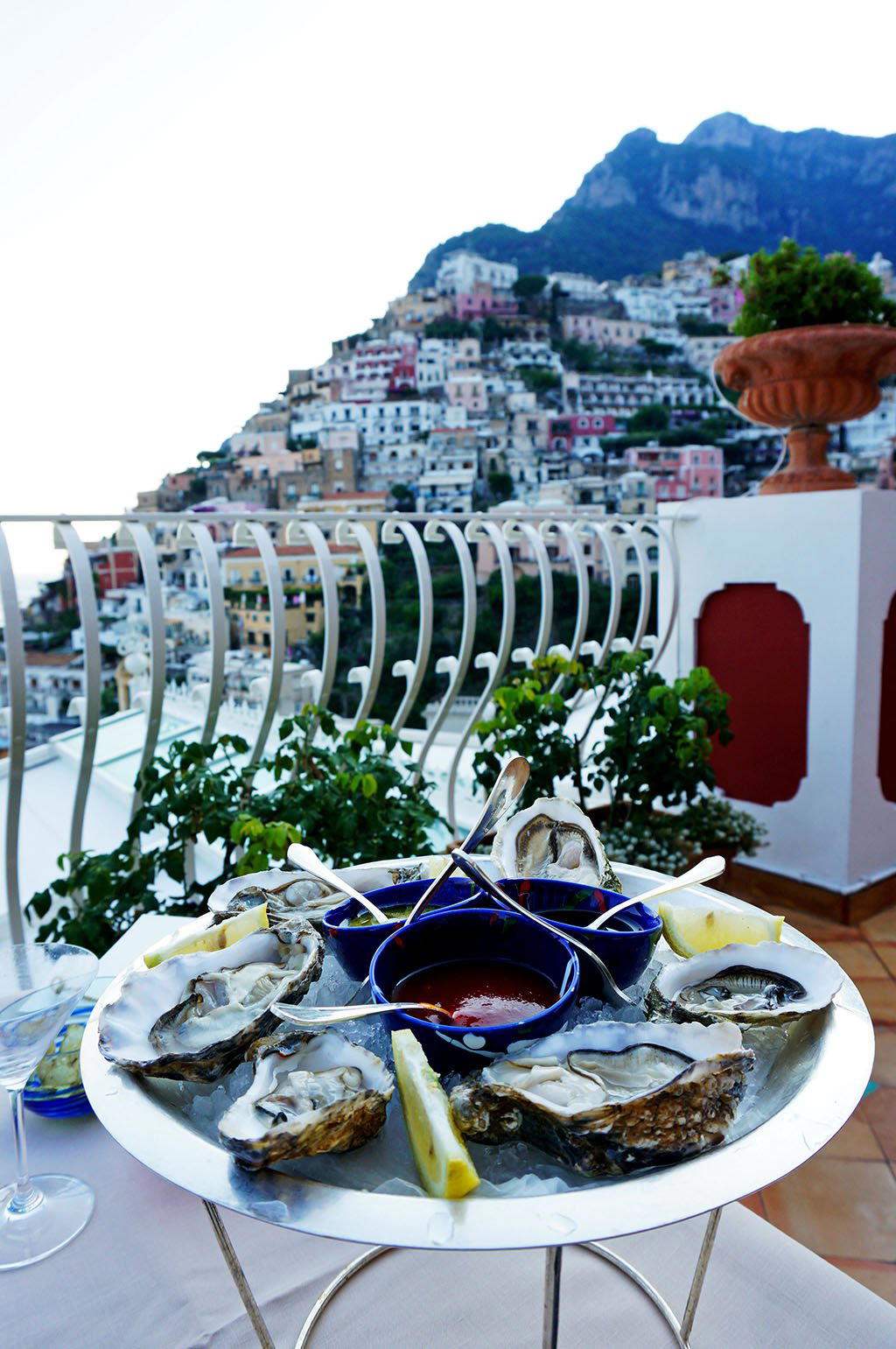
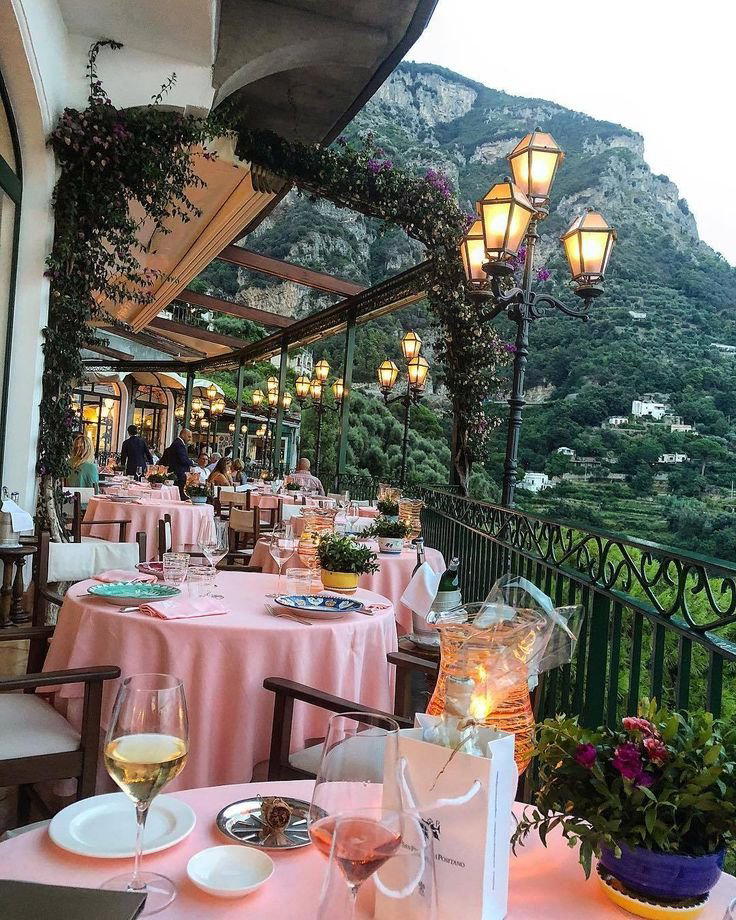
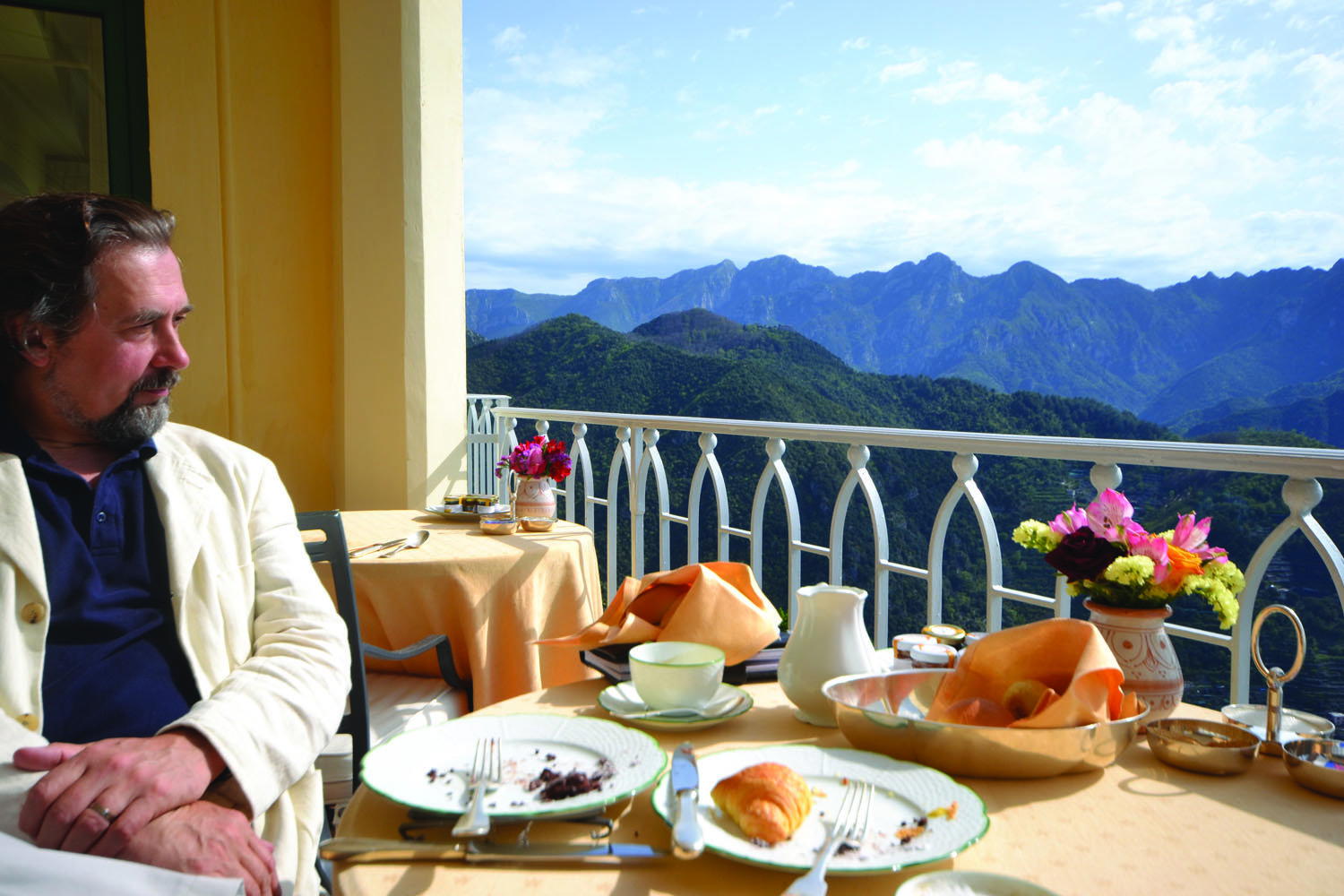
Restaurant, Il Refettorio, holds one Michelin star and opens onto a terrace suspended above the Gulf of Salerno. This is one of the more architecturally specific dining situations on the coast: the combination of vaulted interior (the refectory of a working monastery, now repurposed for Mediterranean haute cuisine) and a terrace with unobstructed sea views gives the room a dual character that most coastal restaurants achieve with neither half as convincingly. Lunch operates as a lighter, alfresco format served on the pergola-shaded terrace alongside the infinity pool or within the cascading garden terraces. Breakfast arrives on silver trays to the room or is served under the same pergola.
Michelin star anchors Il Refettorio within the upper register of Amalfi Coast dining. Properties like Il San Pietro di Positano and JK Place Capri each present their own restaurant propositions, but the combination of a starred kitchen, a terrace at this altitude, and a formal dining room within original monastery vaults is a configuration that has no direct equivalent in the immediate area. For broader context on how starred hotel restaurants function within Italy's premium property tier, the restaurants at Four Seasons Hotel Firenze and Bulgari Hotel Roma offer useful reference points, though both operate in very different urban contexts.
The Spa: Monastic Architecture Repurposed for Recovery
Italian coastal spas tend to fall into two categories: in-room treatment setups with minimal infrastructure, or hotel spas that function as standalone amenity floors. Monastero Santa Rosa's spa belongs to the second type, which is unusual at a property of 20 rooms. The amenity list includes a sauna, steam room, mosaic-tiled experience shower, hydro pool, and tepidarium, a scale of provision more commonly associated with large resort operations. What distinguishes the execution here is spatial: the old monastery's vaults and stone walls form the physical container, which gives the spa a textural quality that purpose-built wellness facilities rarely achieve. For guests accustomed to the spa programs at properties like Aman New York or Amangiri, the infrastructure here will feel proportionate rather than modest.
The Bar, Library, and Communal Spaces
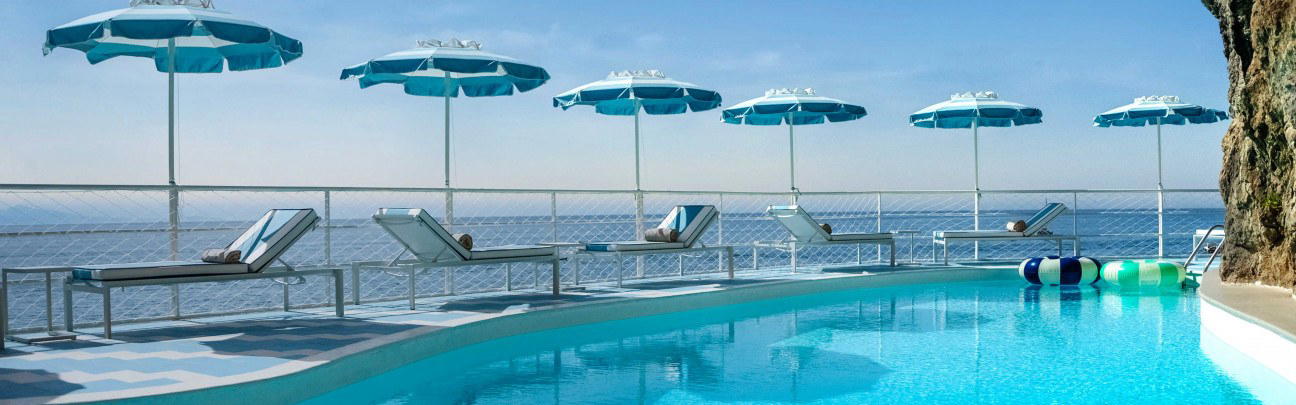
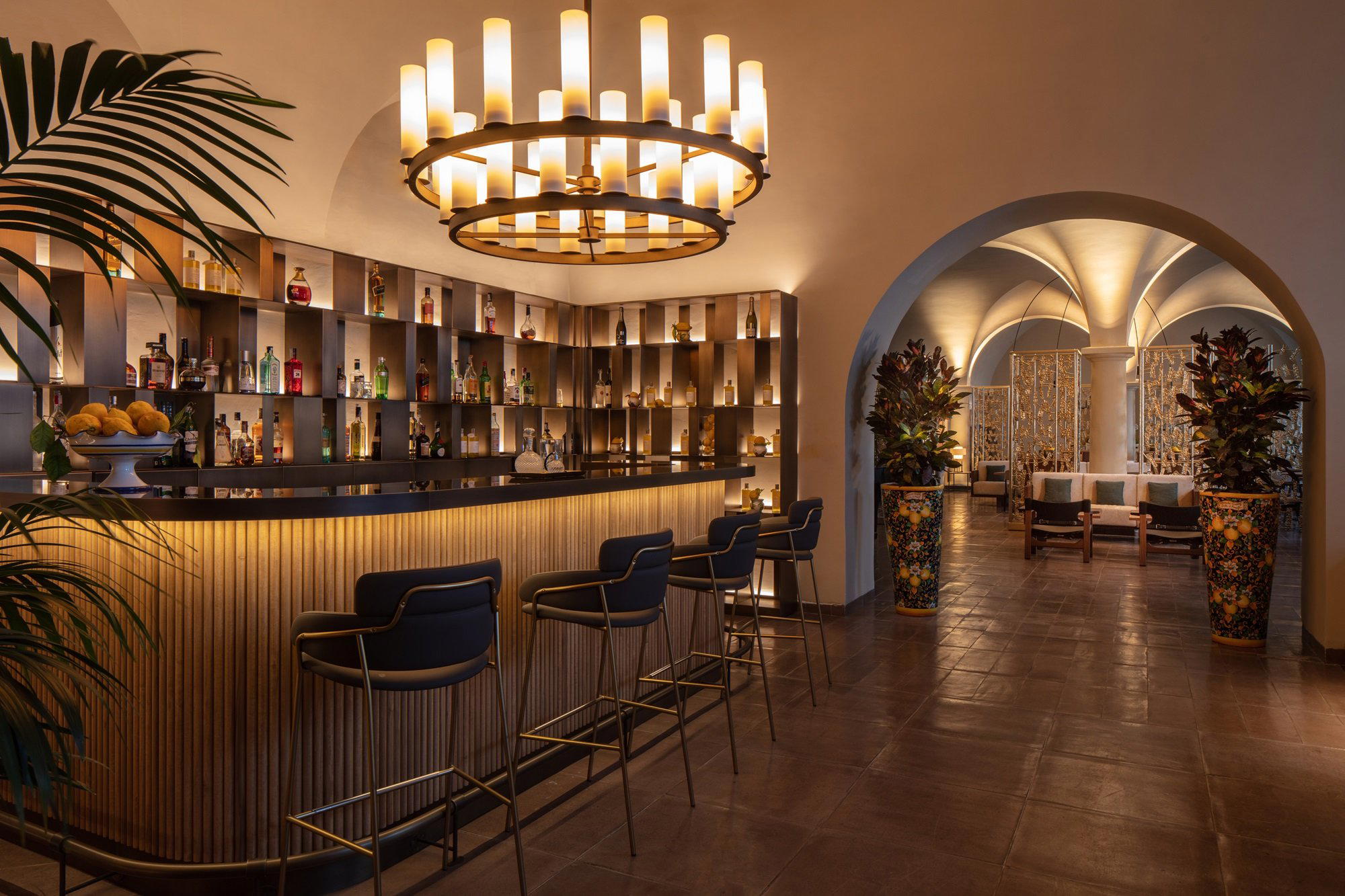
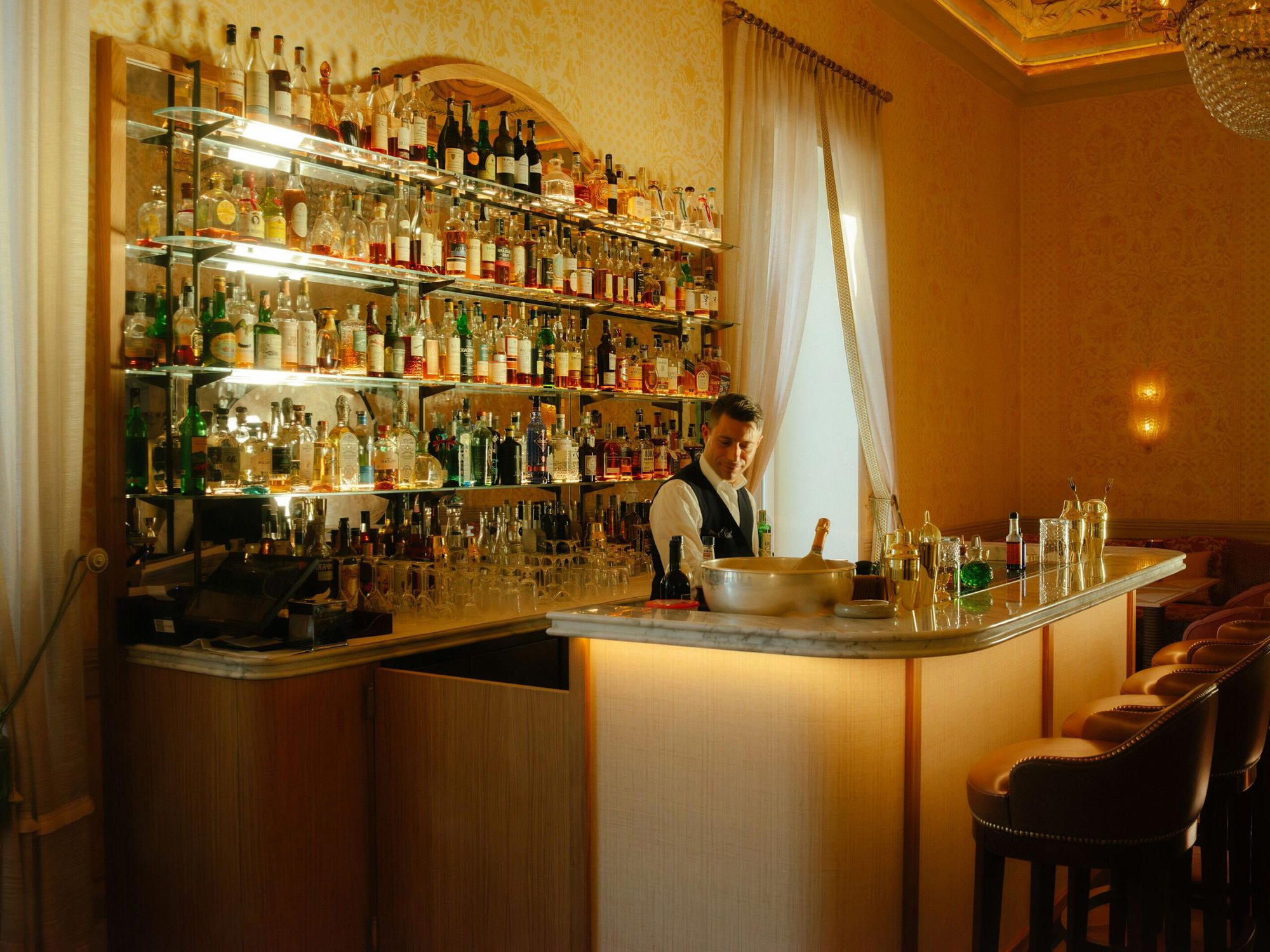
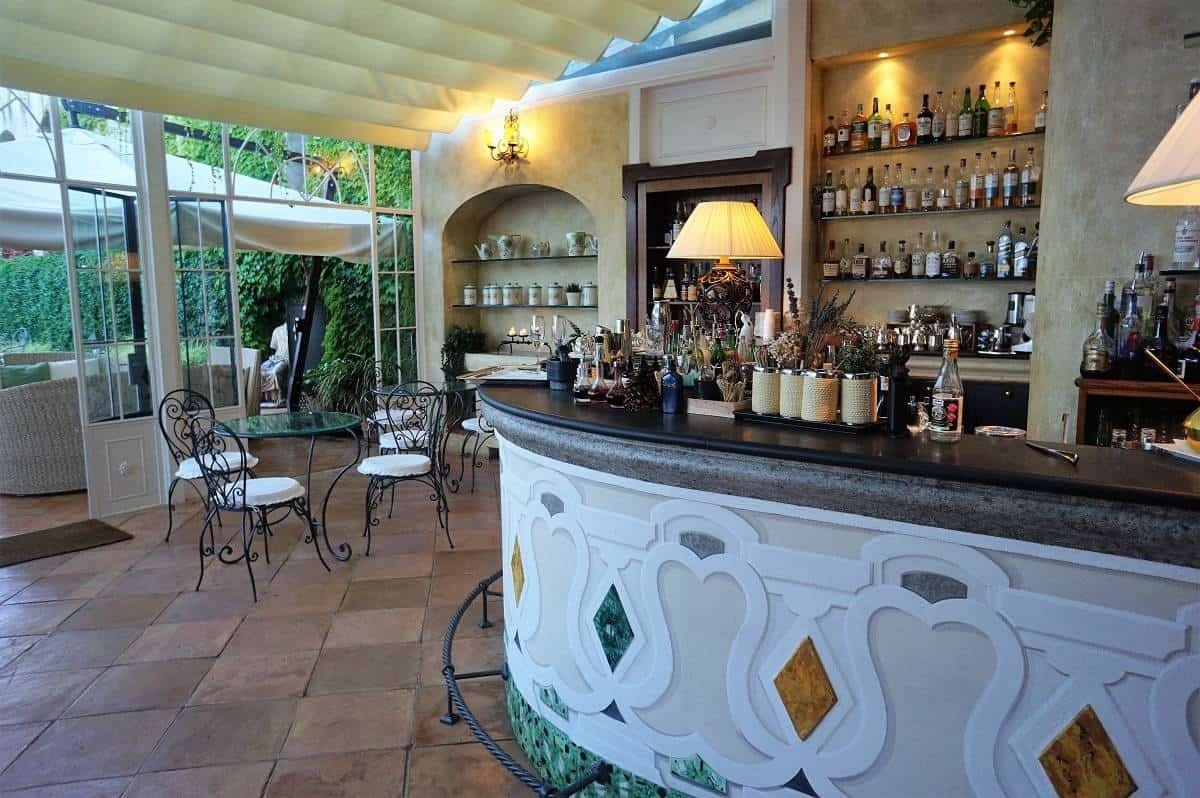
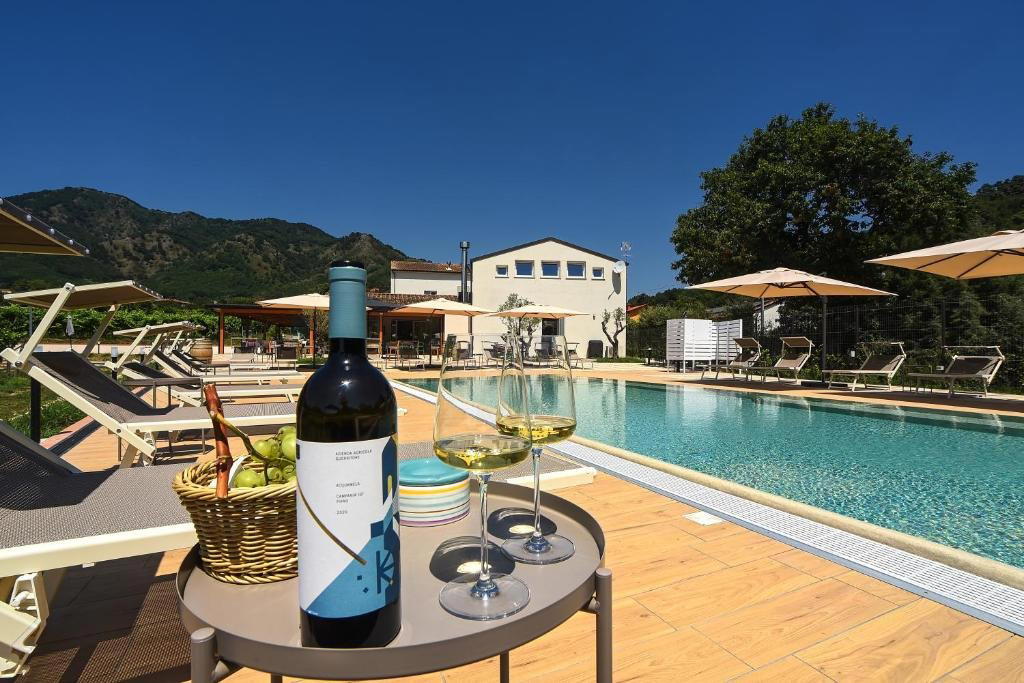
The social architecture of a small luxury hotel is often where the concept either coheres or falls apart. At Monastero Santa Rosa, the library and bar occupy a modern cocktail area where guests can read, play chess or cards, or take a martini without the pressure of a high-footfall lobby. The cliffside infinity pool and the various sun decks across the four garden levels create a spatial variety that allows different moods across a single day. The property's stated philosophy, that guests can set their own tone, from intimate seclusion to sociable gathering, is supported by the physical layout rather than just asserted in brand language.
This flexibility is something the leading small Italian luxury properties have increasingly prioritised. Passalacqua in Moltrasio and Borgo Egnazia in Savelletri di Fasano have both built reputations on the same premise: enough communal infrastructure to make solo or couple stays feel connected, without the programmed sociability of a resort. Monastero Santa Rosa achieves the same balance through physical means rather than events programming.
Planning Your Stay
Monastero Santa Rosa sits at Via Roma, 2 in Conca dei Marini, on the quieter western stretch of the Amalfi Coast between Praiano and Amalfi town. The complimentary shuttle to Amalfi runs until midnight, making the property's relative seclusion a practical rather than isolating feature. Given the 20-room cap and the 97.5-point La Liste ranking, the property books heavily through the main Amalfi season. Early planning is the operative approach, particularly for the summer months when coastal demand across the region compresses availability at every level of the market.
For context on how Monastero Santa Rosa sits within Italy's broader premium hotel offer, our coverage of comparable properties spans the full peninsula: from Forestis Dolomites in Plose and Castel Fragsburg in Merano in the north to Borgo San Felice and Rosewood Castiglion Del Bosco in Tuscany, and EALA My Lakeside Dream on Lake Garda. See also our full Conca dei Marini restaurants guide for the wider dining picture around the property.
Comparable Venues
Comparable venues nearby, for context on price, style, and recognition.
| Venue | Cuisine | Price | Awards | Notes |
|---|---|---|---|---|
| Monastero Santa Rosa Hotel & SpaThis venue — the venue you are viewing | Luxury boutique heritage property blending 17th-century monastic architecture with contemporary wellness amenities and refined Italian hospitality. | $1,000–1,500 | 1 Michelin Key · La Liste Top Hotels | Not listed |
| Mezzatorre Hotel & Thermal Spa | Historic watchtower resort set in Mediterranean maquis with private cove. | Not listed | 1 Michelin Key · La Liste Top Hotels | Forio |
| Palazzo Avino | Historic luxury palazzo with antique furnishings and modern comforts | $750–1,000 | 1 Michelin Key · Star Wine List | Ravello |
| Mediterraneo Sorrento | Modern luxury boutique hotel with nautical-inspired design elements, positioned as an intimate five-star retreat that balances elegance with coastal warmth. | $300–500 | 1 Michelin Key | Sant'Agnello |
| Maalot Roma | Boutique luxury hotel with personalized service and glamorous dining. | Not listed | 1 Michelin Key · Mr & Mrs Smith Seal of Approval | Trevi |
| The Inn at the Roman Forum | Intimate five-storey terraced townhouse converted into a luxury boutique residence with personalized service and historic character. | $500–750 | 1 Michelin Key | Monti |
Recognition history
Dated appearances from independent guides and award organizations, with the underlying list record or original source where available.
Michelin 1 Key
Michelin
La Liste Top Hotels
La Liste
Mr & Mrs Smith Seal of Approval
Mr & Mrs Smith
Virtuoso Luxury Hotel Partner
Virtuoso
Full recognition history (5 entries)
Michelin 1 Key
Michelin
Continue exploring
More in Conca dei Marini
Hotels in Conca dei Marini
Browse all →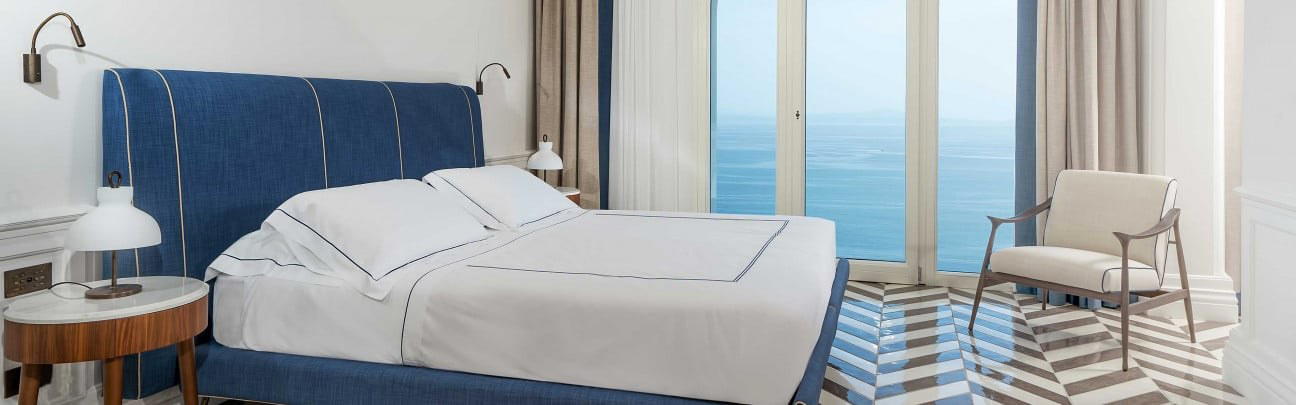
Bars in Conca dei Marini
Browse all →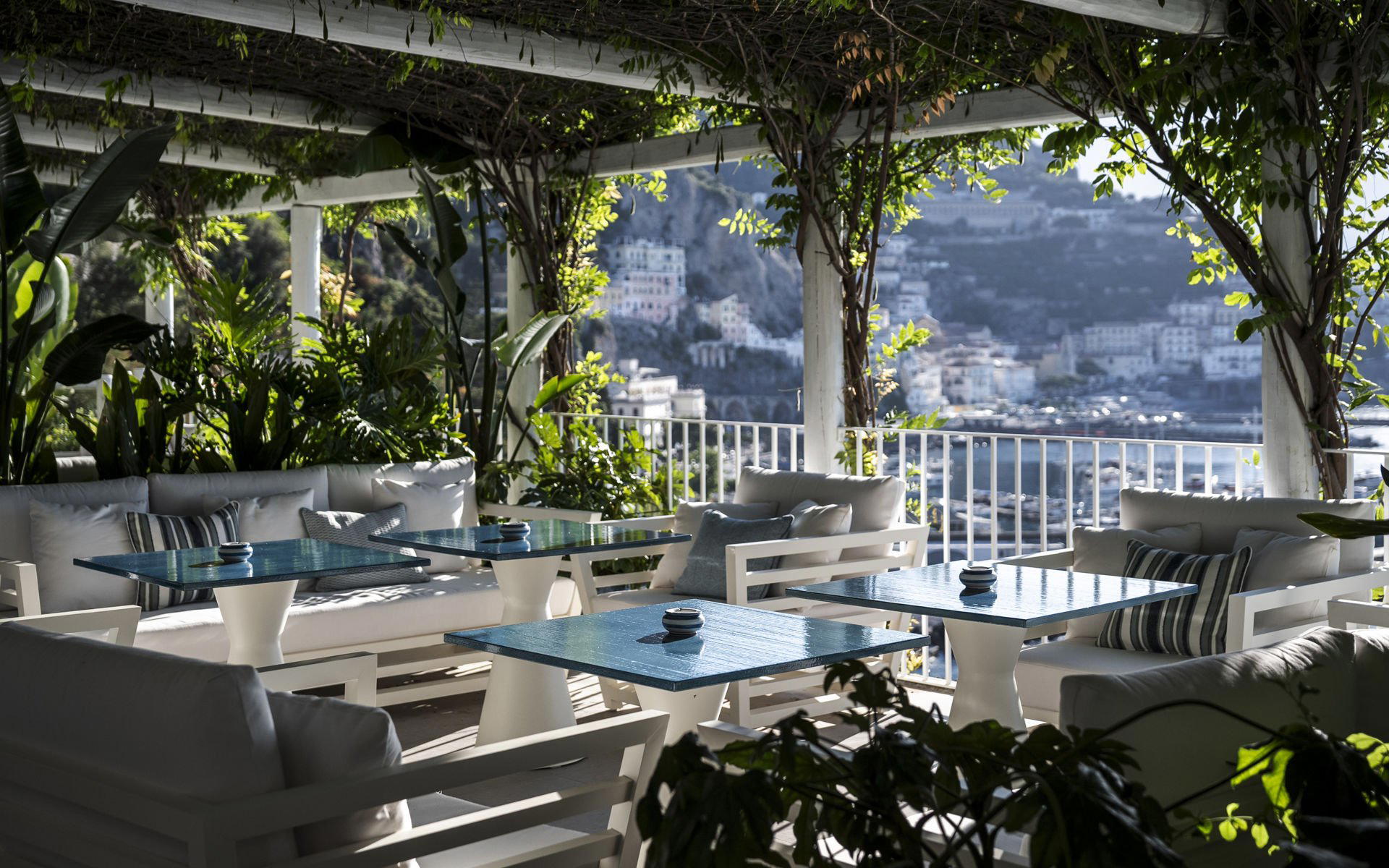
Restaurants in Conca dei Marini
Browse all →

Details
- Romantic
- Quiet
- Elegant
- Scenic
- Intimate
- Sophisticated
- Honeymoon
- Romantic Getaway
- Anniversary
- Wellness Retreat
- Celebration
- Beachfront
- Infinity Pool
- Destination Spa
- Historic Building
- Panoramic View
- Private Dining
- Terrace
- Garden
- Spa
- Pool
- Fitness Center
- Restaurant
- Bar
- Room Service
- Concierge
- Wi Fi
- Sauna
- Massage
- Bicycle Rental
- Waterfront
- Garden
Serene and spiritually tranquil with soft natural light filtering through historic architecture, candlelit dining, and peaceful garden terraces overlooking the Mediterranean.