The address puts it at the centre of island life, where the produce of the Campanian coast and the volcanic terroir of the Bay of Naples converge on the table. For visitors working through our full Capri restaurants guide, it warrants close attention.
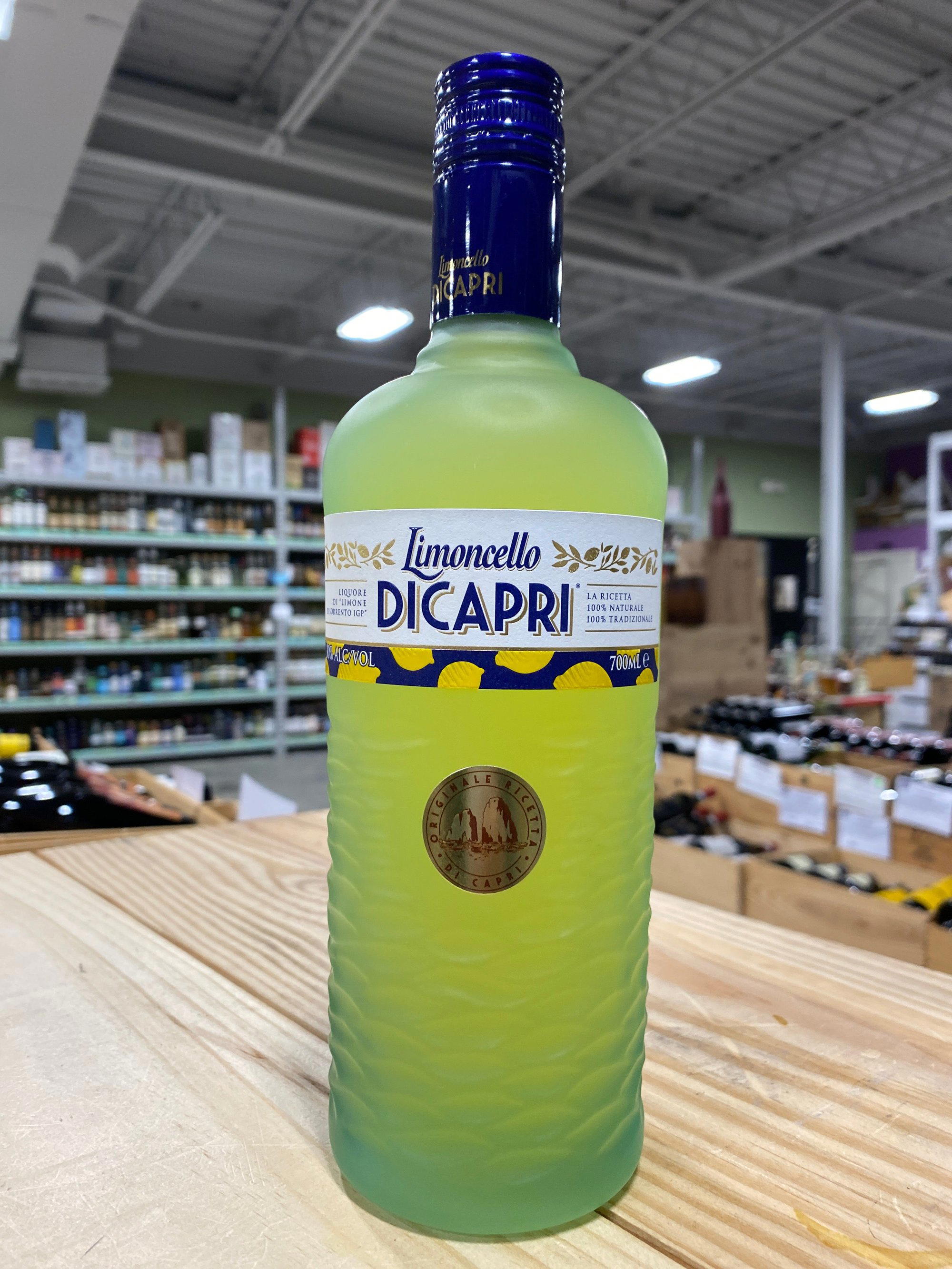
Via Roma, Capri: Where the Island Comes Into Focus
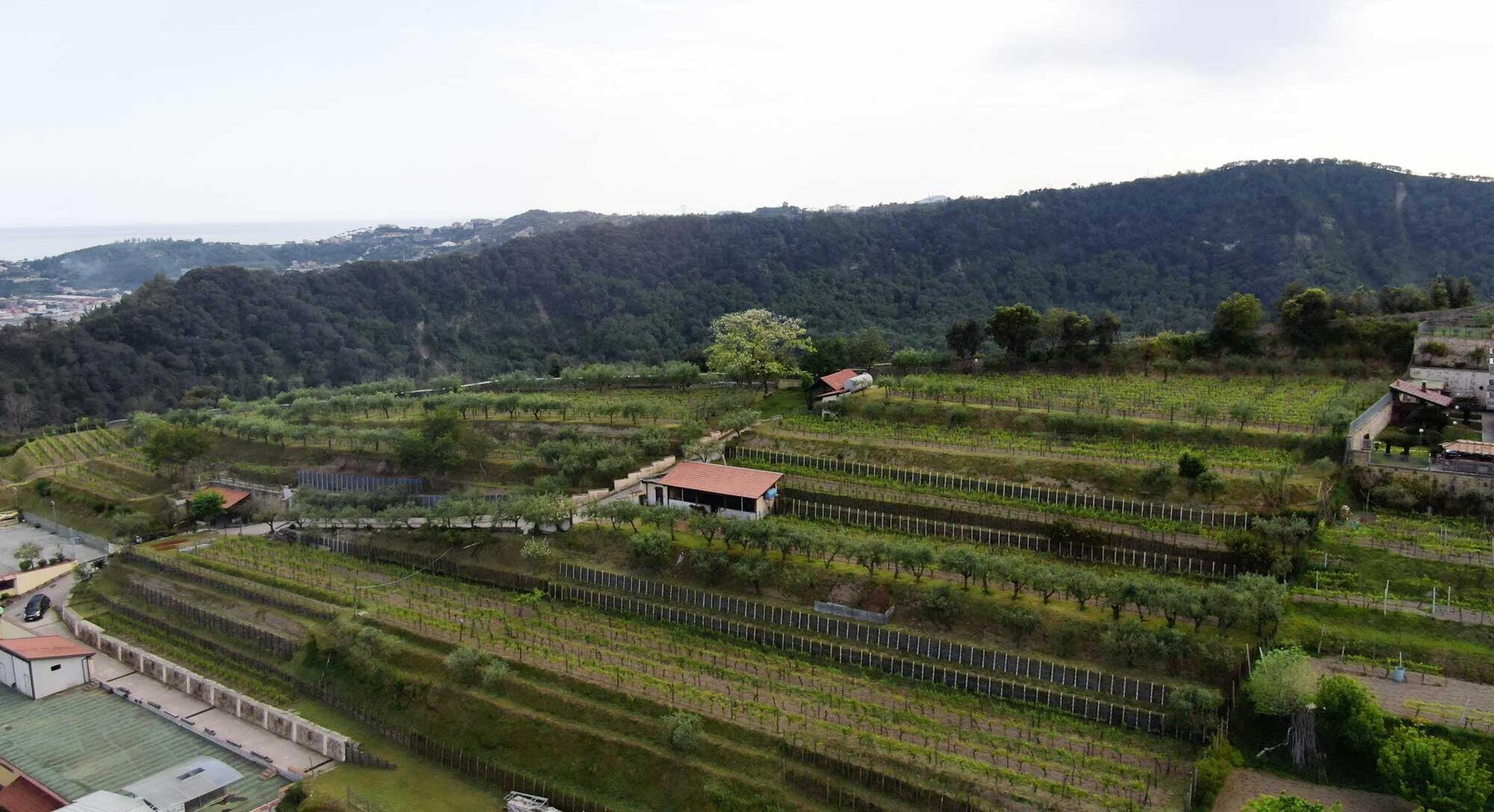
Approach Capri on foot from the funicular and the geography announces itself immediately: limestone cliffs dropping to turquoise water, terraced citrus groves clinging to near-vertical slopes, and the salt-laden air that conditions everything grown here. Via Roma sits at the social spine of this compressed geography, a street where the island's commercial and culinary identities overlap. Limoncello di Capri occupies that address at number 85, and the positioning is not incidental. The Campanian coast has always produced in tight vertical strips, and what the land yields, the table reflects.
Terroir in a Bottle: The Campanian Argument
The limoncello tradition is, at its core, a terroir story. The sfusato amalfitano lemon, cultivated on the coastal slopes between Sorrento and Amalfi, is shaped by volcanic basalt soils, high diurnal temperature swings, and salt spray from the Tyrrhenian Sea. The result is a fruit with a thick, oil-rich zest and an aromatic profile that lowland citrus cannot replicate. The leading Capri productions preserve that specificity rather than flattening it: the difference between a limoncello that tastes of place and one that could have been bottled anywhere is precisely this question of origin.
This same dynamic plays out across southern Italian spirits and wines. At Planeta in Menfi, the volcanic soils of Sicily express themselves through varieties like Nero d'Avola and Grillo in ways that continental producers cannot approximate. The logic is consistent: geography is not backdrop, it is ingredient.
This tier requires more than popularity; it reflects a production standard that holds up against systematic evaluation. On an island where tourist throughput is enormous and the temptation to produce at volume is constant, maintaining that standard is a specific kind of discipline.
Italy's recognised spirits producers occupy a wide range of scales and philosophies. Nonino Distillery in Pavia di Udine built its grappa reputation on varietal precision and controlled distillation; Distilleria Marzadro in Nogaredo operates with a similar commitment to regional specificity. Distilleria Romano Levi in Neive earned its standing through decades of artisanal consistency. Limoncello di Capri's award places it in a conversation with producers of that order, where what is in the bottle matters more than the volume produced.
The Campanian Context: How This Island Fits the Wider Italian Scene
Campania's vinous and spirits identity has strengthened considerably over the past two decades. Wines from Taurasi, Greco di Tufo, and Fiano di Avellino have moved from regional curiosity to serious international attention. The same coastal terroir that produces those wines also conditions the citrus belt. Understanding limoncello as a terroir-driven product, rather than simply a sweet digestivo, is a relatively recent editorial development, but it aligns with how Italy's broader premium production story has been re-read.
Producers elsewhere in Italy have made similar argumentative moves. Lungarotti in Torgiano anchored Umbria's wine identity around a single estate's capacity to express its specific clay-limestone soils. Castello di Volpaia in Radda in Chianti made altitude and galestro soils central to its Chianti Classico argument. Ca' del Bosco in Erbusco redefined Franciacorta's premium tier through production discipline rather than scale. In each case, the producer's claim rests on the specificity of place. That is the category Limoncello di Capri's award positions it within.
Reading the Address: What Via Roma Tells You
Via Roma in Capri is not a side-street address. It is the island's primary commercial artery, the corridor that connects the funicular arrival point to the Piazzetta and the maze of lanes beyond. An address here carries foot traffic implications, but also editorial ones: this is where Capri's identity is most concentrated and most legible to visitors. For a limoncello producer, positioning on Via Roma is a statement about audience and intent. The product is not hidden from the mainstream; it meets it at full volume and makes an argument for quality within that context.
That argument is harder to make on a high-traffic street than in an artisan workshop removed from tourism. The award recognition suggests it is being made successfully.
Italian Spirits in Comparative Perspective
The Italian spirits category spans enormous diversity. Campari in Milan represents the industrialised, globally distributed end of the spectrum. Poli Distillerie in Schiavon occupies the artisanal grappa tier with a specific Veneto identity. Limoncello as a category sits between liqueur and digestivo traditions, but the premium end of the category, where Capri's production concentrates, asks to be evaluated by the same provenance-first criteria applied to wine and grappa. The sfusato lemon's protected designation of origin status formalises what producers have always known: the geography is non-replicable.
For reference across the wider Italian wine landscape that contextualises this coastal production, Aldo Conterno in Monforte d'Alba offers a Piedmontese counterpoint, and L'Enoteca Banfi in Montalcino represents the Brunello tradition's scale and ambition. Poggio Antico in Monte San Vito shows how smaller Tuscan estates position against the appellation's larger names. Each of these producers demonstrates, in their own region, the same principle that Limoncello di Capri embodies on its coastal slope: place as the primary argument for quality.
For those assembling a broader view of Italy's distilling traditions, the single-estate grappa producers offer instructive parallels. Aberlour in Aberlour and Accendo Cellars in St. Helena represent how single-site identity functions in Scotch whisky and Napa Cabernet respectively, and the structural logic translates: origin specificity is the premium producer's primary differentiator across categories.
Planning a Visit
Frequently asked questions
What's the general vibe of Limoncello di Capri?
The Via Roma 85 address puts this producer at the centre of Capri's main commercial artery, the corridor connecting the funicular to the Piazzetta. The atmosphere is active and island-facing: this is where Capri's daily foot traffic converges, not a tucked-away workshop.
What's the must-try wine at Limoncello di Capri?
Limoncello di Capri is a spirits producer, not a wine venue, so wine is not the relevant category here. The focus is limoncello made from sfusato amalfitano lemons, the thick-zested citrus cultivated on the Sorrento and Amalfi coastal slopes that defines the terroir of Campanian production.
What part of town is Limoncello di Capri in?
Limoncello di Capri is located at Via Roma, 85, 80073 Capri NA, Capri.
What's the main draw of Limoncello di Capri?
For a category where most visitors default to undifferentiated tourist-facing bottles, that award distinction is a credible navigation point.
What's the best way to book Limoncello di Capri?
The address at Via Roma 85, Capri, is directly accessible on foot from the funicular arrival point. Visiting in person during the shoulder season, April to early June or September, avoids the peak-summer compression that makes Via Roma difficult to move through at pace.
Quick Comparison
Comparable venues nearby, for context on price, style, and recognition.
| Venue | Cuisine | Price | Awards | Notes |
|---|---|---|---|---|
| Limoncello di CapriThis venue (the venue you are viewing) | Sorrento IGP | Not listed | Not listed | Not listed |
| Cantina Produttori Nebbiolo di Carema | Nebbiolo | Not listed | Falstaff Winery - Listed | Carema |
| Molinari | Winery | Not listed | Not listed | Rome |
| L'Enoteca Banfi | Sangiovese, Sangiovese Grosso | $50–100 | Not listed | Montalcino |
| Amarischia | Winery | Not listed | Not listed | Caivano |
| Distilleria Giovi | Nerello Mascalese, Carricante | Not listed | Not listed | Valdina |
Request a visit to Limoncello di Capri
Tell us when you would like to go and how many people, and we put the request to the estate and reply to you by email.
Continue exploring
More in Capri
Wineries in Capri
All wineries in Capri →
Bars in Capri
All bars in Capri →
Details
- Classic
- Scenic
- Elegant
- Special Occasion
- Historic Building
- Organic
- Waterfront
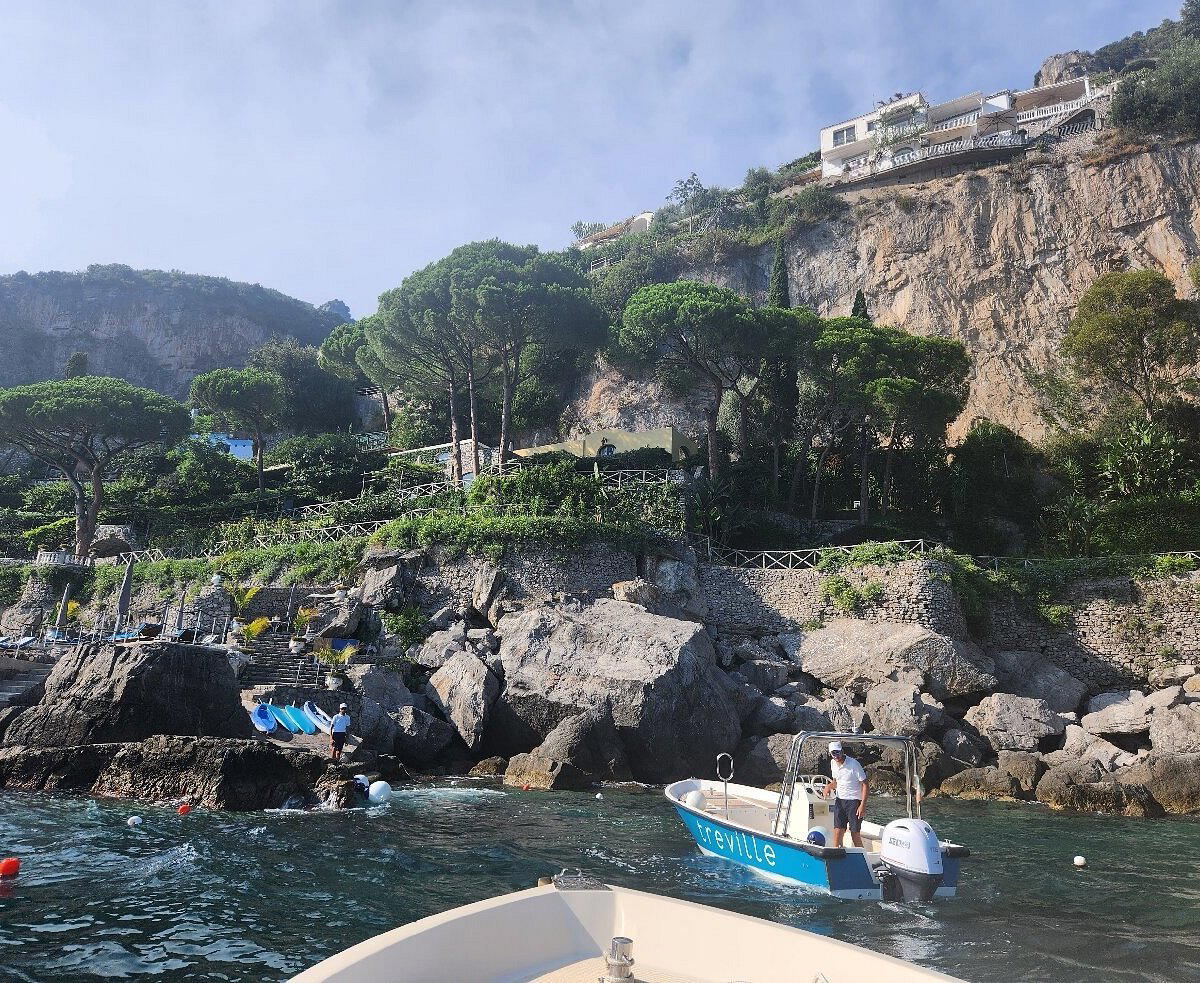
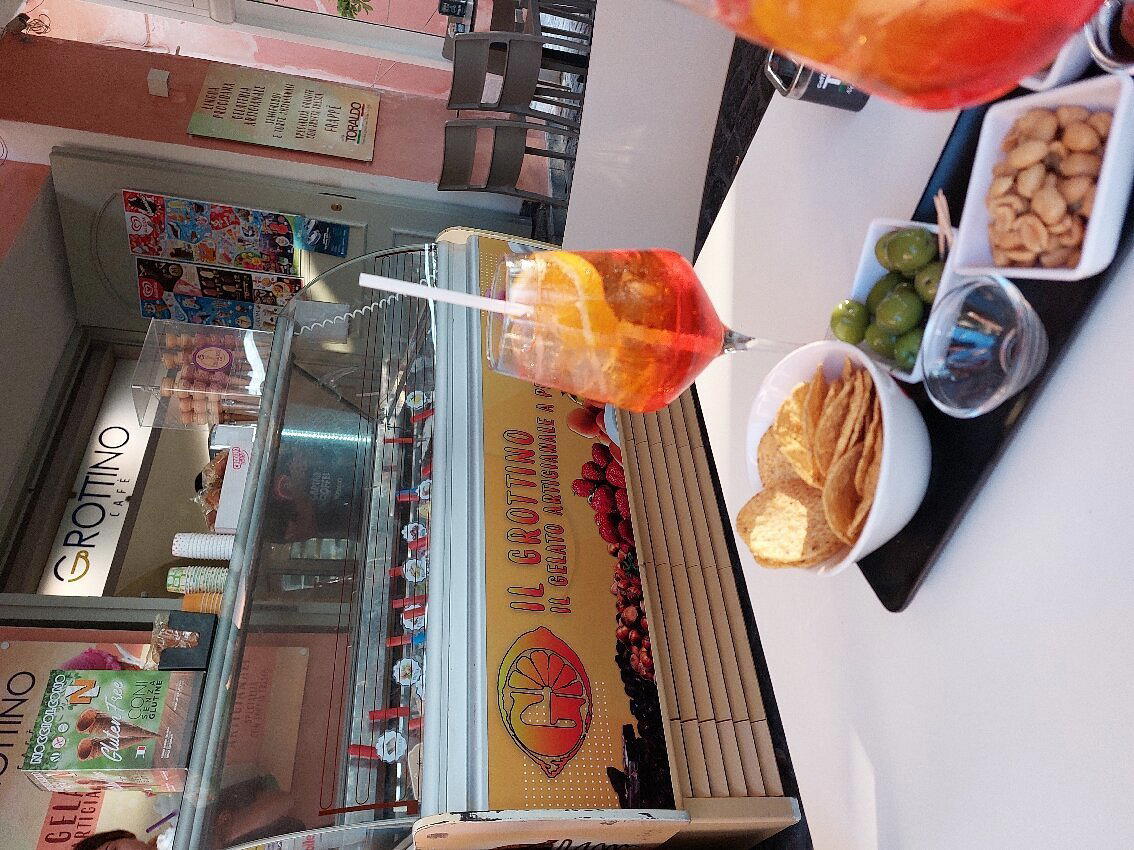
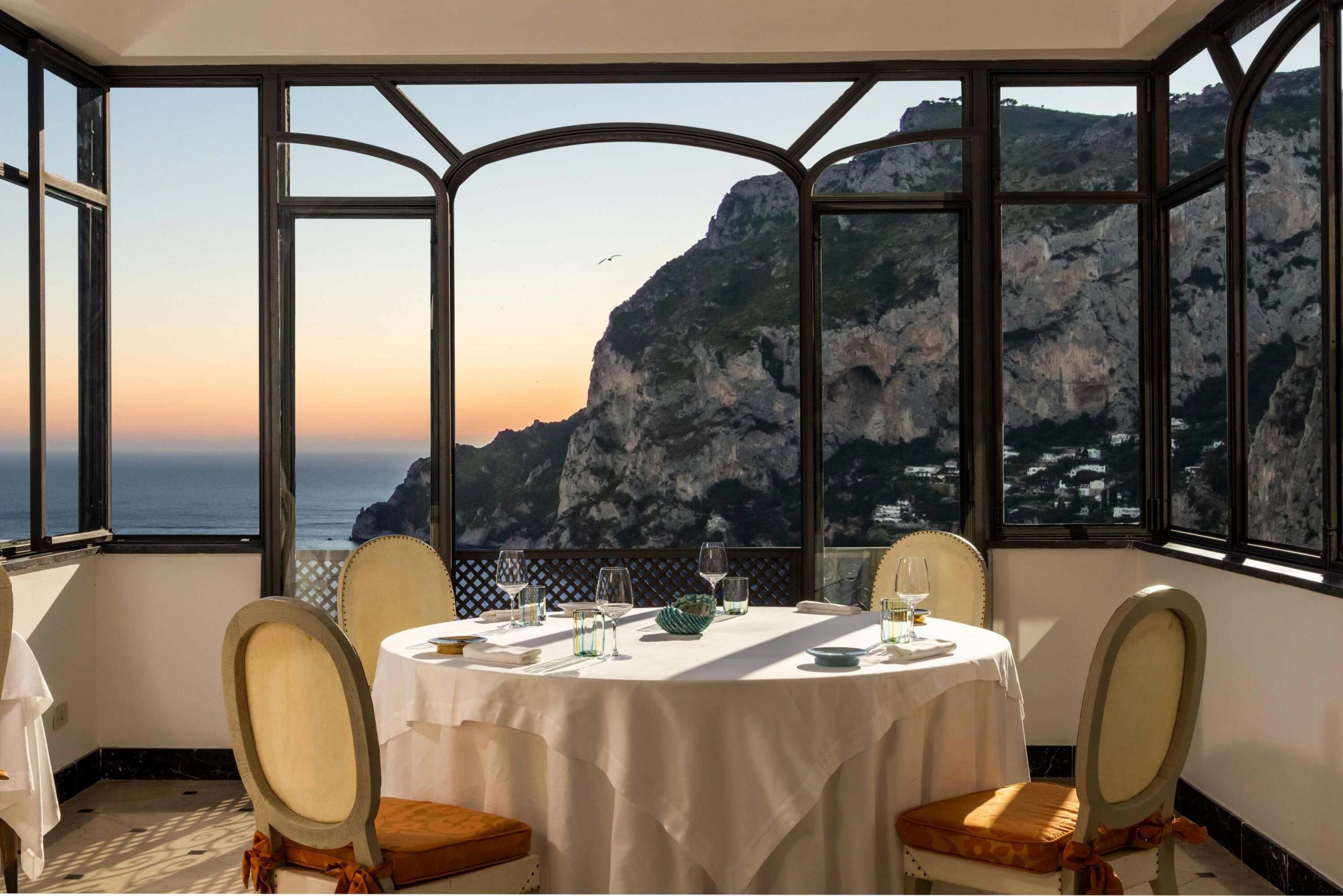
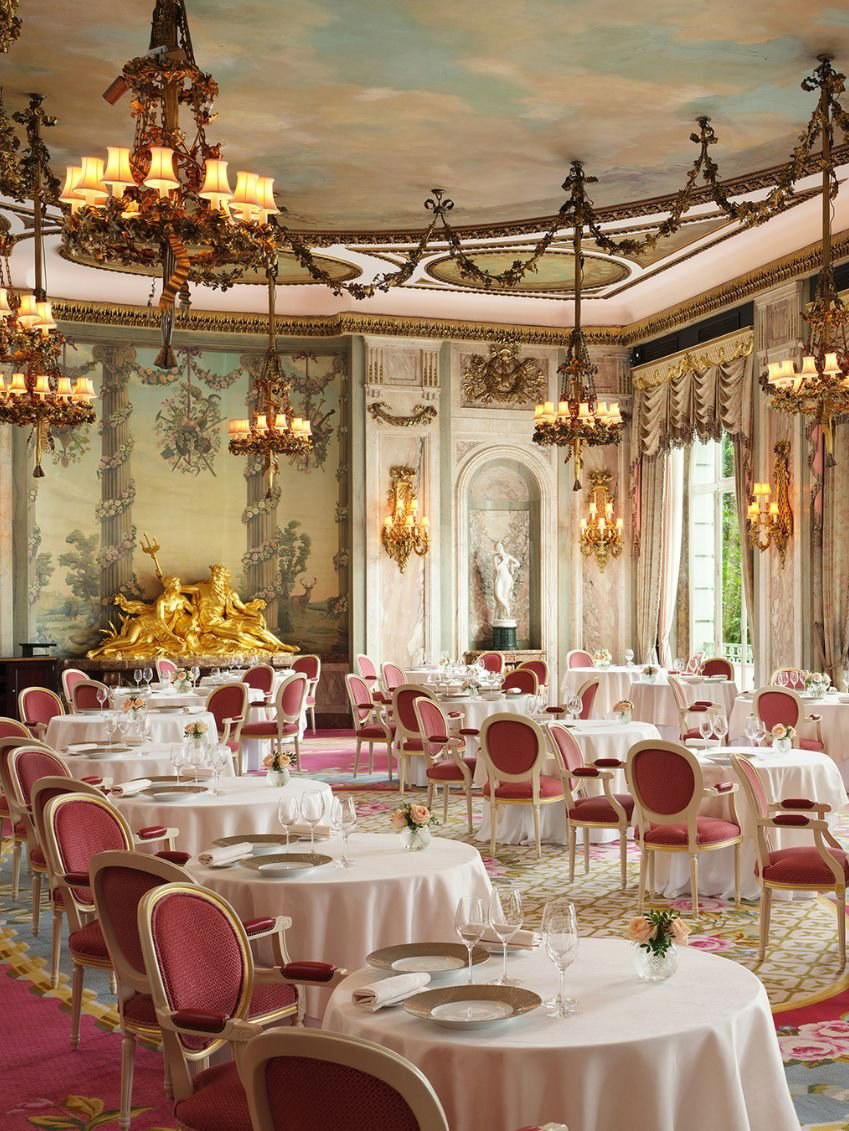
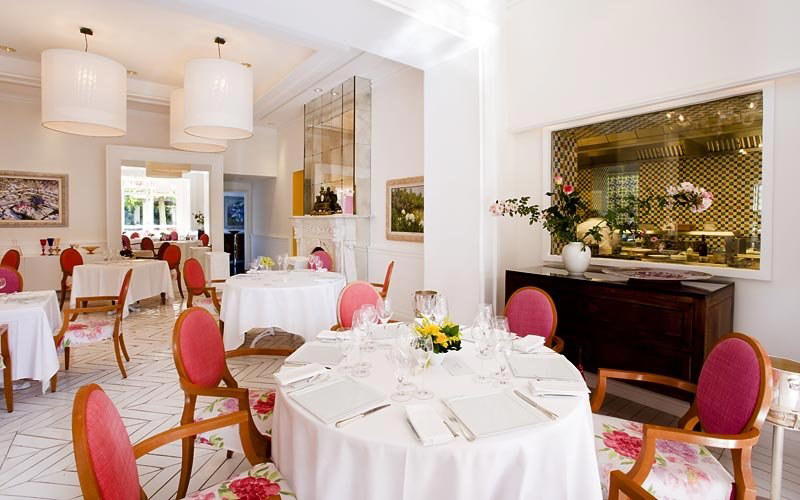
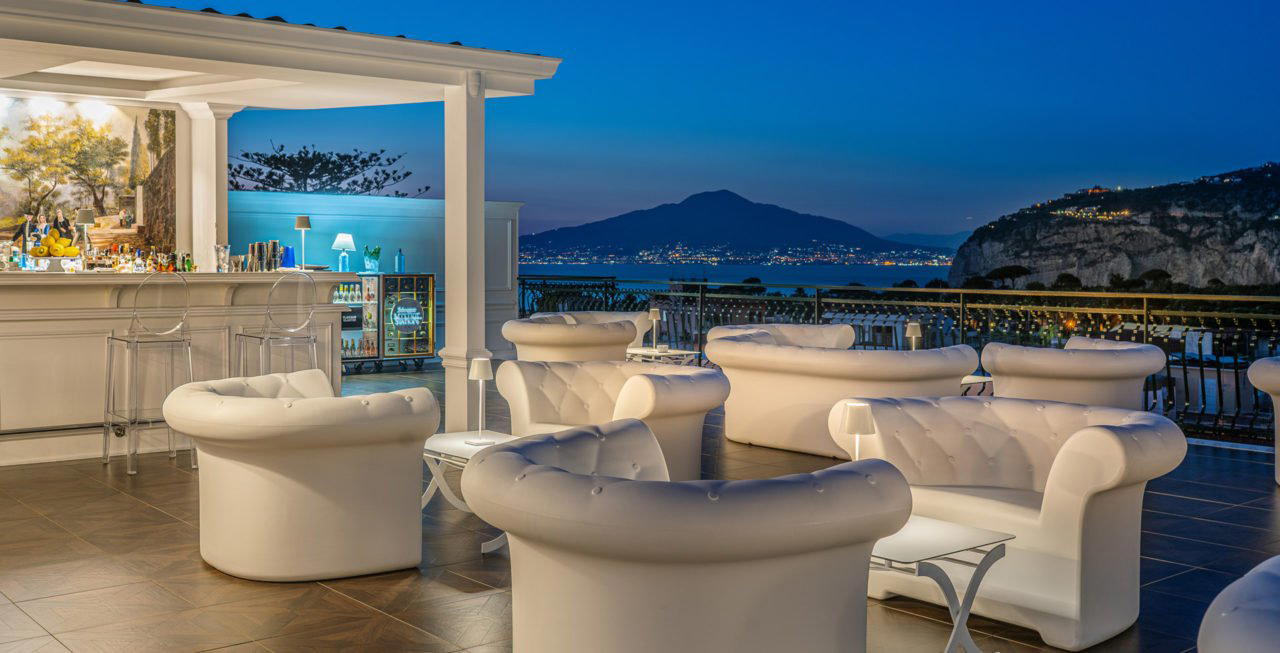
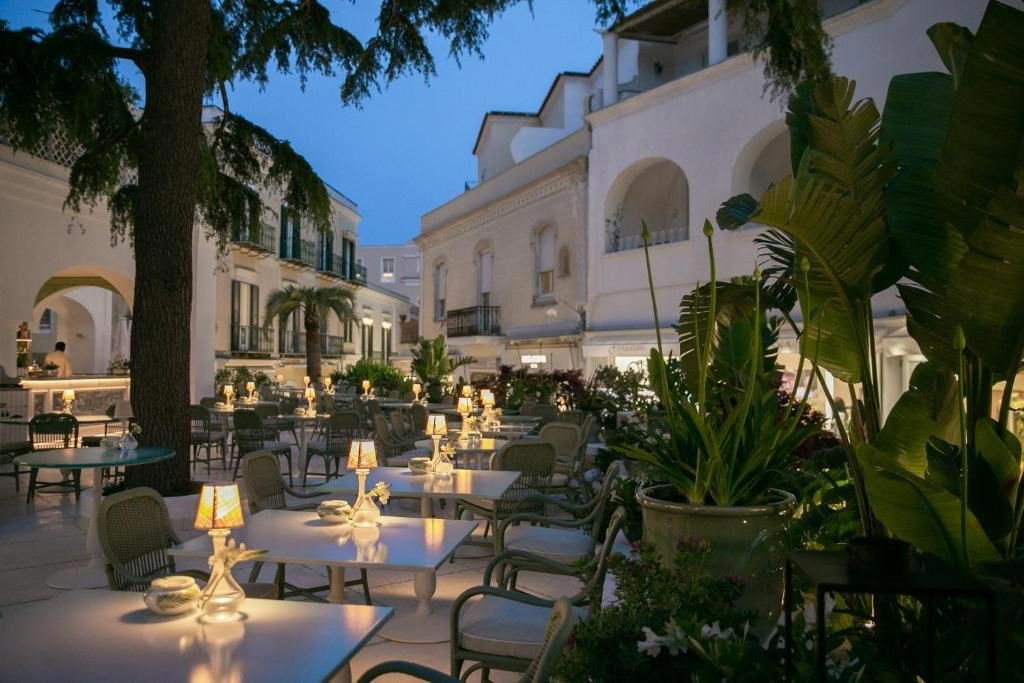
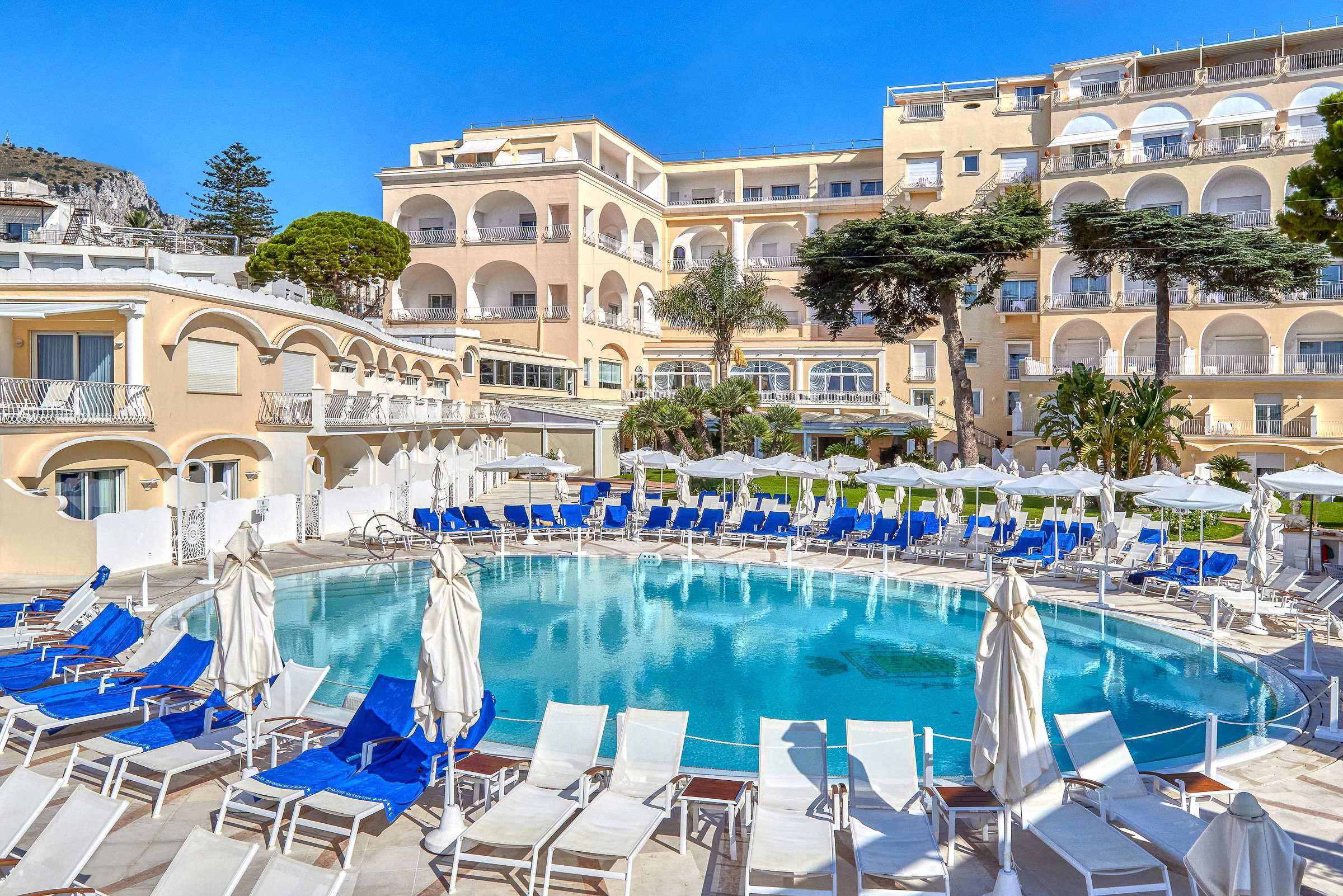
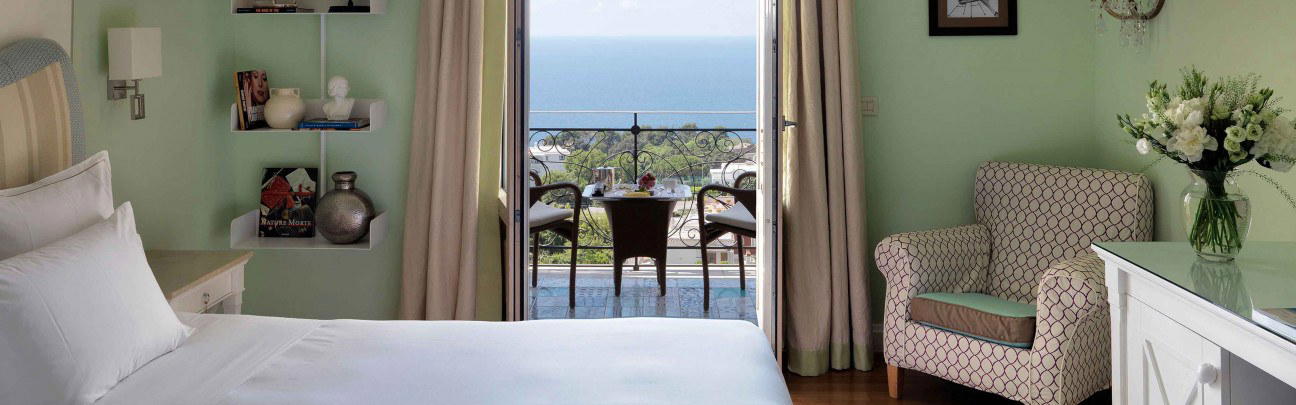
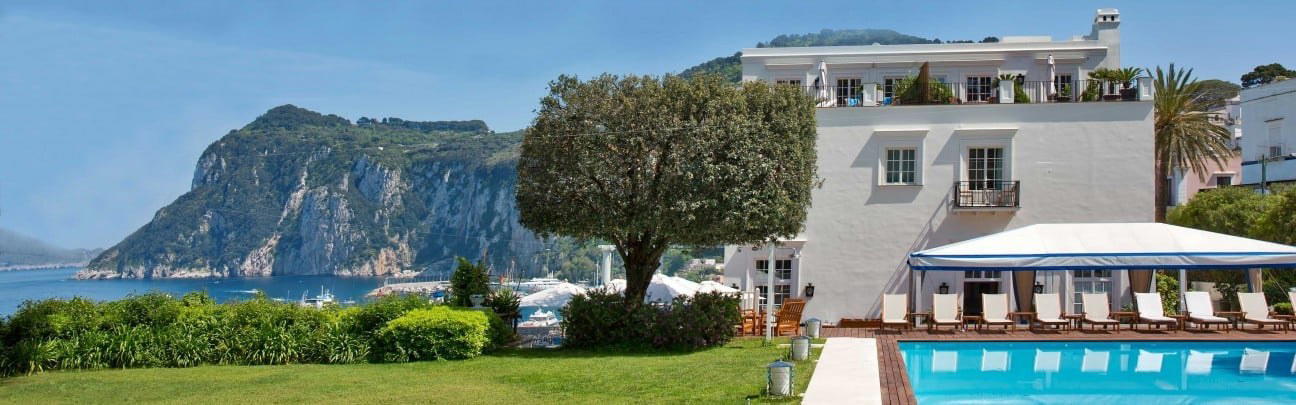
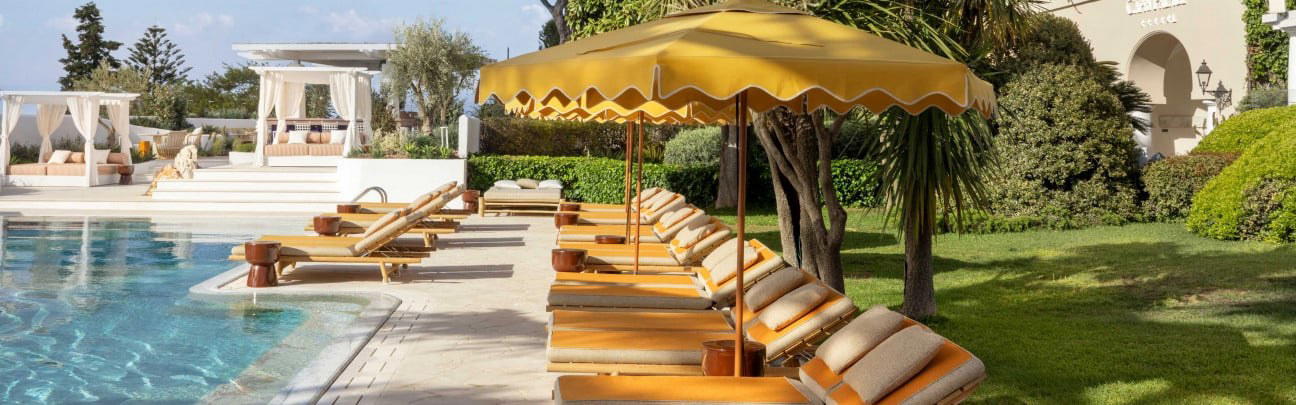
Bright and inviting Mediterranean atmosphere with lively citrus aromas evoking sunny island freshness.