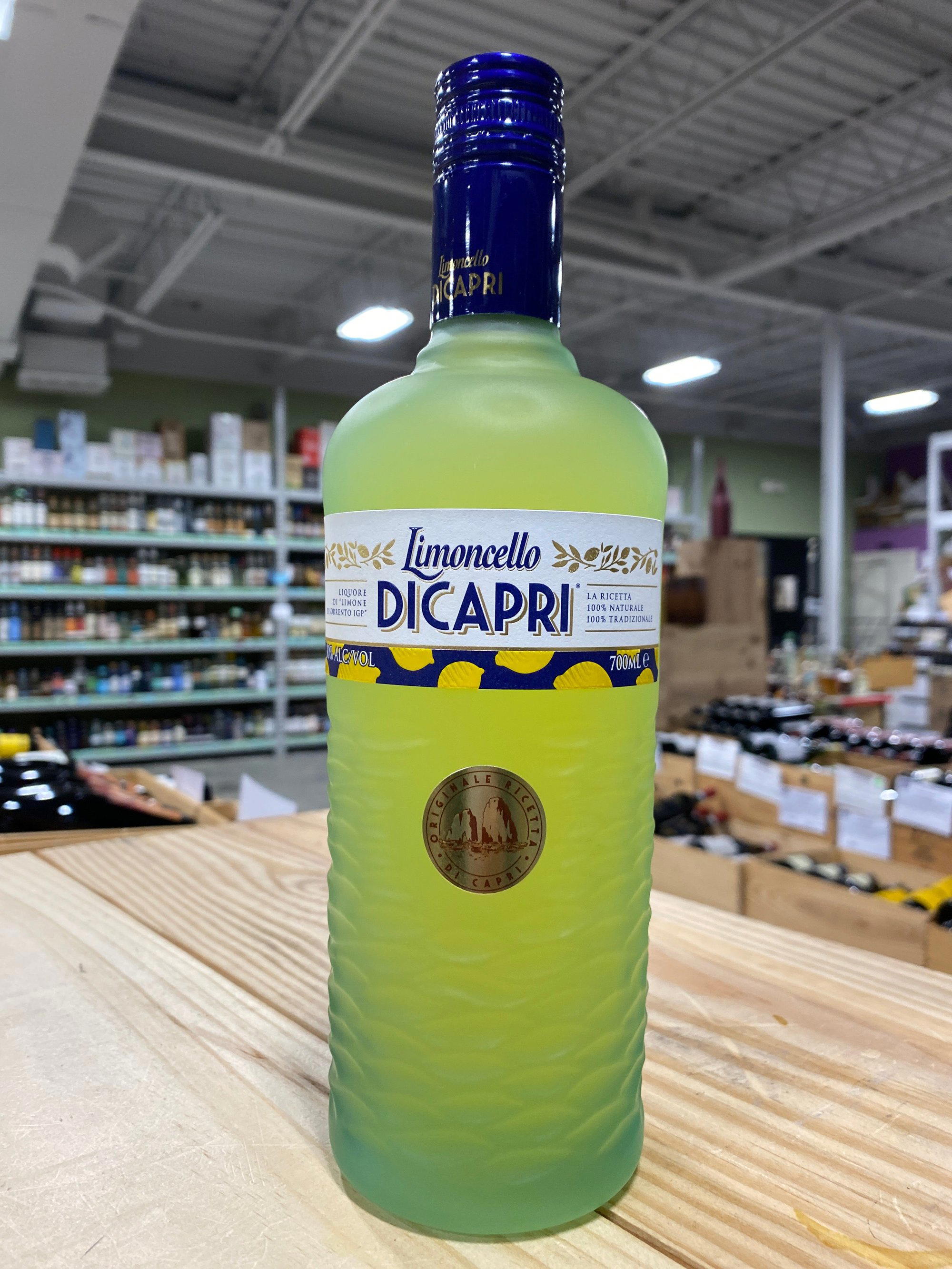
Villa Massa Limoncello sits on the Sorrentine Peninsula in Piano di Sorrento, where the limone di Sorrento IGP has shaped local production for generations.. For anyone tracing the terroir of the Amalfi coast through what gets made rather than what gets grown, this is a considered stop.

Pearl is the En Primeur Club membership app — saves, bookings, and concierge access live there. Same editors, same standards.
- Address
- Strada Provinciale Mortora S. Liborio, 126, 80063 Piano di Sorrento NA
- Phone
- +39 081 533 3282
- Website
- villamassa.com
- Directions
- Get directions
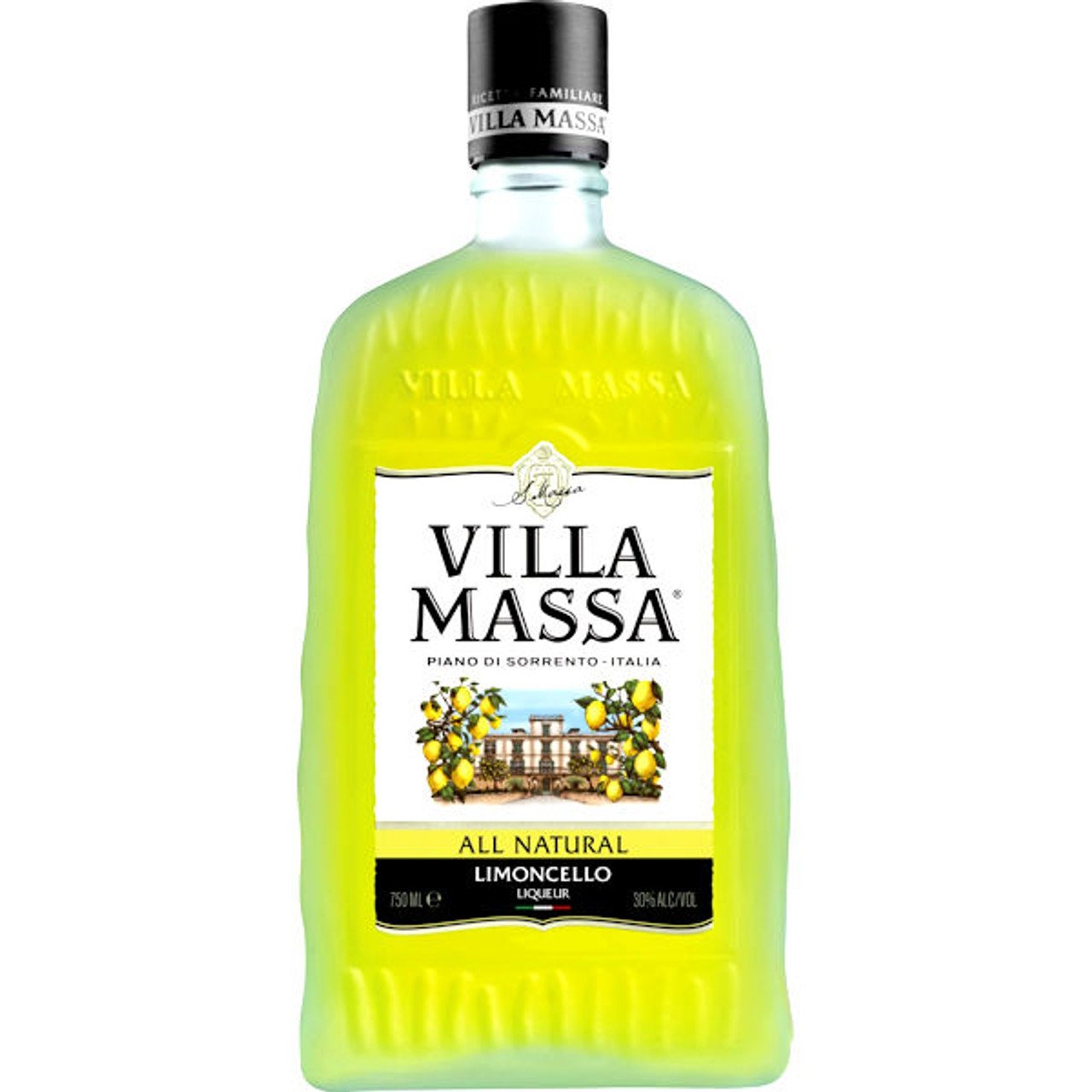
Where the Lemon Grove Meets the Bottle
The Sorrentine Peninsula has one of the more legible terroir stories in southern Italy, and it runs through citrus rather than vine. The volcanic soils of the hills above Piano di Sorrento, the maritime air from the Bay of Naples, and the steep microclimates that slow ripening across the growing season all contribute to the limone di Sorrento IGP — a lemon variety with a thick, aromatic rind and lower acidity than its Amalfi counterpart. The distinction matters because limoncello production, at its serious end, is not a neutral canvas. The character of the lemon skin — the essential oils trapped in the zest, the ratio of wax to moisture, determines what ends up in the glass.
Villa Massa Limoncello operates from an address on the Strada Provinciale Mortora S. Liborio, a road that threads through one of the inland farming belts of Piano di Sorrento, away from the tourist-facing seafront. That positioning is relevant context: the production of serious limoncello on the peninsula has historically been rooted in these quieter agricultural zones, where proximity to the orchards is part of the process rather than part of the scenery.
The 2025 Pearl Prestige Recognition and What It Signals
Italian artisanal spirit production sits in a tiered recognition system that can be difficult to read from the outside. Awards of this type function as comparative anchors: they tell you something about where a producer sits relative to peers, even when individual product scores or tasting notes are not on the table.
Italy's artisanal spirits sector has seen growing international interest over the past decade, which has also sharpened the gap between industrial-scale limoncello, typically using alcohol-soluble lemon extract rather than fresh zest, and producers using the whole fresh peel of locally grown fruit.
For context on how Italian producers at the prestige end of the spirits and wine spectrum approach regional terroir, the approaches seen at Nonino Distillery in Pavia di Udine, Distilleria Marzadro in Nogaredo, and Distilleria Romano Levi in Neive each demonstrate how a tightly defined geographic origin can become the central argument of a spirit producer's identity.
Limoncello as Terroir Expression
It is worth treating limoncello the way the industry has begun to treat amaro and grappa: as a product capable of expressing place, not merely flavour. The limone di Sorrento IGP designation exists precisely because the local growing conditions produce a fruit that differs measurably from lemons grown elsewhere in Italy. The thick rind, the high concentration of essential oils in the zest, and the aromatic intensity that develops under the peninsula's specific combination of altitude, humidity, and soil type are not incidental to the finished liqueur. They are the finished liqueur.
This is the argument that prestige producers on the peninsula increasingly make, and it is the same argument that drives quality differentiation in wine regions from Barolo to Montalcino. Producers such as Aldo Conterno in Monforte d'Alba and Biondi-Santi Tenuta Greppo built their reputations on the premise that a specific plot of land, farmed in a specific way, produces something that cannot be replicated by technique alone. The same logic applies in Sorrento, even if the regulatory framework and critical vocabulary around limoncello remain less developed than those around Barolo or Brunello.
For those tracing how Italian producers across different categories approach the question of geographic origin, the contrast with wine-focused operations such as Lungarotti in Torgiano, Planeta in Menfi, and Castello di Volpaia in Radda in Chianti is instructive. Each of those producers has built a case for why their specific geography produces something that warrants serious attention.
The Broader Italian Prestige Spirits Context
Italy's premium spirits production is geographically dispersed in a way that maps onto the country's agricultural diversity. Grappa producers in the northeast, amaro producers across the Alpine foothills and further south, and limoncello producers along the Campanian coast each operate within microeconomies that reward specificity and penalise industrial shortcuts. The recognition systems that have developed around this sector, including the Pearl Prestige framework, serve a similar function to Michelin for restaurants or the major wine guides for Italian viticulture: they create reference points for buyers and visitors who cannot easily benchmark quality themselves.
Campari in Milan represents the large-scale end of this sector, where global distribution and brand recognition operate at a different register entirely from artisanal peninsula producers. Ca' del Bosco in Erbusco and Poli Distillerie in Schiavon sit in a middle tier where production scale and prestige recognition coexist. Villa Massa, anchored to a specific address in the Piano di Sorrento agricultural belt and recognised at the 2 Star Prestige level, occupies a more concentrated position within this broader map.
Planning a Visit
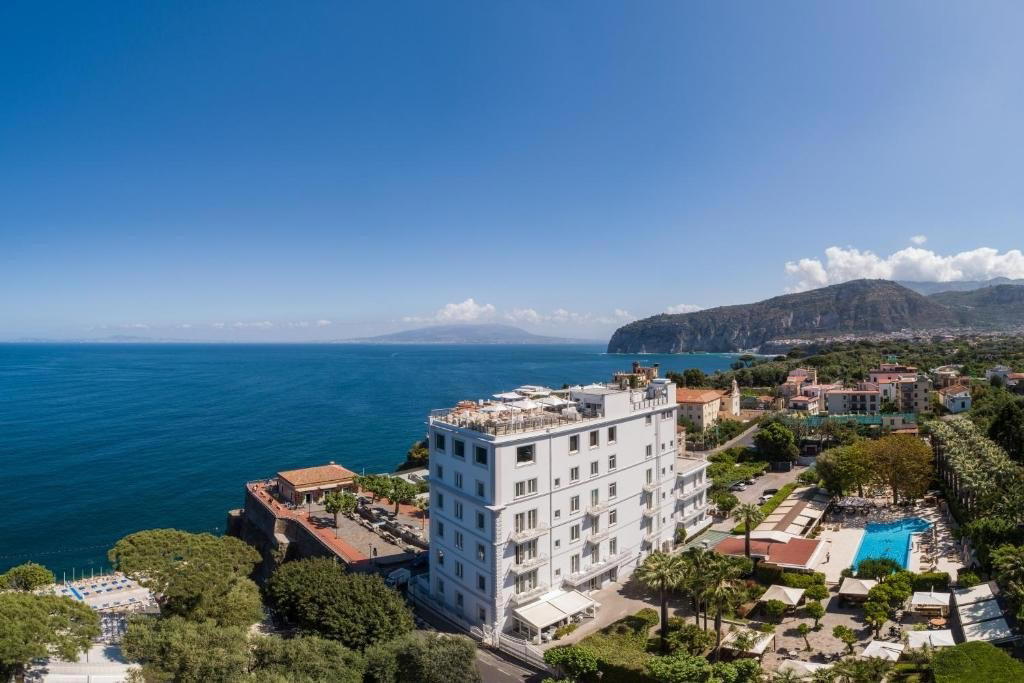
Villa Massa Limoncello is located at Strada Provinciale Mortora S. Liborio, 126, in Piano di Sorrento, a short drive from the centre of Sorrento itself. Piano di Sorrento sits between the coastal towns of the peninsula, accessible by car or the Circumvesuviana rail line from Naples. The peninsula is busiest between May and September, with spring visits offering quieter access to the inland agricultural roads and the orchards that feed the production. Those building a wider itinerary around Italian spirits and wine production should consult our full Sorrento restaurants guide for the broader eating and drinking context of the region.
For comparison purposes, operations such as Poggio Antico in Monte San Vito and L'Enoteca Banfi in Montalcino demonstrate how prestige Italian producers often structure visitor experiences around the production environment itself, a model that aligns with what the Sorrentine Peninsula's better limoncello producers have begun to develop as agritourism interest in the region grows.
Quick Comparison
Comparable venues nearby, for context on price, style, and recognition.
| Venue | Cuisine | Awards | Notes |
|---|---|---|---|
| Villa Massa LimoncelloThis venue — the venue you are viewing | Sorrento lemon | Not listed | Not listed |
| Liquoreria Sarandrea | Winery | Not listed | Collepardo |
| Amaro Santa Maria al Monte | Winery | Not listed | Chiavari |
| Antica Distilleria Petrone | Campania | Not listed | Mondragone |
| Cantina Produttori Nebbiolo di Carema | Nebbiolo | Falstaff Winery - Listed | Carema |
| Strega Alberti | Aglianico, Falanghina | Not listed | Benevento |
Continue exploring
More in Sorrento
Wineries in Sorrento
Browse all →
Bars in Sorrento
Browse all →
Restaurants in Sorrento
Browse all →
Details
- Classic
- Rustic
- Scenic
- Celebration
- Special Occasion
- Estate Grounds
- Garden
- Organic
- Garden
- Sorrento Lemon
- Dessert
- Tasting
- English
- Italian
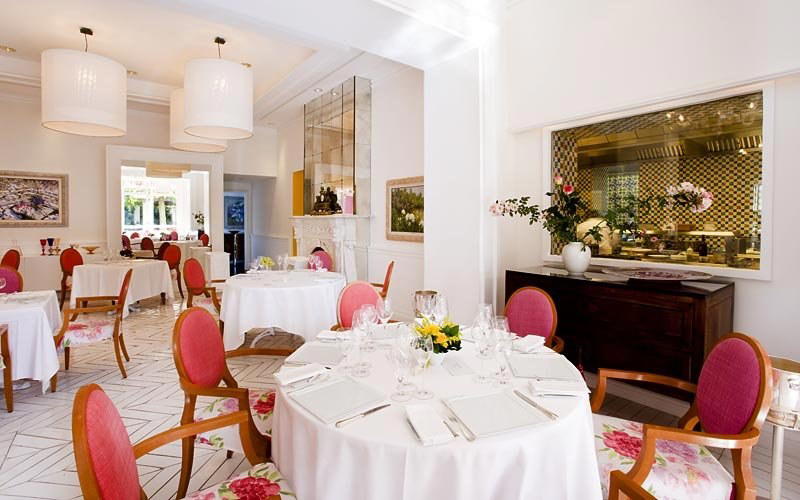
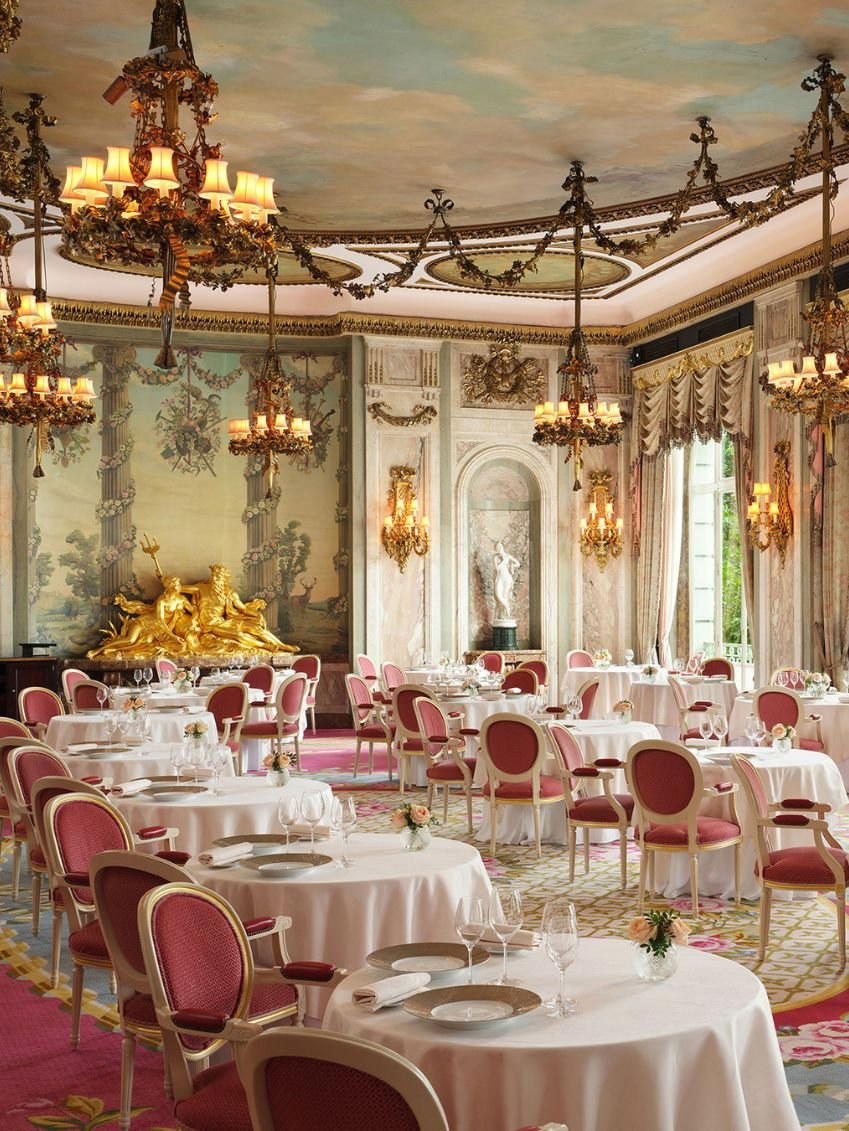
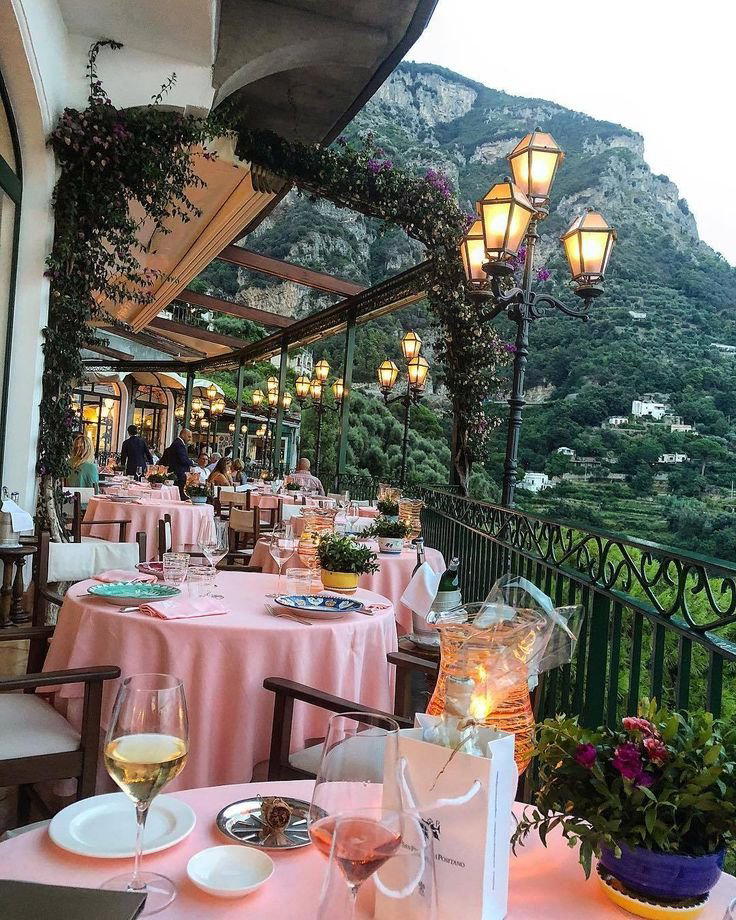
Bright and inviting with a fresh, zesty citrus atmosphere evoking Sorrento's sun-kissed groves.