

A family-owned clifftop hotel in Amalfi since the 1950s, Hotel Miramalfi occupies a sea-edge position with direct views of the Tyrrhenian Sea, Amalfi's cathedral, and the working port below. Thirty-six rooms in mid-century maritime style open onto private balconies. The saltwater pool, tiered terraces, and an elegant bar make it one of the coast's more composed independent addresses.
Pearl is the En Primeur Club membership app — saves, bookings, and concierge access live there. Same editors, same standards.
- Address
- Via Salvatore Quasimodo, 3, 84011 Amalfi SA
- Phone
- +39 089 871588
- Website
- miramalfi.com
- Directions
- Get directions
 Saves & bookings on Pearl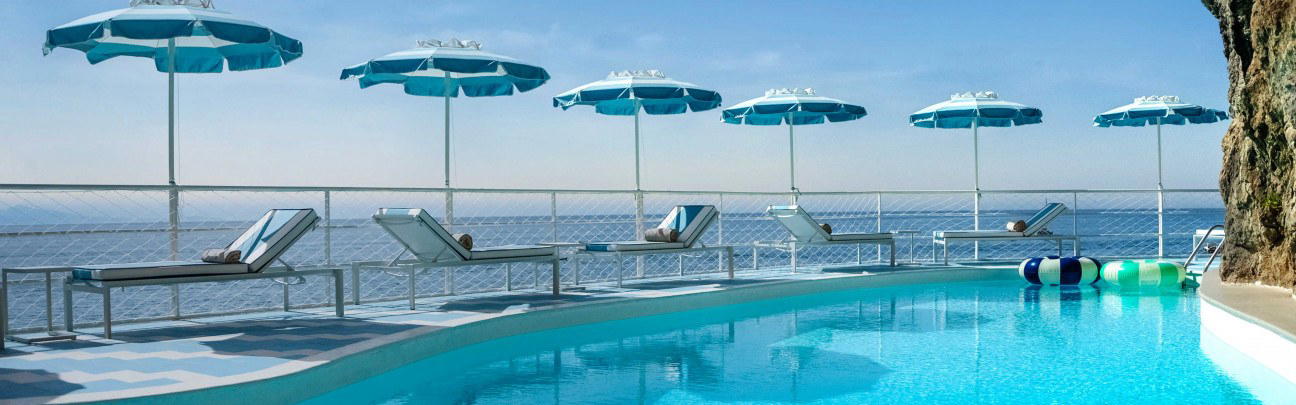
Clifftop Position, Mediterranean Scale
The Amalfi Coast divides its lodging between two distinct logics: the grand hotel tradition, where converted convents and historic palazzi command the high ground above villages like Ravello and Praiano, and the smaller independent properties that staked out cliff edges and harbor adjacency before the coast became a premium tourism circuit. Hotel Miramalfi belongs to the second category. When Francesco Mansi selected this clifftop site in the 1950s, he prioritized the view over town-center convenience, a decision that shaped everything about how the hotel works today. The port of Amalfi sits in the frame below. The cathedral's facade rises toward the treeline. Boats move in and out of the harbor at a pace that suggests the coast hasn't entirely surrendered to the leisure economy.
That decision to go uphill rather than beachside remains the hotel's clearest editorial argument. Properties like Borgo Santandrea and Il San Pietro di Positano pursue a similar perch-and-panorama approach along this coastline, each trading ground-level beach access for refined sightlines. Miramalfi's 36-room scale keeps it in the independent tier, removed from the programming weight of larger international addresses. Where properties such as Anantara Convento di Amalfi Grand Hotel and Four Seasons Hotel Firenze carry the infrastructure of global hospitality brands, Miramalfi operates on a more contained, family-managed register.
Rooms and Interiors: Mid-Century Maritime
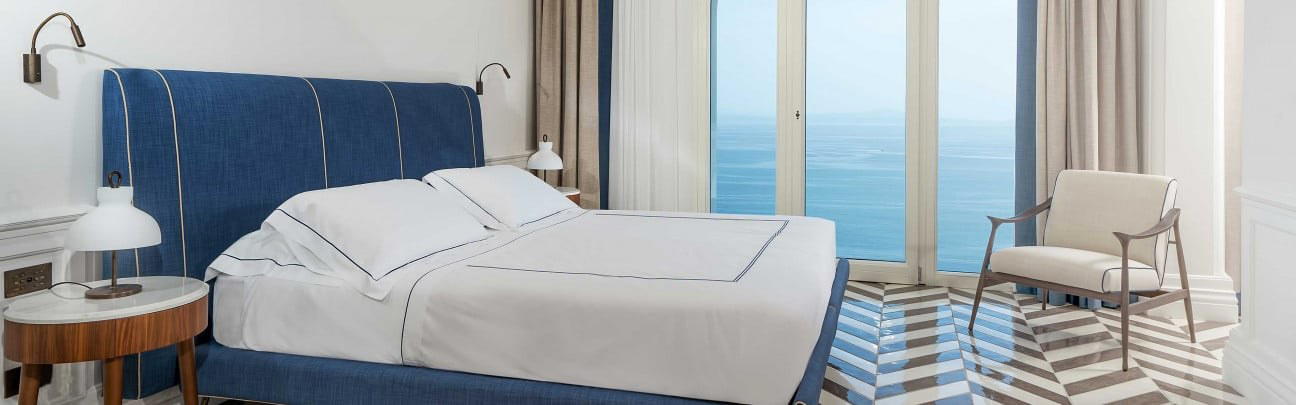
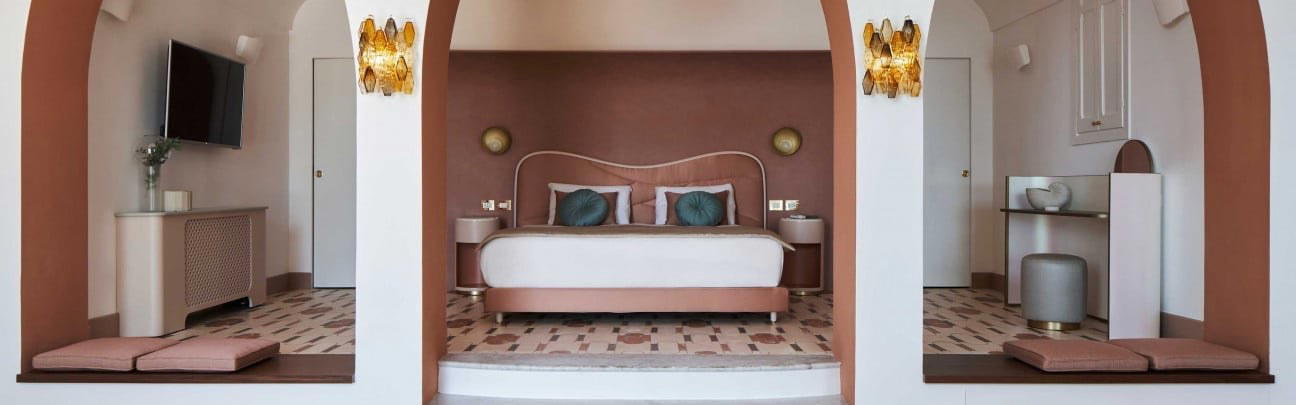
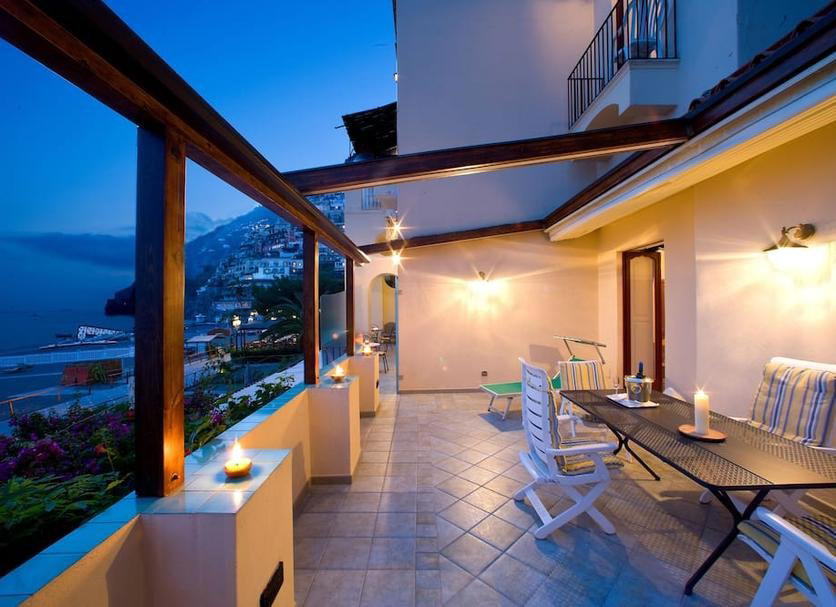
The Amalfi Coast has always attracted a certain kind of design romanticism, but Miramalfi's interiors resist the tendency toward maximalist Neapolitan baroque that characterizes some of its neighbors. The mid-century modern scheme here reads as a commitment to a specific period rather than a stylistic conceit. Checkered tile floors, a palette of white, royal blue, pale pink, emerald green, and turquoise, and French doors opening onto private balconies are consistent across the 36 rooms. These are not large rooms by contemporary luxury standards, but they are composed: airy, light-filled, with the balcony functioning as a genuine extension of the room rather than a token gesture. A pair of striped chairs and a small table on each balcony positions the sea view as the room's primary amenity.
Suites expand on the standard formula with separate seating areas and larger bathrooms with walk-in showers. For guests who will spend significant time in the room, the suite configuration justifies the upgrade. For those using the room primarily as a base for the terrace and pool, the standard rooms offer the same fundamental view experience at a more contained footprint.
The property has been renovated and refreshed multiple times since the 1950s, but the mid-century design language has been preserved through those updates. This consistency across decades distinguishes Miramalfi from renovated historic properties where successive design interventions have blurred the original character. At comparable Italian addresses like Passalacqua on Lake Como or Castello di Reschio in Umbria, the design argument rests on a different kind of historical continuity. Miramalfi's argument is specifically 20th-century Italian coastal modernism, which holds a distinct position in the region's hospitality vocabulary.
Terraces, Pool, and the Outdoor Programme
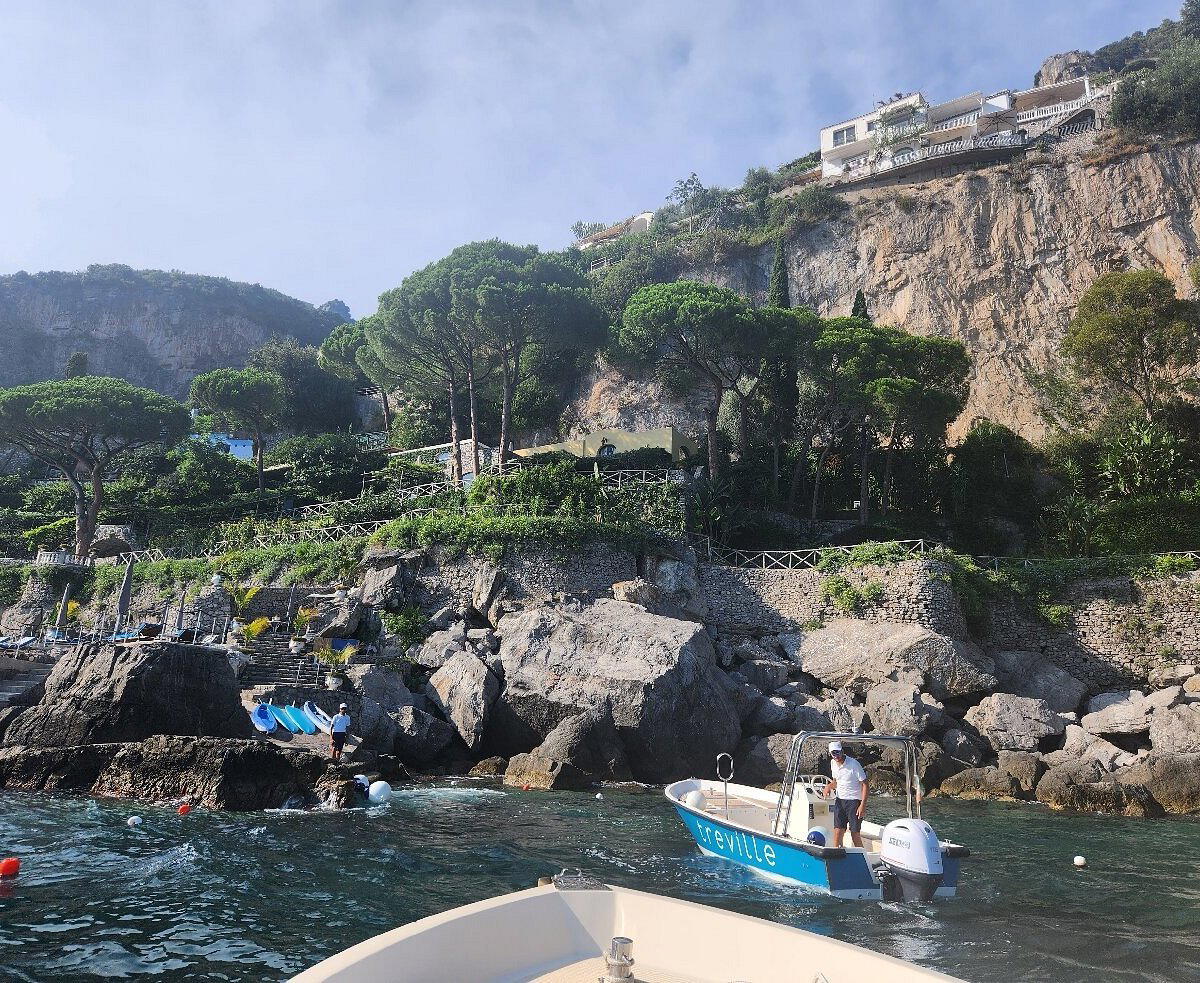
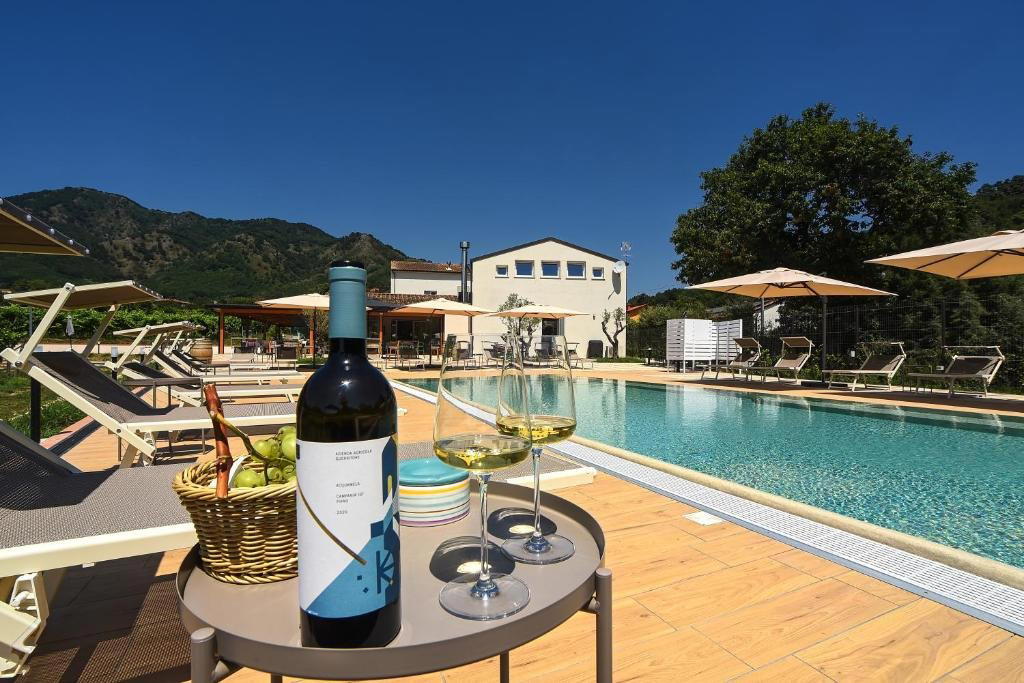
The hotel's outdoor sequence is the primary draw and deserves specific attention. A flower-lined staircase descends from the main building toward the sea, passing the saltwater pool and a series of terraces furnished with umbrellas and chaise longues. Waiters attend this area from the pool bar, which means the experience of sitting at pool level doesn't require guests to manage logistics independently. This kind of service continuity across outdoor spaces is more common at larger resort properties; at a 36-room independent, it reflects a deliberate operational choice.
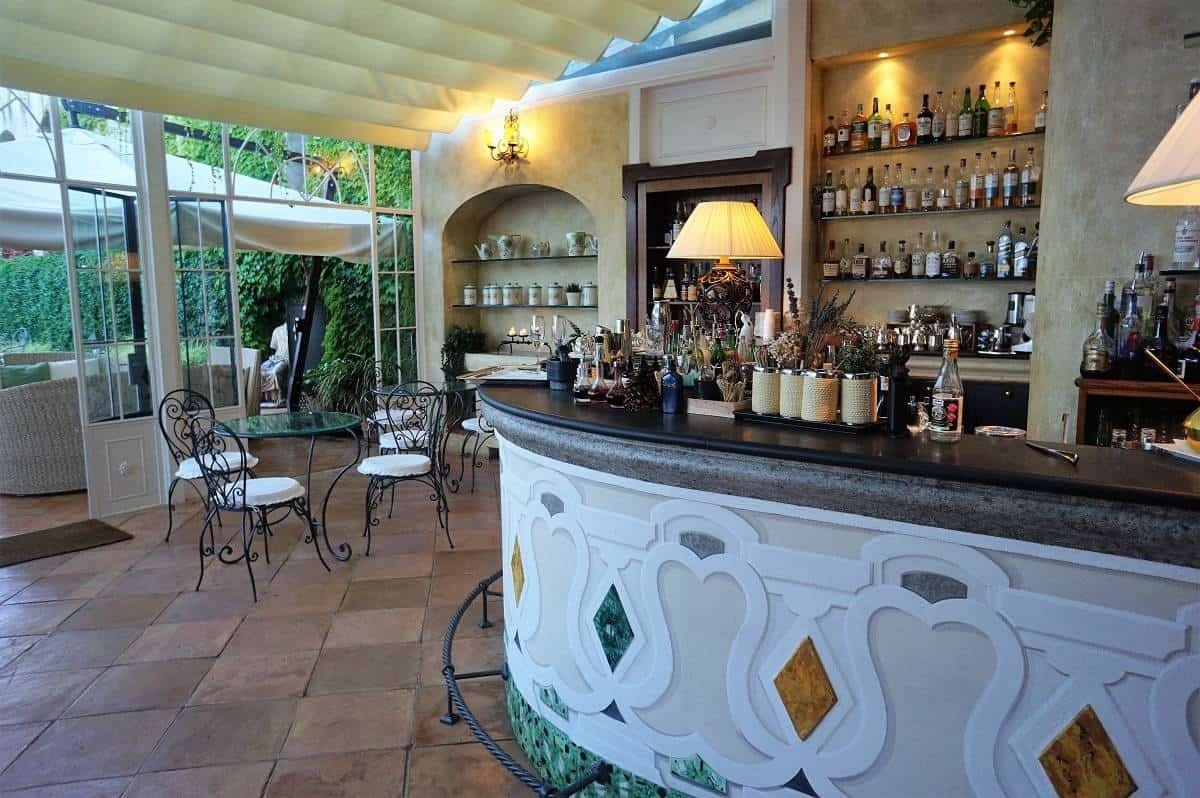
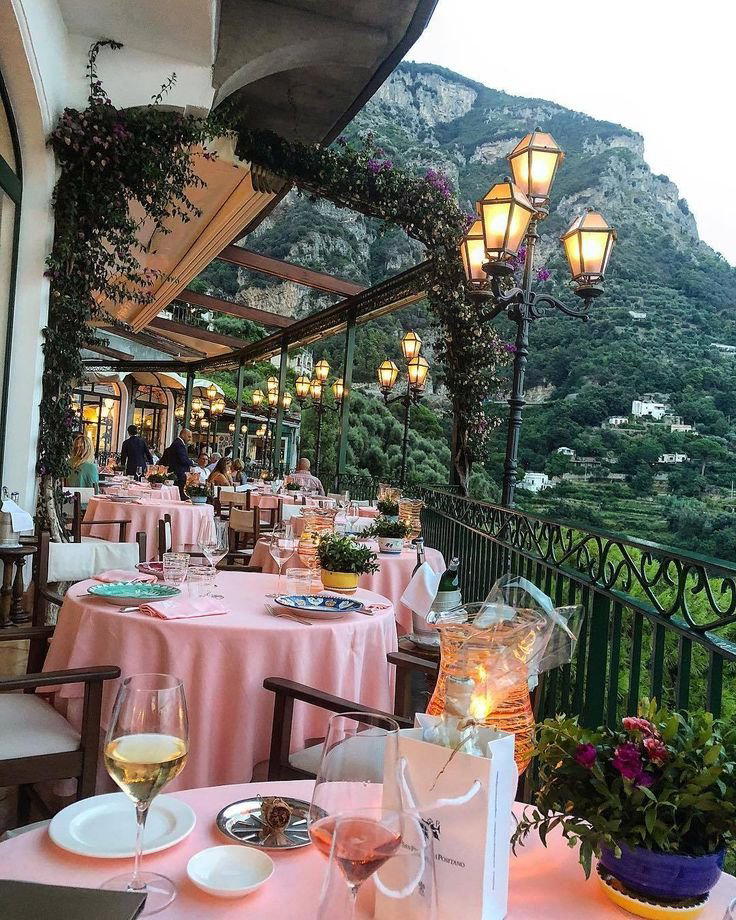
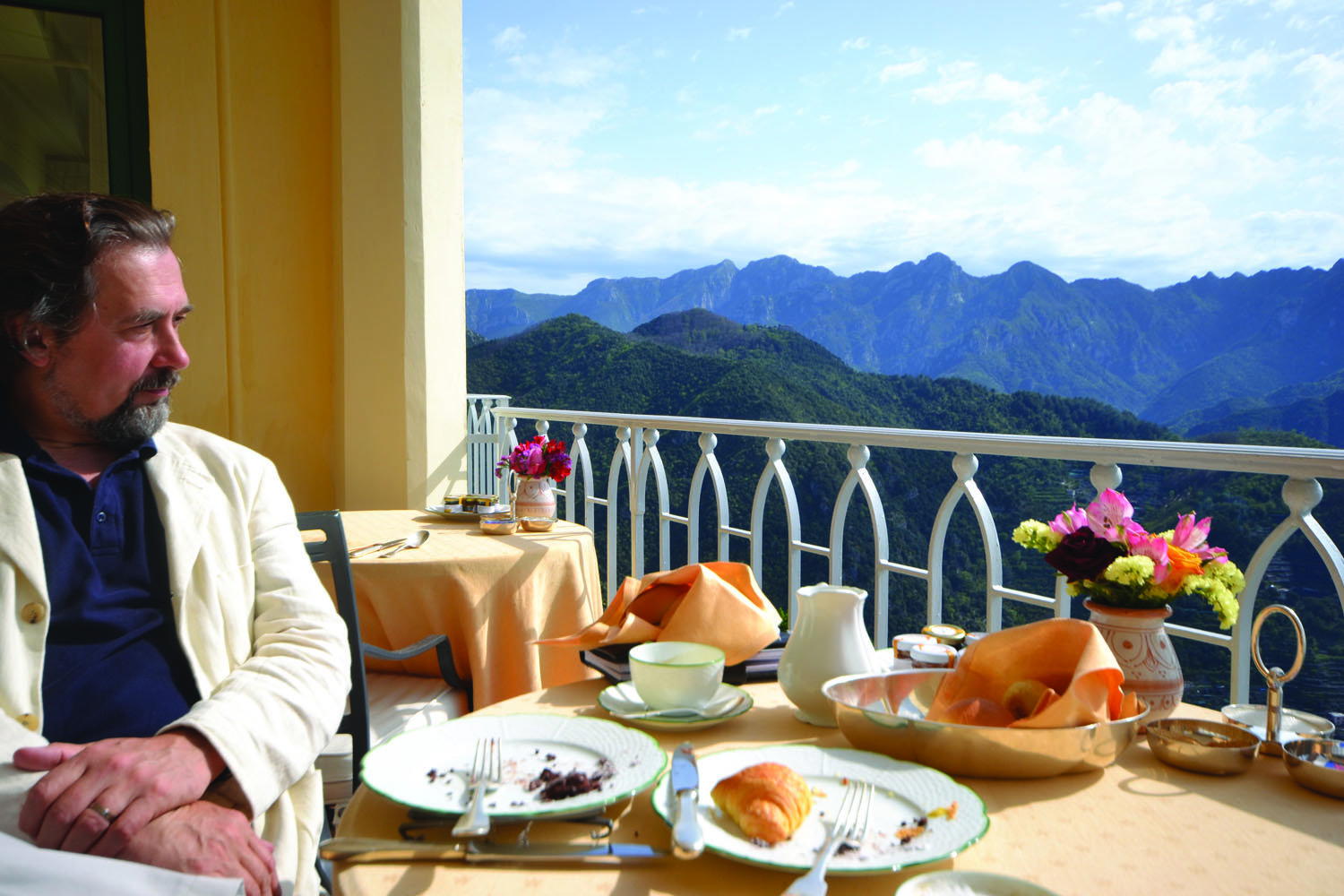
Terrace bar occupies the upper register of this outdoor hierarchy and offers the broadest sightlines across the bay. For aperitivo timing, the elevation works in the hotel's favor: the light on the water and across the cathedral facade changes significantly in the hour before sunset, and the terrace bar captures that shift without obstruction. The Amalfi Coast's compressed geography means that many hotels compete for the same views; the difference lies in how the outdoor infrastructure frames and accesses them. Miramalfi's tiered terrace system, from the pool deck to the bar terrace, gives guests multiple vantage points at different times of day.
The Food and Drink Programme
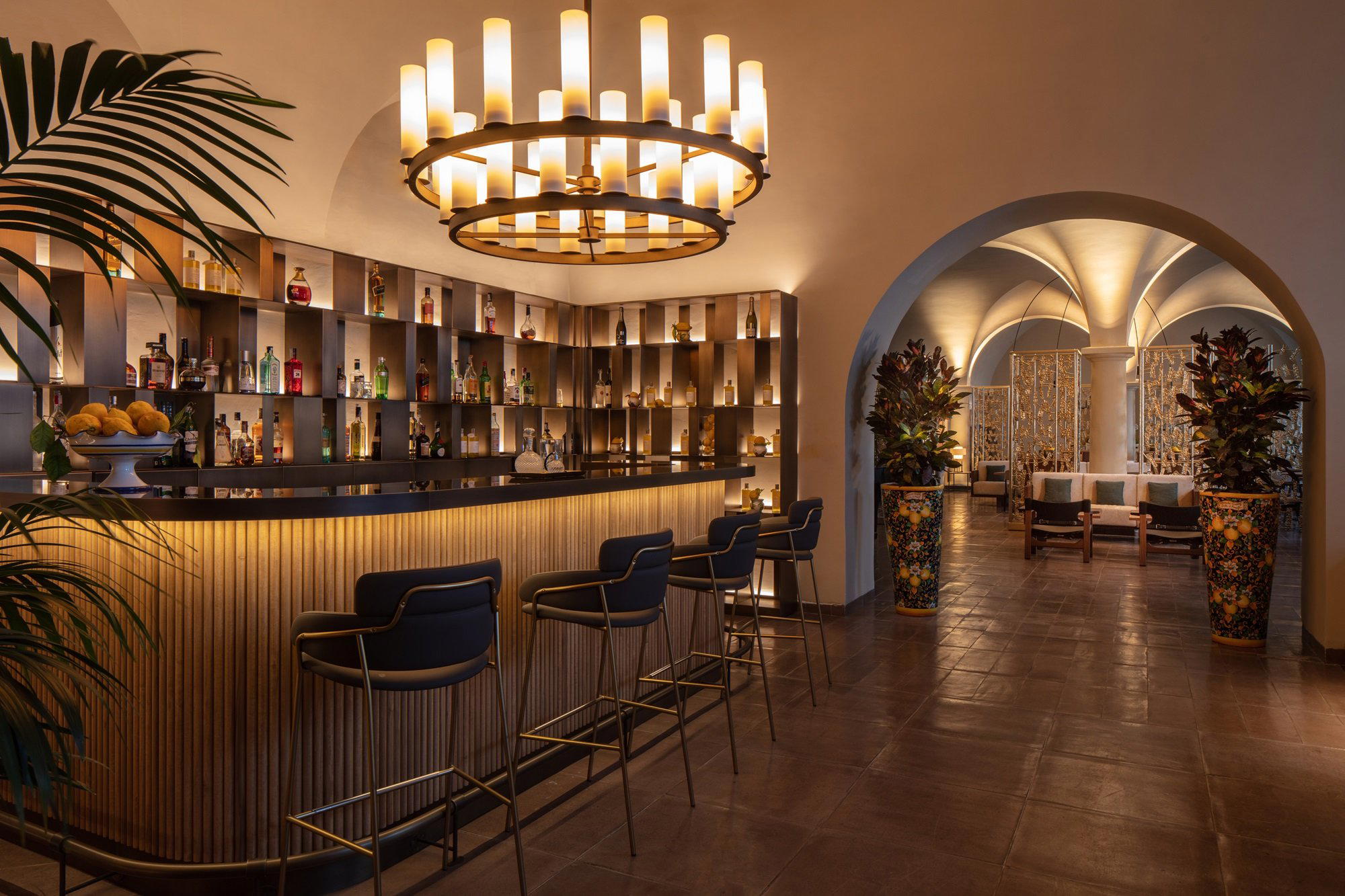
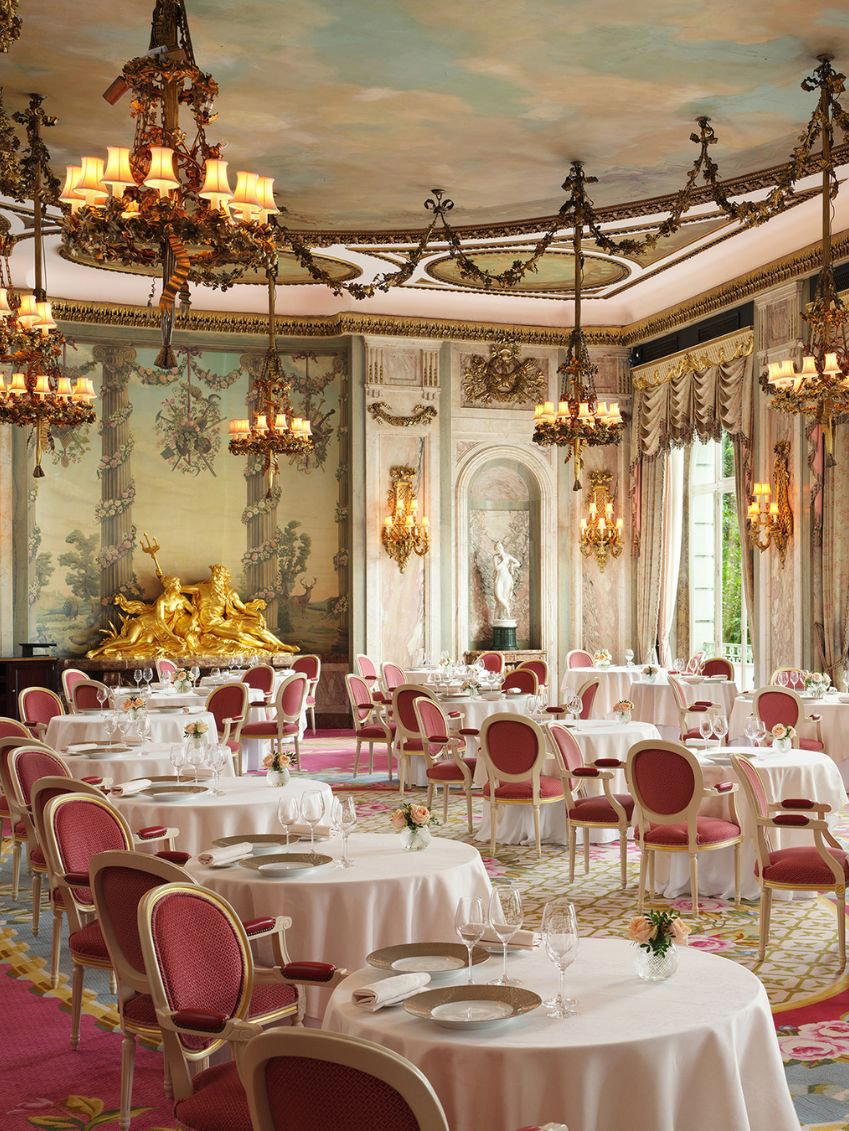
Editorial angle for coastal Campania dining has shifted in recent years. The region's culinary identity, grounded in local seafood, preserved lemon, and wood-fired technique, has become the reference point against which both casual trattorie and more formal hotel restaurants are measured. At Miramalfi, the restaurant and terrace bar anchor the hotel's food and drink offer, with the terrace positioning functioning as both a practical service point and an atmospheric asset. The pool bar keeps guests supplied at lower levels of the property, while the restaurant proper captures the sea views that define the hotel's architectural logic.
Amalfi area's dining scene extends well beyond hotel restaurants, and guests staying at Miramalfi are within reach of the town's broader offer.
For comparison, the dining programming at Bellevue Syrene 1820 in nearby Sorrento and JK Place Capri illustrates how independent Italian coastal properties have approached restaurant identity in a format closer to Miramalfi's scale. Neither relies on celebrity chef positioning; both use the view and the local ingredient tradition as the primary dining argument. Miramalfi occupies a similar position on the Amalfi Coast itself.
Context and Comparisons
The Italian coastal hotel category spans an unusually wide range, from family-run cliffside addresses like this one to heavily capitalized international conversions. Properties such as Bulgari Hotel Roma, Aman Venice, and Portrait Milano operate at a different tier of investment and positioning. Closer to Miramalfi's independent register, properties like Il Pellicano in Porto Ercole and Casa Maria Luigia in Modena have built reputations on consistent quality and proprietorial continuity rather than brand infrastructure. Miramalfi's seven-decade family ownership places it in that lineage.
For travelers building a broader Italian itinerary, the contrast between Miramalfi's coastal compression and the rural scale of Borgo Egnazia in Puglia or the alpine remove of Forestis Dolomites is worth considering. Each positions the guest in relation to landscape differently. Miramalfi's version is urban adjacency at sea level, Amalfi town close enough to walk to but visually contained by the clifftop position.
Planning Your Stay
Hotel Miramalfi sits at Via Salvatore Quasimodo, 3, in Amalfi, with 39 rooms across the property.
Guests comparing this property with Rosewood Castiglion Del Bosco, Borgo San Felice Resort, or Castelfalfi in Tuscany are weighing a fundamentally different kind of Italian property experience: inland wine-country scale versus coastal-town proximity. Miramalfi's logic is the view, the sea, and the town below, and the hotel is calibrated entirely around delivering that rather than substituting for it.
A Pricing-First Comparison
Comparable venues nearby, for context on price, style, and recognition.
| Venue | Price | Awards | Notes |
|---|---|---|---|
| Hotel MiramalfiThis venue — the venue you are viewing | $$$$ | Michelin 1 Key | Not listed |
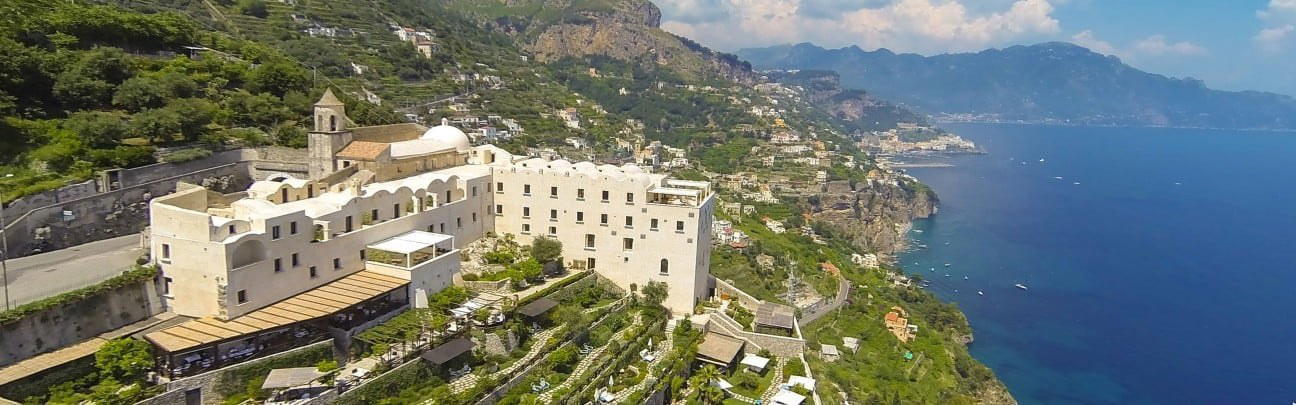
| Anantara Convento di Amalfi Grand Hotel | $$$$ | 5-Star | Amalfi, Converted 13th-century monastery with modern luxury renovations |
| Palazzo Pascal | $$$$ | Michelin 1 Key | Minuta, Luxurious noble residence blending historic architecture with contemporary comfort, positioned as an exclusive Amalfi Coast retreat. |
| Capo La Gala Hotel & Wellness | $$$$ | Michelin 1 Key | Vico Equense, Refined boutique luxury built into rocky shoreline with nautical Italian flair. |
| Relais Blu | $$$$ | Michelin 1 Key | Marciano-Termini, Mediterranean boutique villa with intimate luxury |
| Critabianca | $$$ | Michelin 1 Key | Cutrofiano, Historic country house masseria with authentic restoration blending ancient and modern charm. |
Recognition history
Dated appearances from independent guides and award organizations, with the underlying list record or original source where available.
Mr & Mrs Smith Smith Seal of Approval
Mr & Mrs Smith
Michelin 1 Key
Michelin
Small Luxury Hotels of the World Member
Small Luxury Hotels of the World
Continue exploring
More in Amalfi
Hotels in Amalfi
Browse all →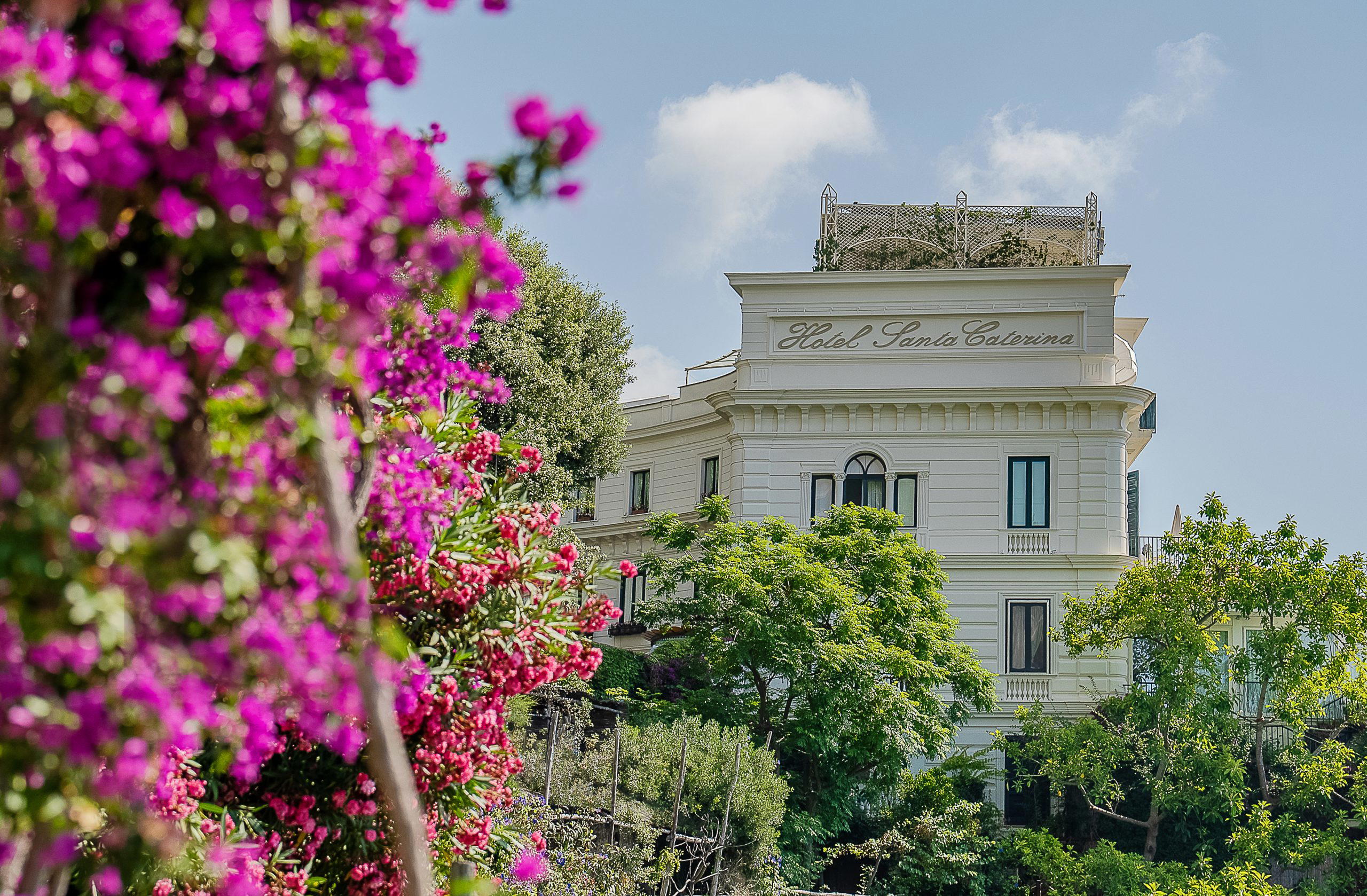
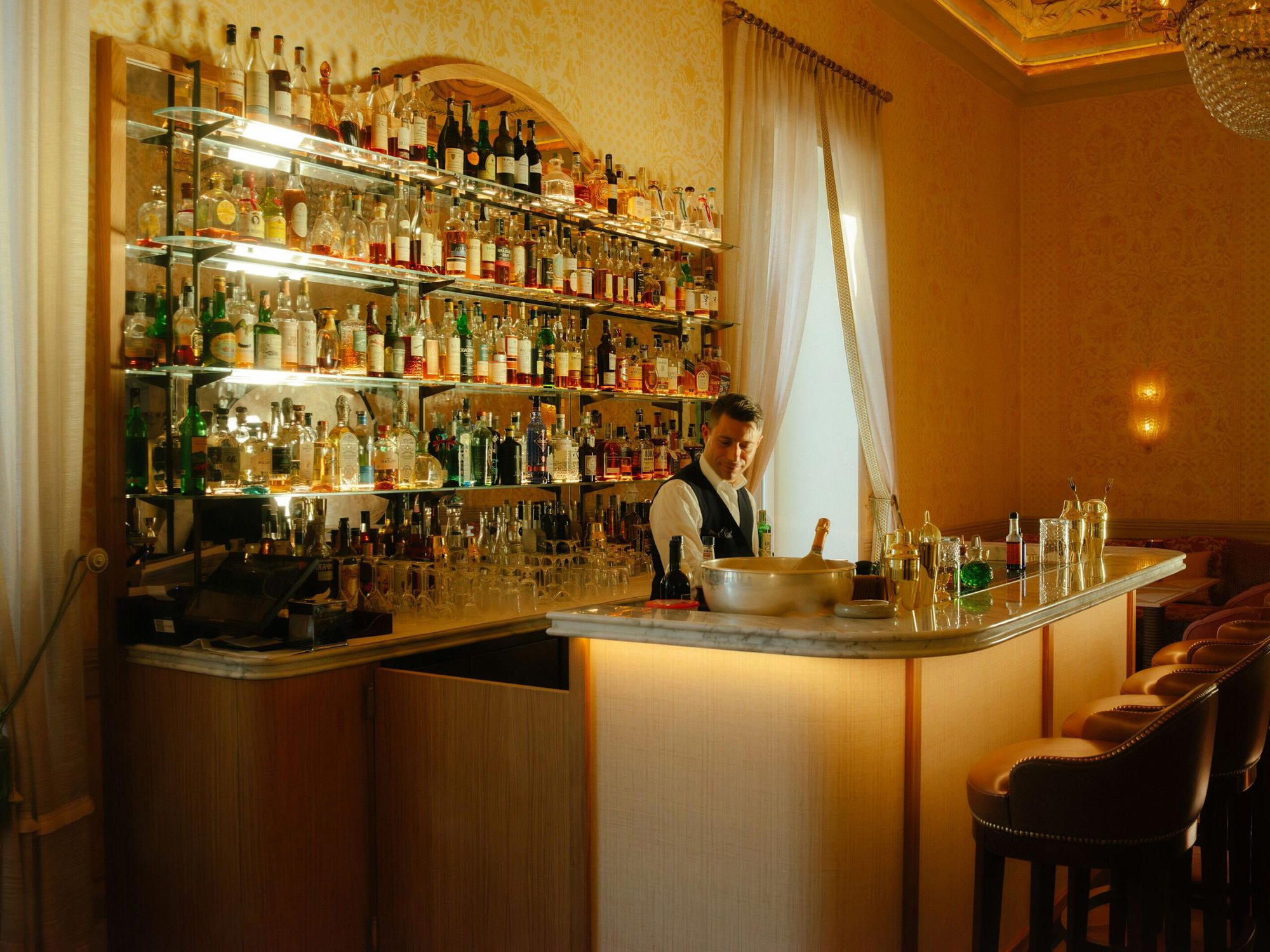
Bars in Amalfi
Browse all →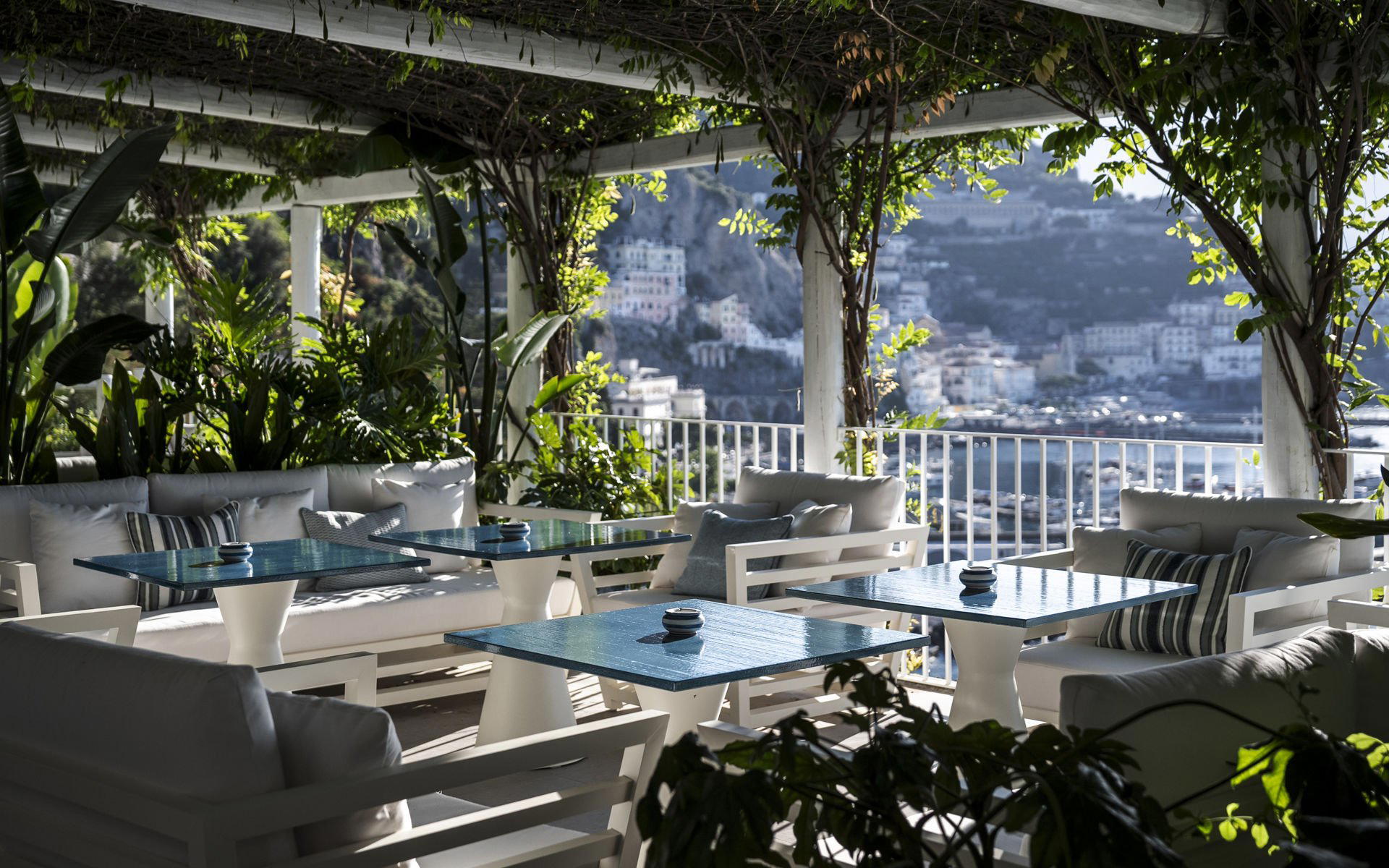
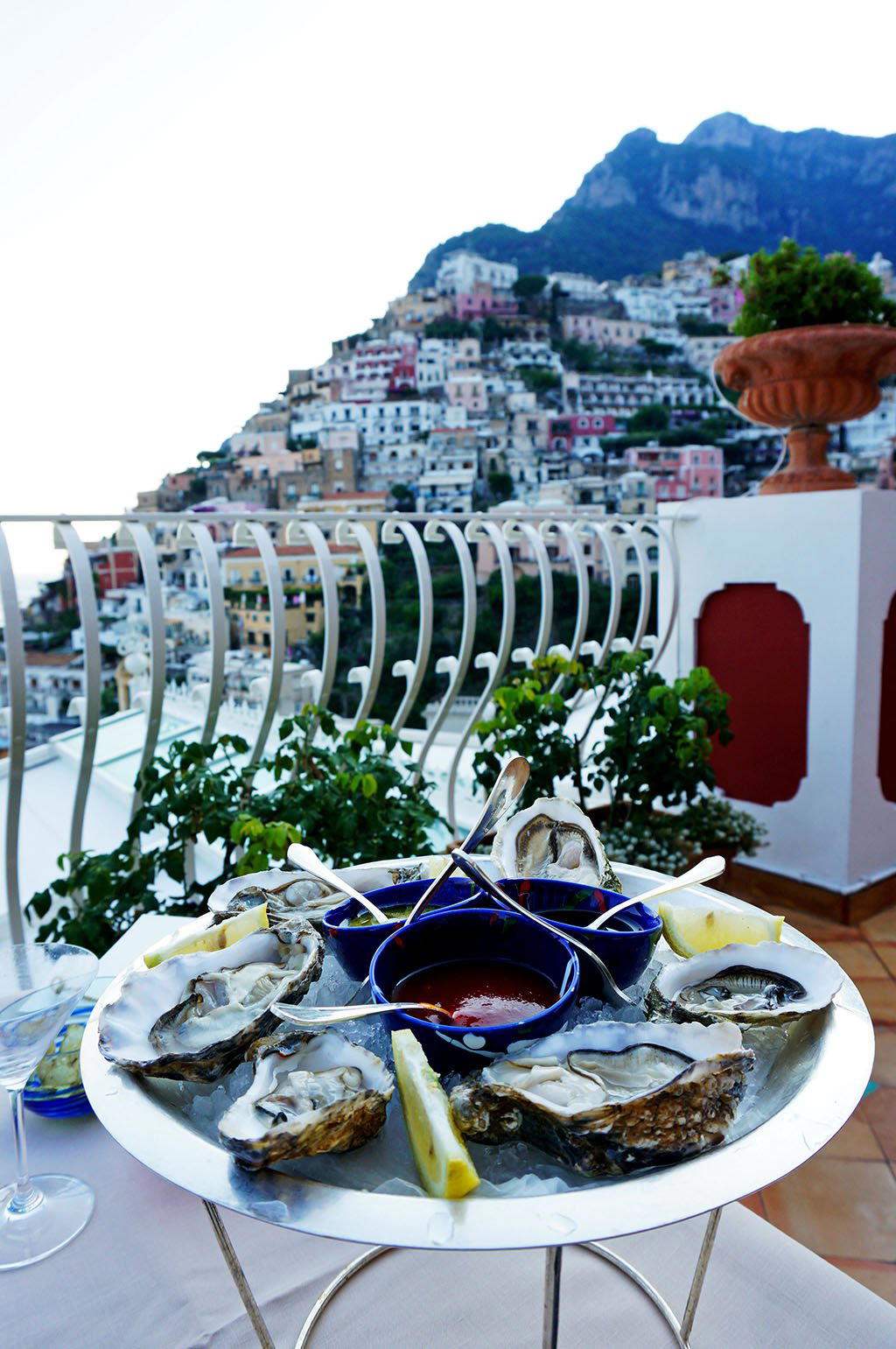
Restaurants in Amalfi
Browse all →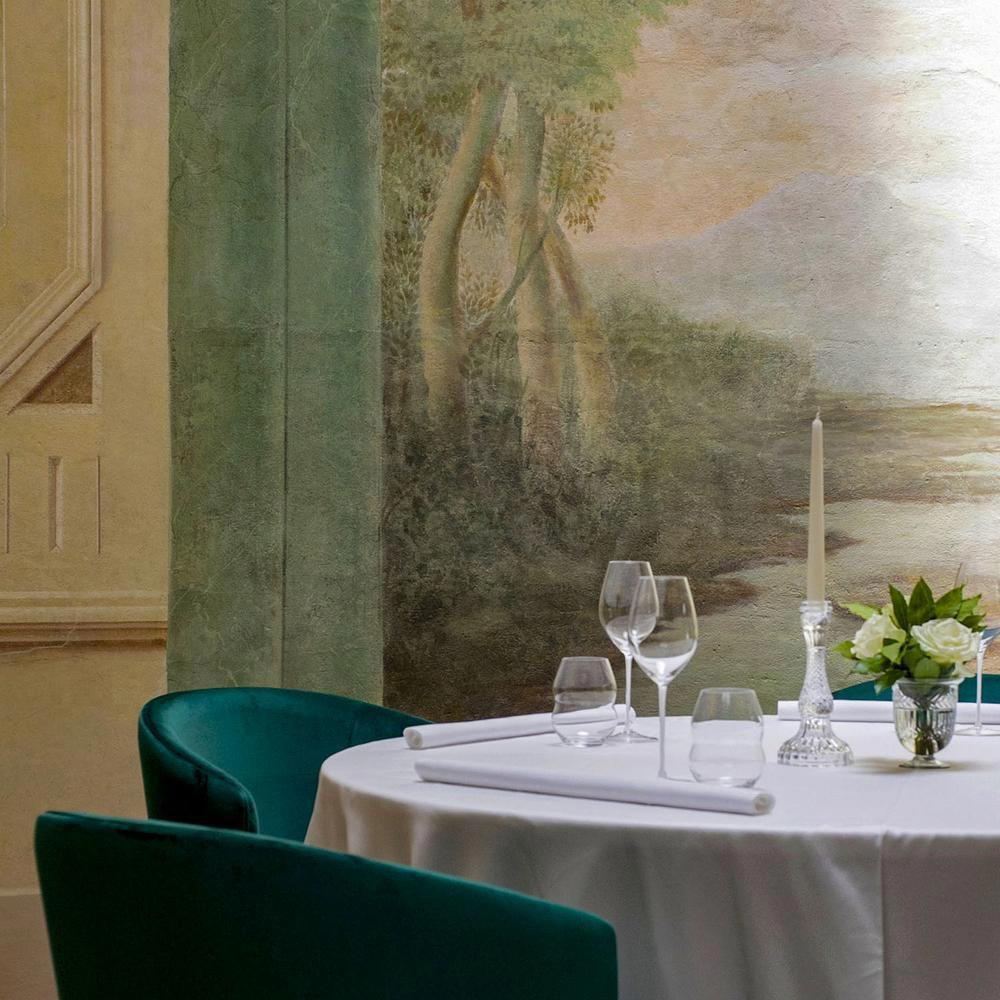

At a Glance
- Romantic
- Elegant
- Scenic
- Sophisticated
- Intimate
- Honeymoon
- Romantic Getaway
- Family Vacation
- Anniversary
- Beachfront
- Infinity Pool
- Panoramic View
- Terrace
- Wi Fi
- Pool
- Spa
- Fitness Center
- Room Service
- Concierge
- Restaurant
- Bar
- Elevator
- Waterfront
- Wi Fi
- Pool
- Spa
- Fitness Center
- Room Service
- Concierge
- Restaurant
- Bar
- Elevator
Bright and airy with dramatic panoramic sea views from rooms, pool, and terraces, creating a relaxing Mediterranean atmosphere.