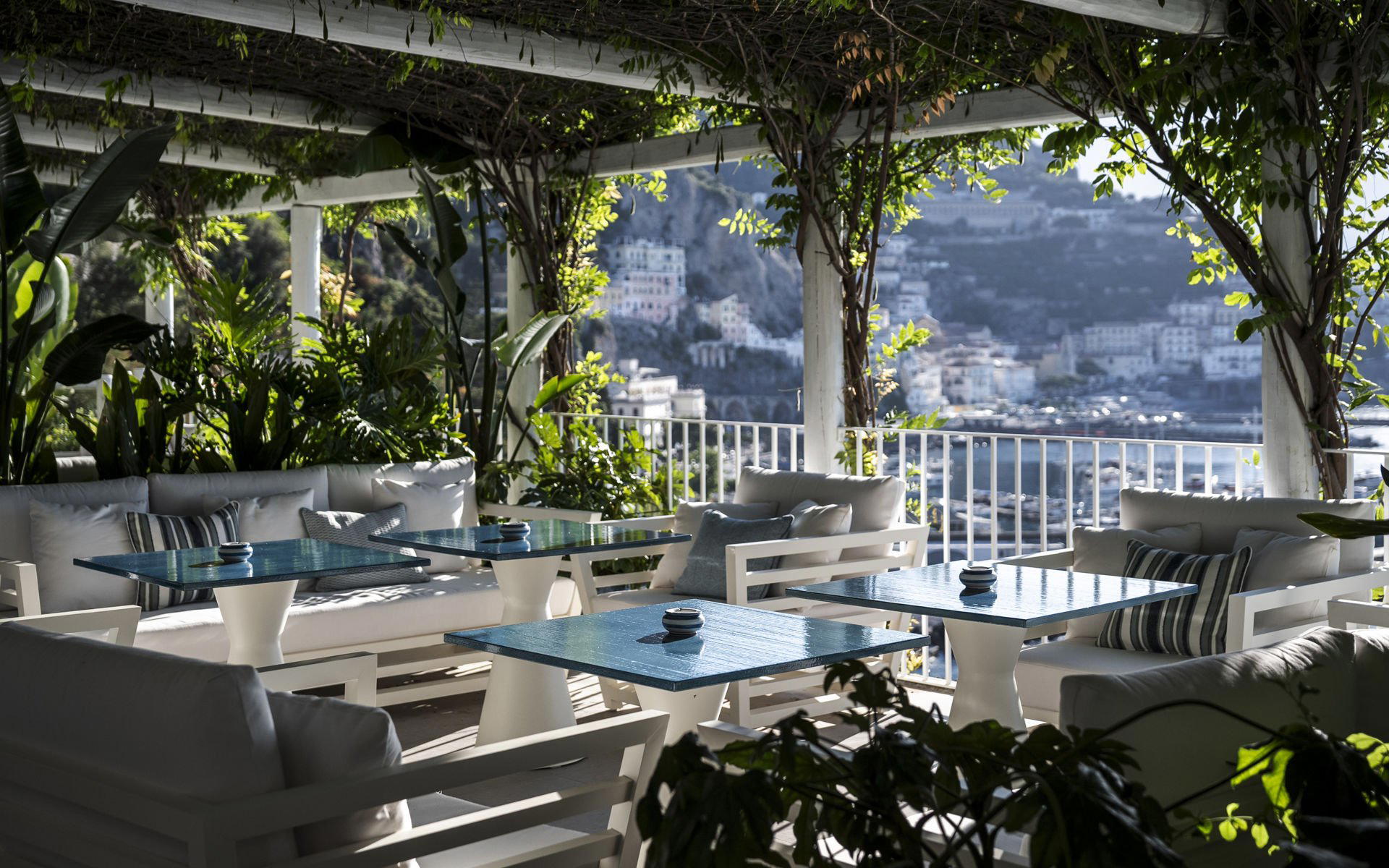
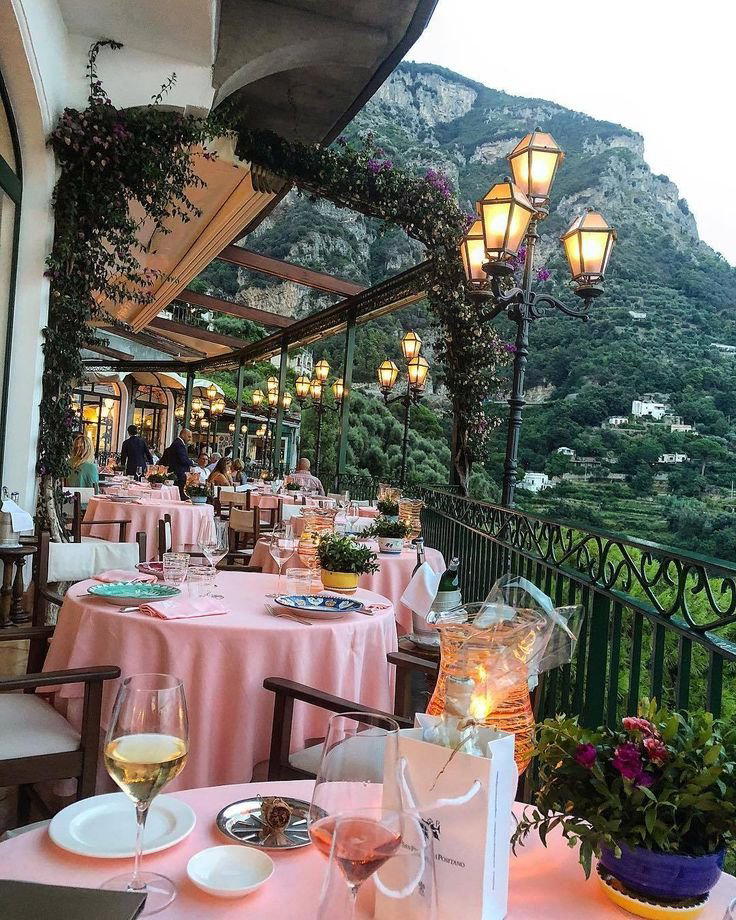
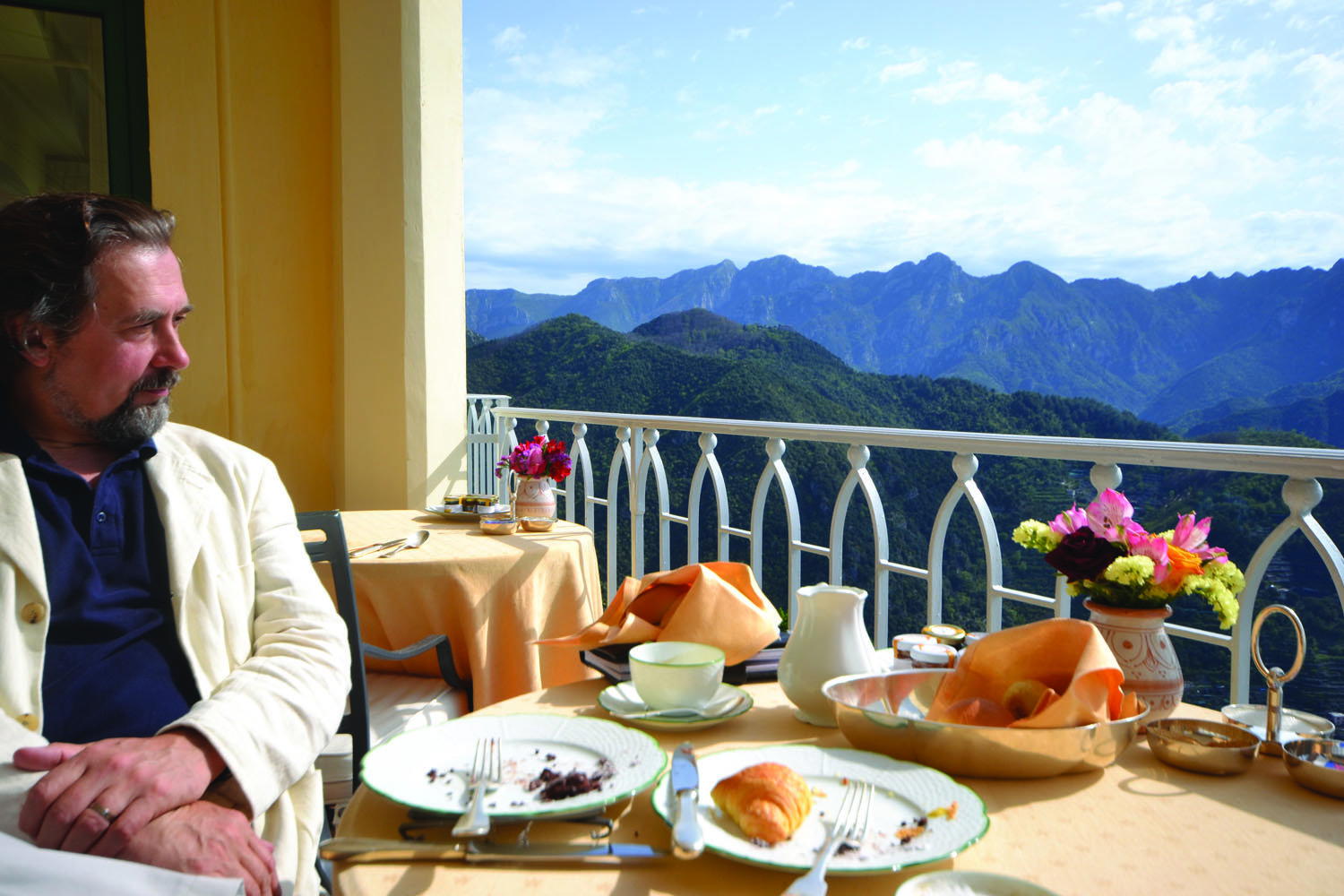
Palazzo Avino occupies a restored 12th-century villa above Ravello, where the Amalfi Coast's vertical drama is the constant backdrop to a terrace bar program that draws on southern Italian produce and technique. The drinking here is quieter and more considered than the coastal resort circuit suggests, pitched at guests who want craft without theatre. Position it alongside Italy's better hotel bars rather than its beach clubs.

Pearl is the En Primeur Club membership app — saves, bookings, and concierge access live there. Same editors, same standards.
- Address
- Via S. Giovanni del Toro, 28, 84010 Ravello SA, Italy
- Phone
- +39 089 818181
- Website
- palazzoavino.com
- Directions
- Get directions
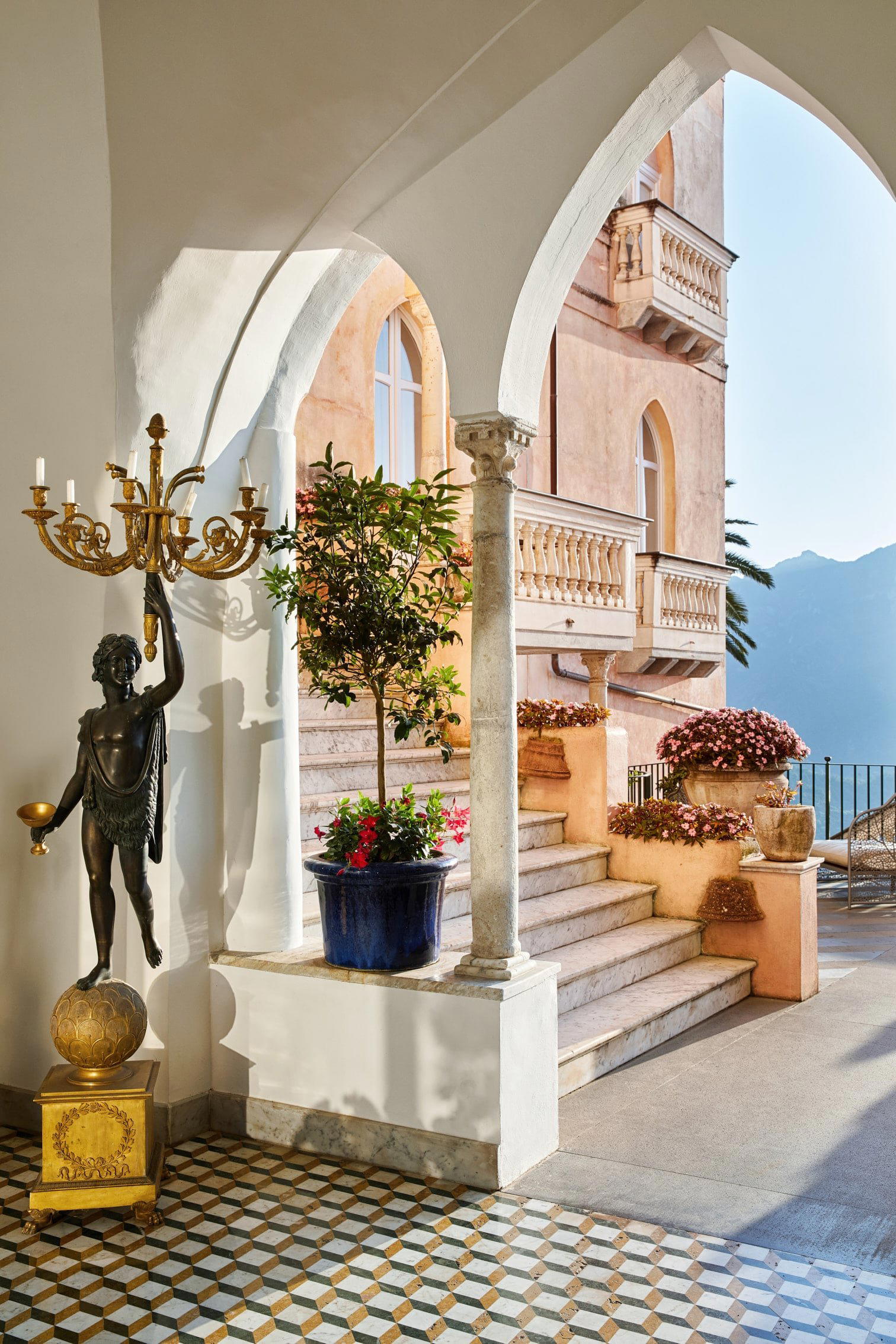
Above the Noise: Drinking on the Amalfi Coast at Palazzo Avino
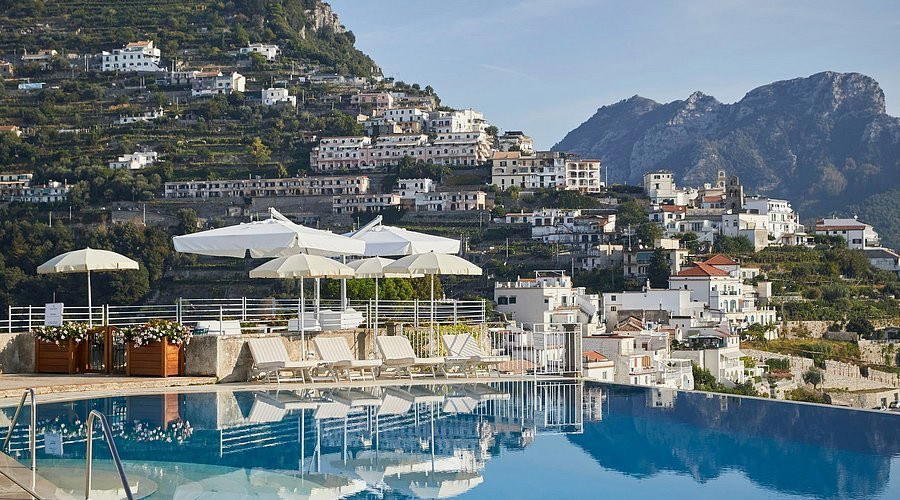
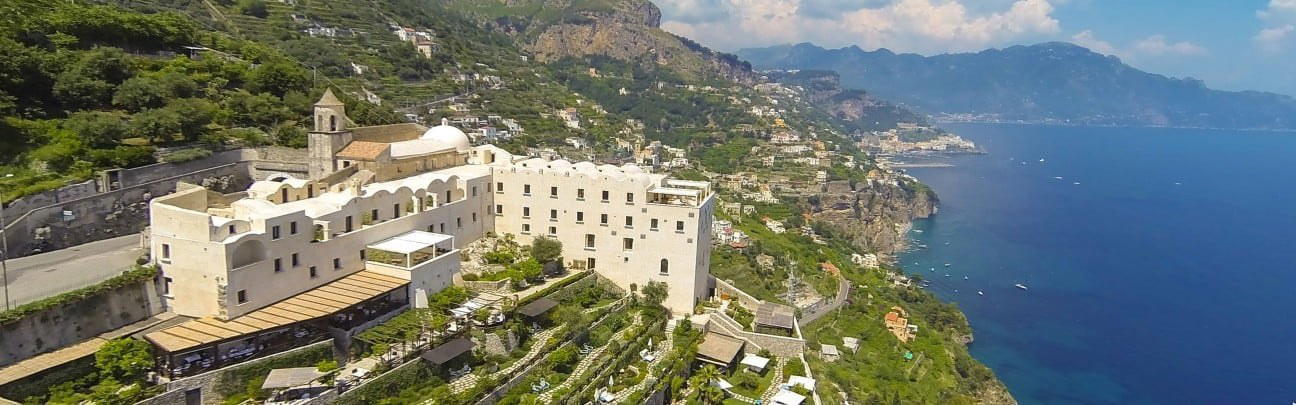
There is a particular kind of quiet that belongs to the high Amalfi. Down at sea level, Positano and Amalfi town operate at full summer pitch: narrow lanes, idling boats, aperitivo crowds spilling onto every available ledge. Ravello sits 350 metres above all of that, on a limestone ridge that redirects the wind and softens the light. The approach by road is a slow spiral of hairpin bends; the payoff is a plateau where the Mediterranean glitters in the middle distance and the Lattari mountains drop away sharply on both sides. Palazzo Avino occupies this position inside a structure that dates to the 12th century, and the physical setting does considerable editorial work before you order anything at all.
That context matters for understanding what the bar program here is and is not. Italy's cocktail scene has diversified sharply over the past decade. Drink Kong in Rome and 1930 in Milan represent one end of that spectrum: technically exacting, format-driven operations that compete with the leading bar programs in Europe on the basis of creativity and consistency. Hotel bars in destination properties operate on a different register entirely, where the terrace, the view, and the occasion carry weight that a downtown bar can never replicate. Palazzo Avino sits firmly in that second category, and judging it by the first set of criteria misses the point of the exercise.
The Southern Italian Bar Tradition and Where Palazzo Avino Fits
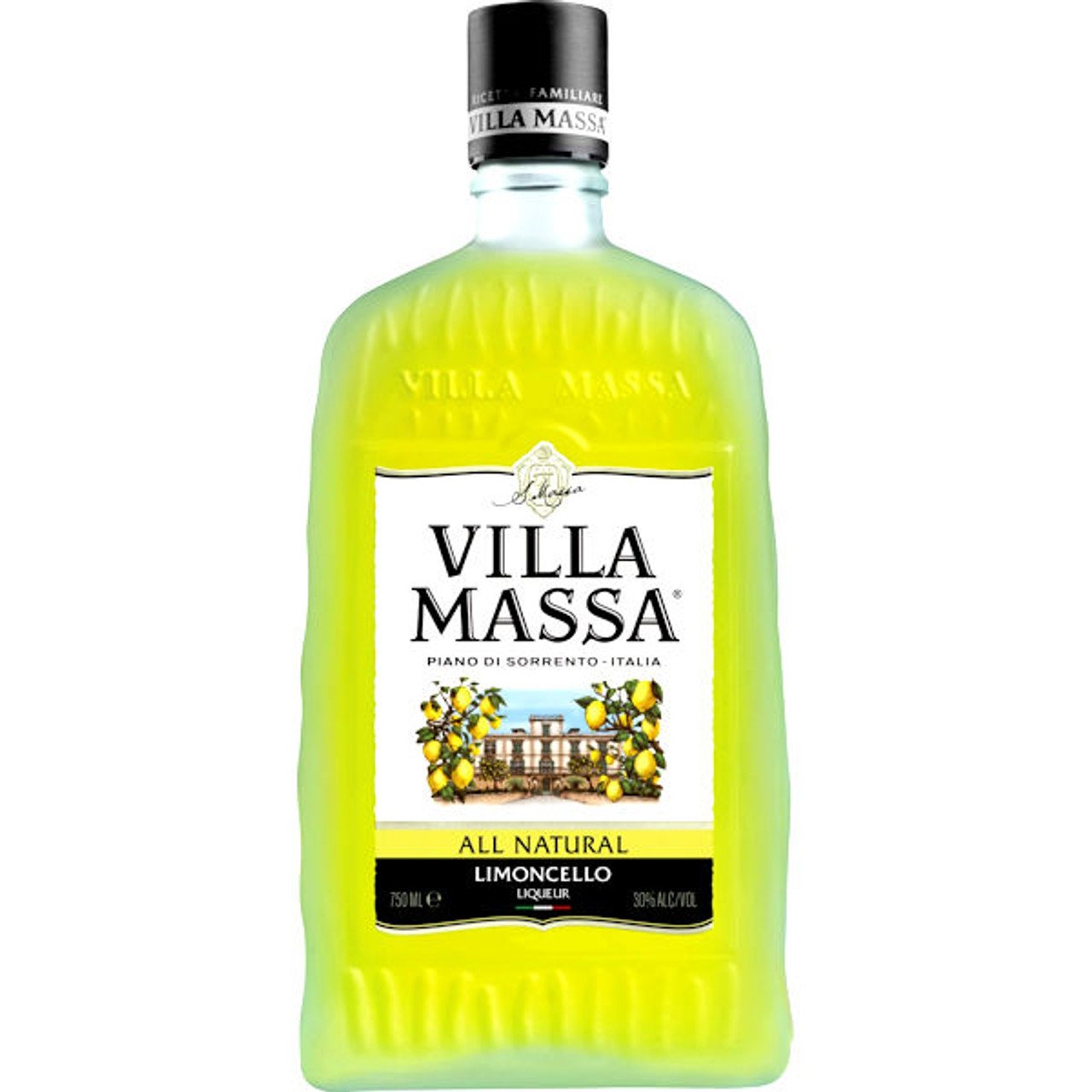
Southern Italian drinking culture has historically been wine and amaro territory. The Campania region produces Fiano, Greco di Tufo, and Falanghina at serious quality levels, and the local digestivo tradition runs deep through producers like Strega and a handful of smaller Amalfitano liqueur houses. Limoncello, often dismissed elsewhere as a tourist concession, is made with genuine rigour when the lemons come from the Amalfi coast itself, where the sfusato variety carries a floral intensity that the supermarket version cannot approximate.
A hotel bar at this altitude and price point has every reason to anchor its program in that regional material. L'Antiquario in Naples has spent years demonstrating that southern Italian cocktail craft can be as technically serious as anything produced in the north, drawing on local citrus, regional spirits, and Campanian wine in formats that hold up against international benchmarks. The bar conversation across Campania has raised expectations, even in resort settings, and properties that rely entirely on generic international pours now look out of step with where the region's drinking culture has moved.
Palazzo Avino's position on the terrace, with the coast spread below, creates a natural emphasis on long, aperitivo-style drinking: cold, citrus-forward, built for warmth and a view rather than for a single focused sip at a bar counter. That is not a lesser form of cocktail culture. It is a different discipline, one where balance, local character, and the ability to hold up through a long Amalfi evening matter more than the novelty of a single technique. Compare it with Fauno Bar in Sorrento, another property-anchored bar on the southern Tyrrhenian coast with a similarly long institutional history, and the shared logic becomes clear: the setting is the primary offering, the bar program its most refined accompaniment.
Craft in a Destination Setting: How the Better Hotel Bars Work
The gap between a well-run hotel bar and a careless one is rarely about the spirits list. It is about sourcing discipline and the decision about which local ingredients to take seriously. In Campania, that means committing to the sfusato lemon, to the regional amari, and to Campanian wines by the glass rather than defaulting to international brands with broader recognition but less regional character. Gucci Giardino in Florence has shown how a destination property bar can embed local material into a coherent program without losing the accessibility that hotel guests require. Al Covino in Venice operates on a similar principle: a tight, regionally fluent offer in a setting where the architecture and the address do a portion of the work.
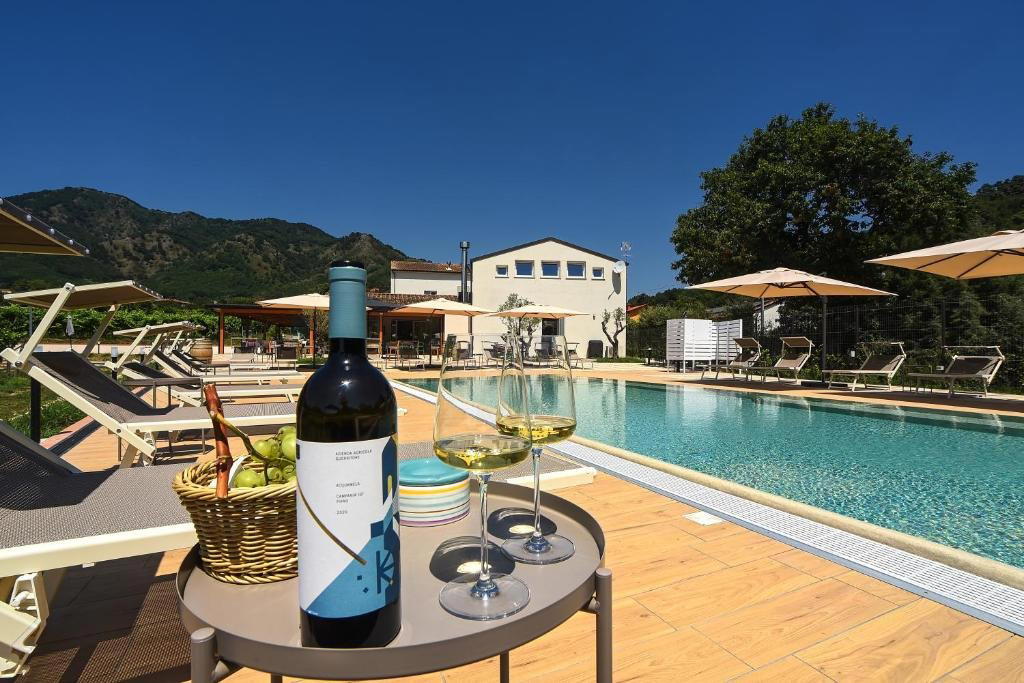
The Amalfi Coast's bar circuit is thin at the craft end. Most drinking in the area happens in restaurants, at hotel pools, or in the kind of casual bar that serves prosecco by the glass to tour groups. Properties at Palazzo Avino's tier have both the motive and the resources to push past that baseline, and the location in Ravello rather than on the more congested coast road gives it a guest profile that is, on average, more patient and more interested in what is in the glass.
Practical Considerations for Visiting
Ravello is accessible by road from Amalfi town, roughly 6 kilometres and 25 minutes by the coastal road that climbs through Pontone, or by private transfer from Naples, approximately 75 kilometres to the northwest. The SITA Sud bus service connects Amalfi town to Ravello for those arriving without private transport. The village itself is walkable, and Palazzo Avino sits within the historic centre, close to the Villa Cimbrone and Villa Rufolo gardens that draw most of the day-trip traffic. The bar terrace is the relevant destination for non-hotel guests; access and booking details should be confirmed directly with the property, as hotel bar access in Italian resort properties varies by season and guest status. The shoulder months, specifically May and late September through October, offer the combination of manageable visitor numbers and the warmth required for terrace drinking at its finest. High summer, July and August, brings the full coastal crowd to Ravello as well, and the terrace experience shifts accordingly.
For context on what the broader Italian bar circuit looks like at its most technically serious, Enoteca Storica Faccioli in Bologna, Samambaia in Turin, and Cascate del Mulino in Manciano each represent points on a national map that extends well beyond the Campanian coast. Further afield, Lost and Found in Nicosia and Bar Leather Apron in Honolulu illustrate how seriously the leading hotel-adjacent bars now treat their programs internationally. See our full Scala restaurants guide for broader context on dining and drinking in the area.
Comparison Snapshot
Comparable venues nearby, for context on price, style, and recognition.
| Venue | Cuisine | Price | Notes |
|---|---|---|---|
| Palazzo AvinoThis venue — the venue you are viewing | hotel_bar | $30–50 | Not listed |
| The Lobby Bar | hotel_bar | Not listed | Torno |
| Jam café e beer | beer_bar | $10–20 | Il Vasto |
| Le Sirenuse | hotel_bar | $50–100 | Positano |
| Ally’s Bar | cocktail_bar | $30–50 | Montenapoleone |
Continue exploring
More in Scala
Bars in Scala
Browse all →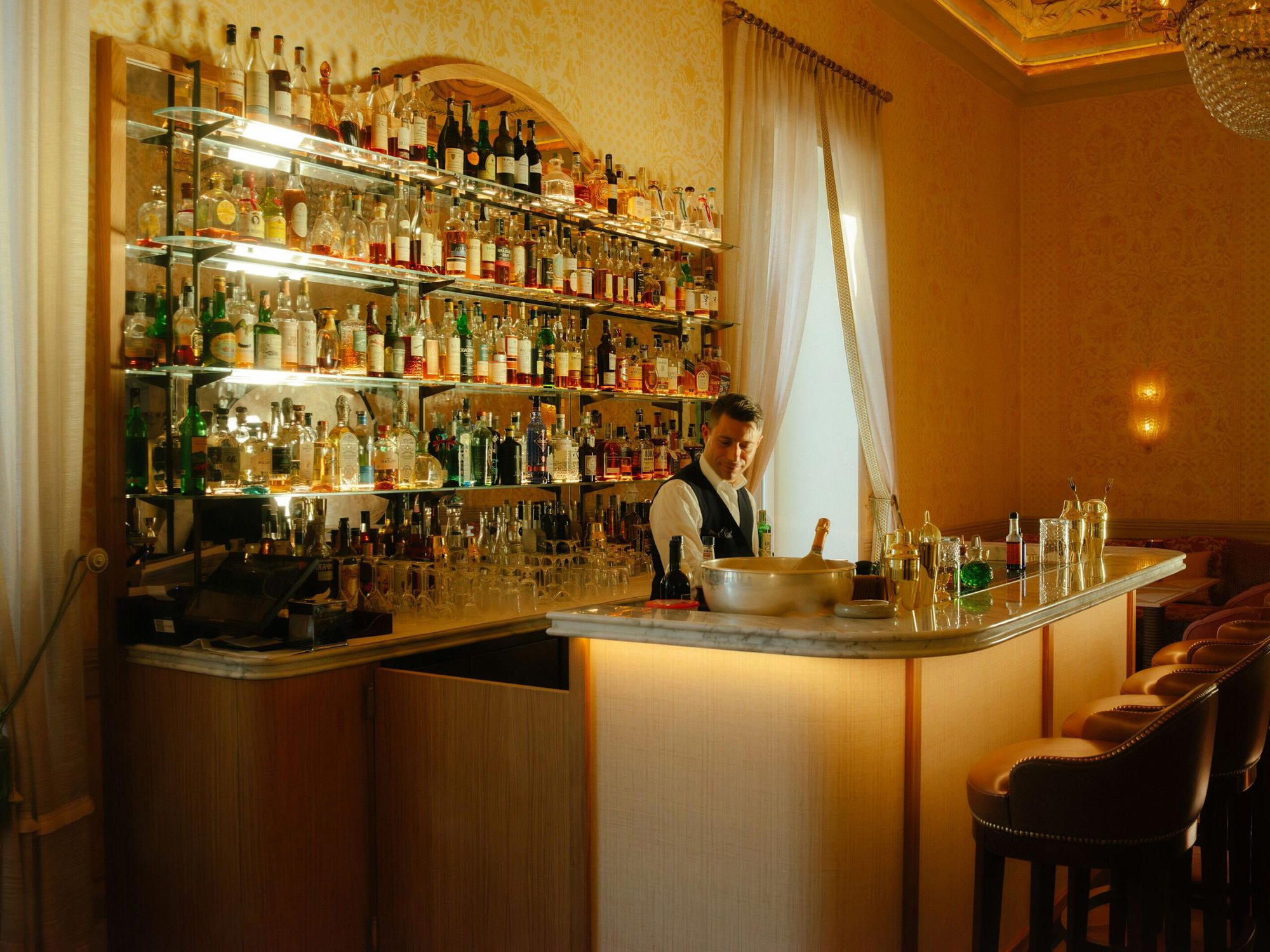
Restaurants in Scala
Browse all →
Hotels in Scala
Browse all →

Details
- Romantic
- Quiet
- Scenic
- Elegant
- Intimate
- Sophisticated
- Date Night
- Celebration
- Special Occasion
- Hotel Bar
- Terrace
- Panoramic View
- Design Destination
- Seated Bar
- Lounge Seating
- Outdoor Terrace
- Classic Cocktails
- Craft Cocktails
- Low Abv
- Zero Proof
- Waterfront
- Mountain
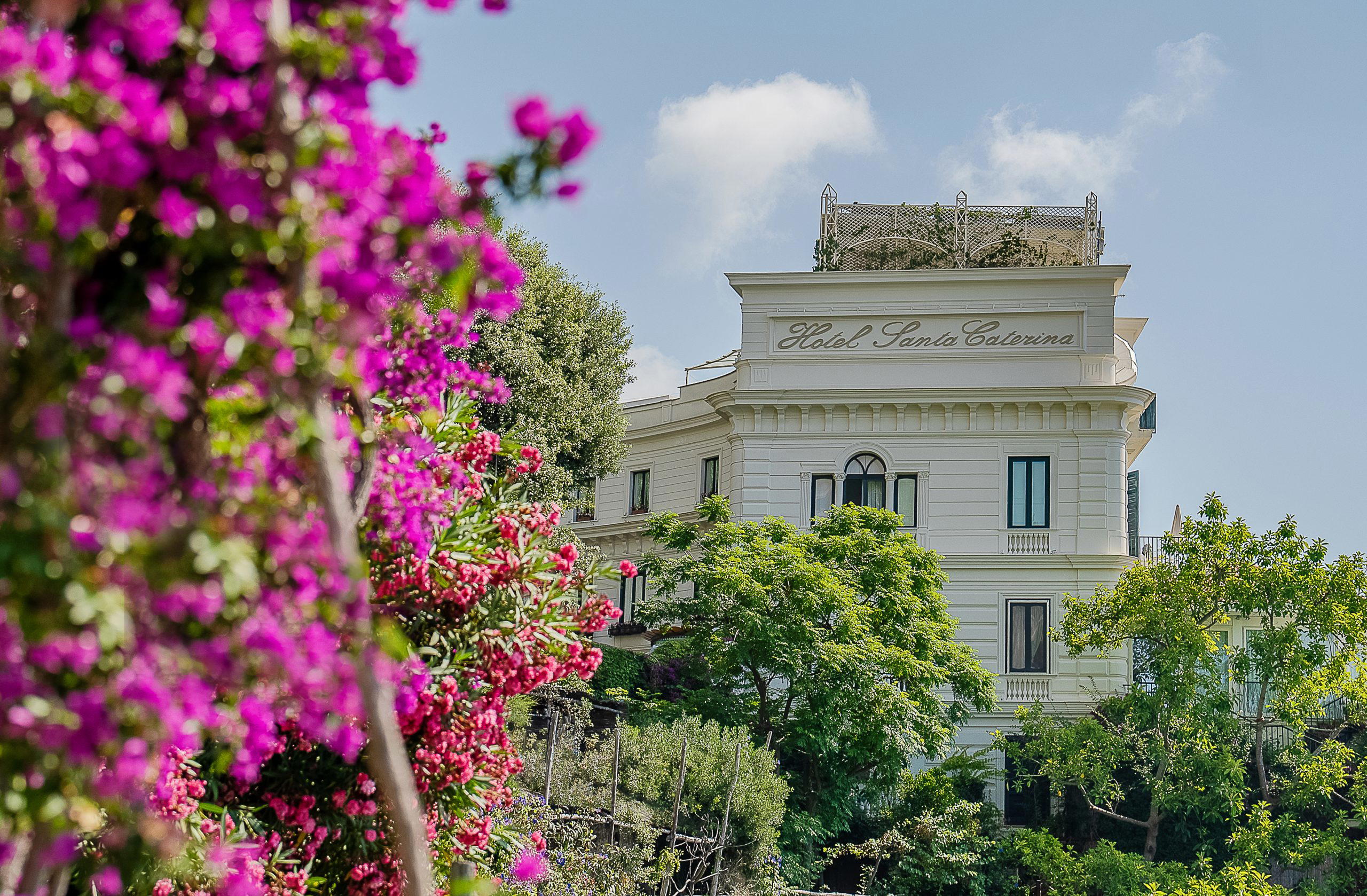
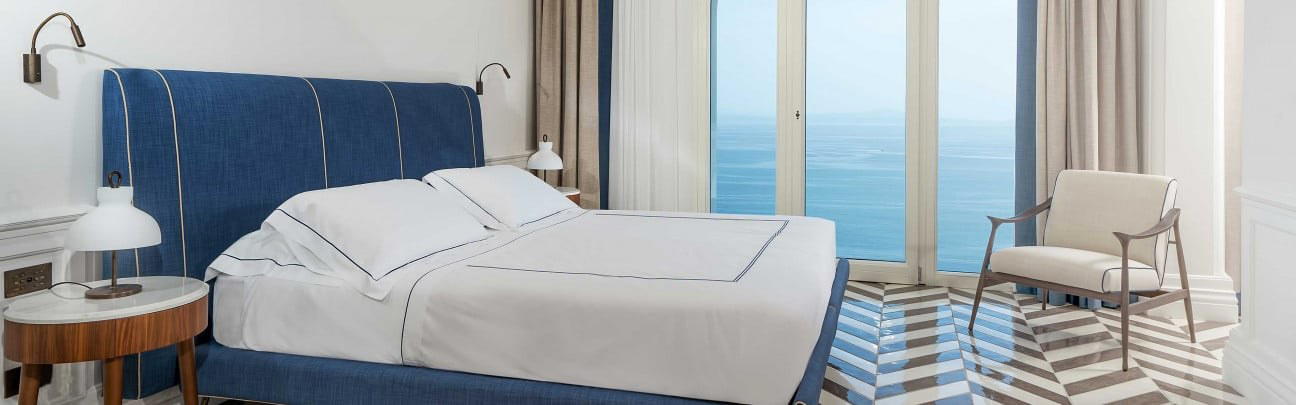
Elegant, romantic, and scenic, with a quieter, more considered cocktail atmosphere, panoramic sea-and-mountain views, and a polished terrace setting.