
Hydra - Fine Food & Wine Cellar sits on Via Antonio Mazza in central Salerno, where the city's serious drinking culture meets a wine-focused list recognised by Star Wine List in 2026. The cellar format places it in a growing tier of southern Italian venues where the glass programme carries equal weight to the kitchen. For those tracing the Campania coast beyond Naples, Hydra is a considered stop.
 Discover on Pearl
Pearl is the En Primeur Club membership app — saves, bookings, and concierge access live there. Same editors, same standards.
- Address
- Via Antonio Mazza, 30, 84121 Salerno SA, Italy
- Phone
- +39 089 995 8437
- Website
- ristorantehydra.com
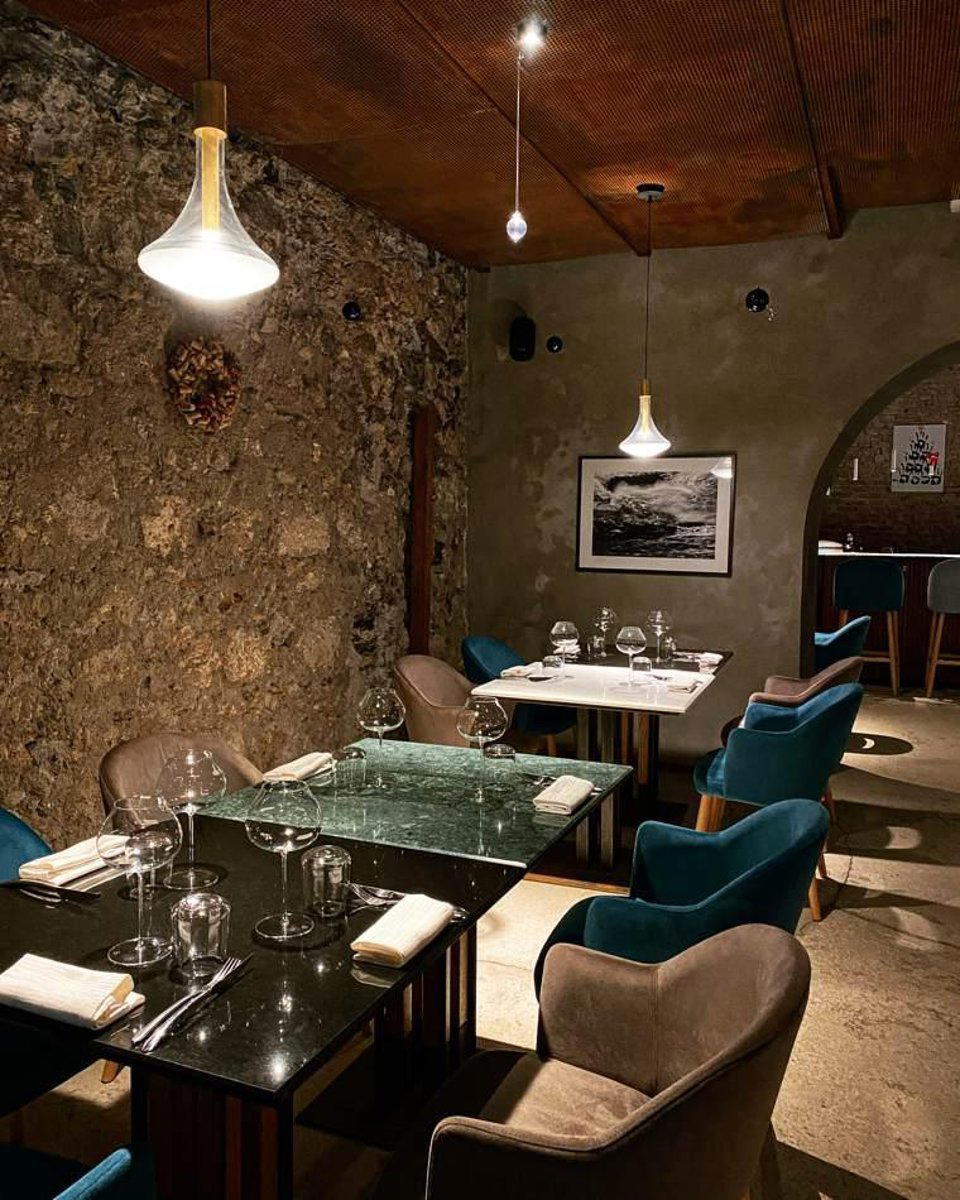
Where Salerno Keeps Its Serious Drinking
Salerno occupies an awkward editorial position in most Italian travel writing: close enough to the Amalfi Coast to be overshadowed, far enough from Naples to escape that city's gravitational pull on food journalism. The result is a provincial capital that has developed a quiet, self-sufficient bar and wine culture without much outside attention. Hydra - Fine Food & Wine Cellar, on Via Antonio Mazza in the city centre, sits squarely inside that culture. Its recognition by Star Wine List in 2026 places it among recognized wine venues across Italy.
The name signals something deliberate. Calling a venue a cellar rather than a bar or enoteca is a choice that communicates priority: the list comes first, the room second, the food in support. Across southern Italy, a handful of venues have staked their identity on exactly this hierarchy, and Salerno's position on the Tyrrhenian coast gives Hydra access to a producer landscape that stretches from the volcanic soils of Campania Felix north to Basilicata's Aglianico del Vulture and south toward Calabria. That regional depth is the structural advantage of operating at this latitude.
The Cellar Format and What It Demands
The cellar-format wine bar has become one of the more coherent expressions of Italian drinking culture in the past decade. Unlike the aperitivo-driven bar scene that dominates Milan or the cocktail-forward programmes at venues like Drink Kong in Rome or 1930 in Milan, the cellar format asks guests to commit more time, more attention, and more tolerance for a list that rewards prior knowledge. The food component, typically composed plates rather than a full kitchen operation, exists to sustain the drinking rather than compete with it.
In Naples, L'Antiquario has demonstrated how a southern Italian venue can build sustained credibility around a technically serious programme without chasing the same recognition circuits as the northern cities. Hydra operates in a comparable register, though the Star Wine List award signals that its programme has been evaluated specifically on the depth and intelligence of its wine selection rather than its cocktail output or kitchen ambition.
Star Wine List, which assessed Hydra for its 2026 guide, focuses exclusively on venues where the wine programme meets a threshold of range, producer diversity, and list curation. Recognition from that body is a specific credential: it tells you the list has been reviewed by someone who cares about whether the by-the-glass selection reflects the same priorities as the bottle list, and whether the pricing structure allows access to interesting drinking at multiple price points.
Campania's Wine Geography as Context
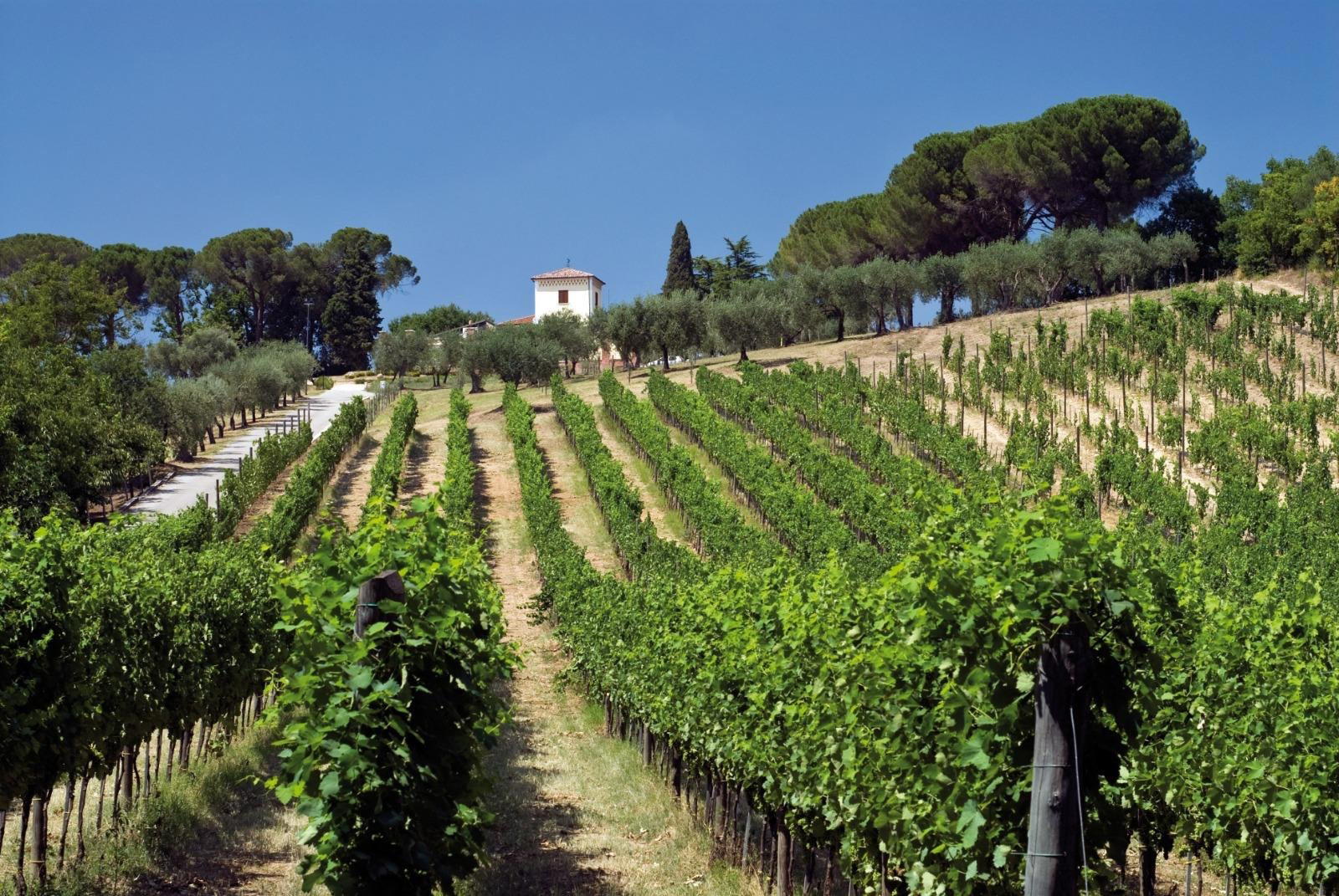
Understanding what a serious Campanian wine list can look like requires a brief detour into the region's producer map. Campania's three headline grapes, Fiano di Avellino, Greco di Tufo, and Aglianico del Taurasi, all originate in the Irpinia highlands to the east of Salerno, a zone that has attracted international attention since Mastroberardino's early work in the post-war decades. A well-curated list in this city should reflect proximity to those producers, offering depth in Fiano and Aglianico that a venue in Turin or Bologna would struggle to match on freshness and direct relationships.
The natural wine movement has also taken hold across Campania more firmly than in many other southern regions, with producers in the Sannio and along the Cilento coast working organically on indigenous varieties. Venues like Enoteca Historical Faccioli in Bologna have built their identity around natural wine curation in a northern context; Salerno's position gives Hydra a direct pipeline to some of those same producers without the logistics that complicate a northern list.
The Cocktail Dimension
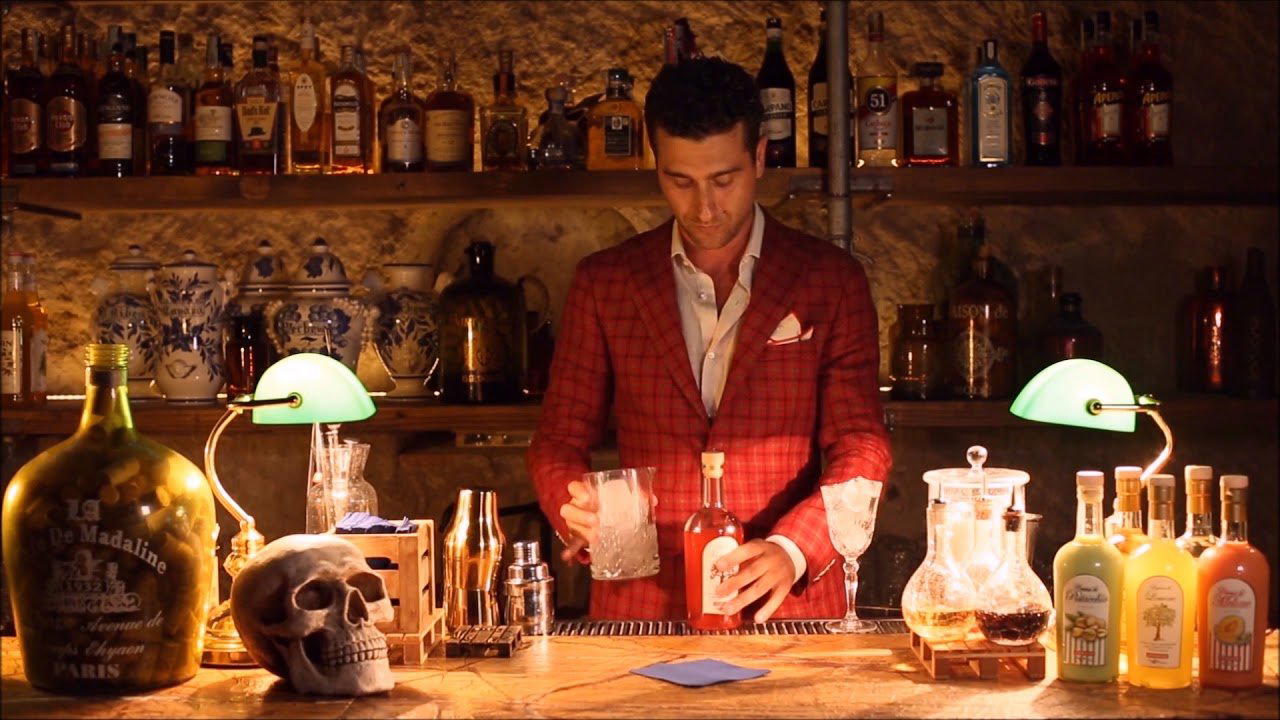
Hydra's drinks programme is anchored by its Star Wine List recognition, which speaks to wine rather than cocktails. What the Fine Food & Wine Cellar name suggests, however, is a programme that takes mixed drinks seriously alongside its bottle list, a format that has become more common in Italy as the bar and wine cultures have begun to converge.
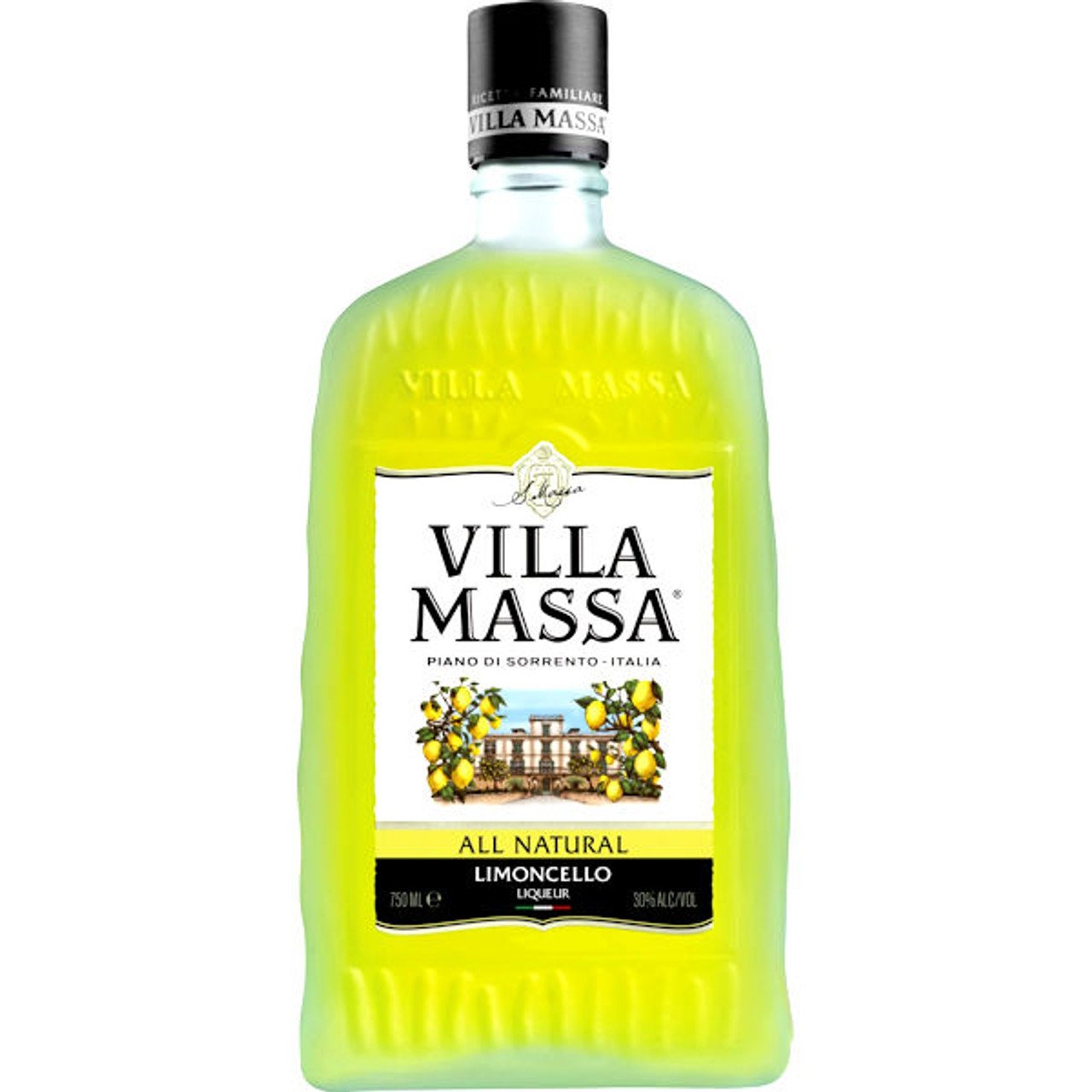
Venues that have successfully merged the two disciplines tend to approach cocktails with the same producer-sourcing logic that drives their wine buying: regional spirits, Italian amari, and house-made preparations that reflect the same seasonal and geographic attention as the food. The Campania region provides strong raw material for this approach, limoncello production on the coast, nocino walnut liqueur in the interior hills, and a thriving craft spirits scene centred on grappa and aged digestivi. A drinks programme built on that foundation would sit comfortably alongside the wine programme that earned Hydra its 2026 recognition.
For a point of comparison outside Italy, Lost & Found in Nicosia has shown how a Mediterranean venue can build a cocktail identity rooted in local botanical sourcing without abandoning the broader European spirits canon. Closer to home along the Campanian coast, Fauno Bar in Sorrento operates in a resort register but demonstrates how coastal Campania can support serious bar programming.
Getting There and Planning Your Visit
Salerno is a functional gateway city: the high-speed rail line connects it to Naples in under 40 minutes and to Rome in roughly 2 hours 30 minutes. From the station, the city centre is walkable, and Via Antonio Mazza sits within the older residential grid rather than on the seafront promenade, which means the immediate neighbourhood has a local rather than tourist character. The Amalfi Coast ferry terminal is also in Salerno, making the city a logical base for visitors who want to access the coast without paying peninsula prices for accommodation.
Reservations are recommended, and the posted hours should be checked before visiting. Venues of this type in Italian provincial cities often operate on dinner-focused hours with limited lunchtime service, and their capacity tends toward the intimate end.
Elsewhere in the EP Club network, the cellar and wine bar format appears in venues as different as Al Covino in Venice, Bistrot Torrefazione Samambaia in Turin, Gucci Giardino in Florence, and further afield at Cascate del Mulino in Manciano and Bar Leather Apron in Honolulu, a reminder that the format translates across geographies when the underlying programme has rigour behind it.
In Context: Similar Options
Comparable venues nearby, for context on price, style, and recognition.
| Venue | Awards |
|---|---|
| Hydra - Fine Food & Wine CellarThis venue — the venue you are viewing | |
| Drink Kong | World's 50 Best |
| Freni e Frizioni | World's 50 Best |
| L'Antiquario | World's 50 Best |
| Nottingham Forest | World's 50 Best |
| 1930 | World's 50 Best |
Continue exploring
More in Salerno
Bars in Salerno
Browse all →
Restaurants in Salerno
Browse all →
Hotels in Salerno
Browse all →
At a Glance
- Elegant
- Romantic
- Sophisticated
- Minimalist
- Scenic
- Date Night
- Celebration
- Special Occasion
- Courtyard
- Historic Building
- Garden
- Seated Bar
- Outdoor Terrace
- Natural Wine
- Conventional Wine
- Garden
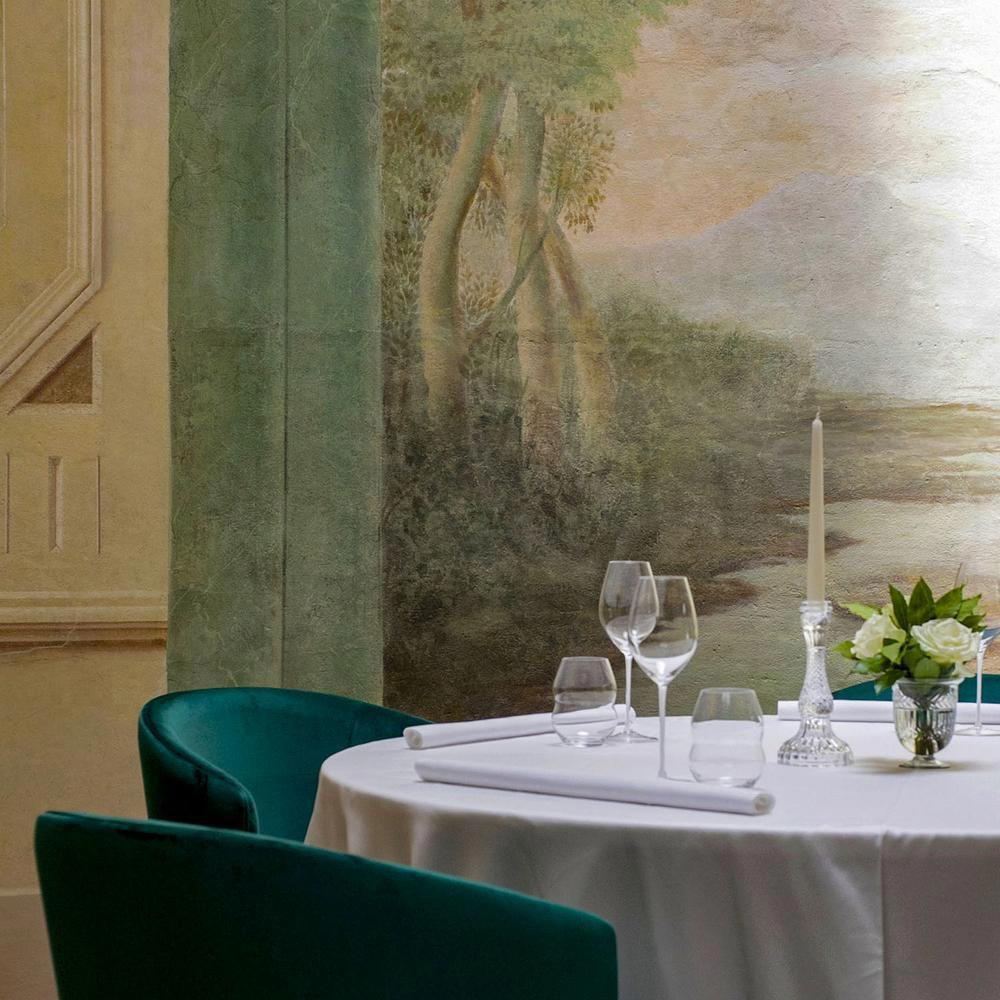
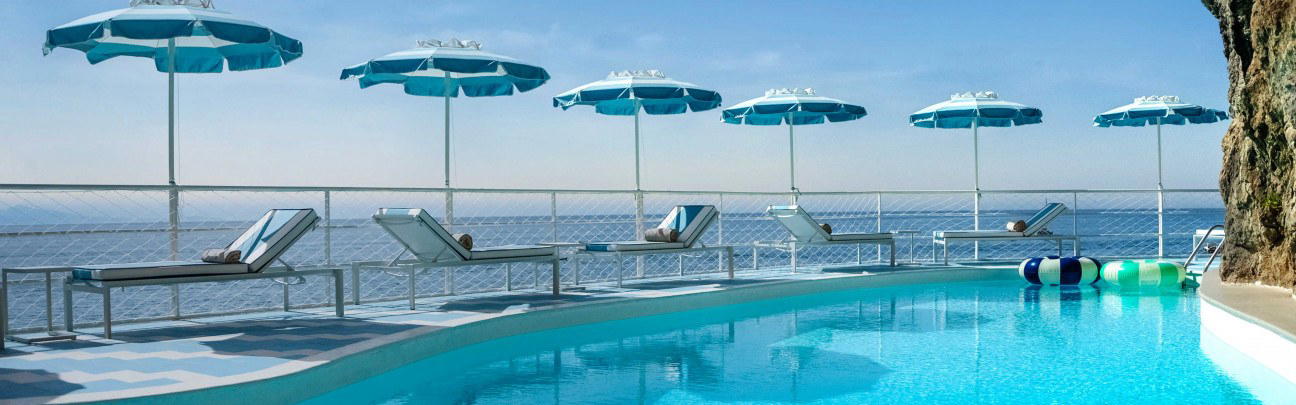
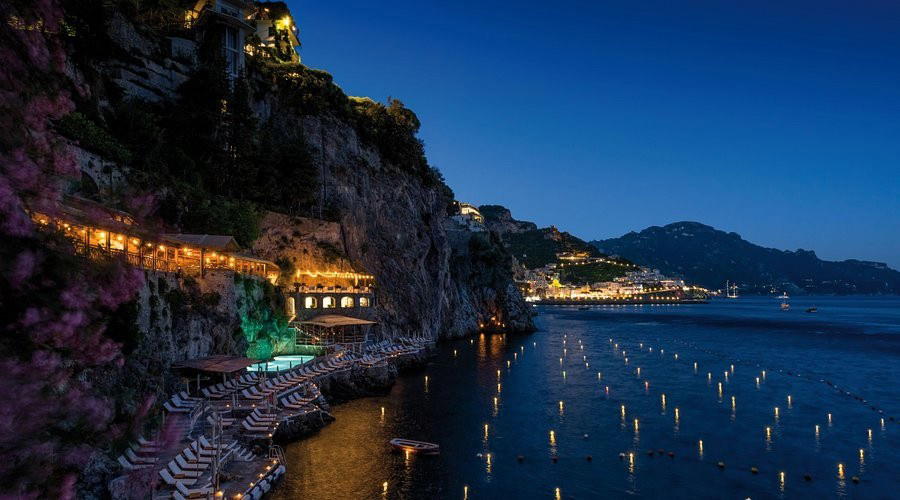
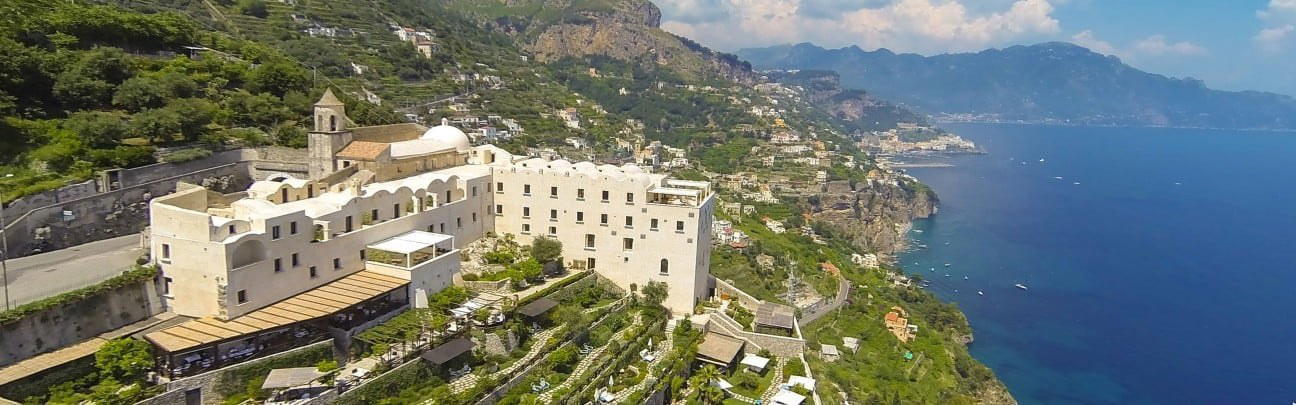
Soft lighting and beautiful background music create a pleasing atmosphere in an almost minimalist dining room; outdoor tables in a charming inner courtyard available in fine weather.