






2 Michelin Keys · La Liste Top Hotels · Forbes 4-Star
Hotel Santa Caterina transforms a 19th-century Liberty-style villa into the Amalfi Coast's most prestigious family-run luxury hotel, where 66 rooms and suites cascade down terraced cliffs to a private beach. Four generations of Gambardella family hospitality, Michelin-starred dining, and dramatic Gulf of Salerno views define this legendary Italian coastal sanctuary.

Pearl is the En Primeur Club membership app, where members save venues, book tables and use the concierge.
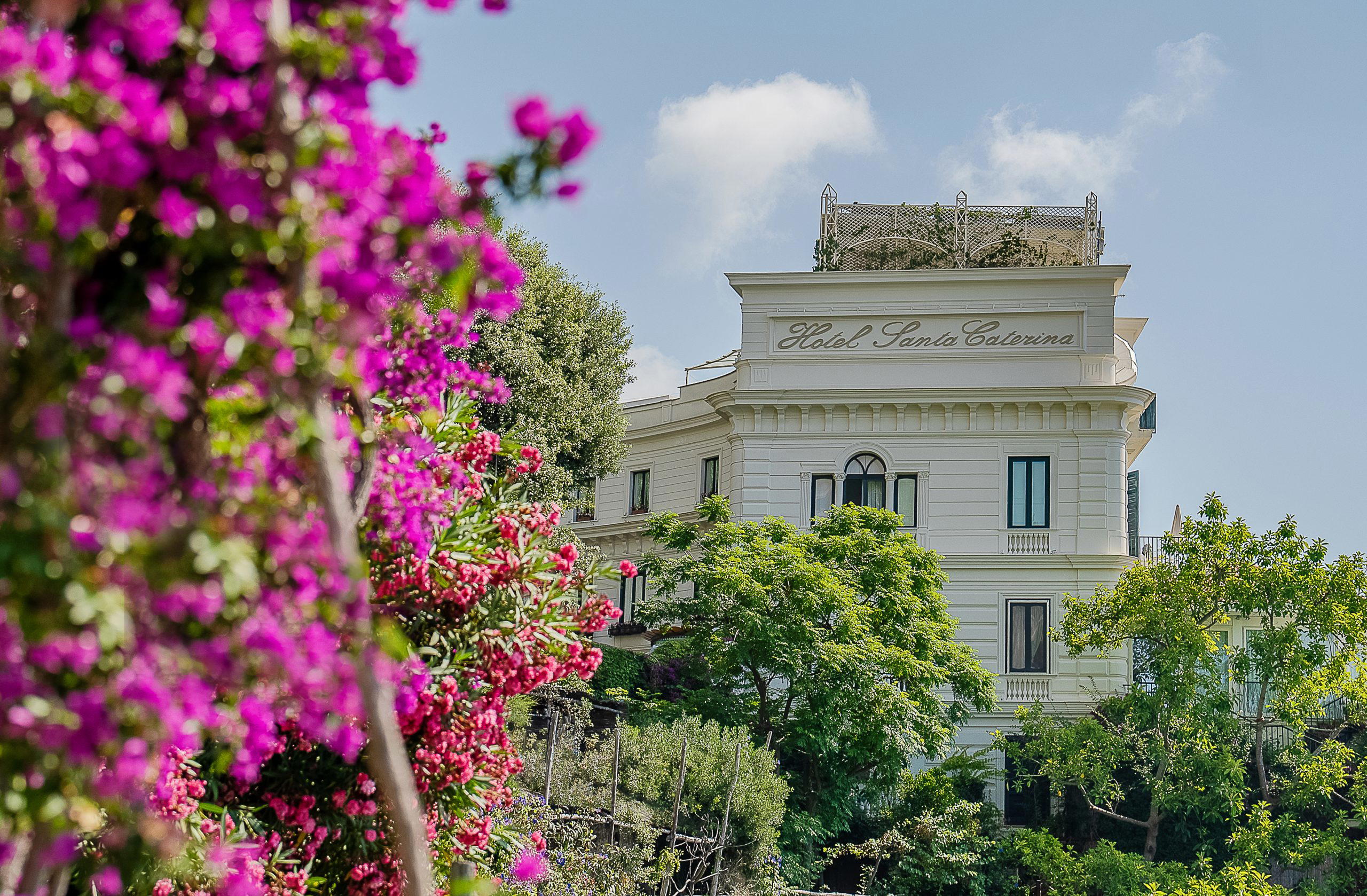
Where the Cliff Meets the Sea: Hotel Santa Caterina in Context
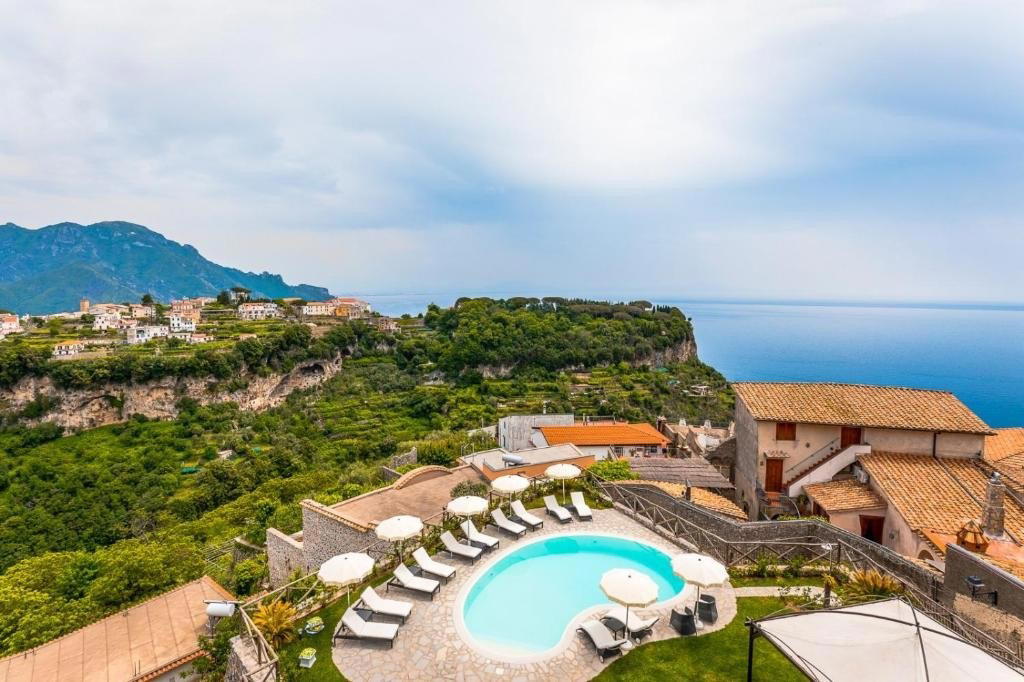
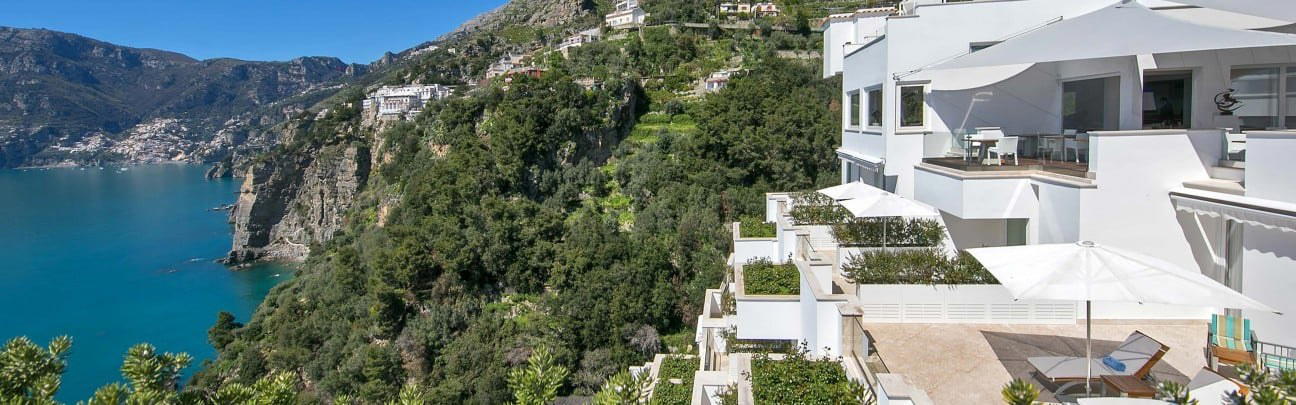
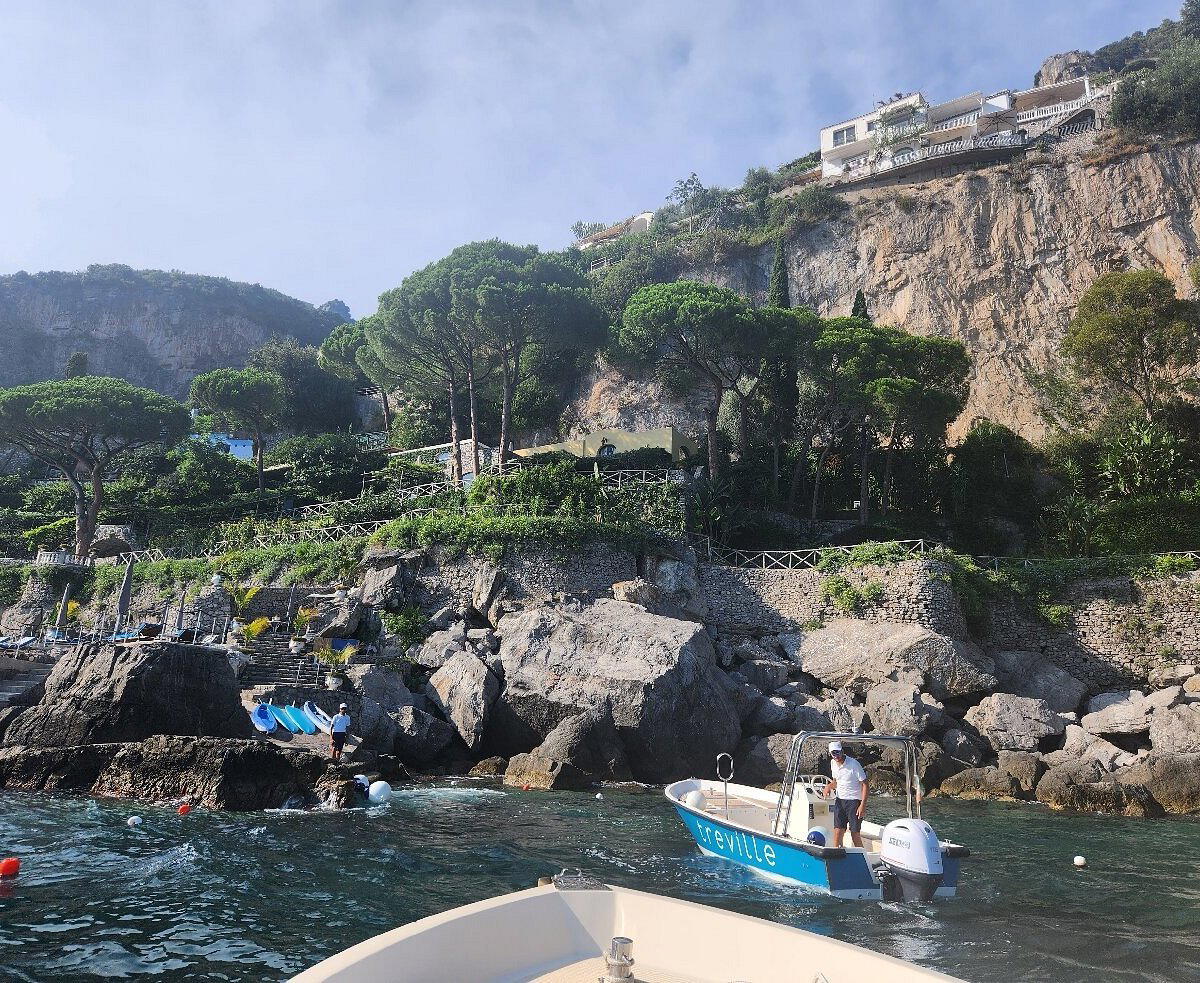
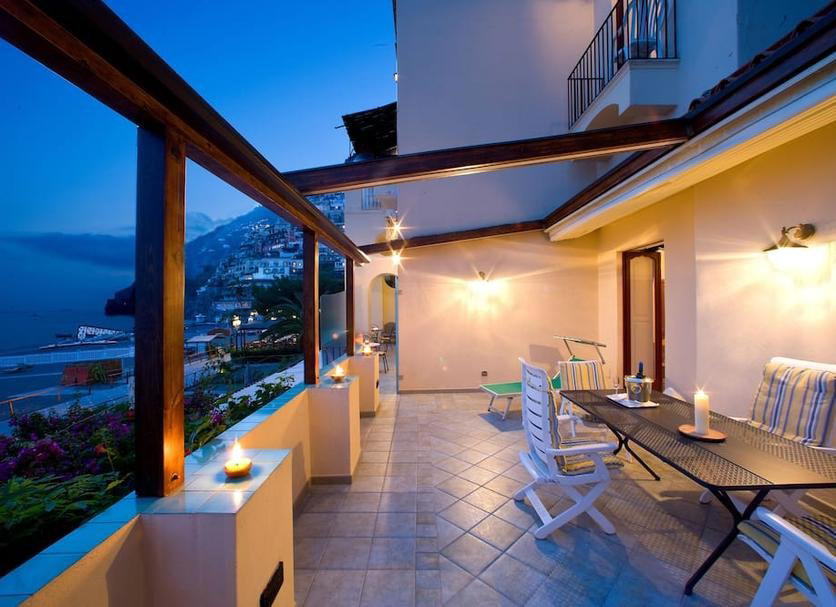
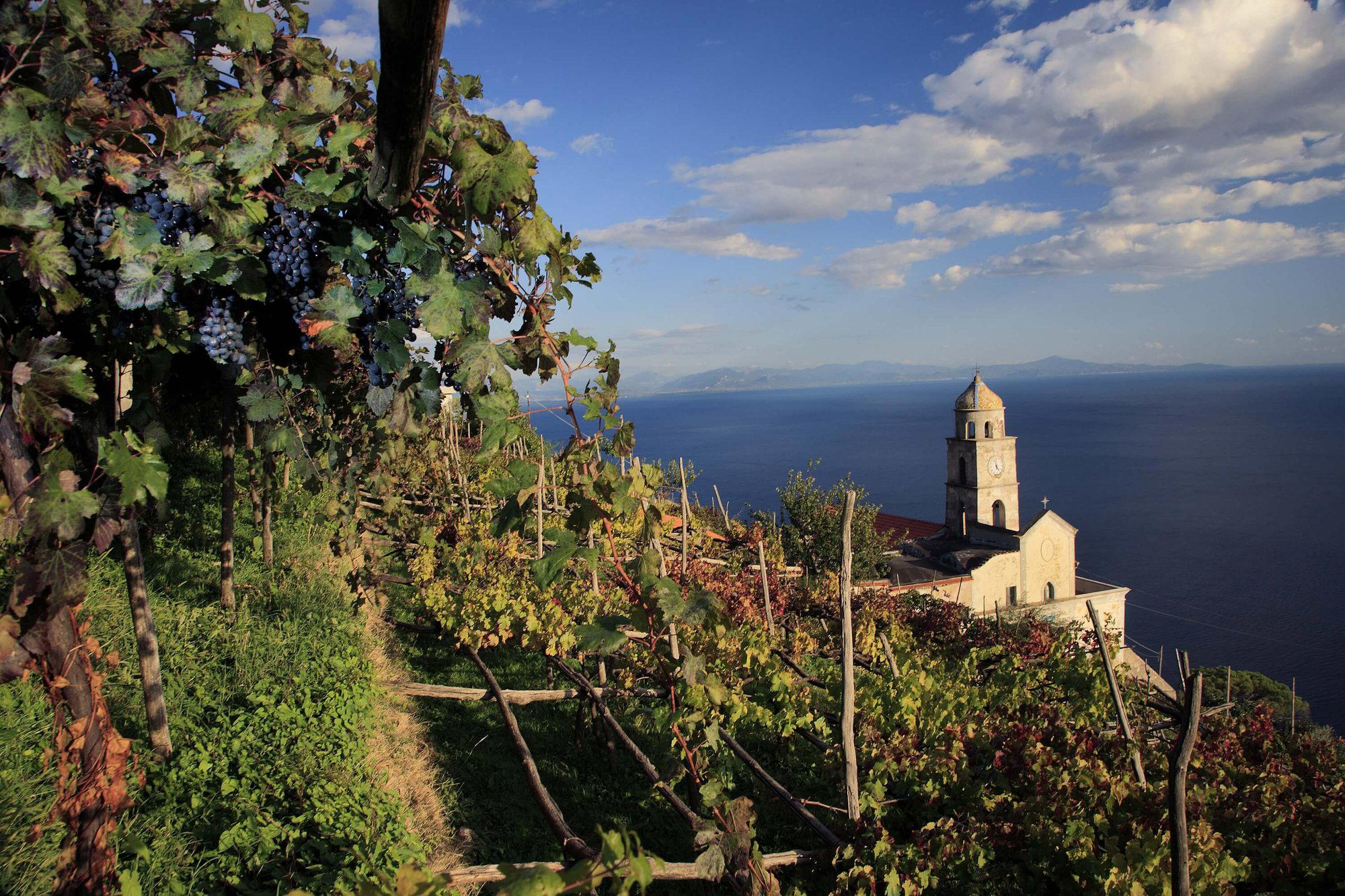
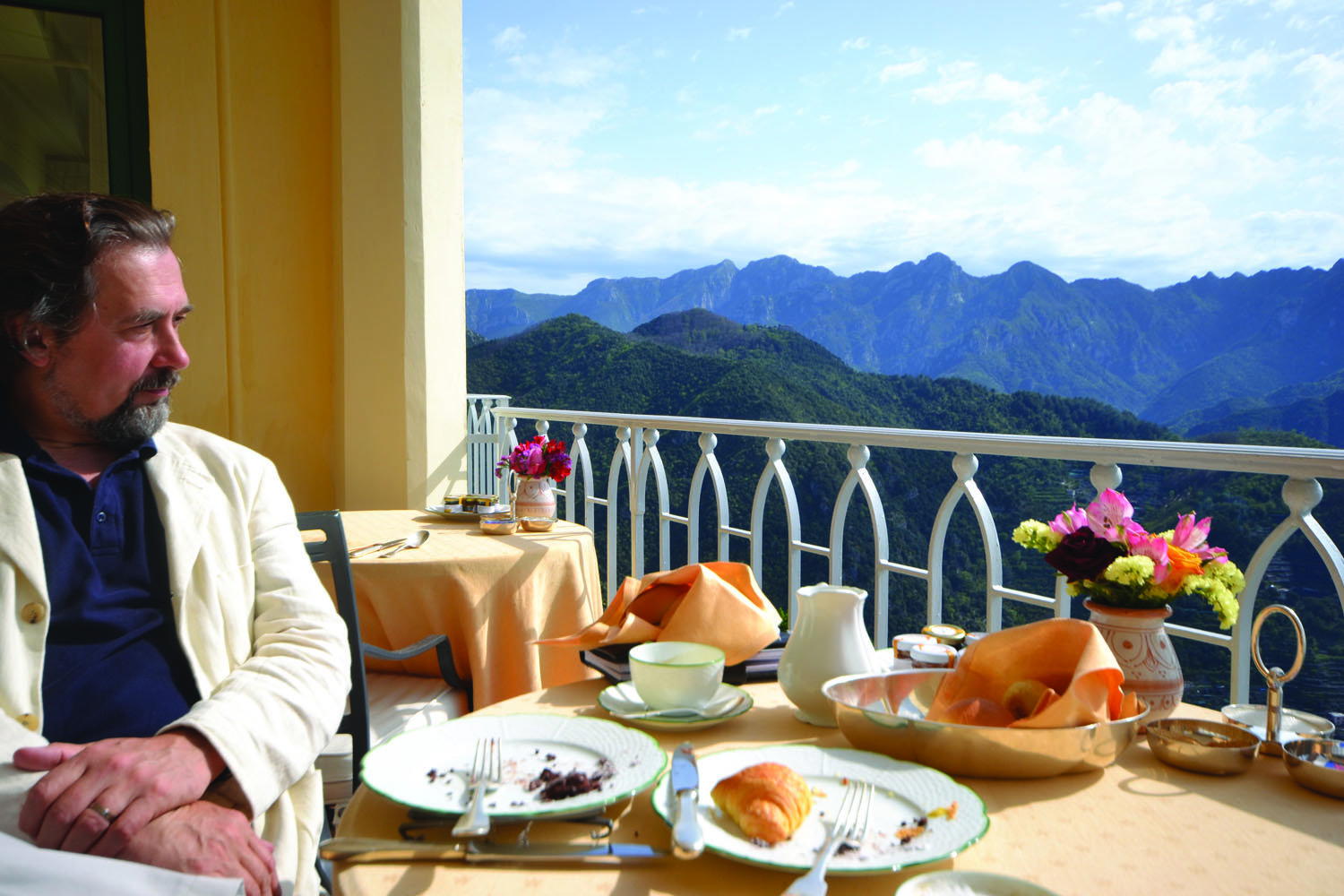
The road from Amalfi town to Hotel Santa Caterina takes barely a quarter of an hour on foot, but the transition feels more decisive than the distance suggests. The SS163 Amalfitana curves away from the harbor's concentrated activity, and the hotel materialises on a hillside just beyond the town boundary, its terraced gardens and liberty-style main building arranged against the cliff face in a way that reads less like a construction decision and more like a geological inevitability. From almost any vantage point on the property, the town of Amalfi sits in the middle distance, framed by the same sea panorama that made this stretch of Campania coastline famous. That positioning, slightly removed but never isolated, is one of the defining characteristics of the Santa Caterina experience.
On the Amalfi Coast, the premium hotel market divides broadly into two postures: the grand cliffside villa with deep historical roots, and the newer boutique arrival that competes on contemporary design. Hotel Santa Caterina, founded in 1880 and held by the Gambardella family across multiple generations, sits firmly in the first category. Nearby, Borgo Santandrea and Palazzo Avino occupy adjacent positions on the coast's prestige tier, each offering a distinct architectural identity. Santa Caterina's claim rests on something those newer properties cannot replicate: more than a century of accumulated physical character, worked into the building's bones rather than applied as a decorative gesture.
A Building That Reads as Lived-In
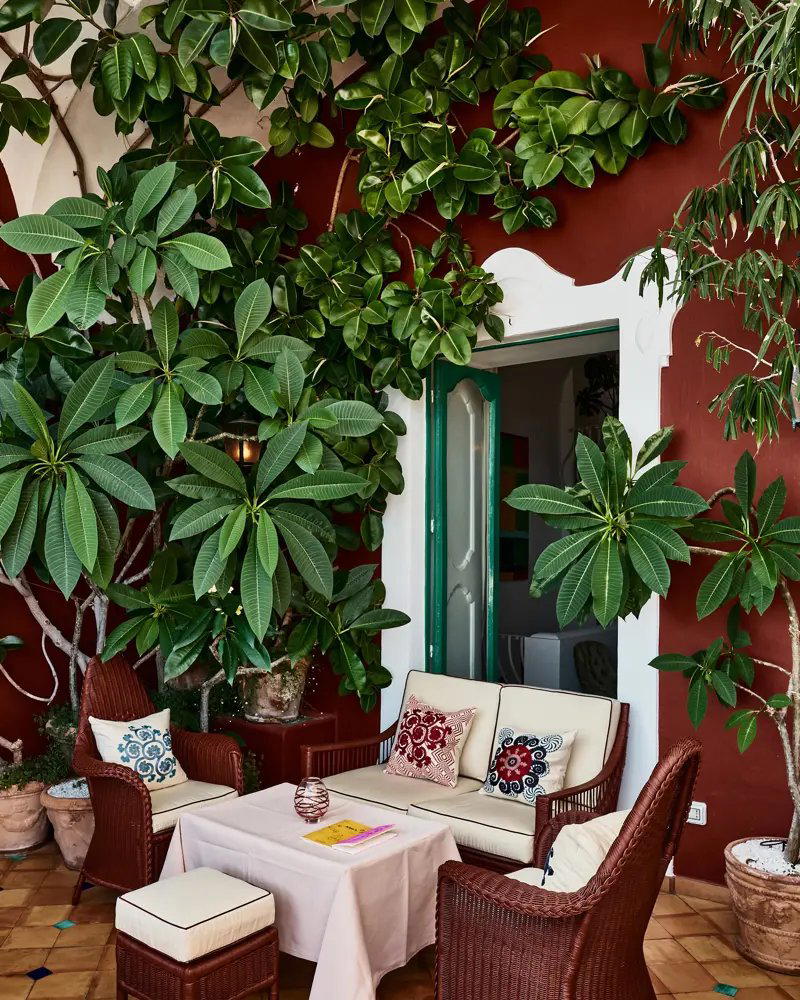
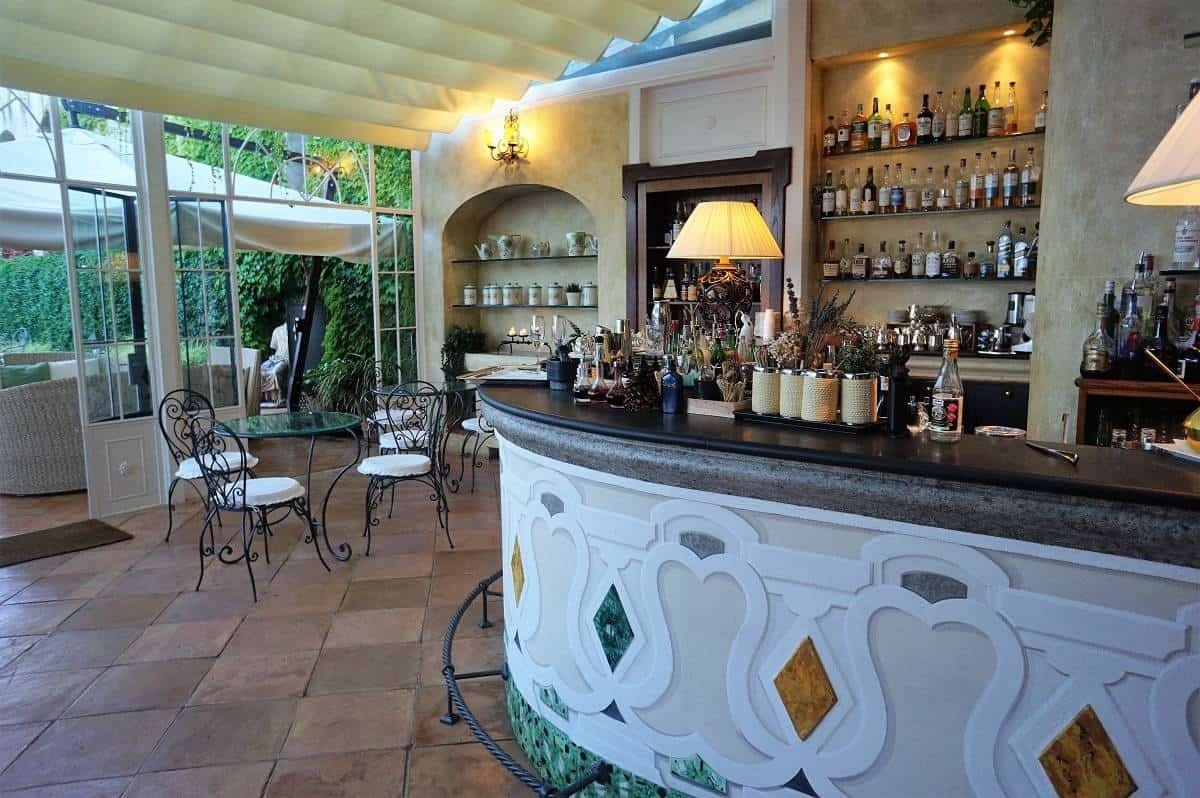
The architecture of the main building follows the 19th-century liberty style, which along the Campanian coast tends to mean generous proportions, generous use of wrought iron, and a relationship with the land that assumes permanence. At Santa Caterina, this translates into a lobby with coved ceilings, Belle Epoque detailing that registers as atmosphere rather than pastiche, and a spatial logic oriented consistently toward the sea. The interiors across 66 rooms and suites do not attempt a uniform aesthetic; instead, each room works from a base of early 20th-century family furnishings and hand-painted majolica ceramics from Vietri sul Mare, with enough individual variation to sustain the impression of a private residence rather than a managed inventory of identical boxes.
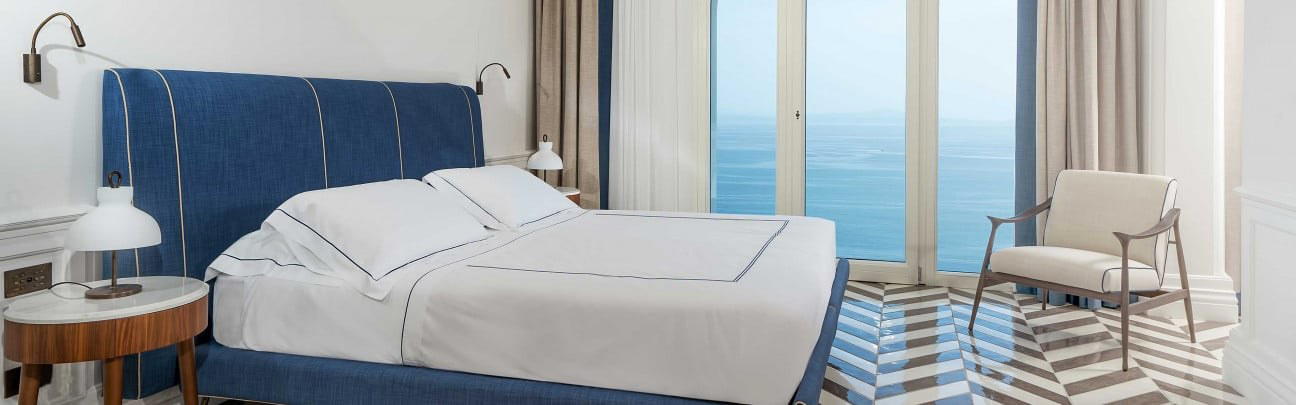
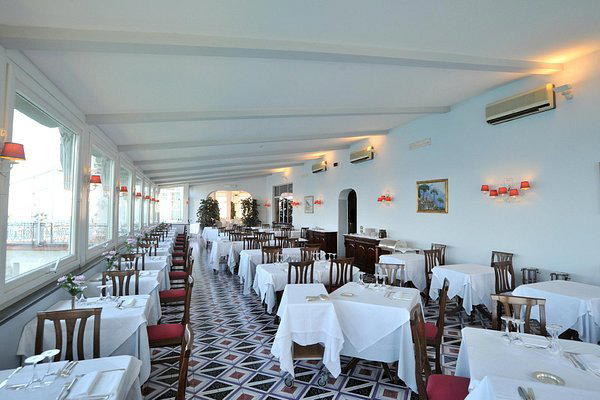
The majolica floors deserve particular attention as an architectural element. Vietri sul Mare, roughly 25 kilometres south along the coast, has produced this style of hand-painted ceramic since at least the 16th century, and its presence throughout the Santa Caterina interiors connects the building directly to a regional craft tradition rather than a generic luxury specification. The effect in the deluxe rooms, where ceramic tile floors meet sea-view bathrooms with brass fixtures, is one of coherent material logic: every surface material has a traceable regional origin or historical precedent. This is a different proposition from the stripped-back contemporary interiors that have become the default language of new European luxury hotels. For reference, the design approach at Aman Venice in Venice or Four Seasons Hotel Firenze in Florence draws on palazzo grandeur restated through modern restoration; Santa Caterina operates on a different register, one where the decorative vocabulary has simply never been replaced.
The Vertical Architecture of the Property
One of the more structurally interesting decisions embedded in the Santa Caterina's design is the way the property handles its own topography. The hillside location means that the distance between the main building and the sea is measured not just in metres but in elevation, and the hotel addresses this through two elevators carved directly into the rock face. This is not a convenience feature in the conventional sense; it is a piece of engineering that defines the rhythm of the guest experience. Arriving at sea level via a rock-cut lift, the transition from upper gardens to the waterfront Beach Club, with its heated salt-water swimming pool and thatched-roof open-air caffè, feels engineered to emphasise contrast rather than continuity. The pathway through terraced gardens offers the same descent at a slower pace, past citrus orchards and framed sea views that change angle with every turn.
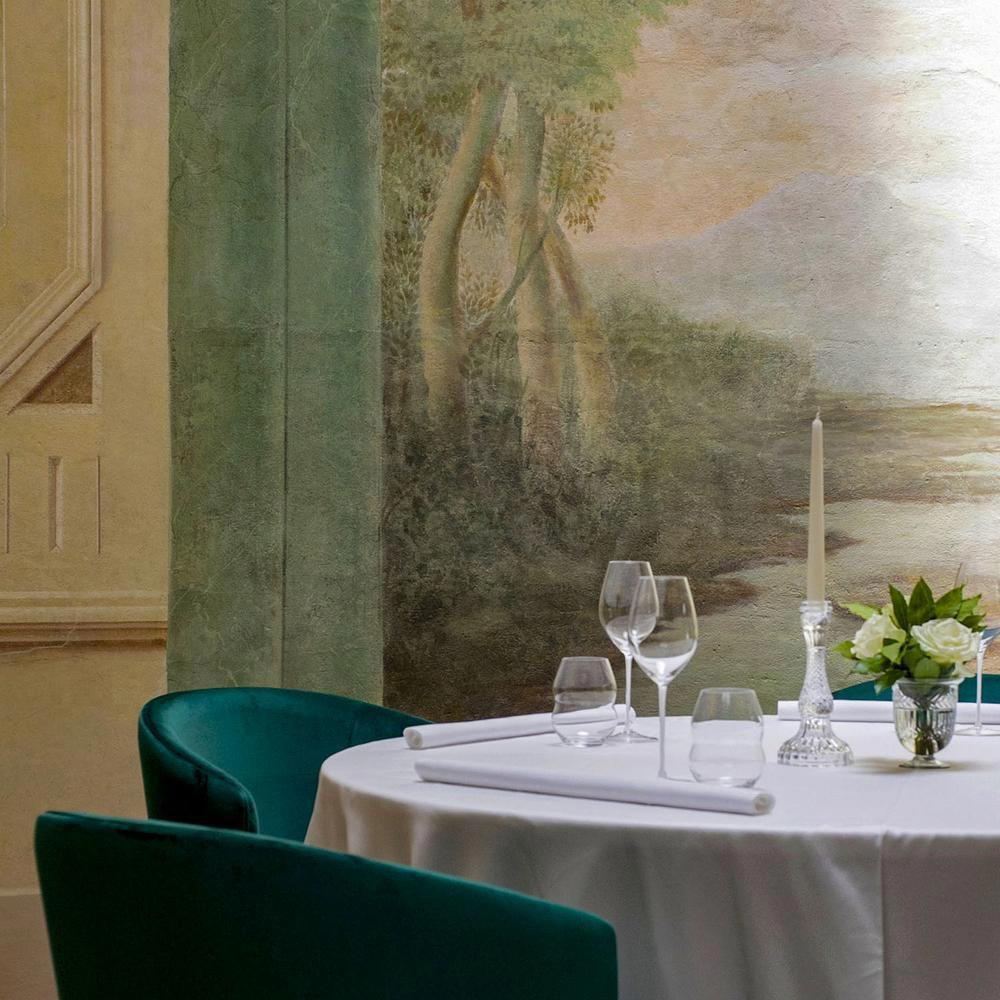
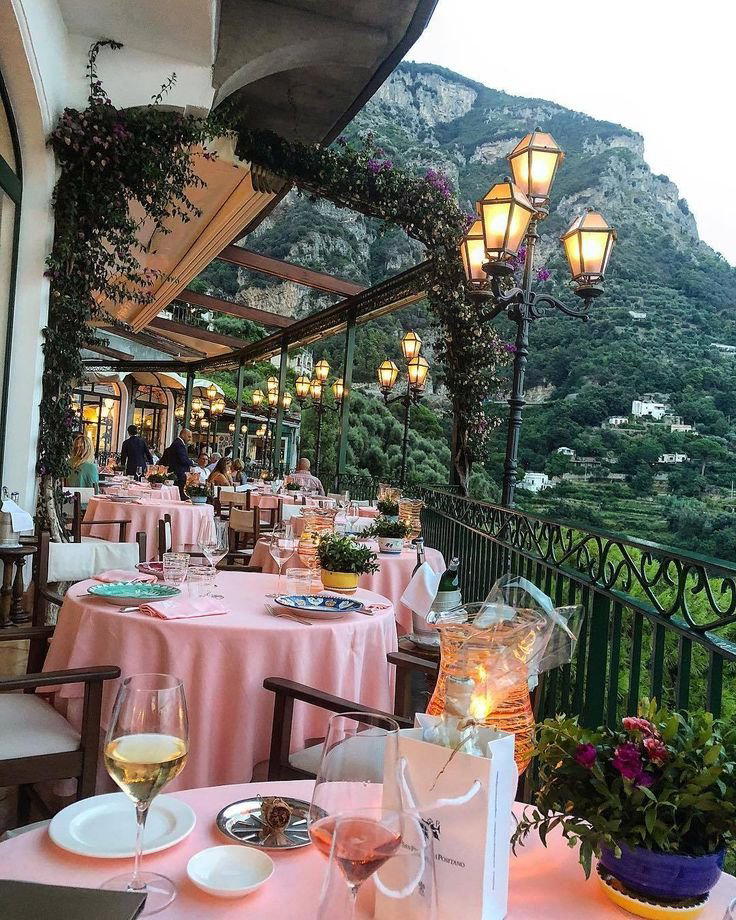
The property effectively functions as a vertical sequence of distinct environments: upper building, mid-garden terraces, sea-level beach club. The Restaurant Santa Caterina occupies the upper tier, using the cliff-terrace position for maximum coastal panorama; Restaurant Al Mare operates at sea level, adjacent to the salt-water pool, with a wood-fired format that suits the informal register of a day spent at the water's edge. Both restaurants have appeared in multiple authoritative international guidebooks, and the kitchen's profile is substantial enough to have hosted events at the Hotel Plaza in New York on more than one occasion. The property is open seasonally from mid-March through October, with the Beach Club accessible from April, making late spring through early autumn the period when the full vertical range of the property is available.
Room Types and the Suite Logic
The 36 rooms in the main building range from partial to full sea view, with the front sea-view category offering the clearest sight lines to the harbor and town. The 13 suites in the main building step up in floor area and light, with hand-painted majolica floors, wood furnishings, and sea panoramas treated as standard rather than optional. The Villa Santa Caterina annex adds 17 further accommodations, including garden suites, while the property's garden suite collection takes its names directly from the botanical context: Limoni, Glicine, Vite, Campanule, each designed to read as an extension of the surrounding citrus and garden landscape.
At the outer edge of the property's room hierarchy sits the Giulietta and Romeo Chalet, a two-level residence perched at the cliff's edge above the sea, with a private heated infinity pool and a garden setting that removes it almost entirely from the main building's orbit. The 19th-century hunting-box origin of the structure is visible in its proportions, and its water's-edge position at the far end of the orchards places it in a different spatial relationship with the coastline than any other accommodation on the property. For a direct comparison in the Italian luxury hotel market, the private-residence format is also pursued by Castello di Reschio in Lisciano Niccone and Il Pellicano in Porto Ercole, though each operates within a very different regional and architectural context.
Placement in the Italian Luxury Hotel Conversation
Italy's luxury hotel tier is wide enough to accommodate properties with almost no overlapping logic. The design-led urban arrivals, among them Bulgari Hotel Roma in Rome and Portrait Milano in Milan, compete on architectural ambition and contemporary programming. The rural estate category, represented by Rosewood Castiglion Del Bosco in Montalcino and Borgo Egnazia in Savelletri di Fasano, builds its case on landscape, provenance, and culinary identity tied to a specific agricultural region. Santa Caterina belongs to neither of those categories cleanly. It is a coastal property with a continuous family history, an architecture rooted in a specific regional period, and a physical relationship with its site that has been incrementally deepened rather than periodically reimagined. Among Italian coastal properties, Il San Pietro di Positano and JK Place Capri in Capri address similar terrain with different design languages.
For visitors building an itinerary across Italy's premium hotel tier, useful points of comparison further afield include Passalacqua in Moltrasio on Lake Como, Casa Maria Luigia in Modena, and Forestis Dolomites in Plose, each of which occupies a different regional and architectural position within the same broad tier. For a broader look at the coastal dining and hotel scene, see our full Amalfi Coast restaurants guide.
Planning a Stay
Hotel Santa Caterina operates from mid-March through October, with Beach Club access from April. The property sits at Via Mauro Comite, 9, Amalfi, approximately a 15-minute walk from the town center, with a hotel shuttle available for guests who prefer not to use the coastal path. Rock-cut cliff elevators connect the main building to the sea-level Beach Club and fitness center. The spa offers locally derived treatments, including options based on Amalfi lemon, a fruit that also defines the garden setting. Advance booking is advised for the Giulietta and Romeo Chalet and the named garden suites, which represent the property's most architecturally distinctive accommodations. Requesting a front sea-view room category in the main building delivers the clearest harbor and town panoramas from the upper tier of the property. Additional Italian properties worth considering at a comparable level include Bellevue Syrene 1820 in Sorrento, EALA My Lakeside Dream in Limone sul Garda, Castel Fragsburg in Merano, Castelfalfi in Montaione, Borgo San Felice Resort in Castelnuovo Berardenga, and Corte della Maestà in Civita di Bagnoregio. For longer international itineraries, The Fifth Avenue Hotel in New York City, Aman New York, and Amangiri in Canyon Point represent different expressions of the same commitment to architecturally grounded, non-generic luxury.
Quick Comparison
Comparable venues nearby, for context on price, style, and recognition.
| Venue | Cuisine | Price | Awards | Notes |
|---|---|---|---|---|
| Hotel Santa CaterinaThis venue (the venue you are viewing) | 19th-century liberty-style main building with modern annex | Not listed | 2 Michelin Keys · La Liste Top Hotels | Not listed |
| Palazzo Avino | Historic luxury palazzo with antique furnishings and modern comforts | $750–1,000 | 1 Michelin Key · Star Wine List | Ravello |
| Borgo Santandrea | Cliffside resort blending Mediterranean tradition with mid-century modern luxury. | Not listed | 3 Michelin Keys · World's 50 Best #84 | Conca dei Marini |
| JK Place Roma | Luxury boutique hotel blending 17th-century Roman palazzo architecture with contemporary design, positioned as an exclusive private townhouse experience. | $500–750 | 1 Michelin Key · La Liste Top Hotels | Campo Marzio |
| Castelfalfi | Contemporary luxury resort integrated into a medieval Tuscan village estate, balancing historic authenticity with modern amenities across multiple buildings and 2,700 acres. | Not listed | 2 Michelin Keys · La Liste Top Hotels | Montaione |
| Villa Igiea, A Rocco Forte Hotel | Historic seaside palazzo blending Belle Époque grandeur with contemporary Sicilian luxury | Not listed | 2 Michelin Keys · La Liste Top Hotels | near Palermo Harbour |
Recognition history
Dated appearances from independent guides and award organizations, with the underlying list record or original source where available.
Michelin 2 Keys
Michelin
La Liste Top Hotels
La Liste
Fodor's Most Incredible Hotels in the World
Fodor's
Forbes 4-Star
Forbes
Virtuoso Luxury Hotel Partner
Virtuoso
Full recognition history (10 entries)
Conde Nast Gold List
Conde Nast
Forbes 4-Star
Forbes
Leading Hotels of World Member
Leading Hotels of World
Michelin 2 Keys
Michelin
Michelin 2 Keys
Michelin
Continue exploring
More in Amalfi
Hotels in Amalfi
All hotels in Amalfi →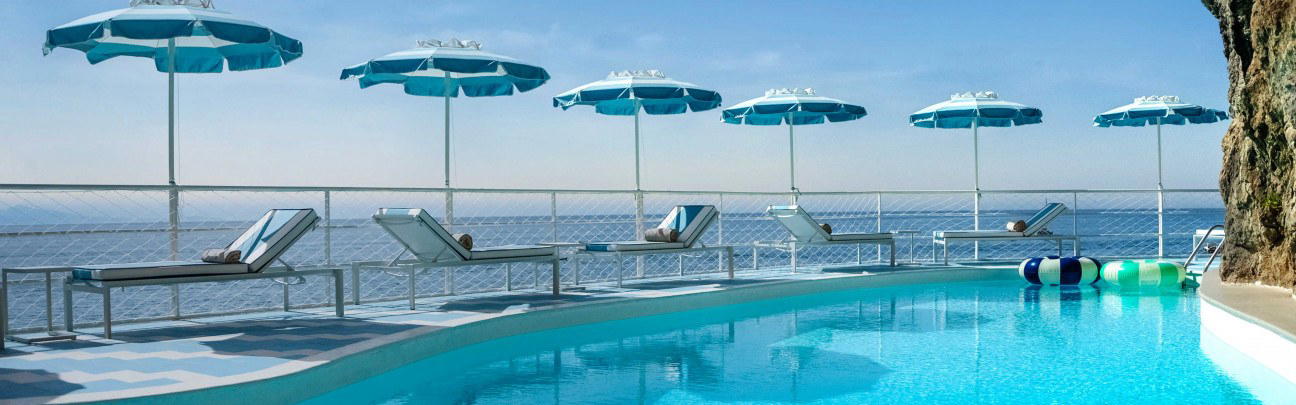
Bars in Amalfi
All bars in Amalfi →

Details
- Romantic
- Elegant
- Scenic
- Sophisticated
- Classic
- Quiet
- Honeymoon
- Romantic Getaway
- Anniversary
- Weekend Escape
- Beachfront
- Panoramic View
- Infinity Pool
- Pool
- Spa
- Fitness Center
- Wi Fi
- Room Service
- Concierge
- Restaurant
- Sauna
- Beach Access
- Waterfront
- Elevator
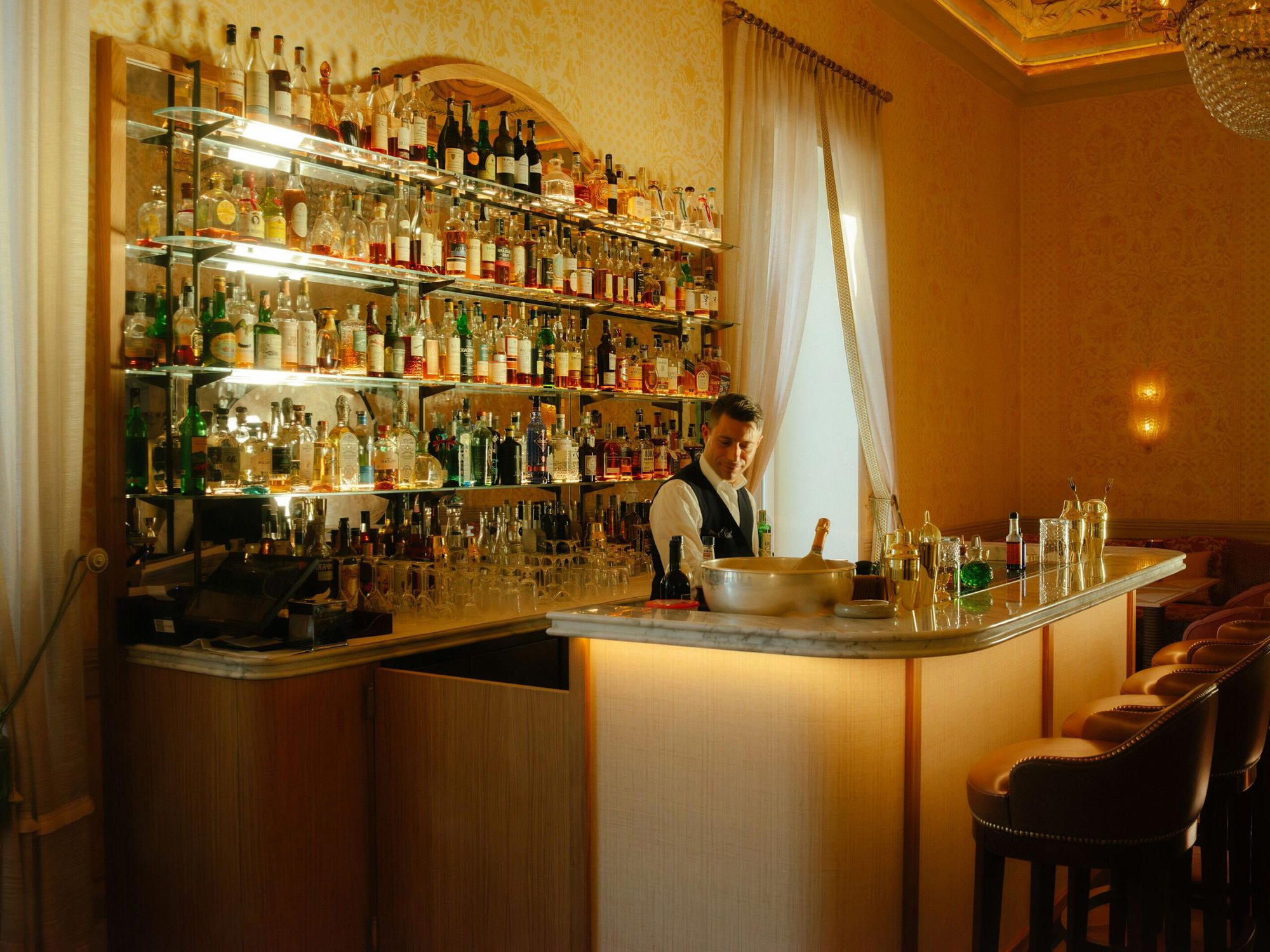
Elegant Mediterranean atmosphere with warm lighting, serene sea views from terraces, and a luxurious, relaxing vibe praised in guest reviews.