

No address on the Avenue de Champagne carries more historical weight than number 20. Moët & Chandon has been producing Champagne since 1743, making it one of the oldest continuous operations in the Marne valley.
Pearl is the En Primeur Club membership app — saves, bookings, and concierge access live there. Same editors, same standards.
- Address
- 20 Avenue de Champagne, 51200 Épernay, France
- Phone
- +33326512000
- Website
- moet.com
- Directions
- Get directions
 Saves & bookings on Pearl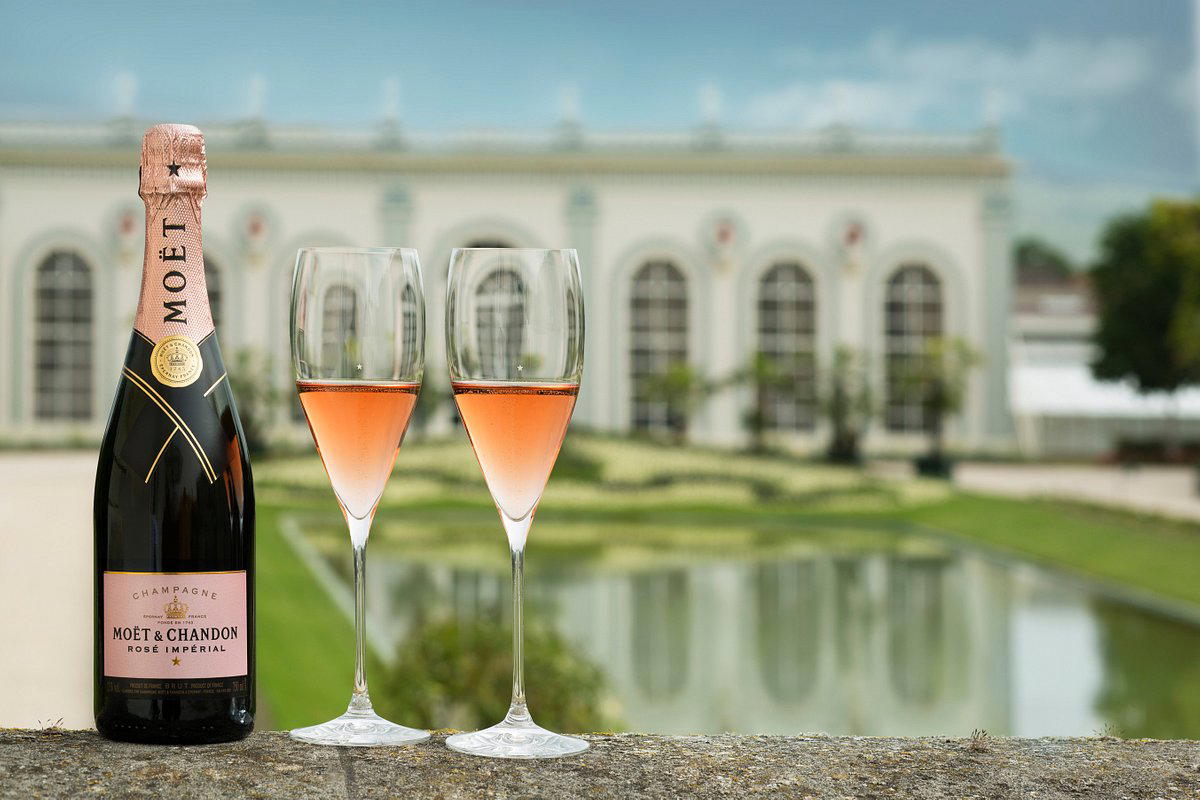
The Avenue and What It Represents
Avenue de Champagne in Épernay is often described as one expensive stretch of road in France, a claim grounded in the sheer volume of wine aging beneath it. The chalk subsoil that runs under the boulevard acts as a natural temperature regulator, and the grandes maisons built their cellars here precisely because the geology demanded it. Approaching number 20, the formal Orangerie facade and ordered parkland communicate something the wine itself also communicates: this is a house that has had time to develop opinions about how things should be done. Moët & Chandon has been operating from this address since 1743, which places its founding within decades of the modern Champagne method taking shape as a commercial proposition.
That longevity matters in Épernay more than it might elsewhere. In a region where prestige is partly constructed through lineage, 280-plus years of continuous production is a credential that newer houses simply cannot acquire. The comparison set on the Avenue itself, which includes Pol Roger and smaller operations with their own strong reputations, makes Moët's scale and historical depth particularly apparent. Where Alfred Gratien occupies a more artisanal, lower-volume niche and Gosset operates as one of the oldest wine houses in France with its own distinct identity, Moët & Chandon operates at a volume and visibility that places it in a category largely its own within the region.
Chalk, Depth, and the Architecture of the Cellars
The physical experience of Moët & Chandon is inseparable from what lies beneath the estate. The house's cellar network extends approximately 28 kilometres underground, carved from the same Belemnite chalk that defines the geological character of the Champagne appellation. Chalk cellars in Champagne are not merely practical storage; they are the product of centuries of excavation, and the scale of Moët's tunnels reflects the cumulative investment of a house that has been expanding its production capacity since the mid-eighteenth century.
At a consistent 10 to 12 degrees Celsius, the tunnels create conditions that slow secondary fermentation and allow the extended lees contact that contributes to the complexity of prestige cuvées. Walking the galleries gives a physical sense of what large-scale Champagne production actually involves: millions of bottles in various stages of riddling, aging, and preparation, the whole operation proceeding according to timelines measured in years rather than seasons. The scale distinguishes Moët's cellar visit from the more intimate experiences available at smaller, grower-producer houses in the surrounding villages, where production volumes are a fraction of this and the tour is correspondingly more personal.
For context on what a different operational model looks like, productions like Albert Boxler in Niedermorschwihr in Alsace operate on the entirely opposite end of the scale, where artisan volume and family ownership define every decision. Moët's cellars represent the industrialisation of prestige, which is not a criticism so much as an accurate description of what makes this particular visit instructive for anyone trying to understand how the Champagne category works at its most commercially significant level.
Winemaking Position and the 2025 Recognition
Winemaker Benoît Gouez has held the chef de cave position at Moët & Chandon for two decades, making him one of the longer-serving prestige-house winemakers in Champagne. The role of chef de cave at a house of this scale involves blending across hundreds of reserve wines and dozens of villages, with the goal of maintaining a recognisable house style across Non-Vintage production while also developing prestige cuvées that can absorb extended aging. It is a position that rewards experience with the reserve library more than it rewards any single brilliant vintage decision.
This places Moët & Chandon within the upper bracket of assessed Champagne houses and reflects a formal recognition that goes beyond the brand's commercial prominence. For a visitor assessing where the house sits relative to its peers, that credential matters: it is possible to be famous without being technically distinguished, and the award suggests that the quality program at number 20 Avenue de Champagne is operating at a level commensurate with the house's reputation.
The broader French fine wine and spirits category has been producing notable prestige recognition across multiple regions in 2025. Houses and producers as different in character as Chartreuse in Voiron, Château Bastor-Lamontagne in Preignac, Château Batailley in Pauillac, Château Bélair-Monange in Saint-Emilion, Château Boyd-Cantenac in Cantenac, Château Branaire Ducru in St-Julien, Château Cantemerle in Haut-Médoc, Château Clinet in Pomerol, Aberlour in Aberlour, and Accendo Cellars in St. Helena have all received recognition in the same awards cycle, illustrating how the 2025 assessments spanned geography and category without privileging one region over another.
Planning a Visit
Épernay is accessible by direct train from Paris Gare de l'Est in approximately 75 minutes, making the Avenue de Champagne a viable day trip from the capital, though staying overnight gives time to cover more of the Marne valley. Moët & Chandon's maison at 20 Avenue de Champagne is the anchor point for most house visits; the combination of formal reception spaces, the Orangerie, and the cellar galleries makes it a structured experience rather than a casual drop-in. Cellar tours are bookable in advance and are offered at multiple depth levels, from standard introductory visits to longer formats that include library tastings. Visiting on a weekday outside the summer peak reduces the likelihood of sharing the gallery tunnels with large groups, which materially changes the experience. The Avenue itself rewards a full afternoon: the concentration of historic houses within a short walk means that a visit to Moët can be combined with exploration of the street's architectural character before or after the formal tour. For a broader view of what the town and surrounding region offer, see our full Épernay restaurants guide.
The Essentials
Comparable venues nearby, for context on price, style, and recognition.
| Venue | Cuisine | Price | Notes |
|---|---|---|---|
| Moët & ChandonThis venue — the venue you are viewing | Épernay, Pinot Noir, Chardonnay | $$$$ | Not listed |
| Alfred Gratien | Épernay, Chardonnay, Pinot Noir | $$$ | Not listed |
| Gosset | Not listed | $$$ | Avenue de Champagne, Chardonnay, Pinot Noir |
| Pol Roger | Not listed | $$$$ | Avenue de Champagne, Pinot Noir, Chardonnay |
| Perrier-Jouët | Épernay, Chardonnay, Pinot Noir | $$$$ | Not listed |
| Pommery | Reims, Chardonnay, Pinot Noir | $$$ | Not listed |
Recognition history
Dated appearances from independent guides and award organizations, with the underlying list record or original source where available.
Falstaff Winery - 3 Stars
Falstaff
World's 50 Best Best Vineyards #57
World's 50 Best
Continue exploring
More in Épernay
Wineries in Épernay
Browse all →
Bars in Épernay
Browse all →
Restaurants in Épernay
Browse all →
At a Glance
- Elegant
- Well Known
- Sophisticated
- Classic
- Ornate
- Celebration
- Special Occasion
- Wine Education
- Cave Tasting
- Historic Building
- Vineyard Tour
- Sustainable
- Vineyard
- Champagne AOC
- Pinot Noir
- Chardonnay
- Pinot Meunier
- Sparkling
- Guided Tasting
Current opening hours
- Monday
- 9:30 AM–5 PM
- Tuesday
- 9:30 AM–5 PM
- Wednesday
- 9:30 AM–5 PM
- Thursday
- 9:30 AM–5 PM
- Friday
- 9:30 AM–5 PM
- Saturday
- 9:30 AM–5 PM
- Sunday
- 9:30 AM–5 PM
Hours can change for holidays and private events. Last verified .
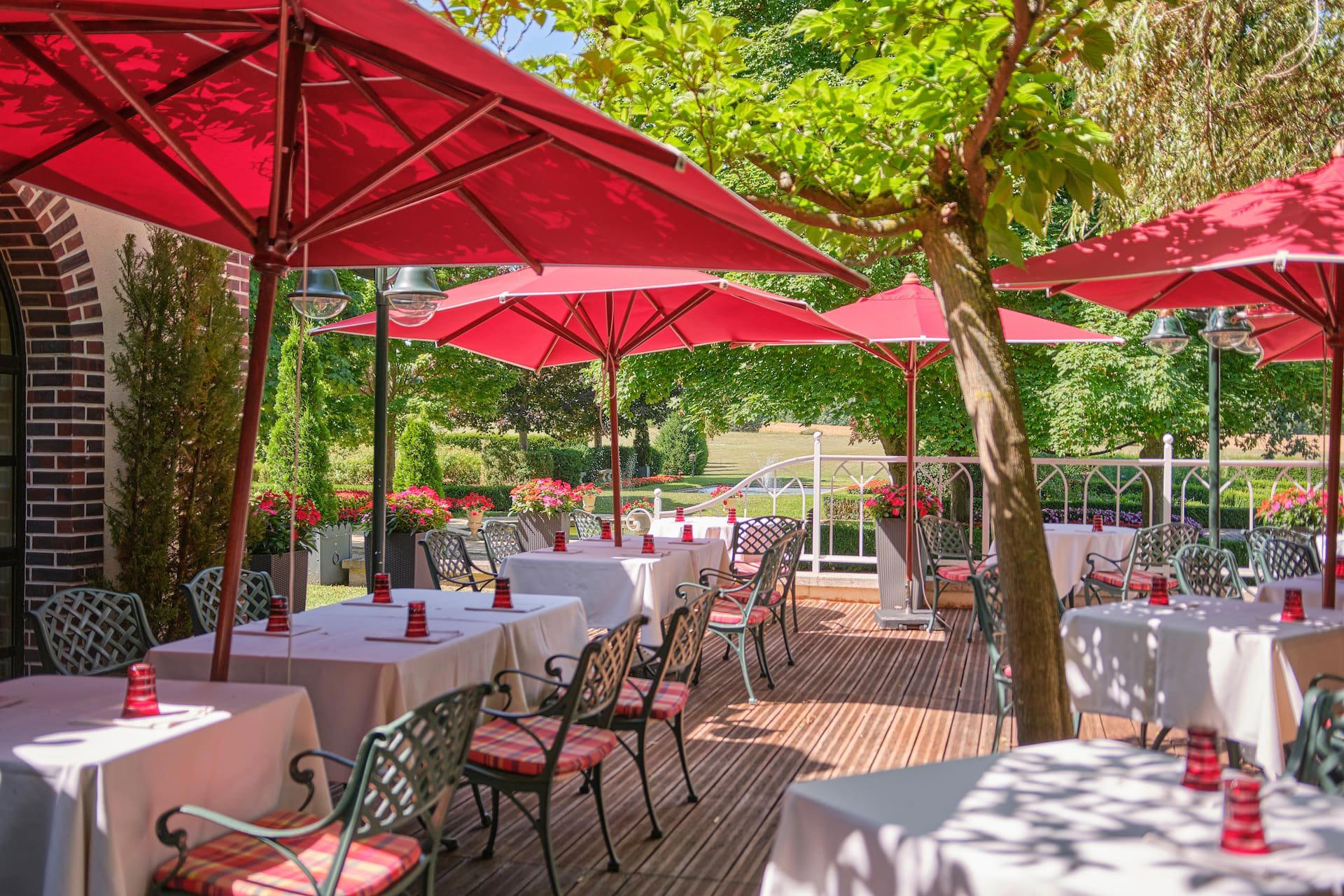
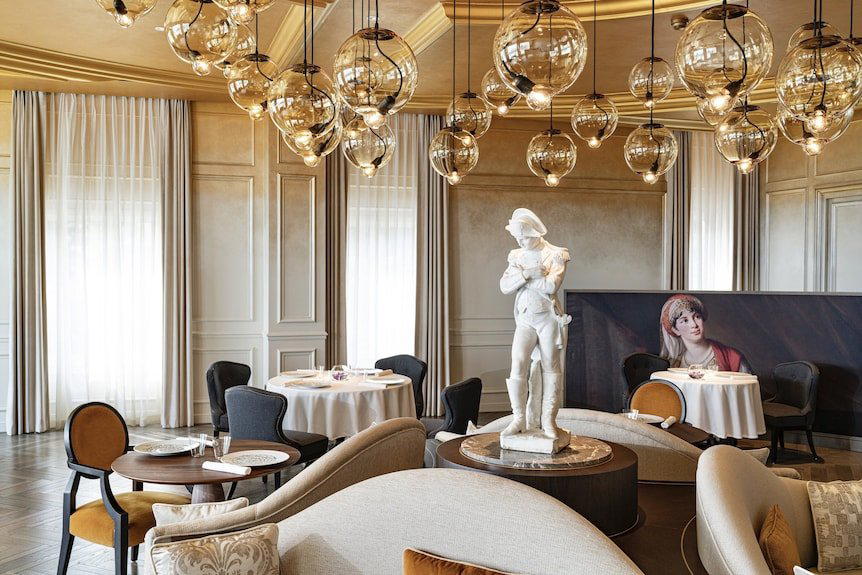
Elegant and historic atmosphere in vast underground cellars with cultural artifacts, leading to tastings in private gardens featuring stained glass windows and a sense of timeless luxury.