
Falstaff Winery - 2 Stars
Among the grandes marques of the Avenue de Champagne, Perrier-Jouët has operated from the same address since 1825. The house sits in a distinctive tier defined by longevity, artistic identity, and a Chardonnay-driven style that separates it from the volume-led neighbours further down the avenue.
The Avenue and What It Promises
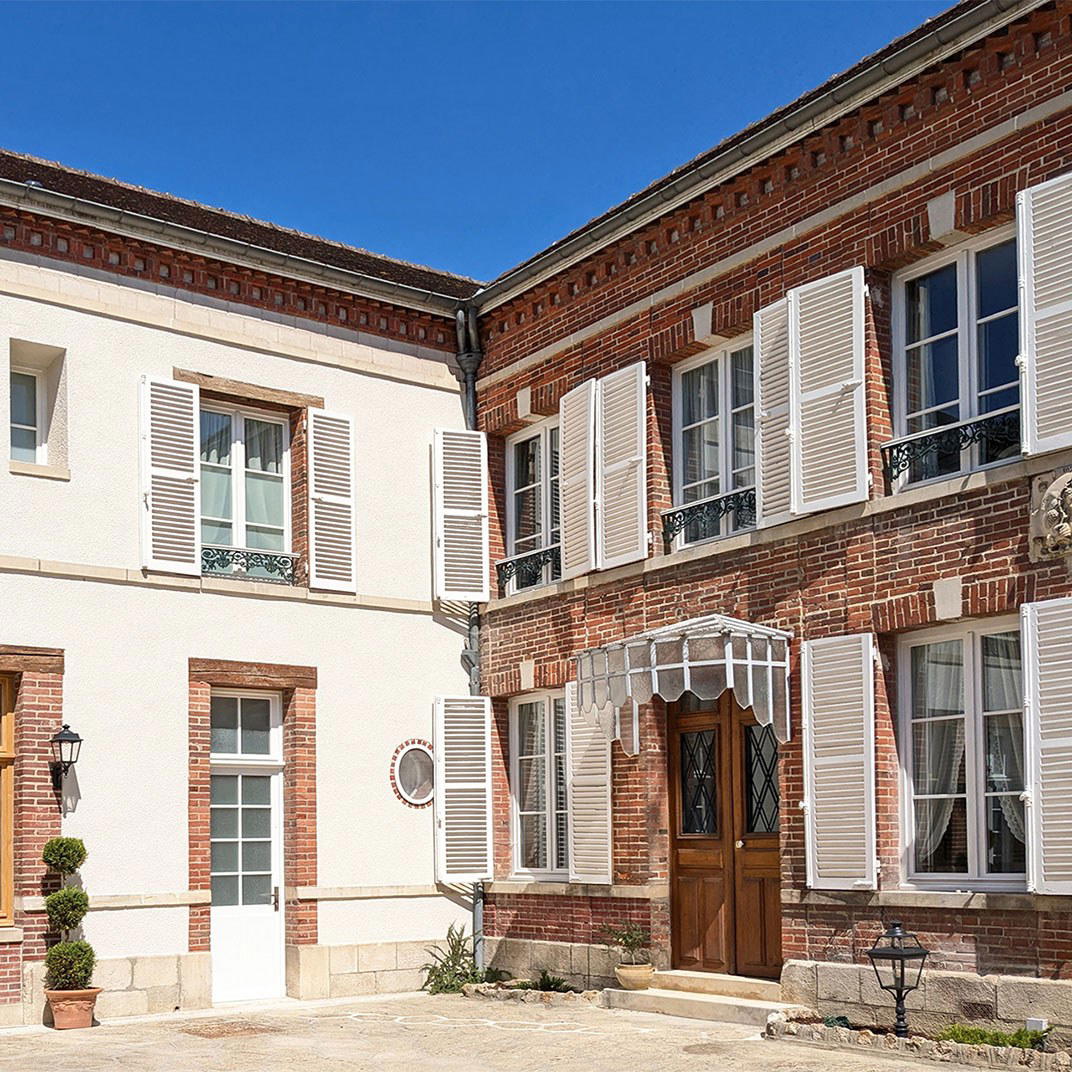
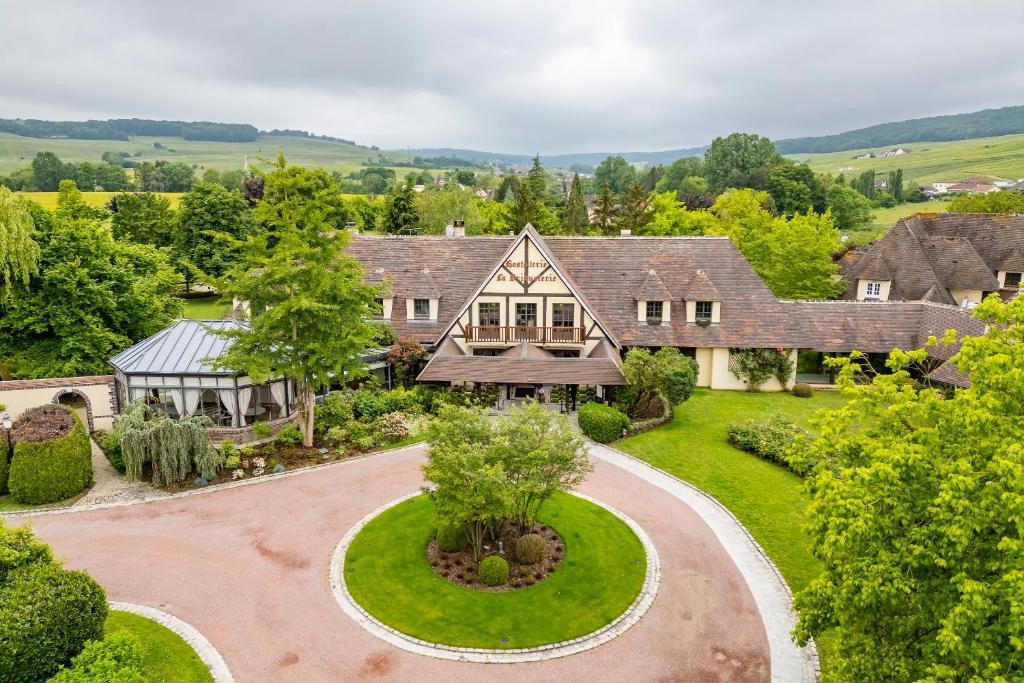
The Avenue de Champagne in Épernay is one of the most concentrated stretches of sparkling wine heritage anywhere in Europe. Grandes maisons line both sides of a long, broad boulevard, their limestone facades projecting an authority built over centuries. Walking west from the town centre, past the gates of Moët & Chandon and the quieter reception rooms of Alfred Gratien, you arrive at number 26, the address Perrier-Jouët has occupied since 1825. The building presents itself with restraint: no bombastic signage, no tourist-queue management barriers. The formality here is architectural rather than commercial, which tells you something about how the house positions itself relative to neighbours who have leaned harder into volume and visibility.
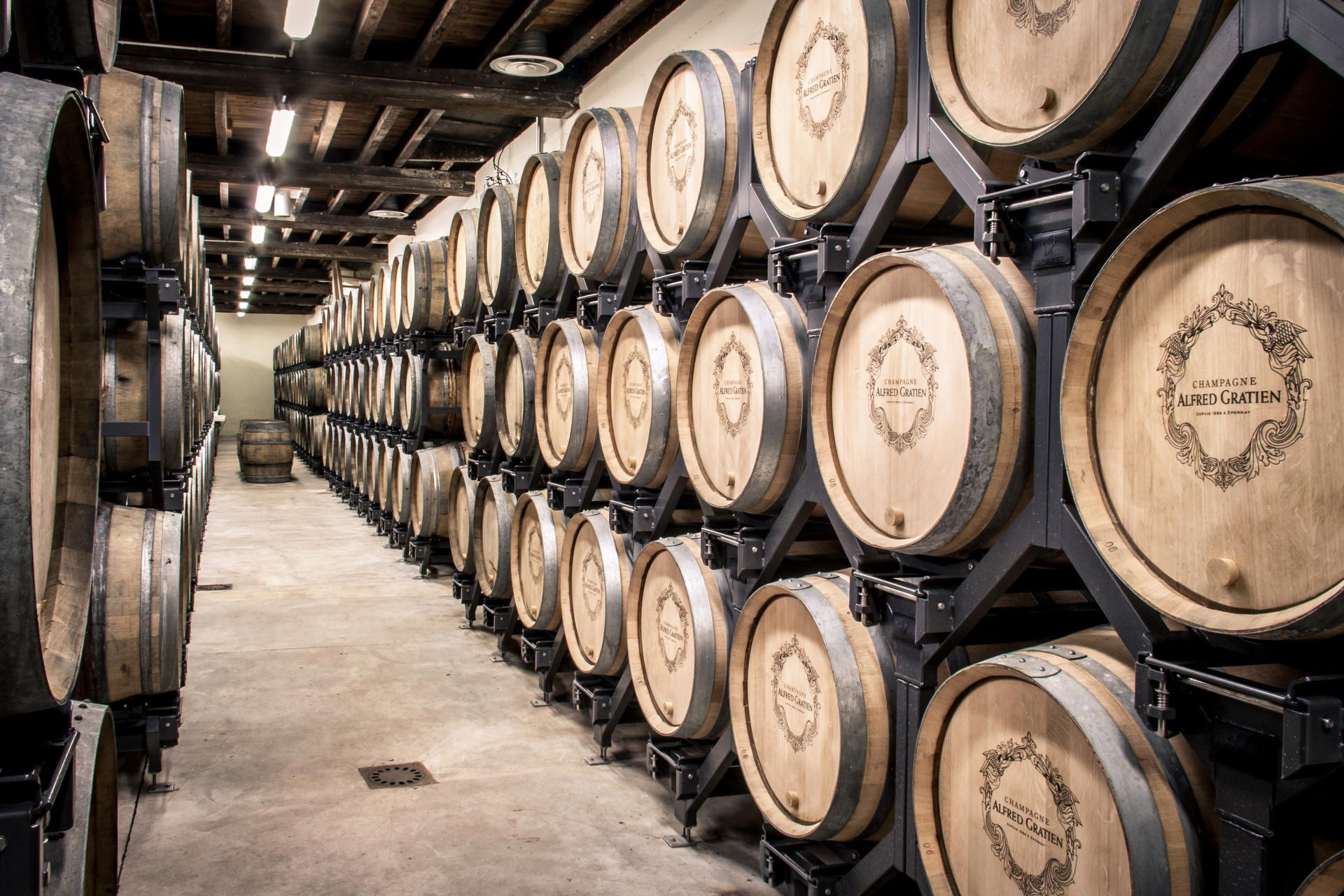
That restraint carries through to the cellars beneath. Épernay's chalk subsoil allowed the grandes maisons to excavate deep storage tunnels over the nineteenth century, and Perrier-Jouët's network extends under the avenue itself, maintaining the cool, constant humidity that slow-ageing méthode champenoise demands. The physical environment of the house is not separable from what ends up in the bottle; it is part of the production infrastructure.
Two Centuries of Chardonnay Emphasis
Champagne's internal geography divides broadly between Pinot Noir-dominant Montagne de Reims expressions, the Meunier-heavy Vallée de la Marne, and the Chardonnay-focused Côte des Blancs. Perrier-Jouët has consistently anchored its identity to the Côte des Blancs end of that spectrum, favouring a style built around freshness, floral registers, and restraint over richness. This is a deliberate positioning choice, and it places the house in a different conversation than, say, the power-oriented prestige cuvées that define parts of the Aÿ plateau, just a few kilometres east.
The house's first vintage dates to 1825, which means it predates phylloxera, the great restructuring of French viticulture, and the consolidation of Champagne's modern appellation framework. That kind of continuity is not merely a marketing credential; it reflects an accumulation of vineyard relationships and stylistic decisions that compound across generations.
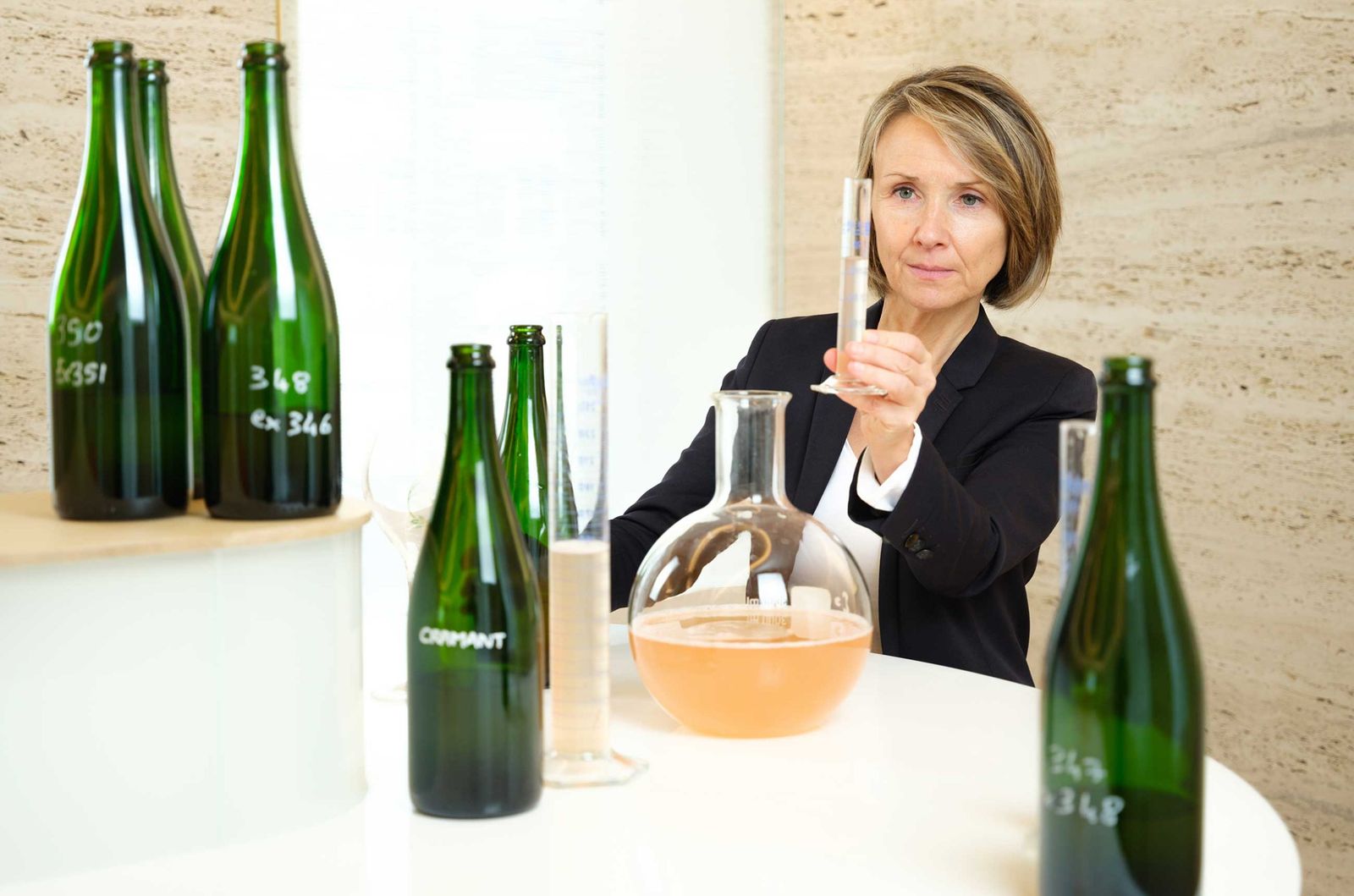
Séverine Frerson, who leads the house as Chef de Cave, works within that inherited framework while bringing her own technical perspective to assemblage decisions. In the broader Champagne context, the appointment of women to senior winemaking roles has accelerated meaningfully over the past decade, a shift that reflects both demographic change in the industry's training pipeline and a broader reassessment of who holds technical authority in the region's leading houses.
The Belle Époque Identity
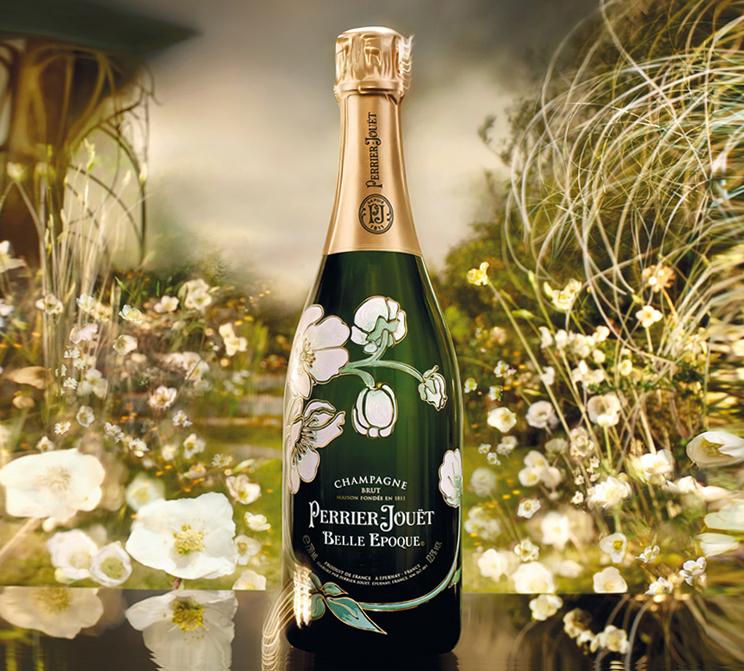
Perrier-Jouët's visual identity is one of the most recognised in Champagne: the white anemone motif designed by Émile Gallé for the 1902 Belle Époque cuvée has become inseparable from the house's public image. This matters editorially because it points to a house that made a deliberate bet on art-world adjacency at a specific historical moment, rather than building identity through vineyard hectarage or sales volume alone. The Art Nouveau connection situates Perrier-Jouët in a cultural register that its peers on the Avenue de Champagne do not share, and it has shaped the kind of visitor and collector the house attracts: people drawn to aesthetic coherence alongside wine quality, rather than one at the expense of the other.
The Maison Belle Époque, the historic property adjacent to the main house, extends this logic into a physical space: a 19th-century reception residence preserved with period furnishings and original Gallé glasswork. For context on how French drinks producers use heritage architecture as part of the visitor proposition, the approach here sits alongside similarly distinctive models found at Chartreuse in Voiron, where the monastic setting does analogous work for brand authority.
Visiting: What the Experience Looks Like in Practice
Perrier-Jouët's cellar visits and tasting experiences operate from the Avenue de Champagne address, with booking handled directly through the house. The Avenue is walkable from Épernay's train station in under ten minutes, and Épernay itself sits roughly 25 minutes by TGV from Reims and about 90 minutes from Paris Gare de l'Est on regional services, making it a viable day trip from the capital, though an overnight stay allows for a more considered tour of the avenue's multiple maisons. For accommodation and dining context in the town, see our full Épernay hotels guide and our full Épernay restaurants guide.
Visitors who want to understand the range of champagne styles available in the region should treat a Perrier-Jouët visit as one data point in a broader comparative tasting programme. The house's Chardonnay-dominant character reads very differently from the Pinot-forward assemblages at Gosset or the house-style precision of Pol Roger. Building a day around two or three contrasting visits is a more instructive use of time than committing an entire afternoon to a single maison. The town's bar and aperitif culture, lighter than the formal tasting room circuit, is covered in our full Épernay bars guide, and the broader activity context appears in our full Épernay experiences guide.
Compact Comparison
| Venue | Price | Awards |
|---|---|---|
| Perrier-JouëtThis venue (the venue you are viewing) | Not listed | Falstaff Winery - 2 Stars |
| Moët & Chandon | Not listed | World's 50 Best #57 · Falstaff Winery - 3 Stars |
| Alfred Gratien | $50–100 | Falstaff Winery - 3 Stars |
| Gosset | $50–100 | Falstaff Winery - 4 Stars |
| Pol Roger | Not listed | Falstaff Winery - 5 Stars |
Recognition history
Dated appearances from independent guides and award organizations, with the underlying list record or original source where available.
Falstaff Winery - 2 Stars
Falstaff
Perrier-Jouët
Featured Guides
Continue exploring
More in Épernay
Wineries in Épernay
All wineries in Épernay →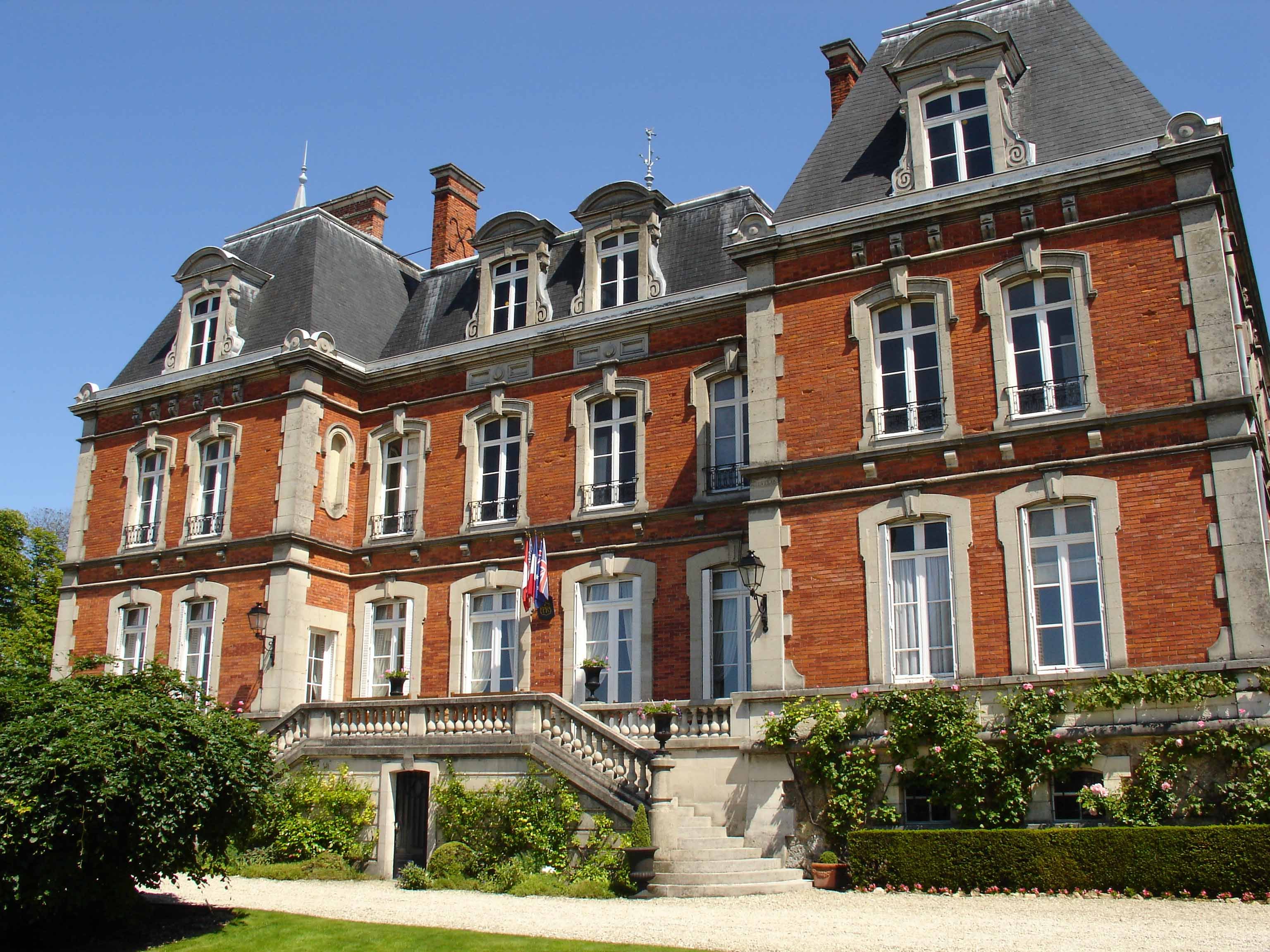
Bars in Épernay
All bars in Épernay →
Restaurants in Épernay
All restaurants in Épernay →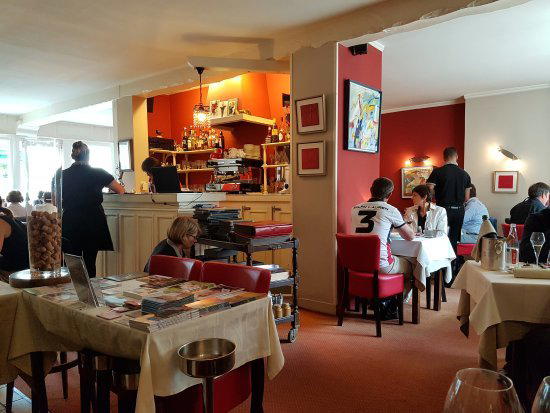
Details
- Elegant
- Classic
- Sophisticated
- Well Known
- Celebration
- Special Occasion
- Wine Education
- Cave Tasting
- Historic Building
- Sustainable
- Vineyard
- Chardonnay
- Pinot Noir
- Pinot Meunier
- Sparkling
- Vintage
- Prestige Cuvée
- English
- French
Current opening hours
- Monday
- Closed
- Tuesday
- Closed
- Wednesday
- 11:30 AM–6:30 PM
- Thursday
- 11:30 AM–6:30 PM
- Friday
- 11:30 AM–6:30 PM
- Saturday
- 11:30 AM–6:30 PM
- Sunday
- 11:30 AM–6:30 PM
Hours can change for holidays and private events. Hours as of .
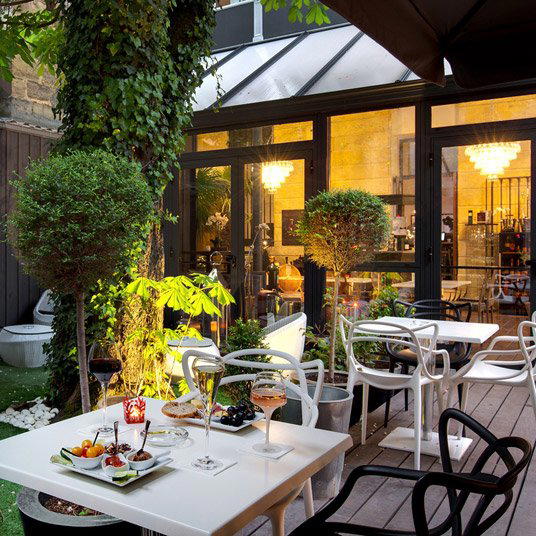
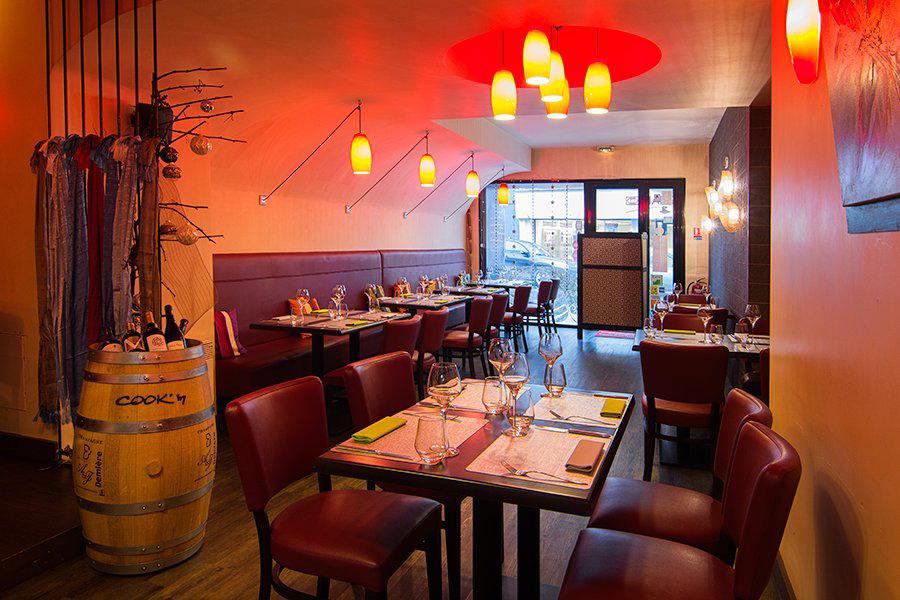
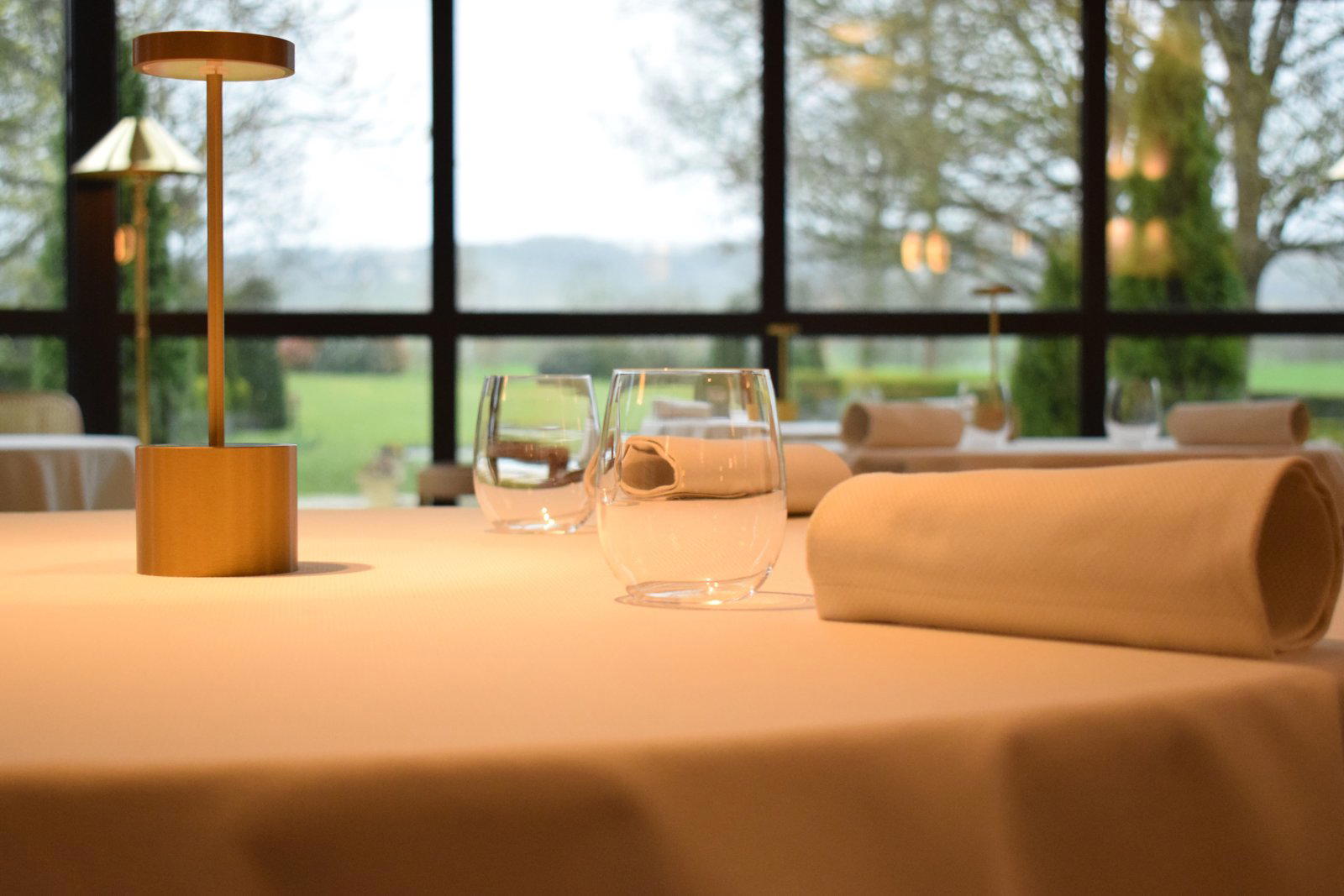
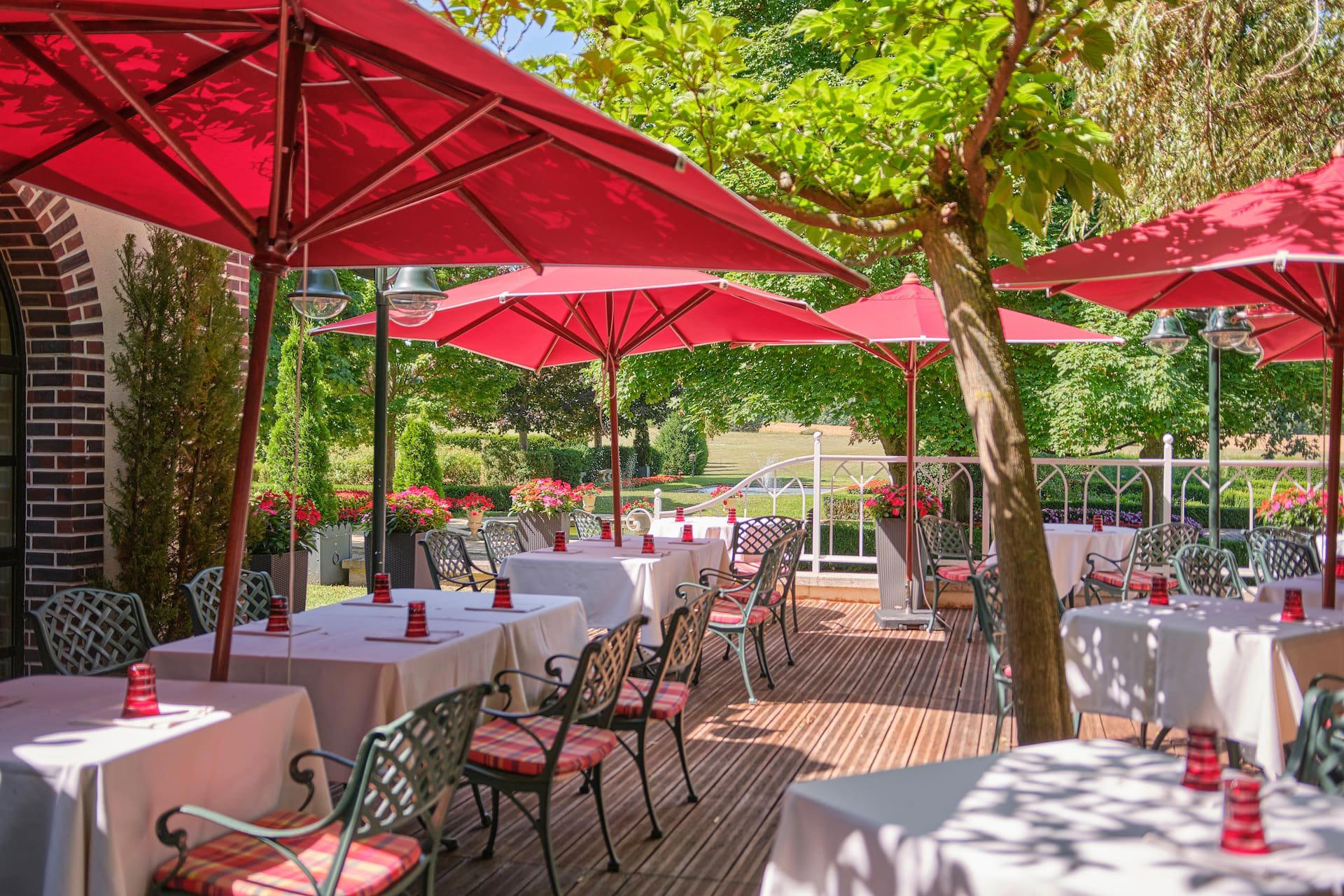
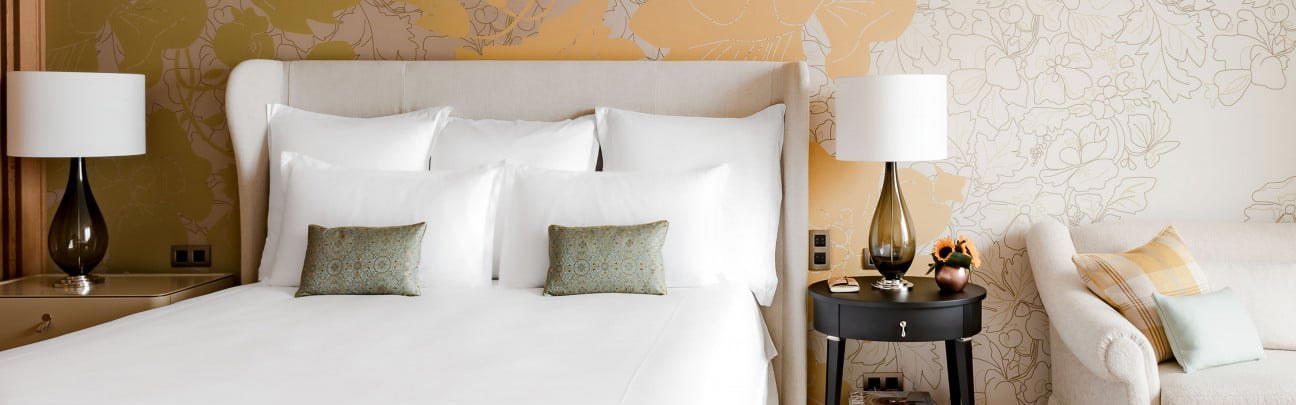
Elegant and refined atmosphere steeped in history, art, and floral motifs, evoking the opulence of the Belle Époque era.