Martini & Rossi
The historic Martini & Rossi estate in Pessione, just outside Turin, sits at the intersection of Piedmontese viticulture and the vermouths that shaped aperitivo culture across Europe. Consider it essential context for any serious tour of northern Italy's wine and spirits heritage.
Pearl is the En Primeur Club membership app — saves, bookings, and concierge access live there. Same editors, same standards.
- Address
- Piazza Luigi Rossi, 2, 10023 Pessione TO
- Phone
- +39 011 1927 2600
- Website
- martini.com
- Directions
- Get directions
 Saves & bookings on Pearl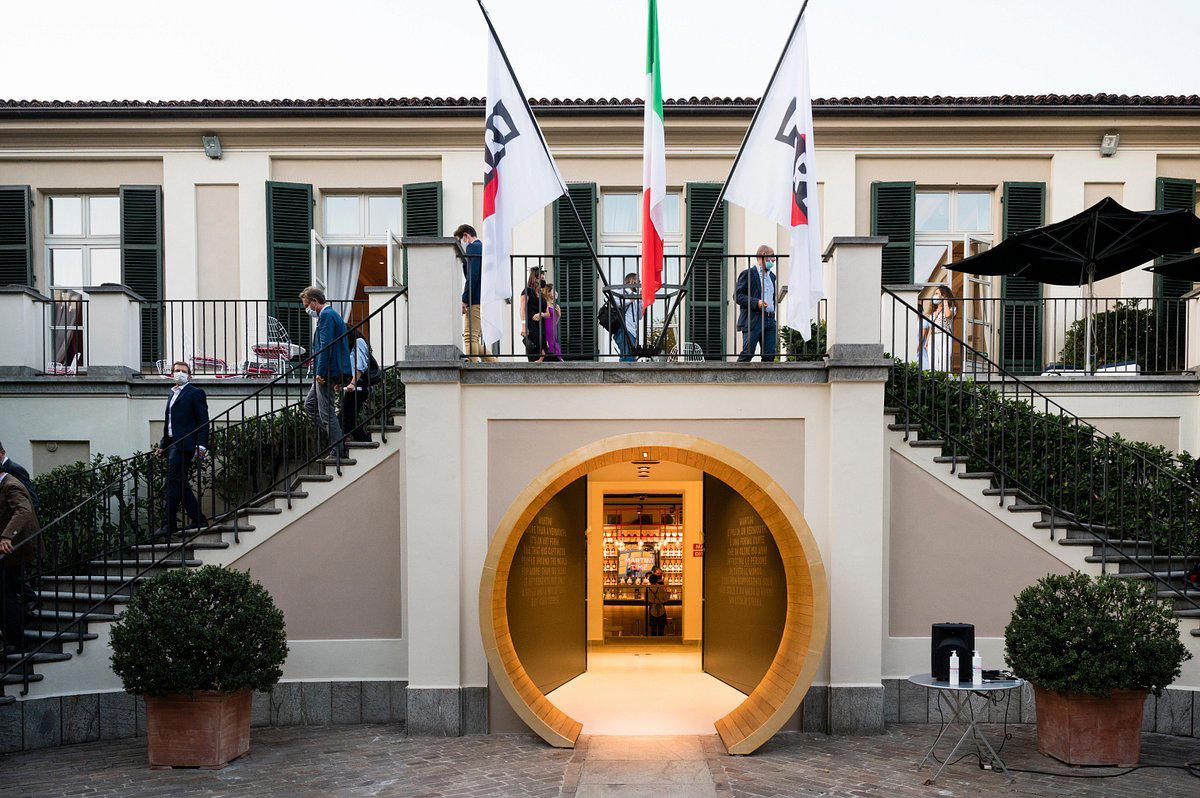
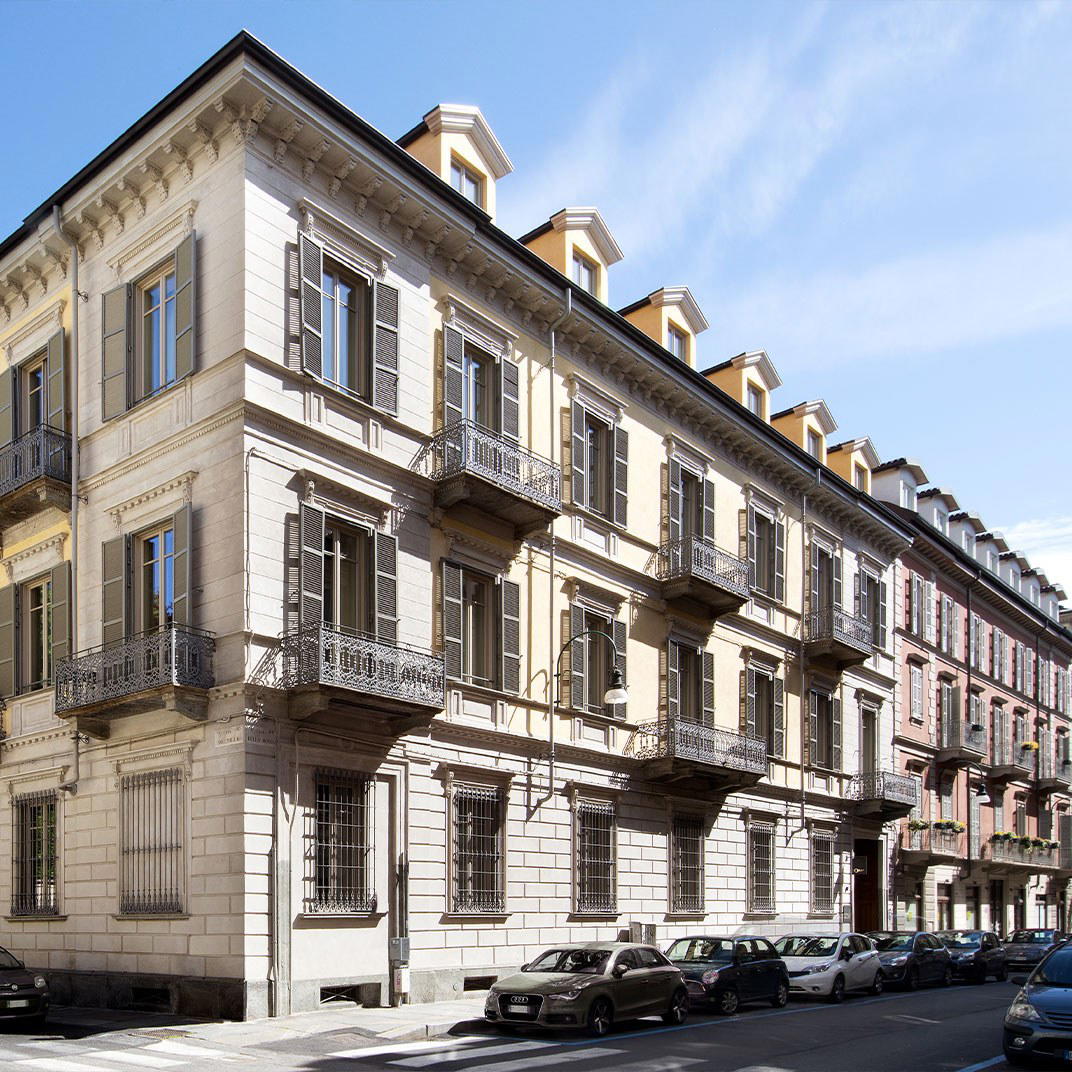
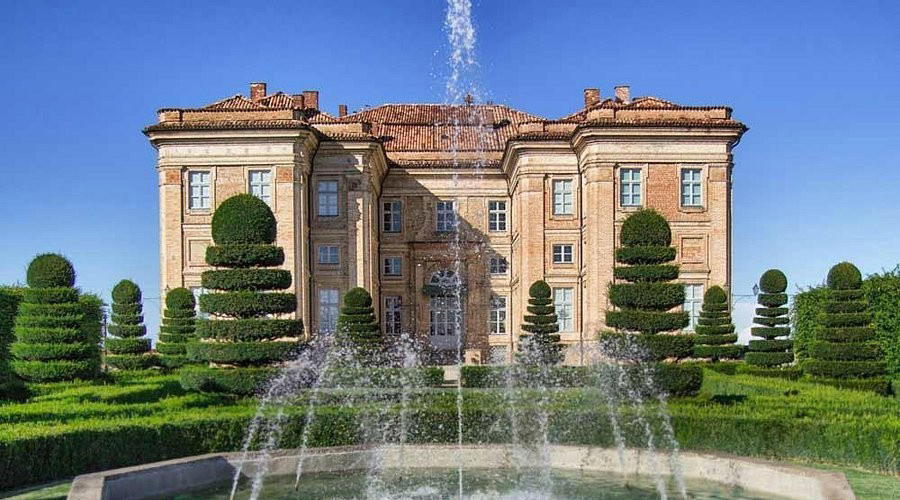
The road from Turin to Pessione runs southeast through the Monferrato foothills, where the low ridges begin to signal Piedmont's wine country before the Langhe proper. Arriving at Piazza Luigi Rossi, the architecture signals institutional weight rather than boutique intimacy: this is not a small-batch distillery tucked behind a farmhouse, but a compound that has shaped how the world drinks fortified and aromatised wine for the better part of two centuries. That scale is, in itself, an argument for visiting.
Where Vermouth Was Systematised
Piedmont's claim on vermouth is not incidental. The region's access to Alpine botanicals, its proximity to the wine-growing parishes of Canelli and Asti, and its position as a 19th-century commercial hub created the conditions for what would become an international category. The house now operating from Pessione formalised what was, before the mid-1800s, a patchwork of apothecary-adjacent winemaking. Understanding that context is the first reason to make the drive from Turin, a journey of roughly 20 kilometres that most visitors to the city skip in favour of better-publicised Langhe destinations.
Within the Italian spirits and vermouth tier, Pessione occupies a different register from the craft producers scattered across the north. Operations like Distilleria Romano Levi in Neive or Distilleria Marzadro in Nogaredo represent artisan-scale production where the story is bound to a single family's technique and a small annual output. Pessione argues a different point: that scale, when built on genuine botanical and viticultural knowledge, does not automatically dilute provenance.
The Botanical and Wine Logic of the Site
Vermouth's identity is genuinely terroir-driven, though the term is rarely applied to it the way it is to still wine. The base wine in a Piedmontese vermouth is typically Moscato Bianco or Cortese, both capable of yielding neutral-enough canvases for the infusion of wormwood, gentian, coriander, and upwards of thirty other botanicals sourced from specific Alpine valleys. The choice of base wine matters: a flabby, over-alcoholic base mutes the aromatic precision that distinguishes a serious vermouth from a commodity product. Pessione's geographic position, within reach of Asti's Moscato zones and connected to Turin's historic spice-trade networks, gave the operation a structural advantage that post-industrial producers in other regions have struggled to replicate.
For visitors approaching Italian wine and spirits through a terroir lens, the comparison with Piedmont's still wine traditions is instructive. The Nebbiolo-driven estates of the Langhe, including Aldo Conterno in Monforte d'Alba, argue for the expression of a single variety through soil and elevation. The aromatised wine tradition argues something different: that place expresses itself through the botanical vocabulary available to a specific region's producers, layered over a local viticultural base. Both are legitimate terroir arguments. They simply operate at different scales of intervention.
The Museum and the Material Record
The Museo Martini di Storia dell'Enologia, housed within the Pessione estate, is among the more thorough wine and spirits museums in northern Italy. Its holdings include antique winemaking equipment, historic labels, and documents tracing the evolution of the aromatised wine category from its pre-industrial origins. The museum functions as the primary reason most visitors arrive at the estate today, and it places the production operation in a historical sequence that press materials rarely manage to communicate as effectively.
This kind of institutional archive matters within the broader Italian spirits context. Compare the situation at Nonino Distillery in Pavia di Udine, where the grappa tradition is documented through family history and regional practice, or at Poli Distillerie in Schiavon, where a dedicated grappa museum makes a parallel argument for Veneto distilling as a cultural practice worth preserving in material form. At Pessione, the scale of the archive reflects the scale of the operation's historical influence: this is not a curated boutique narrative but a documentary record.
Placing Pessione in the Italian Premium Spirits Scene
Within Italy's broader premium drinks portfolio, that peer group includes estates operating across wine, vermouth, and spirits categories. Campari in Milan represents a comparable argument about Milanese bitters culture as an institutional rather than artisan achievement. The Tuscan wine tradition, expressed through estates like Castello di Volpaia in Radda in Chianti or L'Enoteca Banfi in Montalcino, occupies a parallel prestige tier in still wine. What connects them is a shared premise: that a producer's authority derives as much from historical continuity as from any single vintage or product release.
Further south, operations like Lungarotti in Torgiano and Planeta in Menfi make comparable claims about regional identity embedded in institutional production. The common thread is that prestige-tier Italian drinks producers tend to operate their own visitor infrastructure, treating the estate itself as an argument for the product's legitimacy. Pessione follows that model at a scale that few Italian producers in any category can match.
For visitors whose reference points extend beyond Italy, the structural parallel with Ca' del Bosco in Erbusco, where Franciacorta sparkling wine production operates within a significant estate environment, is useful. Both estates ask the visitor to understand a category through its production context rather than through tasting alone.
Planning a Visit
Pessione sits roughly 20 kilometres southeast of Turin's city centre, accessible by car via the A21 motorway or by regional rail connections through Chieri. The estate address, Piazza Luigi Rossi, 2, Pessione TO, places it in the commune of Chieri within the Metropolitan City of Turin. For visitors building a longer Piedmont itinerary, the site pairs logically with the Monferrato and Asti wine zones to the east, where Moscato Bianco and Barbera producers provide direct context for the viticultural base that underpins aromatised wine production. Turin's historic cafes and aperitivo culture make a natural bookend to an afternoon at Pessione.
For a full account of what the broader area offers in terms of food, wine, and producer visits, see our full Pessione (Turin) restaurants guide. Visitors with a specific interest in high-altitude or New World terroir comparisons may also find value in reviewing Accendo Cellars in St. Helena and Aberlour in Aberlour for a sense of how institutional production heritage operates in contrasting geographic contexts.
Also see Poggio Antico for a Tuscan counterpoint in the same prestige tier.
Quick Comparison
Comparable venues nearby, for context on price, style, and recognition.
| Venue | Cuisine | Price | Notes |
|---|---|---|---|
| Martini & RossiThis venue — the venue you are viewing | Moscato Bianco, Glera | $$$ | Not listed |
| Fratelli Francoli | Nebbiolo, Vespolina | $$$ | Ghemme |
| Aldo Conterno | Nebbiolo, Barbera | $$$ | Bussia Soprana |
| Gin Malfy (Torino Distillati) | Winery | Not listed | Moncalieri |
| Fratelli Branca Distillerie | Winery | $$$ | Maciachini |
| Amaro Santa Maria al Monte | Winery | Not listed | Chiavari |
Continue exploring
More in Pessione (Turin)
Wineries in Pessione (Turin)
Browse all →
Bars in Pessione (Turin)
Browse all →
Restaurants in Pessione (Turin)
Browse all →
At a Glance
- Classic
- Well Known
- Elegant
- Historic
- Wine Education
- Special Occasion
- Historic Building
- Vineyard Tour
- Vineyard
- Asti DOCG
- Moscato Bianco
- Glera
- Trebbiano
- Catarratto
- Sparkling
- Fortified
- Cave Tasting
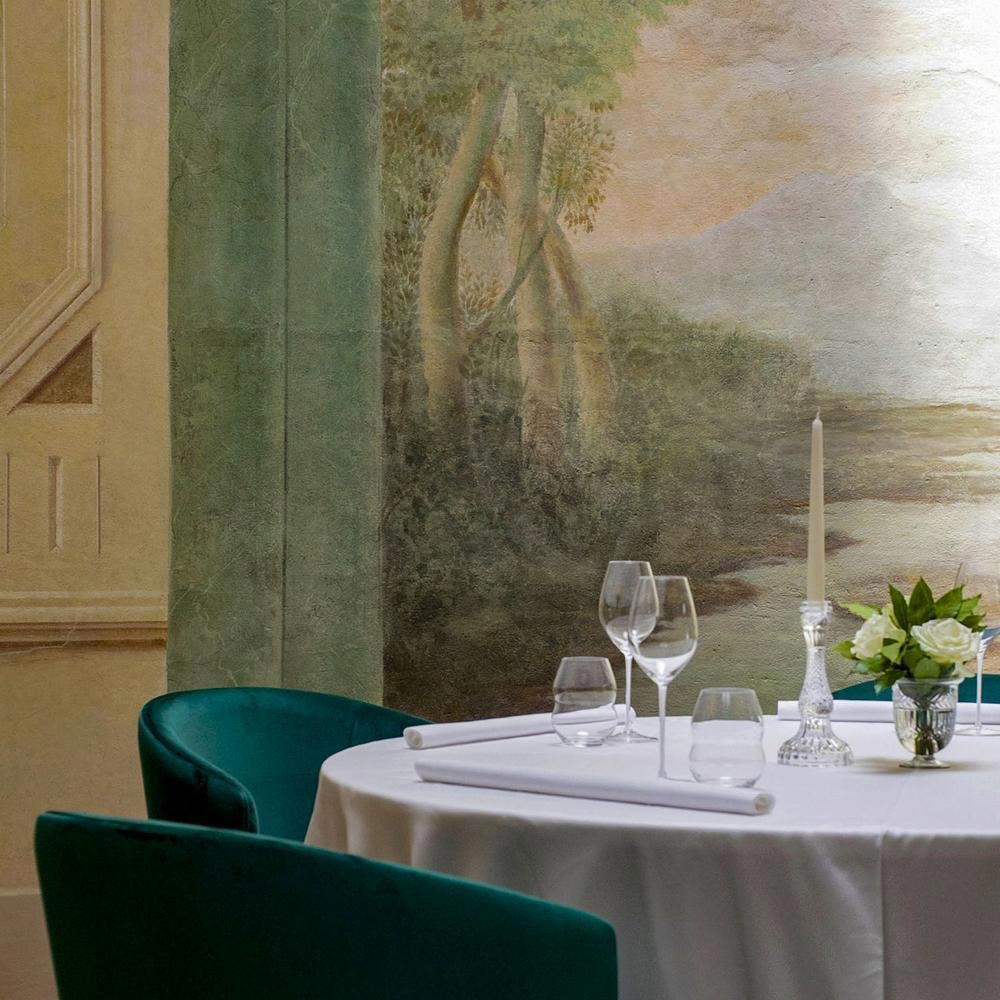
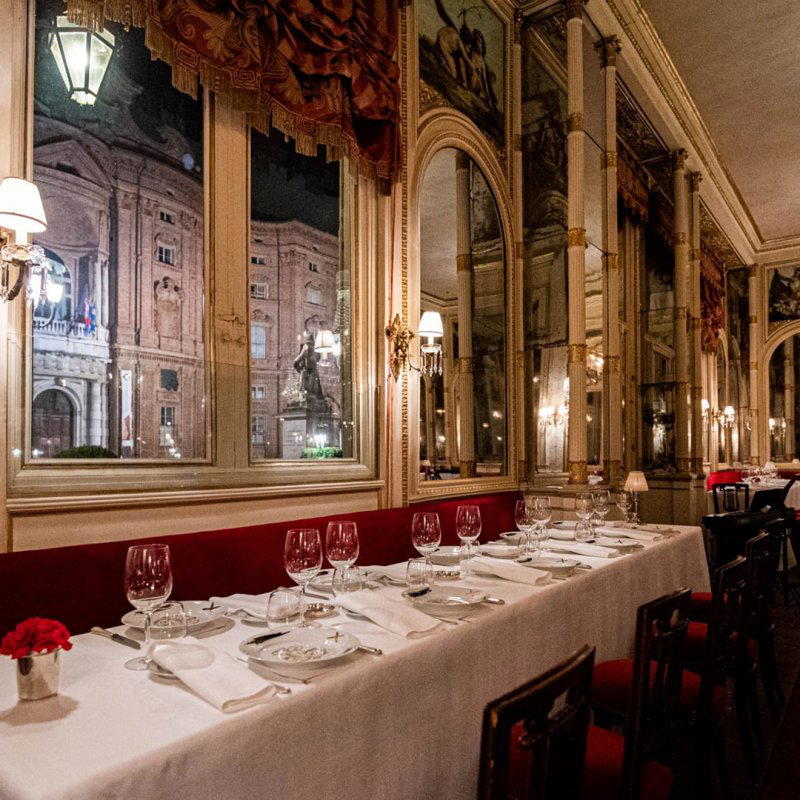
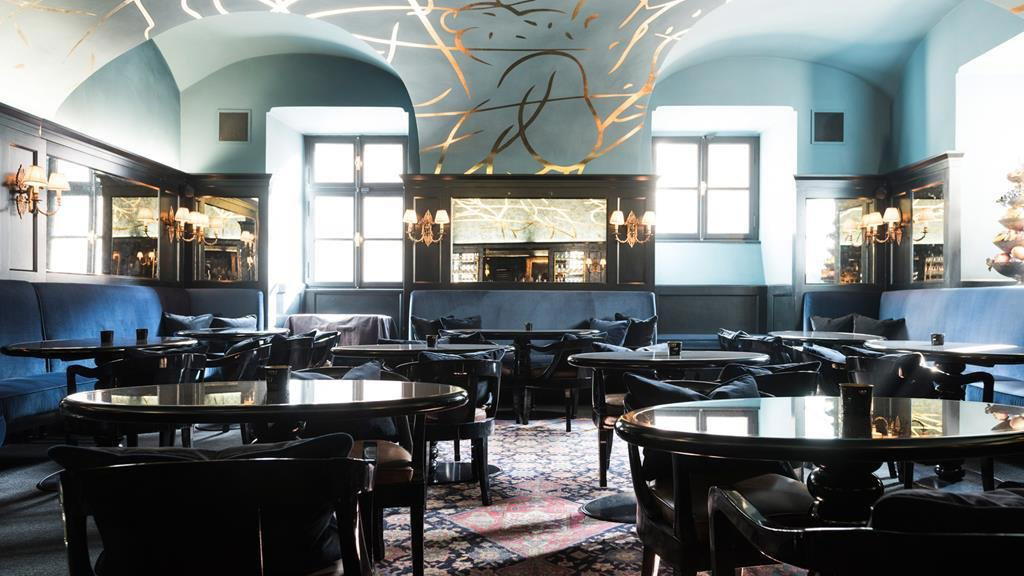
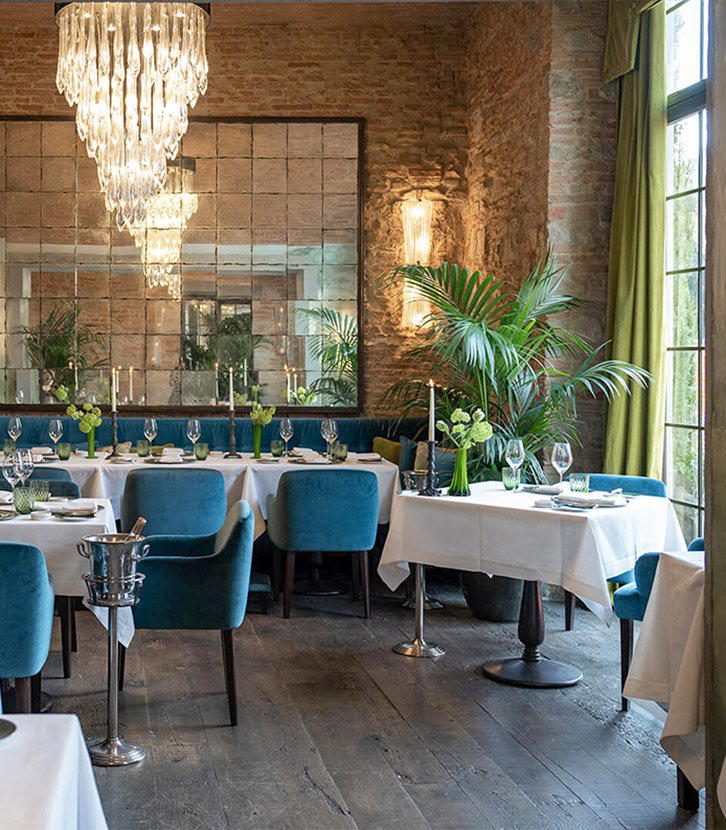
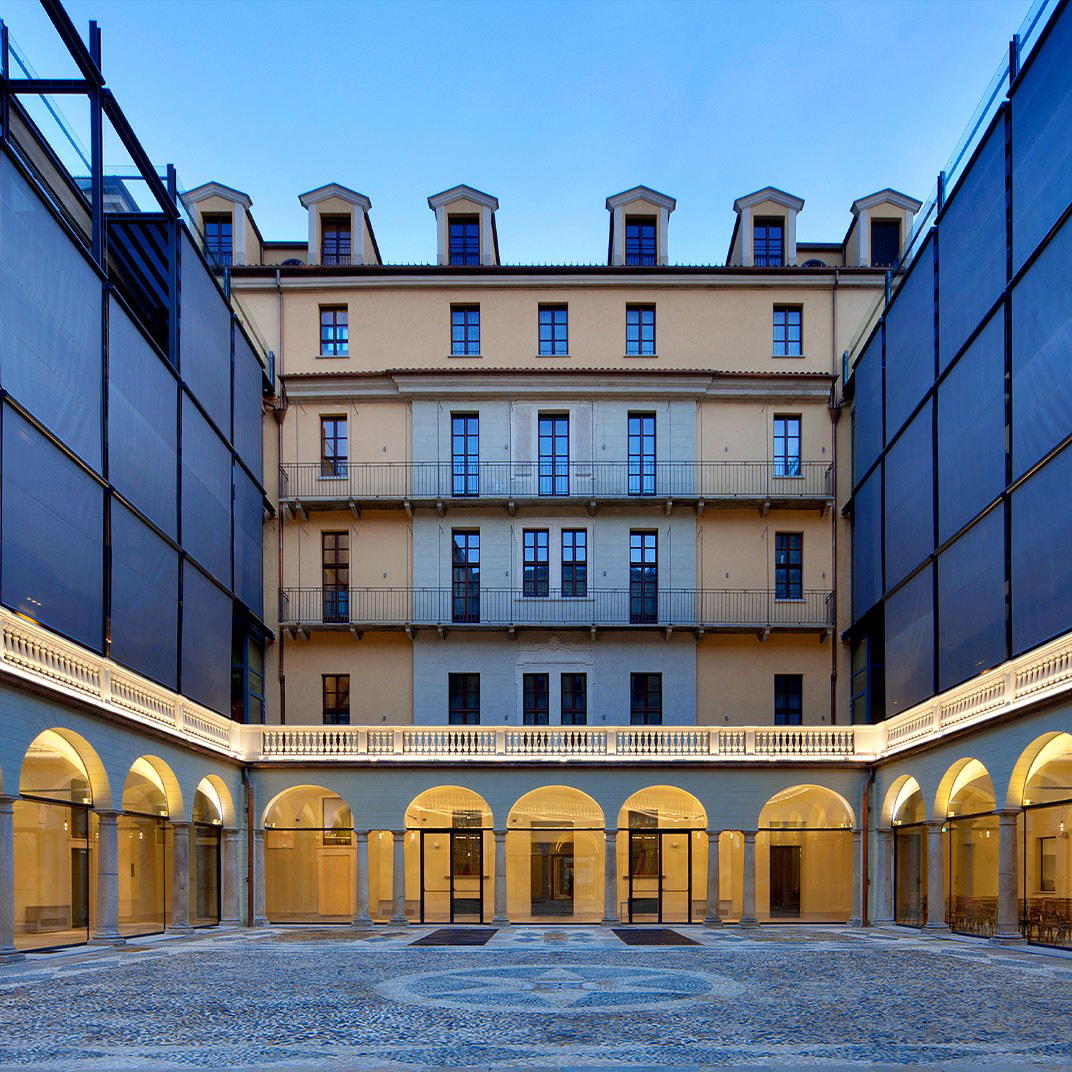
Classic and sophisticated atmosphere combining historic architecture with modern production facilities.