The setting draws on the town's layered character, where medieval arcades meet a working port culture that has shaped local tastes across centuries. It is the kind of address that rewards those who arrive knowing what to look for.

Pearl is the En Primeur Club membership app — saves, bookings, and concierge access live there. Same editors, same standards.
- Address
- Chiavari, Italy
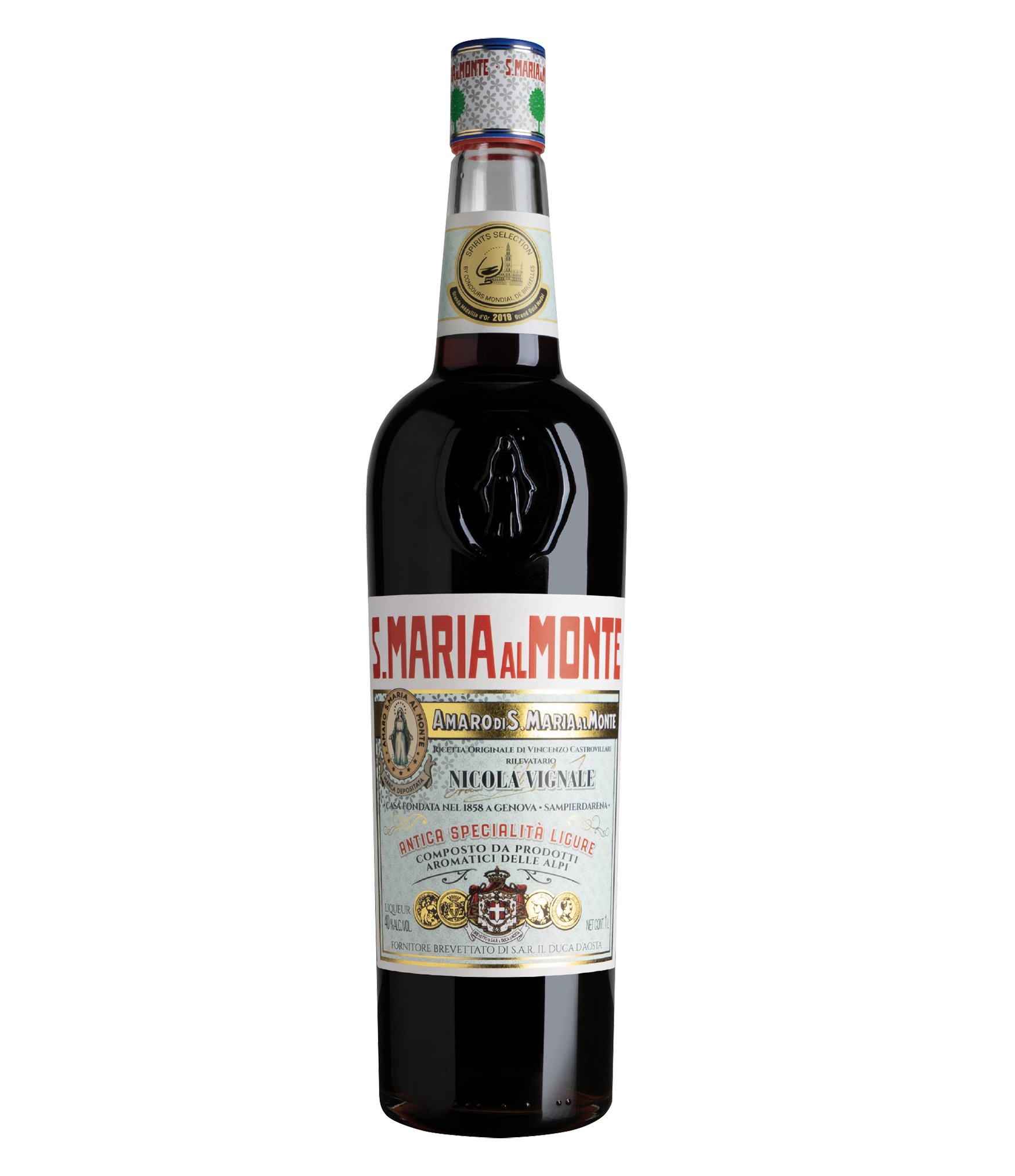
Chiavari and the Logic of the Ligurian Amaro Tradition
The Ligurian coast has never been a region that shouts. Its culinary and drinking culture operates on restraint: small producers, hyper-local botanicals, and a preference for depth over spectacle. In that context, the tradition of the Italian amaro carries particular weight here. Unlike the bold, bittersweet statements of a Campari (see Campari in Milan for that lineage) or the Alpine rigour of a grappa from Distilleria Marzadro in Nogaredo, the Ligurian amaro tradition leans on coastal herbs, maritime-influenced botanicals, and a finish that lingers rather than announces itself. Chiavari sits at the centre of this geography, a town of colonnaded streets and a fishing port that has historically connected Ligurian produce to broader Italian trade routes.
Amaro Santa Maria al Monte is one of the addresses that has earned formal recognition within this tradition. For visitors arriving from the direction of Genoa or from the cinque terre corridor, Chiavari makes a logical detour that most itineraries underestimate.
What the Setting Communicates
Chiavari's physical character does much of the framing work before you encounter any product. The town's medieval portici, the long arcaded walkways that run along its commercial streets, create an atmosphere of unhurried permanence. This is not a town that remade itself for tourism. The arcades shelter a working retail and social culture, and a drinking destination that draws on the name of a local monte or hill carries an immediate sense of geographic specificity. The reference to Santa Maria al Monte connects the amaro to a landscape rather than to a brand identity, which is precisely how the stronger Italian amaro traditions tend to root themselves.
That rootedness matters when you consider where Amaro Santa Maria al Monte sits relative to Italy's broader spirits geography. The northern Italian distillation tradition is well documented: from the Piedmontese grappa houses like Distilleria Romano Levi in Neive and Nonino Distillery in Pavia di Udine to the Veneto's long-standing production heritage at Poli Distillerie in Schiavon, there is a documented culture of place-specific spirit production across the Italian north. Liguria has historically been less visible in that conversation, partly because its scale of production is smaller and partly because Ligurian food and drink culture tends to circulate regionally rather than seeking national export.
Terroir in the Glass: How Place Shapes the Amaro
The terroir argument applies to amaro in a way that is often underappreciated outside Italy. Unlike wine, where soil mineralogy and microclimate have been systematically mapped and debated for decades, the botanical sourcing behind Italian amari is less formally documented but no less real. Coastal Liguria produces aromatic herbs that carry the salt and Mediterranean light of their growing environment. Rosemary from hillside terraces above the sea, the bitter citrus varieties that thrive in the Ligurian microclimate, and the wild botanicals from the Apennine foothills immediately inland all produce raw materials that could not be replicated from a flatland herb garden. This is the same logic that separates a Brunello from Biondi-Santi's Greppo estate from any other Sangiovese bottling, or that gives the wines of Aldo Conterno in Monforte d'Alba their specific character within the Barolo canon.
When an amaro producer anchors its name to a local geographic reference, it is making a claim about that sourcing. Among the comparison set of recognised Italian producers, that matters.
How Chiavari Compares as a Drinking Destination
Within Italy's premium drinking circuit, most international attention concentrates on a few well-worn axes: Tuscany for wine (the Castello di Volpaia in Radda in Chianti and the broader Chianti Classico zone), Piedmont for Barolo and Barbaresco, Sicily for its resurgent estates like Planeta in Menfi, and Umbria for producers such as Lungarotti in Torgiano. The Italian Riviera rarely appears on those circuits, which creates an asymmetry: the quality is present, the recognition is partial, and the visitor numbers are lower.
That asymmetry is arguably the most compelling reason to treat Chiavari as more than a coastal stopover. The town does not have the density of recognised drinking addresses that you find in Montalcino (see L'Enoteca Banfi in Montalcino) or in the Franciacorta zone around Ca' del Bosco in Erbusco, but what it offers is specificity: products tied to a place that has not been thoroughly processed by premium tourism infrastructure. For visitors who have worked through the canonical Italian wine regions, that specificity is the point.
For context on the broader Chiavari food and drink scene, our full Chiavari restaurants guide maps the town's other addresses and explains the neighbourhood structure in more detail.
Planning Your Visit
Chiavari is reachable by train from Genoa in approximately 40 minutes, and the town's compact centre makes it walkable once you arrive. The Ligurian coast runs on a roughly seasonal rhythm: the summer months bring significant domestic Italian tourism, which affects availability and atmosphere at most local establishments. Late spring and early autumn offer the town in a more measured register, with the arcaded streets easier to move through and local addresses operating without summer-peak pressure. Visitors combining a Ligurian itinerary with inland Piedmont or the Cinque Terre can fit Chiavari logically into either direction.
For spirits travellers building a broader northern Italian itinerary, Chiavari functions as a productive counterpoint to the better-mapped distillation heritage of Piedmont and the Veneto. The comparison is not one of scale but of character: a coastal amaro tradition that draws on a different botanical register, recognised at a formal level in 2025, and located in a town whose physical environment still reflects the culture that produced it. For those whose interest extends to single malt whisky and want a point of international comparison, the terroir-driven approach here shares more with a producer like Aberlour in Aberlour or the allocation-led model of Accendo Cellars in St. Helena than it does with commodity spirits production: place, specificity, and a defined sense of what the product is for.
Quick Comparison
Comparable venues nearby, for context on price, style, and recognition.
| Venue | Cuisine | Price | Notes |
|---|---|---|---|
| Amaro Santa Maria al MonteThis venue — the venue you are viewing | Winery | Not listed | Not listed |
| Amarischia | Winery | Not listed | Caivano |
| Distilleria Schiavo | Cabernet Sauvignon, Merlot | Not listed | Costabissara |
| Distilleria Dellavalle | Moscato, Nebbiolo | Not listed | Vigliano d'Asti |
| Distilleria Moccia | other_grape | Not listed | Ferrara |
| Distilleria Ceschia | Verduzzo friulano | $10–20 | Ramandolo |
Continue exploring
More in Chiavari
Restaurants in Chiavari
Browse all →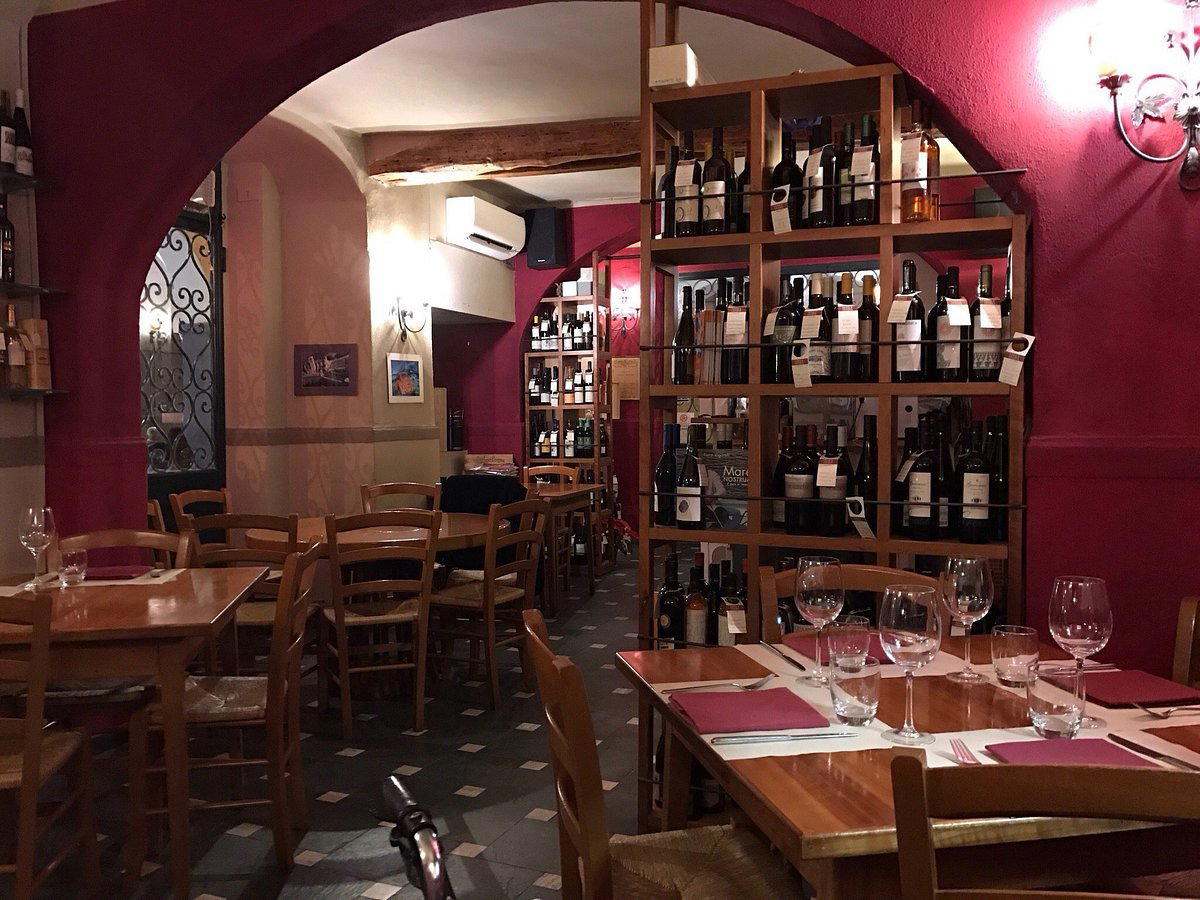

Details
- Classic
- Well Known