
Andrea Larossa holds a Michelin star on the southern edge of Turin, where tasting menus move between strict Piedmontese tradition and a broader Italian creative register. Service is formal but unhurried across a large dining room, and a chef-led surprise menu removes the decision entirely. Open for dinner Thursday through Sunday, with Saturday and Sunday lunch also available.
Pearl is the En Primeur Club membership app — saves, bookings, and concierge access live there. Same editors, same standards.
- Address
- Via Sabaudia, 4, 10133 Torino TO, Italy
- Phone
- +39 011 1901 8365
- Website
- ristorantelarossa.it
- Directions
- Get directions
 Saves & bookings on Pearl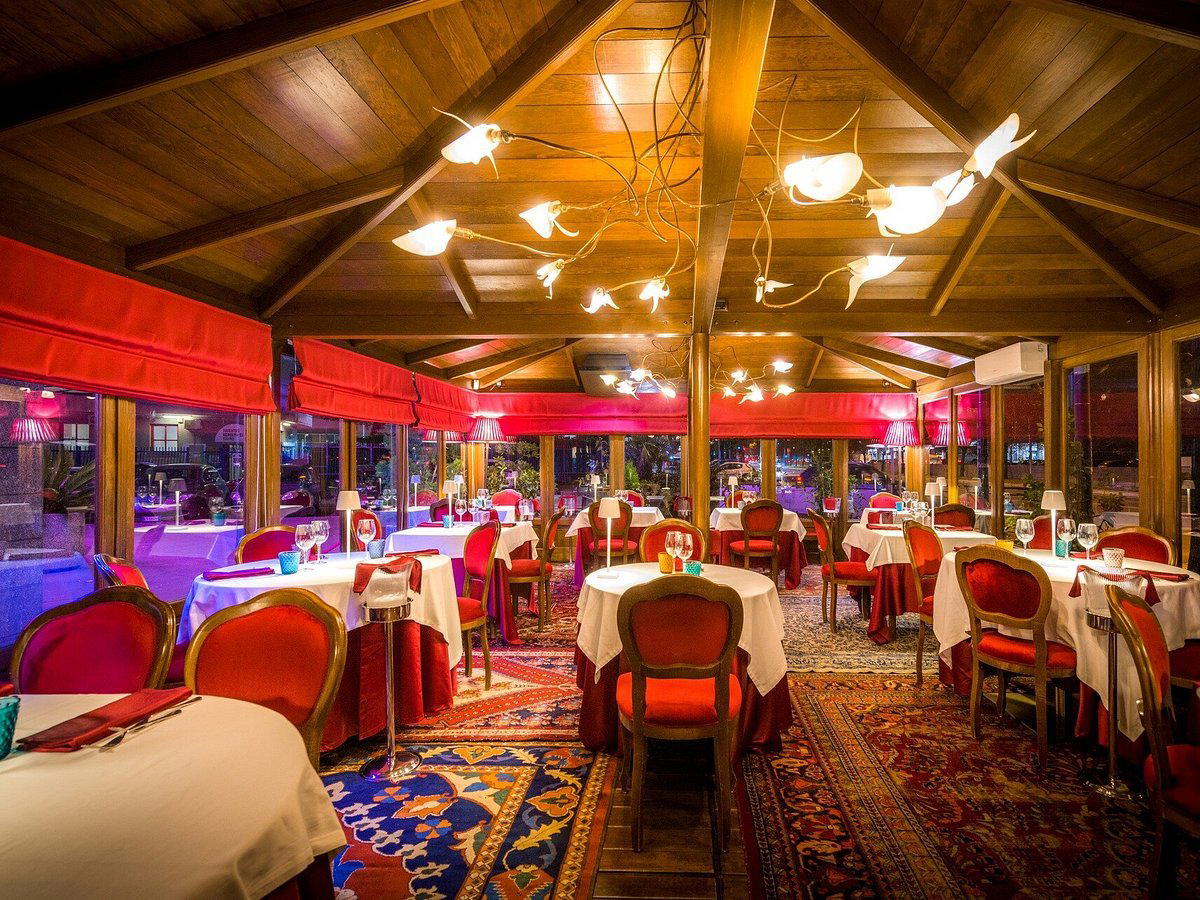
A Dining Room Where Piedmont Comes First, Then Steps Aside
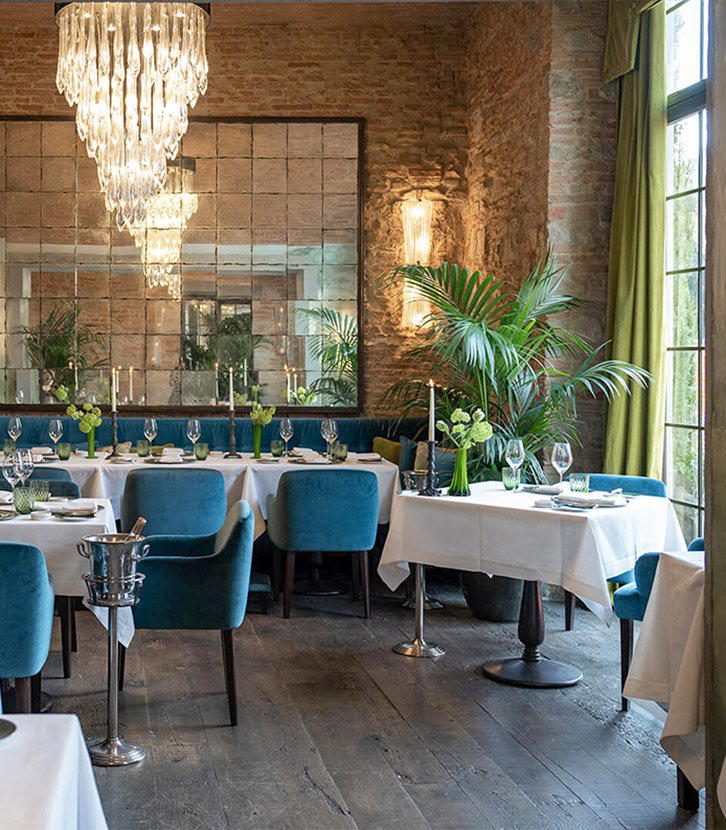
Andrea Larossa is a one-star restaurant in Turin, at Via Sabaudia, 4, 10133 Torino TO, Italy, serving Modern Piedmontese Fine Dining at about $150 per person. Turin's serious restaurant tier has a particular character: Baroque grandeur overhead, white linen below, and kitchens that treat the region's pantry as both constraint and credential. Andrea Larossa, on Via Sabaudia in the city's 10133 district, belongs to that tradition, though it holds the tension between regional fidelity and broader Italian creativity more openly than most of its peers. The dining room is large by the standards of this category, which is itself a statement. At the summit end of the city's scene, where Opera and Piano35 operate in more contained, high-intensity formats, a spacious room signals a different kind of ambition: one that treats hospitality and comfort as primary, rather than incidental.
The Michelin star the restaurant carries positions it inside Turin's upper bracket alongside Cannavacciuolo Bistrot and Scatto, a cohort that shares the price point (€€€€) and the formal register but pursues distinct editorial identities. Where Cannavacciuolo Bistrot leans into its chef's southern Italian inflections, Andrea Larossa is more explicitly anchored to Piedmont, using that anchor as a point of departure rather than a ceiling.
The Piedmontese Principle: Ingredients as Argument
Italian culinary philosophy at its most rigorous operates on a principle that fewer, better ingredients make a stronger case than technical complexity for its own sake. The kitchens that have shaped the national conversation, from Osteria Francescana in Modena to Le Calandre in Rubano, all share a willingness to let a single ingredient carry the weight of a course. In Piedmont, this instinct is reinforced by the region's own larder: white truffle from Alba, Fassona beef, Castelmagno cheese, Barolo and Barbaresco in the glass. These are not supporting players. They are the argument.
At the restaurant, the tasting menu structure reflects this principle through its architecture. Michelin's notes describe a menu rooted in Piedmontese tradition, reinterpreted rather than reproduced, sitting alongside a second, more imaginative option that draws from across Italy and beyond. The distinction matters. Many starred kitchens in the region offer a single tasting format, either fully regional or fully creative. Running both menus in parallel acknowledges that one interesting question in Italian contemporary cooking is not which tradition to honour, but how far you can stray from it before the cooking stops making sense in its place.
Three Menus, One Kitchen Logic
The format at the restaurant is built around three tasting menu options, a structure found increasingly among Italian starred restaurants that want to serve both guests arriving with a clear appetite for local cuisine and those seeking a wider creative range. The regionally focused menu operates within Piedmontese coordinates, reinterpreting rather than reproducing classics. The more imaginative menu introduces influences from across Italy and further afield, a broader canvas that rewards guests already familiar with what the region does well. The third option is a surprise menu, where the kitchen leads and the guest follows without a printed roadmap.
That third format has particular currency in how it positions a restaurant. Offering a chef-selected surprise menu signals confidence in the kitchen's coherence as a whole, not just in individual showpiece dishes. It is a format that Enoteca Pinchiorri in Florence and Enrico Bartolini in Milan have each used to their own effect, and it tends to produce particularly revealing meals, as it removes the safety net of ordering around known signatures.
The service model described in Michelin's notes is worth noting specifically: friendly, courteous, and professional across a large room. That combination is harder to sustain at scale than in a ten-seat counter. It places the restaurant in a different operational tier from the more intimate formats at Magazzino 52, and it suggests a kitchen and front-of-house operating in genuine coordination rather than proximity.
Turin's Starred Tier: Where Andrea Larossa Sits
Turin is often assessed against Milan and Rome as an afterthought, but the city's restaurant scene operates on its own terms and has been doing so for longer than the recent editorial attention would suggest. The combination of old aristocratic wealth, a serious wine culture rooted in Barolo country an hour south, and proximity to France has produced a dining culture that takes formality seriously without reducing it to theatre.
Within Turin's Michelin-starred cohort, the divisions are relatively clear. Del Cambio operates as a monument to continuity, its cooking embedded in the literal architecture of a nineteenth-century institution. Condividere represents the cosmopolitan end, with a format that reads more Milan than Piedmont. The restaurant sits between those poles: distinctly local in ingredient sourcing and culinary frame of reference, but open to the creative register that has come to define Italian contemporary cooking at the national level. For comparison across the broader Italian contemporary category, Agli Amici in Rovinj and L'Olivo in Anacapri offer useful reference points for how the style adapts to different regional identities. Further north, Atelier Moessmer Norbert Niederkofler in Brunico represents a different extreme of regional commitment, where the local larder is treated as a strict boundary rather than a starting point.
Planning a Visit
The restaurant is closed Monday and Tuesday. Dinner service runs Thursday through Sunday from 7:30 PM, with last seating at 9:00 PM. Saturday and Sunday add a lunch service from 11:30 AM to 1:00 PM. The restaurant sits at Via Sabaudia, 4, in Turin's 10133 district. The restaurant falls in the €€€€ tier.
Cost and Credentials
Comparable venues nearby, for context on price, style, and recognition.
| Venue | Cuisine | Price | Awards | Notes |
|---|---|---|---|---|
| Andrea LarossaThis venue — the venue you are viewing | Italian Contemporary | $$$$ | Michelin 1 Star | Not listed |
| Memorable | Centro, Modern Italian Tasting Menu | $$$$ | Michelin 1 Star | Not listed |
| Vintage 1997 | Not listed | $$$$ | Michelin 1 Star | Centro, Traditional Piedmontese Fine Dining |
| Condividere | Not listed | $$$$ | Michelin 1 Star | Modern Italian Fine Dining with Global Influences |
| Piano35 | Not listed | $$$$ | Michelin 1 Star | Cit Turin, Modern Italian Fine Dining with Piedmontese Influences |
| Cannavacciuolo Bistrot | Not listed | $$$ | Michelin 1 Star | Borgo Po, Modern Italian Fine Dining Bistro |
Recognition history
Dated appearances from independent guides and award organizations, with the underlying list record or original source where available.
Michelin 1 Star
Michelin
Michelin 1 Star
Michelin
Michelin 1 Star
Michelin
Continue exploring
More in Turin
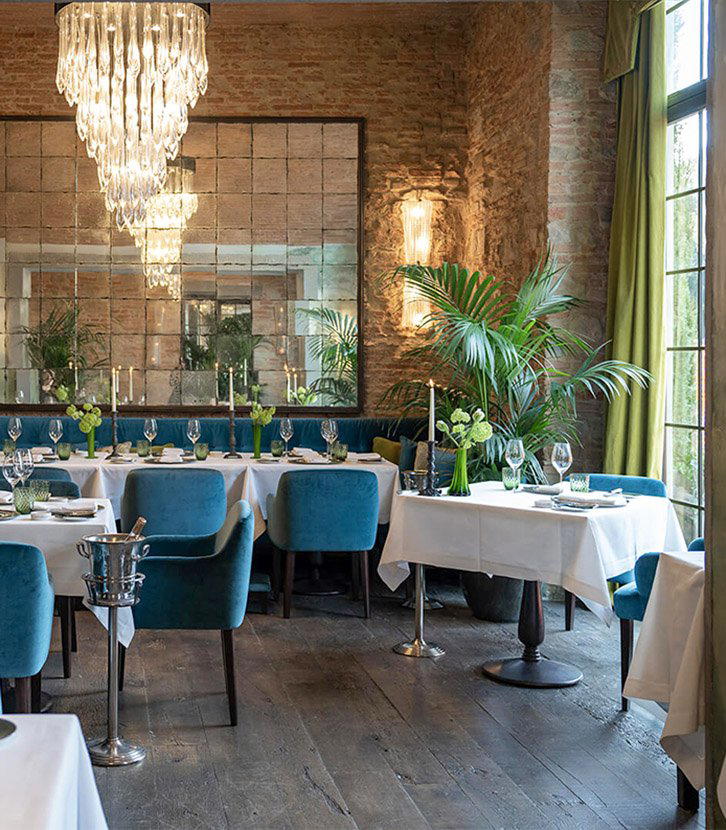
Restaurants in Turin
Browse all →
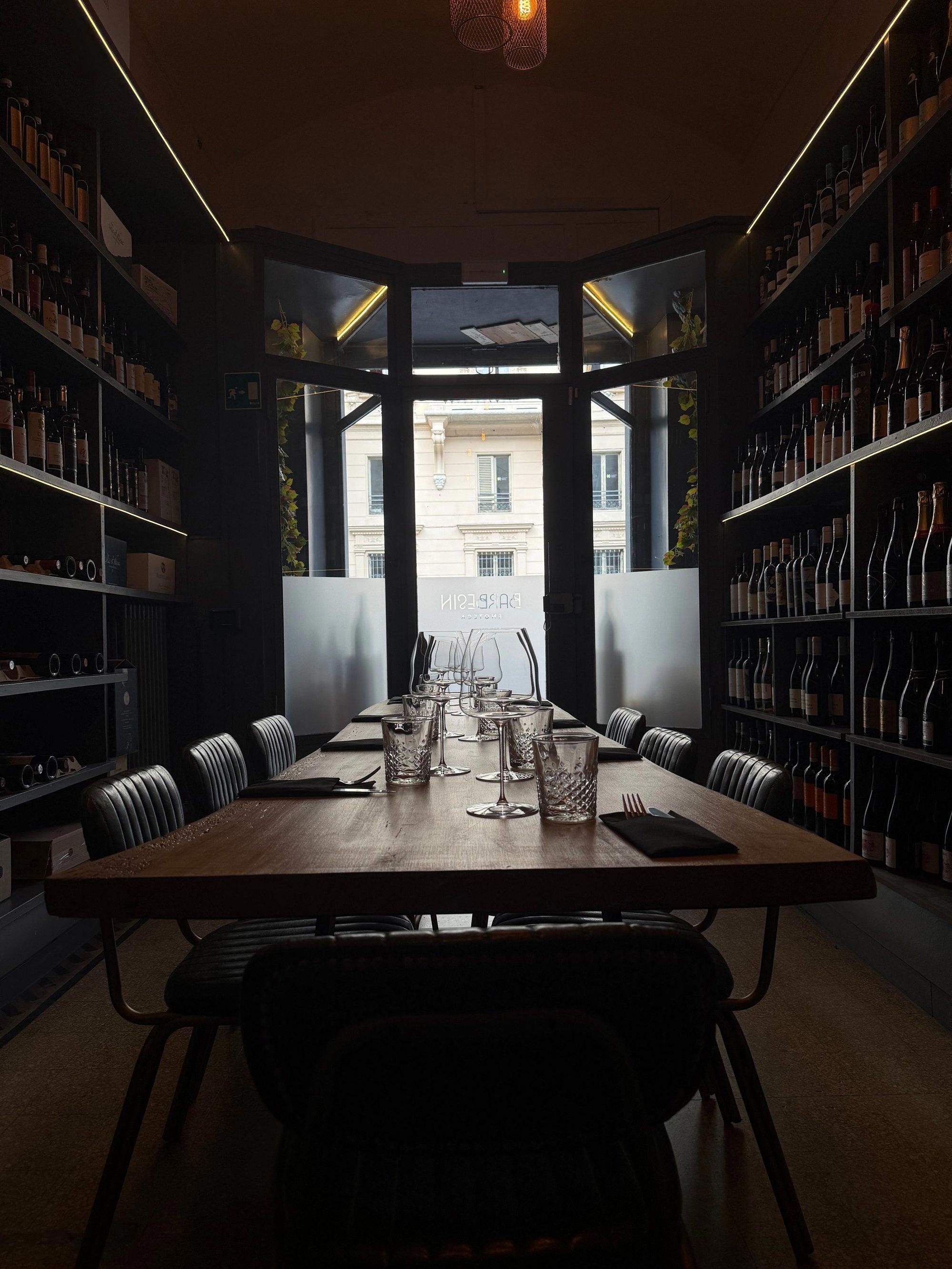
Bars in Turin
Browse all →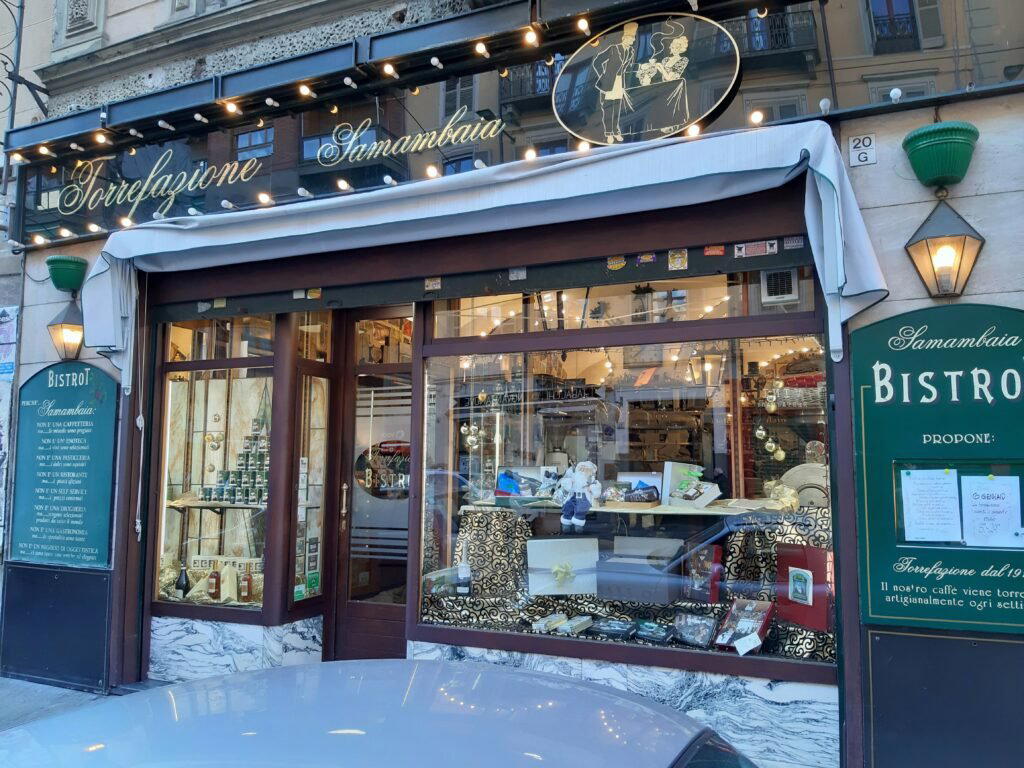
Hotels in Turin
Browse all →
At a Glance
- Elegant
- Sophisticated
- Modern
- Intimate
- Date Night
- Celebration
- Special Occasion
- Group Dining
- Family
- Open Kitchen
- Private Dining
- Extensive Wine List
- Sommelier Led
- Local Sourcing
Current opening hours
- Monday
- Closed
- Tuesday
- Closed
- Wednesday
- 7:30–9 PM
- Thursday
- 7:30–9 PM
- Friday
- 7:30–9 PM
- Saturday
- 11:30 AM–1 PM, 7:30–9 PM
- Sunday
- 11:30 AM–1 PM
Hours can change for holidays and private events. Last verified .
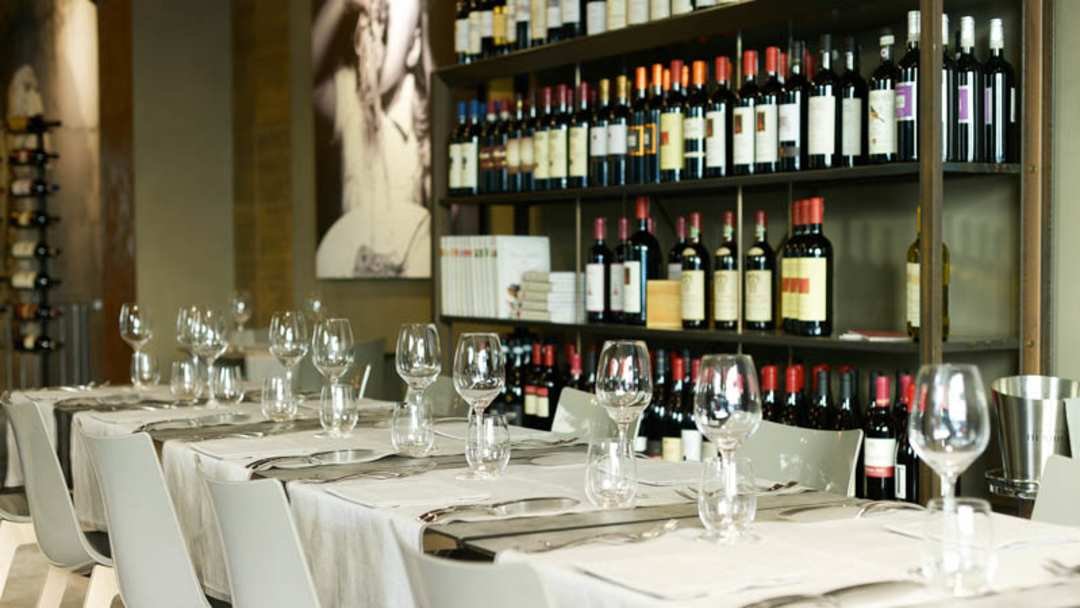
Contemporary and elegant dining room with warm, informal atmosphere; spacious tables well-spaced apart; 1970s-inspired illuminated dining area with open kitchen allowing guests to watch chef preparations; refined yet approachable ambiance marked by genuine hospitality.