




Operating from Piazza Carignano since the 18th century, Del Cambio holds a singular position in Turin's fine dining circuit: a room where Cavour once dined, now earning a Michelin star and 91 points from La Liste 2026 under chef Matteo Baronetto's progressive Piedmontese kitchen. The wine list runs to 3,200 selections and 15,000 bottles in inventory, with particular depth in regional Italian and German Riesling verticals.
Pearl is the En Primeur Club membership app — saves, bookings, and concierge access live there. Same editors, same standards.
- Address
- Piazza Carignano, 2, 10123 Torino TO, Italy
- Phone
- +39 011 546690
- Website
- delcambio.it
- Directions
- Get directions
 Saves & bookings on Pearl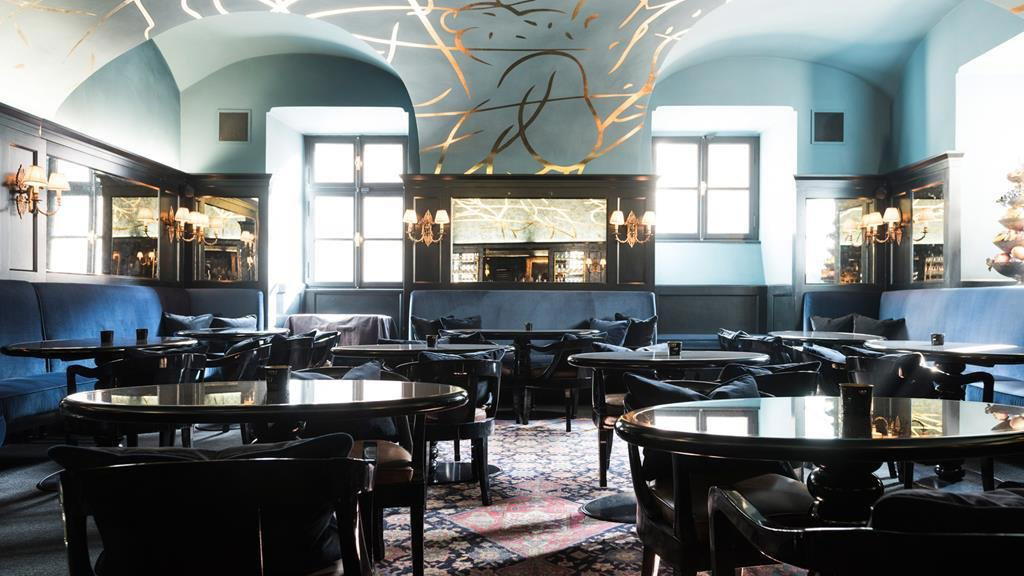
Dining Inside Italian History
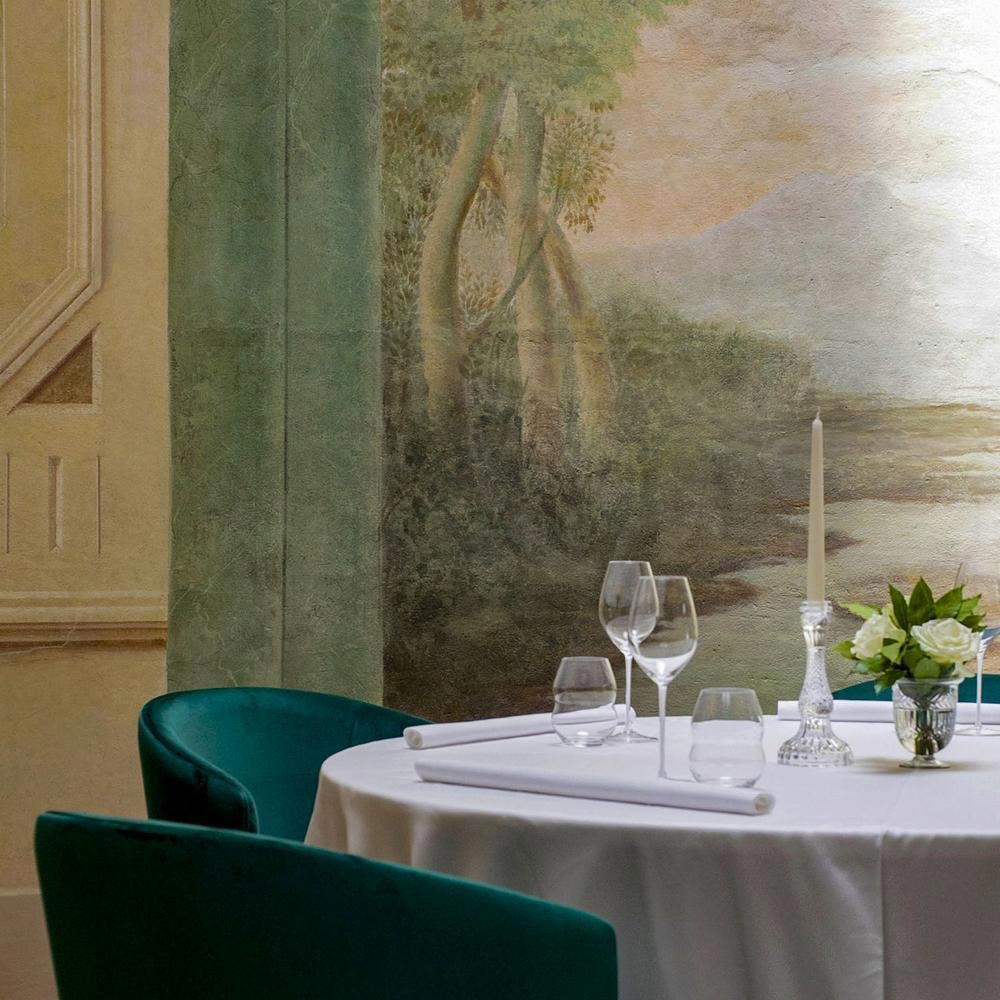
The approach to Piazza Carignano sets a particular kind of expectation. Across the square stands Palazzo Carignano, the building that housed Italy's first national parliament after unification. The restaurant occupying the opposite flank of that square has been serving meals since the 18th century. In most European cities, a room that old would be trading on atmosphere alone. Del Cambio trades on something more demanding: the proposition that a historic dining room can also be a serious, contemporary kitchen without erasing what makes the room worth entering in the first place.
That tension between preservation and progression defines how fine dining institutions across northern Italy position themselves. The wave of modernist Italian cooking that reshaped the category from the 1990s onward produced two responses in heritage restaurants: some became museums of their own menus, and others used continuity as a foundation rather than a ceiling. Del Cambio belongs to the second group, holding a Michelin star while remaining anchored to the Piedmontese canon that gives the room its historical logic. For context on how that sits within the broader Italian fine dining circuit, venues like Osteria Francescana in Modena and Le Calandre in Rubano have pursued a more radical rupture with tradition, while Dal Pescatore in Runate has held its own version of rooted continuity. Del Cambio occupies a position closer to that last model, with more technical ambition than is sometimes recognised from the outside.
The Architecture of a Meal Here
The room itself structures the ritual before the first course arrives. Guests enter into the Risorgimento room, where 19th-century interior detail has been restored rather than replaced: original parquet underfoot, the kind of ceiling and wall treatment that asks for a certain pace. The sound of footsteps on that parquet is part of the physical experience of the space. A second room, named for the artist Pistoletto, offers a quieter and more contemporary register for those who prefer less historical weight with their dinner.
The pacing of a meal at this price tier in Piedmont follows a deliberate rhythm. Piedmontese fine dining has always leaned toward structured sequences rather than the more improvisational tasting formats that have become common in progressive kitchens elsewhere in Europe. At Del Cambio, the kitchen under chef Matteo Baronetto moves through a menu that opens with the region's most recognisable preparations, vitello tonnato and agnolotti del Plin among them, before the meal shifts register. The second courses are where the kitchen demonstrates its sharpest technique, citing the pigeon alla Maredo as the clearest expression of that skill. The dish is executed and served with a professionalism that matches the room's expectation.
This is not a kitchen that uses Piedmontese tradition as camouflage for timid cooking. The classification on the menu as progressive Italian and contemporary is accurate: the foundations are regional, but the decisions about temperature, texture, and composition reflect a kitchen with a clear point of view rather than one simply preserving a repertoire. Within Turin's current fine dining tier, which includes Condividere, Cannavacciuolo Bistrot, memorable, and Piano35, the restaurant is the one where the room, the history, and the meal are inseparable from each other. The others are serious restaurants; this one is a serious restaurant that also happens to be a historical site.
The Wine Program as a Second Argument
A wine list of 3,200 selections is, by any measure, a significant operation. At the restaurant, the list is structured with particular depth in Piedmont and Tuscany, extending through Champagne, Burgundy, and Bordeaux, with what assessors describe as important vertical selections in regional Italian wines and German Rieslings. Wine Director Mirko Galasso and Sommelier Valentina Gallarate manage a program that goes beyond the standard Italian fine dining cellar in its commitment to German material: Riesling verticals alongside steamed scampi in red sauce is a pairing decision that signals genuine curiosity rather than a list assembled for conventional prestige.
At the €€€€ price tier, wine pricing reflects a cellar with serious inventory depth, which means bottles in the three figures are common. Diners who approach the list as a standalone destination for vertical exploration will find material that few rooms in Italy can match for the specific combination of Barolo depth and German white wine range. Comparable wine program ambition in Italy is found at Enoteca Pinchiorri in Florence, though that room's model differs considerably in format and scale. For contrast across the broader European fine dining wine universe, Atelier Moessmer Norbert Niederkofler in Brunico and Enrico Bartolini in Milan represent the same premium tier with different wine orientations.
The Bistro Format and the Pharmacy
The restaurant also operates a bistro service at lunch on Fridays and Saturdays, a format that opens the room at a different register from the evening tasting experience. Lunch at this level in Turin functions differently from dinner: lighter in ceremony, still anchored to the kitchen's Piedmontese foundations, and accessible to a range of visitors who want the room without the full evening commitment. A separate element described as the pharmacy, functioning as a boutique and taste laboratory, allows interaction with the pastry operation outside of a formal meal context. This format, where a serious fine dining room also maintains an accessible daytime or retail presence, has become a recognisable model among European heritage restaurants trying to build relevance beyond the dinner reservation circuit.
Awards, Positioning, and the Turin Context
The restaurant's award trajectory is worth mapping carefully. The Michelin star places it alongside Condividere, Cannavacciuolo Bistrot, memorable, and Piano35 in the city's starred tier. The Opinionated About Dining ranking and La Liste score place it in a bracket of restaurants that a serious traveller building a northern Italian itinerary should treat as a primary rather than secondary stop. For international reference points at a similar La Liste scoring range, Le Bernardin in New York City and Atomix in New York City operate in the same scoring neighbourhood, illustrating where the restaurant sits in the global comparable set rather than just the regional one.
Turin as a dining city is underappreciated relative to Milan and the Venetian corridor, which tends to concentrate international fine dining attention. That underappreciation has historically benefited the restaurant: the room can be more accessible than its equivalent in a higher-profile city would be. the full Turin restaurants guide maps the complete picture, while the Turin hotels guide, Turin bars guide, Turin wineries guide, and Turin experiences guide cover the full range of a visit to Piedmont's capital.
Planning Your Visit
The restaurant is at Piazza Carignano 2, in central Turin, a short walk from the main shopping streets and within the historic core. The kitchen operates Tuesday through Thursday evenings from 7:30 to 9:30 PM, adding lunch service on Fridays and Saturdays from 12:30 to 2 PM. The restaurant is closed Sundays and Mondays. Reservations at the €€€€ tier require advance planning; the room's recognition means it draws an international audience alongside local regulars, and availability for preferred evenings can tighten considerably. Arriving with a reservation confirmed rather than relying on walk-in availability is the only reliable approach for any evening service.
What to Order at Del Cambio
The menu moves through the Piedmontese canon before demonstrating its contemporary reach in the main courses. Vitello tonnato and agnolotti del Plin are the room's two most historically grounded preparations and worth ordering for their alignment with where and when you are eating: these dishes have been made in this region for generations, and at this kitchen their execution is precise rather than merely nostalgic. The second courses are where the kitchen's technical range is most evident. The pigeon alla Maredo has drawn specific attention from La Liste's assessors, described as executed with mastery. For the wine pairing, the sommelier team's depth in German Riesling is a genuine house strength worth engaging with, particularly alongside seafood preparations such as the steamed scampi in red sauce that the assessors noted in their evaluation.
Peers You’d Cross-Shop
Comparable venues nearby, for context on price, style, and recognition.
| Venue | Cuisine | Price | Notes |
|---|---|---|---|
| Del CambioThis venue — the venue you are viewing | Modern Piedmontese Fine Dining | $$$$ | Not listed |
| Vintage 1997 | Traditional Piedmontese Fine Dining | $$$$ | Centro |
| Cannavacciuolo Bistrot | Modern Italian Fine Dining Bistro | $$$ | Borgo Po |
| Condividere | Modern Italian Fine Dining with Global Influences | $$$$ | Turin |
| Piano35 | Modern Italian Fine Dining with Piedmontese Influences | $$$$ | Cit Turin |
| Carignano | Modern Piedmontese Fine Dining | $$$$ | Centro |
Recognition history
Dated appearances from independent guides and award organizations, with the underlying list record or original source where available.
La Liste Top Restaurants
La Liste
Michelin 1 Star
Michelin
Opinionated About Dining Top Restaurants in Europe Recommended
Opinionated About Dining
Opinionated About Dining Newly Added European Restaurants
Opinionated About Dining
Opinionated About Dining Cheap Eats in Europe Highly Recommended
Opinionated About Dining
Star Wine List
Star Wine List
La Liste Top Restaurants
La Liste
Michelin 1 Star
Michelin
Opinionated About Dining Top Restaurants in Europe Ranked #200
Opinionated About Dining
Wine Spectator Best of Award of Excellence
Wine Spectator
Michelin 1 Star
Michelin
Opinionated About Dining Top Restaurants in Europe Ranked #216
Opinionated About Dining
Opinionated About Dining Top New Restaurants in Europe Ranked #116
Opinionated About Dining
Continue exploring
More in Turin
Restaurants in Turin
Browse all →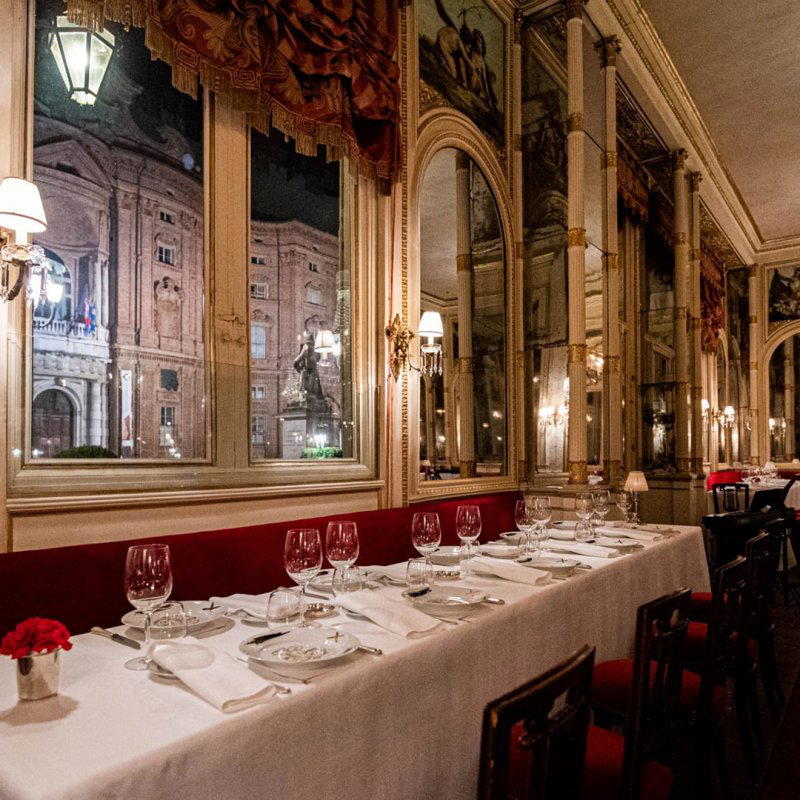
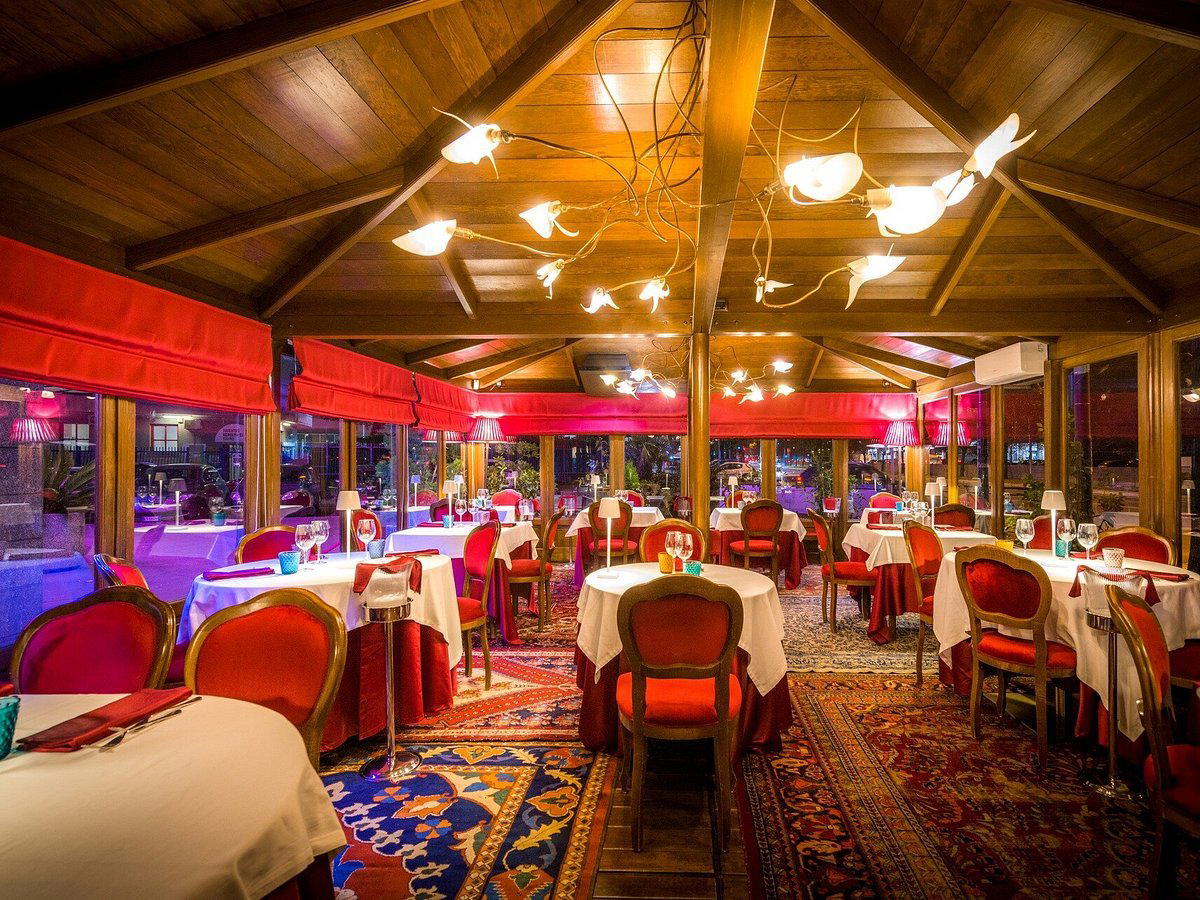
Bars in Turin
Browse all →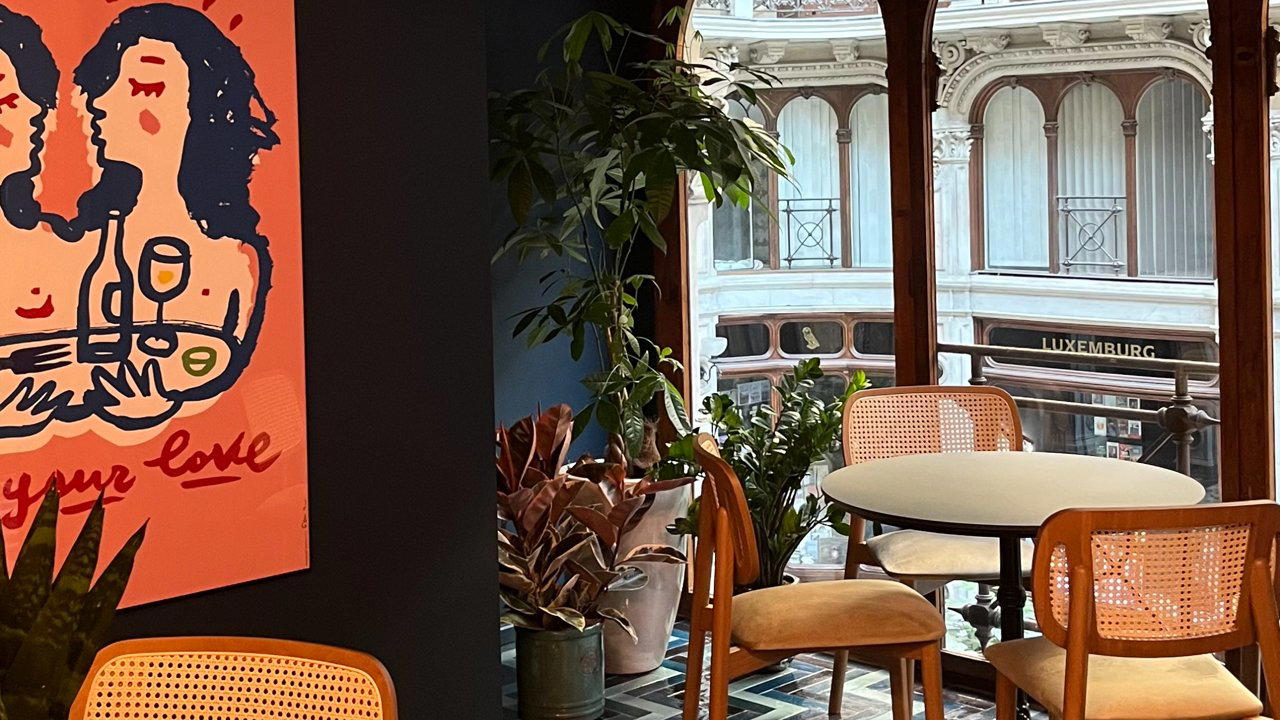
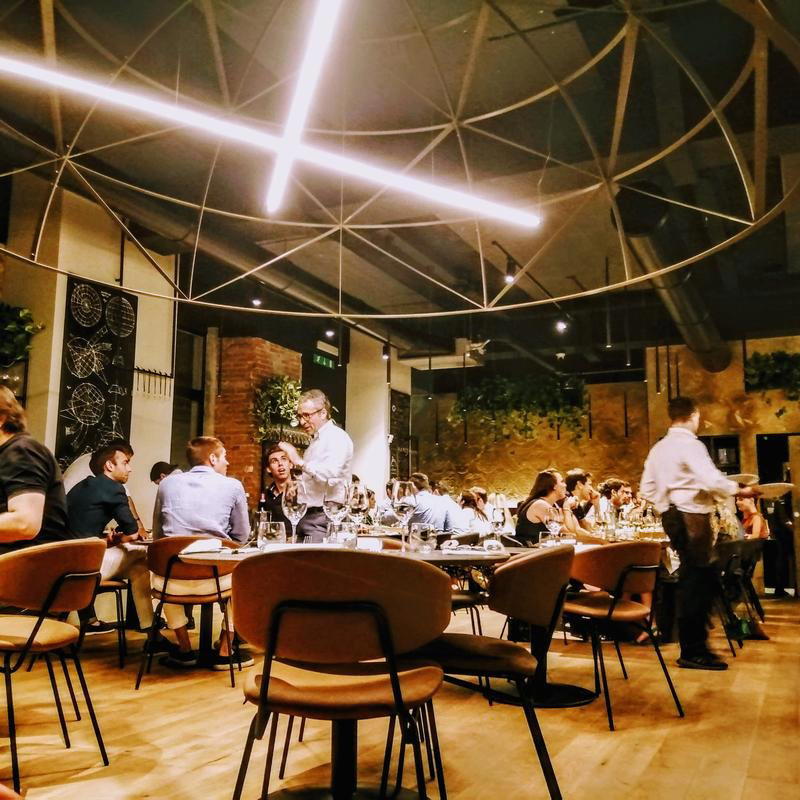
Hotels in Turin
Browse all →
At a Glance
- Classic
- Elegant
- Historic
- Sophisticated
- Well Known
- Date Night
- Business Dinner
- Special Occasion
- Celebration
- Historic Building
- Private Dining
- Extensive Wine List
- Sommelier Led
- Street Scene
Current opening hours
- Monday
- Closed
- Tuesday
- 7:30–10:30 p.m.
- Wednesday
- 7:30–10:30 p.m.
- Thursday
- 7:30–10:30 p.m.
- Friday
- 12:30–2:30 p.m., 7:30–10:30 p.m.
- Saturday
- 12:30–2:30 p.m., 7:30–10:30 p.m.
- Sunday
- 12:30–2:30 p.m.
Hours can change for holidays and private events. Last verified .
Ornate historic rooms evoking another era with rich 19th-century furnishings, gilded details, and a welcoming yet refined atmosphere.