
Cannavacciuolo Bistrot sits in Turin's Borgo Po quarter, a few steps from the Gran Madre church, and carries a Michelin star earned under the broader umbrella of Italy's most-decorated Campanian chef. Chef de cuisine Gabriele Bertoli runs a contemporary menu that draws on culinary traditions from across the peninsula, with Campania at its centre. For four-figure creative dining in Turin, it offers one of the clearest value arguments in the city.
Pearl is the En Primeur Club membership app — saves, bookings, and concierge access live there. Same editors, same standards.
- Address
- Via Umberto Cosmo, 6, 10131 Torino TO, Italy
- Phone
- +39 011 839 9893
- Website
- cannavacciuolobistrot.it
- Directions
- Get directions
 Saves & bookings on Pearl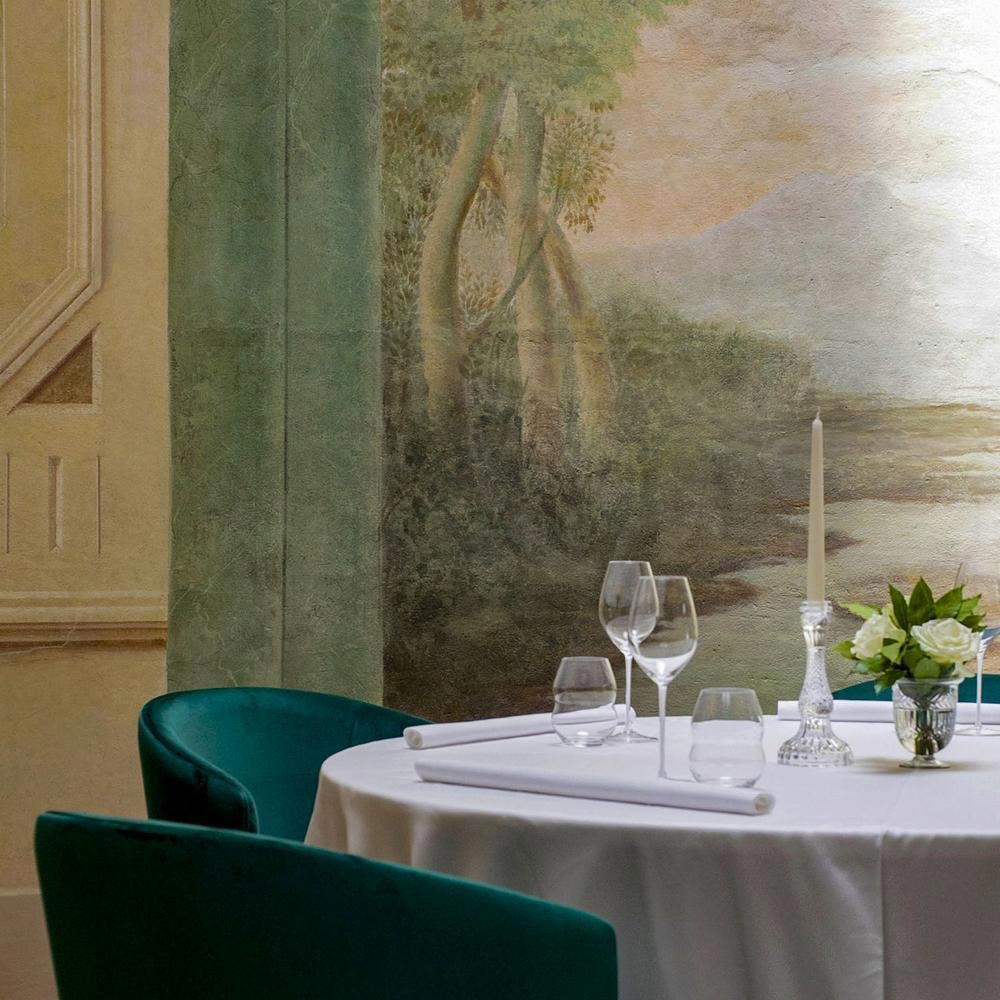
Borgo Po and the geography of Turin's serious dining
Turin's most-talked-about creative restaurants tend to cluster in the central districts: the baroque grandeur of the historic core, the vertical drama of Piano35 high above Piazza Castello, the converted industrial spaces that define parts of the left bank. Borgo Po operates on a quieter frequency. The neighbourhood sits on the right bank of the Po, sheltered by the hill that climbs toward the Superga basilica, and its pace is residential rather than performative. The Gran Madre church anchors the waterfront end; Via Umberto Cosmo runs a short distance inland. This is where Cannavacciuolo Bistrot has established itself, and the location shapes expectation: you are not walking into a theatrical room designed to announce itself. You arrive in a neighbourhood, pass through a door, and find a succession of small dining rooms where the design is elegant and modern without straining for effect.
What a Michelin star costs in Turin, and what it delivers here
At the €€€€ tier, Turin's starred creative restaurants form a compact comparable set. Condividere and Del Cambio both sit at the same price level with a Michelin star each; so does Piano35. The question that separates them is not price but return on the spend. Cannavacciuolo Bistrot's value argument rests on a specific credential: it operates as the Turin expression of a chef whose main house, Villa Crespi on Lake Orta, holds three Michelin stars. That lineage matters in practical terms. The kitchen philosophy, sourcing relationships, and technical standards that underpin a three-star operation filter into the bistrot format at a price point that is meaningfully lower than the flagship. Michelin awards this address one star.
For a reader assessing where to direct serious dining spend in Turin, the calculus is this: at comparable prices to Condividere or Del Cambio, you access a kitchen whose technical anchor is a three-star operation. Among Italy's one-star addresses with that kind of institutional backing, the comparisons extend to a broader national conversation. Houses like Osteria Francescana in Modena, Enrico Bartolini in Milan, and Le Calandre in Rubano all operate at the apex of Italian creative cooking; the bistrot model here is a deliberate step toward accessibility without abandoning the standards those names represent.
The kitchen's frame of reference: Italy as a whole, Campania at the center
Contemporary Italian fine dining has largely moved away from strict regionalism. Particularly interesting kitchens now treat the peninsula as a single larder, selecting by quality and seasonal logic rather than geography. Cannavacciuolo Bistrot fits this pattern: the menu, as executed by chef de cuisine Gabriele Bertoli, draws on culinary traditions from across Italy rather than restricting itself to the Piedmontese canon that dominates much of Turin's serious restaurant culture. The baseline orientation, though, is Campanian. That means a sensibility shaped by seafood, by the volcanic intensity of southern produce, by a cuisine that is simultaneously ancient and technically ambitious. Bertoli applies his own perspective within that frame, which is the standard model for satellite kitchens of this kind: the chef works within an established culinary logic and exercises creative latitude within it.
This approach sits at an interesting angle to Turin's dominant dining tradition. Piedmont's own high-end restaurants, including Carignano, lean heavily on local truffle, Barolo, and the deep livestock heritage of the region. The bistrot's southern-inflected creative menu offers something tonally different, which expands rather than duplicates the options available to a visitor spending multiple nights in the city. For a broader Italian reference frame, Enoteca Pinchiorri in Florence and Dal Pescatore in Runate represent the more classically Italian end of the fine dining spectrum; Cannavacciuolo Bistrot sits closer to the contemporary-creative pole.
Format and room: what the dining experience actually involves
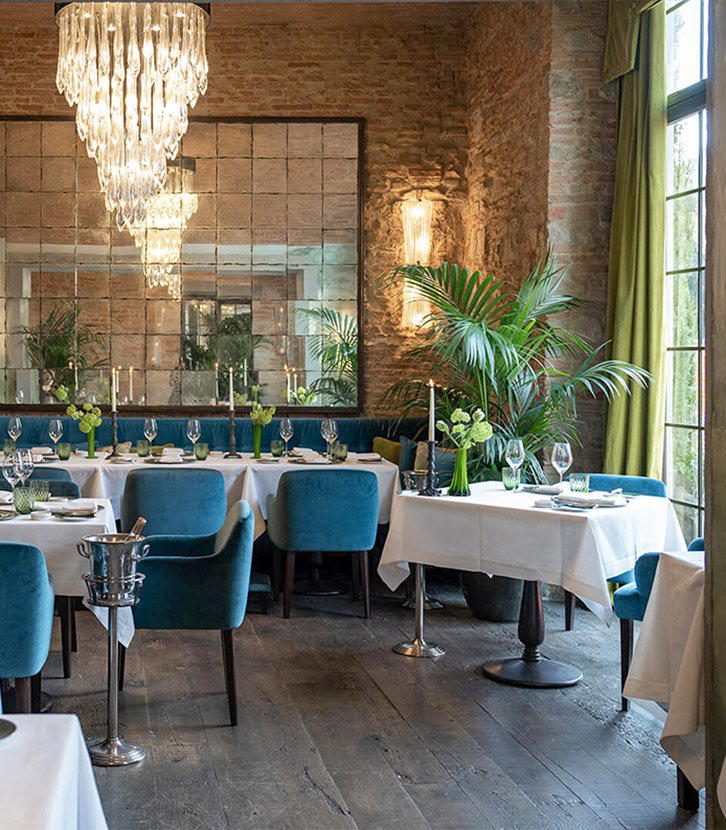
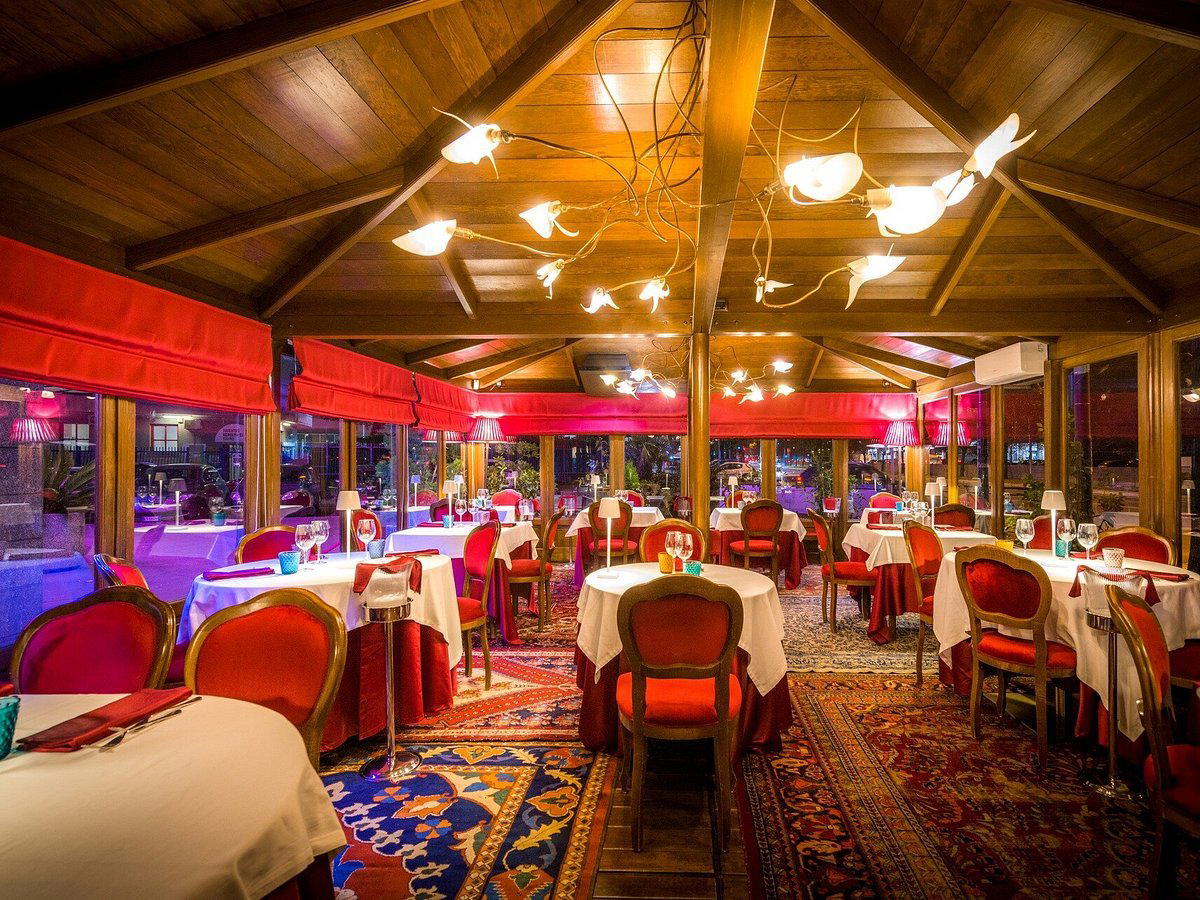
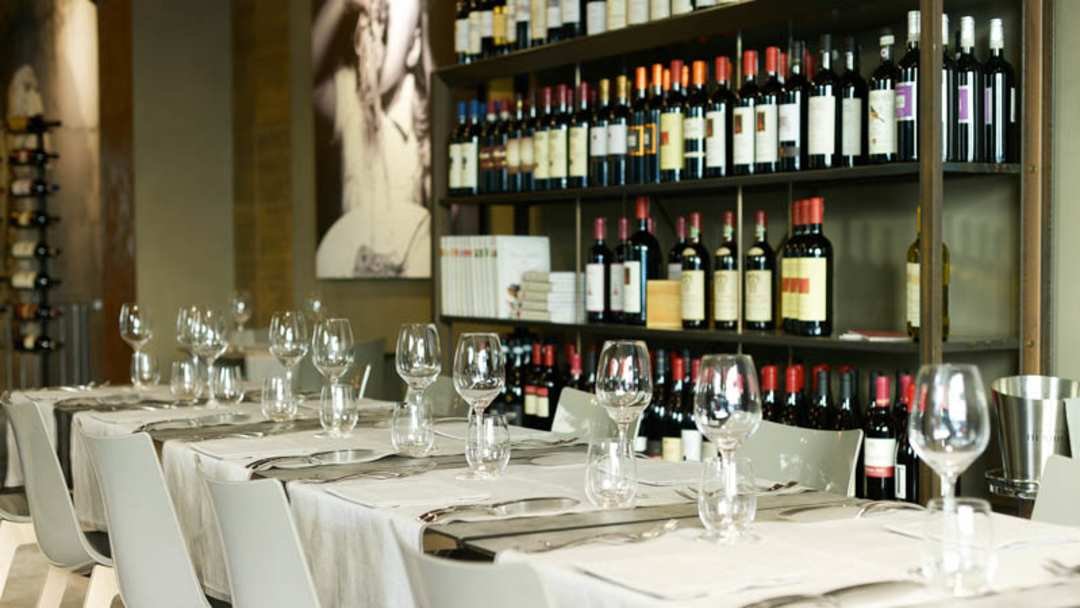
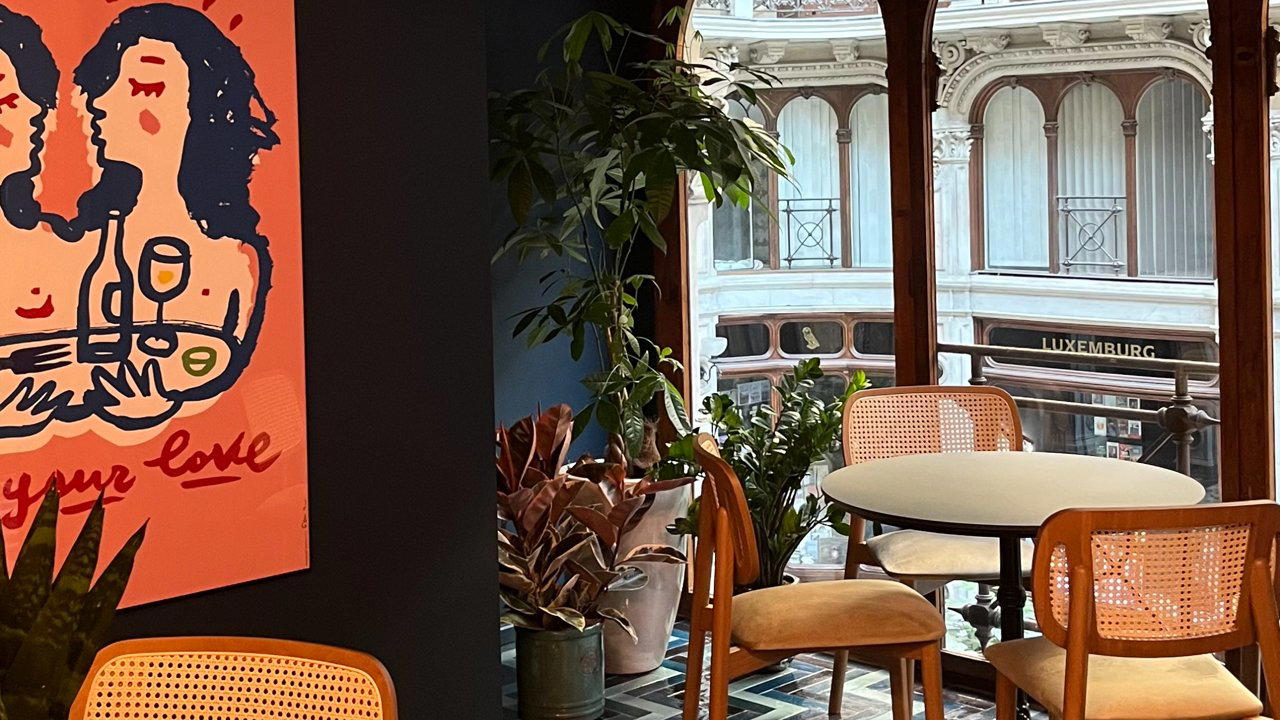
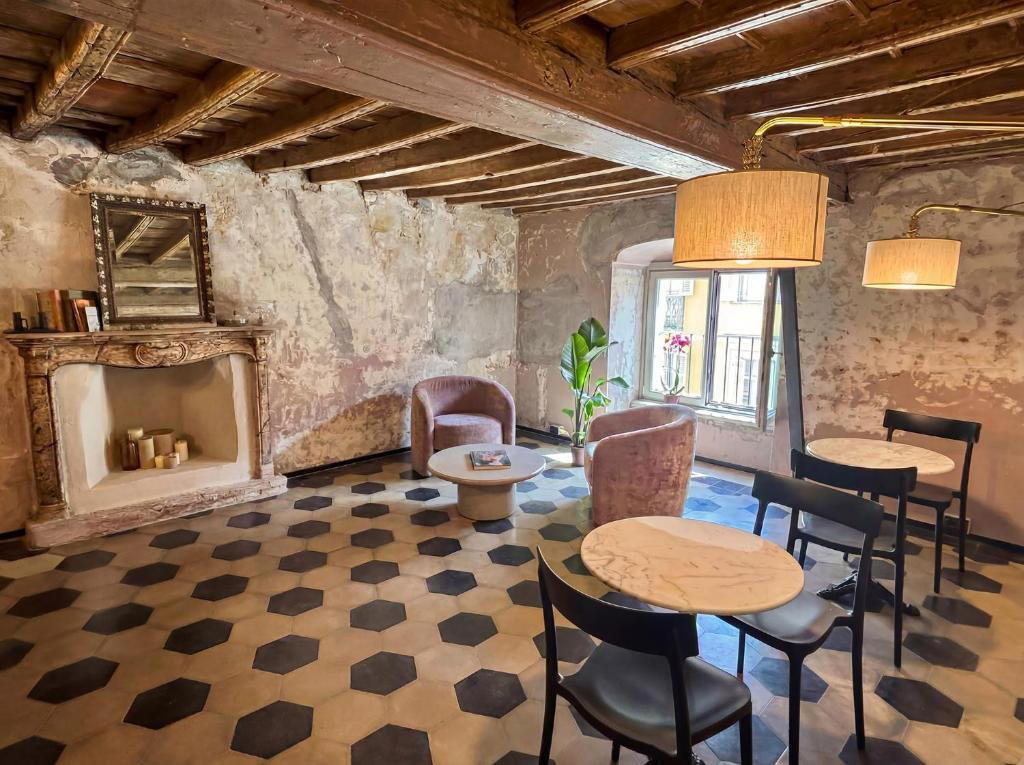
The physical format is multiple small rooms rather than a single large dining space, which produces a different quality of experience from the open-plan rooms that characterise some of Turin's other fine dining addresses. Smaller rooms compress the ambient noise, make service feel more attentive, and allow the decor to register more deliberately. The style is described as elegant and modern, which in practice means the visual register does not compete with the food for attention. This is a considered choice in creative dining at this level: the room should support concentration rather than generate its own spectacle.
Service operates Wednesday through Sunday, with lunch from 12:30 to 2:30 PM and dinner from 7:30 to 9:30 PM. Monday and Tuesday are closed. The lunch window is tight, the kitchen closes covers at 1:45 PM, so arriving close to opening is advisable for anyone wanting the full experience without time pressure. The dinner end time of 9:30 PM for last orders places it in line with the rhythm of northern Italian dining rather than the later schedules common further south. Reservations are essential.
How the bistrot model translates across borders and price tiers
The satellite-kitchen model, where a multi-starred chef lends institutional credibility to a more accessible address, is well established in European fine dining. In Paris, restaurants like Alléno Paris au Pavillon Ledoyen and Arpège anchor a wider creative ecosystem; in Italy, three-star names such as Atelier Moessmer Norbert Niederkofler in Brunico operate within specific culinary philosophies that their associated projects extend. The bistrot format, in theory, offers a calibrated trade: you accept a shorter menu, a smaller room, and a resident chef rather than the headline name, and in return you pay less than the flagship while retaining access to the same culinary school. The Michelin star at this address indicates that the trade-off here produces food the guide considers accomplished.
Within Turin's own restaurant tier, the bistrot occupies a specific position: it is the city's only one-star address with direct institutional ties to a three-star operation. That is a verifiable distinction, not a marketing claim. For a visitor comparing Turin's €€€€ creative options, Condividere, Del Cambio, Piano35, La Pista, this contextual fact shifts the decision calculus.
Planning your visit
The restaurant is located at Via Umberto Cosmo 6, in Borgo Po, close to the Gran Madre church on Turin's right bank. Services run Wednesday through Sunday; lunch from 12:30 PM to 2:30 PM, dinner from 7:30 PM to 9:30 PM. The price tier is €€€€, and reservations are essential.
Recognition Snapshot
Comparable venues nearby, for context on price, style, and recognition.
| Venue | Cuisine | Price | Awards | Notes |
|---|---|---|---|---|
| Cannavacciuolo BistrotThis venue — the venue you are viewing | Modern Italian Fine Dining Bistro | $$$ | Michelin 1 Star | Not listed |
| Carignano | Modern Piedmontese Fine Dining | $$$$ | Michelin 1 Star | Centro |
| Magazzino 52 | Modern Piedmontese & Seafood | $$ | Bib Gourmand | Porta Nuova |
| Scannabue Caffè Restaurant | Traditional Piedmontese | $$ | Bib Gourmand | San Salvario |
| Piano35 | Modern Italian Fine Dining with Piedmontese Influences | $$$$ | Michelin 1 Star | Cit Turin |
| Del Cambio | Modern Piedmontese Fine Dining | $$$$ | Michelin 1 Star | Piazza Carignano |
Recognition history
Dated appearances from independent guides and award organizations, with the underlying list record or original source where available.
Michelin 1 Star
Michelin
Michelin 1 Star
Michelin
Michelin 1 Star
Michelin
Continue exploring
More in Turin
Restaurants in Turin
Browse all →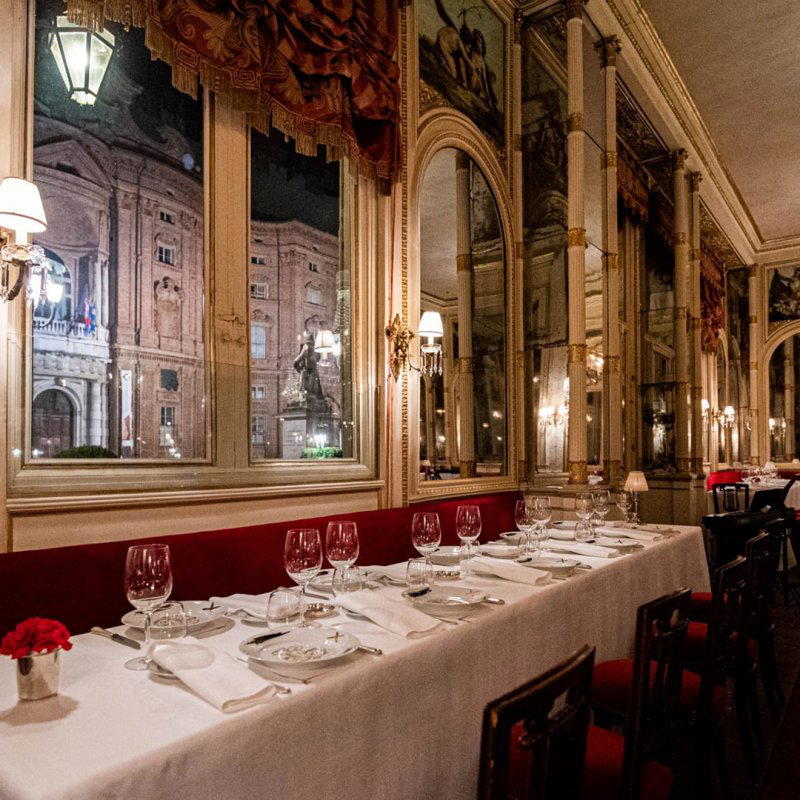
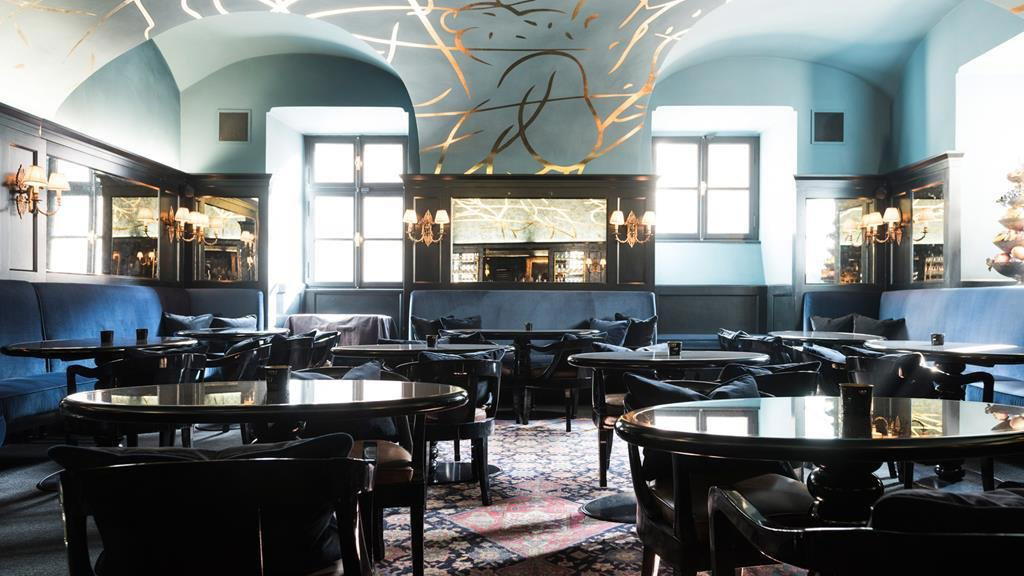
Bars in Turin
Browse all →
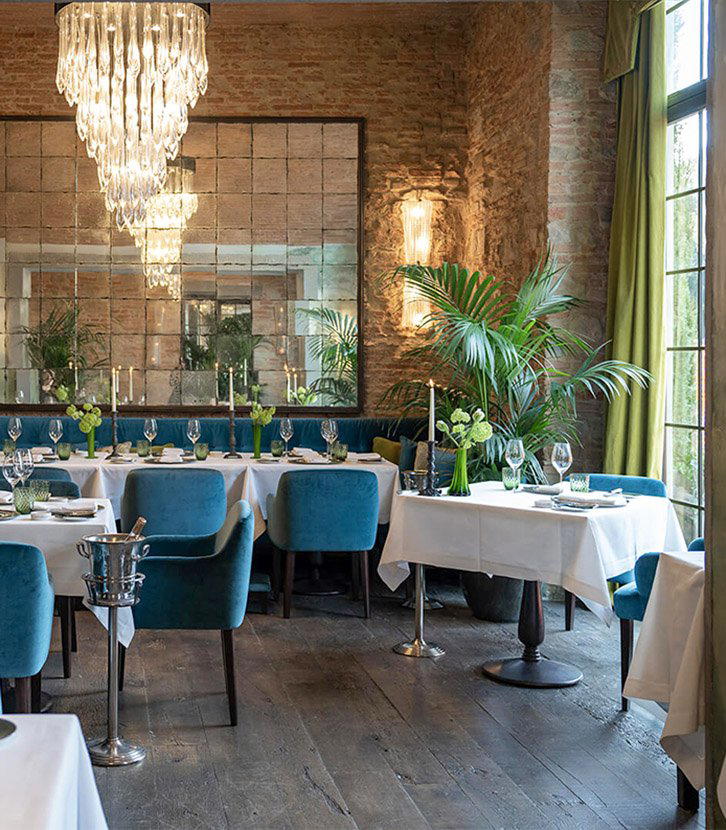
Hotels in Turin
Browse all →
At a Glance
- Elegant
- Modern
- Cozy
- Intimate
- Sophisticated
- Date Night
- Special Occasion
- Business Dinner
- Open Kitchen
- Extensive Wine List
- Street Scene
Current opening hours
- Monday
- Closed
- Tuesday
- Closed
- Wednesday
- 12:30–2:30 PM, 7:30–9:30 PM
- Thursday
- 12:30–2:30 PM, 7:30–9:30 PM
- Friday
- 12:30–2:30 PM, 7:30–9:30 PM
- Saturday
- 12:30–2:30 PM, 7:30–9:30 PM
- Sunday
- 12:30–2:30 PM, 7:30–9:30 PM
Hours can change for holidays and private events. Last verified .
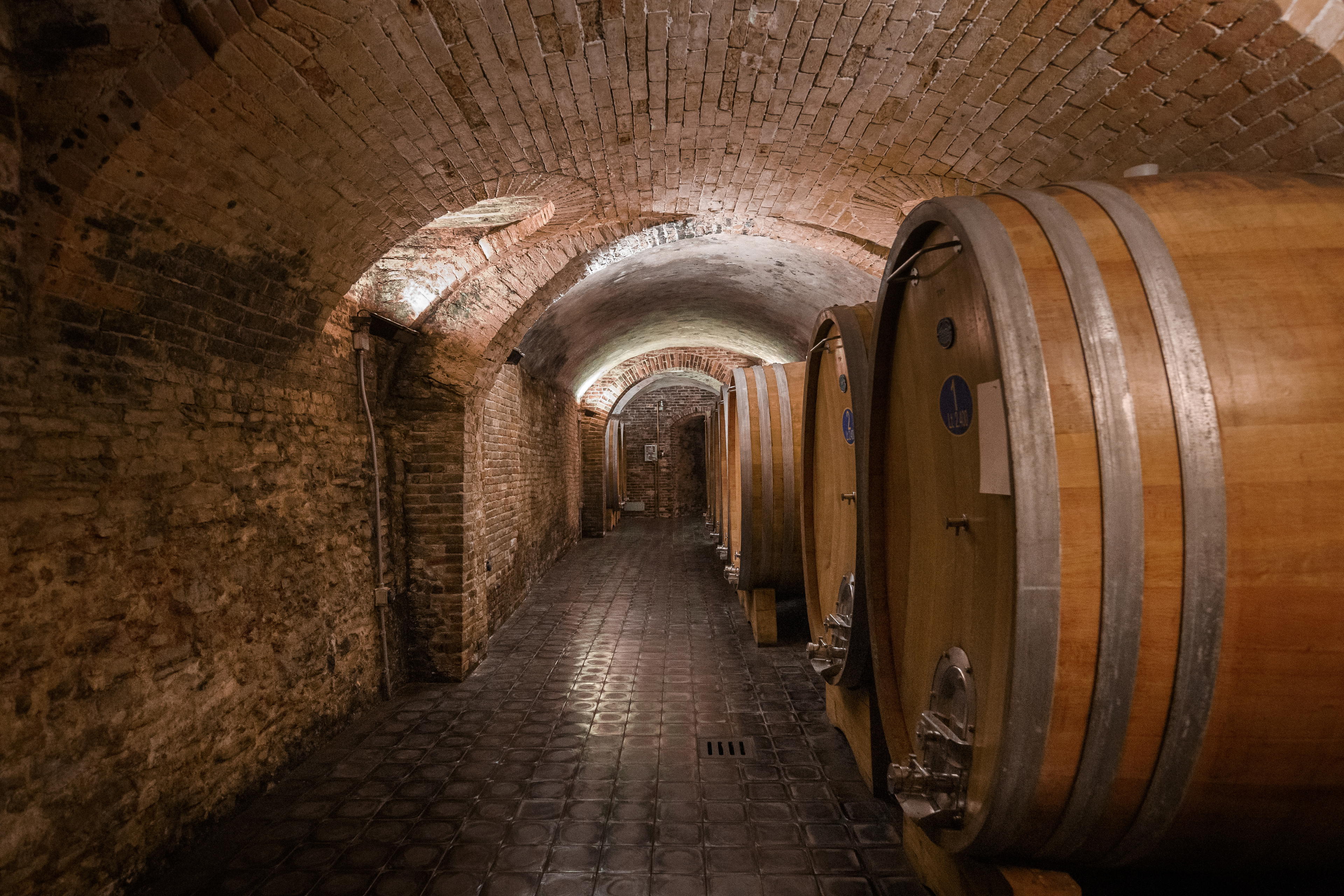
Elegant yet minimal modern interior with historic ceilings, open kitchen views, soft lounge music, and a quiet, relaxing atmosphere.