
Inside the Grand Hotel Sitea, one of Turin's most storied addresses, Carignano operates under the direction of Davide Scabin, the two-Michelin-starred chef from Rivoli who built his reputation on subverting convention. A single long tasting menu governs the evening, structured on an "up and down" principle that opens with the heaviest, richest flavours before stepping progressively lighter. The wine pairing is the recommended route through it.
Pearl is the En Primeur Club membership app — saves, bookings, and concierge access live there. Same editors, same standards.
- Address
- Via Carlo Alberto, 35, 10123 Torino TO, Italy
- Phone
- +39 011 518 8684
- Website
- ristorantecarignano.it
- Directions
- Get directions
 Saves & bookings on Pearl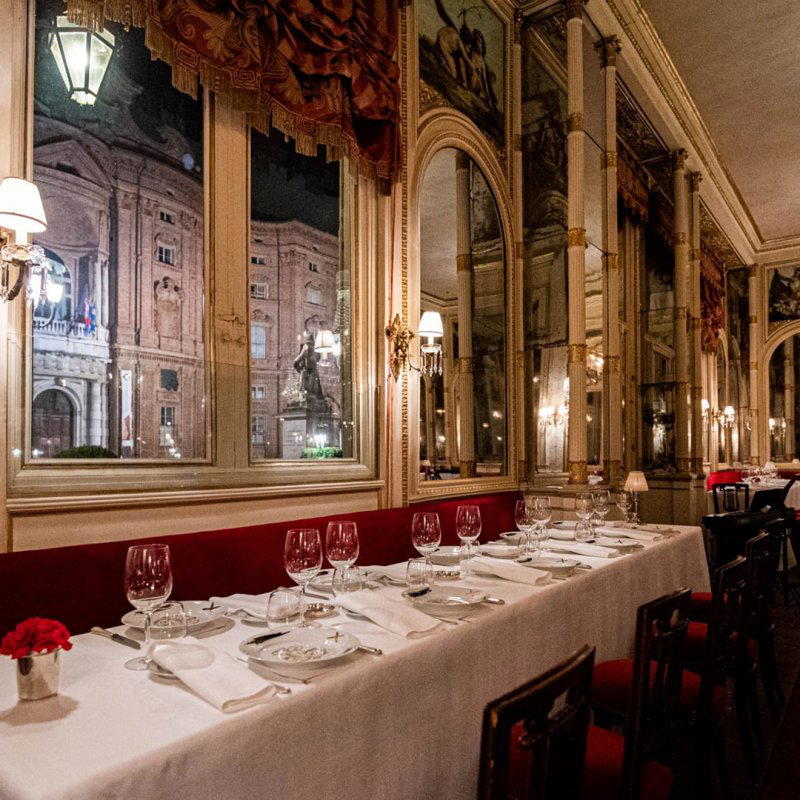
When a Grand Hotel Dining Room Becomes a Statement of Intent
Turin's hotel dining rooms occupy a peculiar position in the city's restaurant scene. For much of the twentieth century, they existed as comfortable but peripheral operations, content to feed guests and remain invisible to the city's serious eaters. That arrangement has been quietly dismantled over the past decade, as a handful of hotel kitchens became genuine destinations in their own right. Carignano is a one-Michelin-star restaurant at Via Carlo Alberto, 35, 10123 Torino TO, Italy, serving Modern Piedmontese Fine Dining at about $150 per person. It belongs to the more demanding end of that shift. The Sitea celebrates its centenary in 2025, a milestone that coincides with the hotel's decision to anchor its dining room to one of Piedmont's most discussed culinary figures.
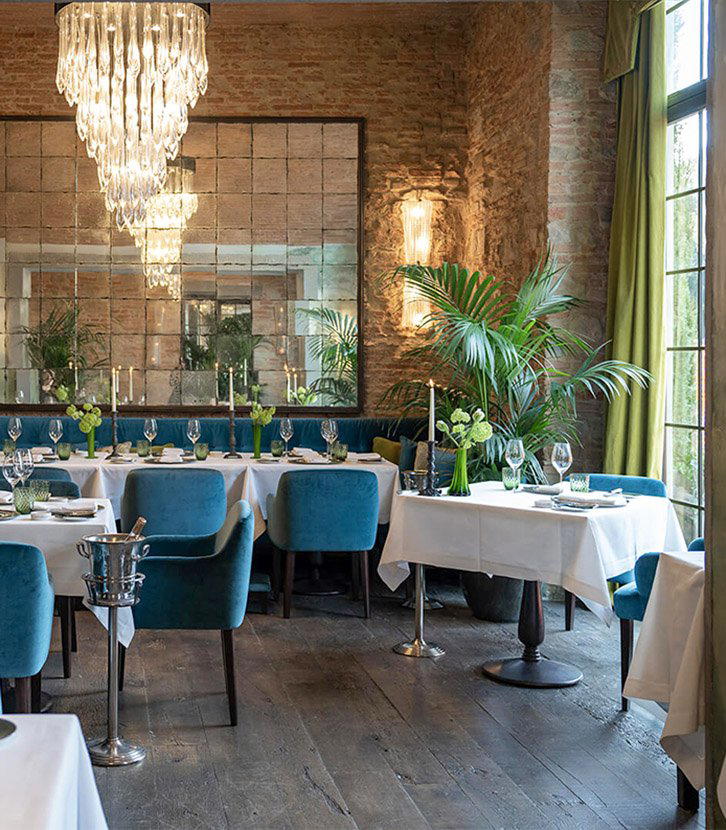
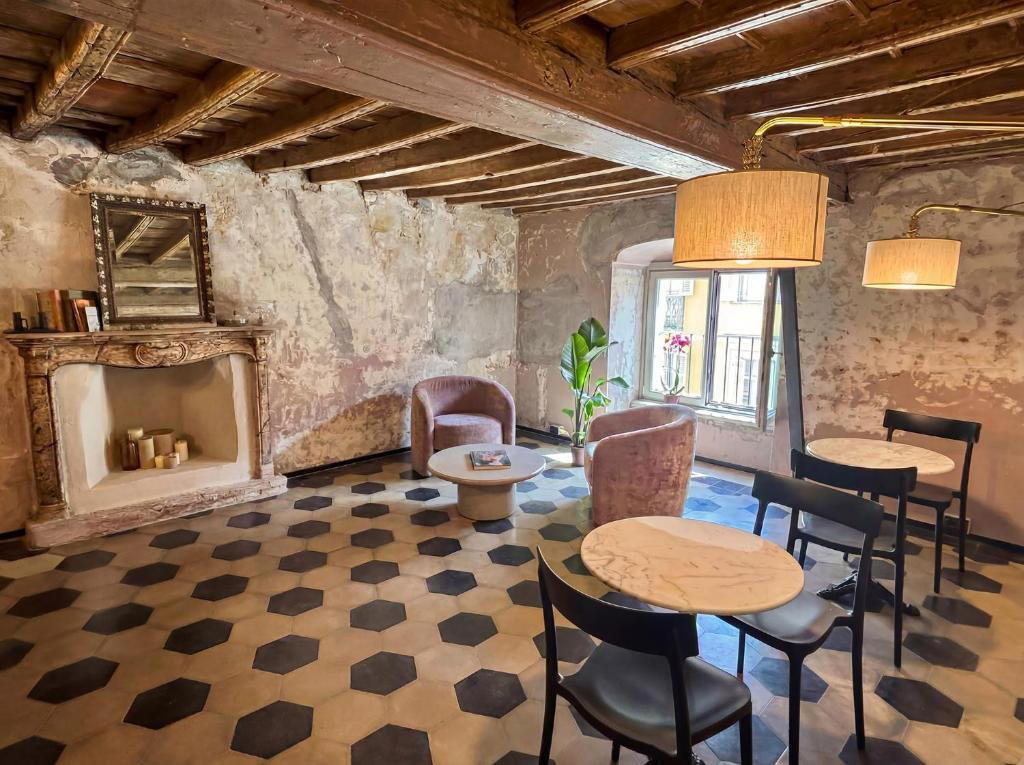
The room itself communicates through restraint. This is not a restaurant where you arrive undecided. A single tasting menu determines the structure of the night from the moment you sit down.
The "Up and Down" Concept: What the Menu Architecture Reveals
Across Italian fine dining, the conventional tasting menu runs a familiar arc: lighter amuse-bouches and raw preparations give way to pasta, then to meat, then to dessert. The logic mirrors a kind of physiological crescendo, building intensity as the meal progresses. Davide Scabin has systematically inverted this structure at Carignano.
His "up and down" concept places the intense, richest dishes at the start. Sweetbreads and foie gras arrive early, when palate fatigue is lowest and the appetite for fat and depth is at its peak. As the menu progresses, the plates become progressively lighter: more vegetables, more acidity, cleaner finishes. By the time the final courses arrive, the meal has effectively decompressed. The reader expecting the usual climax at the meat course will not find it here.
This is not structural novelty for its own sake. The approach reflects a legitimate argument about how appetite actually functions during a long tasting experience. Conventional menu sequencing often leaves diners sated and heavy before the kitchen reaches its most technically demanding courses. Scabin's inversion addresses that problem by front-loading richness and allowing the body to metabolise its way into the lighter, more contemplative second half of the meal. It is an approach with an internal logic that holds up to scrutiny, rather than a flourish designed to generate press copy.
The menu draws from three distinct registers: traditional Piedmontese recipes, more technically creative contemporary dishes, and occasional references to ingredients or techniques that arrive from outside the regional canon. That range gives the kitchen flexibility without forcing it to declare allegiance to any single school. Turin's €€€€ tier currently includes Condividere, Del Cambio, and Cannavacciuolo Bistrot, all of which hold Michelin recognition and operate single-format or tasting-led menus. Carignano's distinction within that peer group is the structural inversion at the core of its menu, and the specific weight Scabin's prior reputation brings to the room.
Davide Scabin in Context: What Two Michelin Stars from Rivoli Signals
In Italian fine dining, chef credentials function as a form of advance pricing information. A two-star background from a destination restaurant, particularly one as conceptually driven as Combal. Zero in Rivoli, positions a kitchen at a specific point on the spectrum between classical Piedmontese cooking and experimental cuisine. Scabin's Rivoli years built a reputation on precision and provocation in roughly equal measure, a combination that makes him an unusual fit for a traditional hotel dining room and, simultaneously, a persuasive argument for why the Sitea's centenary year represents something more than a cosmetic renovation.
For comparison, other Italian restaurants operating at this level of ambition and credential include Le Calandre in Rubano, Osteria Francescana in Modena, and Dal Pescatore in Runate. Scabin's profile places Carignano in a conversation with that tier, even if the restaurant itself is relatively new to the city's culinary map. Internationally, the single-menu format governed by a strong conceptual framework appears at addresses like Alléno Paris au Pavillon Ledoyen and Arpège, though the philosophical starting points differ considerably.
Piedmontese Tradition as Anchor, Not Constraint
Piedmont is one of Italy's most codified regional kitchens. Tajarin, vitello tonnato, bagna cauda, agnolotti dal plin: the canon is deep, well-documented, and fiercely local in its loyalties. Creative restaurants working inside this tradition face a recurring challenge. Depart too far from the regional reference points and the local audience reads it as a rejection of place; stay too close and the menu collapses into a luxury reproduction exercise.
Carignano's menu negotiates this by treating Piedmontese recipes as one layer within a broader compositional framework rather than the organizing principle of every dish. The presence of more exotic influences, held at an unspecified remove in the available information, suggests that the kitchen reads the regional canon as a foundation rather than a ceiling. This is the same tension that drives conversation at Enrico Bartolini in Milan and, at a higher level of abstraction, at Atelier Moessmer Norbert Niederkofler in Brunico. Each kitchen draws differently on northern Italian tradition, and the differences reveal as much about region as about individual cooking philosophy.
Where Carignano Sits in Turin's Dining Geography
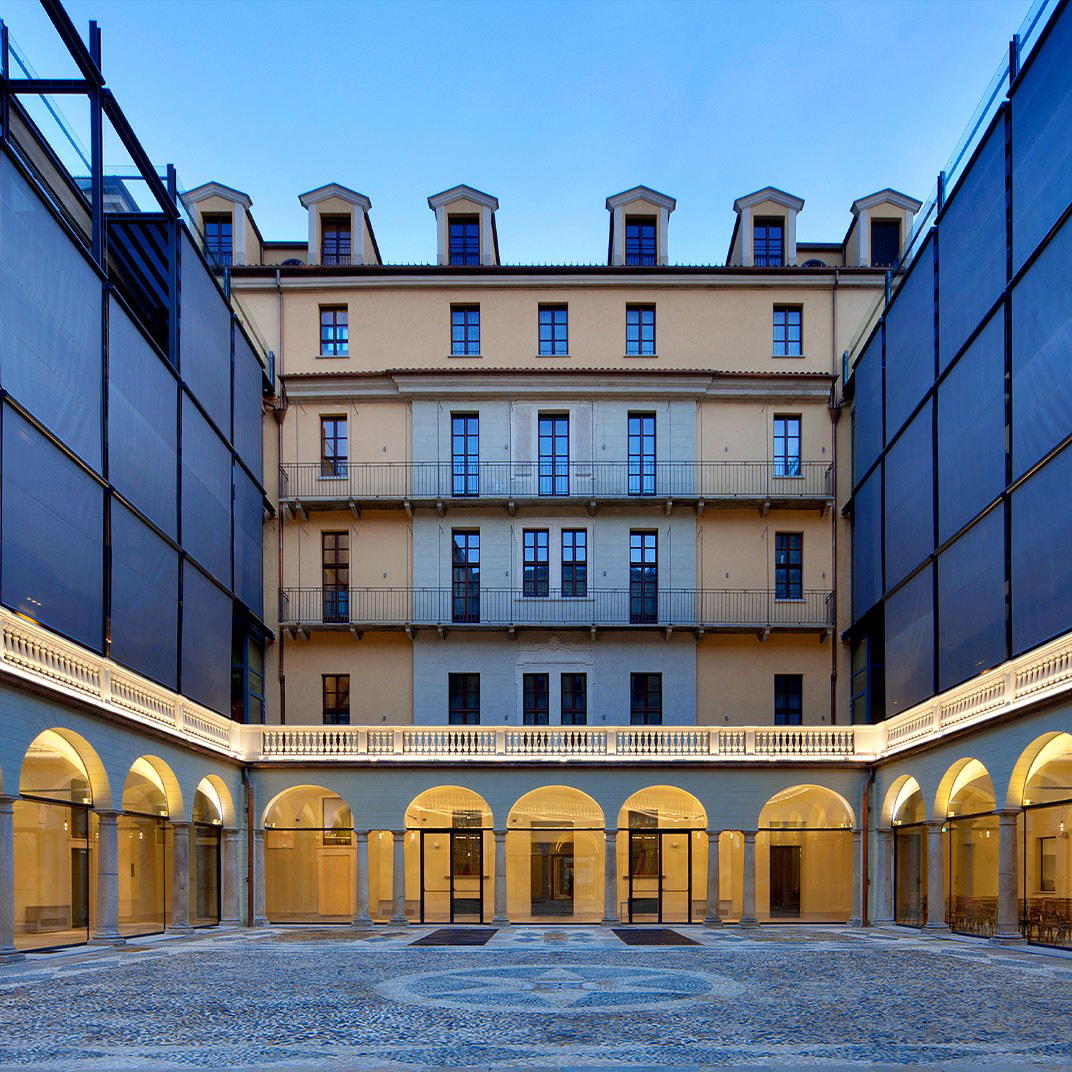
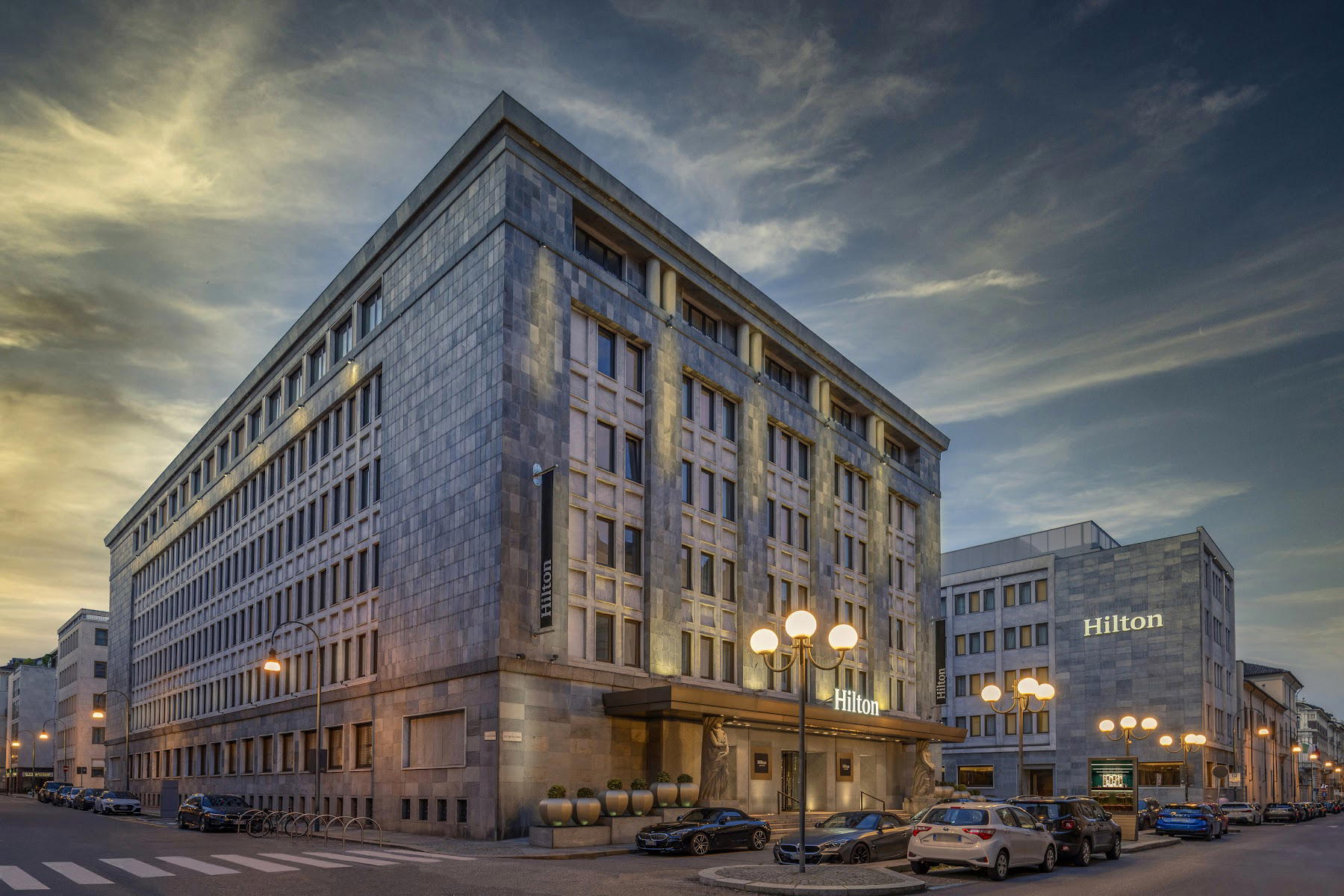
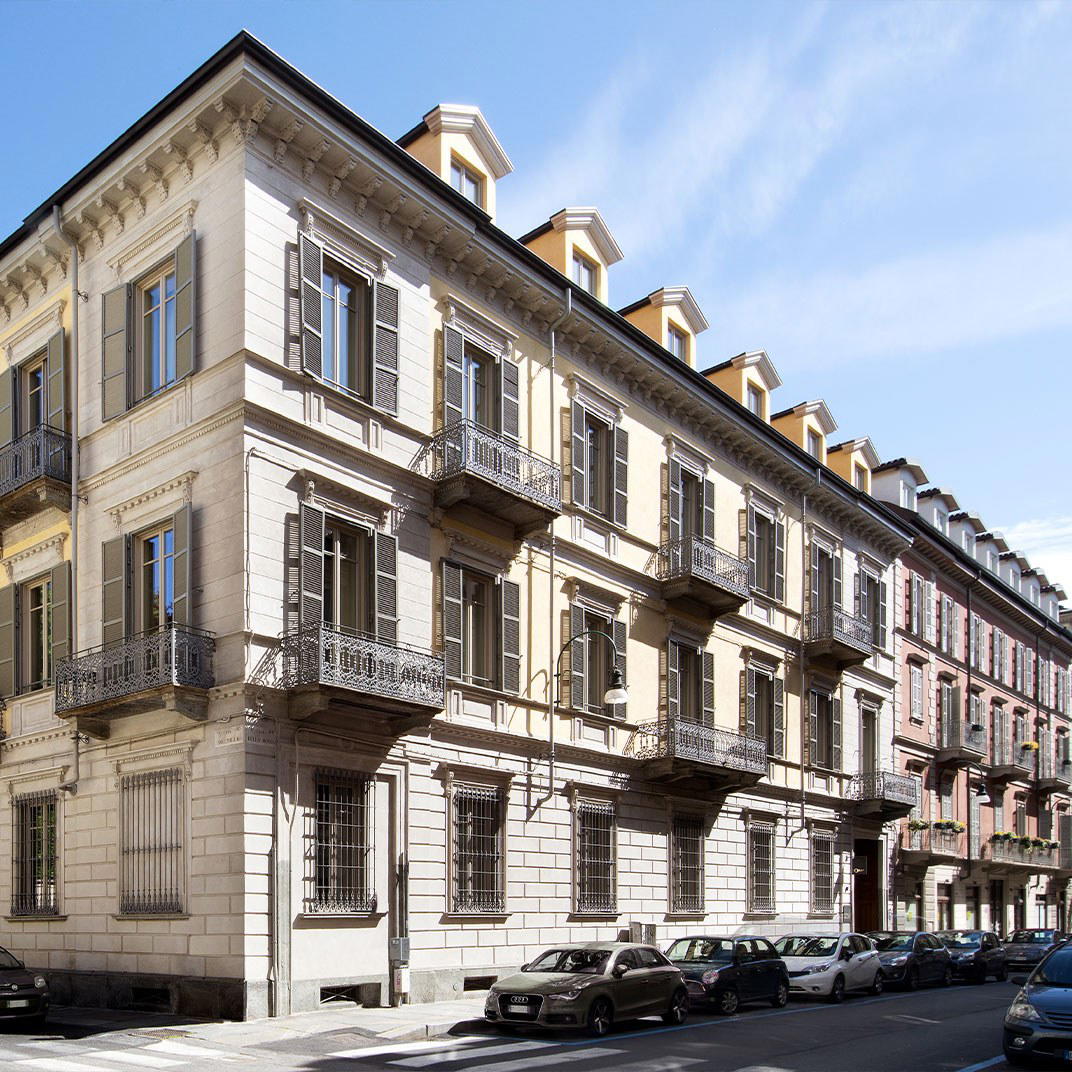
Via Carlo Alberto runs through the heart of Turin's historic centre, a short distance from Piazza San Carlo and the Mole Antonelliana. The hotel's position makes it accessible from across the city, and the neighbourhood's density of architectural heritage gives the approach a specific weight that more peripheral restaurant addresses lack. Turin has developed a genuine high-end dining circuit over the past fifteen years, with Piano35 and La Pista representing the city's appetite for dining formats that combine a specific physical experience with serious cooking. Carignano's hotel setting places it in a different register from both of those, closer in feel to the tradition of grand European hotel dining while remaining distinctly contemporary in its culinary approach.
At roughly $150 per person, the expectation is that every element of the evening holds together, from the moment the dining room comes into focus to the final course of the decompressed menu.
Planning the Evening
Carignano operates Tuesday through Saturday, with service beginning at 7:30 PM and closing at 10:00 PM. The restaurant is closed on Sundays and Mondays. The single tasting menu format means the kitchen produces one coherent programme each evening rather than managing multiple à la carte variables, which in practice tends to produce more consistent execution across the table. The wine pairing is the recommended approach given the menu's structural logic: the shift in weight and intensity from rich to light across the courses maps naturally onto a curated pairing sequence designed to match each stage rather than a single bottle selected before the meal begins. For anyone building a broader Turin itinerary, our full Turin restaurants guide covers the city's dining options across price points and formats, alongside our Turin hotels guide, bars guide, wineries guide, and experiences guide.
Peers in This Market
Comparable venues nearby, for context on price, style, and recognition.
| Venue | Cuisine | Price | Notes |
|---|---|---|---|
| CarignanoThis venue — the venue you are viewing | Modern Piedmontese Fine Dining | $$$$ | Not listed |
| Piano35 | Modern Italian Fine Dining with Piedmontese Influences | $$$$ | Cit Turin |
| Andrea Larossa | Modern Piedmontese Fine Dining | $$$$ | Turin hills |
| Cannavacciuolo Bistrot | Modern Italian Fine Dining Bistro | $$$ | Borgo Po |
| Vintage 1997 | Traditional Piedmontese Fine Dining | $$$$ | Centro |
| Memorable | Modern Italian Tasting Menu | $$$$ | Centro |
Recognition history
Dated appearances from independent guides and award organizations, with the underlying list record or original source where available.
Michelin 1 Star
Michelin
Michelin 1 Star
Michelin
Michelin 1 Star
Michelin
Continue exploring
More in Turin
Restaurants in Turin
Browse all →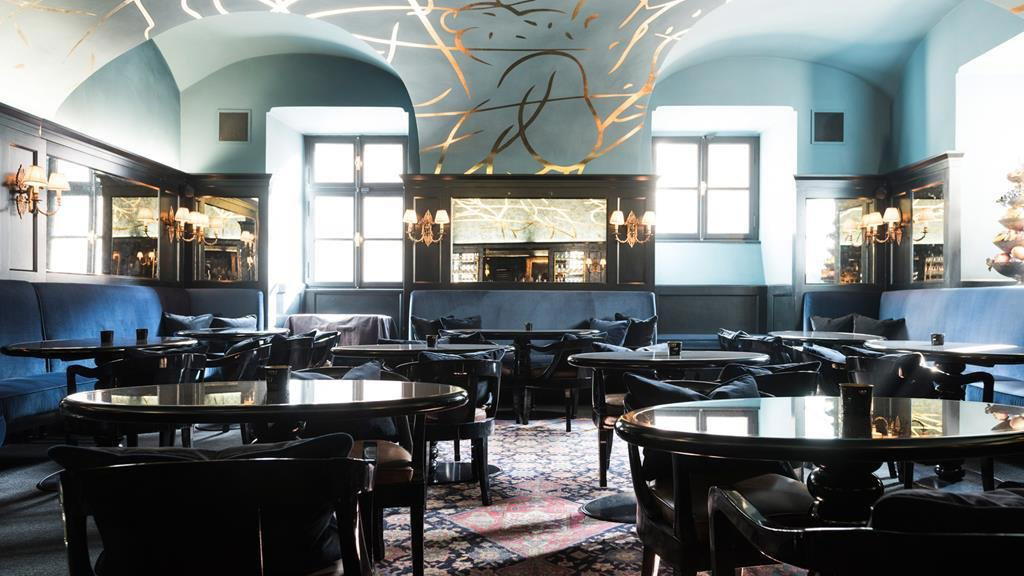
Bars in Turin
Browse all →
Hotels in Turin
Browse all →
At a Glance
- Elegant
- Sophisticated
- Romantic
- Intimate
- Classic
- Date Night
- Special Occasion
- Business Dinner
- Hotel Restaurant
- Historic Building
- Extensive Wine List
- Sommelier Led
- Local Sourcing
- Street Scene
Current opening hours
- Monday
- Closed
- Tuesday
- 7:30–10 PM
- Wednesday
- 7:30–10 PM
- Thursday
- 7:30–10 PM
- Friday
- 7:30–10 PM
- Saturday
- 7:30–10 PM
- Sunday
- Closed
Hours can change for holidays and private events. Last verified .
Cozy, elegant, and nostalgic atmosphere in a historic hotel setting with professional service and intimate dining spaces.