
One of Alba's most storied Barolo producers, Pio Cesare has been making wine in the Langhe since the nineteenth century.
Pearl is the En Primeur Club membership app — saves, bookings, and concierge access live there. Same editors, same standards.
- Address
- Via Cesare Balbo, 6, 12051 Alba CN
- Phone
- +39 0173 440386
- Website
- piocesare.it
- Directions
- Get directions
 Saves & bookings on Pearl
Alba's Long View on Barolo
In the Langhe, where single-vineyard declarations and modernist winemaking have reshaped Barolo's reputation over the past three decades, the producers who predate those debates carry a different kind of authority. Pio Cesare has been based in Alba's historic centre since the nineteenth century, making it one of a small number of houses that can claim continuity across the multiple stylistic eras Barolo has moved through. The winery sits at Via Cesare Balbo, 6, in the old town of Alba.
That central Alba address matters more than it might initially appear. Most of the Langhe's celebrated Barolo estates are positioned in the villages of the Barolo DOCG zone itself, Barolo, La Morra, Castiglione Falletto, Serralunga d'Alba, and Monforte d'Alba, not in the city. Pio Cesare's decision to remain anchored in Alba proper places it in a smaller peer group: producers whose identity is shaped by the city's merchant and négociant traditions rather than by a single terroir or a single commune's geological character.
The Langhe is not short of well-regarded Barolo and Barbaresco producers, and the wineries that accumulate recognition across cycles tend to be those with both vineyard depth and a stable aesthetic, not those chasing single-vintage scores. That pattern holds whether you look at Barolo specialists or at Barbaresco-focused estates, and it's the reason sustained recognition, rather than any single high score, carries greater weight when assessing producers in this region.
The Nebbiolo Question: Tradition, Technique, and Terroir
Nebbiolo is one of viticulture's more demanding varieties: high in tannin and acid, slow to ripen, highly sensitive to site, and capable of significant variation in character depending on which part of the Barolo or Barbaresco appellation it comes from. Producers in this zone have historically divided, broadly, into those who favour long maceration and large Slavonian oak casks (the so-called traditionalist approach) and those who adopted shorter macerations, rotary fermenters, and small French barriques during the 1980s and 1990s modernist turn.
Pio Cesare's historical position spans both periods and both debates, which is part of what makes the winery a useful reference point for understanding how Barolo's winemaking culture has evolved rather than simply settled. Producers who have been active across multiple stylistic eras tend to develop what amounts to a house position, an approach that is neither dogmatically traditional nor entirely modern, but shaped by successive decisions about which aspects of each method to retain. That kind of layered winemaking identity is common among the region's longer-established houses, and it is distinct from the cleaner narratives of producers who entered the appellation more recently and could define their approach from the outset.
For comparison, Aldo Conterno in Monforte d'Alba represents the Barolo zone's more village-specific identity, where a single commune's soils and altitude shape the winemaking conversation differently than it does for an Alba-based house with wider sourcing. The contrast between a city-based producer and a village-based one is worth understanding when building a picture of how the Langhe's prestige tier actually works.
Alba as a Reference City for Italian Fine Wine
Beyond its role as administrative centre for the Cuneo province, Alba functions as the commercial and cultural hub for Piedmont's most valuable wine appellations. The truffle fairs that draw buyers to the city each autumn from October through December are a useful indicator of how the local economy of premium agriculture and premium wine overlap: the same buyer relationships that sustain the white truffle trade also sustain allocations of leading Barolo and Barbaresco. Producers who have maintained a presence in Alba through multiple generations have access to that commercial network in ways that more recently established estates do not.
Late October through mid-November is when the combination of harvest completion, truffle availability, and cooler weather makes the Langhe particularly worth visiting for wine-focused travellers.
Lungarotti in Torgiano, Planeta in Menfi, and Castello di Volpaia in Radda in Chianti, illustrate how multi-generational family estates across Italy have each built their reputations on regional specificity rather than a single flagship wine. The winery's Langhe and Barolo positioning fits that broader Italian pattern: depth of appellation commitment rather than single-variety or single-vineyard narrowness.
Placing Pio Cesare in the Wider Italian Spirits and Wine Ecosystem
Alba's wine culture does not exist in isolation from the broader northern Italian drinks world. The Langhe's proximity to Piedmont's grappa and vermouth traditions means that visitors and buyers who engage seriously with the region's wines often also encounter its distillate culture. Nearby producers such as Distilleria Montanaro and Distilleria Romano Levi in Neive represent the grappa side of that tradition, while Nonino Distillery in Pavia di Udine and Distilleria Marzadro in Nogaredo operate further east in the Italian spirits continuum. These are separate categories, but for premium buyers, they are part of a shared northern Italian provenance story. For comparison across Italy's broader premium alcohol landscape, Campari in Milan and Ca' del Bosco in Erbusco show how northern Italy's drinks prestige extends across categories and regions.
For those building a broader reference map, comparing the winery's positioning in the Langhe with estates in other Italian fine wine zones, such as L'Enoteca Banfi in Montalcino or Accendo Cellars in St. Helena for a transatlantic Cabernet comparison, helps clarify what separates historically anchored Italian production from newer, more internationally oriented prestige models.
Planning a Visit
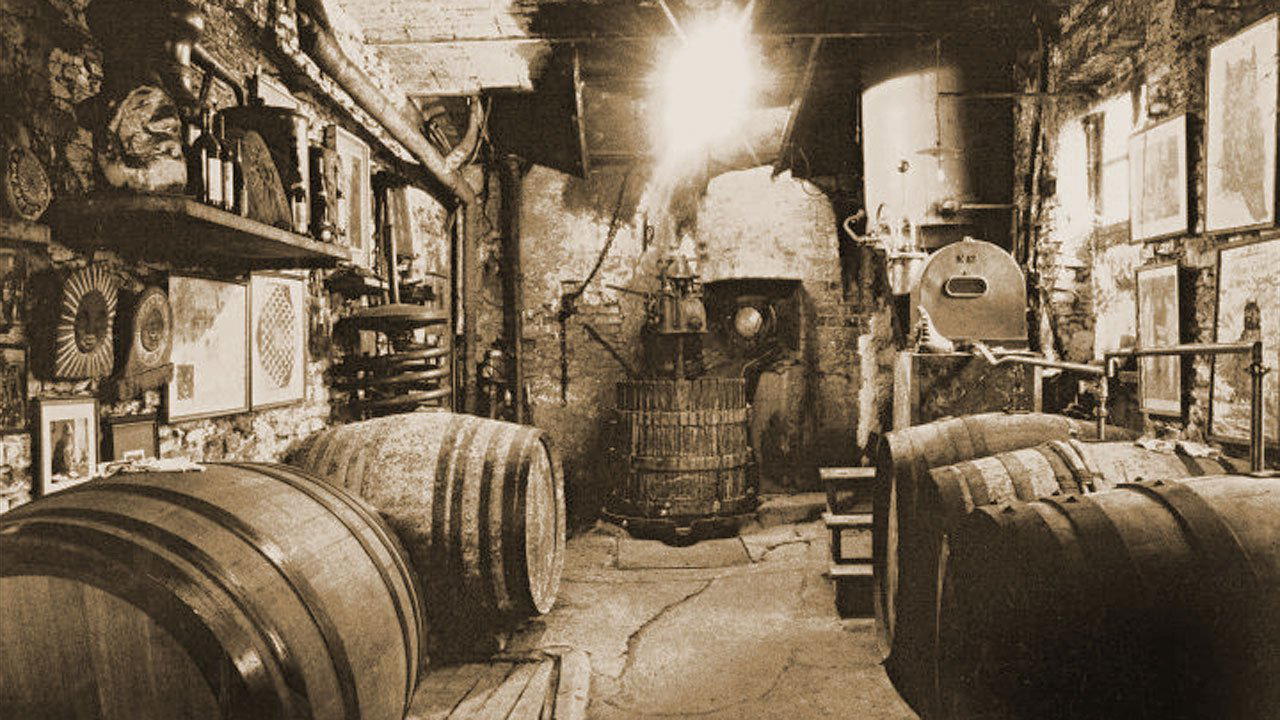
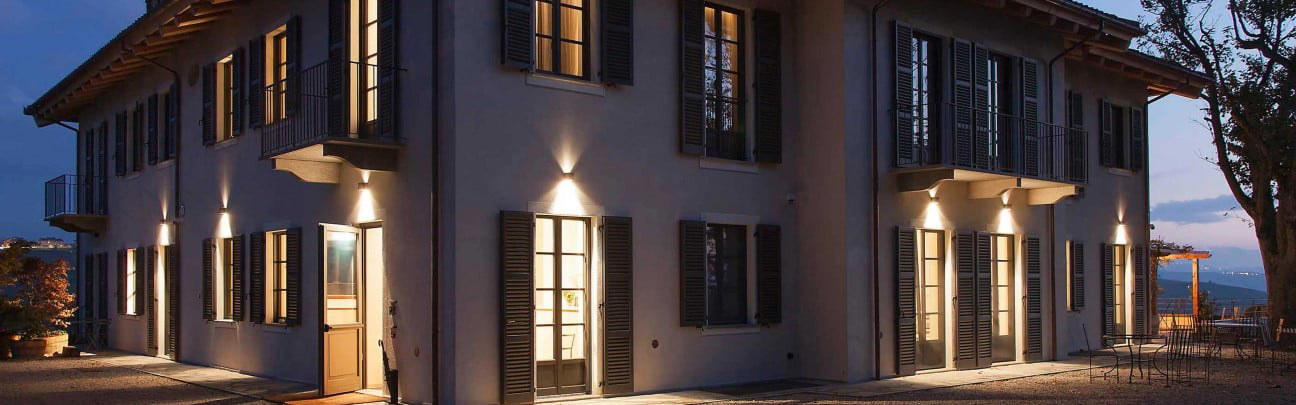
The winery is located at Via Cesare Balbo, 6 in Alba's historic centre. Visits are by appointment only; the cantina's historic cellars, which run beneath the old town, form a key part of the context for understanding the winery's extended ageing philosophy and inventory depth. The autumn truffle season remains the optimal visit window for combining wine access with the region's broader food culture, though spring tastings, before the tourist volumes of high season arrive, offer a quieter alternative for those focused primarily on the wines.
Cost and Credentials
Comparable venues nearby, for context on price, style, and recognition.
| Venue | Cuisine | Price | Awards |
|---|---|---|---|
| Pio CesareThis venue — the venue you are viewing | Not listed | $$$ | Not listed |
| Distilleria Montanaro | Gallo, Nebbiolo | $$$ | Not listed |
| Ceretto | Langhe, Nebbiolo, Arneis | $$$ | World's 50 Best #19 |
| Aldo Conterno | Bussia Soprana, Nebbiolo, Barbera | $$$ | Not listed |
| Paolo Scavino | Castiglione Falletto, Nebbiolo, Barbera | $$$ | Not listed |
| Martini & Rossi | Pessione, Moscato Bianco, Glera | $$$ | Not listed |
Recognition history
Dated appearances from independent guides and award organizations, with the underlying list record or original source where available.
Falstaff Winery - 5 Stars
Falstaff
Continue exploring
More in Alba
Wineries in Alba
Browse all →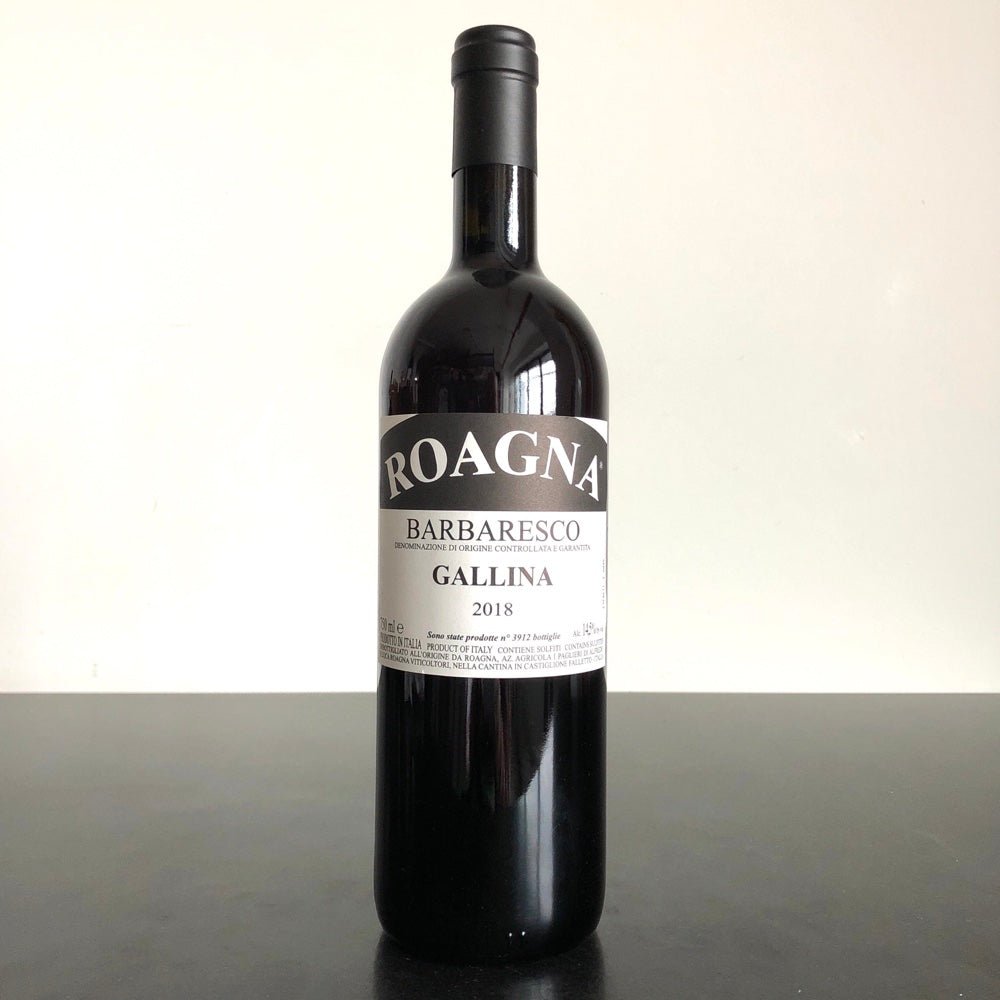
Bars in Alba
Browse all →
Restaurants in Alba
Browse all →
At a Glance
- Classic
- Elegant
- Historic
- Rustic
- Sophisticated
- Wine Education
- Special Occasion
- Cave Tasting
- Historic Building
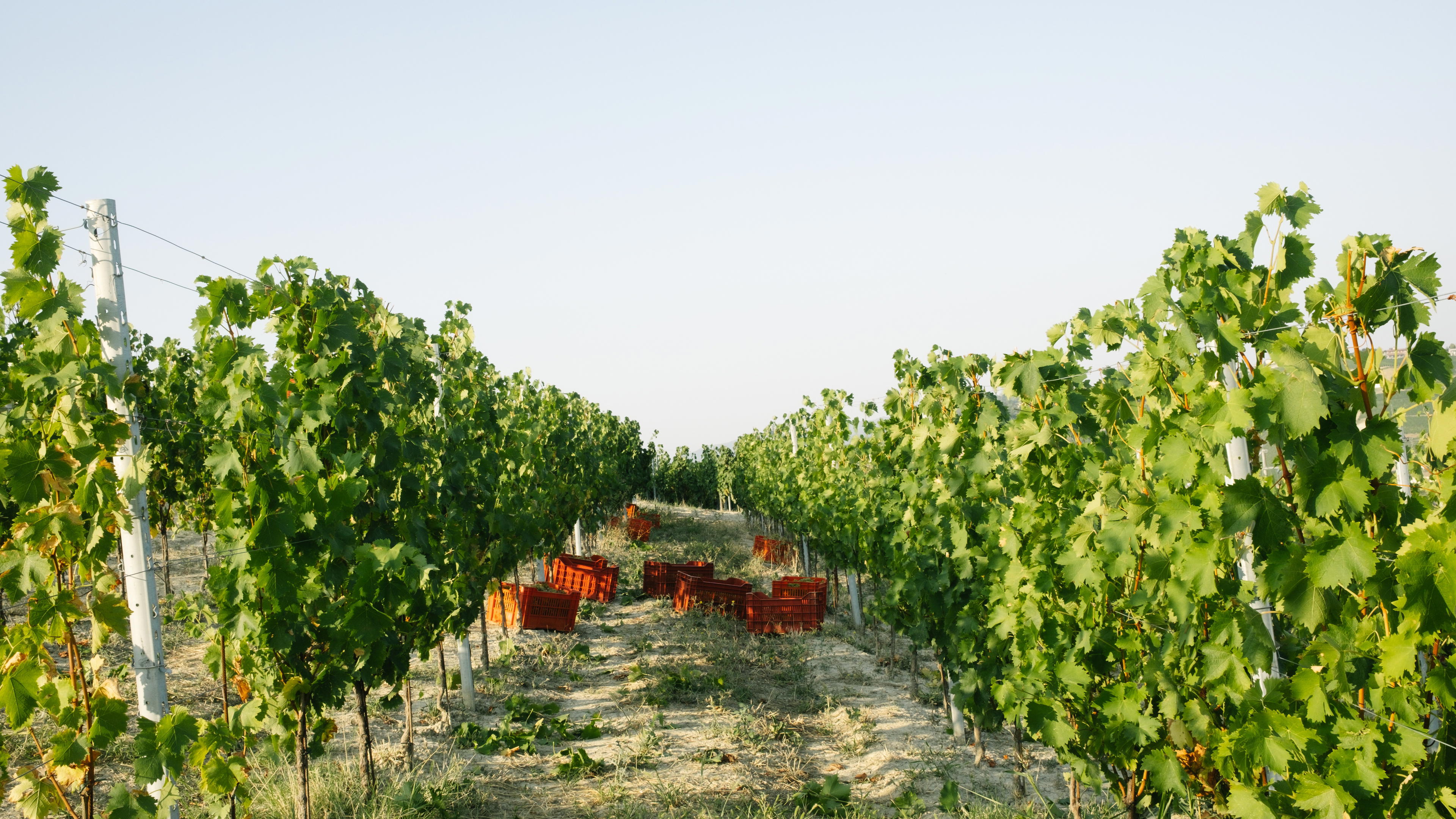
- Vineyard
- Barolo Docg, Barbaresco DOCG
- Nebbiolo
- Chardonnay
- Barbera
- Still Red
- Cave Tasting
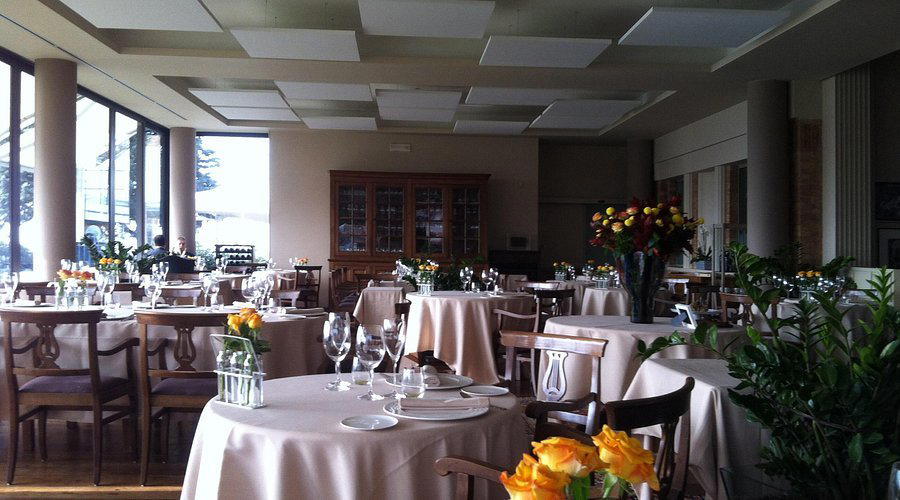
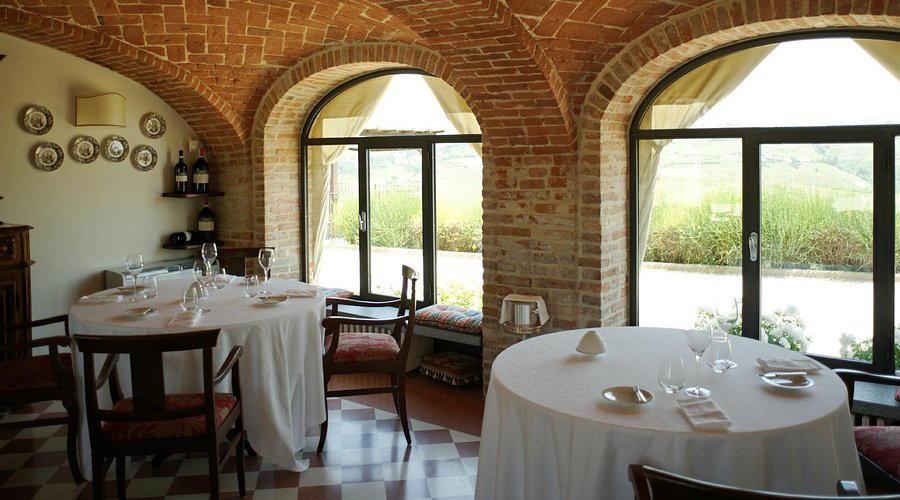
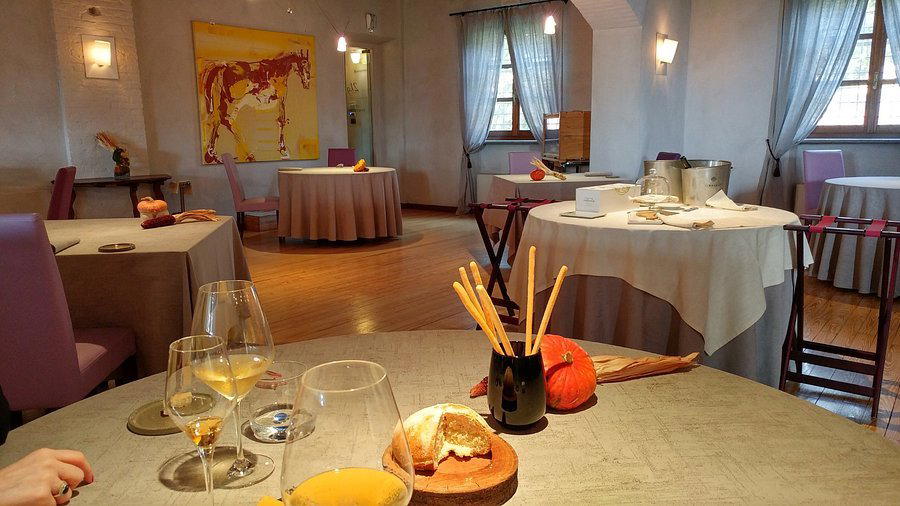
Atmospheric ancient cellars on four levels with constant natural temperature and humidity, evoking timeless tradition and elegance.