

Star Wine List · Falstaff Wine Bar - Listed
Recognised by Star Wine List 2026, Luogo Divino on Via San Massimo sits inside Turin's serious wine-bar tradition, a city where enoteca culture predates the cocktail renaissance by several decades. The address places it in the historic centre, where the gap between a glass of Barolo and a plate of local provisions has always been narrow. For wine-focused visitors, it belongs on the short list alongside the city's best specialist addresses.

Pearl is the En Primeur Club membership app, where members save venues, book tables and use the concierge.
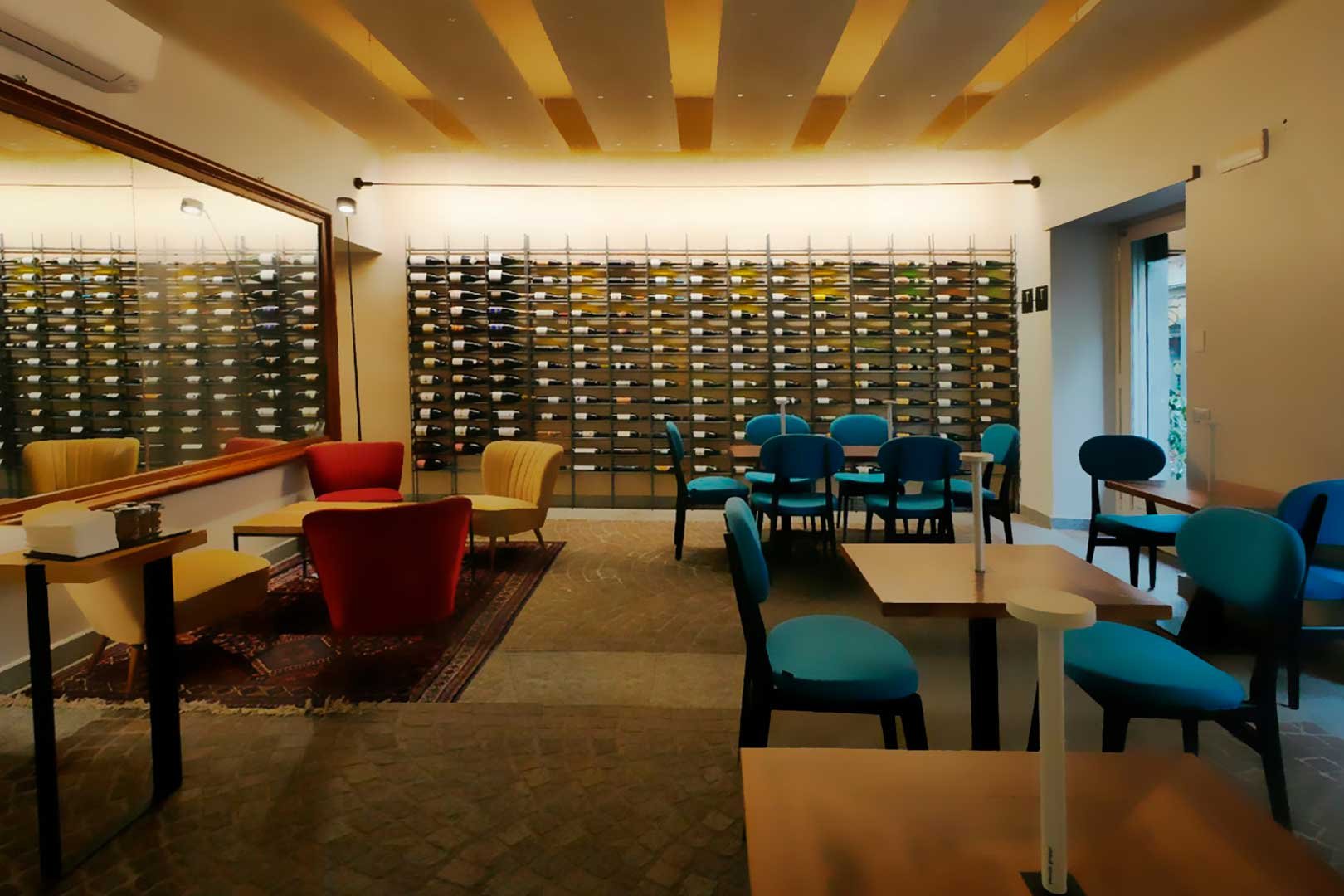
Turin's Wine Bar Tradition, and Where Luogo Divino Sits Within It
Walk along Via San Massimo on a weekday evening and the pattern is familiar to anyone who knows Piedmont well: glasses appear on small tables before the kitchen has fully warmed up, and the conversation moves between producers, vintages, and the fine distinctions between one Langhe hillside and another. This is not a city that adopted wine culture as a trend. Turin's relationship with serious vinous drinking runs through its commercial history, as the capital of a region that produces Barolo, Barbaresco, Barbera d'Asti, Moscato, and Arneis, among others, the city has always had the raw material and the appetite to match it. Luogo Divino, at Via S. Massimo 13 in the 10123 postal district, operates inside that tradition. Its Star Wine List recognition for 2026 places it within the tier of Turin addresses that are taken seriously by the publication's editorial reviewers, who evaluate wine lists rather than general restaurant experience.
What Star Wine List Recognition Actually Signals
Star Wine List is a specialist platform focused exclusively on wine lists, which makes its recognition functionally different from broader hospitality awards. A venue that appears in its selections has been assessed on the depth, range, sourcing logic, and pricing structure of its cellar or list, not on room design, chef credentials, or service theatre. For Luogo Divino, the 2026 award functions as a verifiable signal that the wine offer is structured deliberately, not assembled as an afterthought to a food menu. In Piedmont's context, that matters: the region's output spans everything from declassified Nebbiolo sold cheaply at the cellar door to aged single-vineyard Barolo from houses with multi-decade waiting lists. A wine list that reflects that range coherently requires sourcing decisions, storage, and a point of view about what belongs on the list and what doesn't.
The presence of multiple recognised addresses in the city reflects how seriously the local market treats wine as the central offering, rather than supporting cast.
The Sourcing Logic Behind Piedmontese Wine Bars
The editorial angle that matters most at an address like this is where the wine comes from and why that question has real consequences. Piedmont's DOC and DOCG geography is unusually complex: Barolo alone has eleven communes, each with a different soil profile and microclimate, and the difference between a Serralunga expression and one from La Morra registers in the glass with some consistency. A wine bar that engages with that geography rather than defaulting to the same producer names that appear everywhere makes a different kind of offer to the visitor. The sourcing conversation in Piedmont also touches on the divide between the region's larger négociant houses, which provide reliability and volume, and the smaller estate producers, many of whom sell primarily through allocation or direct relationships. Venues that navigate that landscape with genuine curatorial intent tend to carry bottles that reward the kind of attention a visitor brings specifically for that purpose.
Turin's historic centre, where Luogo Divino is addressed, has been the location of serious wine commerce since the nineteenth century, when the city's aperitivo culture was formalising around vermouth houses whose production methods are still in operation. The neighbourhood context is therefore not incidental: addresses on or near Via San Massimo exist in a part of the city where the expectation of quality in the glass is embedded in the local culture, not imported as a concept.
Turin's Broader Drinking Scene
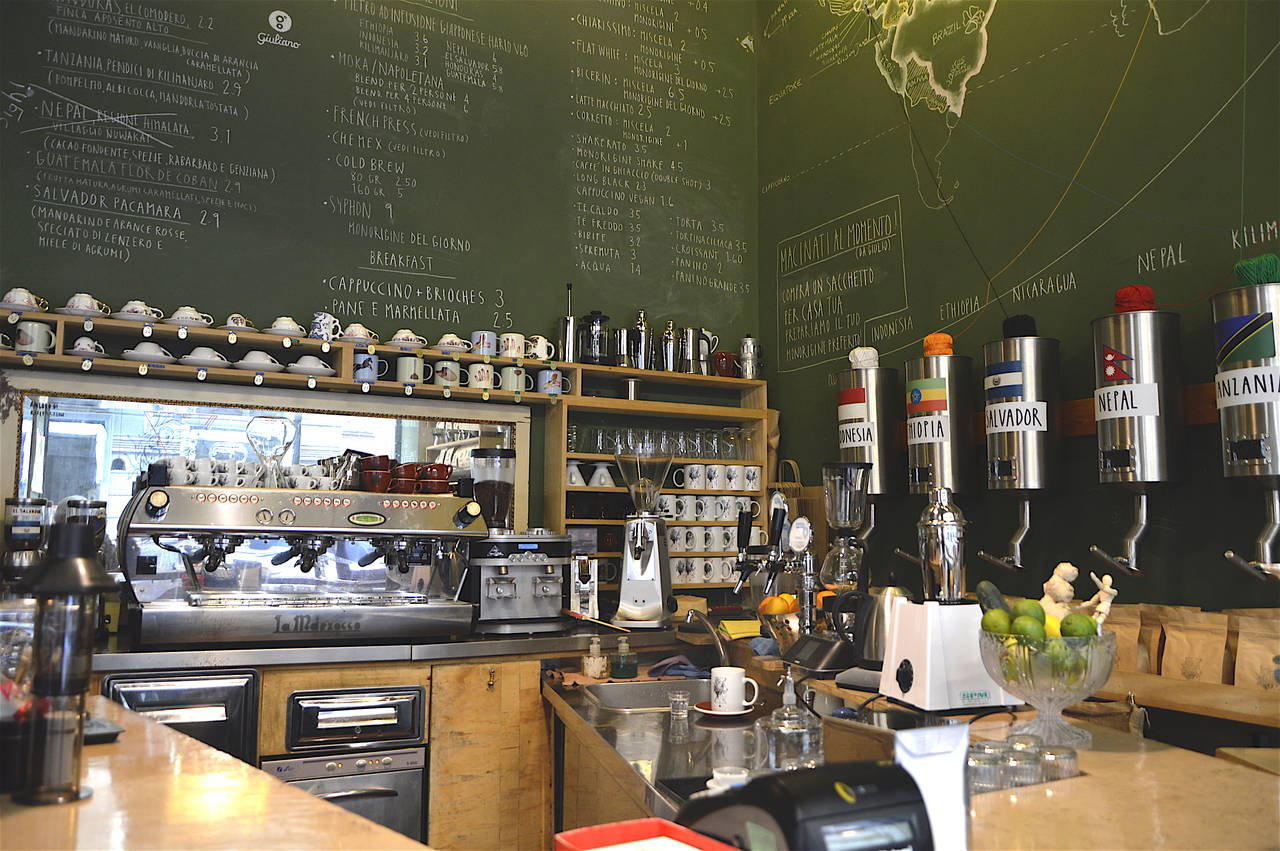
Wine bars represent one end of Turin's drinks offering. The city also has a developed coffee culture, Caffè Platti and Caffé Al Bicerin anchor the historic café tradition, the latter associated specifically with the bicerin, Turin's layered coffee and chocolate drink that has been produced in essentially the same form for over a century. At the other end of the spectrum, Bistrot Torrefazione Samambaia Torino represents the city's newer specialty coffee direction. The diversity of those addresses illustrates how Turin's drinking culture is stratified by tradition and specialisation rather than by a single dominant format.
For context across Italy's premium bar and wine addresses, the range is wide. 1930 in Milan and Drink Kong in Rome represent Italy's cocktail-forward tier, while Gucci Giardino in Florence and L'Antiquario in Naples occupy distinct positions shaped by their respective cities. Al Covino in Venice and Lost & Found in Nicosia extend the map further. Internationally, Bar Leather Apron in Honolulu demonstrates how specialist drink programming has become a global format rather than a European one. Luogo Divino's specific contribution to that broader scene is its rootedness in one of Italy's most demanding wine regions, where the list, not the cocktail shaker, is the primary editorial statement.
Planning a Visit
Luogo Divino is located at Via S. Massimo 13 in Turin's historic centre, walkable from the main Piazza Vittorio Veneto and within the dense grid of the city's established drinking and dining streets. The Star Wine List 2026 recognition makes it a reasonable anchor for a wine-focused evening in the neighbourhood, particularly for visitors whose primary interest is Piedmontese producers rather than the broader Italian cellar. For a fuller picture of what the city offers across categories and price points, the full Turin restaurants and bars guide covers the range in detail.
Fast Comparison
Comparable venues nearby, for context on price, style, and recognition.
| Venue | Cuisine | Price | Awards | Notes |
|---|---|---|---|---|
| Luogo DivinoThis venue (the venue you are viewing) | wine_bar | Not listed | Star Wine List · Falstaff Wine Bar - Listed | Not listed |
| Banco Vini e Alimenti | wine_bar | $20–30 | Not listed | Aurora |
| La Drogheria | cocktail_bar | $10–20 | Top 500 Bars Best Bars #401 | Centro |
| Bistrot Torrefazione Samambaia Torino | Bar | Not listed | Not listed | San Salvario |
| Orso Laboratorio del Caffè | Bar | $1–10 | Not listed | San Salvario |
| The Mad Dog Social Club | speakeasy | $10–20 | Not listed | Vanchiglia |
Recognition history
Dated appearances from independent guides and award organizations, with the underlying list record or original source where available.
Star Wine List
Star Wine List
Falstaff Wine Bar - Listed
Falstaff
Continue exploring
More in Turin
Bars in Turin
All bars in Turin →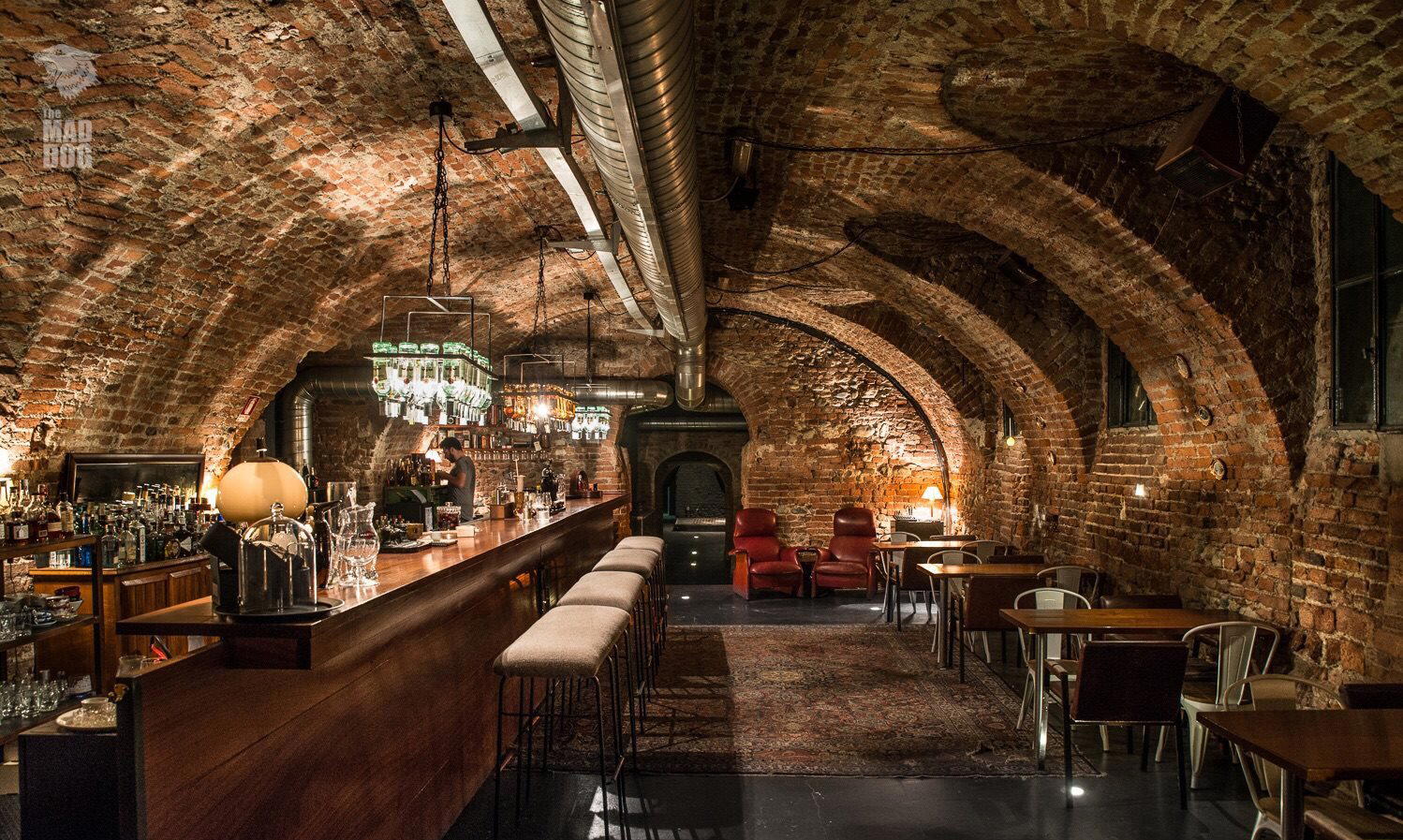
Restaurants in Turin
All restaurants in Turin →
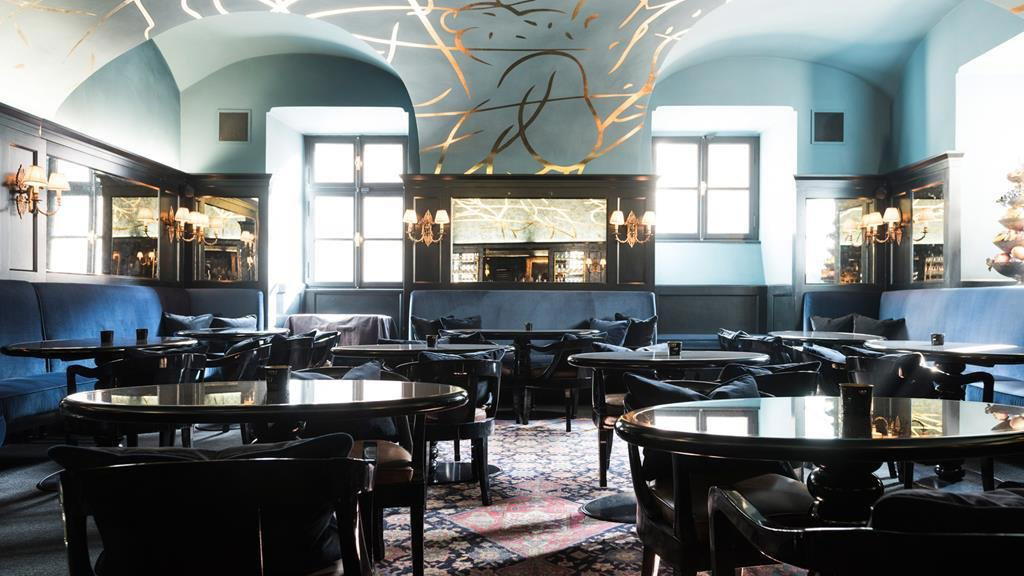
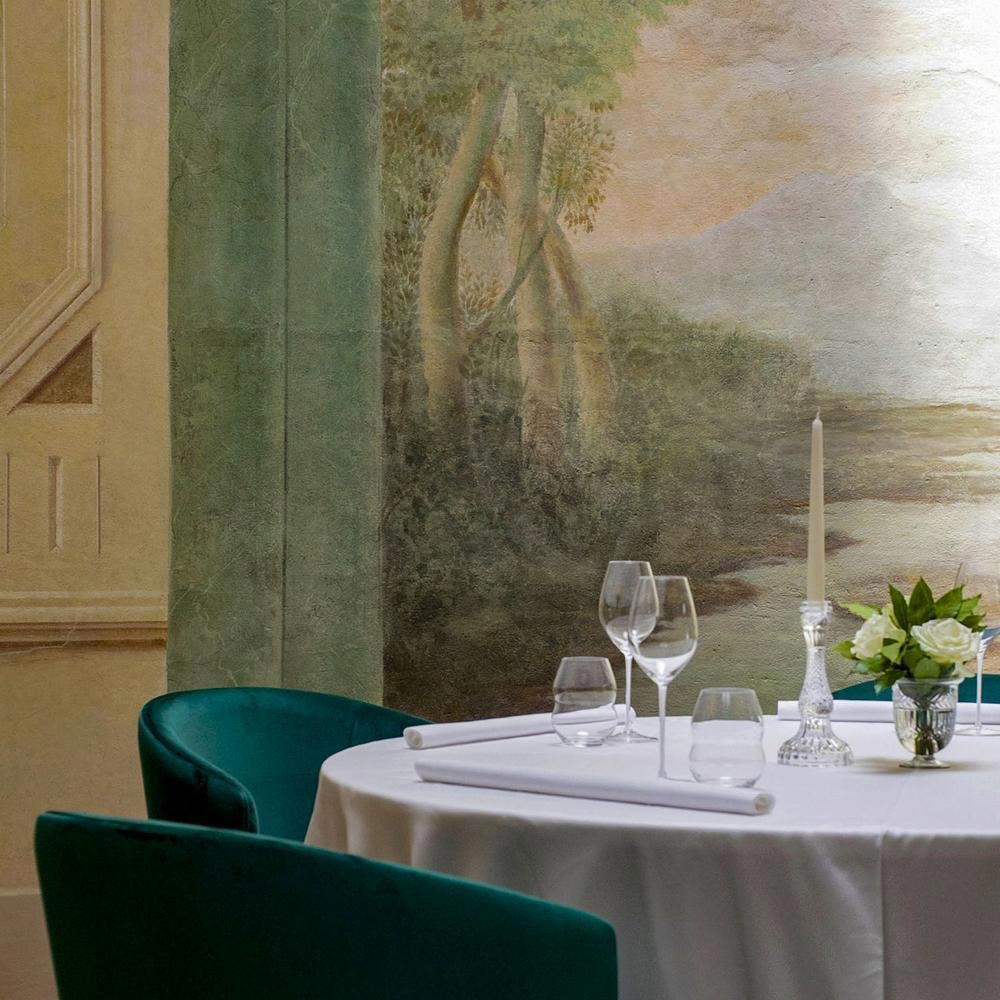
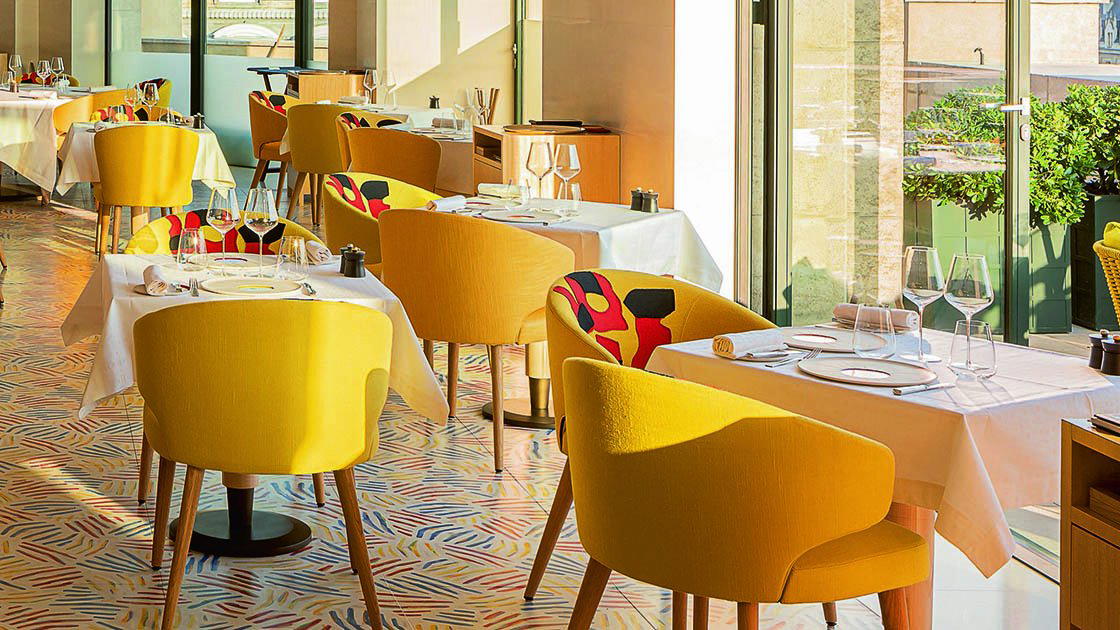
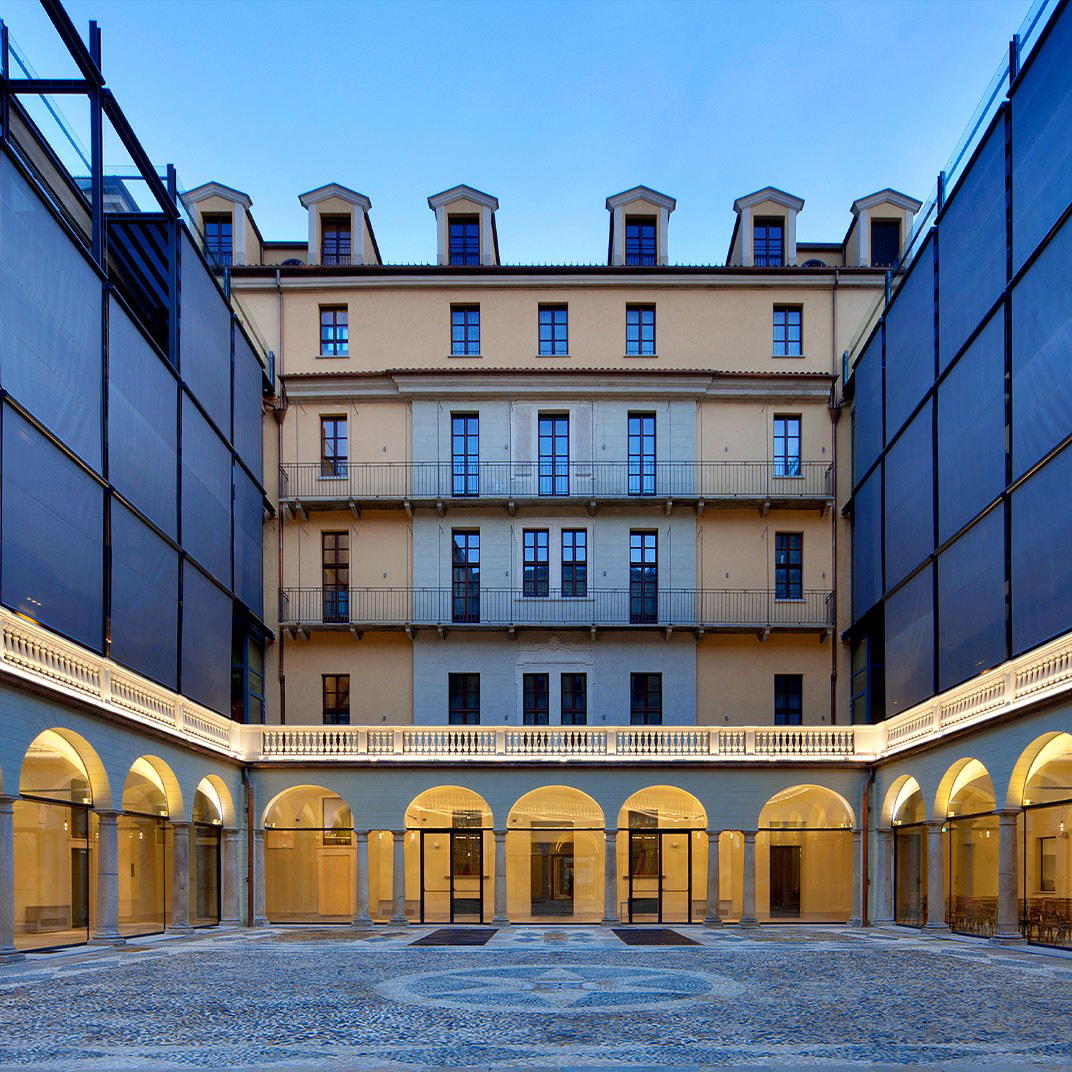
Details
- Cozy
- Elegant
- Intimate
- Sophisticated
- Date Night
- Casual Hangout
- Standalone
- Seated Bar
- Lounge Seating
- Outdoor Terrace
- Conventional Wine
- Street Scene
Current opening hours
- Monday
- Closed
- Tuesday
- 6–10:30 PM
- Wednesday
- 6–10:30 PM
- Thursday
- 6–10:30 PM
- Friday
- 6–11:30 PM
- Saturday
- 6–11:30 PM
- Sunday
- 6–10:30 PM
Hours can change for holidays and private events. Hours as of .
Relaxed but classy with fine decor, cosy sparkling atmosphere, and welcoming vibe.