The recognition places it among a specific tier of Italian spirits and liqueur producers whose work reflects genuine regional character rather than industrial formula. For anyone tracing Italy's artisan distillate tradition through Tuscany, this is a purposeful stop.
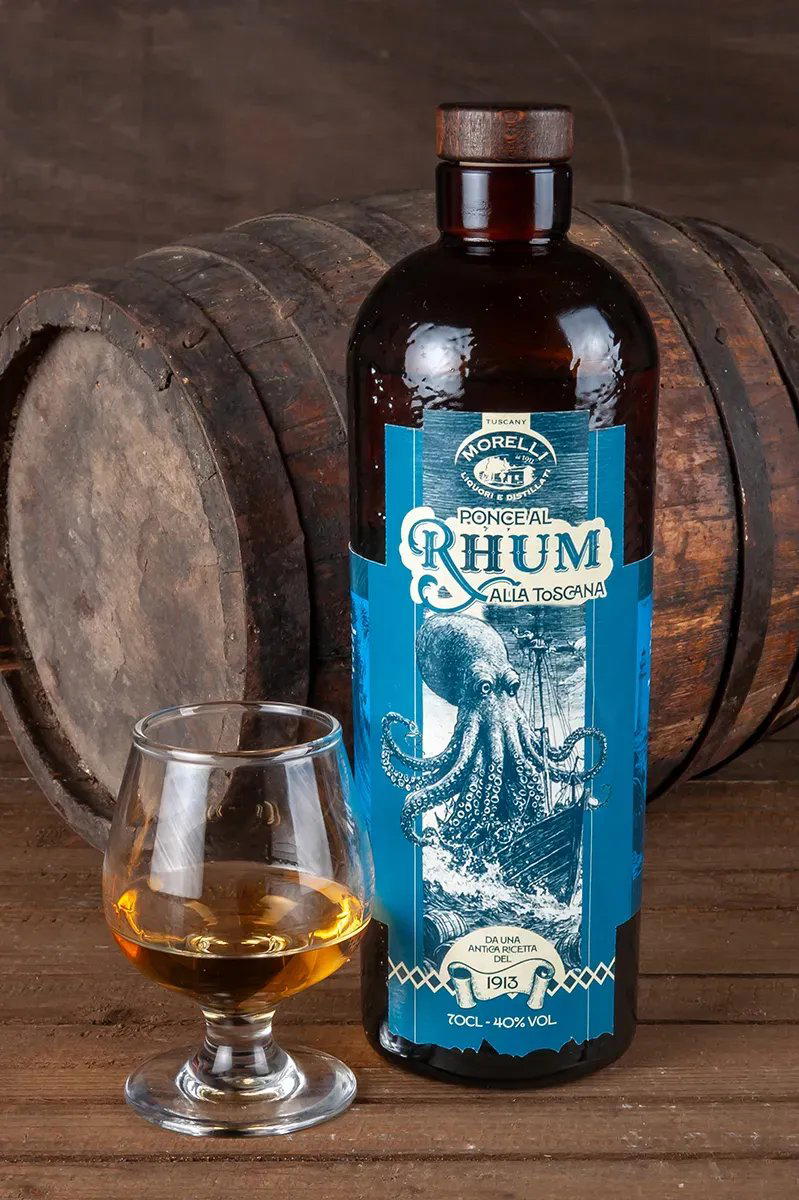
Recognition at that level, applied to a small Tuscan producer in a town like Palaia, reflects a category of evaluation that weighs regional authenticity and production integrity rather than volume or distribution reach. Italy has a long and fractured tradition of local liqueur production, from the alpine grappa houses of the northeast to the citrus-forward amari of the south, and the producers that earn sustained critical attention within that tradition tend to be the ones whose products carry a legible sense of place.
Terroir in a Glass: What the Valdera Brings
The concept of terroir applied to spirits and liqueurs is less codified than in wine, but it is no less operative. In Tuscany, the raw materials available to a small liqueur producer, wild herbs, local botanicals, grape-based spirit bases, seasonal fruit, carry the imprint of their growing conditions just as wine grapes do. The Valdera's climate sits between the moderating influence of the Ligurian coast to the west and the drier inland heat of central Tuscany, which shapes the character of what grows there.
Italian artisan liqueur production has historically sorted into a few dominant models. The grappa tradition of the Veneto and Piedmont, represented by producers like Nonino Distillery in Pavia di Udine, Poli Distillerie in Schiavon, and Distilleria Marzadro in Nogaredo, draws on marc from specific wine regions and has developed a detailed vocabulary around varietal distillation. Piedmont's own tradition runs through producers like Distilleria Romano Levi in Neive. The Tuscan tradition is less consolidated, which is part of why a local producer with genuine regional character and formal recognition occupies a distinct position in that conversation.
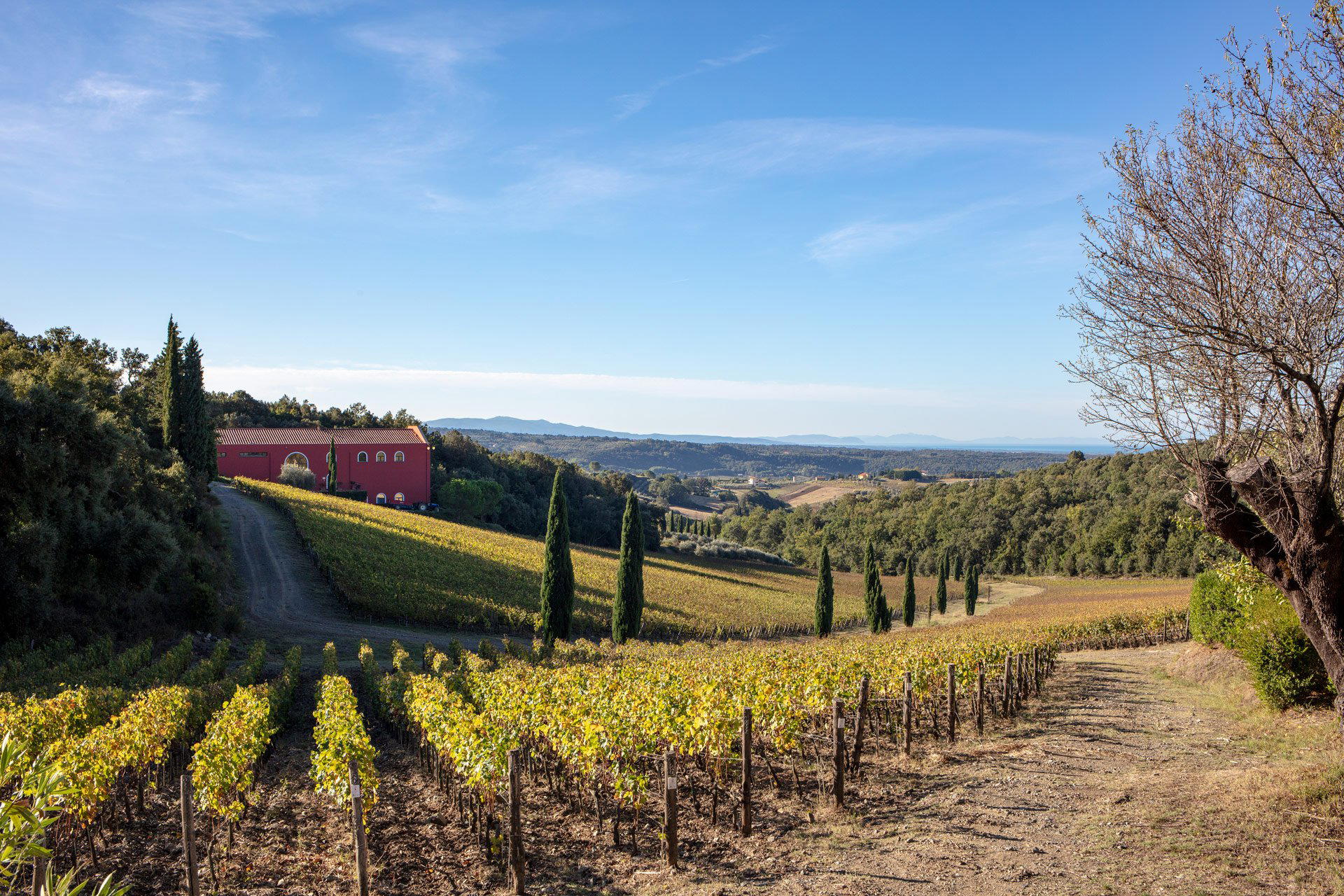
Tuscany's winemaking culture, anchored by estates like Castello di Volpaia in Radda in Chianti and major producers in Montalcino, generates significant quantities of grape pomace and distillation-ready material. For a Pisan hills producer working within that agricultural orbit, proximity to this raw material base is a practical advantage that shapes what the final product can be. The Valdera's own agricultural character adds a further layer: the local botanical environment is not identical to the coastal Maremma, nor to the high Chianti ridgeline, and that difference shows up in what a producer working honestly with local material can offer.
A Specific Tier in Italian Spirits Recognition
This kind of recognition is meaningful precisely because the Italian artisan spirits sector is crowded with producers making legitimate claims to tradition and quality.
To put that in comparative context: the broader Italian drinks industry includes large commercial operations with global distribution, such as Campari in Milan, as well as family-scale artisan producers whose output is largely absorbed by regional markets.
Producers like Lungarotti in Torgiano and Planeta in Menfi demonstrate how strong regional identity can anchor a producer's reputation across categories; the same logic applies here, compressed into a smaller geographic and production frame. Reaching it from Pisa takes roughly 40 minutes by road; from Florence the drive runs closer to an hour and a half, depending on the route through the Valdarno or via the coastal autostrada. This is not a destination served by tourist infrastructure in any concentrated way, which means visitors arriving specifically for Liquori Morelli should plan around it rather than assuming supplementary options nearby.
Given the scale and location of an operation like this, direct in-person inquiry or a contact attempt via local tourism channels in the Palaia area is the practical approach before making a dedicated journey. Visitors combining this stop with broader Tuscan itineraries might anchor their base in Pisa or the Valdarno, which offer wider accommodation options and allow day-trip access to the Valdera.
The appropriate comparison for planning purposes is not a wine estate with an established tasting room and booking system, but rather the kind of small artisan producer whose hospitality model depends on the season, the workload, and a direct relationship with visitors who arrive with genuine interest. Italian artisan food and drink producers of this type tend to reward advance communication and penalize drop-in assumptions.
Why This Recognition Matters in 2025
Italian spirits outside grappa and the major commercial amaro brands occupy an underreported space in international drinks coverage. For the kind of traveler who is tracking artisan Italian production with the same seriousness they might apply to finding the right producer in Barolo, as documented through estates like Aldo Conterno in Monforte d'Alba, or to identifying the right wine to cellar from Ca' del Bosco in Erbusco, this recognition is the kind of external validation that earns a detour.
The Pisan hills don't have the brand gravity of Montalcino or the Langhe.
Frequently asked questions
What kind of setting is Liquori Morelli?
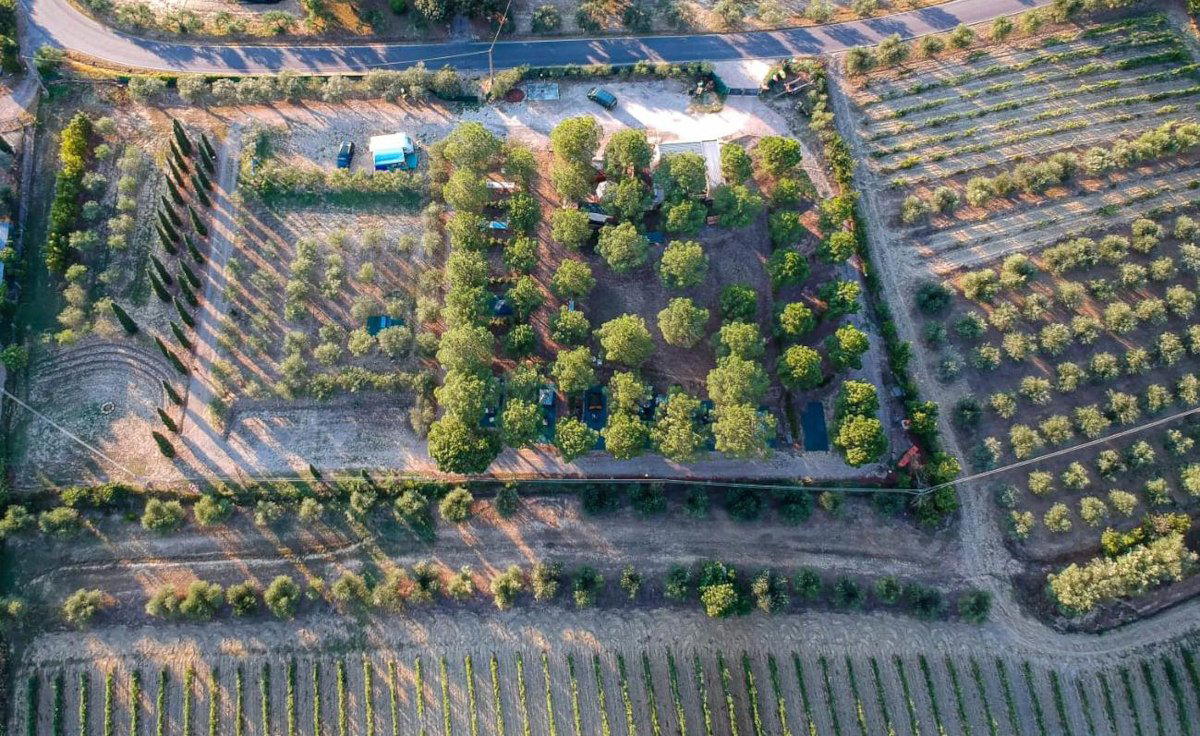
Liquori Morelli operates in Forcoli, a working agricultural village in the municipality of Palaia, province of Pisa. The address on Via Antonio Meucci places it in the Tuscan interior, away from the tourist corridors of Florence or the Chianti hills.
What wines should I try at Liquori Morelli?
Liquori Morelli is a spirits and liqueur producer, not a winery. The Valdera territory around Forcoli does sit within Tuscany's broader wine-producing region, but visiting Liquori Morelli specifically to sample wines would be a misdirected trip.
What's Liquori Morelli's location?
Liquori Morelli is located at Via Antonio Meucci, 56036 Forcoli PI, Palaia.
What should I know about Liquori Morelli before I go?
Forcoli is approximately 40 minutes by road from Pisa, and this is agricultural working land rather than a set-piece agriturismo route.
How hard is it to get in to Liquori Morelli?
No booking platform or reservations system is publicly documented for Liquori Morelli at Forcoli, and no phone or website contact is currently listed. Given its location in a small Pisan hill municipality rather than an urban centre, visitor access is likely managed on a direct or appointment basis. Anyone planning a visit should seek contact through Palaia's local municipal or tourism offices before making the journey.
Side-by-Side Snapshot
Comparable venues nearby, for context on price, style, and recognition.
| Venue | Cuisine | Price | Awards | Notes |
|---|---|---|---|---|
| Liquori MorelliThis venue (the venue you are viewing) | Moscato, Vernaccia | Not listed | Not listed | Not listed |
| Stock Spirits (Stock 84) | Winery | Not listed | Not listed | Trieste |
| Fontodi | Sangiovese, Syrah | Not listed | Falstaff Winery - 5 Stars | Panzano in Chianti |
| Mazzei (Castello di Fonterutoli) | Sangiovese, Merlot | $50–100 | Not listed | Castellina in Chianti |
| Tenuta Brancalupo | Sagrantino, Trebbiano Spoletino | Not listed | Not listed | Montefalco |
| Castello di Monsanto | Sangiovese, Canaiolo | Not listed | Falstaff Winery - 5 Stars | San Donato in Poggio |
Request a visit to Liquori Morelli
Tell us when you would like to go and how many people, and we put the request to the estate and reply to you by email.
Continue exploring
More in Palaia
Wineries in Palaia
All wineries in Palaia →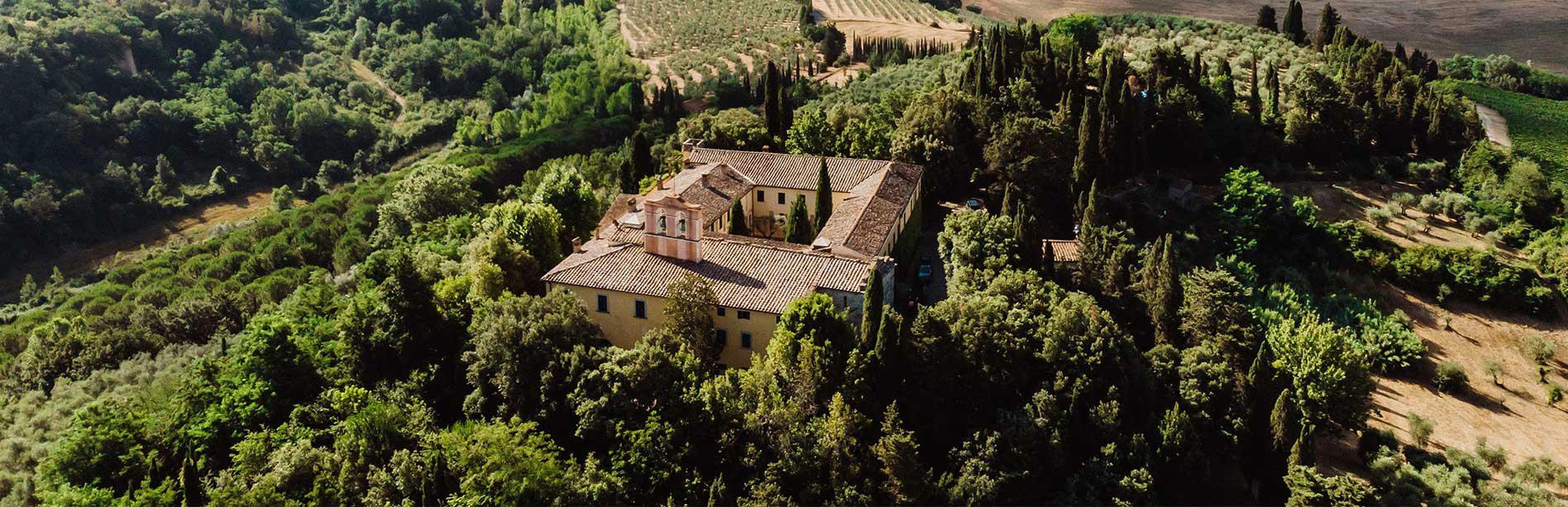
Bars in Palaia
Browse all →

Restaurants in Palaia
All restaurants in Palaia →
Details
- Wine Education
- Historic Building
- Moscato
- Vernaccia
- Fortified
- Guided Tour
- Italian
- English
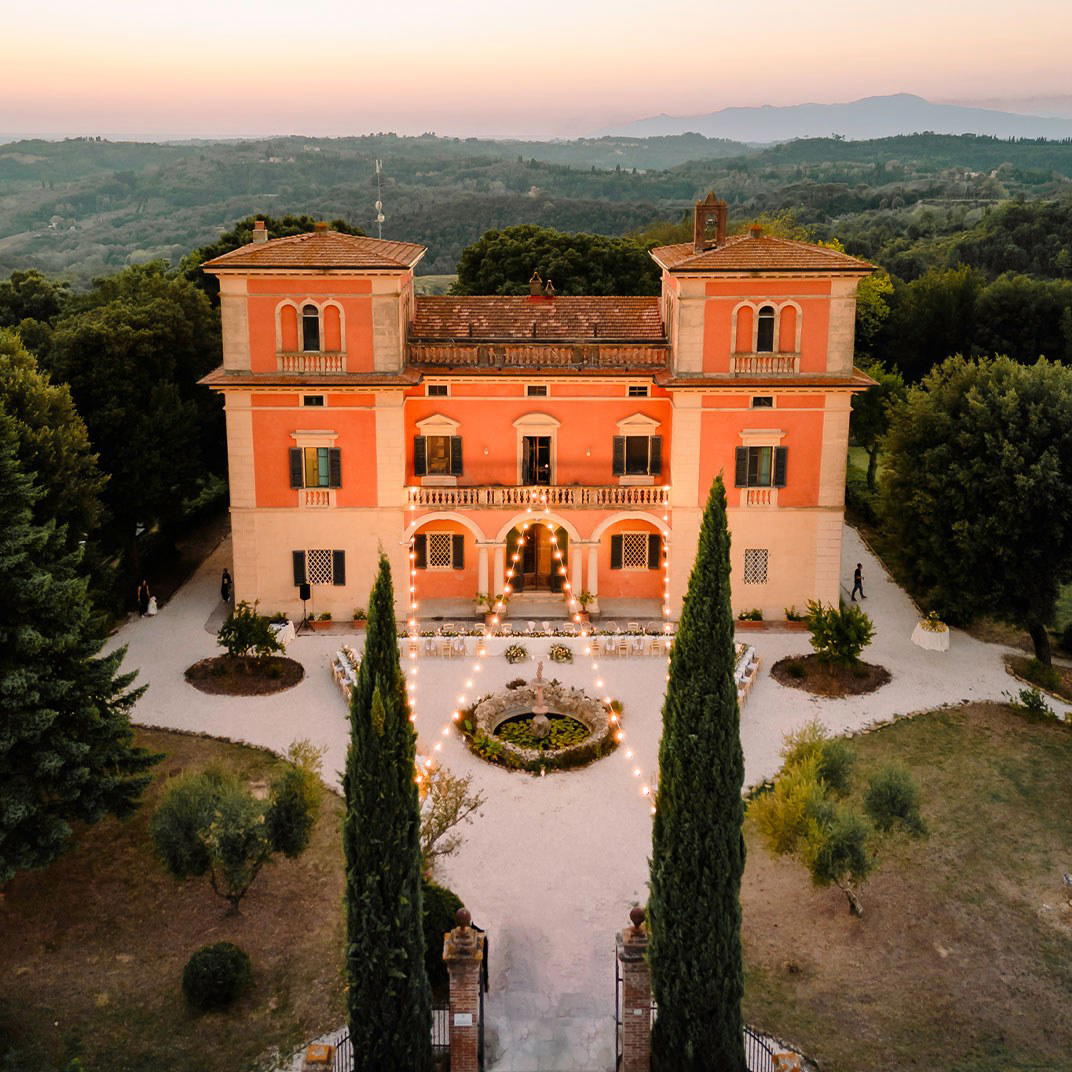
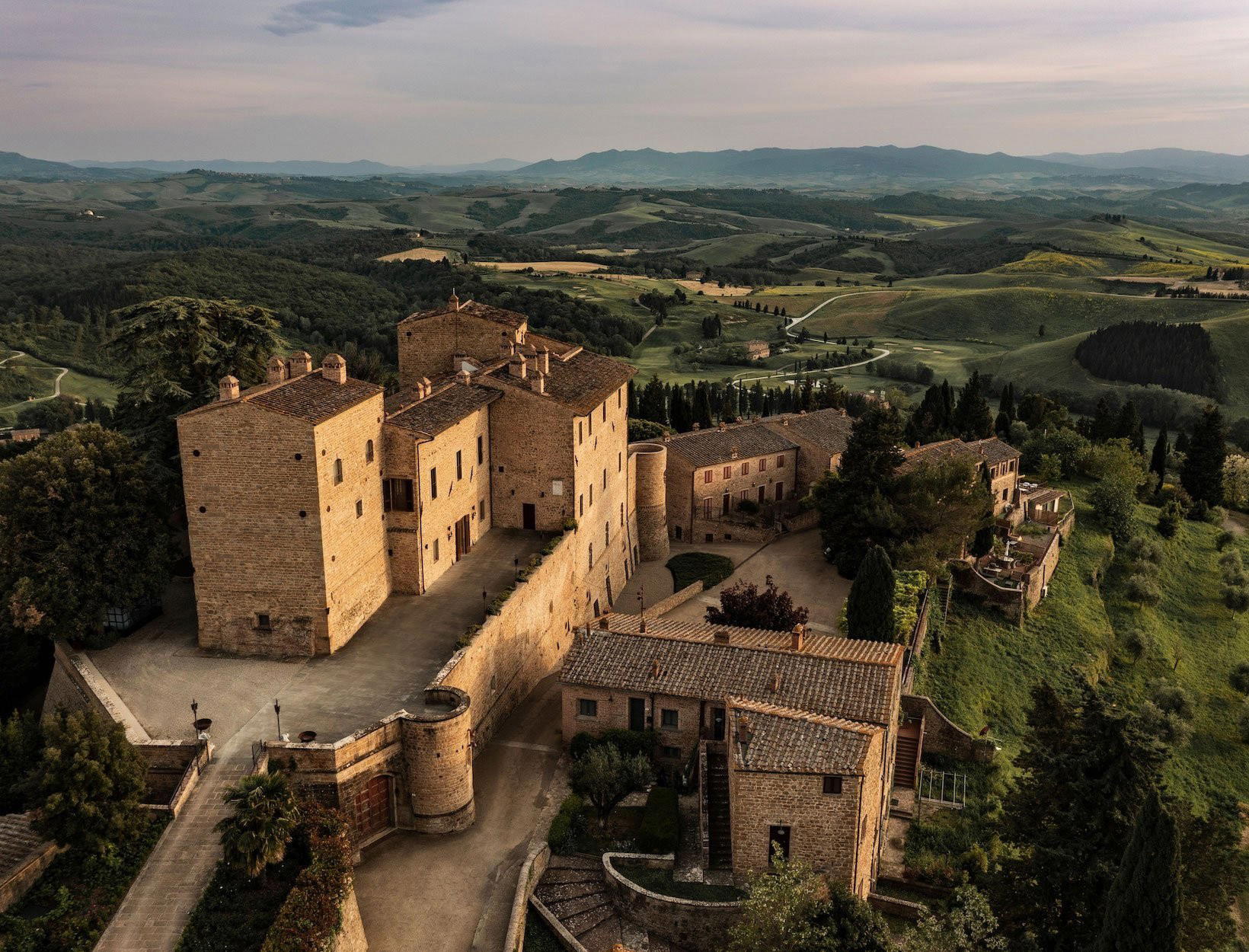
Historic and artisanal atmosphere in a family-operated facility.