Biserno is a Bolgheri-coast estate in Bibbona, Tuscany, producing Bordeaux-influenced blends from hillside terroir that sits at altitude above the Tyrrhenian coastal plain. The property occupies a distinct position in the Super Tuscan category, where elevation and clay-rich soils shape wines with more structural tension than the valley-floor estates that defined the Bolgheri appellation's early reputation.

Pearl is the En Primeur Club membership app — saves, bookings, and concierge access live there. Same editors, same standards.
- Address
- Via Bolgherese, 5, 57020 Bibbona LI, Italy
- Phone
- +39 0586 671099
- Hours
- Mon–Fri 8:30 AM–5:30 PMSat–Sun Closed
- Website
- biserno.it
- Directions
- Get directions
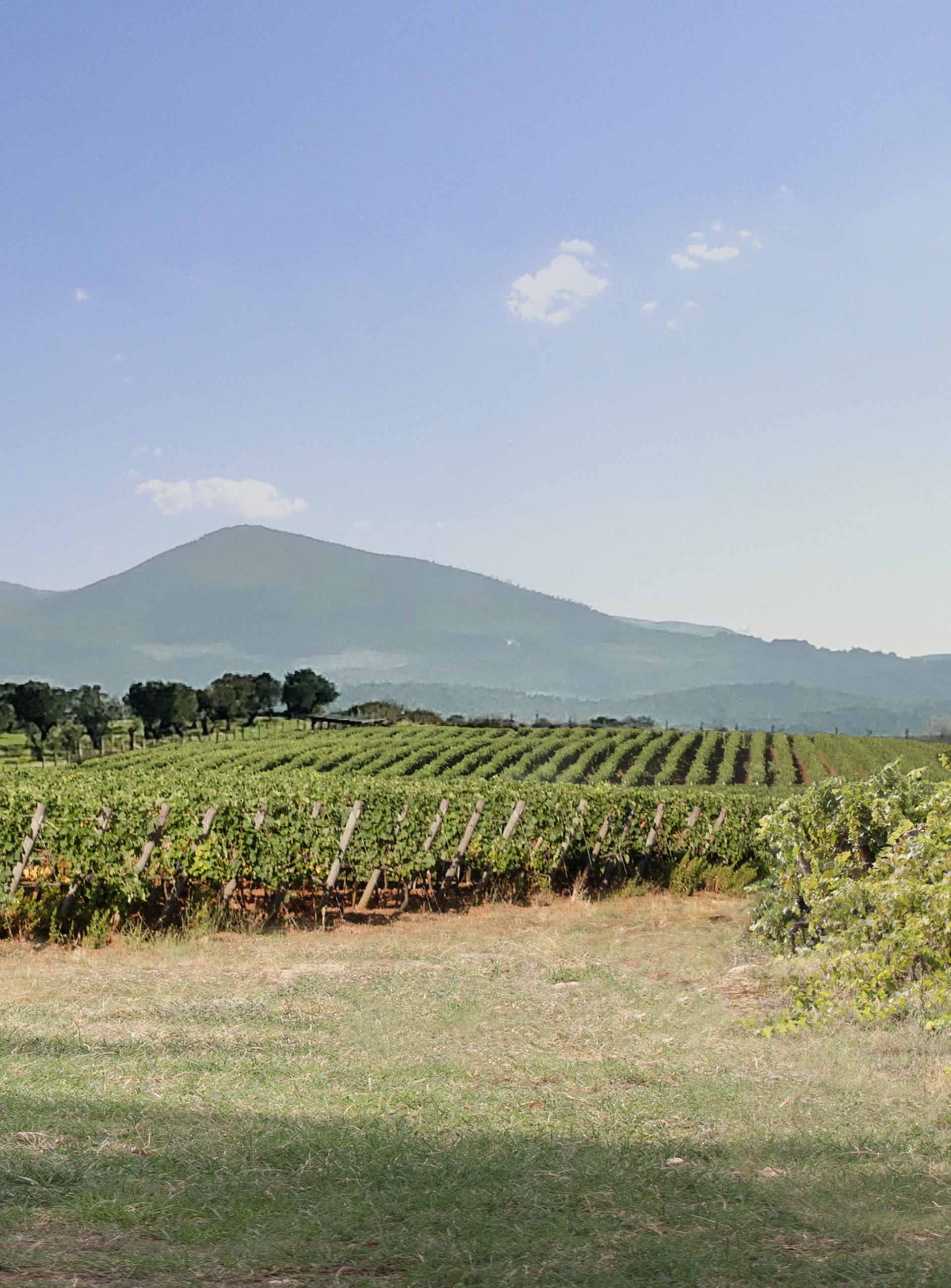
Where the Tuscan Hills Meet the Tyrrhenian Coast
The coastal strip between Bolgheri and the Tyrrhenian Sea has spent four decades being defined by a handful of valley-floor estates whose Cabernet and Merlot blends rewrote Italian wine's international standing. The hillside terroirs that rise inland from that plain represent a quieter, more recent chapter. Bibbona sits in that inland zone, refined enough that the diurnal temperature swings — warm afternoons, genuinely cool nights — produce grapes with slower phenolic ripening than the sunbaked coastal flatlands below. Biserno operates within that elevation-driven logic, and understanding that geography is the starting point for understanding what ends up in the glass.
The Terroir Case for the Bolgheri Hills
Bolgheri's fame was built at sea level, or close to it. Sassicaia, Ornellaia, and their immediate peers drew on alluvial and sandy soils with good drainage and a Mediterranean climate tempered by sea breezes. The hillside estates above Bibbona work with different raw material: heavier clay subsoils, steeper gradients, and a climate that retains more of the Apennine influence. Those conditions slow ripening and push wine structure in a direction that aligns more with the Médoc model than with the plush, forward Merlot-dominant style that made Bolgheri famous in the 1990s. For producers pursuing that structural register, the hills offer a genuine argument, not marketing positioning, but an actual difference in what the fruit delivers at harvest.
The Biserno estate sits within this hillside tier. Its vineyards draw from clay-rich soils at altitude, and the blend reflects both the Bordeaux varieties planted across the region and the specific character that elevation imposes: firmer tannin structure, higher natural acidity, and fruit expression that tends toward red rather than black spectrum at mid-palate. These are not stylistic choices applied in the cellar; they are direct expressions of where the vines grow. That distinction matters when placing Biserno inside the broader Super Tuscan conversation. For context on how other regions of Italy approach similar questions of terroir and identity, properties like Castello di Volpaia in Radda in Chianti and Lungarotti in Torgiano offer comparable cases of estates whose identity is inseparable from their specific geographic position.
The Super Tuscan category has expanded significantly since the 1970s, and it now contains estates across multiple tiers of ambition, price, and critical attention. At the category's reference end, Biondi-Santi Tenuta Greppo and Argiano anchor the Montalcino tradition, while Antinori nel Chianti Classico represents the Sangiovese-dominant strand. Biserno operates in a different lane: the Bolgheri-adjacent, Bordeaux-blend strand where the competition includes Ornellaia, Grattamacco, and the newer hillside estates that have emerged since the early 2000s. Within that cohort, what distinguishes Biserno is the hillside provenance and the structural register it produces, rather than volume or appellation recognition. For reference, L'Enoteca Banfi in Montalcino and Poggio Antico represent the Montalcino tradition at a comparable level of seriousness, useful benchmarks for understanding how different Tuscan terroirs translate into different structural outcomes.
Internationally, the Bordeaux-blend hillside model connects Biserno to a wider conversation about altitude and tension in warm-climate viticulture. Accendo Cellars in St. Helena represents a parallel case in Napa, where hillside sites and restraint-focused winemaking place an estate in a different tier than the valley-floor mainstream. Planeta in Menfi demonstrates how Sicilian producers have used international varieties and terrain-aware viticulture to build credibility alongside indigenous programs. These comparisons are not about style equivalence; they map the broader logic of site-specific ambition that links producers across regions.
The Blend and What It Reflects
Biserno's flagship wine is a Cabernet Franc-dominant blend, a choice that aligns with the hillside terroir rather than following the Merlot-heavy Bolgheri mainstream. Cabernet Franc is more transparent to site than Cabernet Sauvignon in many hillside contexts: its thinner skin, earlier ripening, and sensitivity to soil drainage mean that what grows at Biserno expresses itself more directly in the finished wine. Clay soils at elevation tend to produce Franc with a distinct herbal edge alongside the red fruit, and cooler nights preserve the variety's characteristic aromatic lift. The result is a structural profile that reads differently from the coastal Bolgheri model without abandoning the appellation's international register.
The estate also produces second and entry-level wines under different labels, a common practice among quality-focused Italian estates that allows the flagship blend to remain tightly sourced from the leading vineyard parcels while providing access points at different price levels. Visiting with specific vintage and label targets in mind will produce more focused tastings than a general approach.
Planning a Visit to Bibbona
Bibbona is a small hill town in the Livorno province, accessible from the Via Aurelia coastal road and approximately forty minutes by car from Livorno or a similar distance from the Cecina rail connection on the main Rome-Genoa line. The Bolgheri wine zone is to the north, and most visitors combine a Biserno visit with the wider coastal Etruscan Coast (Costa degli Etruschi) wine route, which allows the hillside and valley-floor styles to be compared directly. Winery visits in this part of Tuscany typically require advance booking; walk-in access is not standard practice at estate-level producers in the region. Contacting the estate directly through its official website is the appropriate approach. For broader regional orientation, our full Bibbona restaurants guide covers dining context in the area.
Spring and autumn are the preferred visiting windows: harvest activity in September and October brings practical complications but also the most direct access to winemaking decisions, while spring offers more direct scheduling and the estate at its most visually composed. The coastal Tuscan climate is benign enough that visits outside these windows are workable, but the intense summer heat between July and mid-August changes both the character of the vineyards and the practicalities of tasting.
For those building a broader Italian wine itinerary, the following properties offer distinct regional perspectives worth comparing against the Bolgheri hillside model: Aldo Conterno in Monforte d'Alba for Barolo structure and Piedmontese terroir logic; Ca' del Bosco in Erbusco for Franciacorta's sparkling wine tradition; and for grappa and distillate culture that rounds out any serious Italian producer visit, Nonino Distillery in Pavia di Udine, Distilleria Marzadro in Nogaredo, Distilleria Romano Levi in Neive, and Poli Distillerie in Schiavon. For a different category entirely, Campari in Milan and Aberlour in Aberlour represent the spirits end of the premium drinks itinerary for those building a multi-stop trip.
A Quick Peer Check
Comparable venues nearby, for context on price, style, and recognition.
| Venue | Cuisine | Price | Awards | Notes |
|---|---|---|---|---|
| BisernoThis venue — the venue you are viewing | Cabernet Franc, Merlot | Not listed | Not listed | Not listed |
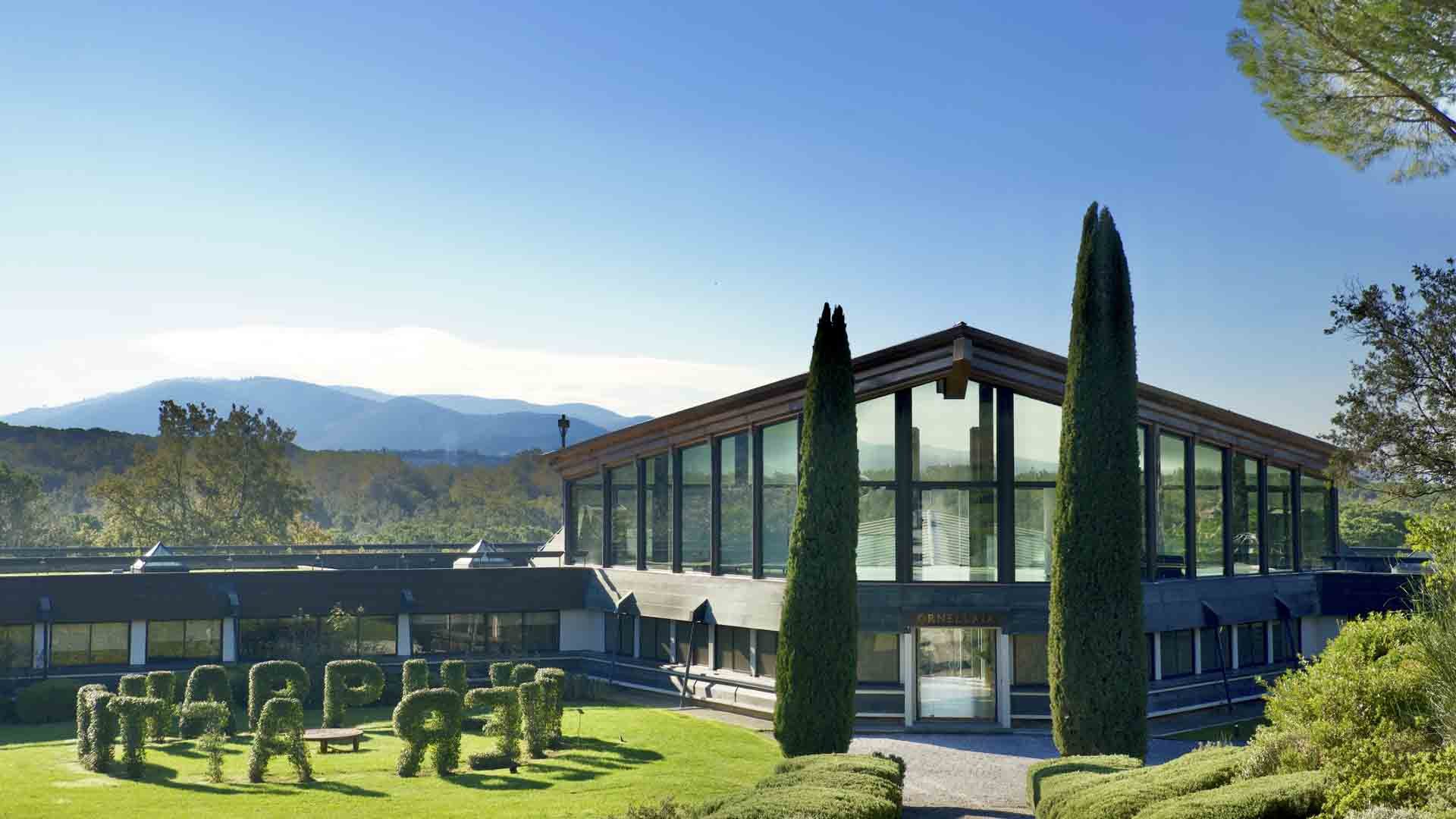
| Tenuta San Guido | Cabernet Sauvignon, Cabernet Franc | Not listed | Falstaff Winery - 5 Stars | Bolgheri |
| L'Enoteca Banfi | Sangiovese, Sangiovese Grosso | $50–100 | Not listed | Montalcino |
| Giuseppe Quintarelli | Corvina, Corvinone | $50–100 | Falstaff Winery - Listed | Cerè di Negrar |
| Gruppo Campari | Winery | Not listed | Not listed | Milan |
| Amaro Santa Maria al Monte | Winery | Not listed | Not listed | Chiavari |
Continue exploring
More in Bibbona
Wineries in Bibbona
Browse all →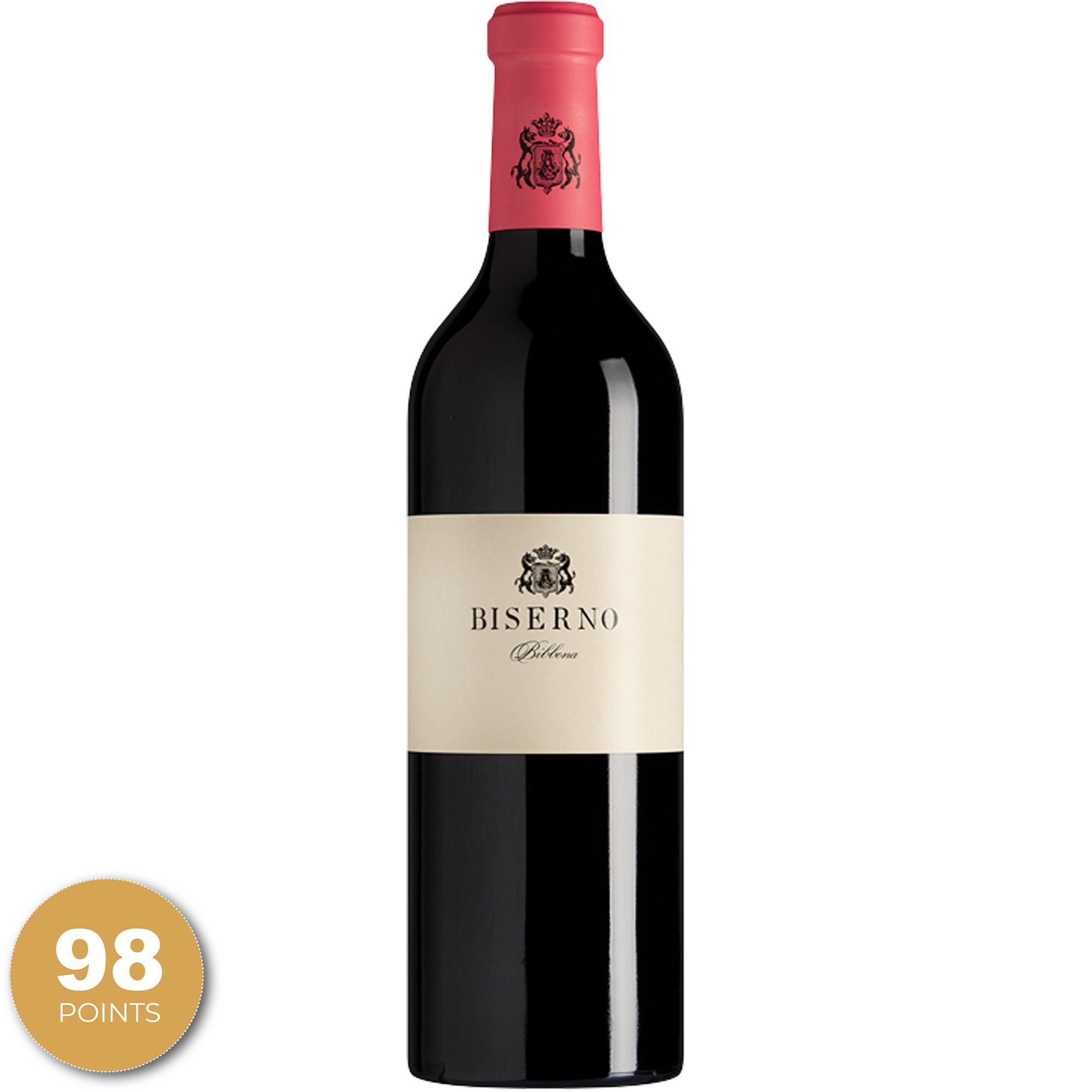
Bars in Bibbona
Browse all →
Restaurants in Bibbona
Browse all →
Details
- Elegant
- Sophisticated
- Rustic
- Scenic
- Special Occasion
- Wine Education
- Vineyard Tour
- Estate Grounds
- Vineyard
- Cabernet Franc
- Merlot
- Cabernet Sauvignon
- Petit Verdot
- Syrah
- Vermentino
- Still Red
- Estate Tasting
- English
- Italian
Current opening hours
- Monday
- 8:30 AM–5:30 PM
- Tuesday
- 8:30 AM–5:30 PM
- Wednesday
- 8:30 AM–5:30 PM
- Thursday
- 8:30 AM–5:30 PM
- Friday
- 8:30 AM–5:30 PM
- Saturday
- Closed
- Sunday
- Closed
Hours can change for holidays and private events. Last verified .
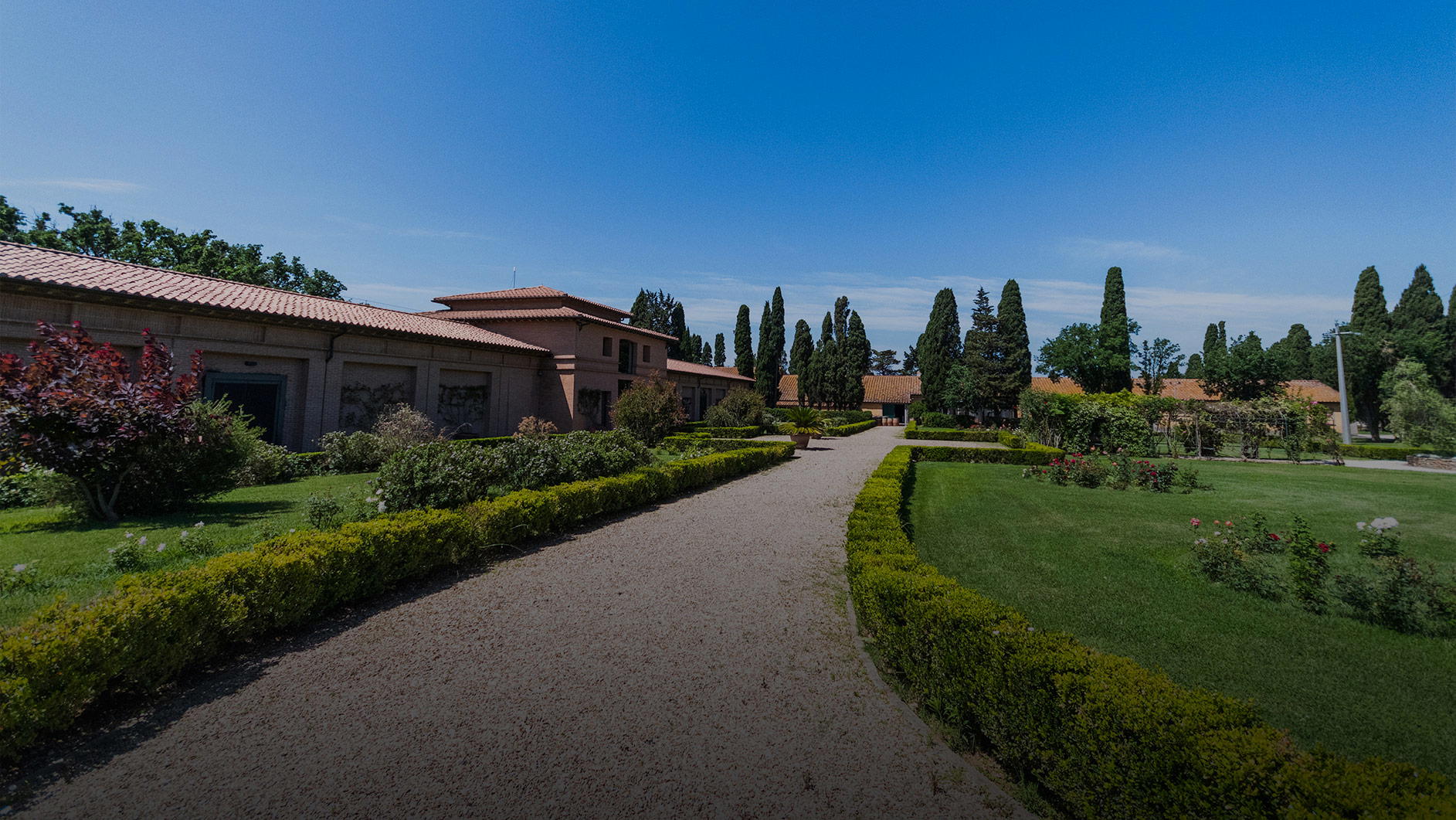
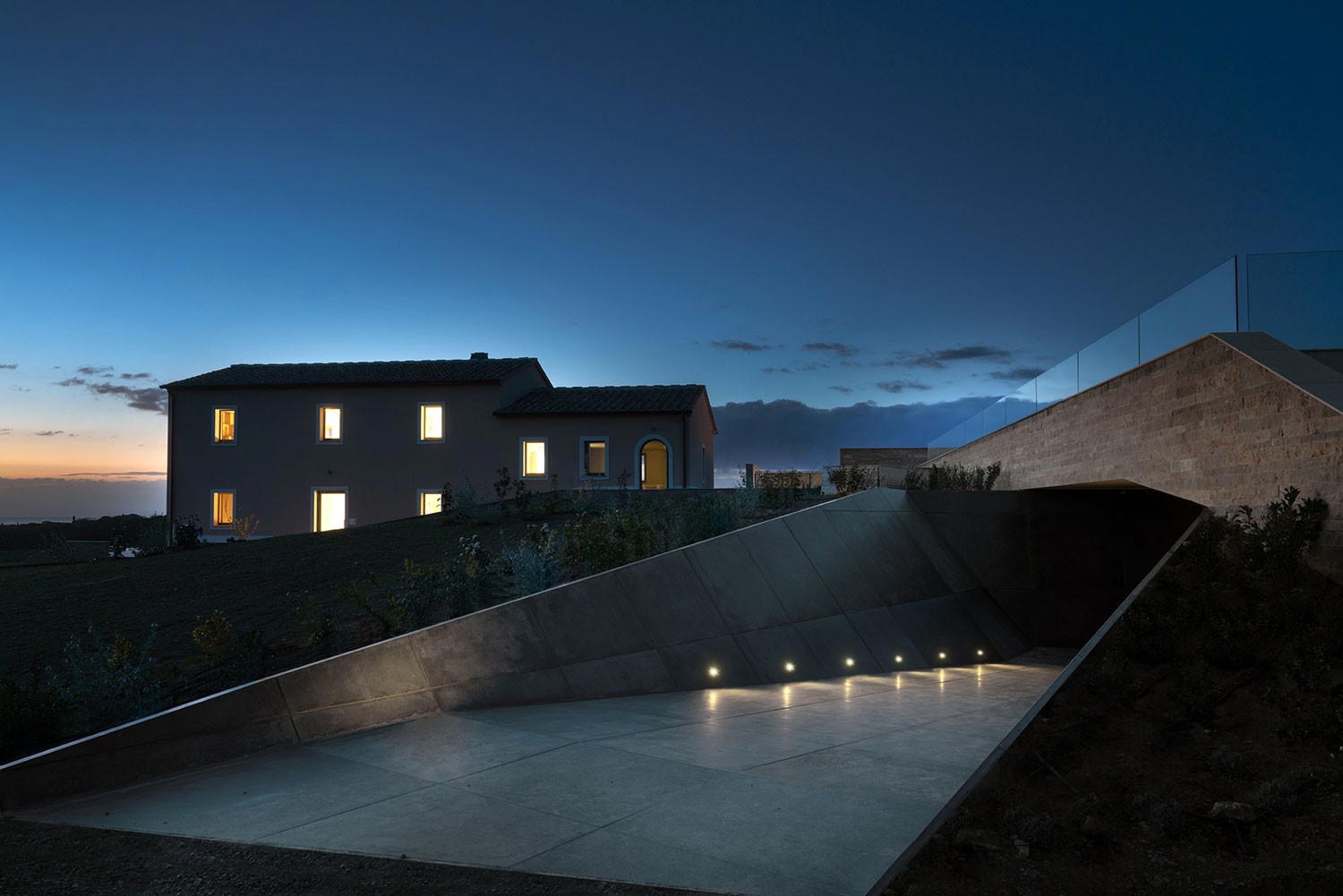
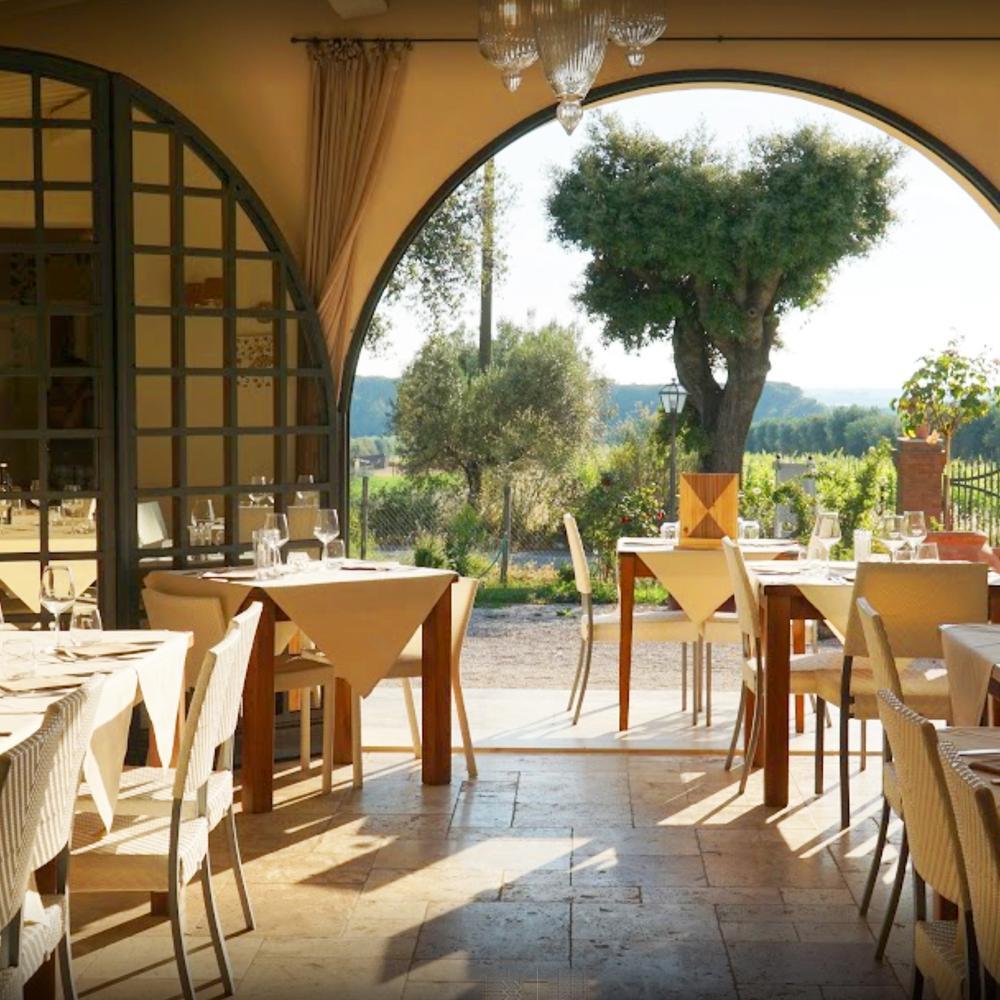
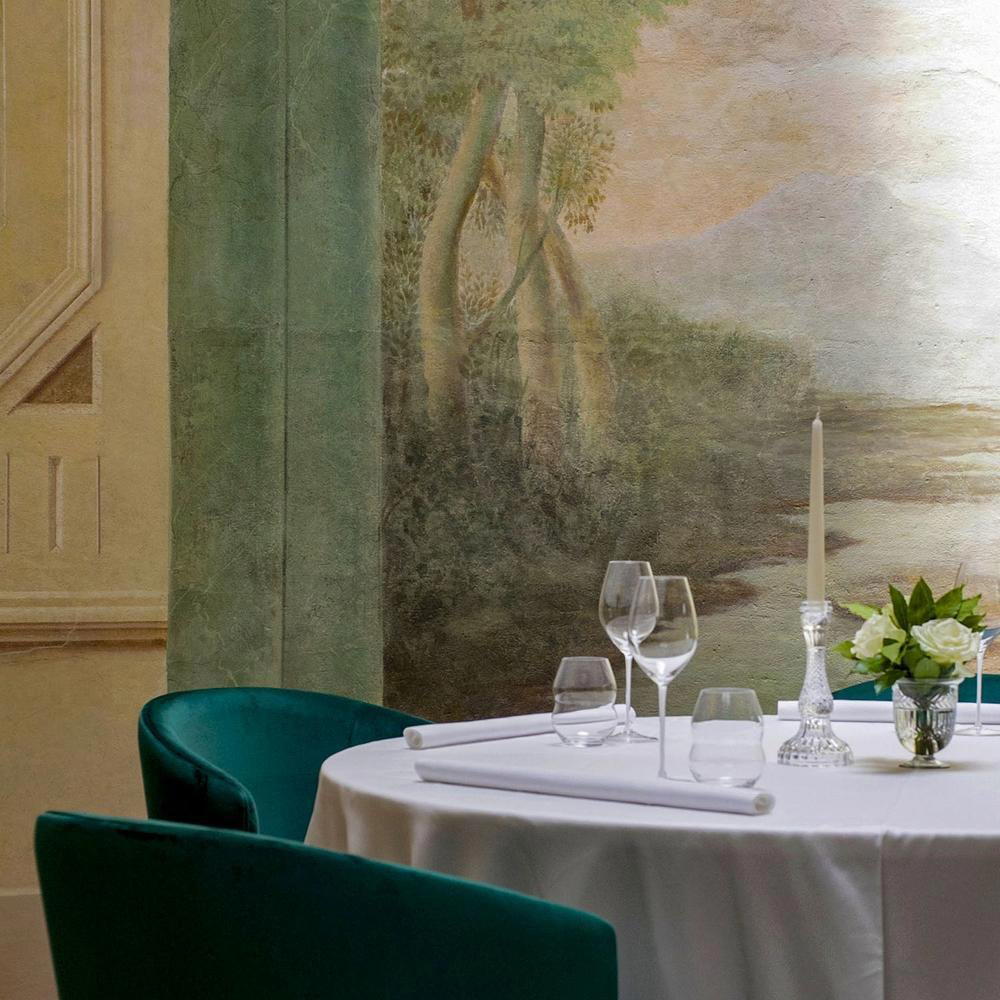
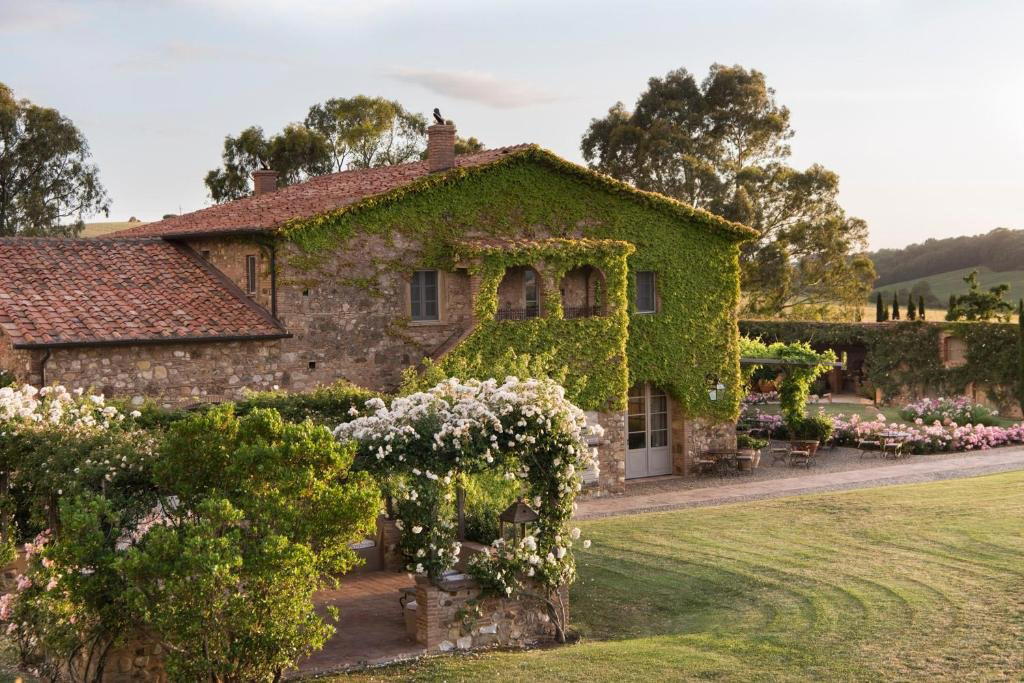
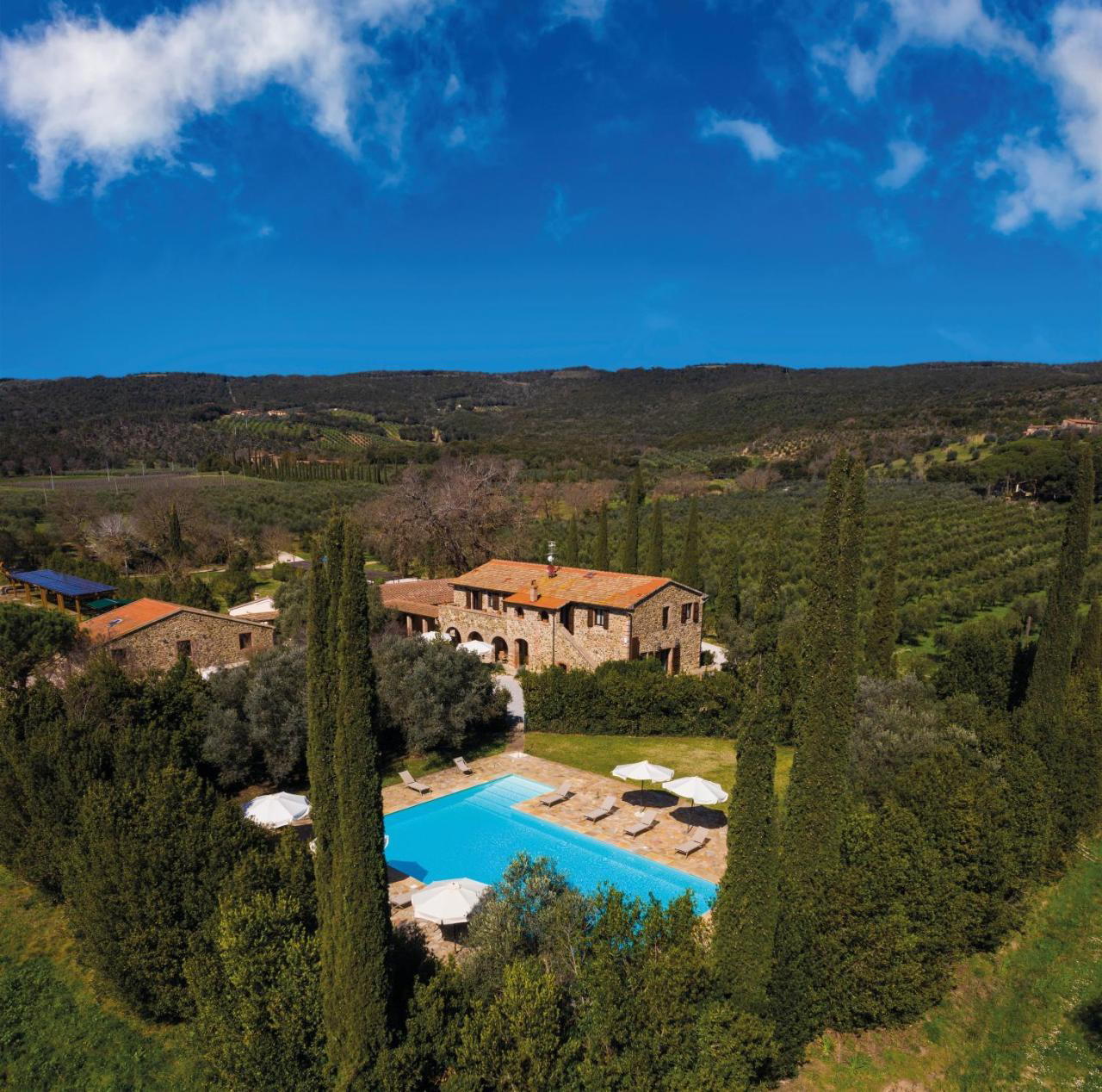
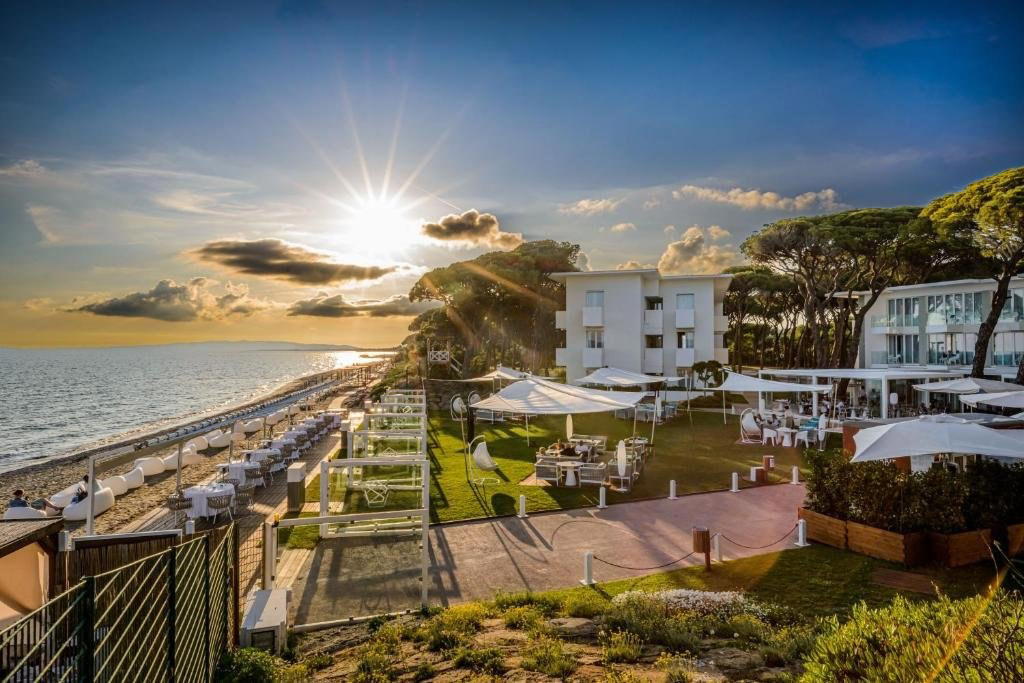
Elegant and refined atmosphere amid sloping vineyard hills with a focus on terroir-driven wine excellence.