Bagni di Pisa Palace & Thermal Spa


A Leading Hotels of the World member set within an eighteenth-century thermal palace on the edge of Pisa, Bagni di Pisa occupies a building with documented royal patronage and water-sourced architecture that places it in a category distinct from conventional Tuscan hotel conversions. The thermal infrastructure is structural, not decorative, and the setting, between the Apuan Alps and the Arno plain, frames a particular kind of Italian slow travel.
Pearl is the En Primeur Club membership app — saves, bookings, and concierge access live there. Same editors, same standards.
- Address
- Largo P. B. Shelley, 18, 56017 San Giuliano Terme PI
- Phone
- +39 050 88501
- Website
- bagnidipisa.com
- Directions
- Get directions
 Saves & bookings on Pearl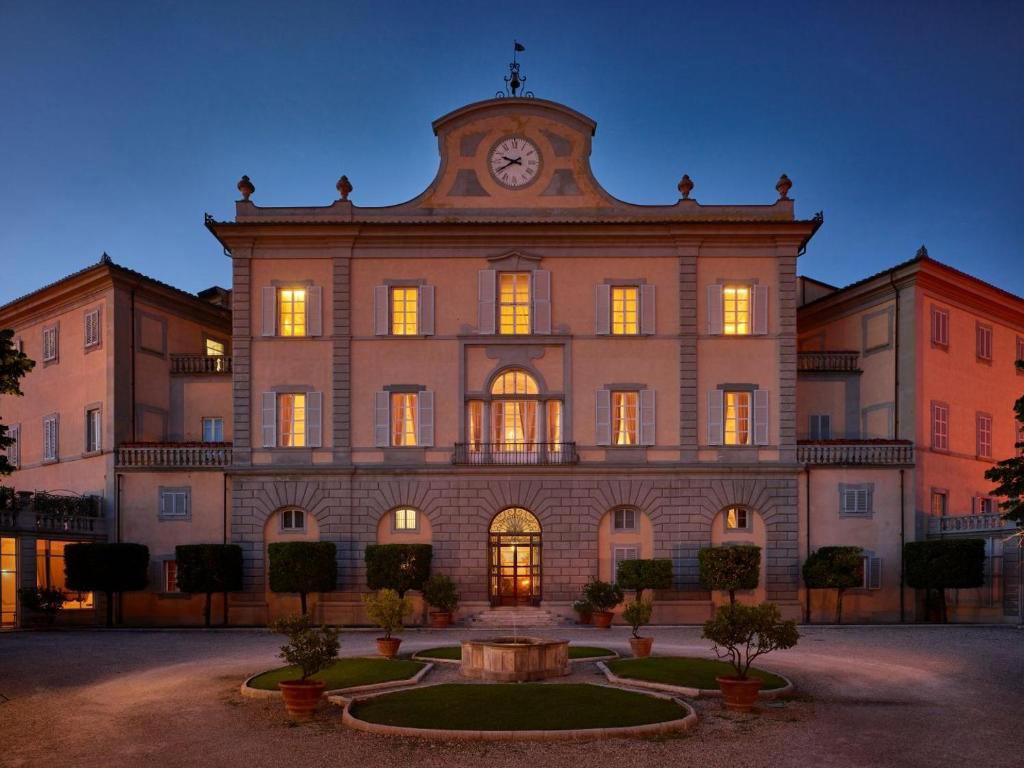
Thermal Architecture as the Starting Point
The approach to Bagni di Pisa Palace & Thermal Spa through San Giuliano Terme sets up a specific architectural expectation. The Tuscan piedmont town sits at the foot of the Monti Pisani range, and the palace itself arrives as a long, ochre-toned Baroque facade that reads less like a hotel and more like a minor royal residence, which, in formal terms, is precisely what it was. The Medici and later the House of Lorraine used the thermal springs here as a court retreat, and the building carries the proportional logic of eighteenth-century Italian palatial construction: high-ceilinged rooms, frescoed vaulted corridors, and a thermal bath sequence that was engineered into the structure from the beginning rather than added to it later.
That last point matters more than it might first appear. Across Italy's premium thermal hotel sector, the dominant conversion model involves fitting spa infrastructure into historic shells, period architecture on the outside, contemporary wellness programming on the inside. Bagni di Pisa sits in a smaller category where the thermal element is original to the building's design intent. The spring water that feeds the pools was already the reason the site existed before the palace was built around it. The architecture followed the water, not the other way around.
Where It Sits in the Italian Palace Hotel Tier
Bagni di Pisa Palace & Thermal Spa is a 5-star hotel in San Giuliano Terme with 61 rooms and a price tier of 4. Within Italy, that group includes properties as varied as Aman Venice in Venice, Four Seasons Hotel Firenze in Florence, and Bulgari Hotel Roma in Rome, though those properties compete in urban luxury markets with entirely different demand profiles. The closer comparison set for Bagni di Pisa is the rural and small-town palace category: historic structures with genuine therapeutic infrastructure, limited keys, and a guest profile oriented toward extended stays rather than city-break overnights.
Tuscany's premium accommodation tier has widened considerably over the past two decades. Wine-estate conversions like Rosewood Castiglion Del Bosco in Montalcino and agriturismo-scale boutique properties like Borgo San Felice Resort in Castelnuovo Berardenga have established a strong regional template, but thermal palace hotels remain a distinct sub-category. The physical requirement of a functioning thermal spring, combined with the preservation demands of genuine Baroque architecture, creates a supply constraint that keeps this tier small.
For a broader view of how Italian luxury hotels position across regions and formats, properties including Castello di Reschio in Lisciano Niccone, Castelfalfi in Montaione, and Il Pellicano in Porto Ercole illustrate the breadth of Tuscany and coastal Tuscany's historic-property market.
The Interior Logic of the Building
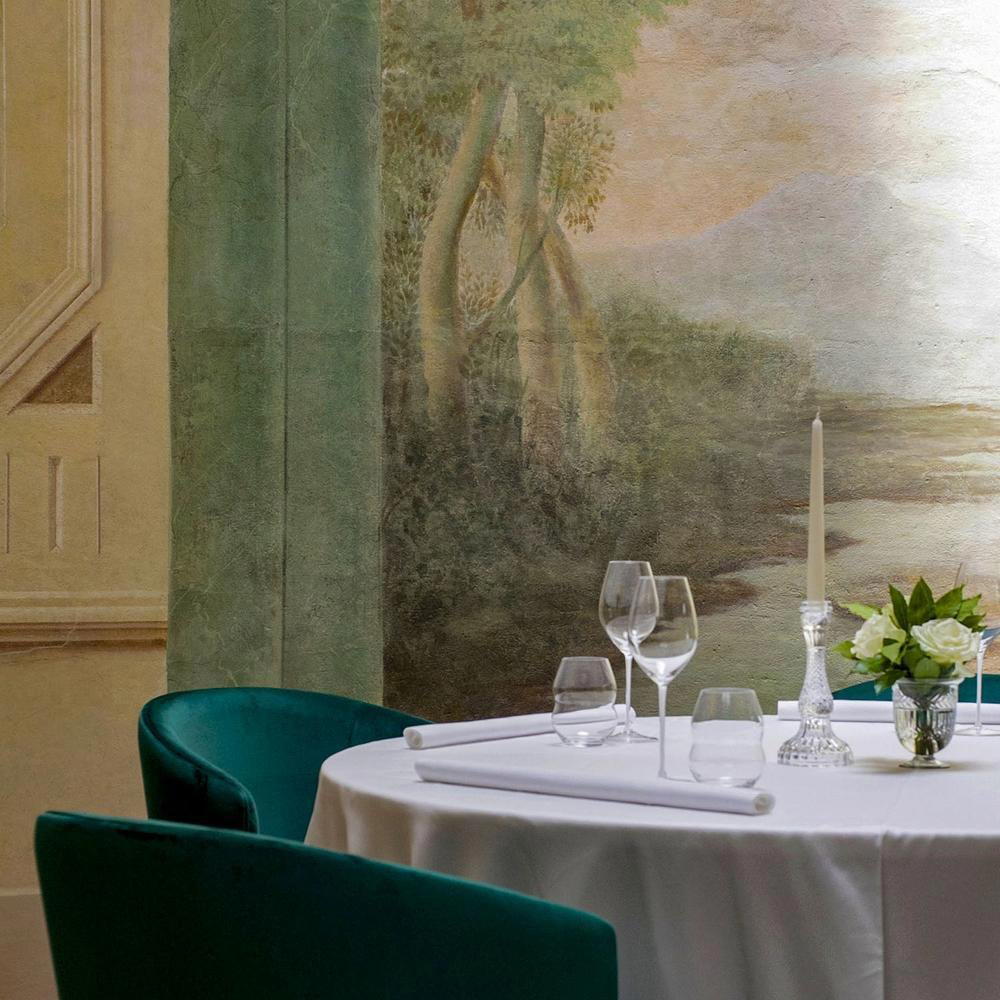
Frescoed ceilings, period furnishings, and vaulted thermal chambers are the primary architectural registers here. Italian palace hotels of this period typically display a visual grammar built around trompe-l'oeil painting, gilded stucco detailing, and a sequence of rooms that were designed for ceremonial progression rather than efficient circulation. At Bagni di Pisa, that ceremonial logic is preserved in the public areas: corridors and antechambers that prioritize proportion and ornament over contemporary minimalism. It is an aesthetic position that has become less common as renovation budgets in the sector increasingly favor neutral palettes and furniture procurement from internationally recognized design studios.
The thermal infrastructure sits beneath and alongside the historic rooms rather than in a separately constructed annex. Natural thermal water, sulfurous and warm from the Monti Pisani geology, feeds the pools in a configuration that was established in the eighteenth century and has been maintained through successive restoration periods. That geological specificity, the actual mineral composition and temperature of a particular spring, is what separates a genuine thermal property from a hotel that markets heated pools and spa treatments under the thermal label.
San Giuliano Terme: Setting and Access
San Giuliano Terme sits roughly six kilometres north of Pisa's city centre, a positioning that makes the palace genuinely proximate to one of Italy's most documented architectural sites without being embedded in tourist traffic. The Piazza dei Miracoli, the Campo Santo, Baptistery, and the tower that defines Pisa's global visual identity, is accessible as a day excursion without the compulsion to stay in Pisa itself. The Arno corridor between Pisa and Florence along the SS67 also opens access to Lucca, roughly eighteen kilometres to the northeast, which functions as a secondary historic city with its own intact medieval walls and cathedral quarter.
For travellers arriving by rail, Pisa Centrale is the primary hub, with regional connections from Florence Santa Maria Novella in under an hour. The palace's address on Largo P. B. Shelley, a street named for the poet who spent time in the Pisa area in the early nineteenth century, places it at the base of the Monte Pisano foothills, where the town transitions from the Arno plain into forested slopes. That topographic position gives the property a degree of physical separation from the town's main thoroughfare without requiring meaningful travel time to reach either the railway or the highway network toward Florence and the broader Tuscan interior.
Comparing Across Italy's Spa and Palace Tier
Italy's thermal hotel tradition extends well beyond Tuscany. Properties like Castel Fragsburg in Merano in the Alto Adige represent the Alpine thermal model, while Grand Hotel Tremezzo in Tremezzo on Lake Como and EALA My Lakeside Dream in Limone sul Garda on Lake Garda represent a lakeside grand hotel format with wellness components. The common denominator in the upper tier of each category is physical specificity: architecture, water source, or landscape that cannot be replicated by a new-build property regardless of budget.
Internationally, the closest structural comparisons to Bagni di Pisa's combination of historic palace architecture and integral thermal water are found in central European spa towns, Baden-Baden, Karlovy Vary, Montecatini Terme, where the nineteenth-century thermal hotel tradition built an entire town typology around medicinal water. Bagni di Pisa predates most of those by at least half a century and is smaller in scale, which keeps it closer to a private villa format than a resort. Properties like Passalacqua in Moltrasio and Casa Maria Luigia in Modena operate in that same intimate historic-property register, even without the thermal component.
Planning Your Stay
Bagni di Pisa operates as a Leading Hotels of the World member property, which means reservations can be routed through LHW's global booking infrastructure as well as through direct channels. The spring and early summer period, April through June, and September into mid-October represent particularly favourable windows for the Tuscan climate, when temperatures support both outdoor thermal bathing and excursions to Pisa, Lucca, and the surrounding countryside without the heat compression of July and August. Given the palace format and the therapeutic orientation of the property, stays of two nights or more are the natural planning unit; single-night bookings are possible but would compress the thermal program into a fraction of its intended use. Borgo Santandrea on the Amalfi Coast, Il San Pietro di Positano in Positano, and Borgo Egnazia in Savelletri di Fasano represent the southern Italian alternative within roughly the same market tier.
Comparable Venues
Comparable venues nearby, for context on price, style, and recognition.
| Venue | Cuisine | Price | Awards | Notes |
|---|---|---|---|---|
| Bagni di Pisa Palace & Thermal SpaThis venue — the venue you are viewing | Historic thermal spa palace blending 18th-century grandeur with modern luxury | $$$$ | 5-Star | Not listed |
| Tivoli Palazzo Gaddi | Historic palace blending Renaissance heritage with modern luxury | $$$$ | 5-Star | Centro Storico |
| The Pantheon Iconic, Autograph Collection | Modern luxury boutique in historic Roman palazzo | $$$$ | 5-Star | Piazza Navona & the Pantheon |
| Dimora Palanca Boutique & SPA | Timeless five-star elegance harmonizing classic architecture with bold modern art. | $$$$ | 5-Star | Historic Centre |
| Excelsior Pesaro | 5-star boutique hotel with whispered charm and nautical references | $$$$ | 5-Star | Lungomare Nazario Sauro |
| Grotta Giusti Thermal Spa Resort Tuscany, Autograph Collection | 19th-century restored villa with Tuscan art and nature-inspired details | $$$$ | 5-Star | Monsummano Terme |
Recognition history
Dated appearances from independent guides and award organizations, with the underlying list record or original source where available.
World Spa Awards Italy's Best Wellness Retreat 2026 Nominee
World Spa Awards
Leading Hotels of World Member
Leading Hotels of World
World Spa Awards Italy's Best Wellness Retreat 2025 Nominee
World Spa Awards
World Spa Awards World's Best Medical Spa 2025 Nominee
World Spa Awards
Continue exploring
More in San Giuliano Terme
Hotels in San Giuliano Terme
Browse all →
Bars in San Giuliano Terme
Browse all →
Restaurants in San Giuliano Terme
Browse all →


At a Glance
- Elegant
- Sophisticated
- Romantic
- Classic
- Quiet
- Romantic Getaway
- Wellness Retreat
- Honeymoon
- Anniversary
- Historic Building
- Terrace
- Garden
- Spa
- Pool
- Fitness Center
- Sauna
- Hot Tub
- Room Service
- Concierge
- Restaurant
- Garden
- Wi Fi
- Garden
- Spa
- Pool
- Fitness Center
- Sauna
- Hot Tub
- Room Service
- Concierge
- Restaurant
- Garden
- Wi Fi
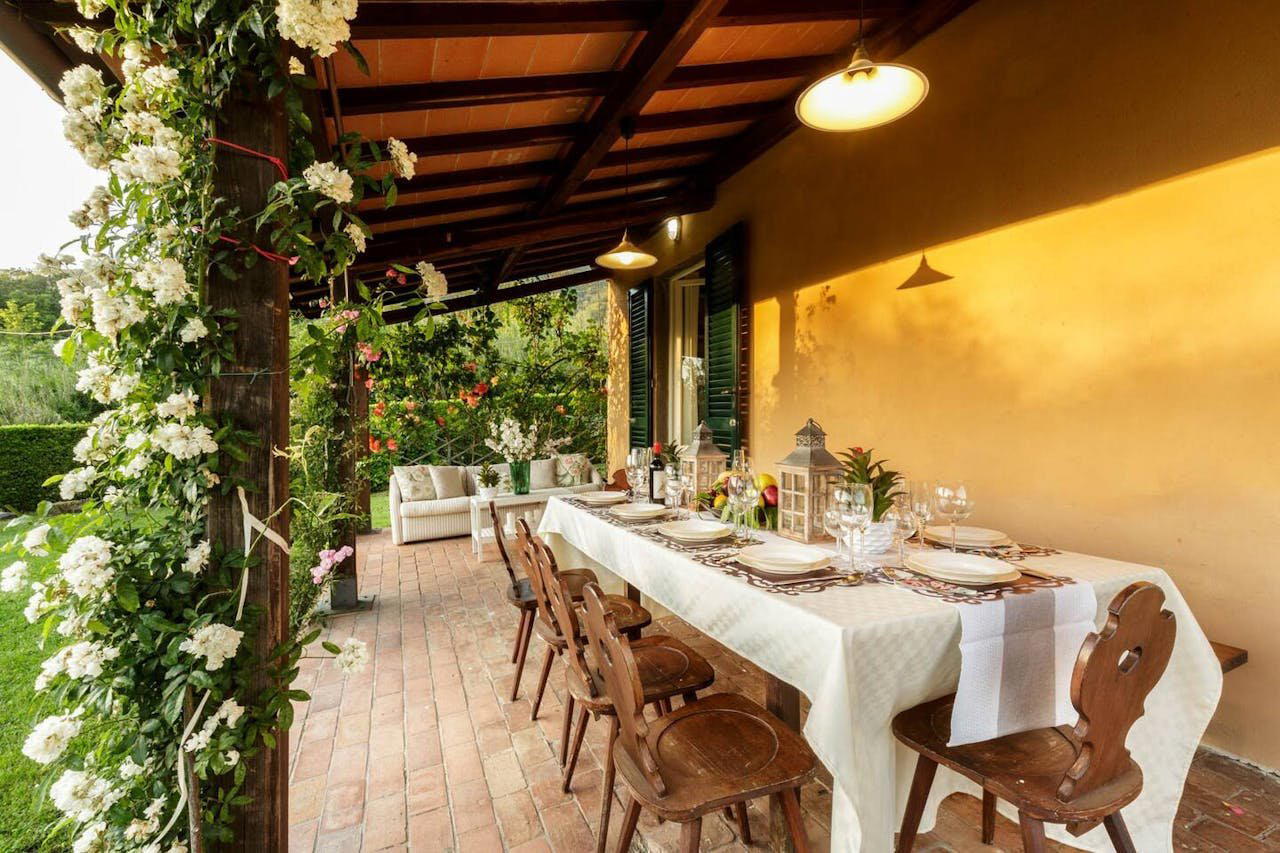
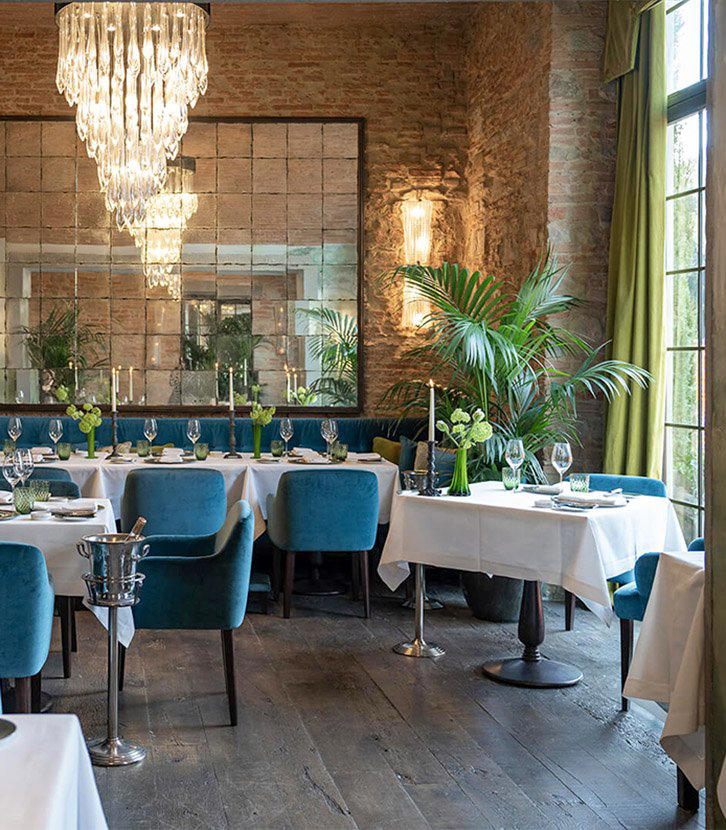
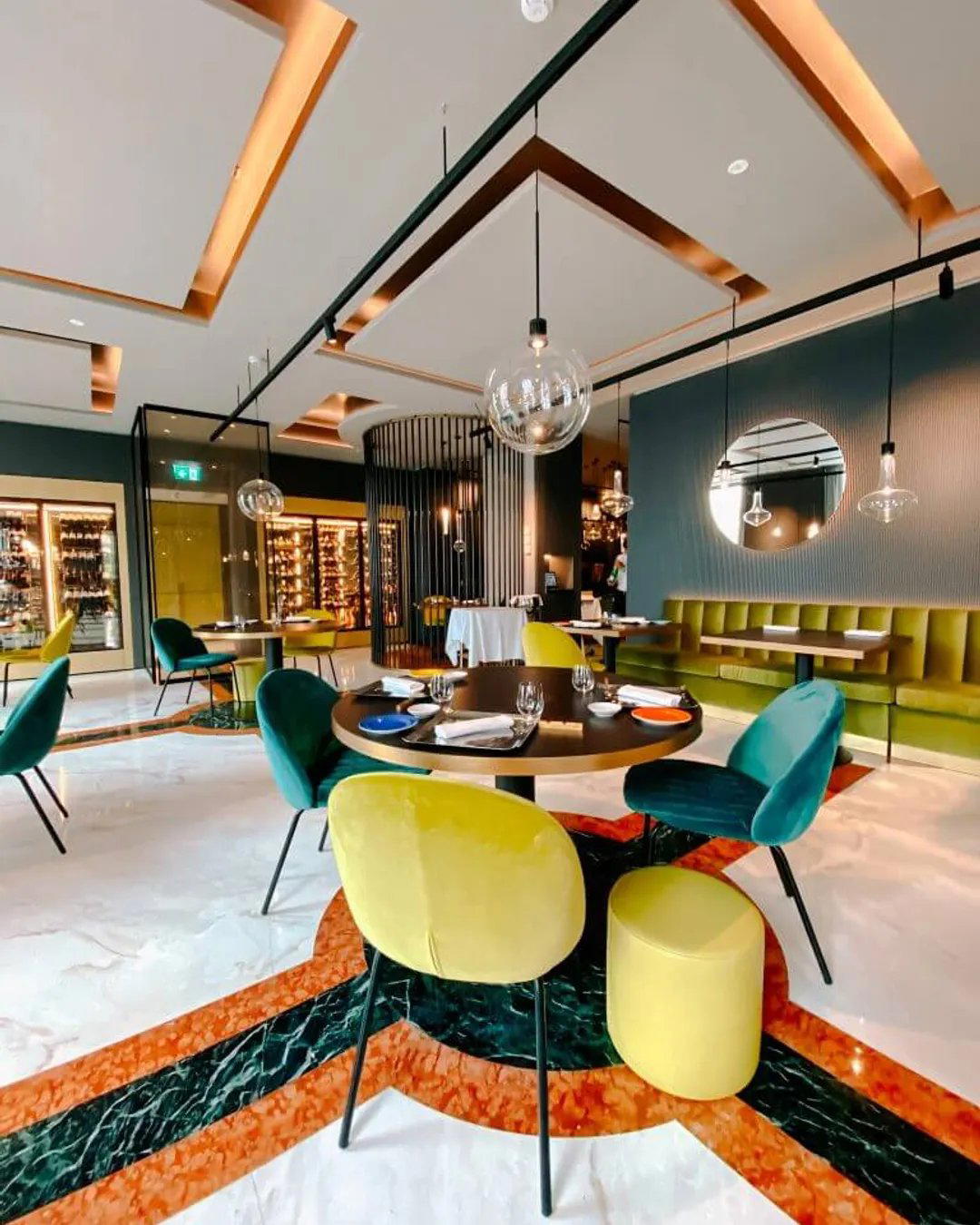
Timeless elegance with warmly lit frescoed interiors, pastel hues, marble floors, and serene thermal pools framed by graceful arches.