Cannavacciuolo Vineyard

1 Michelin Star
Our verdict
A Michelin-starred restaurant-resort in the Pisan hills, where Antonino Cannavacciuolo's hospitality model meets the quieter rhythms of inland Tuscany. Resident chef Marco Suriano works from an open kitchen inside a restored village building, delivering contemporary Italian cuisine with a precision that earned a Michelin star in 2024. The property also offers apartments with in-room breakfast, making it a rare combination of destination dining and place to stay.

Pearl is the En Primeur Club membership app, where members save venues, book tables and use the concierge.
The menu
What to order
- Chicken Galantine with Gran Mugello cheese
- Duck with mulberry and sumac
A Village Restored, a Kitchen Exposed
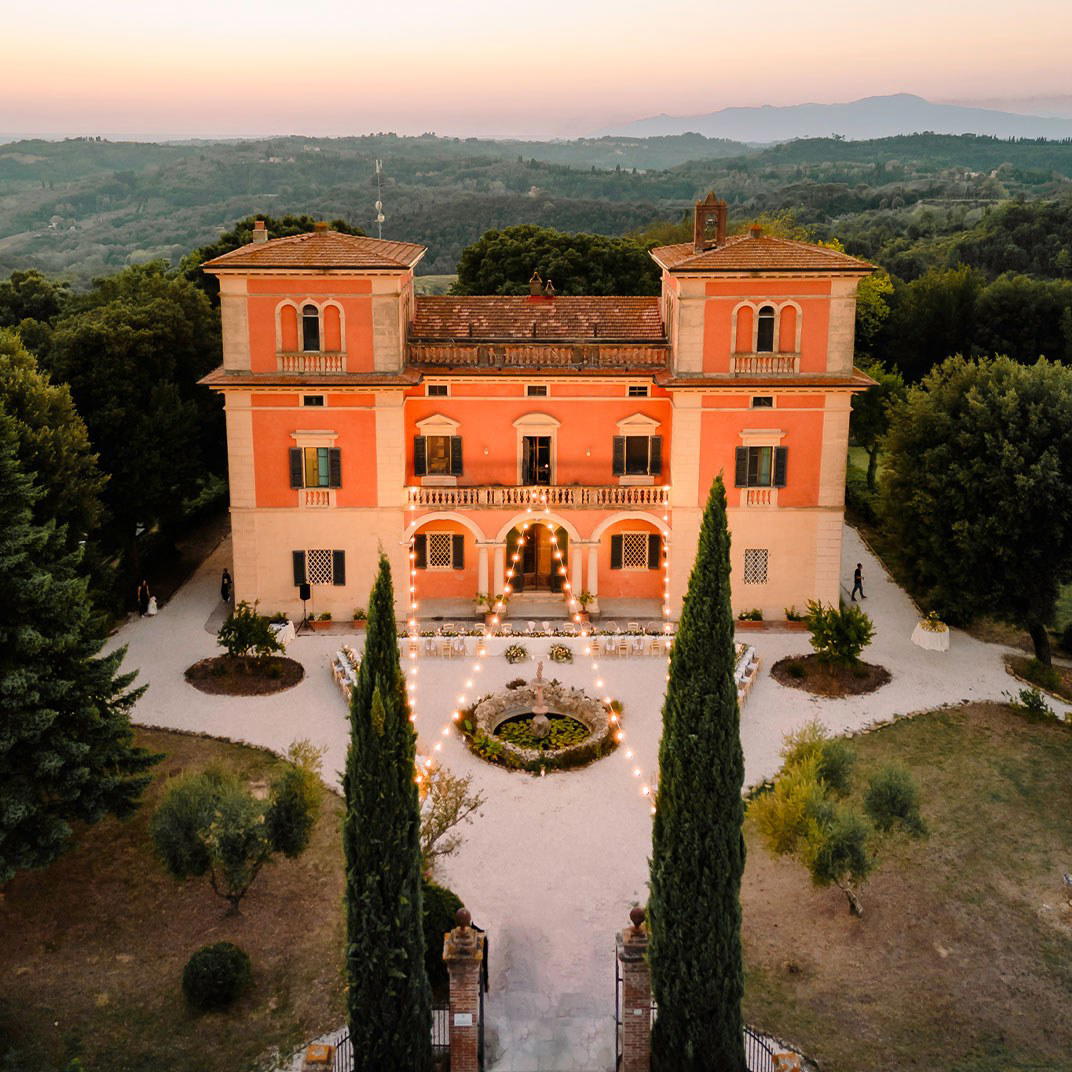
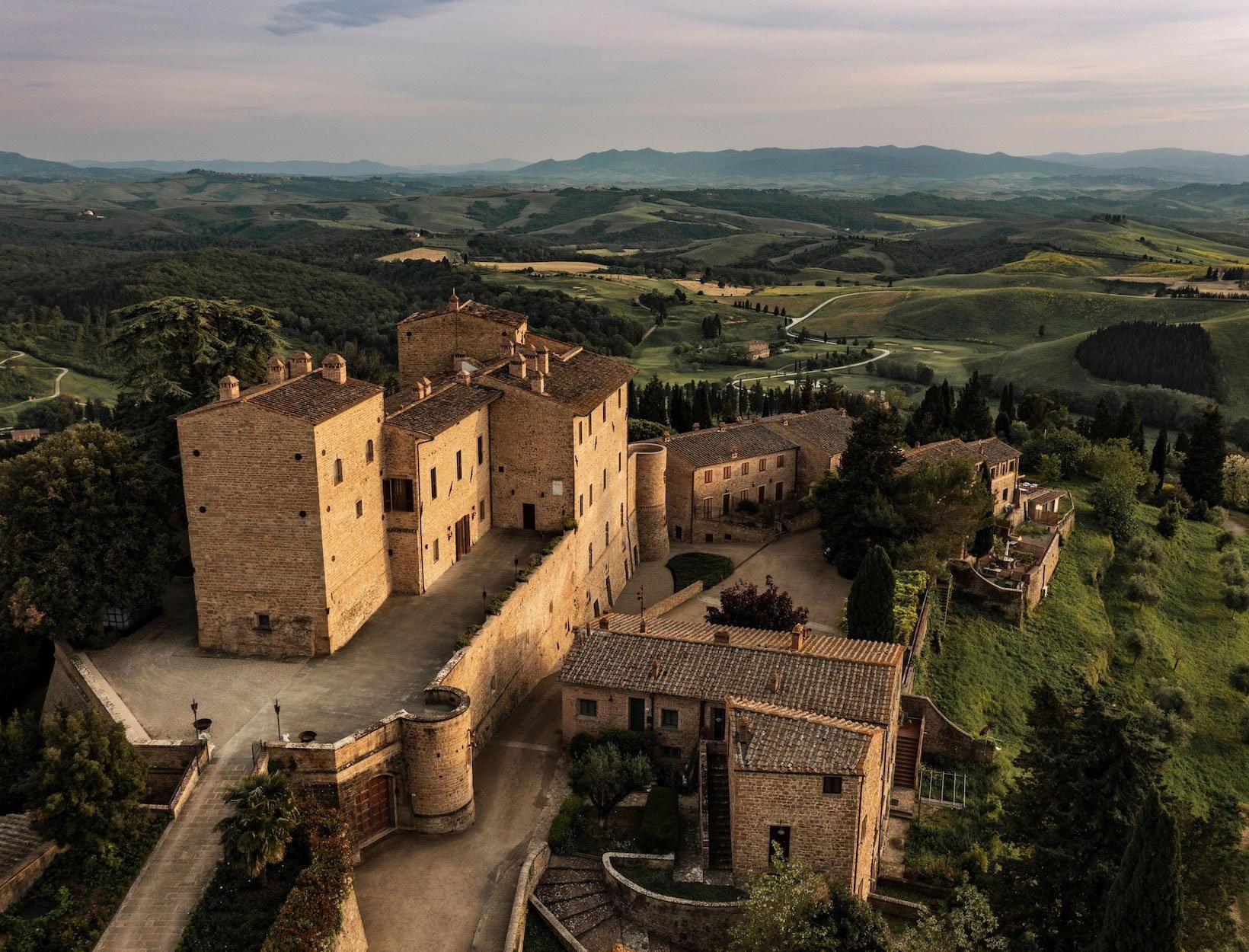
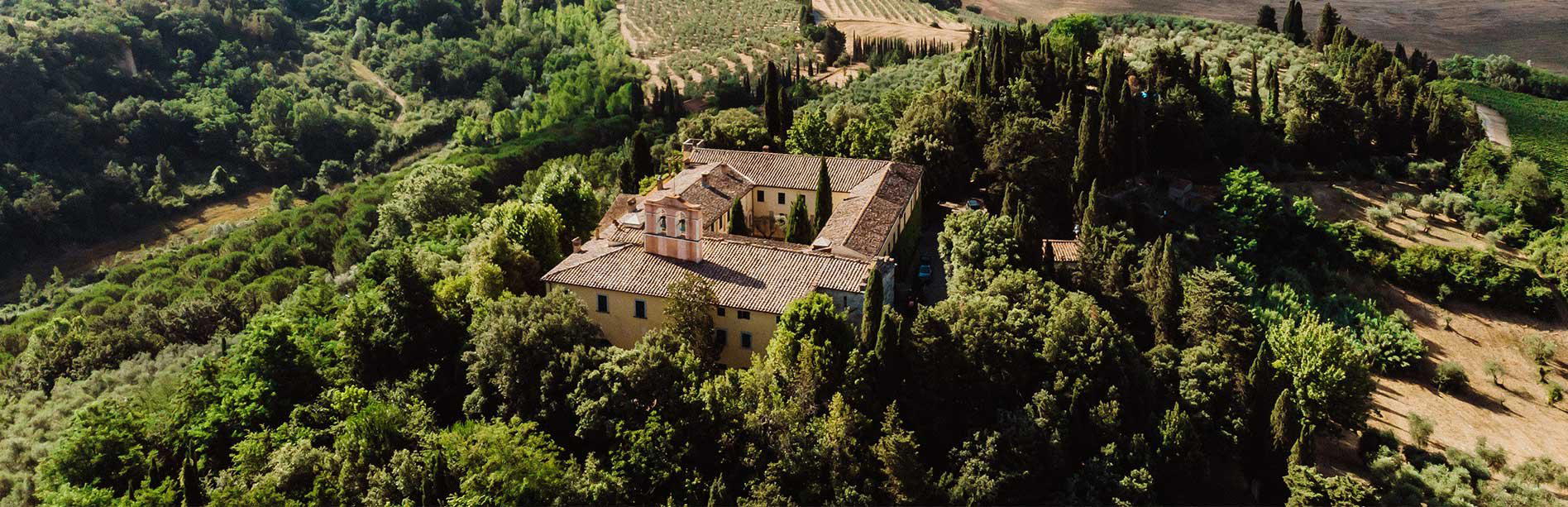
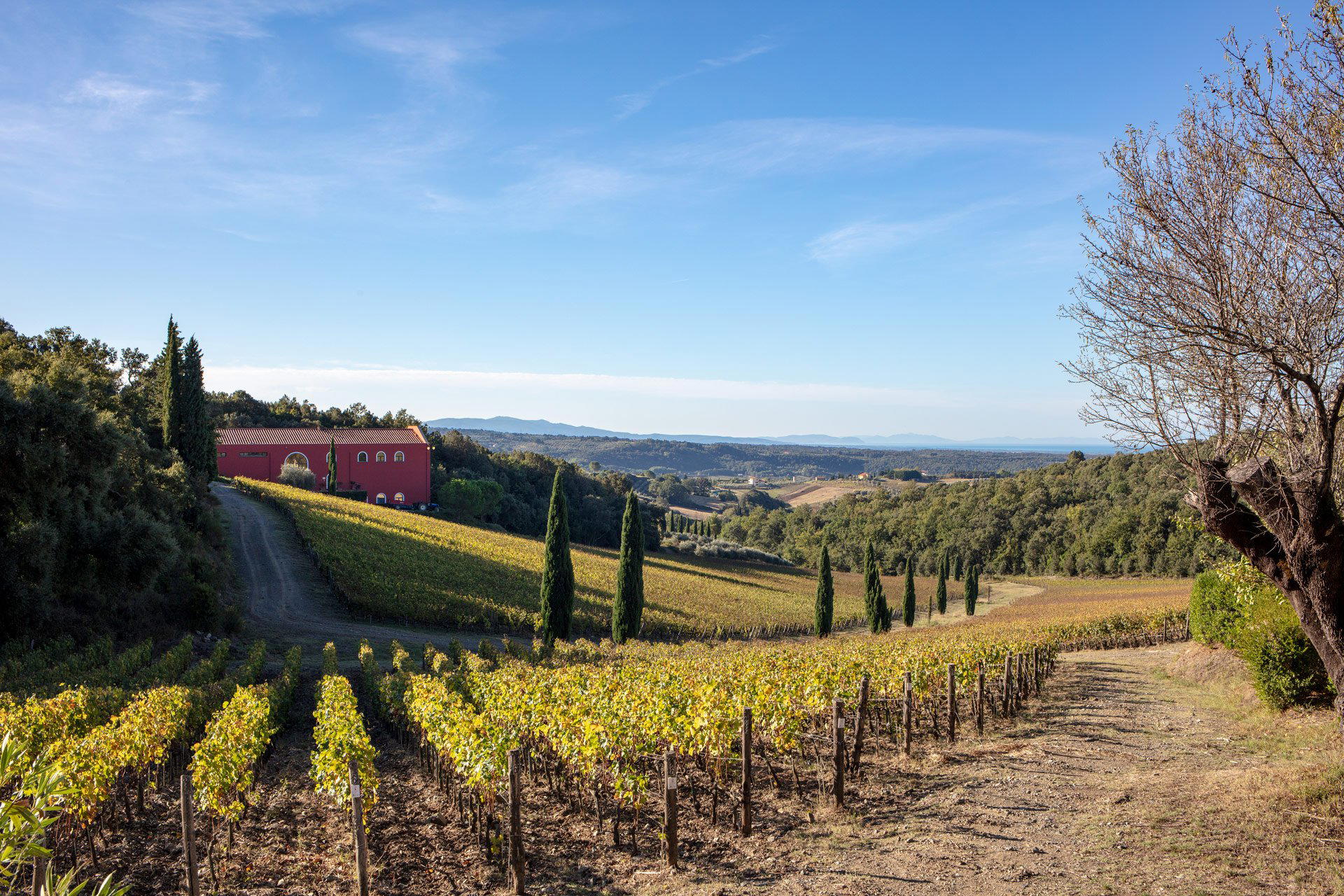
The small hilltop settlement of Casanova di Terricciola sits in the Pisan hills, a pocket of inland Tuscany that most visitors pass over in favour of Chianti or the Maremma coast. That geography is the point. The territory here belongs to a different Tuscany: quieter, less trafficked, with a wine and agricultural identity shaped more by local farming rhythms than by international tourism. Into this setting, Antonino Cannavacciuolo, a Campanian chef whose main reputation was built at Villa Crespi on Lake Orta, has extended his hospitality model, occupying a completely restored section of the village and recasting it as a resort with a Michelin-starred restaurant at its centre.
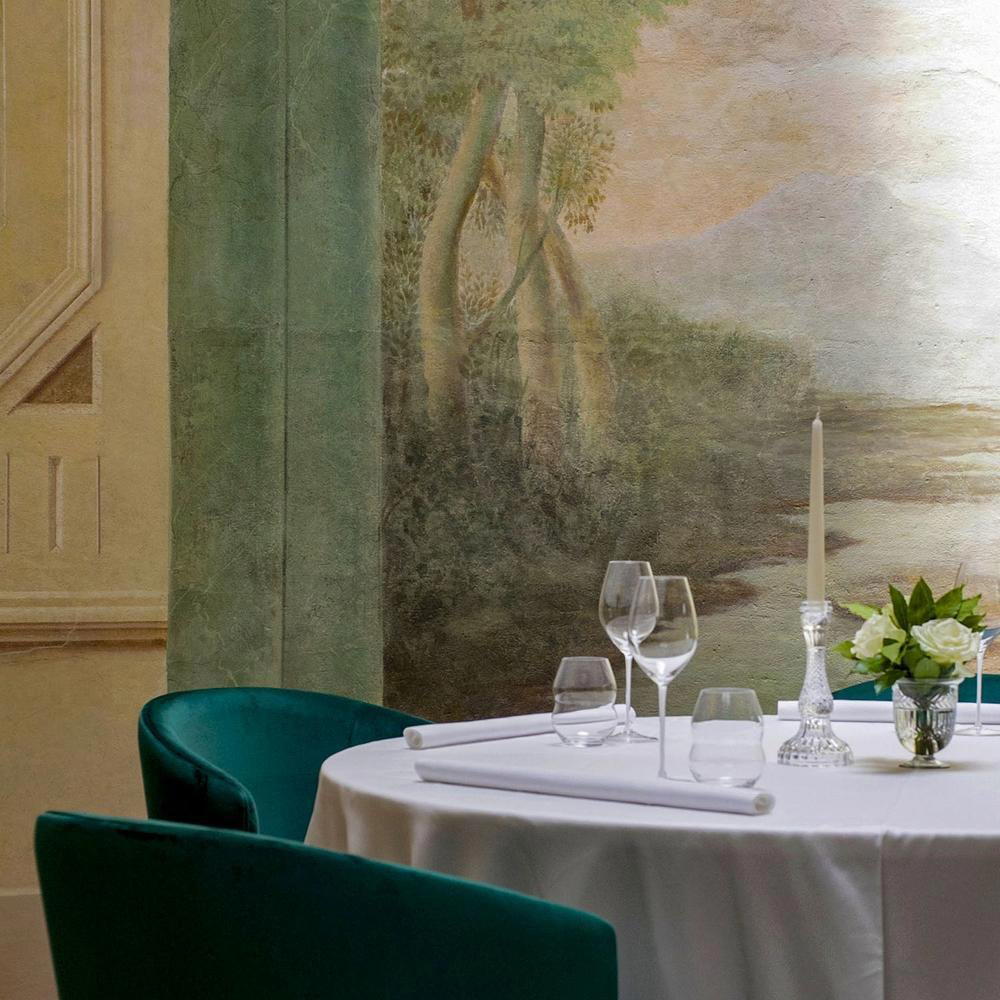
The dining room sits inside what was once vernacular Tuscan architecture: stone, proportion, the particular hush that comes from thick walls. The intervention is contemporary rather than imitative, with modern comfort and open-kitchen sightlines that let the preparation become part of the experience. That transparency is itself a statement about how fine dining has shifted in Italy over the past decade: the closed kitchen as theatre backdrop has given way to the pass as stage, where the technical process is on display rather than hidden.
Where This Fits in the Italian Contemporary Scene
Italian contemporary cuisine as a category is broad enough to require some mapping. At the upper end, properties like Enoteca Pinchiorri in Florence, Dal Pescatore in Runate, and Le Calandre in Rubano operate at the three-Michelin-star tier (€€€€), where the cooking is inseparable from accumulated institutional reputation. Below that, a generation of one- and two-star restaurants has emerged that carries strong chef identities and technical ambition at a price point one step down. Cannavacciuolo Vineyard, rated €€€ and holding a 2024 Michelin star, belongs to this second cohort. It prices and pitches below the national flagships while operating well above the regional trattoria.
The Tuscan regional frame matters here, but only partially. The property is Tuscan by location, not by culinary lineage. Cannavacciuolo's cooking reference point is Neapolitan and Campanian, shaped by his southern Italian upbringing and refined through years working at the intersection of classical French rigour and Italian product. The cooking that resident chef Marco Suriano delivers at the pass draws on that tradition rather than on the white beans, bistecca, and game that define the central Tuscan canon. This is not a restaurant serving the regional vernacular; it is a restaurant that brings an outside sensibility to a Tuscan address, which is a different proposition and should be understood as such. For comparison, Quattro Passi in Marina del Cantone operates from a similar southern Italian base, while Reale in Castel di Sangro represents the Abruzzese version of contemporary Italian ambition planted in an unexpected rural address.
The Open Kitchen and What It Signals
In Italian fine dining, the decision to open the kitchen to the dining room is rarely neutral. It signals confidence in the technical execution and, more specifically, a willingness to let service and cooking share the same register of precision. At Cannavacciuolo Vineyard, Marco Suriano's work at the pass has been described in terms of surgical finish: the kind of plating discipline that becomes visible at distance and that requires consistent repetition across a full service. This matters because the format is resort dining rather than a standalone restaurant, which historically has meant a wider range of diner expectations and a kitchen that sometimes softens its edge to accommodate them. The 2024 Michelin star signals that this one has not.
The style of the cuisine, described as precise and balanced between flavour and refinement, places it in a recognisable Italian contemporary idiom: technique used in service of product clarity rather than as an end in itself. This distinguishes it from the more overtly creative approaches at Osteria Francescana in Modena or Piazza Duomo in Alba, where conceptual ambition is the primary register. Cannavacciuolo's output, here as at his other addresses, tends toward elegance over provocation. For the reader who finds the more experimental Italian tables demanding, this is a meaningful distinction.
The Resort Format and Its Advantages
Outside Italy, the idea of a Michelin-starred restaurant embedded in a small village resort is not unusual, Alsace and the English countryside have refined the model for decades. In Tuscany, the combination more commonly appears at larger agriturismi or at luxury spa hotels, where the dining offer is often secondary. This is a deliberate softening of the institutional hotel rhythm that characterises larger resort properties, and it suits the scale and character of a restored village site.
For context on how the wider region handles overnight hospitality alongside serious dining, our full Casanova di Terricciola hotels guide covers the available options at different price points. The village is small enough that the property is effectively the dominant hospitality offer in its immediate area, which means the choice to stay or dine here is less a comparison decision than a destination one.
Service and the Professionalism Signal
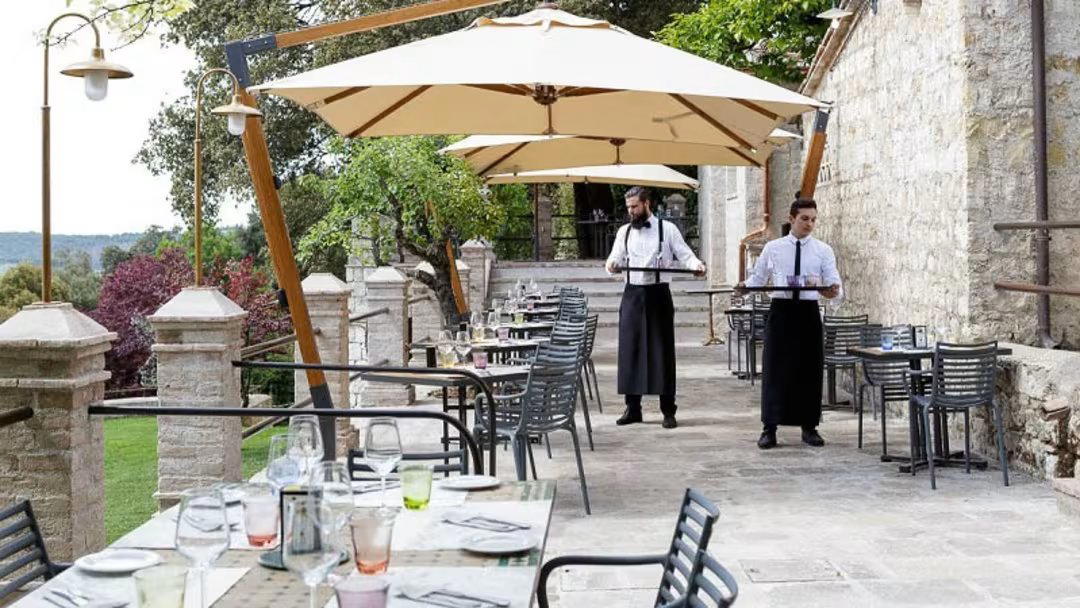
Italian fine dining service has two distinct schools. One is the formal continental tradition, with its tableside preparations and hierarchical brigade, still visible at Enrico Bartolini in Milan and at the older established houses. The other is a more fluid hospitality model, where warmth and knowledge replace ceremony. The Cannavacciuolo operation, across its properties, has positioned itself in the second school: professional, internationally experienced, but not stiff. The front-of-house team at Casanova di Terricciola is described as carrying experience from both Italian and international contexts, which in practice tends to produce service that can read the room across different diner profiles.
That flexibility is an asset in a resort format where the same staff handles a solo diner at the tasting counter and a couple celebrating an anniversary in the same evening. For readers whose experience of Italian service has been either over-formal or inattentive, the Cannavacciuolo model has a track record of threading that gap. See also Agli Amici Rovinj and L'Olivo in Anacapri for other Italian contemporary tables in resort settings where service has earned specific recognition. For those interested in a comparable northern Italian approach, Casa Perbellini 12 Apostoli in Verona and Atelier Moessmer Norbert Niederkofler in Brunico offer instructive points of comparison for how the genre plays across different Italian regional contexts.
Planning a Visit
Casanova di Terricciola is accessible by car from Pisa (roughly 30 kilometres southeast), making Pisa Galileo Galilei the practical arrival airport. The village has no train station, and the road approach through the Pisan hills is part of the experience. The property sits at Via del Teatro 8, within the restored village core. Given the combination of limited capacity at the restaurant level and the resort's apartment accommodation, advance booking is advisable, particularly for weekend visits in spring and autumn when the Tuscan hills draw the most traffic. For those building a wider itinerary around the area, our full Casanova di Terricciola restaurants guide, bars guide, wineries guide, and experiences guide map the surrounding options.
Frequently asked questions
Does Cannavacciuolo Vineyard work for a family meal?
At the €€€ price point in a Michelin-starred dining room in a small Tuscan village, this is not a casual family lunch venue. The format and pace suit adults with an interest in precise, contemporary cooking.
What kind of setting is Cannavacciuolo Vineyard?
If you are after a classic Tuscan trattoria or a large spa resort with dining as an afterthought, this is a different proposition.
What should I eat at Cannavacciuolo Vineyard?
The restaurant holds a Michelin star (2024) for cuisine described as precise and balanced, executed by resident chef Marco Suriano in an open-kitchen format. Given the Campanian and Italian contemporary lineage of the Cannavacciuolo operation, the cooking tends toward product clarity and refinement rather than conceptual experimentation. Specific current menu details should be confirmed directly with the property, as the offer at this level changes with season and sourcing.
Comparable Spots, Quickly
| Venue | Cuisine | Price | Awards | Notes |
|---|---|---|---|---|
| Cannavacciuolo VineyardThis venue (the venue you are viewing) | Modern Italian Fine Dining | $100–150 | 1 Michelin Star | Not listed |
| Atelier Moessmer Norbert Niederkofler | Modern Alpine Fine Dining | $300–500 | 3 Michelin Stars · World's 50 Best #20 | Italian, Creative |
| Dal Pescatore | Classic Italian Fine Dining | $200–300 | 3 Michelin Stars · World's 50 Best #38 | Italian, Italian Contemporary |
| Enoteca Pinchiorri | Contemporary Italian Fine Dining | $200–300 | 3 Michelin Stars · World's 50 Best #32 | Italian - French, Italian Contemporary |
| Enrico Bartolini | Modern Italian Fine Dining | $300–500 | 3 Michelin Stars · World's 50 Best #85 | Creative |
| Osteria Francescana | Avant-Garde Italian Contemporary | $300–500 | 3 Michelin Stars · World's 50 Best #1 | Progressive Italian, Creative |
Recognition history
Dated appearances from independent guides and award organizations, with the underlying list record or original source where available.
Michelin 1 Star
Michelin
Full recognition history (3 entries)
Michelin 1 Star
Michelin
Michelin 1 Star
Michelin
Continue exploring
More in Terricciola
Restaurants in Terricciola
All restaurants in Terricciola →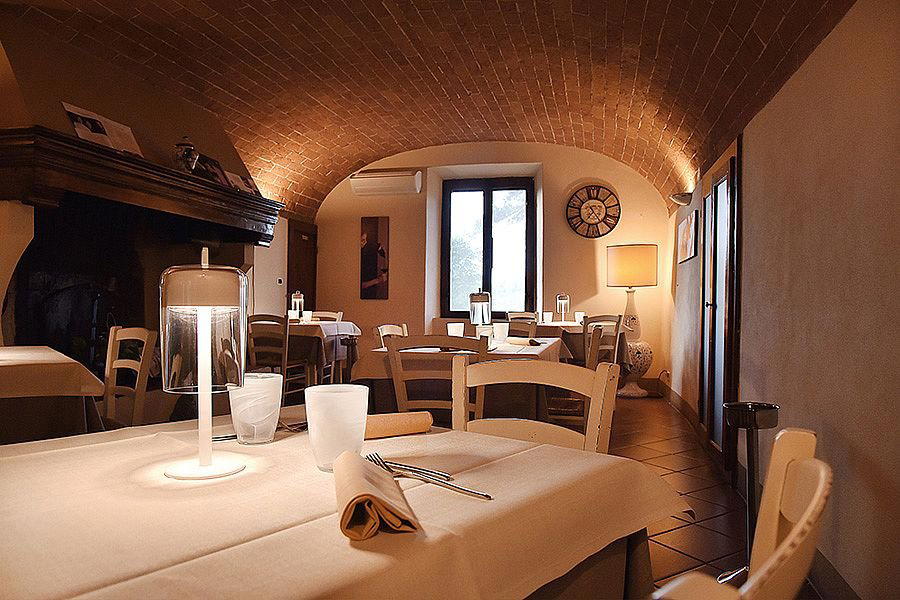
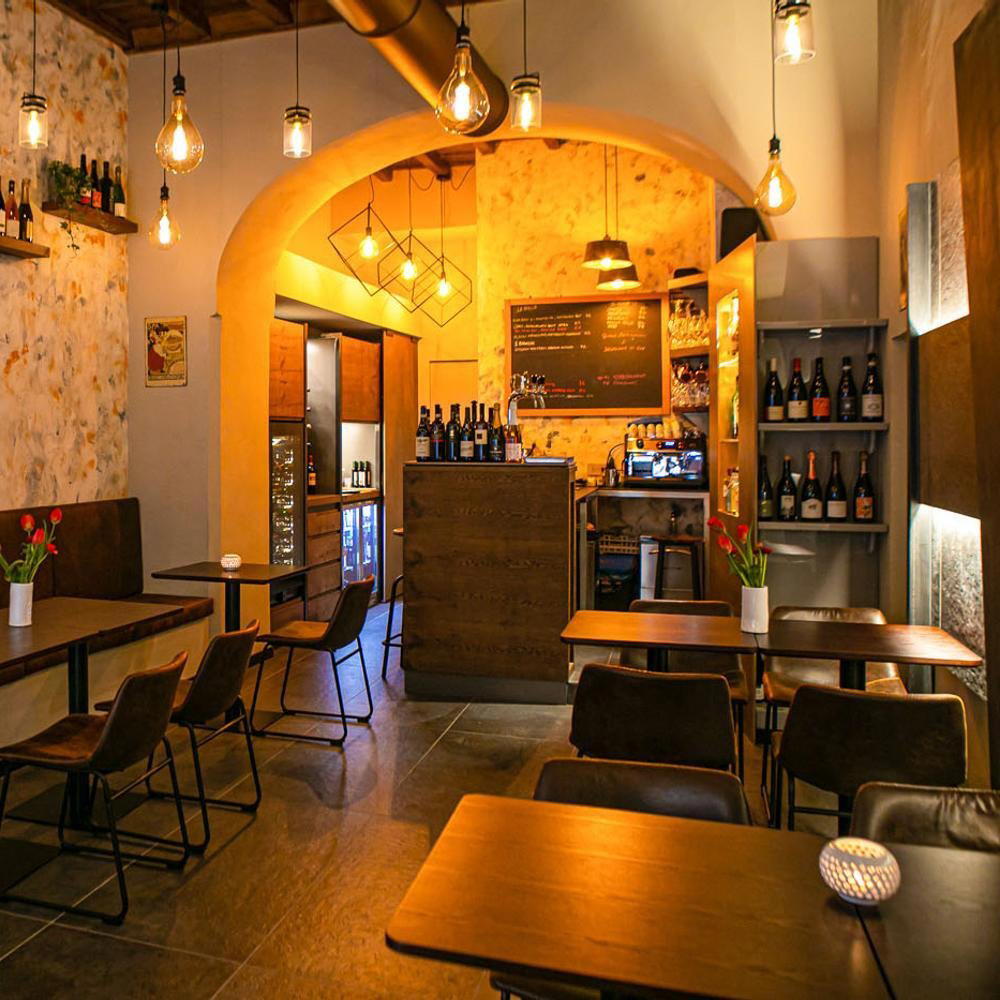
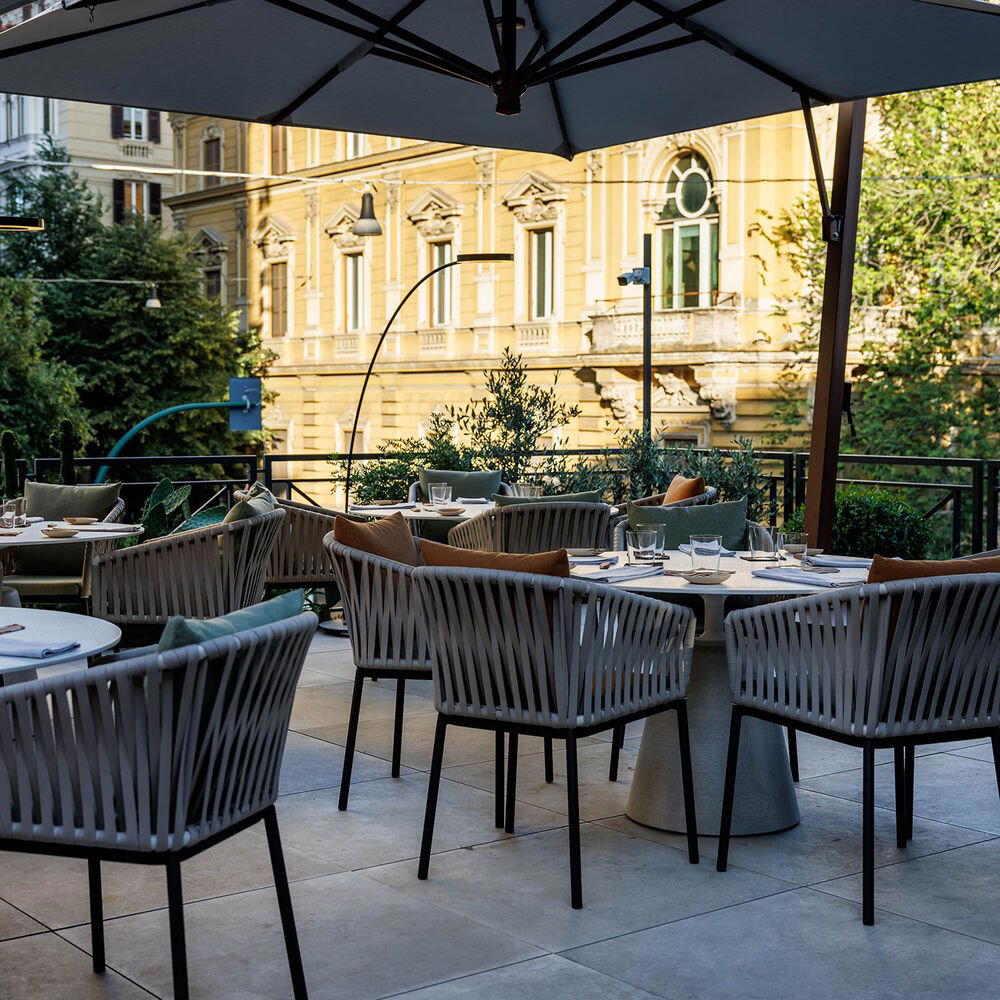
Bars in Terricciola
Browse all →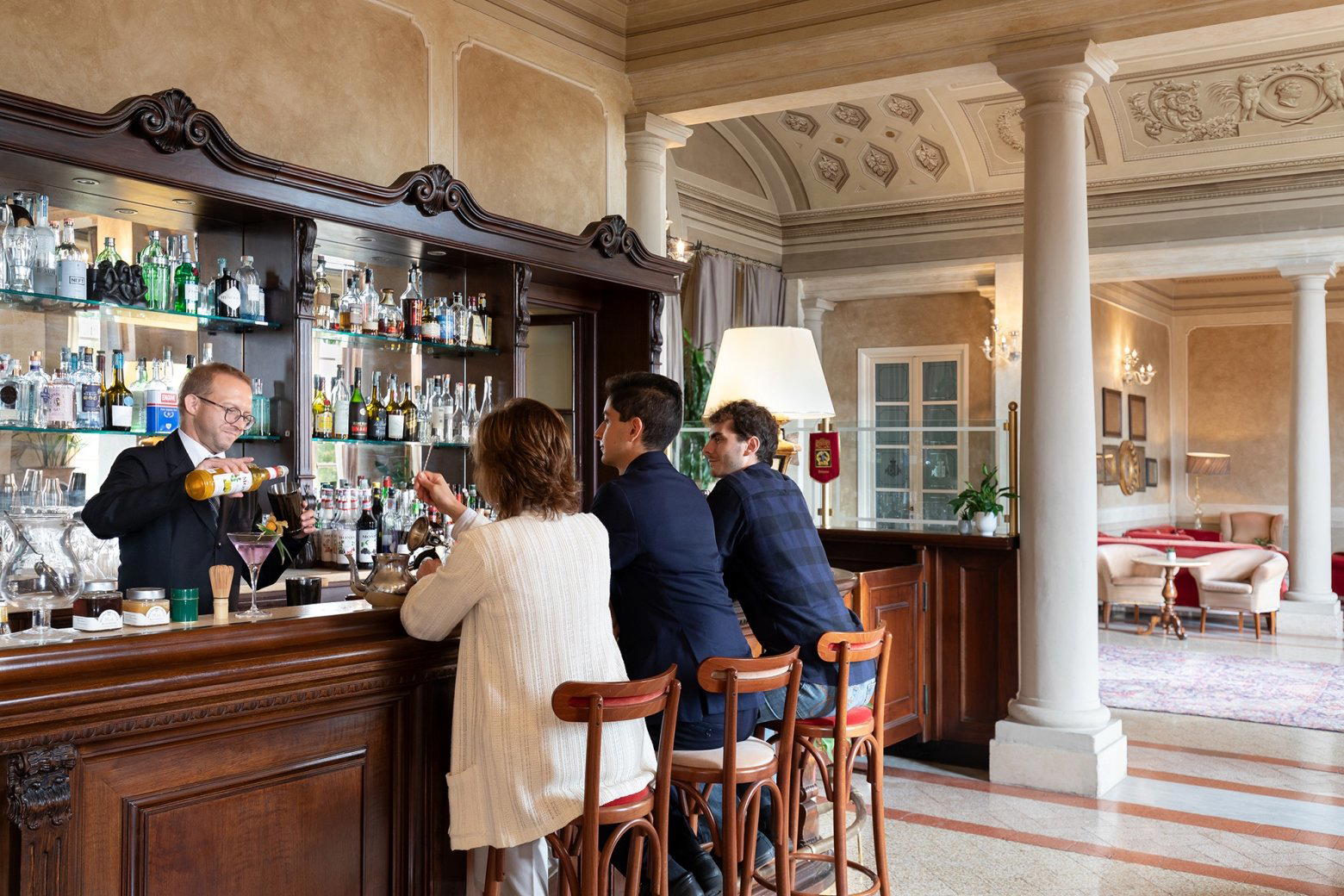
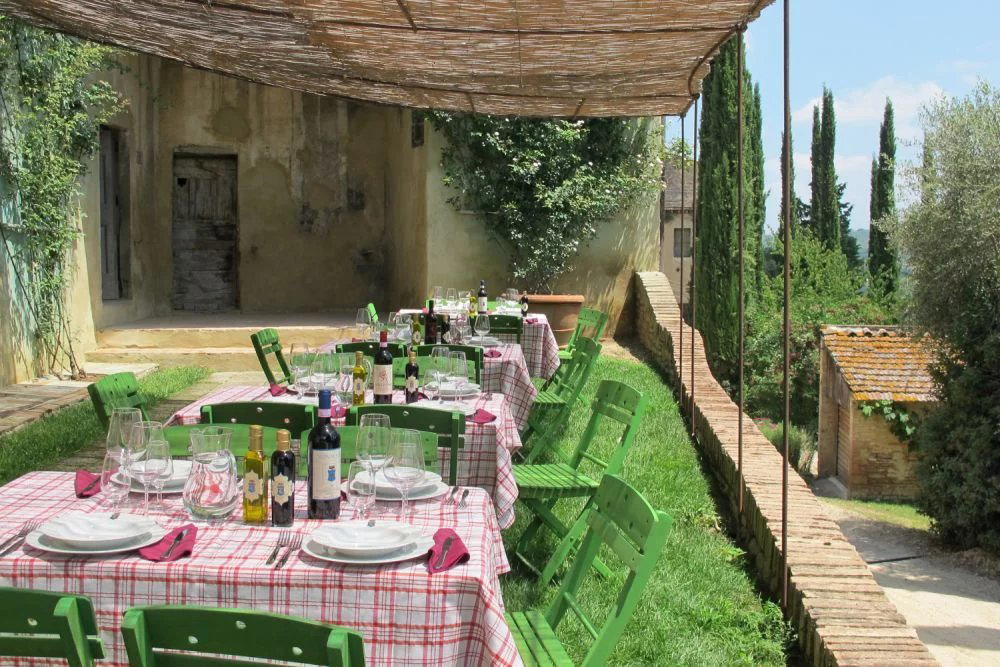
Cannavacciuolo Vineyard
The wine
- Wine program
- Deep wine list
- Extensive wine list
- Sommelier-led
Details
- Elegant
- Romantic
- Scenic
- Sophisticated
- Date Night
- Special Occasion
- Open Kitchen
- Extensive Wine List
- Sommelier Led
- Local Sourcing
- Vineyard
- Garden
- Tasting Menu
- A La Carte
- Wine Pairing
- Vegetarian Friendly
- Vegan Options
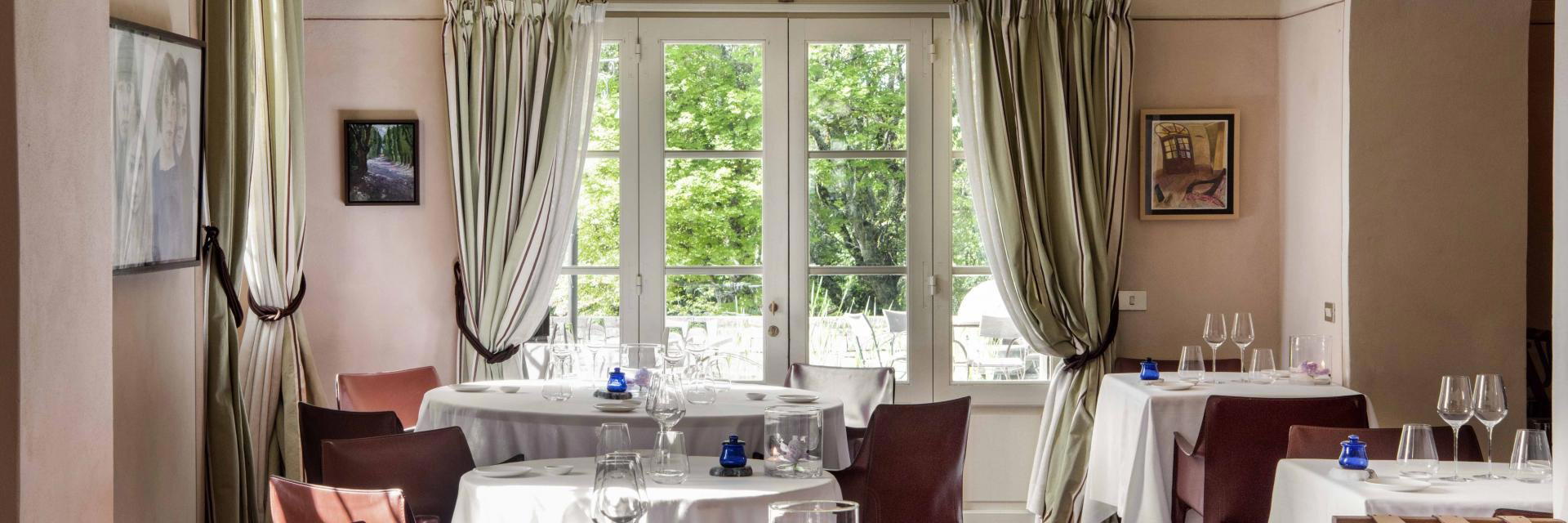
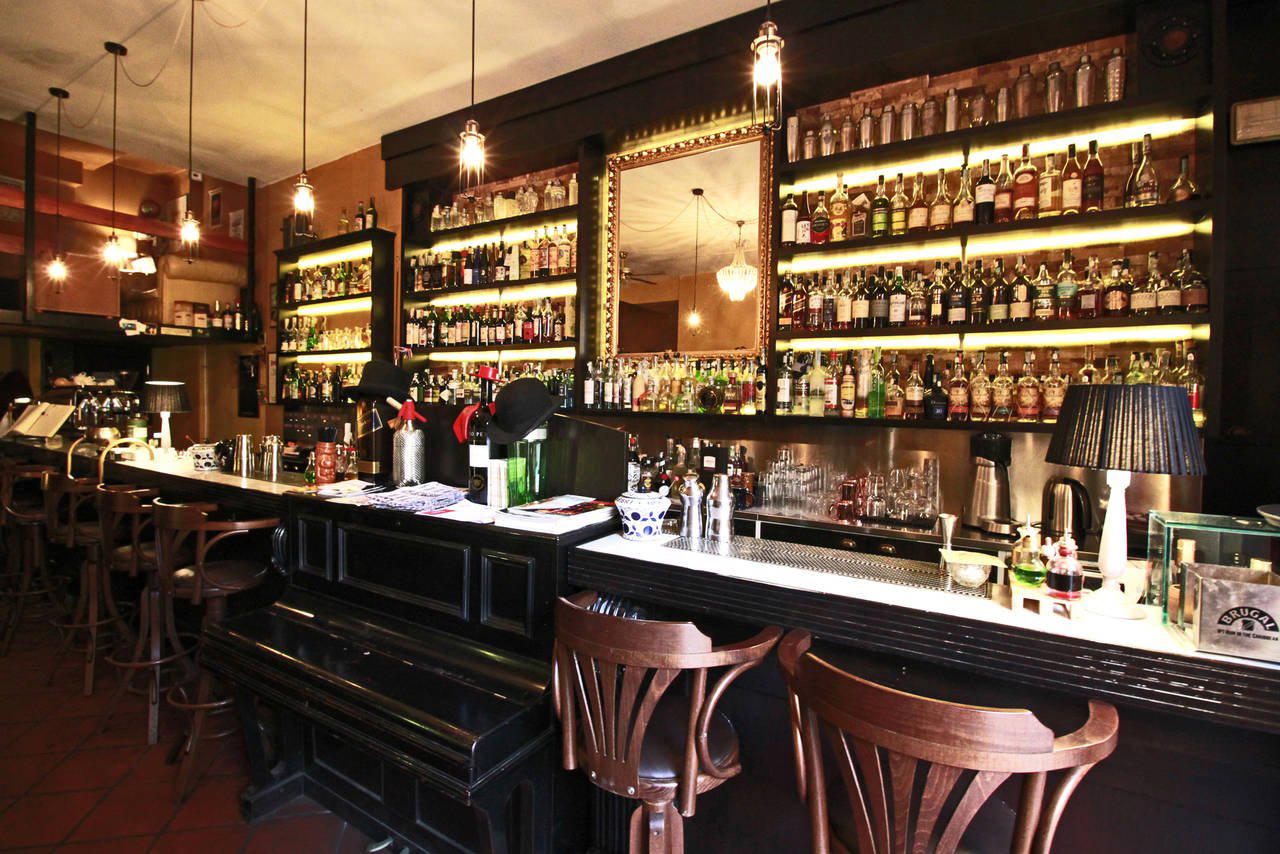
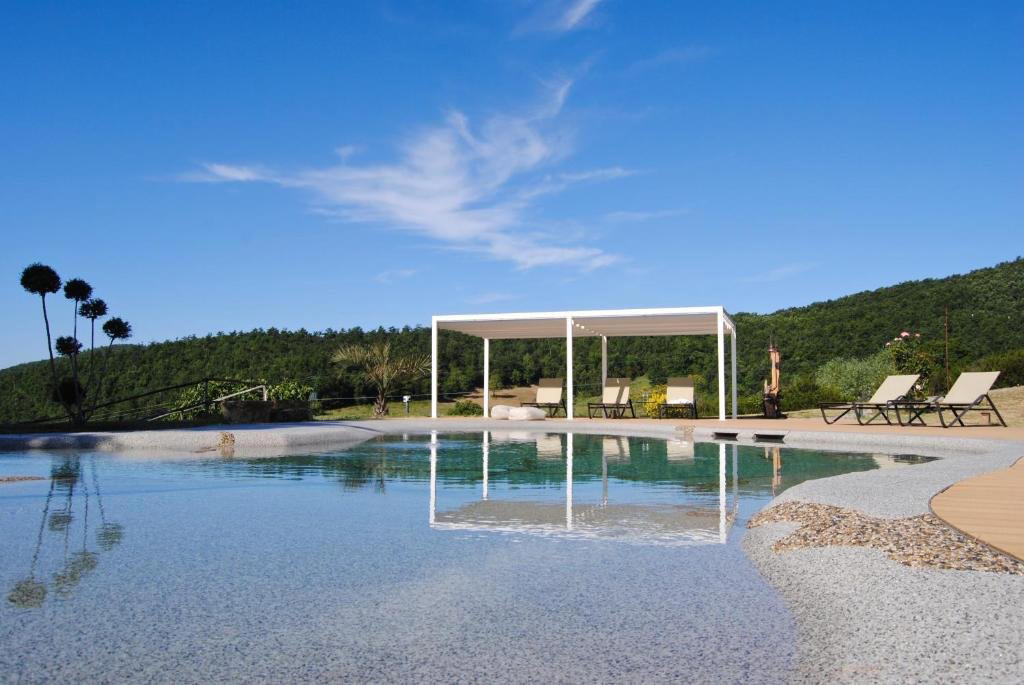
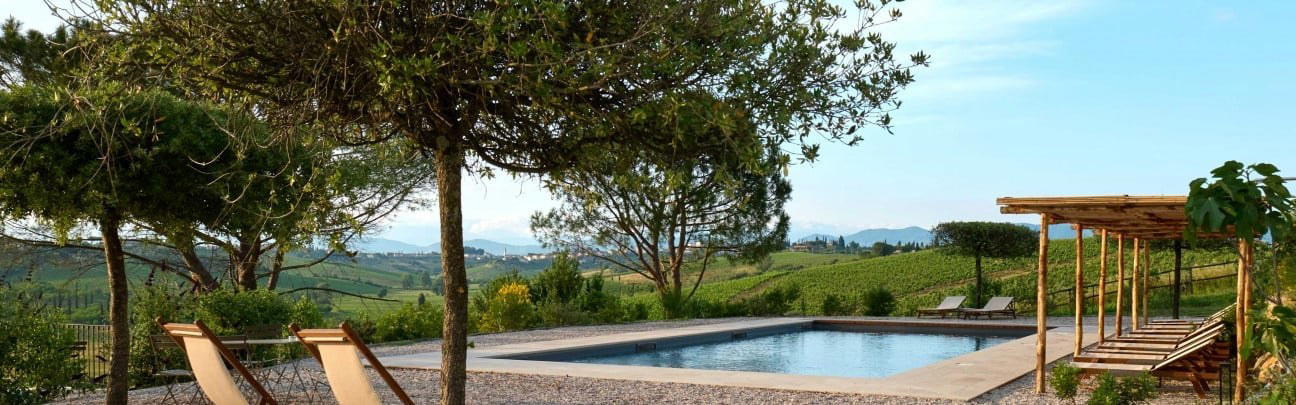
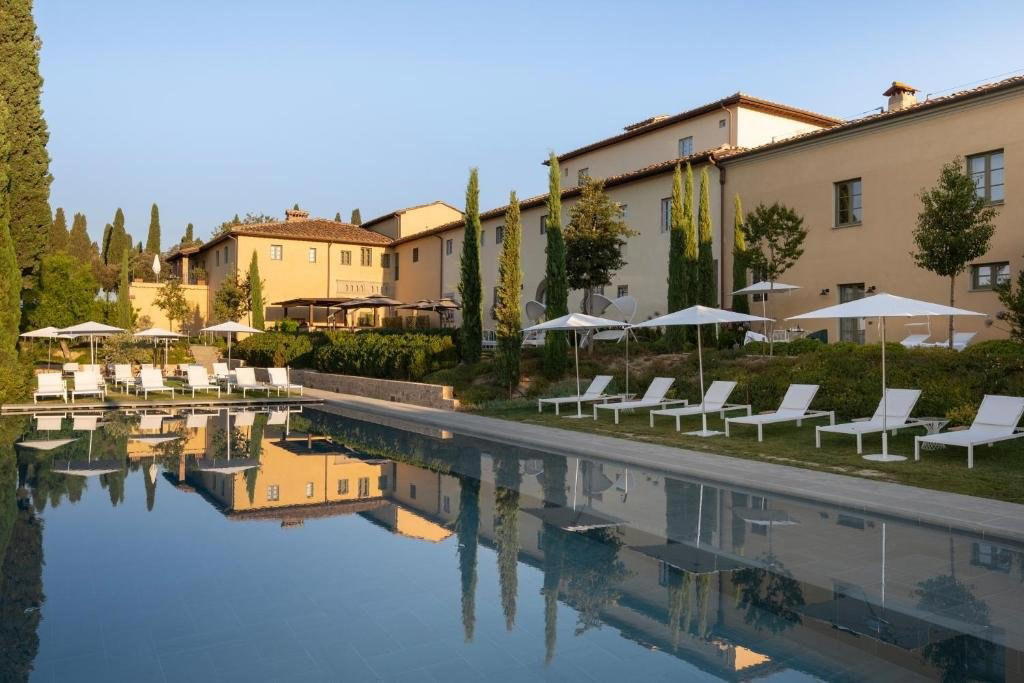
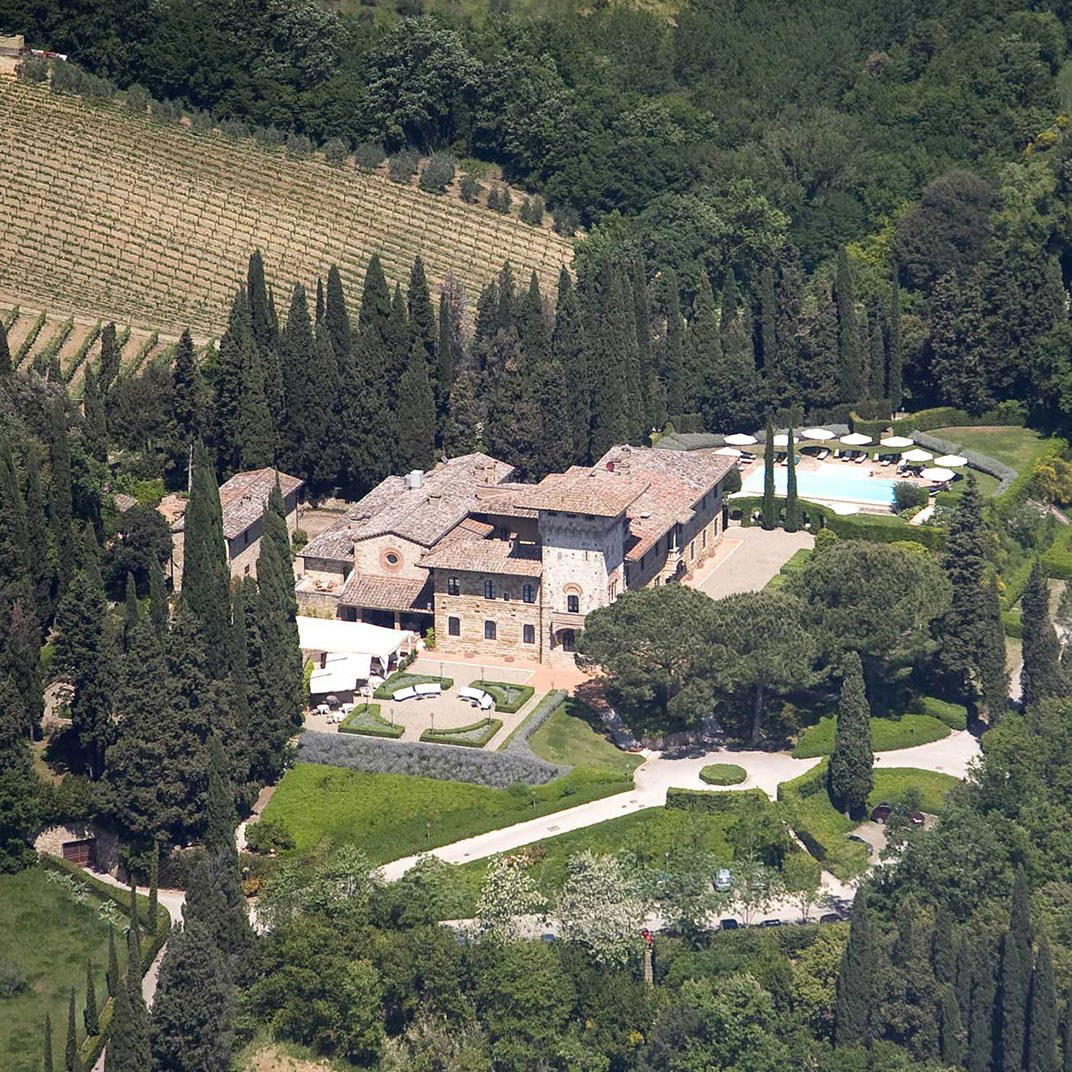
Elegant minimalist decor with open kitchen views, serene vineyard surroundings, and professional attentive service creating a refined and pampered atmosphere.