Distilleria Deta
Distilleria Deta operates from Barberino Tavarnelle in the heart of Chianti Classico. The distillery occupies a category where Italian craft spirits production intersects with the region's deep agricultural traditions, placing it in a comparable set defined by provenance, process discipline, and raw-material quality rather than volume output.
Pearl is the En Primeur Club membership app — saves, bookings, and concierge access live there. Same editors, same standards.
- Address
- Str. di Poneta, 2/16, 50028 Barberino Tavarnelle FI
- Phone
- +39 055 807 3173
- Website
- detadistilleria.it
- Directions
- Get directions
 Saves & bookings on Pearl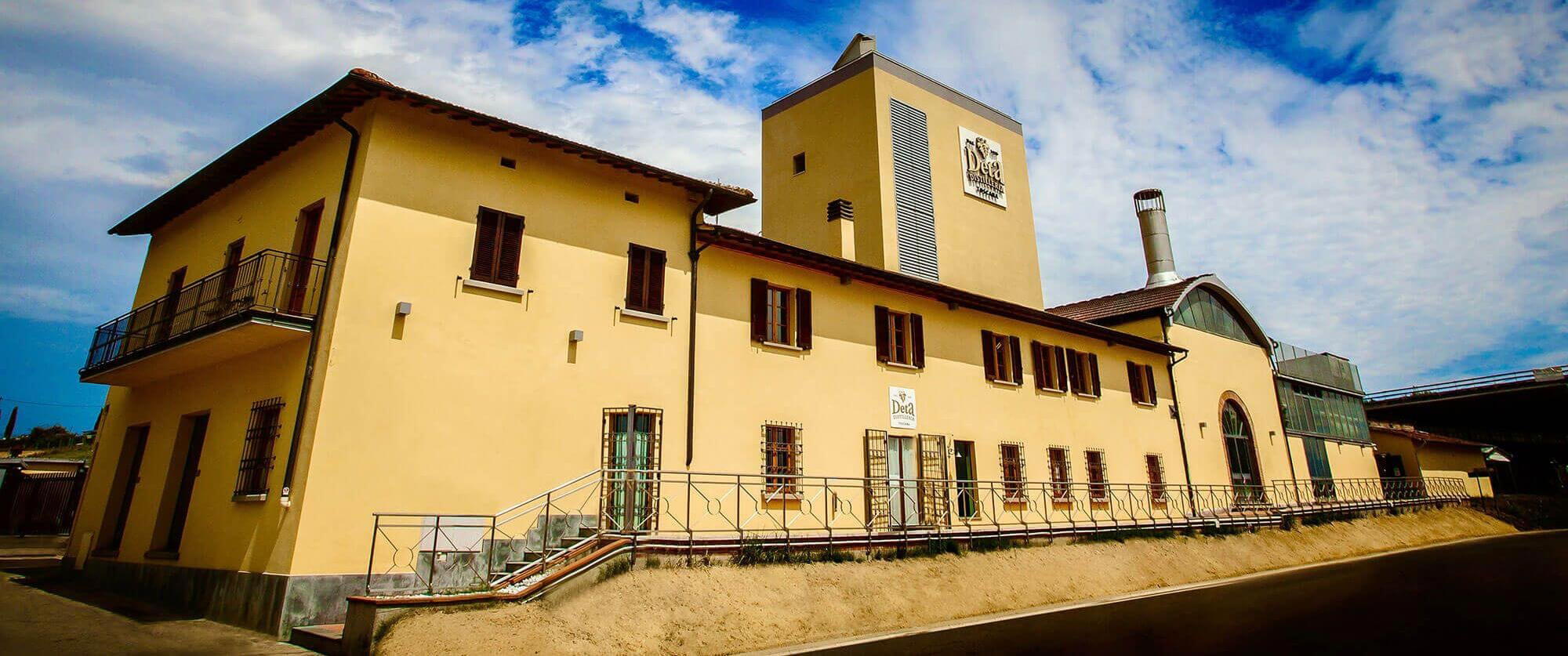
Where Distillation Meets the Chianti Countryside
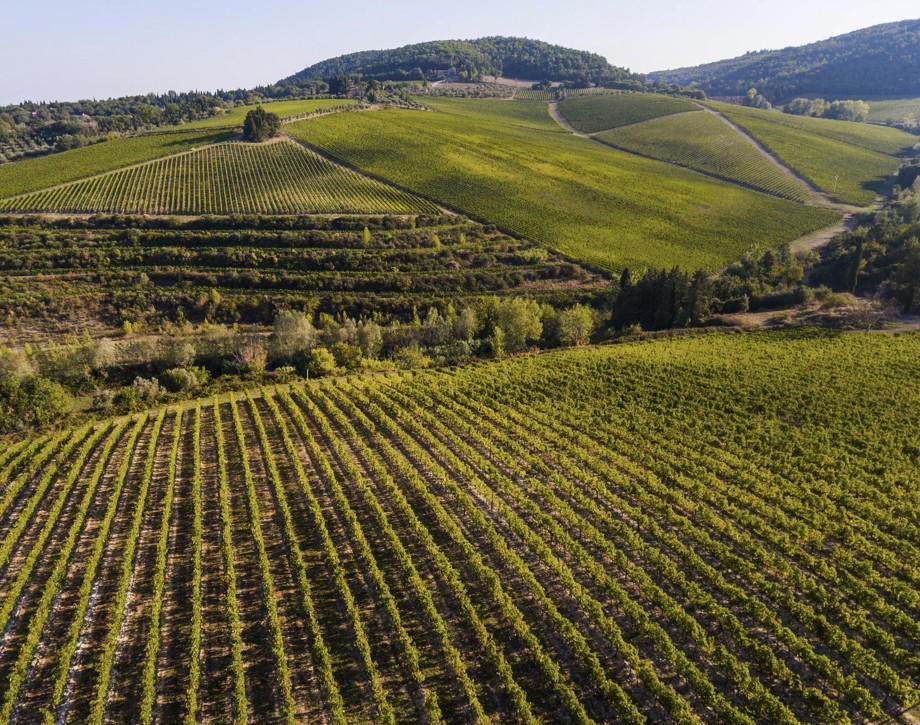
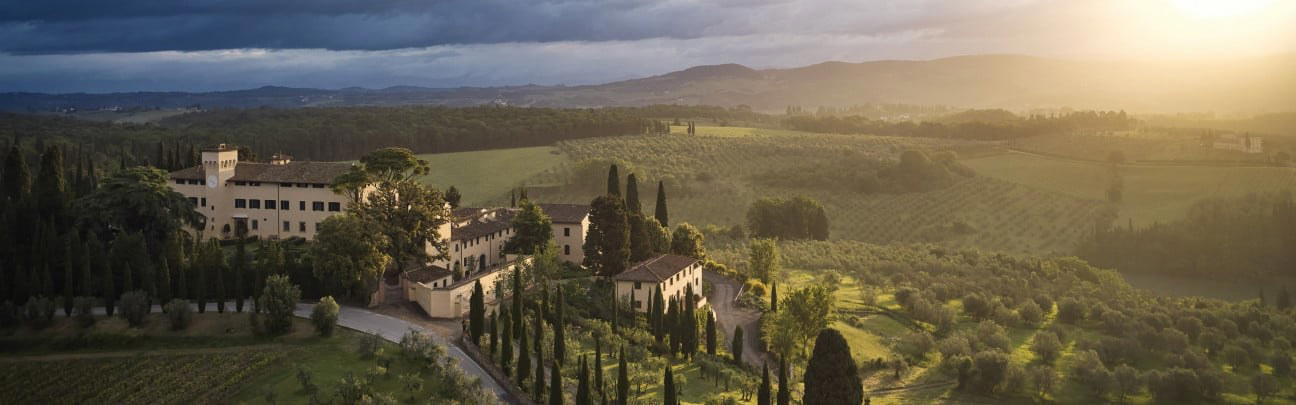
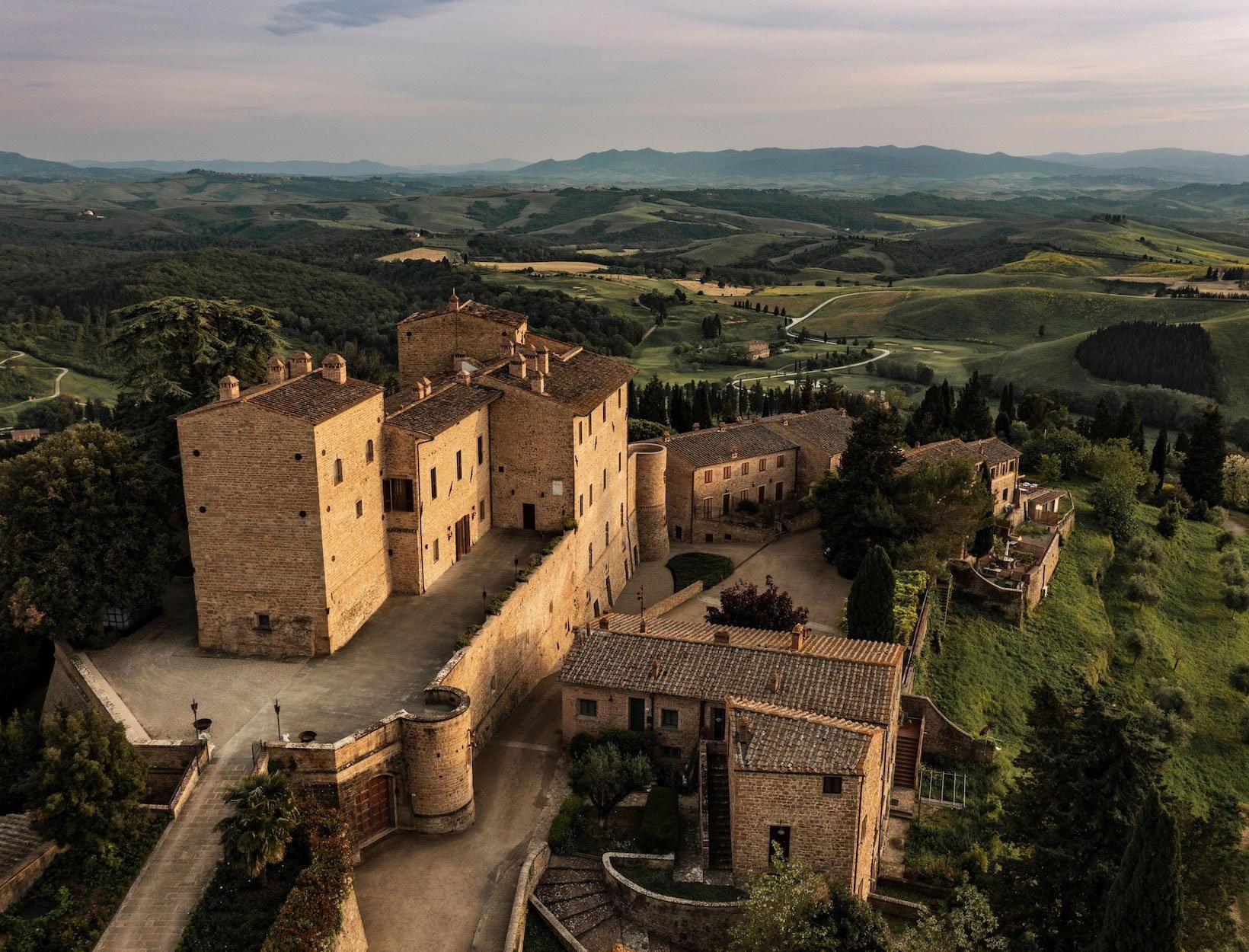
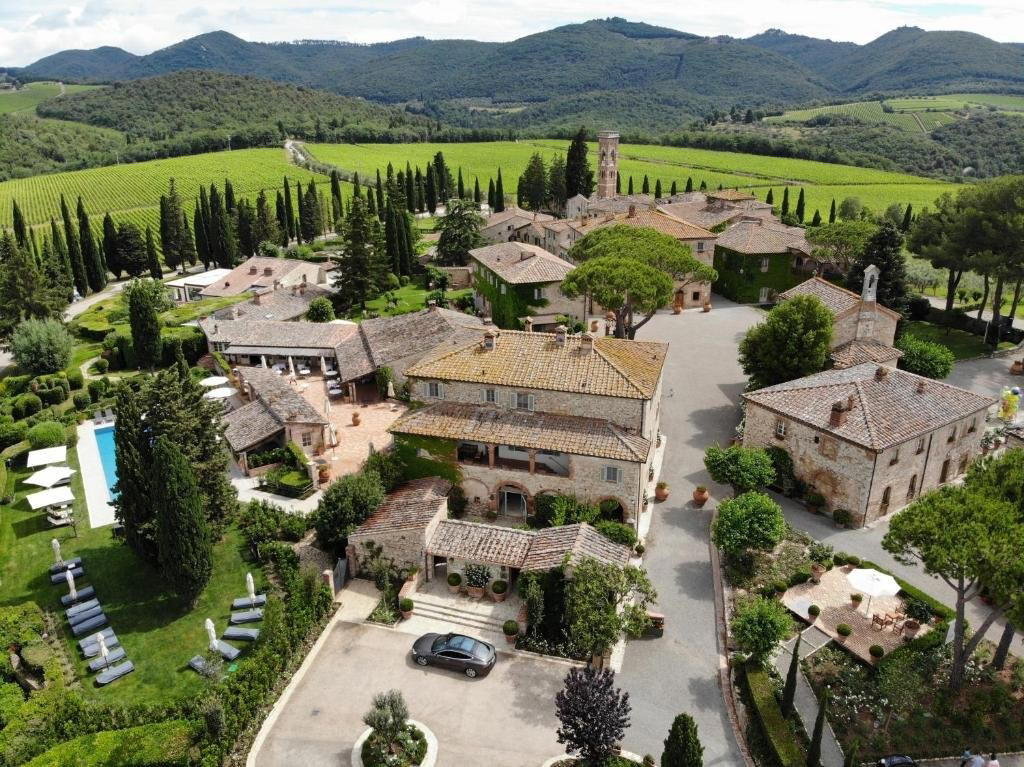
The road to Barberino Tavarnelle runs through one of Tuscany's most intensively cultivated wine corridors. Vineyards press close to the tarmac on both sides, interrupted by olive groves and the occasional stone farmstead. In this context, a distillery is not an anomaly but a continuation of a centuries-old practice: the conversion of what the harvest leaves behind into something altogether different in character and use. Distilleria Deta, at Strada di Poneta 2/16, sits within that agricultural logic, operating in a municipality where the relationship between fermentation and distillation has been understood and practiced for generations.
The Chianti Classico zone has historically concentrated its prestige identity around wine, with producers like Castello di Monsanto and Isole e Olena defining what the area means to international buyers. Spirits production in this zone occupies a quieter register: it is less catalogued, less trophy-driven, and consequently less visited. That relative obscurity has allowed producers to work with a degree of craft freedom that higher-profile categories rarely afford.
In a spirits category where Italian craft distillation is increasingly scrutinised against both domestic and international benchmarks, a Prestige-level award at this level is a meaningful calibration point. It places Deta alongside Italian producers operating at the intersection of regional identity and technical seriousness, a comparable set that includes operations across the country's most respected distilling traditions.
Italian craft distillation has built its modern credibility on a handful of established names. Operations such as Distilleria Marzadro in Nogaredo and Distilleria Romano Levi in Neive established long before the current craft wave that Italian distillation could carry real artistic weight. The Nonino Distillery in Pavia di Udine effectively redefined grappa's international standing across several decades. Deta's 2025 recognition places it in the current generation of producers being evaluated against that accumulated tradition.
Craft Distillation in a Wine-Dominant Region
In regions where viticulture is the primary economic and cultural driver, distilleries tend to occupy one of two positions: they are either deeply integrated into the winemaking supply chain, working with estate pomace and surplus must, or they operate as separate craft ventures that draw on the surrounding agricultural identity without direct dependency on wine production. The distinction matters because it shapes both raw material access and the philosophical framework the producer applies to their output.
Barberino Tavarnelle's position within the broader Florentine hills places it adjacent to some of Tuscany's most structured agricultural output. The Castello di Volpaia in Radda in Chianti represents the kind of estate-integrated approach where viticulture and other production traditions reinforce each other across the same landholding. For a distillery operating in this zone, the implicit standard set by wine producers of that calibre creates both a credibility context and a quality expectation. The agricultural seriousness of the region is not incidental background but an active frame through which visitors and evaluators read any producer working here.
Across Italy more broadly, particularly respected distillers share a common characteristic: they treat raw material provenance as the primary determinant of quality, with technique applied in service of that material rather than in spite of it. The Lungarotti operation in Torgiano and the scale achieved by Planeta in Menfi both illustrate how regional agricultural identity, when taken seriously, translates into products that carry a sense of place. That same logic applies to distillation at the craft end of the spectrum.
The Barberino Tavarnelle Context for Visitors
Barberino Tavarnelle is a merged municipality, formed in 2019 from the union of Barberino Val d'Elsa and Tavarnelle Val di Pesa. The combined area covers a substantial stretch of the Chianti Classico production zone and sits roughly midway between Florence and Siena on the Via Chiantigiana corridor. For visitors making the circuit of Florentine hill producers, it falls naturally into a two-to-three day itinerary that might also include estates in Montalcino and the broader Chianti region. The area's wine tourism infrastructure is mature: tasting rooms are well-established, accommodation ranges from agriturismo to high-end villa rentals, and the roads between producers are navigable without specialist local knowledge.
What the area offers a spirits-focused visitor is a less-trodden circuit alongside the more familiar wine route. Distilleries like Deta are not the primary draw for most visitors arriving in this zone, which means encounters with them carry a different quality of attention from both sides. The pace is quieter, the context more agricultural, and the conversation around the product tends to be more technically grounded than the wine tourism experience, where volume and format have been optimised for a broader audience. For a comparative reference point from further afield, the approach taken by Ca' del Bosco in Erbusco or the historical weight carried by Campari in Milan illustrates how Italian producers across different spirits and wine categories have built prestige through consistent production philosophy rather than through scale alone.
Placing Deta in the Wider Italian Spirits Conversation
Italian craft spirits exist along a spectrum that runs from the highly traditional, where established houses in Piedmont and Friuli define the reference points, to newer production ventures that draw on regional agricultural identity to create products outside the canonical categories. The Langhe, with producers such as Aldo Conterno in Monforte d'Alba, illustrates how deeply a region can anchor its identity in a single agricultural tradition. Tuscany's relationship with distillation has always been more diffuse, distributed across the winemaking estates rather than concentrated in dedicated distillery clusters.
In that context, a standalone distillery operating within the Chianti Classico zone and earning recognised prestige credentials occupies a specific and somewhat unusual position. It is not drawing primarily on a distilling tradition inherited from a concentrated industrial or artisanal history, as the grappa houses of the Veneto or Friuli do. Instead, it operates within a wine-agricultural matrix where the raw material quality is high by default and the craft framework is applied to convert that quality into a different product category. The Accendo Cellars model in St. Helena offers a useful parallel from a different country: a small-production operation working in a prestige agricultural zone where the ambient quality standard shapes the producer's approach as much as any deliberate strategy.
Planning a Visit
Distilleria Deta is located at Strada di Poneta 2/16 in the Barberino Tavarnelle municipality, Florence province. Advance contact before visiting is advisable. The zone is most accessible by car from Florence, which lies roughly 25 kilometres to the north. Spring and autumn are particularly practical seasons for visiting the Chianti Classico corridor: harvest period in September and October brings the highest concentration of activity across wine and spirits producers alike, though it also compresses availability at smaller operations that receive more requests during those months.
Frequently Asked Questions
What is Distilleria Deta known for?
Distilleria Deta is a craft spirits producer based in Barberino Tavarnelle, within the Chianti Classico zone of Tuscany. Its location in one of Italy's most established wine-agricultural areas shapes the provenance context for its production.
What should I taste at Distilleria Deta?
The 2025 Prestige recognition provides confidence in the production standard; the specific expression worth prioritising will depend on current availability and the season of your visit.
Pricing, Compared
Comparable venues nearby, for context on price, style, and recognition.
| Venue | Cuisine | Price | Notes |
|---|---|---|---|
| Distilleria DetaThis venue — the venue you are viewing | Not listed | $$ | Not listed |
| Isole e Olena | Not listed | $$$ | San Donato in Poggio, Sangiovese, Canaiolo |
| Castello di Monsanto | Not listed | $$$ | San Donato in Poggio, Sangiovese, Canaiolo |
| Distilleria Caselli | Sassuolo, Lambrusco, Trebbiano | $$ | Not listed |
| Sabatini Gin | Teccognano, Cortona | $$$ | Not listed |
| Distilleria Marzadro | Nogaredo, Teroldego, Marzemino | $$ | Not listed |
Continue exploring
More in Barberino Tavarnelle
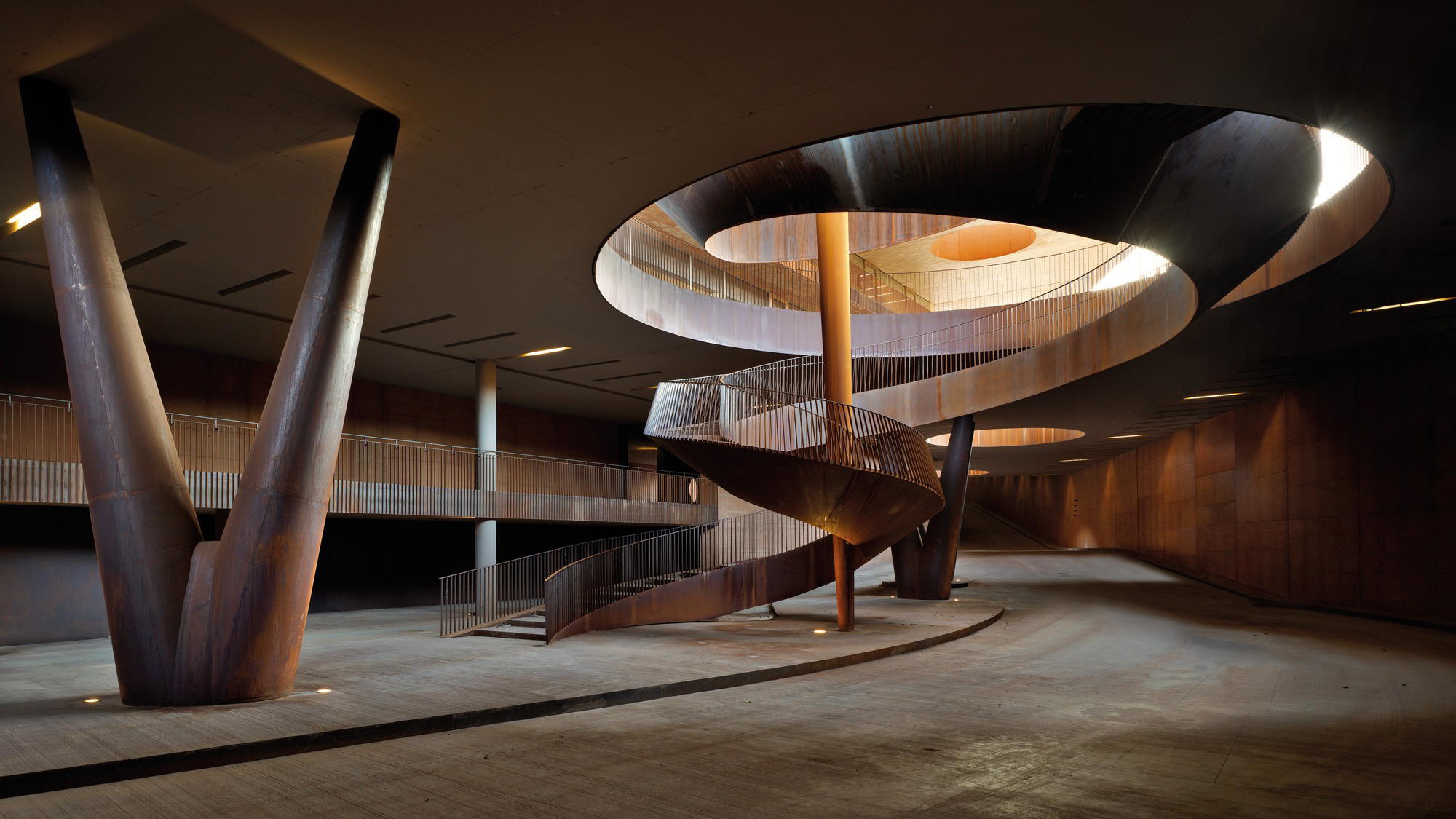
Wineries in Barberino Tavarnelle
Browse all →
Bars in Barberino Tavarnelle
Browse all →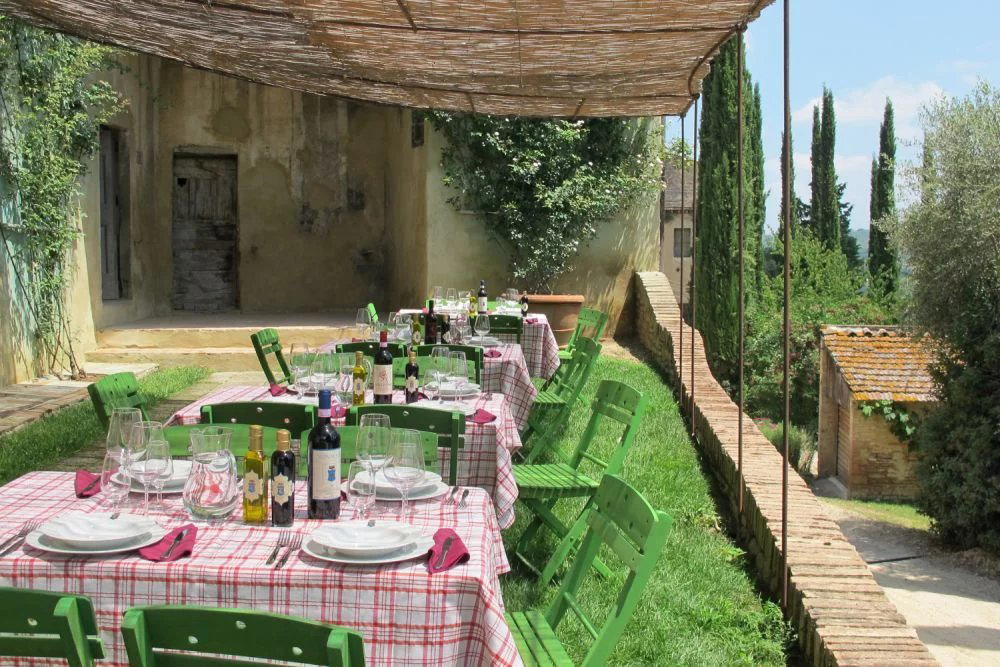
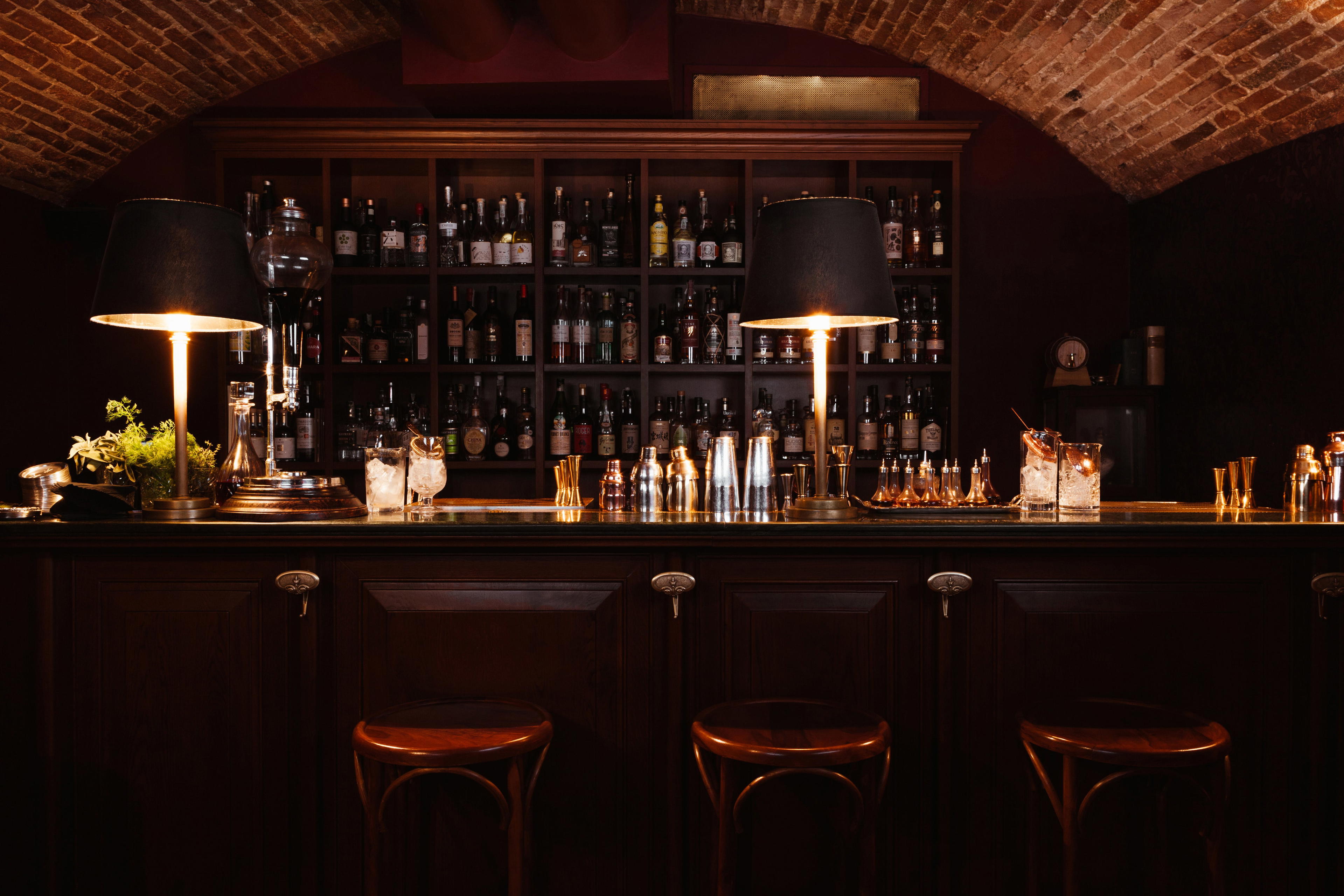
Restaurants in Barberino Tavarnelle
Browse all →
At a Glance
- Rustic
- Classic
- Wine Education
- Estate Grounds
- Sustainable
- Vineyard
- Chianti Classico
- Sangiovese
- Canaiolo
- Grappa Tasting