

In the storied heart of Vinci, Atman channels the spirit of Renaissance ingenuity into a singular, ever-evolving tasting menu by chef Marco Cahssai. Here, market-driven seasonality becomes a canvas for precise technique and sensory depth, think spaghetti with five expressions of tomato served cool to heighten aromatic clarity, or lacquered pigeon glazed to a lustrous succulence and brightened by plums. With attentive wine pairings curated to harmonize the menu’s dynamic contrasts, Atman offers a quietly exclusive dining experience where creativity and balance converge, enticing informed travelers seeking Tuscany’s most refined culinary artistry.
Pearl is the En Primeur Club membership app — saves, bookings, and concierge access live there. Same editors, same standards.
- Address
- Via IV Novembre, 20, 50059 Vinci FI, Italy
- Phone
- +39 0573 803432
- Website
- laliste.com
- Directions
- Get directions
 Saves & bookings on Pearl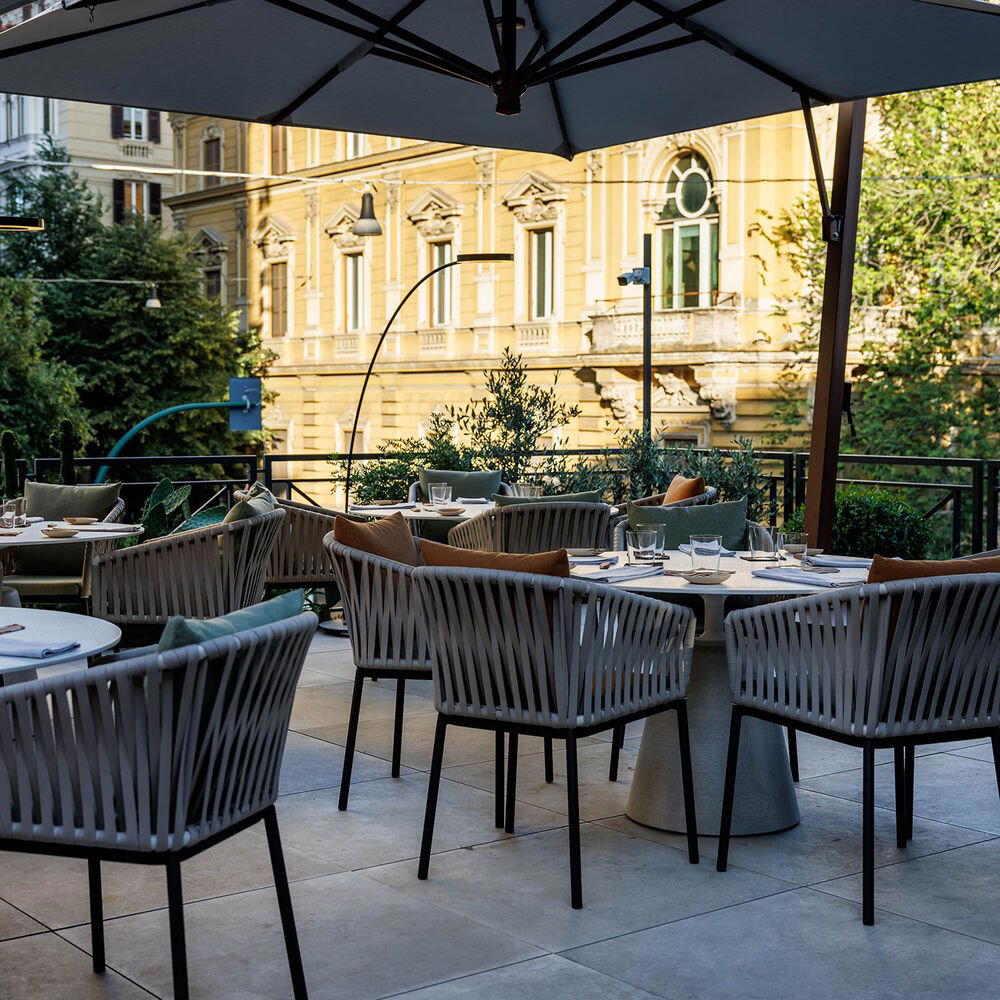
A Village That Earns Two Kinds of Pilgrimage
Vinci sits in the Tuscan hills west of Florence, compact enough to walk across in twenty minutes, its stone streets angled toward a hilltop castle that houses the museum dedicated to its most famous son. Visitors have been arriving for Leonardo for centuries. In more recent years, a second reason has taken shape in the village centre: a Michelin-starred restaurant, Atman, drawing diners who make the drive specifically for the table rather than the museum. The two draws now coexist without either diminishing the other, and for a certain kind of traveller that combination, cultural monument and serious kitchen in one small hilltop town, is the whole point of the detour.
What Seasonal Sourcing Means at This Level
Italy has long claimed seasonal cooking as a national value, but the claim covers a wide range of practices. At the entry tier, seasonality often means a menu that shifts quarterly and follows broad produce calendars. At the level where Atman operates, it means something more demanding: a tasting menu that changes in response to market availability, week by week, so that the kitchen is not selecting from a seasonal category but from what is actually ready, in peak condition, on a given day. That discipline narrows the gap between field and plate, and it also imposes real constraints on the kitchen, which cannot fall back on a fixed menu when a particular ingredient is unavailable or past its moment.
The La Liste recognition references dishes that illustrate this approach directly. A spaghetti preparation using five types of tomato, served cold to let the aromatic seasoning register without heat suppressing it, requires not one tomato in season but five varieties simultaneously at their respective peaks. That is a sourcing and timing problem before it is a cooking problem, and the solution requires relationships with producers who can supply varietally specific tomatoes at the right moment rather than commodity quantities at consistent ones. The glazed pigeon served with plums operates on similar logic: the pairing works when both the bird and the stone fruit arrive at the same point in their respective seasons, a window that may be short.
This is the mode of cooking that has defined Italy's more progressive kitchens over the past decade, the same orientation visible in places like Reale in Castel di Sangro and Uliassi in Senigallia, where geography and seasonality are the structural frame, and technique exists to clarify rather than replace the ingredient. Atman operates from a small Tuscan town rather than a headline city, which changes the supplier geography but not the underlying commitment.
The Single Menu and What It Implies
One tasting menu, no alternatives, is a specific and deliberate position in the current Italian restaurant market. It signals that the kitchen is not configuring dishes to individual preference but building a composed sequence that only makes sense as a whole, where the arc of the meal, its pacing, its contrasts, its resolution, is part of the product. It also means that the kitchen's sourcing decisions drive the menu rather than the other way around: if availability changes, the menu responds.
At the three-star level in Italy, places like Dal Pescatore in Runate and Le Calandre in Rubano operate formats that can accommodate broader guest requirements. Atman's single-menu format at the one-star tier places it in a more focused bracket, one where the kitchen's vision takes precedence. For diners who find that arrangement appealing, the lack of a menu to preview in advance is a feature rather than a friction point.
The wine pairing requires particular attention given the intensity and contrast of the dishes. That observation carries practical weight: a menu built around cold tomato preparations, glazed pigeon, and other technique-forward courses creates pairing challenges that a standard regional wine list may not resolve. The recommendation to ask specifically for pairing guidance suggests the list has been curated with the menu's particular contrasts in mind rather than assembled as a general Tuscan selection. Comparable creative Italian kitchens, including Piazza Duomo in Alba and Osteria Francescana in Modena, have built wine programs that function as a second layer of editorial judgment, and the pairing recommendation here points in the same direction.
Vinci as a Restaurant Destination
Small-town creative restaurants have become a recognisable category in Italian dining, partly because property costs outside major cities allow kitchens to invest in produce and equipment rather than rent, and partly because isolation from competitive urban noise can sharpen a kitchen's sense of its own direction. The model recurs across Italy: Reale in Castel di Sangro operates from a former convent in Abruzzo; Quattro Passi in Marina del Cantone draws from a small coastal village on the Amalfi peninsula. Vinci fits this pattern: a town of fewer than fifteen thousand residents, well outside the Florence restaurant circuit, where a kitchen of this ambition operates on its own terms without competing for the same foot traffic as the city's dining strip.
For diners travelling from Florence, Vinci is roughly forty kilometres west, a drive of under an hour that moves through the Arno Valley and into the lower Apennine foothills. The Leonardo da Vinci birthplace museum, a short walk from the restaurant's address on Via IV Novembre, provides a logical structure for the day: museum in the afternoon, dinner in the evening, with the town small enough that no further navigation is required between the two. For those arriving from further afield, accommodation options in Vinci allow the evening to finish without a late-night return drive. The broader region offers wine producers worth visiting, and the Montalbano hills directly north of the town have their own denomination and character distinct from the better-known Chianti zones to the south.
Planning the Visit
Atman opens Thursday through Saturday, 7:30 to 10:30 PM, with Monday, Tuesday, Wednesday, and Sunday closed. The four-evening-per-week schedule is consistent with a kitchen running a single, produce-dependent tasting menu: fewer services allow tighter sourcing and preparation cycles. Diners travelling specifically for the restaurant should account for this schedule early, as the weekend slots are in demand. The price range sits at four euros signs out of four, placing it at the upper end of the market while operating at a level of ambition and recognition that the Michelin star confirms. For context on similar creative formats at comparable price points across Europe, Alléno Paris au Pavillon Ledoyen and Arpège in Paris represent the upper range of what the creative tasting menu format reaches when the price tier rises further.
In Context: Similar Options
Comparable venues nearby, for context on price, style, and recognition.
| Venue | Cuisine | Price | Awards | Notes |
|---|---|---|---|---|
| AtmanThis venue — the venue you are viewing | Modern Italian Fine Dining | $$$$ | Michelin 1 Star | Not listed |
| Butterfly | Modern Italian Fine Dining | $$$$ | Michelin 1 Star | Marlia |
| Iacobucci | Italian Contemporary | $$$$ | Michelin 1 Star | Villa Zarri |
| Bistrot | Modern Italian Seafood Bistro | $$$$ | Michelin 1 Star | Forte dei Marmi |
| Aqua Crua | Creative Contemporary Italian | $$$$ | Michelin 1 Star | Barbarano Vicentino |
| Il Poggio Rosso | Modern Mediterranean with Tuscan & Greek Influences | $$$$ | Michelin 1 Star | Castelnuovo Berardenga |
Recognition history
Dated appearances from independent guides and award organizations, with the underlying list record or original source where available.
La Liste Top Restaurants
La Liste
Michelin 1 Star
Michelin
La Liste Top Restaurants
La Liste
Michelin 1 Star
Michelin
Michelin 1 Star
Michelin
Continue exploring
More in Vinci
Restaurants in Vinci
Browse all →
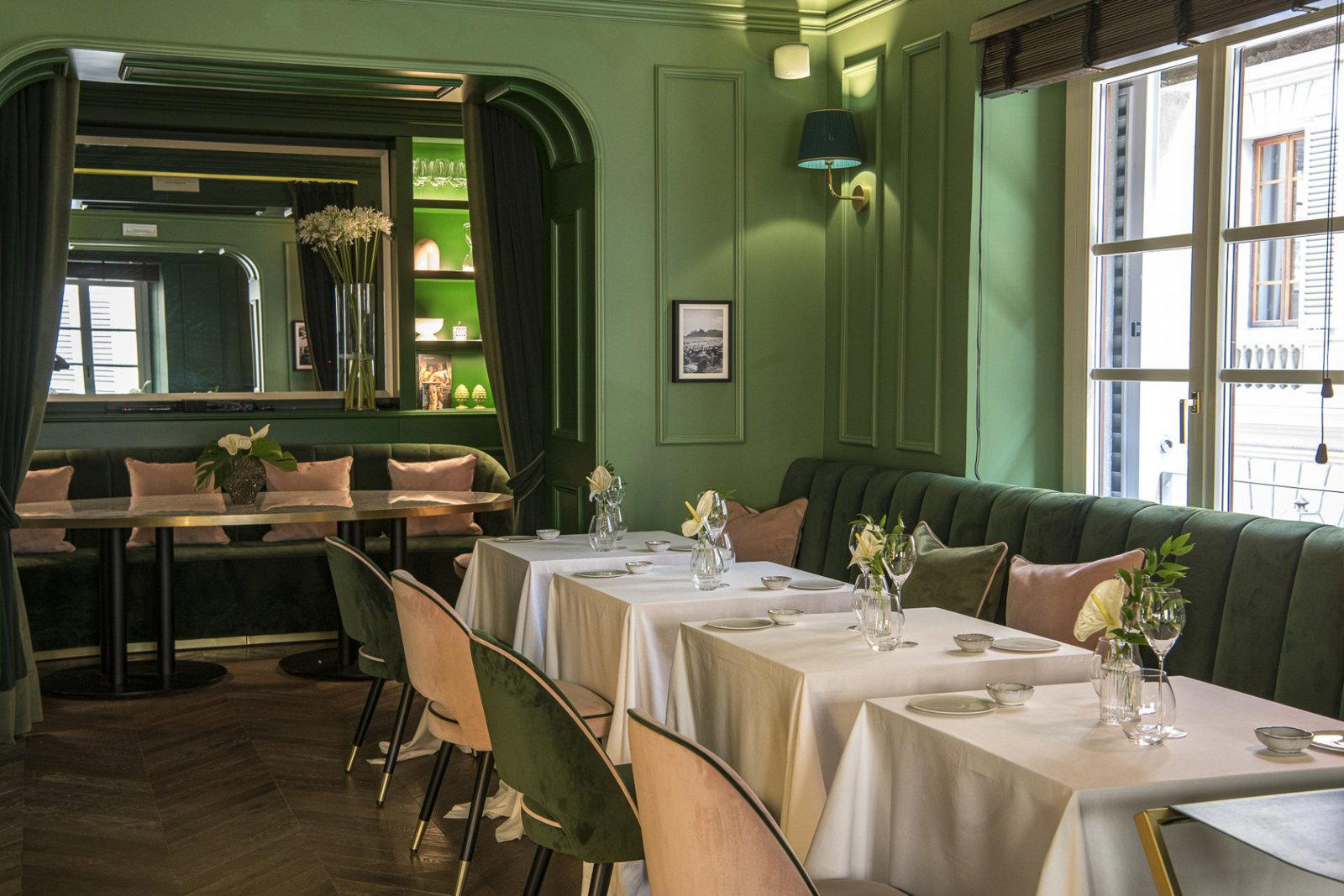
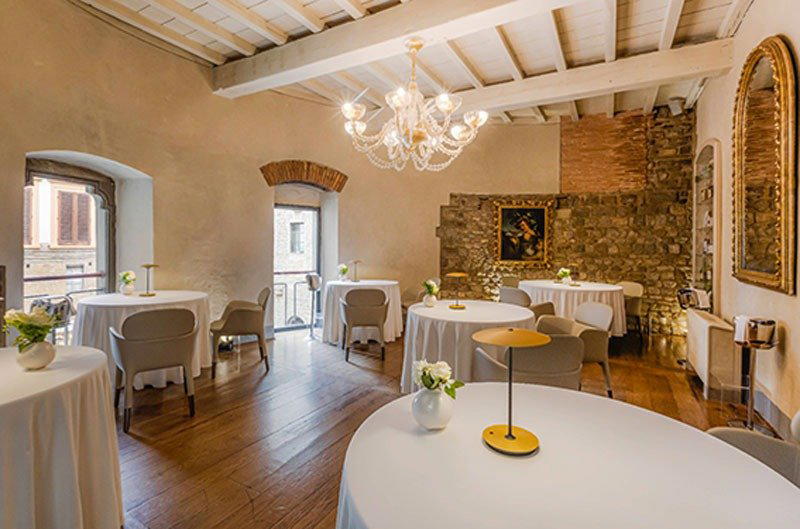
Bars in Vinci
Browse all →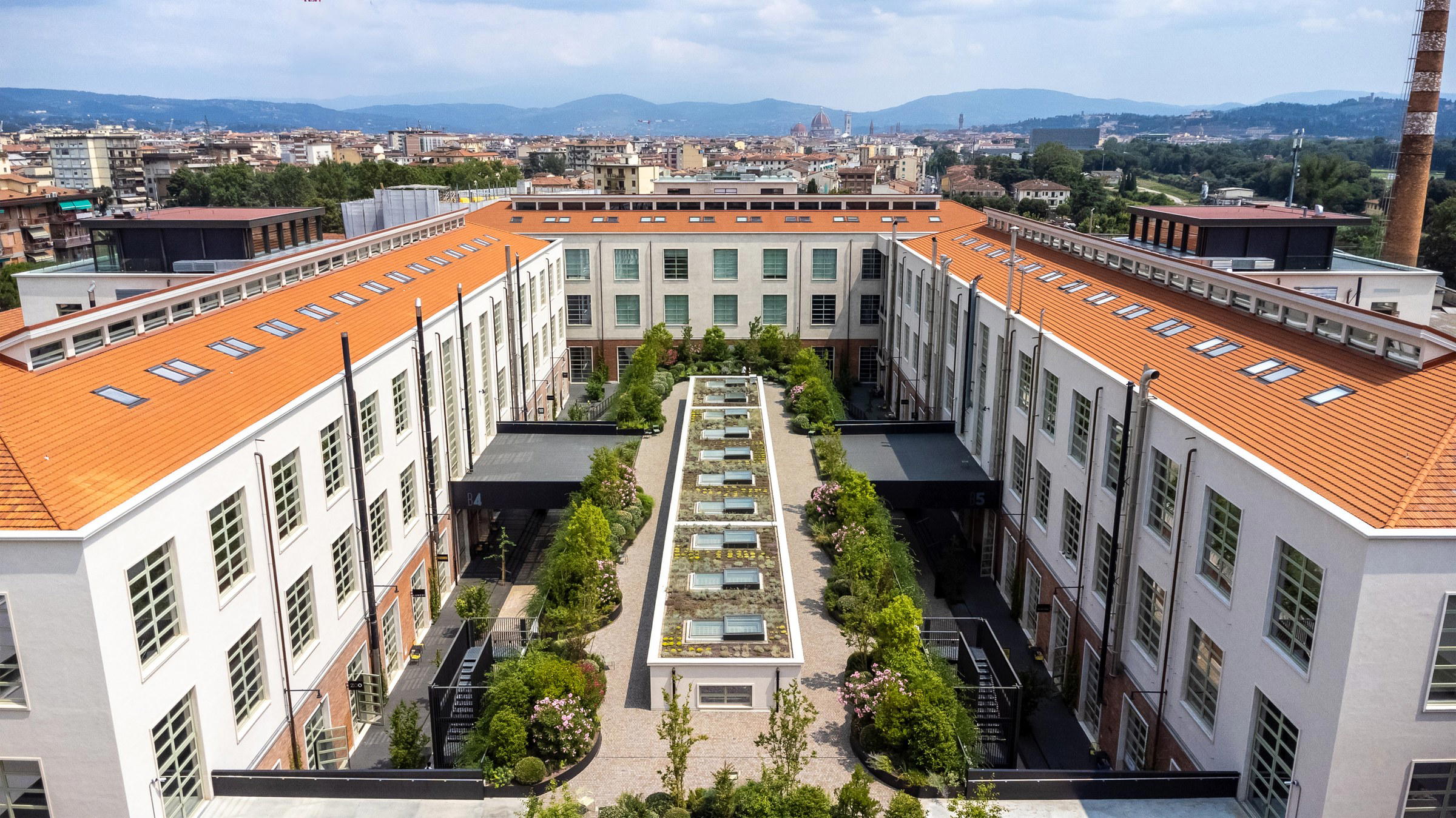
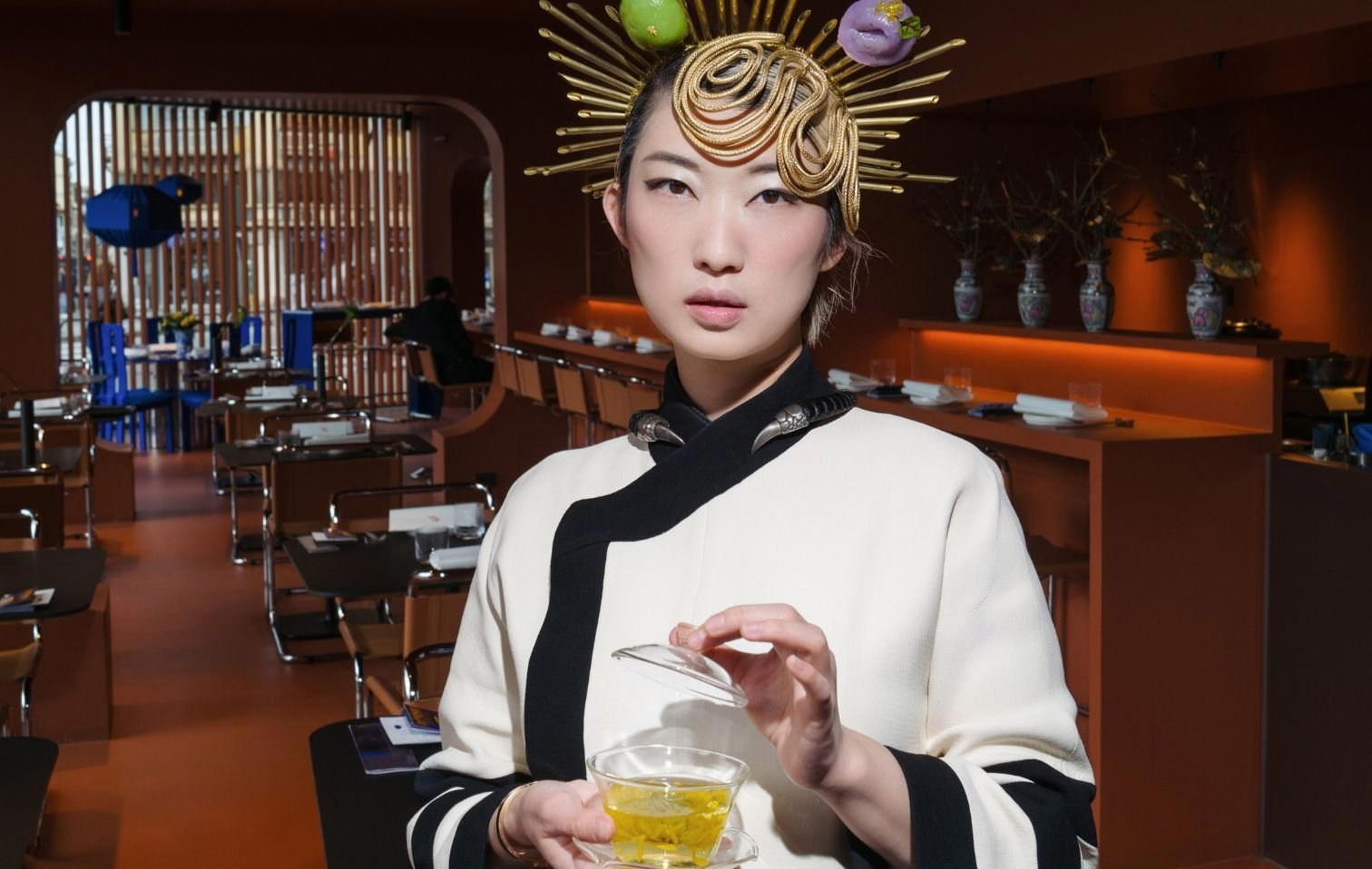
Hotels in Vinci
Browse all →

At a Glance
- Elegant
- Sophisticated
- Intimate
- Modern
- Special Occasion
- Date Night
- Celebration
- Open Kitchen
- Extensive Wine List
- Sommelier Led
- Local Sourcing
Current opening hours
- Monday
- Closed
- Tuesday
- Closed
- Wednesday
- Closed
- Thursday
- 7:30–10:30 PM
- Friday
- 7:30–10:30 PM
- Saturday
- 7:30–10:30 PM
- Sunday
- Closed
Hours can change for holidays and private events. Last verified .
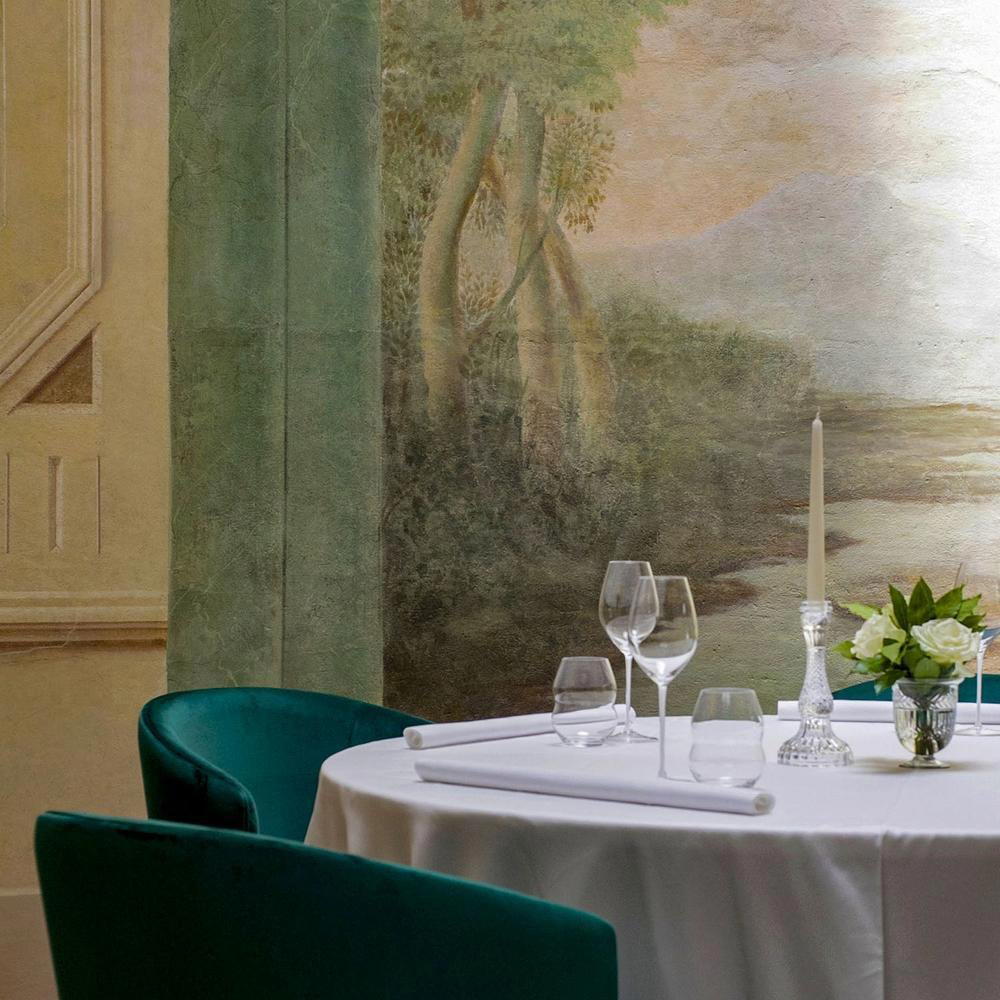
Ultra-contemporary basement setting in a historic villa with rustic elegance, beautiful frescoes, and a serene, intimate atmosphere.