Villa Petriolo



A restored Renaissance estate in the Tuscan hills outside Cerreto Guidi, Villa Petriolo operates as both a working farm and a 42-room retreat. Its Michelin Green Star restaurant draws on the estate's own harvest, while three dining spaces, a sustainable pool, and gardens set across honey-coloured agricultural buildings make it one of the more grounded propositions in the Tuscan countryside.
Pearl is the En Primeur Club membership app — saves, bookings, and concierge access live there. Same editors, same standards.
- Address
- V. di Petriolo, 7, 50050 Cerreto Guidi FI
- Phone
- +39 0571 177 1225
- Website
- villapetriolotuscany.com
- Directions
- Get directions
 Saves & bookings on Pearl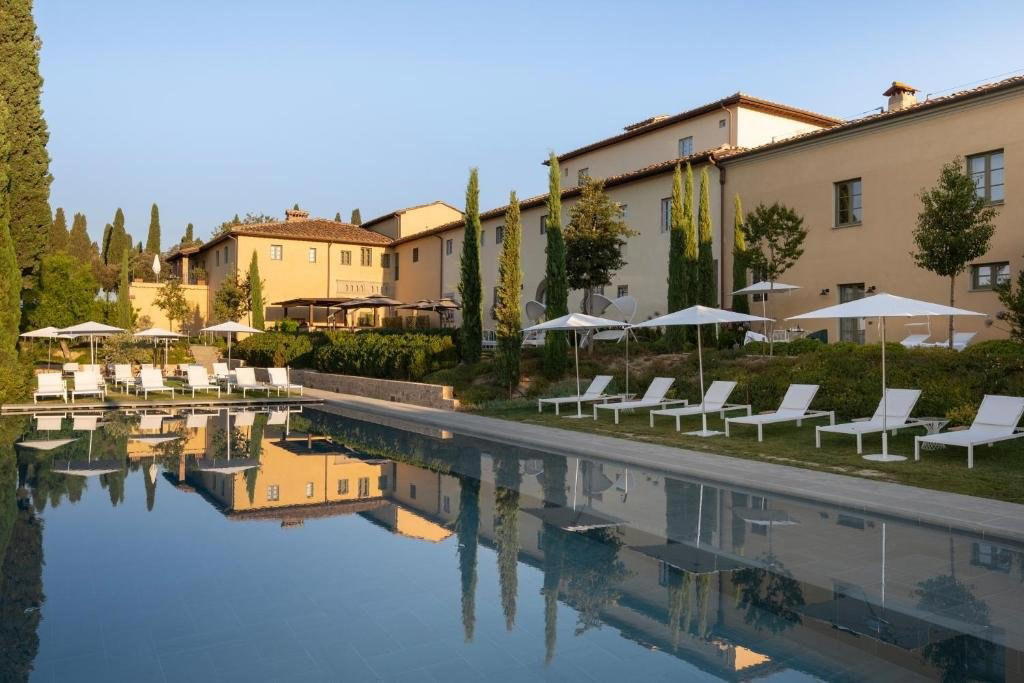
Stone, Soil, and the Shape of a Tuscan Estate
The approach to Villa Petriolo prepares you for what the property insists upon: that landscape and architecture are not backdrop but material. The estate sits in the rolling countryside outside Cerreto Guidi, a small Florentine commune in the Empolese Valdelsa area, where the hills fold in the particular way that has defined Tuscan visual identity for centuries. The buildings are honey-coloured, as farmhouses and noble residences in this zone reliably are, and the ensemble of former agricultural structures reads less like a hotel compound than like a hamlet that has found a second, more considered life. That reading is not accidental.
In a period when Tuscan accommodation has split sharply between large-format resort developments and intimate design-led properties, Villa Petriolo belongs to a third, less common category: the restored working estate. The 42 rooms and suites are distributed across what were once the functional buildings of a noble residence, granaries, farmworkers' quarters, hillside villas, and the conversion has preserved enough structural evidence of those earlier uses to give the property an architectural honesty that more aggressively decorated competitors in the region often sacrifice. For context on how Italian countryside estates of comparable ambition handle the conversion question differently, the approach at Castello di Reschio in Lisciano Niccone or Rosewood Castiglion Del Bosco in Montalcino offers instructive points of comparison.
Architecture as Argument
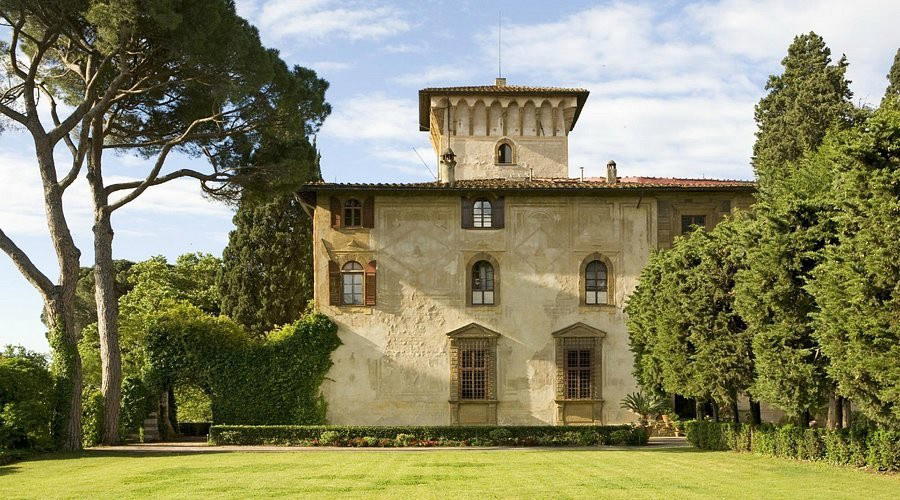
Renaissance estate architecture in Tuscany was always practical before it was decorative. The proportions of storage buildings, the placement of structures relative to sun and slope, the thickness of stone walls: all of these were agricultural decisions first. What separates genuinely restored estates from those that use the vocabulary of restoration as aesthetic cover is whether those decisions remain legible in the finished building. At Villa Petriolo, the layout of accommodation across former agricultural structures means that spatial variety is baked in. No two room types occupy the same architectural situation, and the hierarchy of spaces, from the main villa to the outlying buildings, carries traces of its original social logic.
The gardens and grounds reinforce the argument. In an estate context, gardens are not amenity but extension of the property's agricultural identity, and Villa Petriolo's grounds function accordingly: spaces for meditation and slow movement rather than programmed activity. The swimming pool sits within the sustainable framework that runs across the entire property, a commitment that earned the restaurant a Michelin Green Star, the guide's designation for operations with a demonstrable environmental program. That credential places the hotel in a small group of Italian properties where sustainability is structural rather than decorative. Among Italian properties where the environmental commitment is woven into the architectural and agricultural fabric from the outset, the hotel's positioning is substantive rather than superficial.
Three Tables, One Farm
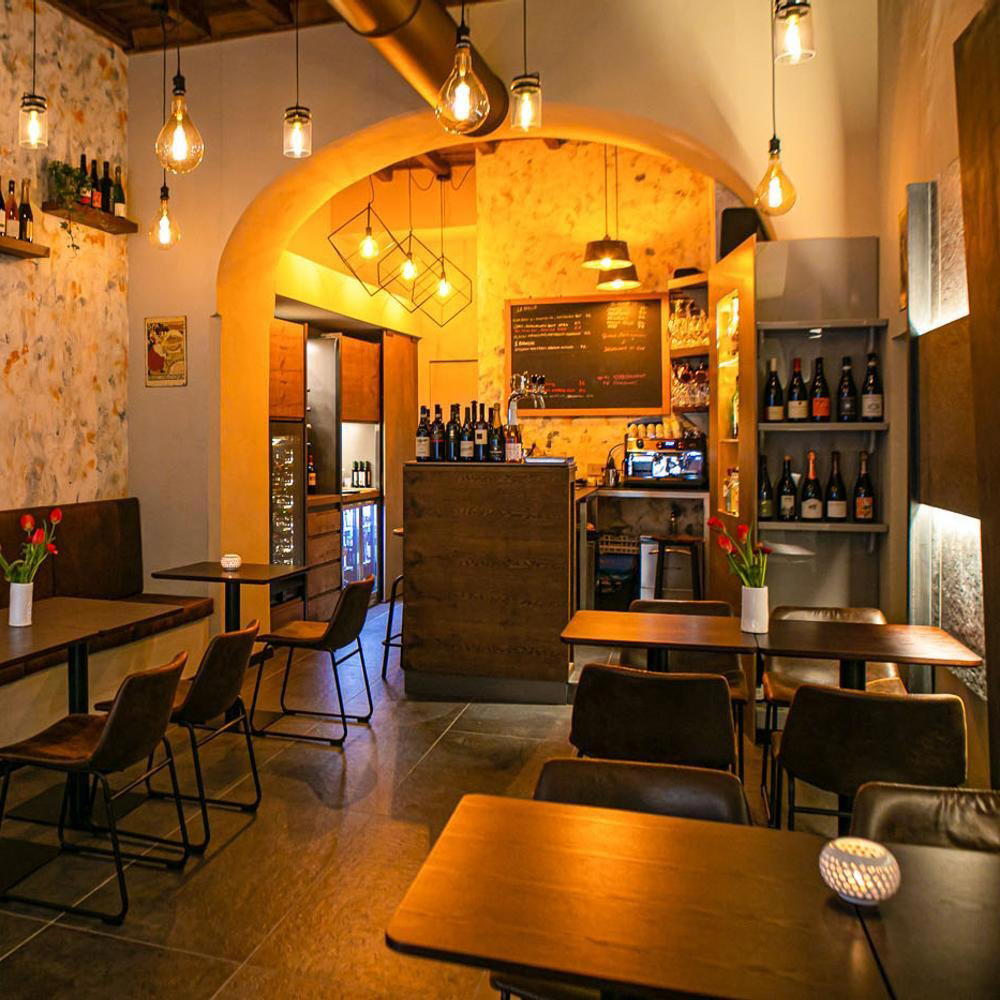
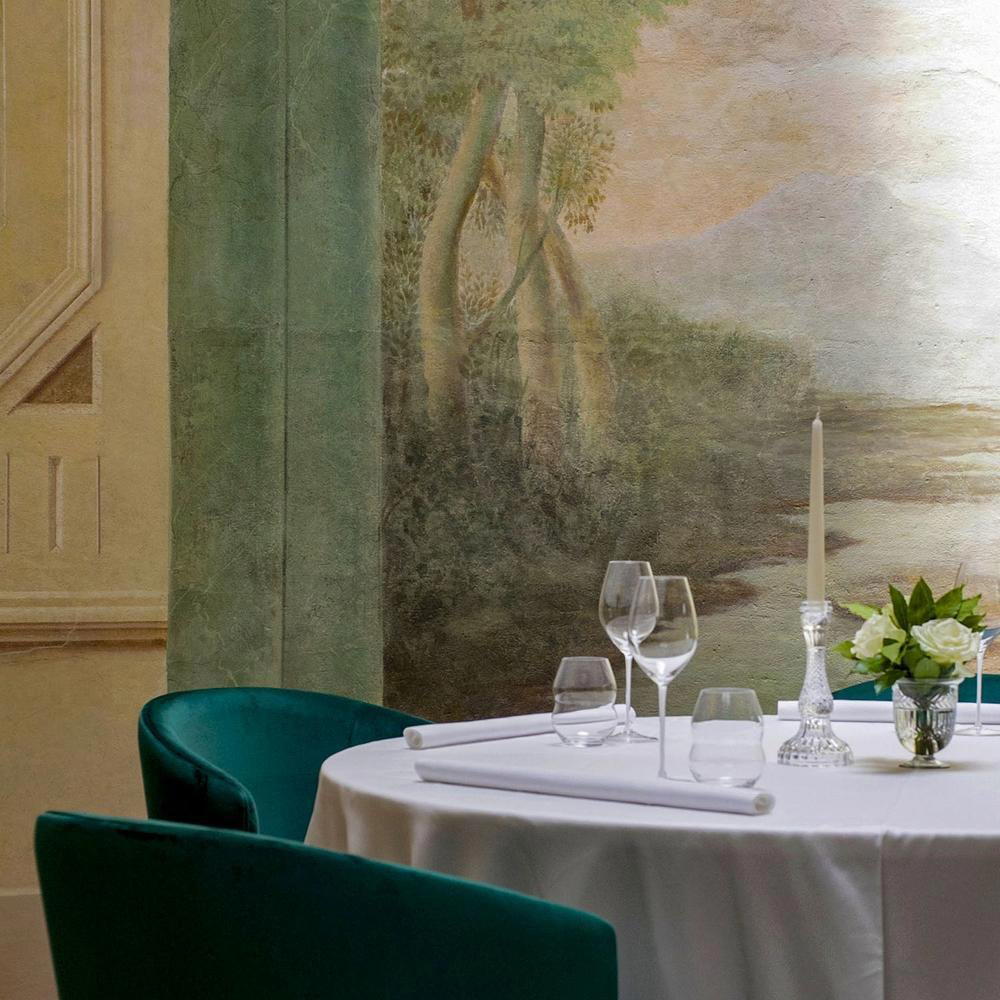
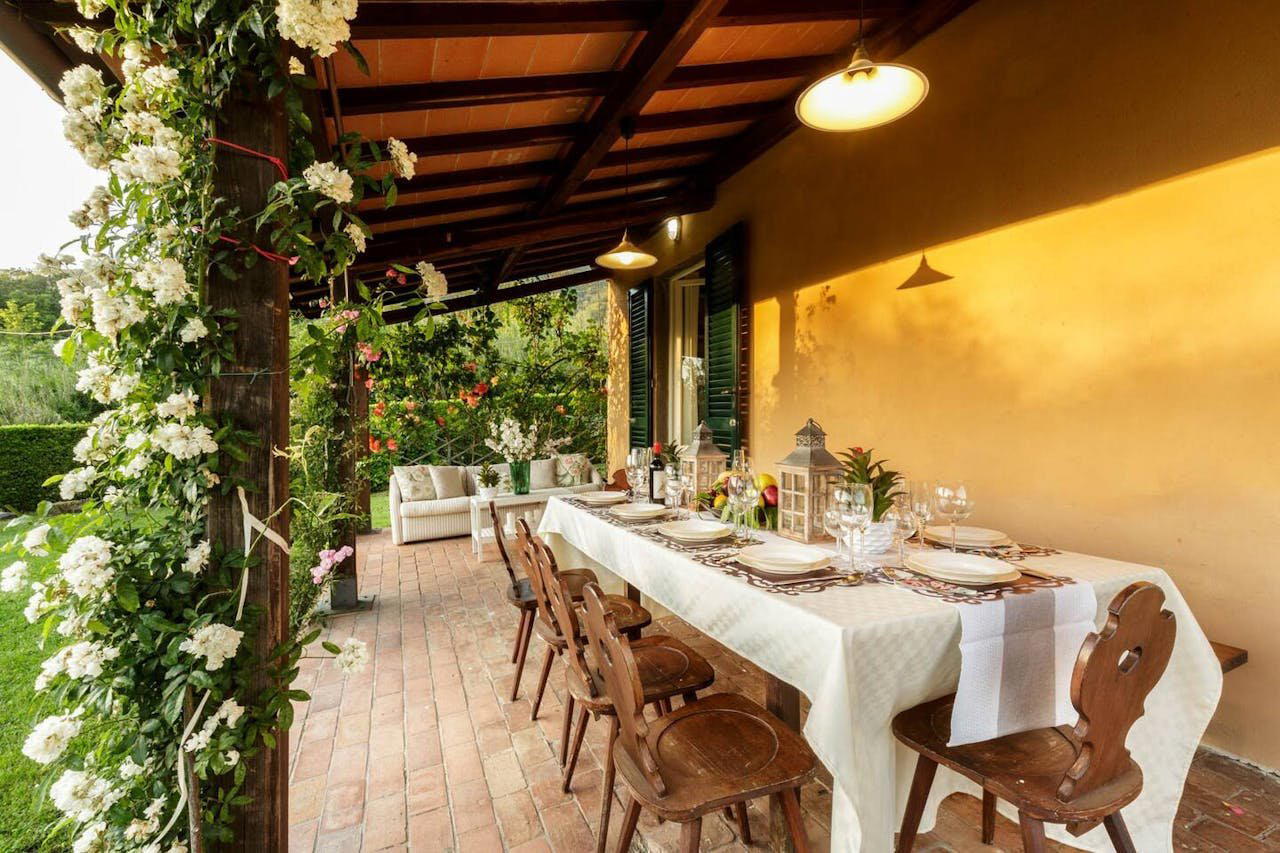
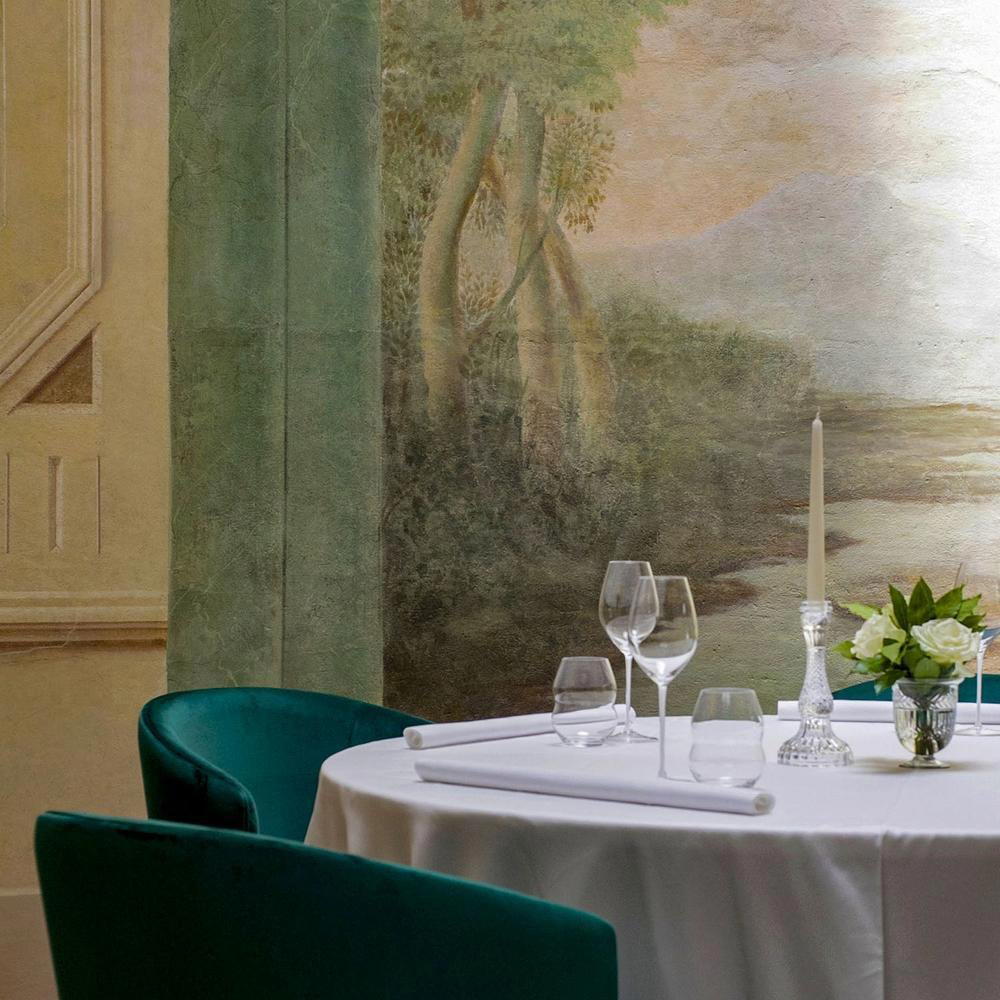
The estate operates three restaurants, a spread that reflects the range of guests the property attracts rather than a diluted approach to cooking. The through-line across all three is the estate's own harvest: produce, wine, and ingredients sourced directly from the working farm that underpins the whole enterprise. This is a model that has gained traction in Italian agriturismo at the premium end, but the hotel's Michelin Green Star signals that the kitchen operation here sits above the broader agriturismo category in execution and intent.
One dining format covers traditional Tuscan fare; another moves toward more inventive territory while remaining anchored in estate ingredients. The range allows guests to calibrate their evenings without leaving the property, which in a rural Florentine countryside setting is a practical consideration as much as a hospitality one. The nearest comparable urban dining environments, including those in Florence itself, require a meaningful journey from this part of the Empolese Valdelsa. That self-sufficiency is part of what the estate offers: a complete environment rather than a base from which to depart. For those comparing full-service Tuscan properties, Borgo San Felice Resort in Castelnuovo Berardenga and Castelfalfi in Montaione represent alternative models worth considering.
The Broader Italian Estate Conversation
Italy's premium rural hotel sector has developed a recognisable grammar over the past two decades. Restored stone buildings, agricultural provenance, wine production, and farm-to-table kitchens are now standard elements of the category. What differentiates properties within it is the coherence of the commitment: whether the sustainability claim extends beyond the restaurant, whether the architecture is honest rather than cosmeticised, whether the estate's agricultural identity shapes the guest experience or merely provides its marketing language.
The hotel's position in that conversation is anchored by the Michelin Green Star, which requires demonstrable environmental practice across the operation, and by the working-farm status that gives the three restaurants a genuine supply chain rather than a curated one. Comparable Italian properties with different regional footholds include Borgo Egnazia in Savelletri di Fasano, which has built a different kind of rooted identity in Puglia, and Casa Maria Luigia in Modena, where agricultural connection takes a distinct culinary form. At the urban end of the Italian luxury spectrum, Four Seasons Hotel Firenze and Bulgari Hotel Roma in Rome operate in a different register entirely, where the conversation is about historic palazzi rather than productive land.
Planning a Stay
The hotel is located at Via di Petriolo 7, 50050 Cerreto Guidi, in the Florentine province. The property offers 42 rooms across its estate buildings, with rates from approximately $256 per night. Cerreto Guidi is accessible from Florence, roughly 35 kilometres to the east, making the property viable as a countryside base with periodic city access, though the estate's self-contained offer makes extended stays logical on their own terms. Guests interested in wine tastings, garden meditation, and farm-focused dining can plan days largely within the property. The Michelin Green Star restaurant and the estate's working farm program are the primary draws for guests with a specific interest in sustainable agricultural hospitality.
Those comparing estate properties elsewhere in Tuscany and beyond should also consider Il Pellicano in Porto Ercole for a coastal Tuscan counterpart, and Corte della Maestà in Civita di Bagnoregio for a smaller-scale iteration of the restored Italian estate model. Further afield in Italy, Passalacqua in Moltrasio and Forestis Dolomites in Plose represent the premium rural property category in their respective regions, each with a distinct architectural and environmental approach.
A Quick Peer Check
Comparable venues nearby, for context on price, style, and recognition.
| Venue | Cuisine | Price | Awards | Notes |
|---|---|---|---|---|
| Villa PetrioloThis venue — the venue you are viewing | Historic Tuscan estate with modern luxury | $$$$ | Michelin 1 Key | Not listed |
| Colle Alberti Country House | Renovated historic farmhouse on family-run wine estate | $$$ | Not listed | Cerreto Guidi |
| La Barchessa di Villa Pisani | Historic country house in Palladian villa park with traditional architecture | $$$$ | Michelin 1 Key | Bagnolo di Lonigo |
| Locanda Rossa | Contemporary farmhouse estate in Tuscan Maremma | $$$$ | Michelin 1 Key | Capalbio |
| Castello di Spaltenna | Historic luxury castle resort blending medieval architecture with contemporary wellness amenities in the heart of Chianti wine country. | $$$$ | Michelin 1 Star | Gaiole in Chianti |
| Ca’ di Dio | Historic Venetian palace reimagined with 21st-century luxury, blending austere architectural elements with refined contemporary design and locally sourced materials. | $$$$ | Michelin 1 Key | Castello |
Recognition history
Dated appearances from independent guides and award organizations, with the underlying list record or original source where available.
Tablet Hotels Top 40 New Hotels
Tablet Hotels
Michelin 1 Key
Michelin
Small Luxury Hotels of the World Member
Small Luxury Hotels of the World
Continue exploring
More in Cerreto Guidi
Hotels in Cerreto Guidi
Browse all →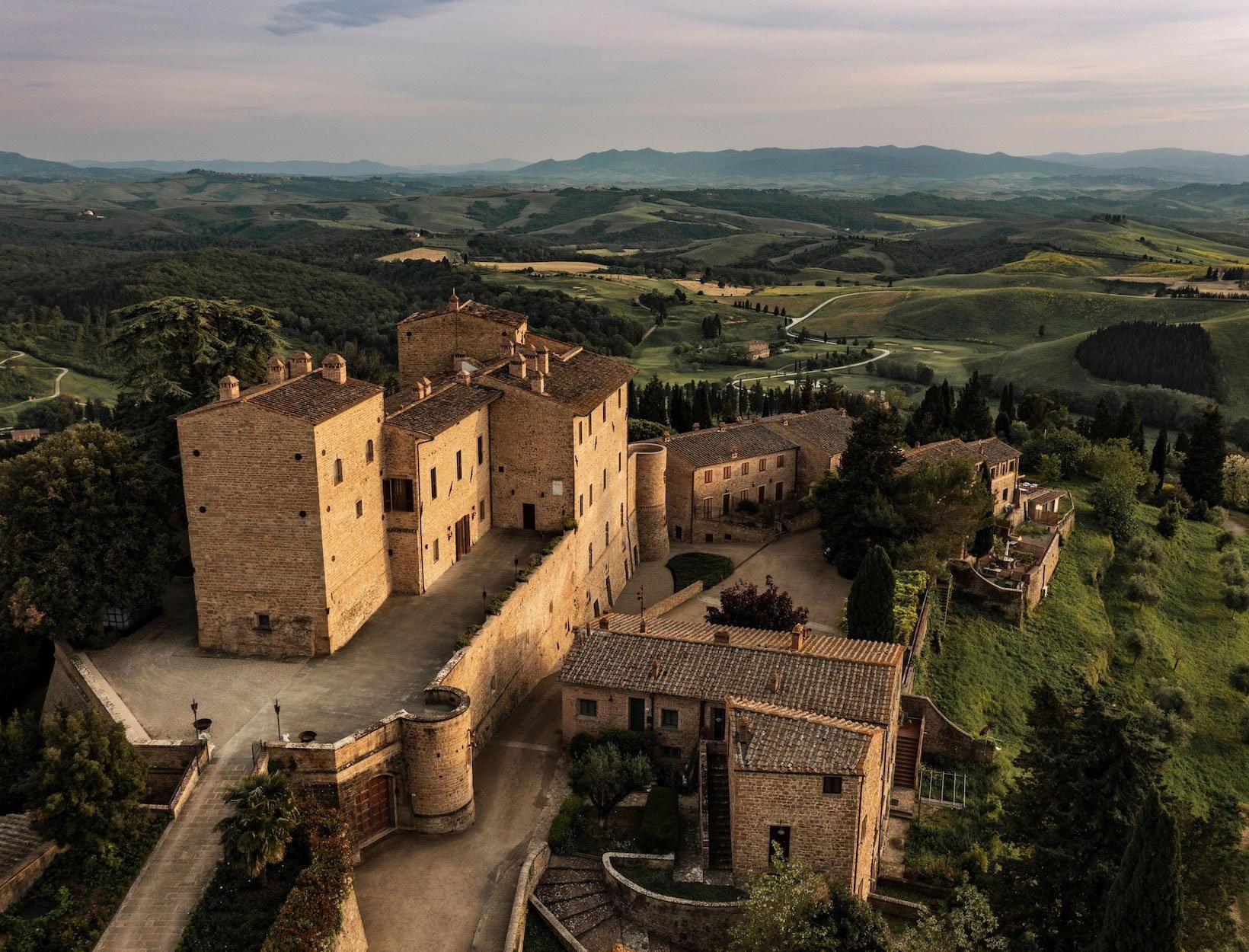
Bars in Cerreto Guidi
Browse all →
Restaurants in Cerreto Guidi
Browse all →


At a Glance
- Romantic
- Elegant
- Rustic
- Scenic
- Intimate
- Sophisticated
- Honeymoon
- Romantic Getaway
- Wellness Retreat
- Anniversary
- Weekend Escape
- Infinity Pool
- Historic Building
- Panoramic View
- Wi Fi
- Pool
- Spa
- Fitness Center
- Room Service
- Concierge
- Restaurant
- Sauna
- Massage
- Bicycle Rental
- EV Charging
- Garden
- Vineyard
- Wi Fi
- Pool
- Spa
- Fitness Center
- Room Service
- Concierge
- Restaurant
- Sauna
- Massage
- Bicycle Rental
- EV Charging
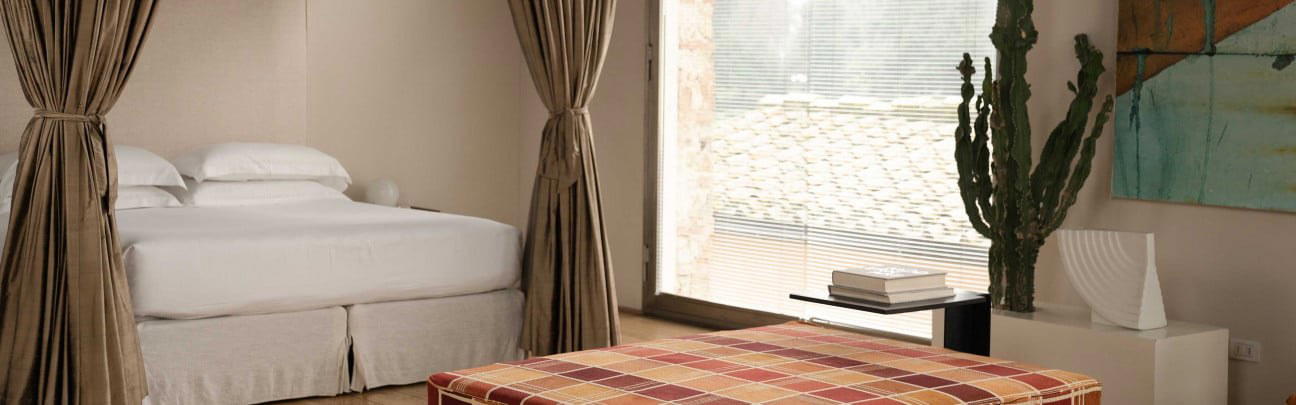
Relaxed and luxurious Tuscan atmosphere with natural light, soundproofed rustic rooms, and serene spa and pool areas.