Google: 4.6 · 182 reviews
Tenuta di Capezzana
One of Tuscany's oldest wine estates, Tenuta di Capezzana sits in the Carmignano DOC zone west of Florence, where Sangiovese and Cabernet have coexisted since the Medici era. The property produces wines across multiple tiers, with a production history that stretches back centuries. For visitors interested in Tuscan wine at the source, Carmignano remains one of the region's least crowded entry points.
 Discover on Pearl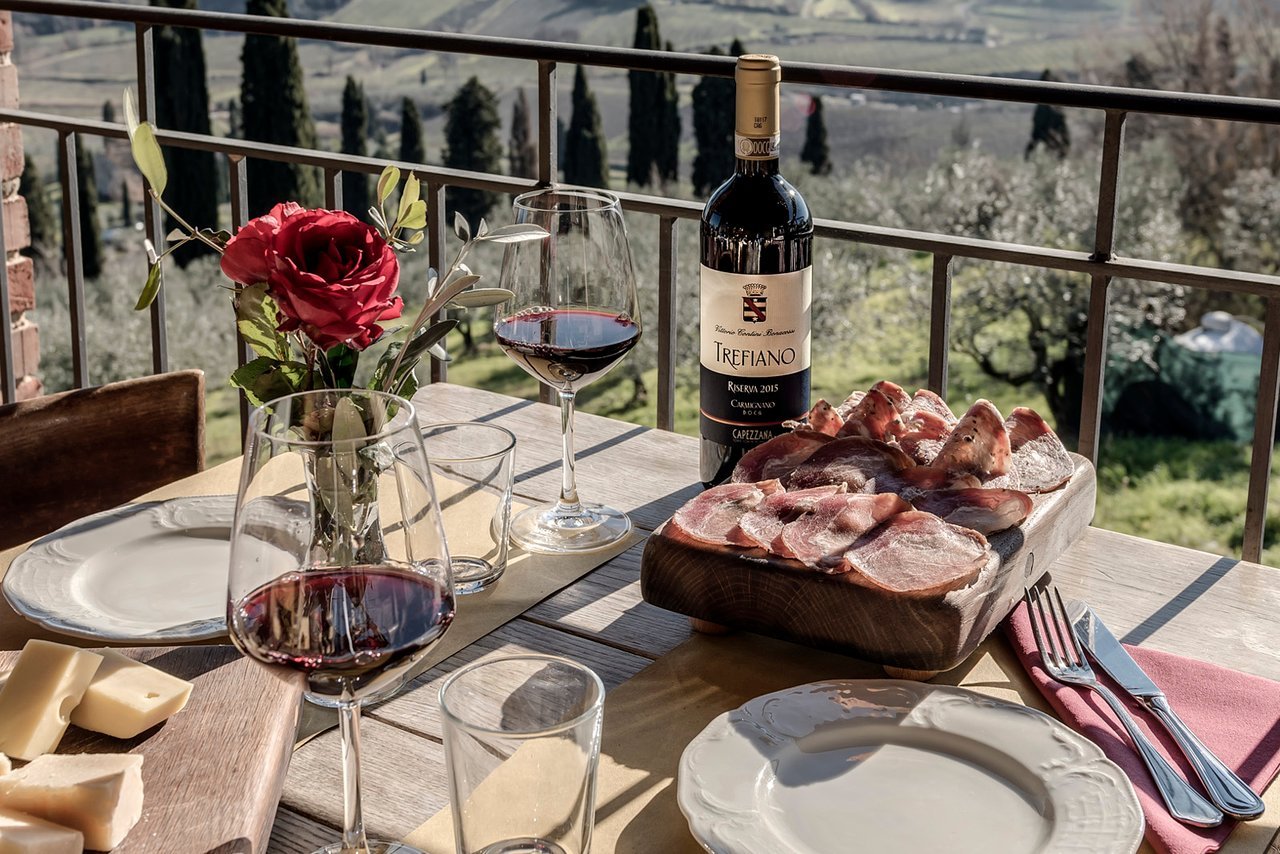
Where Tuscany's Oldest Vines Meet One of Its Least Toured Appellations
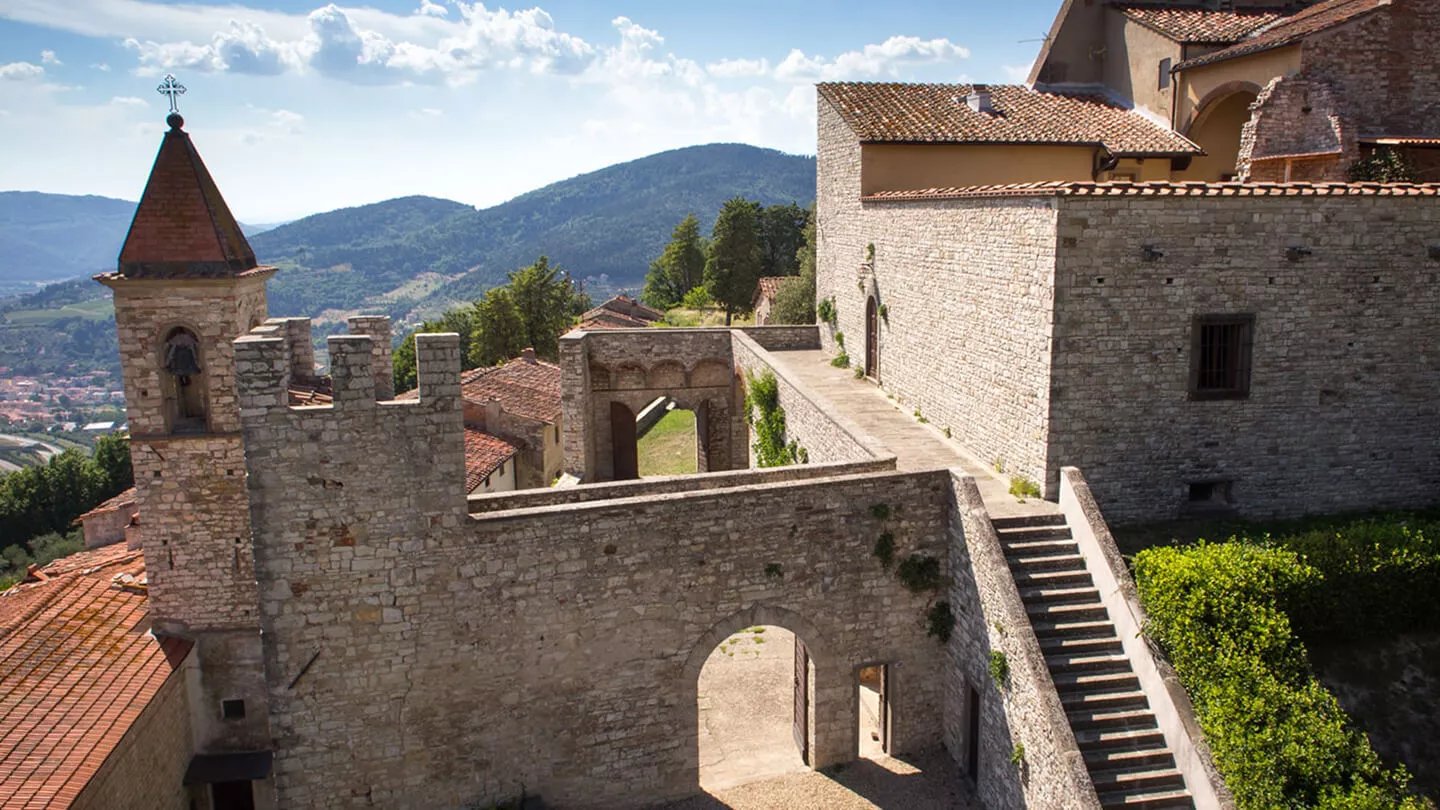
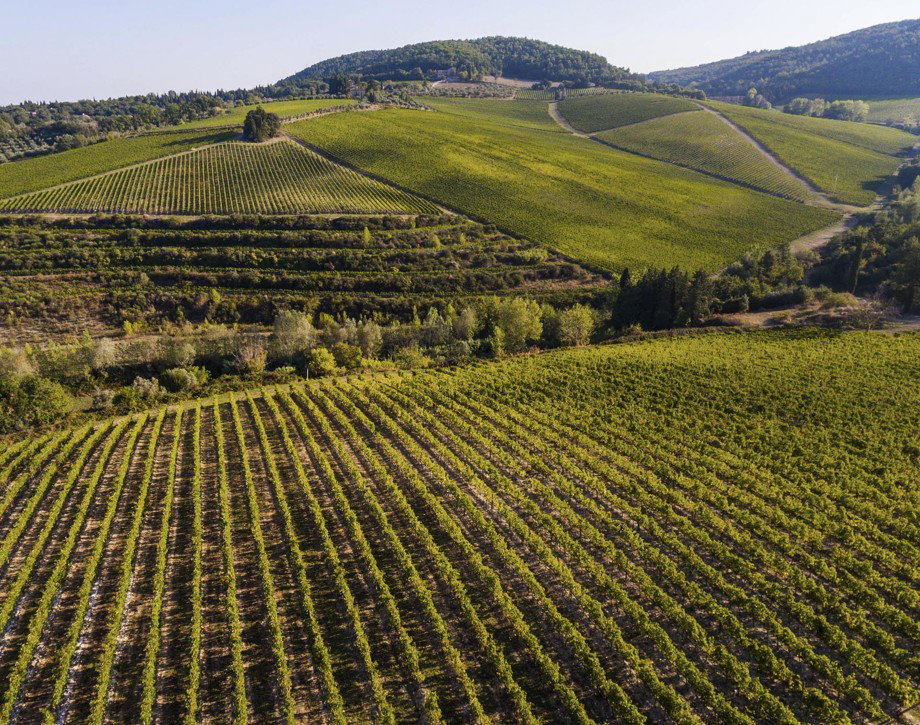
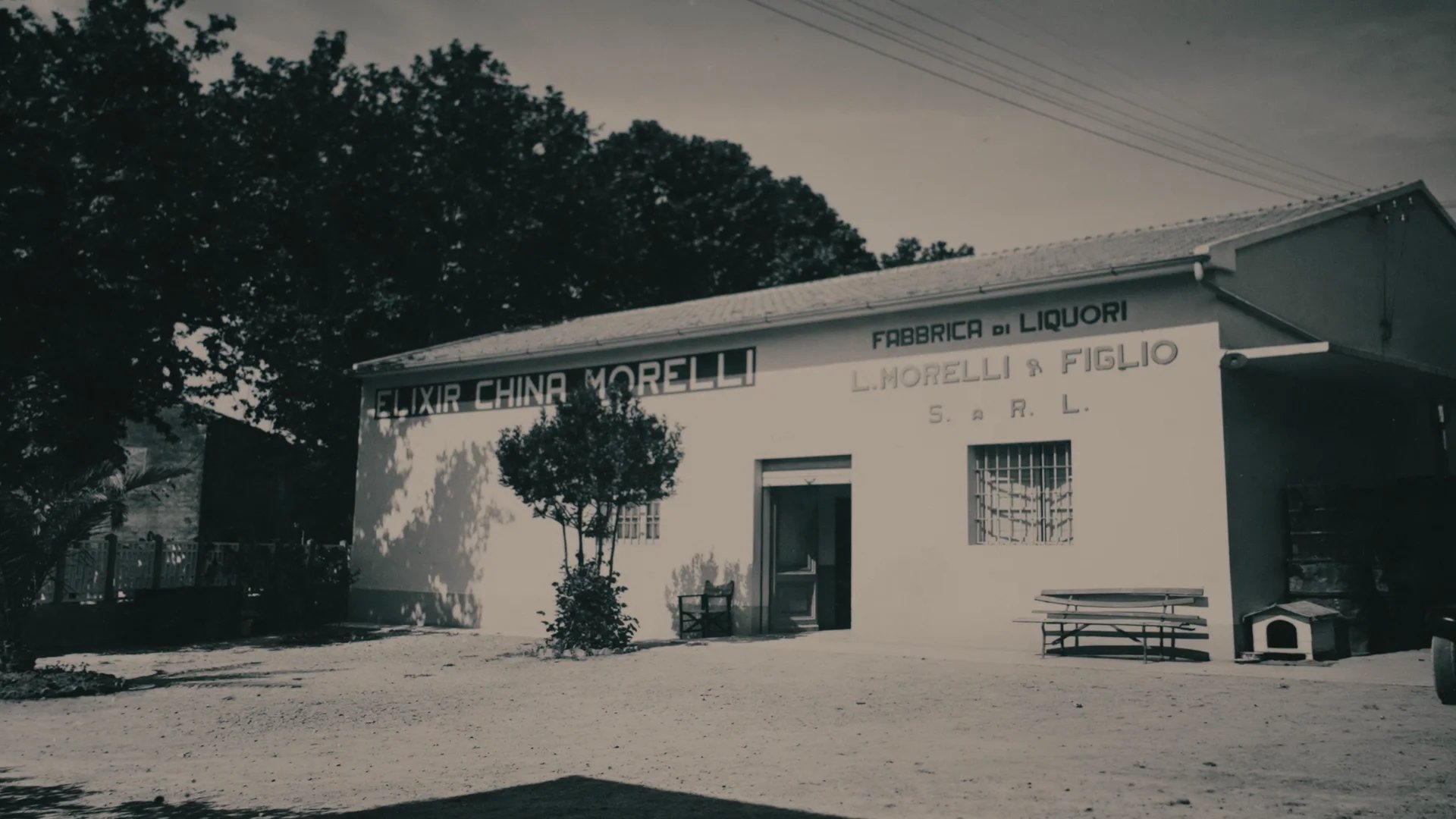
The road into Carmignano climbs through olive groves and low stone walls that predate most of Italy's modern wine designations by several centuries. This is not Chianti Classico country, and that distinction matters. Carmignano's DOC, one of the smallest and most historically grounded in all of Tuscany, sits roughly 20 kilometres west of Florence in the foothills of Monte Albano, and it has been growing Cabernet Sauvignon alongside Sangiovese since at least the 18th century — long before the variety arrived in the vineyards most tourists visit today. Tenuta di Capezzana is the estate most associated with that lineage, and arriving at Via Capezzana 100 is less like visiting a winery and more like reading a geological record.
The physical approach does the editorial work before any wine is poured. Stone buildings, working agriculture, and a property scale that suggests centuries of continuous use rather than recent investment. In a region where agritourism can feel constructed for the visitor's benefit, Carmignano's estates tend to present working farming rather than curated leisure — a meaningful difference for anyone who has done the Chianti circuit and found it more beautiful than instructive.
Carmignano and the Cabernet Question
To understand what Tenuta di Capezzana represents in the Italian wine canon, it helps to understand why Carmignano has always been categorically separate from its neighbours. While Chianti and Brunello built their identities around Sangiovese in near-pure form, Carmignano's DOC regulations have historically permitted , and in fact required , a small percentage of Cabernet Sauvignon or Cabernet Franc in its reds. This was not a modern concession to international taste; it reflected a local tradition documented in Medici-era records. The appellation formalised what Capezzana's vineyards had been doing for generations.
That positioning makes Carmignano wines structurally distinct from most Tuscan reds at comparable price points. The Cabernet component softens the sometimes austere midpalate of Sangiovese, lending a different textural weight without obscuring the variety's acidity and red-fruit character. For drinkers who have worked through Chianti Classico's range and want a lateral move rather than an upward one, Carmignano is the logical next step , and Capezzana is where most serious wine explorers start.
Across Italy, bars and enotecas that anchor their lists in regional specificity tend to stock Carmignano as a point of difference. Places like Enoteca Historical Faccioli in Bologna and Al Covino in Venice represent the kind of thoughtful Italian wine programming where an appellation like Carmignano earns its place not through marketing but through distinctiveness in the glass.
The Broader Italian Wine Drinking Scene
Italy's premium drinking culture has moved decisively toward regionality over the past decade. The cocktail bars driving the country's international reputation , places like 1930 in Milan, Drink Kong in Rome, and Gucci Giardino in Florence , have built programs that reference Italian ingredients, Italian wine traditions, and Italian cultural specificity. That same instinct toward the hyper-local has reinforced interest in appellations like Carmignano, which offer a story that larger Tuscan designations cannot easily replicate.
L'Antiquario in Naples takes a similar approach from the southern end of the peninsula, curating its wine list around production methods and regional character rather than commercial recognition. The pattern is consistent: serious Italian drinking venues in 2024 reward producers who stayed specific. Carmignano, with its small output and long paper trail, fits that criterion precisely.
The same sensibility extends beyond Italy's borders. Lost & Found in Nicosia and Bar Leather Apron in Honolulu demonstrate that the appetite for wine with verifiable regional depth is not confined to European markets. For visitors arriving at Capezzana from outside Italy, the estate often serves as a first encounter with Carmignano as a category, which is both the opportunity and the obligation of any property that functions as an appellation's most legible address.
Planning a Visit to Capezzana
Carmignano sits close enough to Florence for a half-day excursion but far enough removed from the tourist infrastructure of Chianti to require some planning. The estate is at Via Capezzana, 100, 59015 Carmignano PO , reachable by car from Florence in under an hour, with Prato as the nearest rail hub for those without private transport. The Carmignano zone overall attracts significantly less visitor traffic than the Chianti Classico corridor, which means the experience at the estate itself is unlikely to feel crowded even during high season. That low footfall is part of what preserves the working-farm character that makes the visit worth making.
Visitors who want to situate a Capezzana visit within a broader Tuscan drinks itinerary might pair it with a stop at Cascate del Mulino in Manciano, which sits in the Maremma and represents a very different register of Tuscan viticulture. The contrast is instructive: Carmignano's restrained, historically anchored style reads differently after exposure to the bolder, more recent wines of the south. For those basing themselves in Turin or the north before heading south, Bistrot Torrefazione Samambaia in Turin offers a useful reference point for the kind of considered Italian drinking culture that makes regional wine producers like Capezzana legible in a contemporary context.
Specific booking policies, tasting formats, and opening hours for Tenuta di Capezzana are leading confirmed directly through the estate before arrival. The Carmignano appellation as a whole benefits from the kind of advance planning that allows visitors to move between producers rather than treating any single estate as a standalone destination. See our full Carmignano restaurants guide for broader context on eating and drinking in the zone.
For visitors making the broader Italian rounds, Fauno Bar in Sorrento offers a useful south-end counterpoint: a drinking institution with its own regional depth and a very different relationship to Italian hospitality tradition. Italy's drinking culture is too varied to reduce to a single type, and Carmignano, with Capezzana at its centre, is one of the more instructive stops on any serious tour of what the peninsula actually produces when it is not performing for tourists.
In Context: Similar Options
These are the closest comparables we have in our database for quick context.
| Venue | Cuisine | Price | Awards | Notes |
|---|---|---|---|---|
| Tenuta di Capezzana | This venue | |||
| Drink Kong | World's 50 Best | |||
| Freni e Frizioni | World's 50 Best | |||
| L'Antiquario | World's 50 Best | |||
| Nottingham Forest | World's 50 Best | |||
| 1930 | World's 50 Best |
Continue exploring
More in Carmignano
Bars in Carmignano
Browse all →
Restaurants in Carmignano
Browse all →
Hotels in Carmignano
Browse all →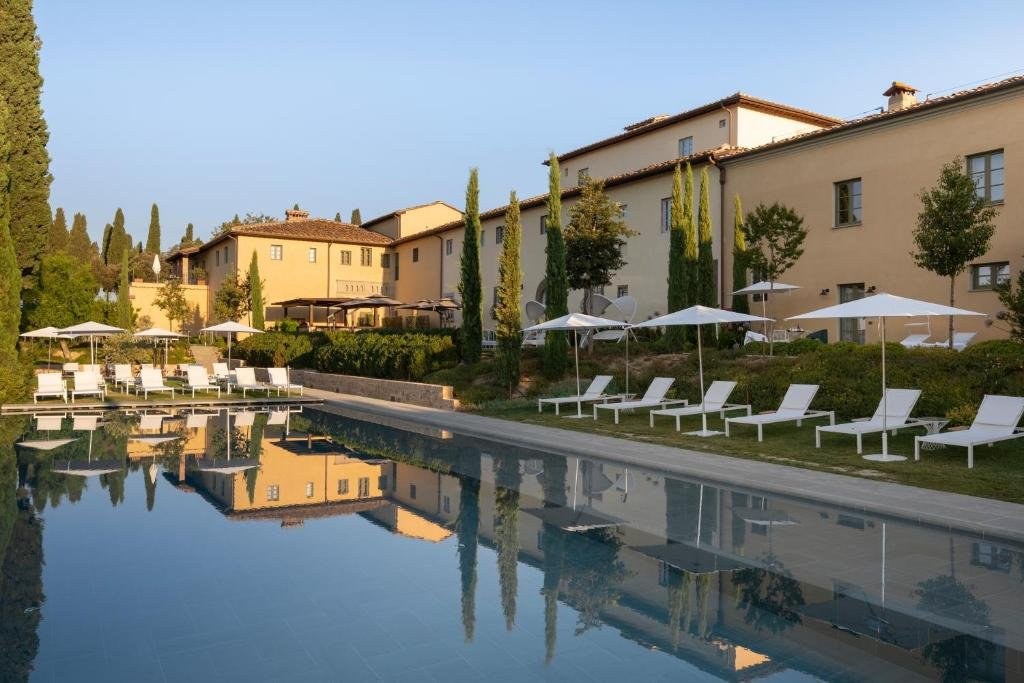
At a Glance
- Rustic
- Elegant
- Scenic
- Classic
- Special Occasion
- Date Night
- Historic Building
- Seated Bar
- Conventional Wine
- Vineyard
- Mountain
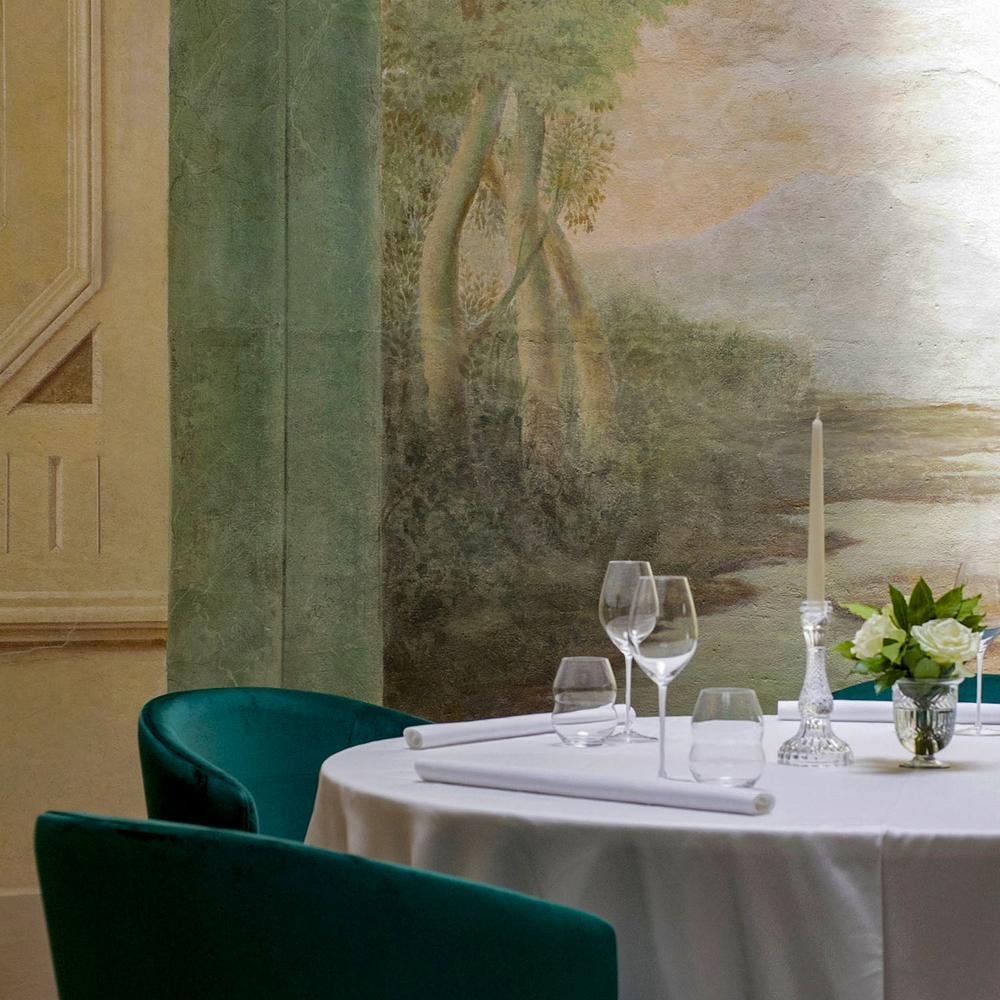
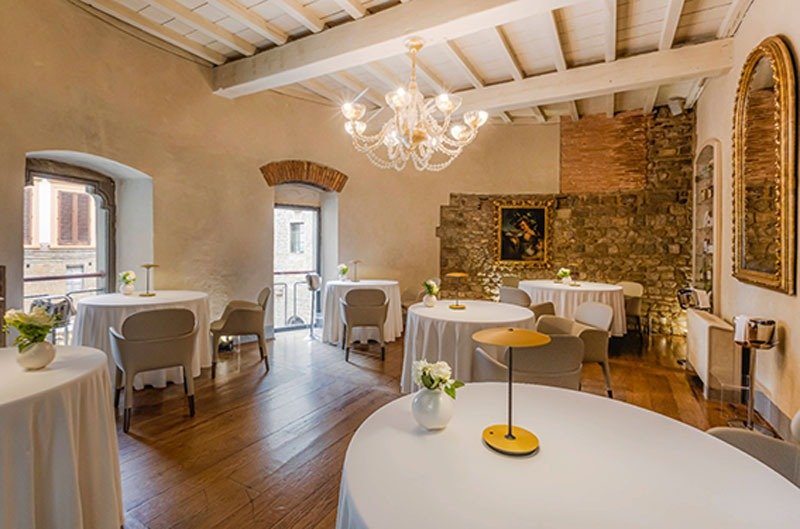
Elegant rustic atmosphere in a hilltop historic winery with scenic vineyard views.