

The first premier cru Sauternes estate to open as a hotel, Château Lafaurie Peyraguey pairs 400 years of winemaking history with a 13-suite property shaped by Lalique's glass-and-crystal design language. The restaurant, led by Chef Jérôme Schilling, builds its menu explicitly around the estate's Sauternes. At $539 per night, it occupies the same tier as France's most considered château stays.
Pearl is the En Primeur Club membership app — saves, bookings, and concierge access live there. Same editors, same standards.
- Address
- 1707 Route des Gourgues, Peyraguey Lieu-dit, 33210 Bommes
- Phone
- +33 5 24 22 80 11
- Website
- lafauriepeyragueylalique.com
 Saves & bookings on Pearl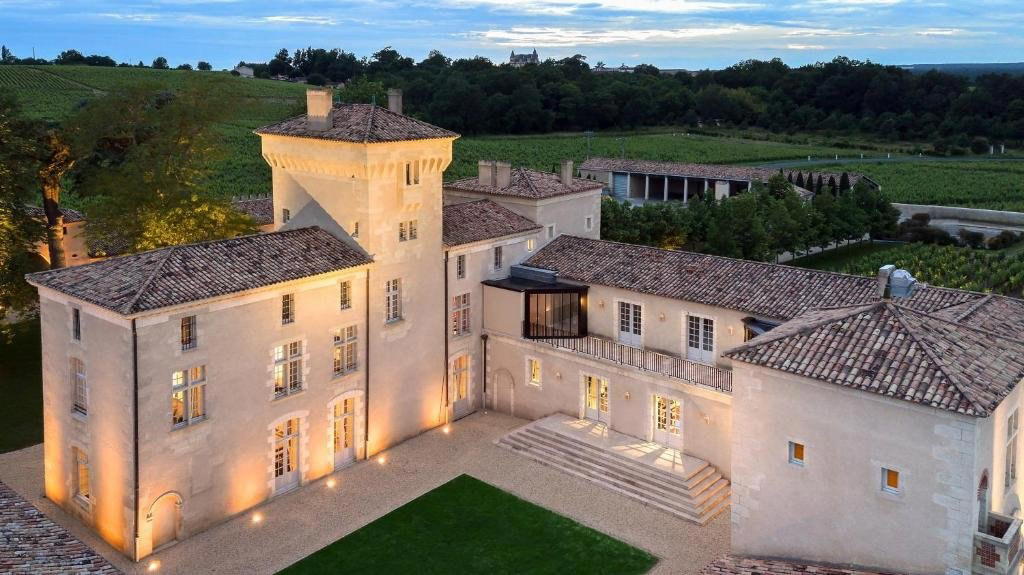
Where Glass Meets Stone in Sauternes
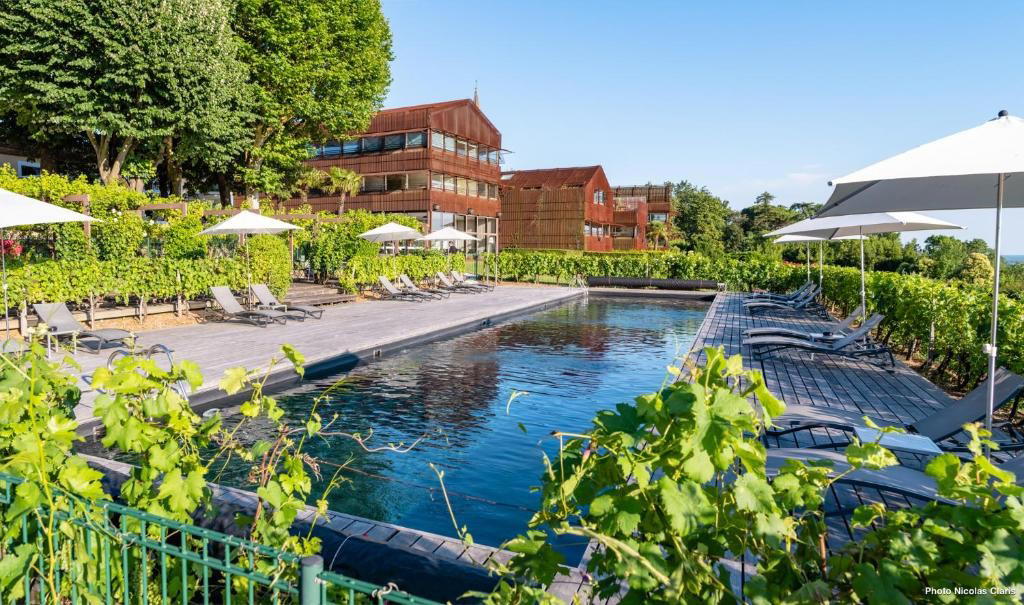
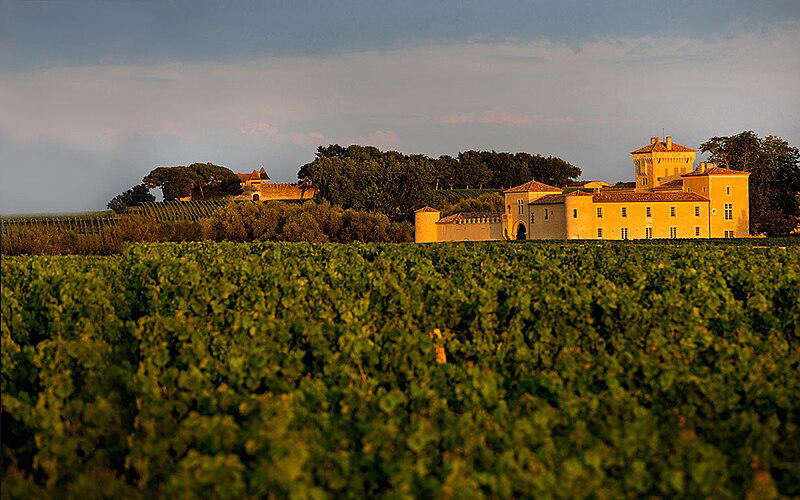
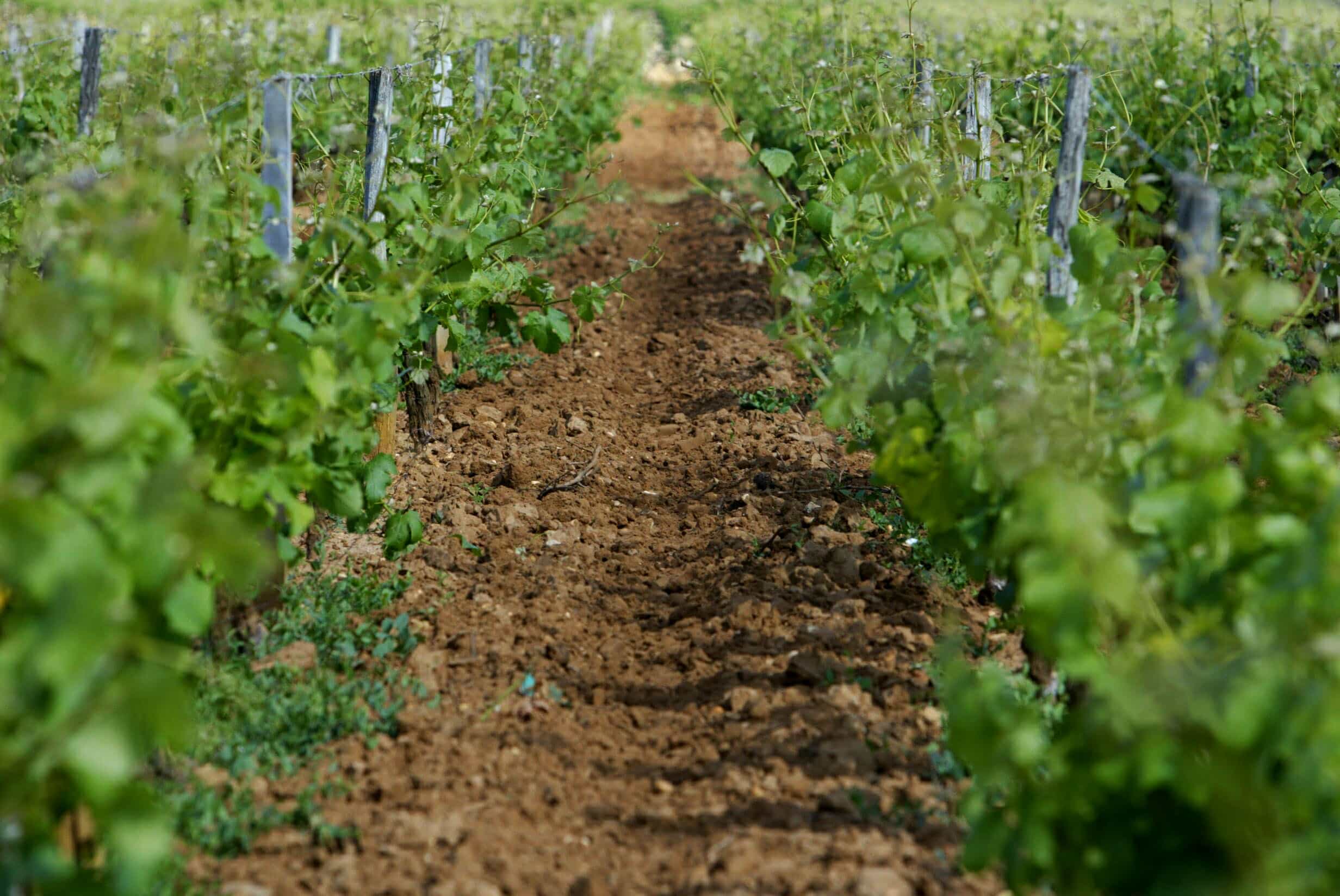
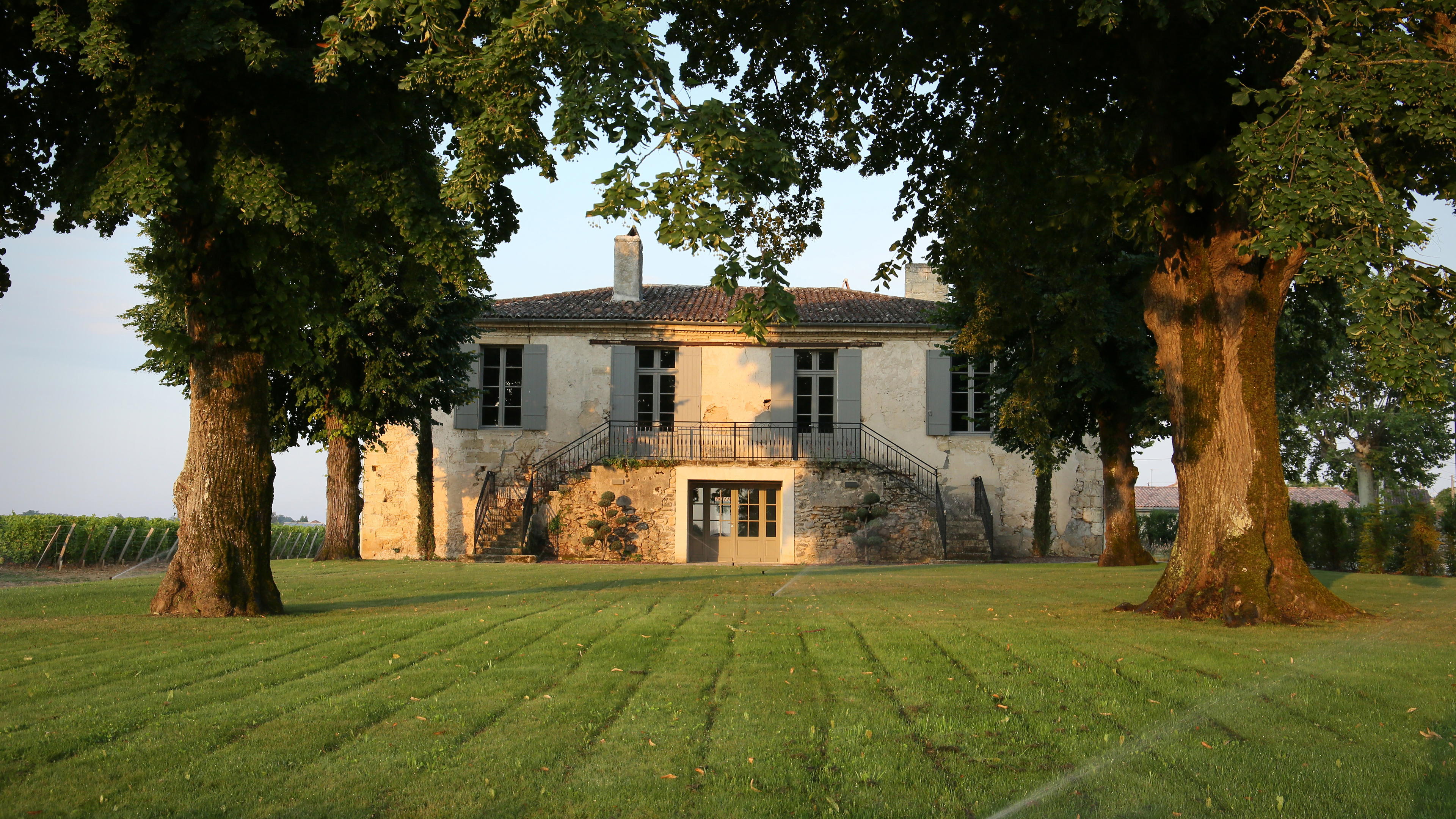
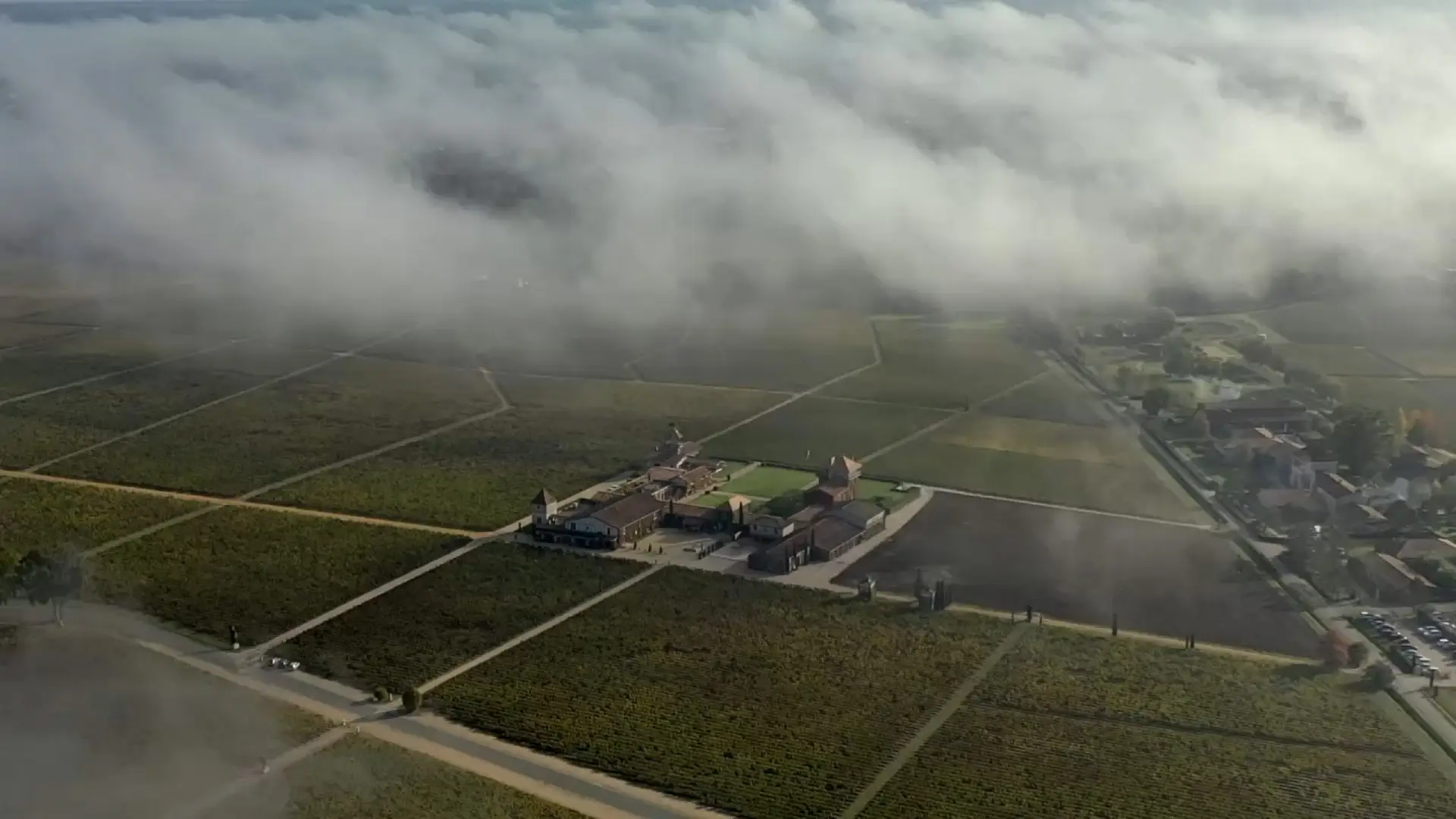
The approach to Château Lafaurie Peyraguey sets the register immediately. The estate's honey-coloured stone buildings sit inside the Sauternes appellation in Bommes, surrounded by the botrytis-prone Semillon vines that have made this corner of Bordeaux one of the most studied sweet-wine territories on earth. This is a working winery with four centuries of documented history, and the hotel occupies that history deliberately rather than decoratively. What arrives when you cross the threshold is a design statement that belongs to Lalique as much as it does to Bordeaux.
Lalique's involvement here is not cosmetic. The Lalique Group's chairman owns the estate, and the glassmaker's signature crystal and glass vocabulary has been woven into the interior renovation at a level that would be intrusive if it weren't executed with restraint. Frosted glass panels, crystal light fittings, and etched surfaces appear throughout the 13 suites without turning the property into a showroom. The effect is closer to that achieved by properties like Villa La Coste in Le Puy-Sainte-Réparade, where a cultural institution and a wine estate have been asked to coexist, or Domaine Les Crayères in Reims, where a distinguished French house turns a wine-country address into something that goes well beyond an estate guesthouse.
The Design Logic of Thirteen Suites
Thirteen suites is a deliberate constraint for a property of this ambition. French château hotels that pursue the luxury tier tend to resolve their scale in one of two ways: either they expand their key count until the operation resembles a resort, or they hold a small footprint and press service depth to compensate. Château Lafaurie Peyraguey takes the second path. Each suite is individually designed, meaning no two rooms share the same layout or material palette, and the level of pre-arrival personalisation, including mattress preference, signals a service model calibrated to guests who have already stayed at properties where these details are standard rather than distinctive.
The interior renovation is described as thorough, which in a 400-year-old estate means significant structural intervention behind a preserved facade. The aesthetic reads as conservative in the leading sense: it does not chase contemporary minimalism or impose a jarring contrast with the estate's historical character. The design borrows from the weight of the architecture rather than fighting it. For travellers accustomed to the Lalique brand through retail, the hotel version is notably less showy, the glass is present but not performative.
Properties at this price point across rural France, including Baumanière Les Baux-de-Provence and Château de la Chèvre d'Or in Èze, tend to anchor their identity in either the landscape or a storied culinary reputation. Château Lafaurie Peyraguey is doing something more specific: it is anchoring itself in a single appellation's identity, which makes it a coherent proposition for the wine-focused traveller and a slightly narrower one for anyone arriving primarily for the architecture or the spa.
The Restaurant and the Cellar
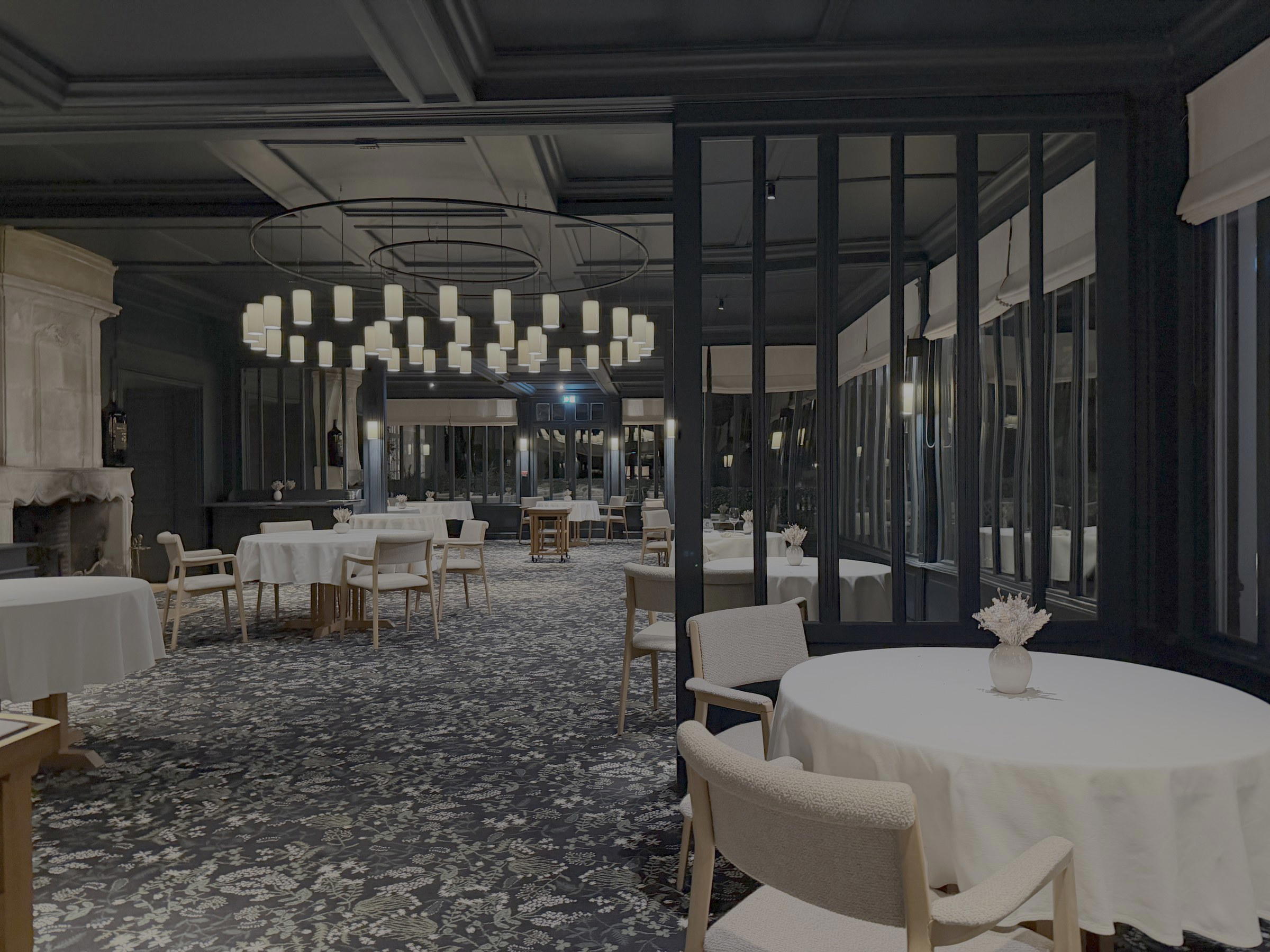
The restaurant's logic is worth understanding on its own terms. Chef Jérôme Schilling has constructed a menu around the estate's sweet Sauternes, which is an unusual structural decision in a dining context where most wine-and-food pairings run in the opposite direction, wine selected to complement food, not food engineered to frame wine. This inversion places Sauternes at the centre of the dining experience rather than at its edge, which aligns with a broader movement in fine dining toward single-origin or single-appellation menus where the provenance shapes every plate.
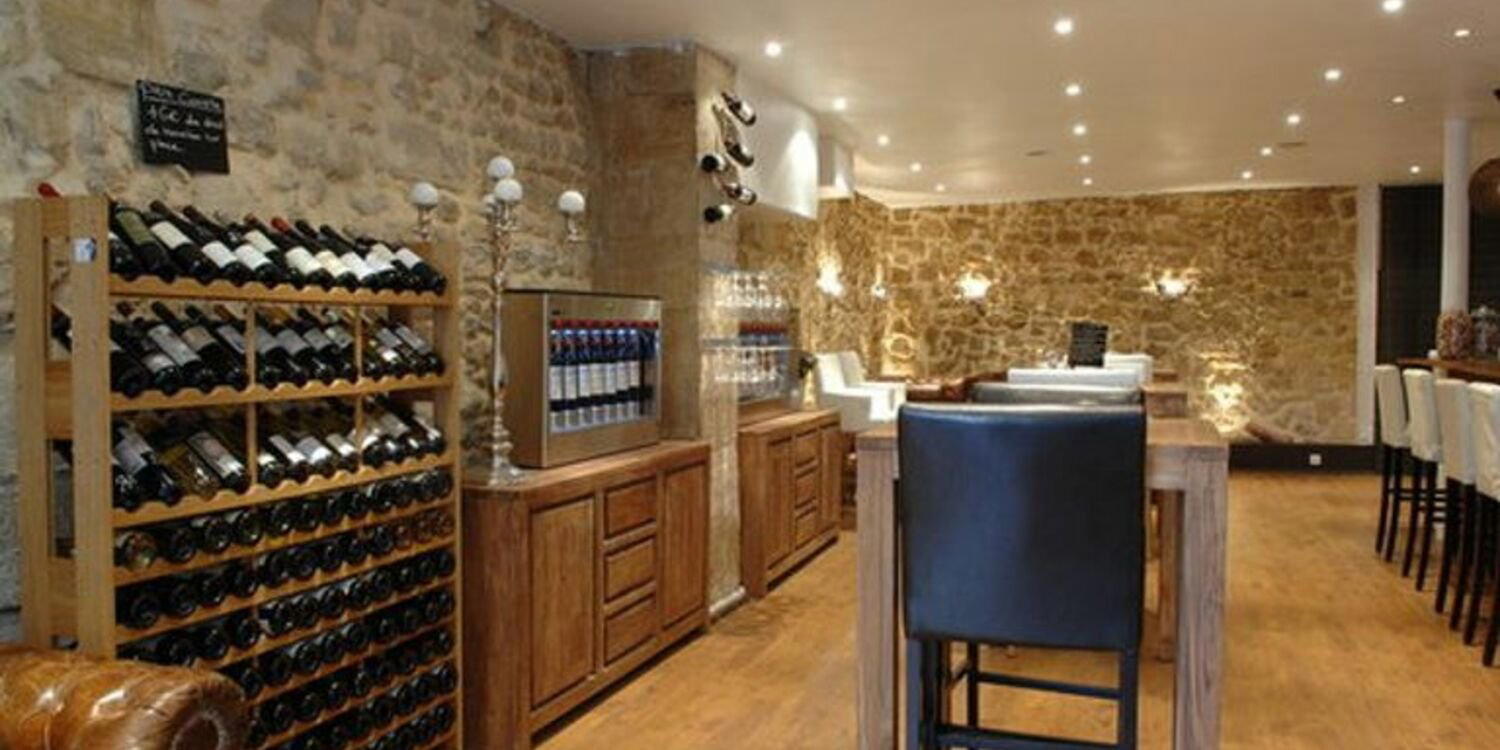
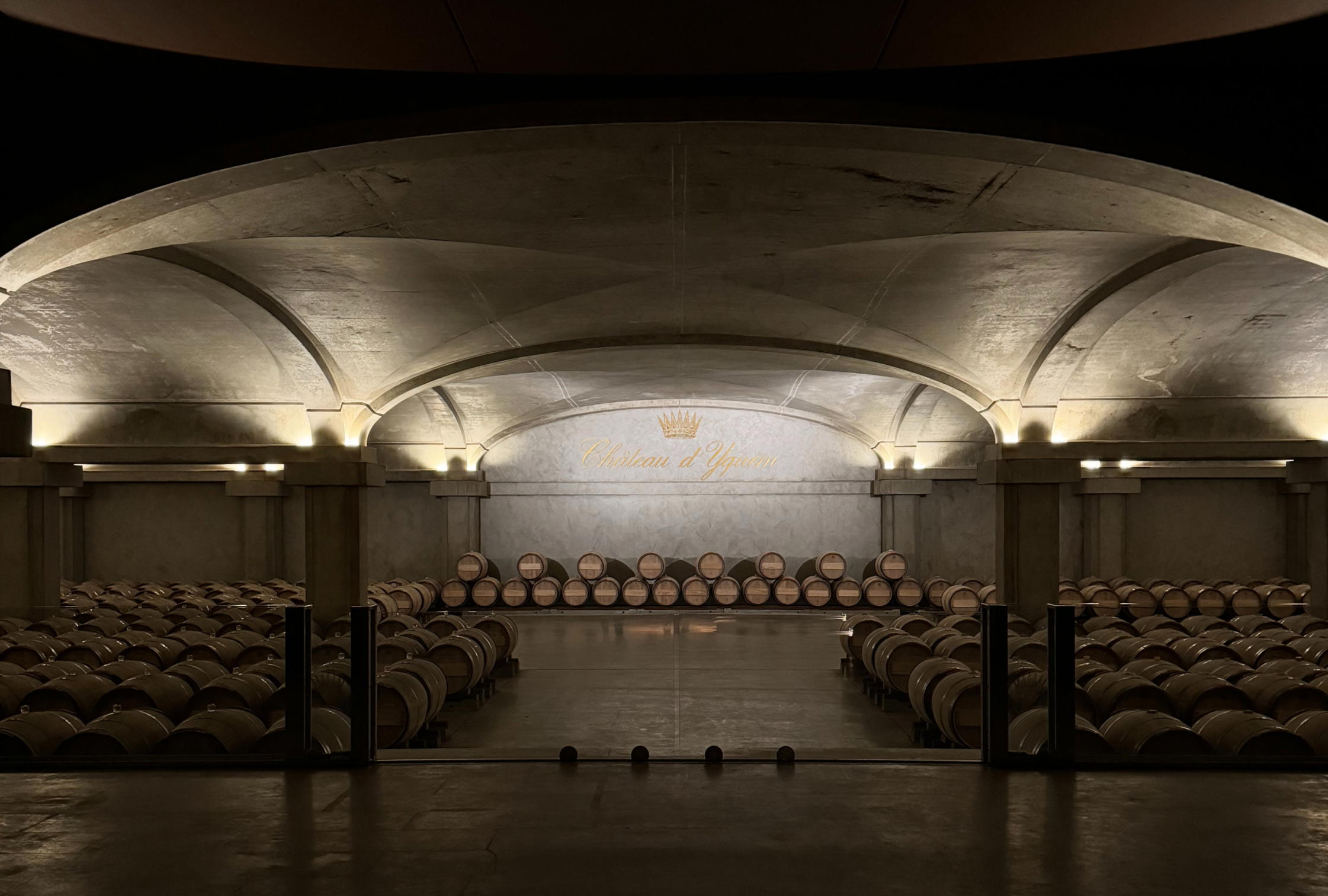
The cellar is the other dimension worth noting. Over 330,000 bottles is a scale that places this collection well beyond what most château hotels maintain for guest use. The range extends beyond the estate's own Sauternes and includes an 1895 vintage from the neighbouring Château d'Yquem, the Sauternes property that functions as a global reference point for sweet wine quality. That bottle's presence in the cellar is less about availability to guests and more about the signal it sends regarding the seriousness of the wine program. It places Château Lafaurie Peyraguey in conversation with properties like Les Sources de Caudalie in Bordeaux, which has built an entire hospitality concept around deep Bordeaux wine knowledge.
The Sauternes Context
Château Lafaurie Peyraguey carries a premier cru classé designation under the 1855 Sauternes classification, a ranking that has not been substantially revised since its original construction. That classification system is the framework within which the estate's reputation sits, and it is also the context that makes the hotel's claim, first premier cru winery to open to overnight guests, historically significant rather than a marketing flourish. Premier cru estates have maintained a separation between production and hospitality for generations; crossing that line is a structural change to how a classified property presents itself.
For guests approaching from Bordeaux, the estate is in the Sauternes village of Bommes, within the broader Graves region south of the city. The area does not have the infrastructure density of, say, the Champagne or Burgundy wine routes, which makes the self-contained nature of the hotel's offering more relevant. Guests are not expected to disappear into a surrounding village for dinner, the restaurant, the cellar, and the vines are the programme. For those who want to extend their Bordeaux itinerary beyond the property, our full Bommes restaurants guide covers the wider area. Comparable estate stays elsewhere in France, from Royal Champagne Hotel & Spa in Champillon to Château du Grand-Lucé in Le Grand-Lucé, offer useful reference points for the format, though none shares the specific Sauternes appellation context.
Planning Your Stay
Rates start at $470 per night for a property with 13 suites. Given the limited key count and the specificity of the wine program, advance booking is advisable, particularly during the Sauternes harvest season in autumn when visitor interest in the appellation runs high. The restaurant's Sauternes-focused menu means that guests arriving without an interest in the wine will find less to engage them than those who arrive specifically to understand the appellation through its food and drink.
At-a-Glance Comparison
Comparable venues nearby, for context on price, style, and recognition.
| Venue | Cuisine | Price | Awards | Notes |
|---|---|---|---|---|
| Château Lafaurie PeyragueyThis venue — the venue you are viewing | Historic château hotel in Sauternes vineyard with Lalique crystal artistry. | $$$$ | Michelin 2 Key | |
| Domaine des Étangs | Restored 13th-century château estate blending heritage luxury with modern comforts | $$$$ | Michelin 2 Key | Massignac |
| Hôtel Chais Monnet & Spa | Contemporary luxury in historic cognac industrial site | $$$$ | Michelin 2 Key | Cognac center |
| Les Prés d'Eugénie | Intimate colonial palace with sections dating from 1860 in a garden setting. | $$$$ | Michelin 2 Key | Eugénie-les-Bains |
| Château Lafaurie-Peyraguey Hôtel & Restaurant LALIQUE | Historic château converted into a luxury boutique hotel with contemporary art integration, positioned as a wine-country destination property. | $$$$ | Michelin 2 Key | Bommes, Sauternes |
| Château du Grand-Lucé | Neoclassical French château built in 1760, meticulously restored to honor its noble heritage while accommodating modern luxury travelers. | $$$$ | Michelin 2 Key | Le Grand-Lucé |
Continue exploring
More in Bommes
Hotels in Bommes
Browse all →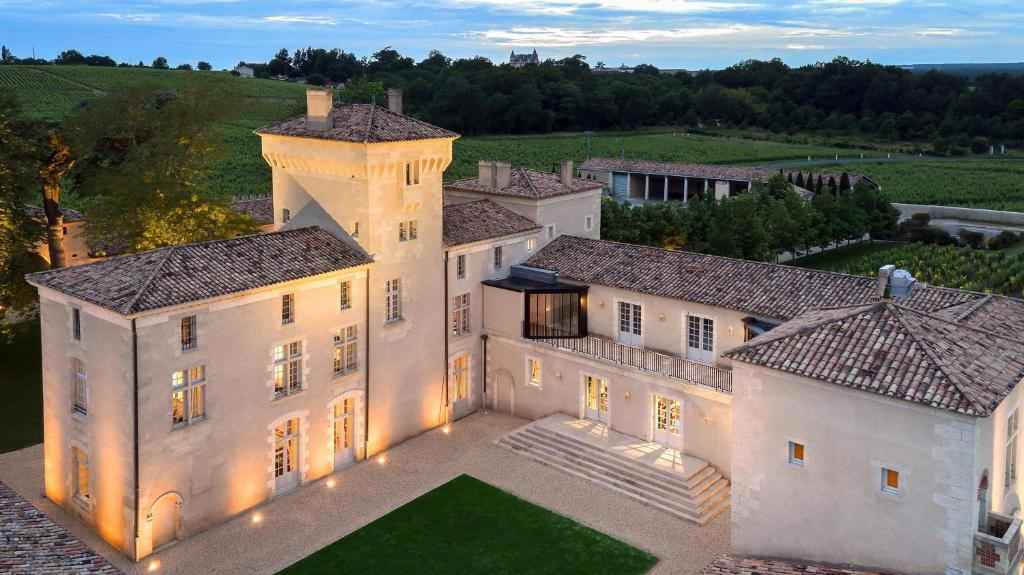
Bars in Bommes
Browse all →

Restaurants in Bommes
Browse all →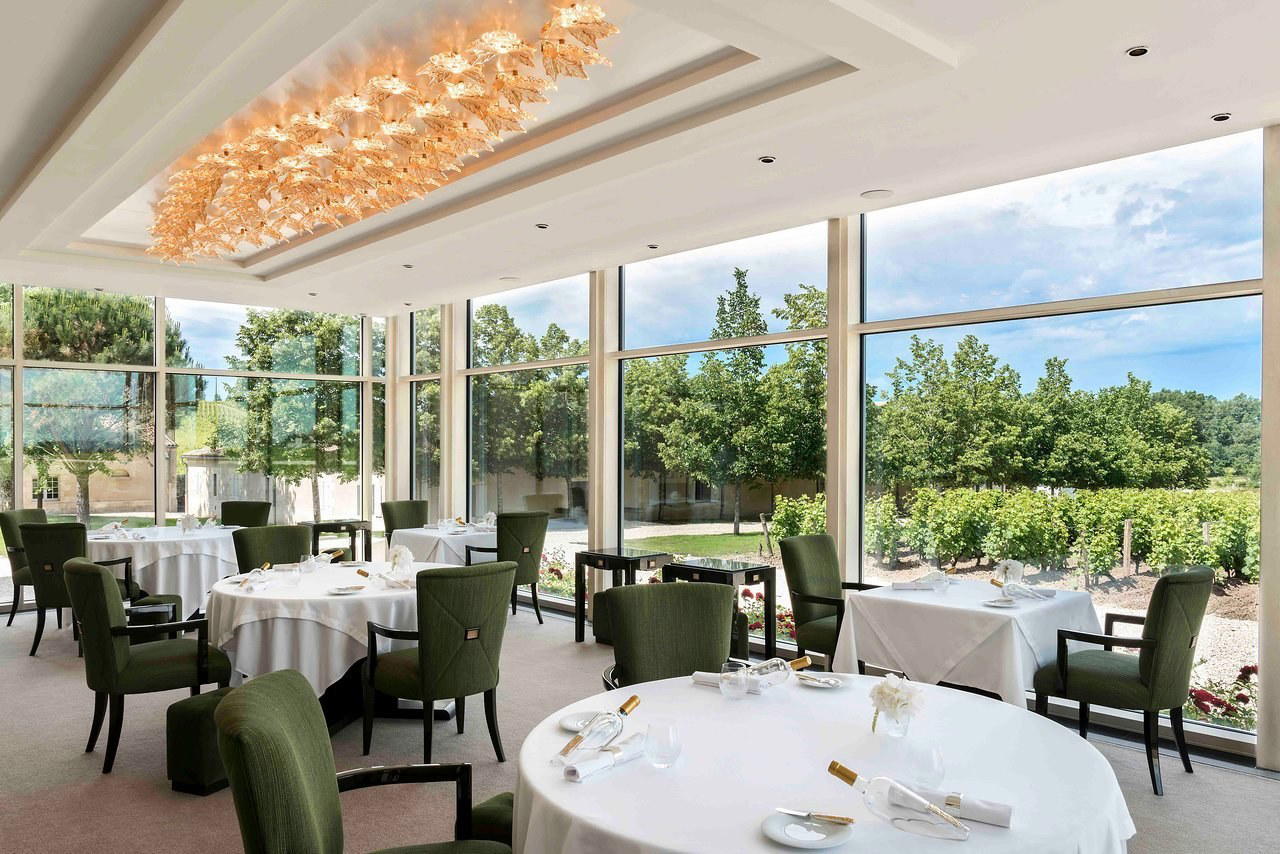
At a Glance
- Romantic
- Quiet
- Elegant
- Sophisticated
- Opulent
- Honeymoon
- Romantic Getaway
- Anniversary
- Weekend Escape
- Historic Building
- Terrace
- Panoramic View
- Wifi
- Room Service
- Concierge
- Restaurant
- Vineyard
- Garden
Serene and luxurious atmosphere with crystal Lalique decorations, sumptuous library, and peaceful vineyard surroundings, praised for its discretion and elegance.