Château La Mondotte


Château La Mondotte sits on a narrow limestone terrace in Saint-Laurent-des-Combes, producing one of Saint-Emilion's most allocation-driven right-bank Merlot blends under winemaker Stephan von Neipperg. Visits require planning well ahead of the harvest season.
Pearl is the En Primeur Club membership app — saves, bookings, and concierge access live there. Same editors, same standards.
- Address
- 33330 Saint-Laurent-des-Combes
- Phone
- +33 5 57 24 71 33
- Website
- neipperg.com
- Directions
- Get directions
 Saves & bookings on Pearl
A Limestone Terrace Above the Right Bank
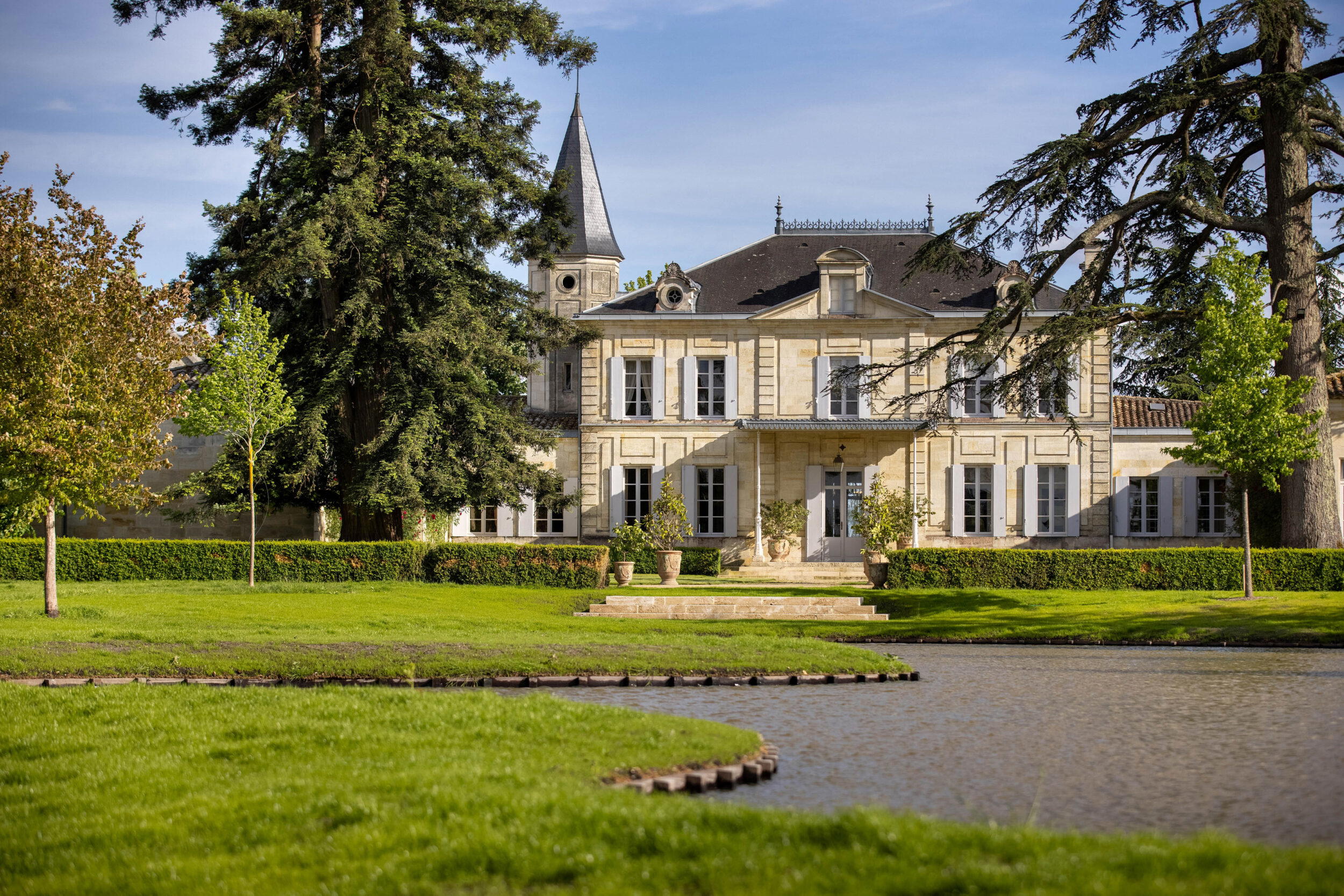
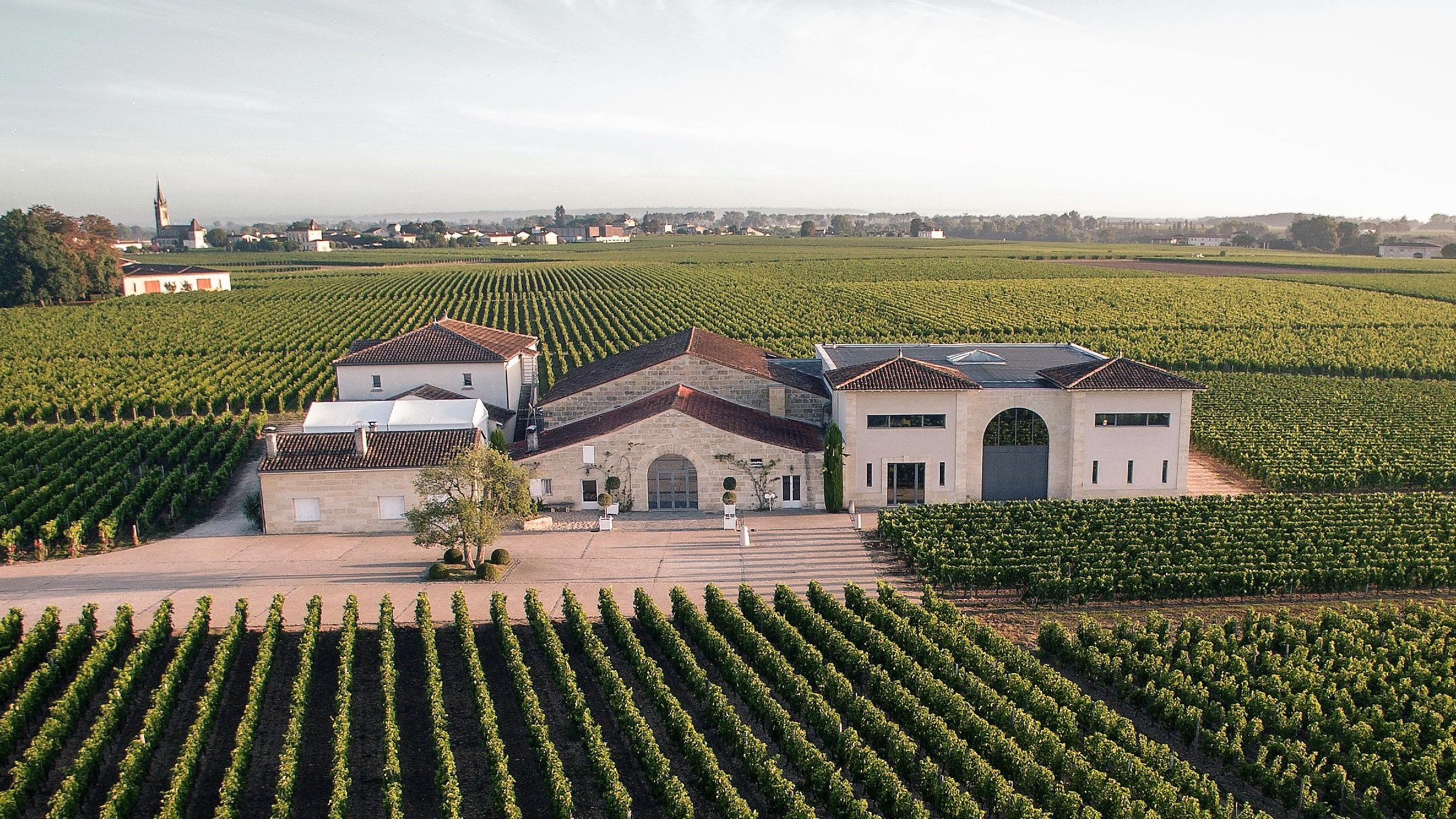
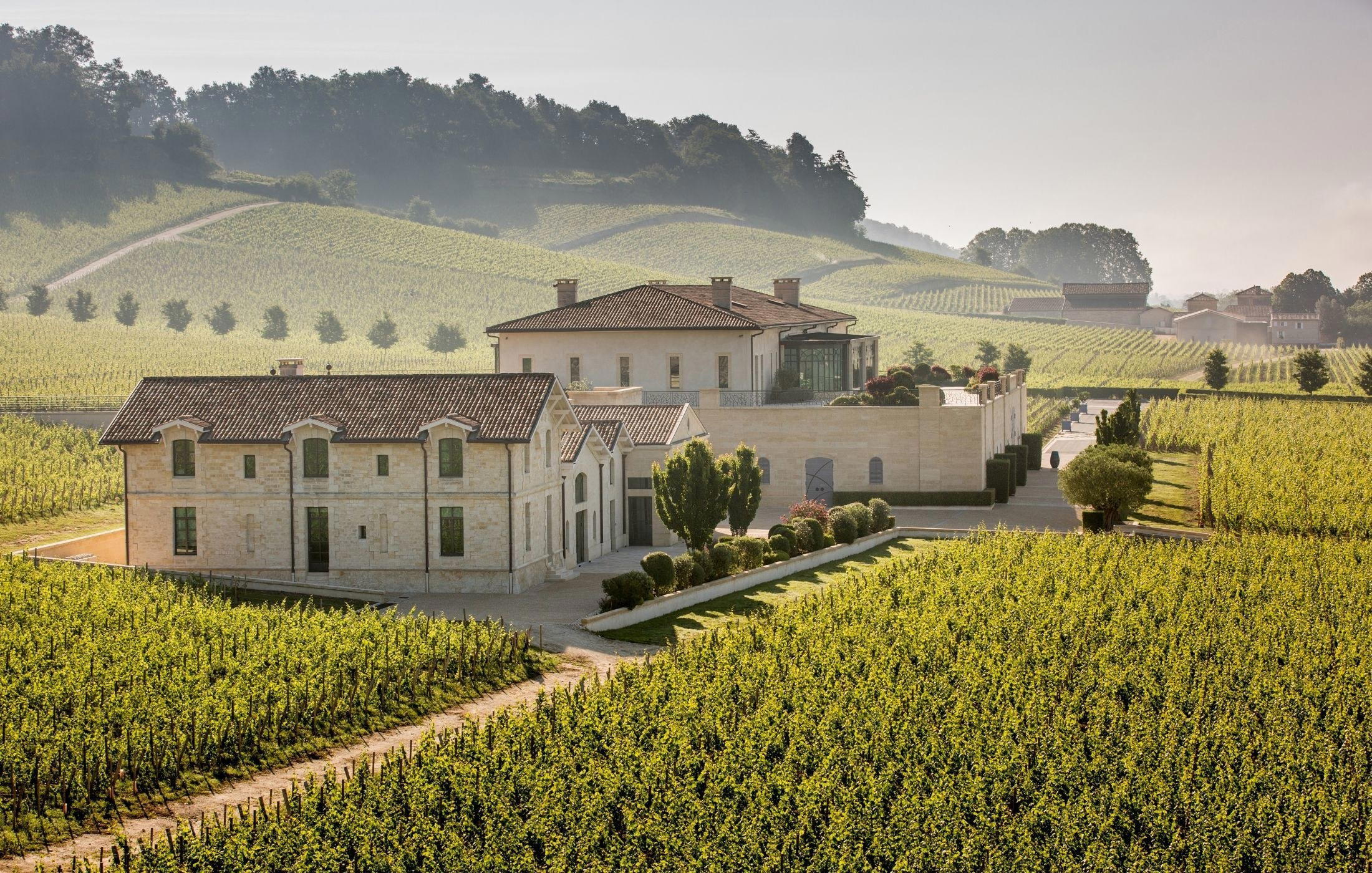
The road into Saint-Laurent-des-Combes runs east from the medieval town of Saint-Emilion along the limestone plateau edge, where the topsoil thins and the subsoil takes over. At this altitude on the Côtes, vines sit on a mixture of clay and fractured limestone that defines one of the appellation's most discussed micro-terroirs. Château La Mondotte occupies a small parcel within that zone, and the landscape communicates its identity before any glass is poured: the rows are tight, the yields visibly restrained, and the setting carries none of the polished grandeur associated with the grand tourist circuit.
This is the southeastern fringe of the Saint-Emilion appellation, about two kilometres from the town's limestone cliffs and classified estate core. It is a quieter corridor than the plateau around Château Pavie or the sandy gravel of Pomerol to the north, and that separation from the main tourism trail shapes the character of a visit here. Saint-Emilion rewards travellers who move beyond the central classified estates into these satellite communes, where the appellations feel more concentrated and the cellar visits less stage-managed.
Stephan von Neipperg and the Right-Bank Micro-Estate Model
Small-production, high-ambition estates on the Côtes de Saint-Emilion have become one of the appellation's defining narratives over the past three decades. Winemaker Stephan von Neipperg is among the figures most associated with that trajectory. He also oversees Château Canon-la-Gaffelière, a classified growth on the limestone plateau that sits in a different tier of the appellation's hierarchy. La Mondotte operates as a separate, smaller proposition: allocation-driven, with production limited by the size of the parcel itself rather than by commercial strategy.
The right-bank micro-estate model as a category is worth understanding here. Across Saint-Emilion and its neighbouring communes, a cluster of small-production wines have built reputations that exceed their formal classification status, attracting collector attention that competes with much larger, better-known châteaux. La Mondotte belongs to that group, alongside properties like Château Le Tertre Roteboeuf and Château Peby Faugères, where the combination of specific terroir, restrained yields, and sustained critical attention creates a different kind of market positioning than the official classification system reflects. For context on the broader right-bank classification picture, Château Bélair-Monange and Château Larcis Ducasse represent the classified tier operating on similarly tight terroir parcels.
Ratings at this level in Saint-Emilion typically align with sustained critic scores, collector demand, and consistent vintage performance over at least a decade. The rating functions as a peer-set signal: it positions La Mondotte alongside other prestige-tier Bordeaux properties rather than within the broader mass of classified growths.
For a comparative frame within the EP Club Saint-Emilion coverage, Château Clos Fourtet holds a comparable prestige position on the limestone plateau, with its own allocation dynamics and critical following. The distinction worth noting is geographic: Clos Fourtet sits at the town's western edge within the classified core, while La Mondotte operates from the Côtes micro-terroir to the southeast, which produces wines of a different textural register, typically with more structured tannin frameworks from the clay-limestone composition.
What the Terroir Produces
Merlot dominates plantings on the clay-limestone soils of this part of the appellation, with Cabernet Franc playing a supporting structural role in many estates' blends. The limestone subsoil here delivers cooler temperatures at root depth than the sandier soils further north, which tends to produce wines with firmer natural acidity alongside the plush fruit profile that defines right-bank Bordeaux broadly. In warm vintages, La Mondotte's parcel produces wines that critics regularly note for density and concentration; in cooler years, the structure tends to dominate early and require extended cellaring.
This is not the sort of wine that rewards immediate consumption. The production model and the terroir both point toward wines built for a decade or more in bottle, which shapes how collectors and trade buyers approach the en primeur release each spring. The right-bank en primeur cycle, centred on the first week of April tastings in Bordeaux, is where La Mondotte's allocation typically sells out fastest, with direct mailing list access representing one reliable procurement route for recent vintages.
Planning a Visit: Timing and Access
The harvest window in Saint-Emilion typically runs through October, and the weeks immediately following are among the more atmospheric times to visit the appellation's smaller estates. Cellar work is active, the vines are turning, and the tourist pressure that concentrates around the summer months has largely lifted. La Mondotte, located in Saint-Laurent-des-Combes at 33330 Saint-Laurent-des-Combes, sits within comfortable driving distance of the town centre.
No booking details, phone, or website are publicly listed in public sources for La Mondotte at this time, which is consistent with how many small allocation-driven estates in this part of Saint-Emilion operate. Contact typically happens through the trade, through the estate's négociant relationships, or via prior relationship. First-time visitors without trade connections are advised to approach through the Saint-Emilion tourism office or through a specialist wine travel consultant. For a broader orientation to the appellation's hospitality and dining infrastructure, our full Saint-Emilion guide covers the town and surrounding communes in detail.
The Right Bank in a Wider Bordeaux Frame
Placing La Mondotte within Bordeaux as a whole requires acknowledging that the right bank operates under different market logic than the Médoc. The 1855 classification does not apply here; instead, Saint-Emilion has its own periodic reclassification system, which has generated considerable controversy in recent cycles. Many of the appellation's most sought-after wines, including La Mondotte, built their reputations through critic scores and collector markets rather than through official classification tiers, which gives them a different kind of legitimacy, one tested by consistent vintage performance rather than administrative decision.
For visitors building a broader Bordeaux itinerary, the contrast between right-bank properties like La Mondotte and left-bank classified growths such as Château Batailley in Pauillac or Château Branaire-Ducru in Saint-Julien is instructive. The Médoc properties operate under a stable classification framework with larger production volumes and more structured visitor programmes. The right-bank model is smaller, more opaque, and in many ways more interesting for the specialist traveller.
Beyond Bordeaux, the allocation-driven small-estate model appears in other French wine regions in different forms. Albert Boxler in Niedermorschwihr represents a comparable dynamic in Alsace, where grand cru parcel specificity drives allocation pressure of a similar kind. The underlying logic, tight production tied to specific terroir parcels and sustained critical attention, recurs across French fine wine geography regardless of appellation.
For those whose itinerary extends beyond wine entirely, Chartreuse in Voiron offers a completely different category of production visit in the French tradition, while Château Coutet represents the Sauternes-Barsac appellation for those extending south from Bordeaux. Further afield within the Bordeaux orbit, Château Cantemerle in Haut-Médoc and Château Boyd-Cantenac in Cantenac offer classified-growth context at a more accessible visitor scale. For those tracking prestige small-production estates across a wider geography, Accendo Cellars in St. Helena and Château Bastor-Lamontagne in Preignac illustrate how the micro-estate model translates into other appellations. Whisky travellers combining regions might note Aberlour in Aberlour as a parallel case study in production heritage and visitor access in a completely different tradition.
Comparable Venues
Comparable venues nearby, for context on price, style, and recognition.
| Venue | Cuisine | Price | Notes |
|---|---|---|---|
| Château La MondotteThis venue — the venue you are viewing | Merlot, Cabernet Franc | $$$$ | Not listed |
| Le Dome | Cabernet Franc, Merlot | $$$$ | Saint-Emilion |
| Château Figeac | Cabernet Sauvignon, Cabernet Franc | $$$$ | Saint-Emilion |
| Château Pavie | Merlot, Cabernet Franc | $$$$ | Saint-Emilion |
| Château TrotteVieille | Merlot, Cabernet Franc | $$$$ | Saint-Emilion |
| Château Coutet | Merlot, Cabernet Franc | $$$$ | Saint-Emilion |
Recognition history
Dated appearances from independent guides and award organizations, with the underlying list record or original source where available.
Falstaff Winery - 4 Stars
Falstaff
Michelin 1 Grape
Michelin
Continue exploring
More in Saint-Émilion
Wineries in Saint-Émilion
Browse all →
Bars in Saint-Émilion
Browse all →

Restaurants in Saint-Émilion
Browse all →
At a Glance
- Elegant
- Sophisticated
- Classic
- Intimate
- Special Occasion
- Wine Education
- Vineyard Tour
- Estate Grounds
- Organic
- Vineyard
- Saint Emilion Grand Cru
- Merlot
- Cabernet Franc
- Still Red
- Private Tasting
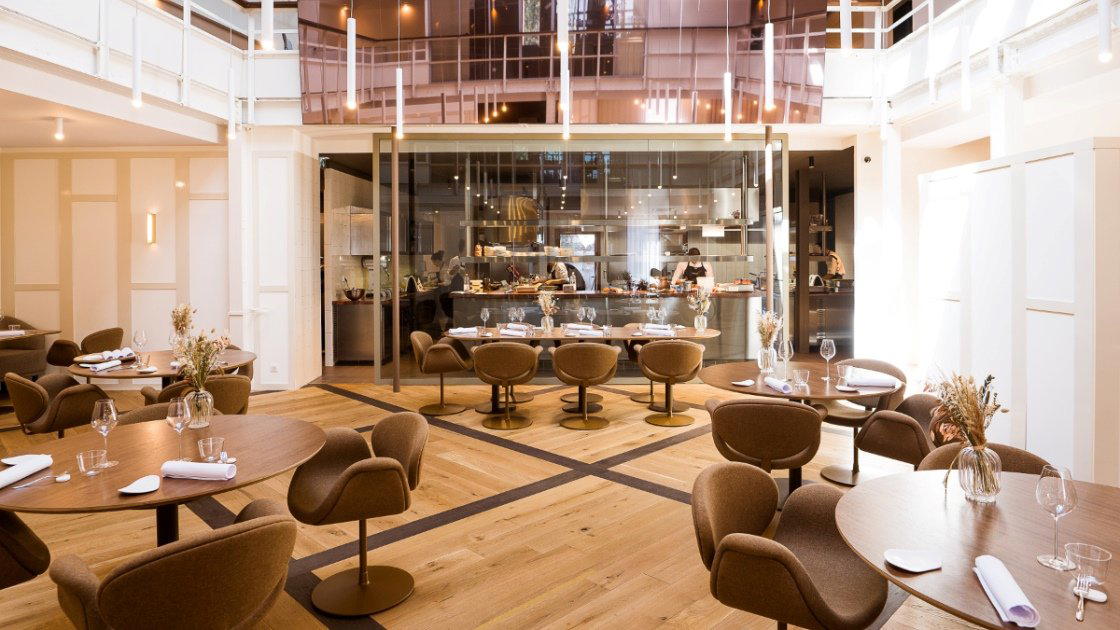
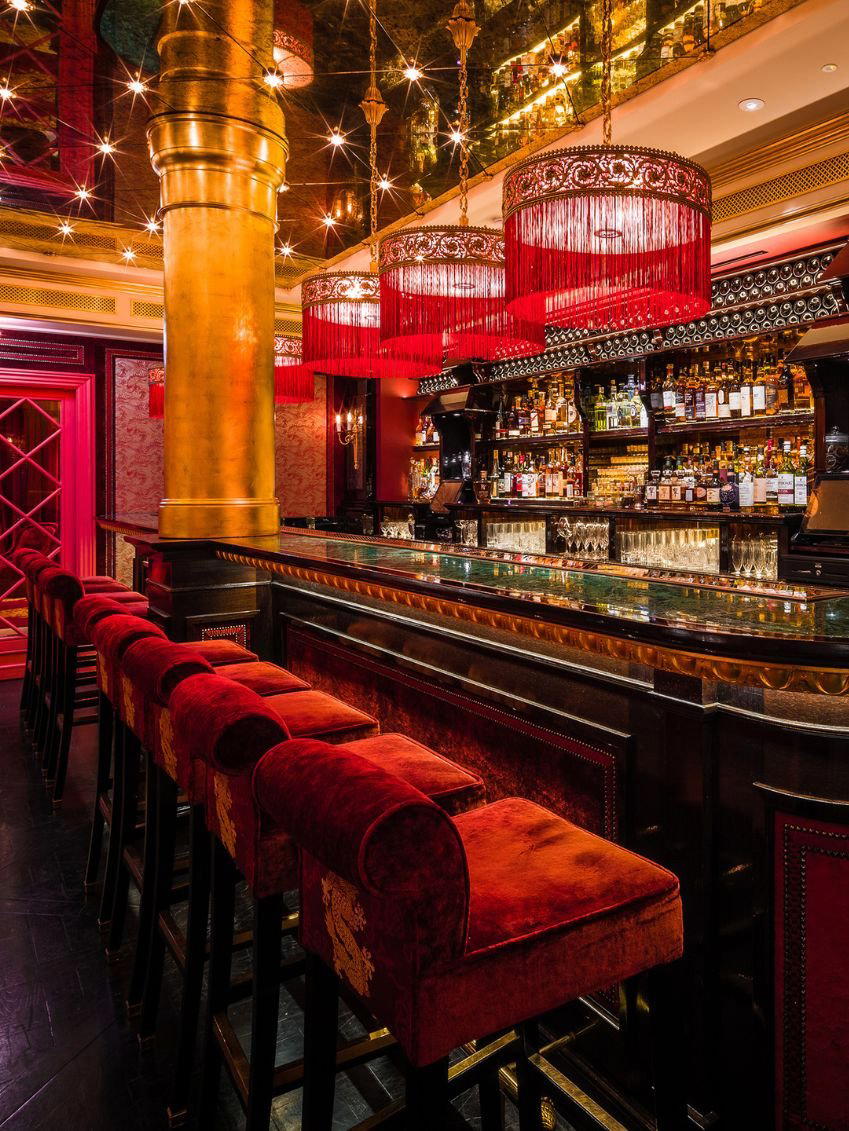
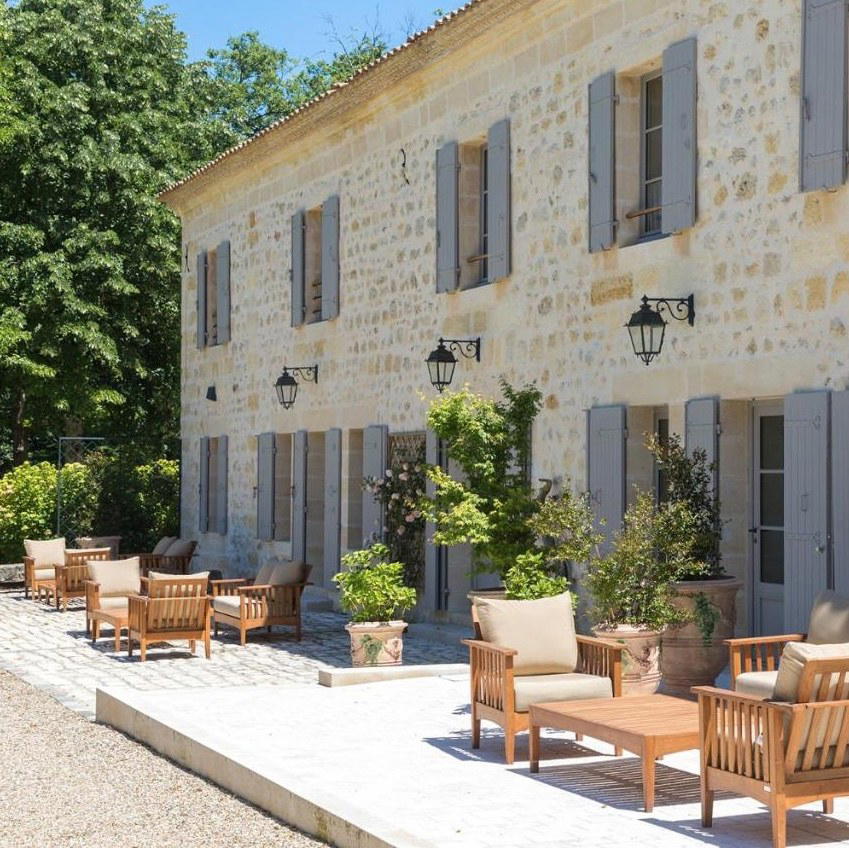
Ornate and sophisticated with a focus on terroir expression in an historic, meticulously managed setting.