Hôtel de Pavie


1 Michelin Key · Relais Chateaux Award
At 5 Place du Clocher, Hôtel de Pavie occupies one of the most precise addresses in the Bordeaux wine country: the medieval centre of Saint-Émilion, whose UNESCO-recognised vineyards lie within walking distance of the hotel's panoramic terrace. With 21 rooms, two Michelin stars in the restaurant, and a Michelin Key awarded in 2024, it sits in a narrow tier of small French hotels where serious food and serious wine geography converge.

Pearl is the En Primeur Club membership app — saves, bookings, and concierge access live there. Same editors, same standards.
- Address
- 5 Pl. du Clocher, 33330 Saint-Émilion
- Phone
- +33 5 57 55 07 55
- Website
- hoteldepavie.com
- Directions
- Get directions
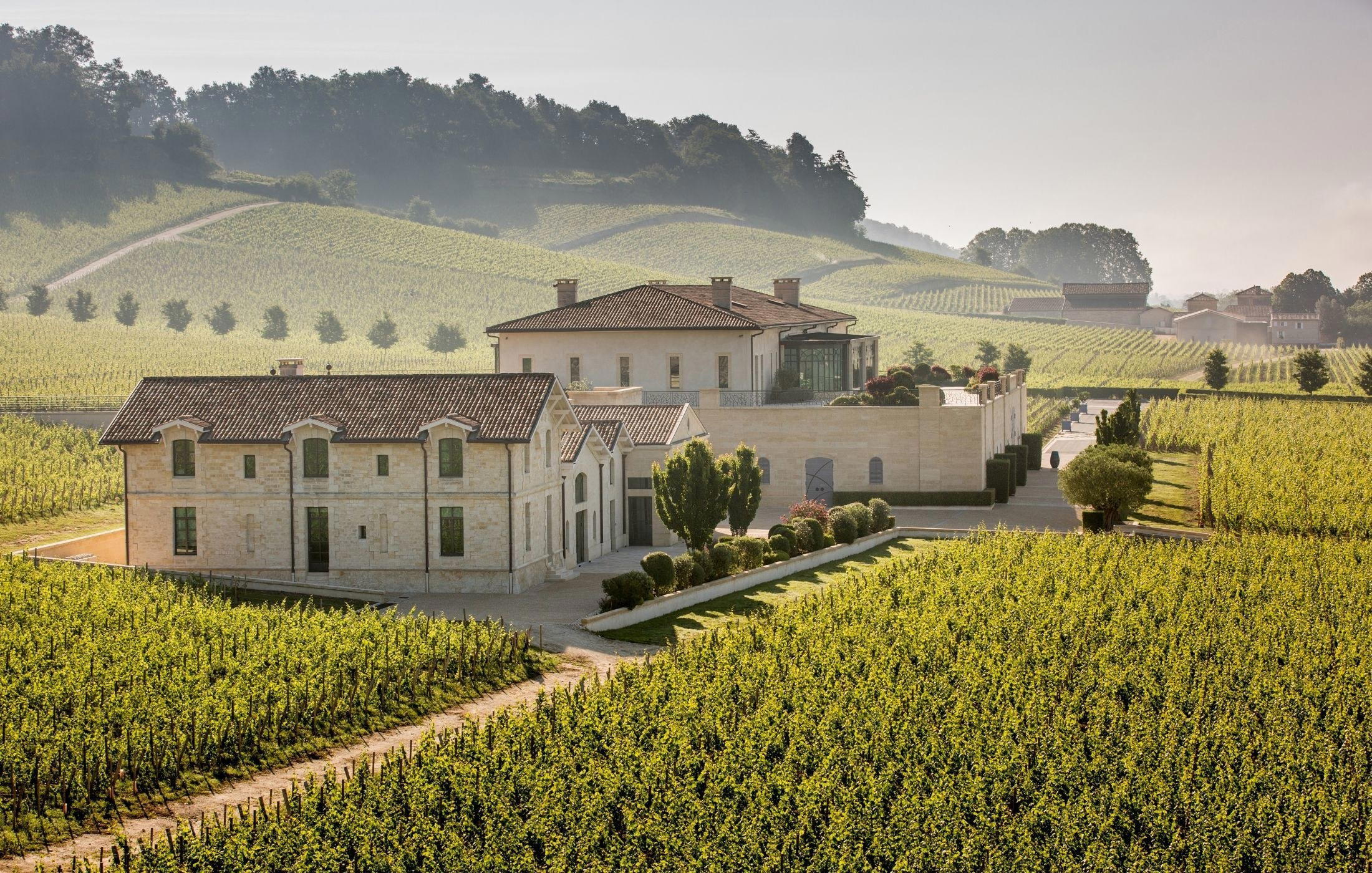
An Address in the Heart of a UNESCO Wine Landscape
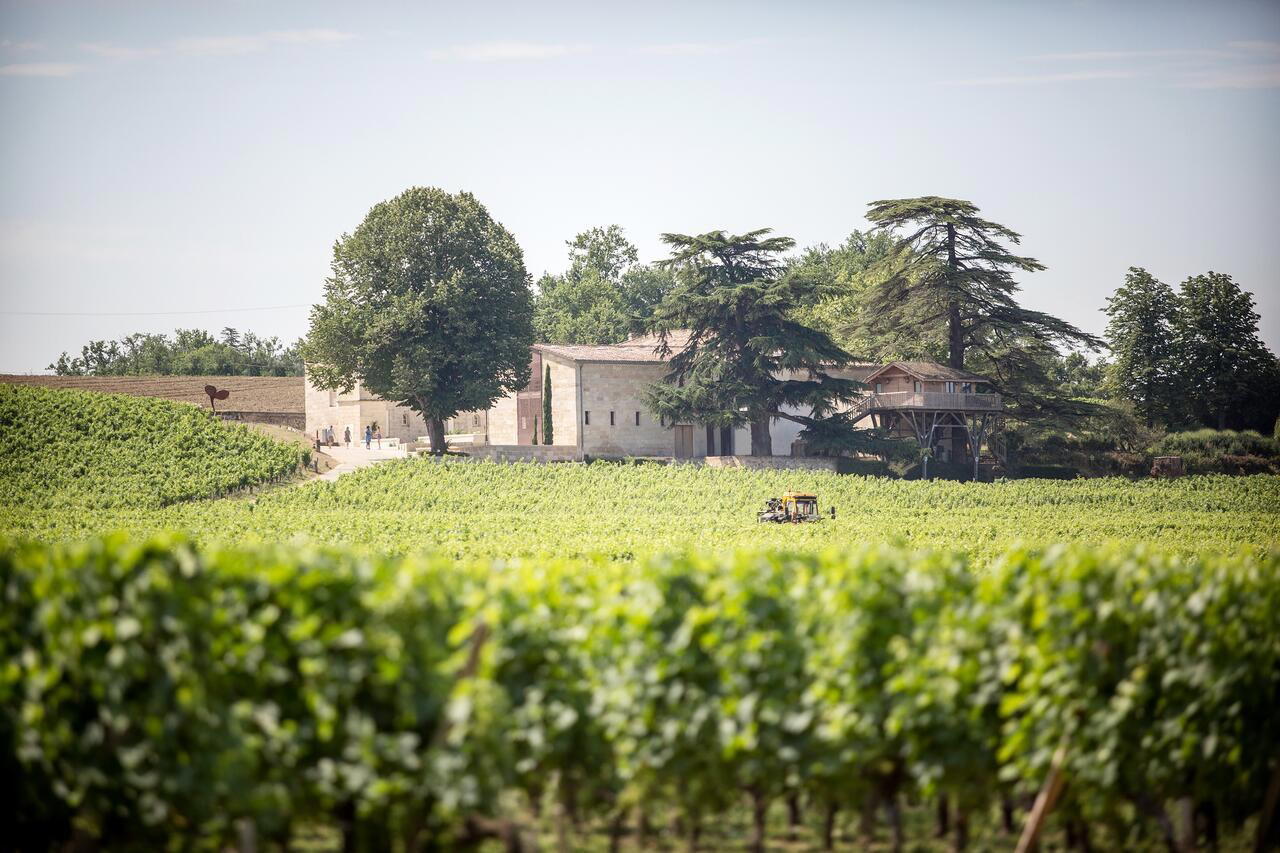
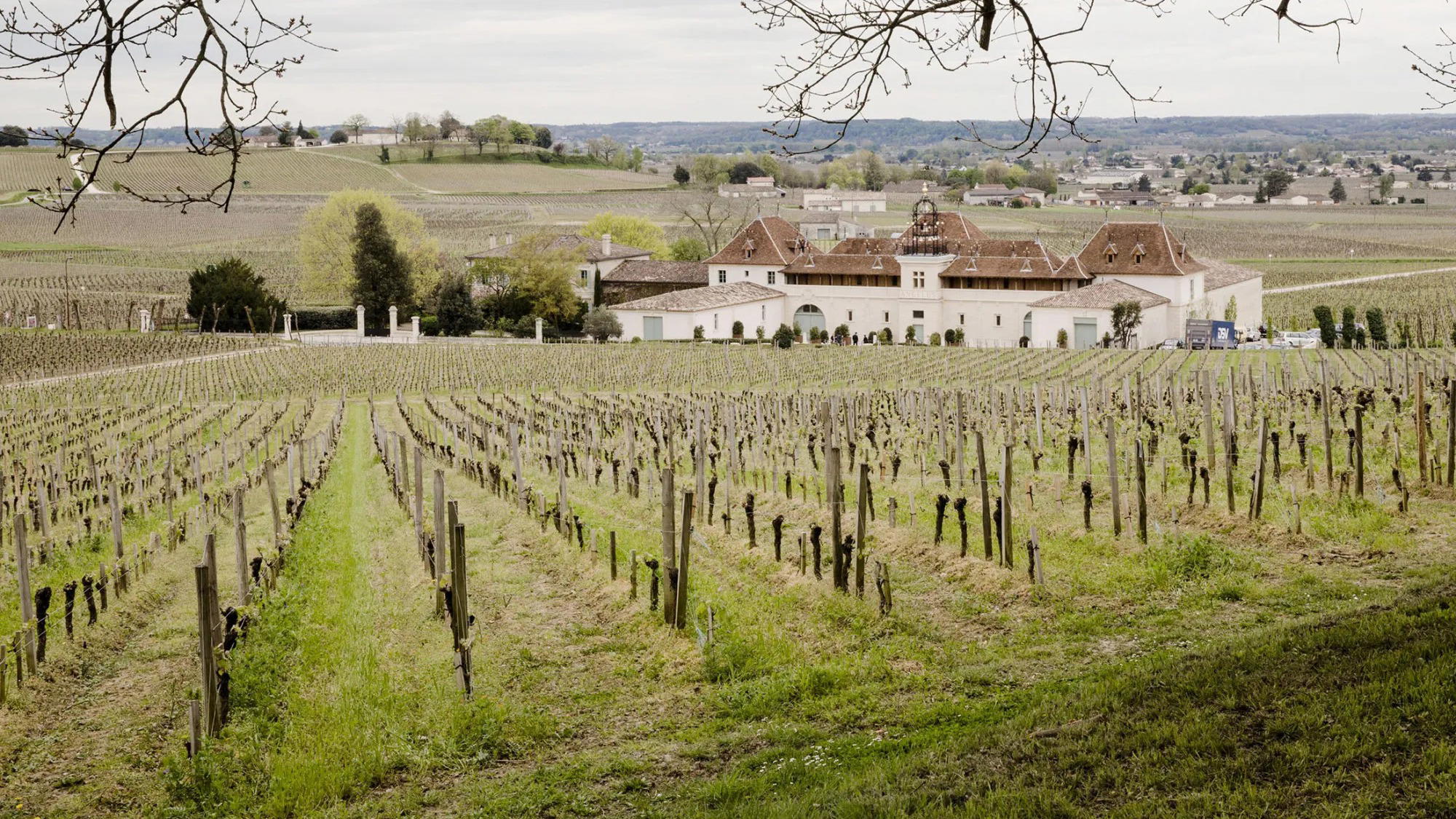
Saint-Émilion holds a distinction that no other wine village in France can claim: its vineyards were the first in the world to receive UNESCO World Heritage recognition for their cultural and historic significance, a designation that covers not only the vines but the limestone plateau, the underground quarries, and the medieval village perched above them. Within that village, at 5 Place du Clocher — the square named for the bell tower that has oriented winemakers and pilgrims alike for centuries — Hôtel de Pavie occupies a position that is less a convenience and more a thesis statement about what the property is for. The Route des Grands Crus passes through the surrounding countryside; châteaux producing some of Bordeaux's most closely followed wines are reachable by car within minutes. For a hotel built around a two-Michelin-star restaurant and a serious wine culture, that proximity is the whole point.
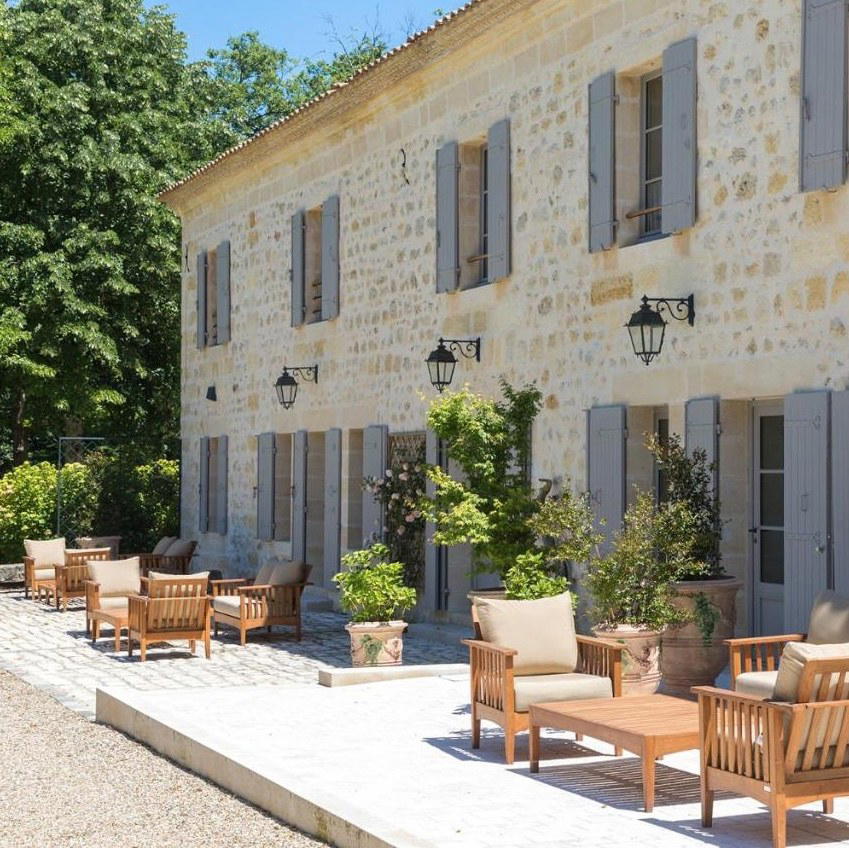
Small luxury hotels in France's wine regions tend to split between two models: the château property set among its own vines, offering an immersive estate experience, and the village property that trades a private vineyard for immediate access to a broader territory. Hôtel de Pavie belongs firmly to the second type. With 21 rooms, it operates at a scale where personal attention is structurally possible rather than just promised. Guests at Château Troplong Mondot or Château Hôtel Spa Grand-Barrail sleep inside working wine estates on the plateau; guests at Hôtel de Pavie sleep inside the village itself, with the church bell audible from the square and the limestone lanes of the UNESCO zone immediately outside the door.
The Physical Environment: Medieval Shell, Contemporary Interior
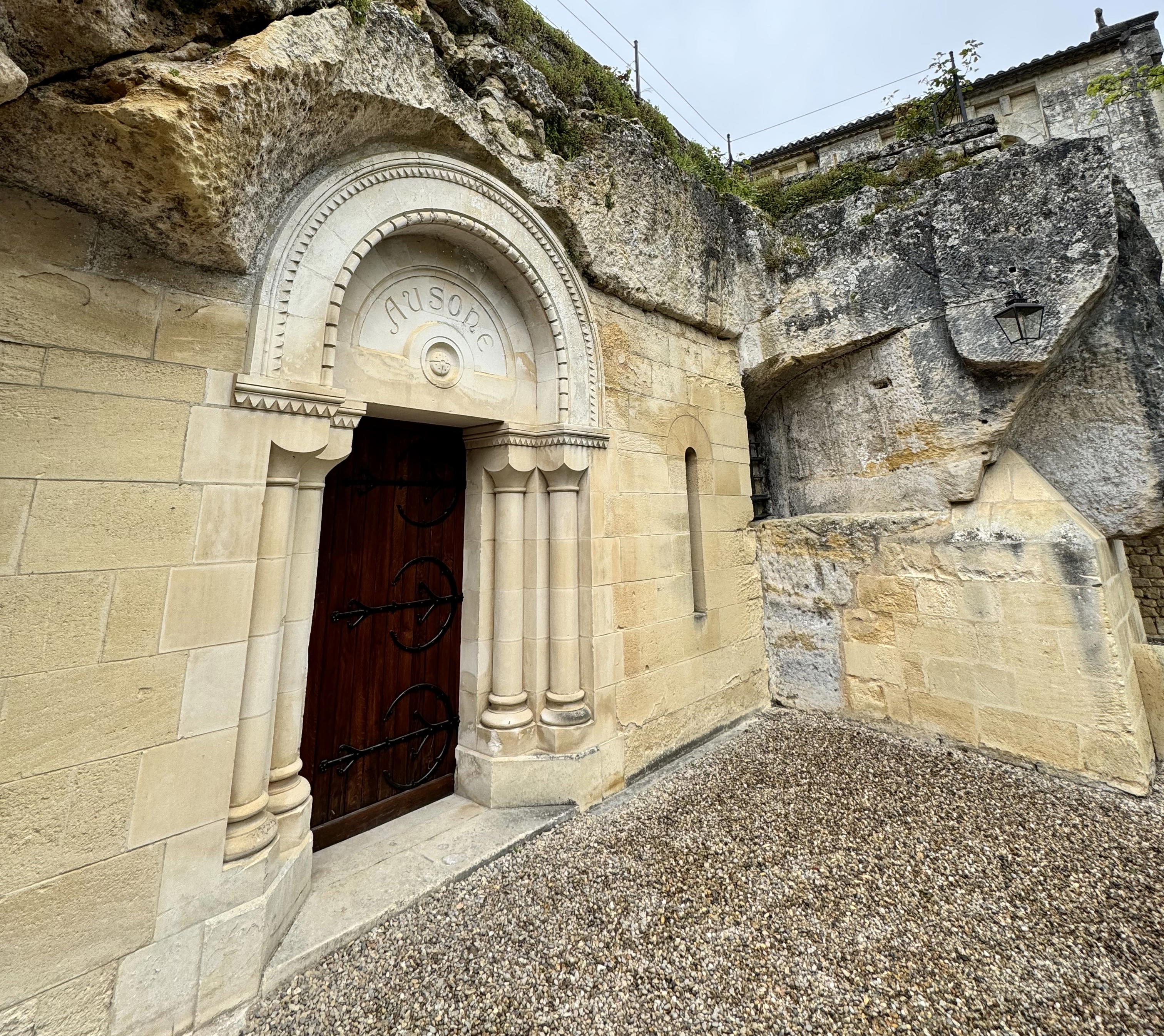
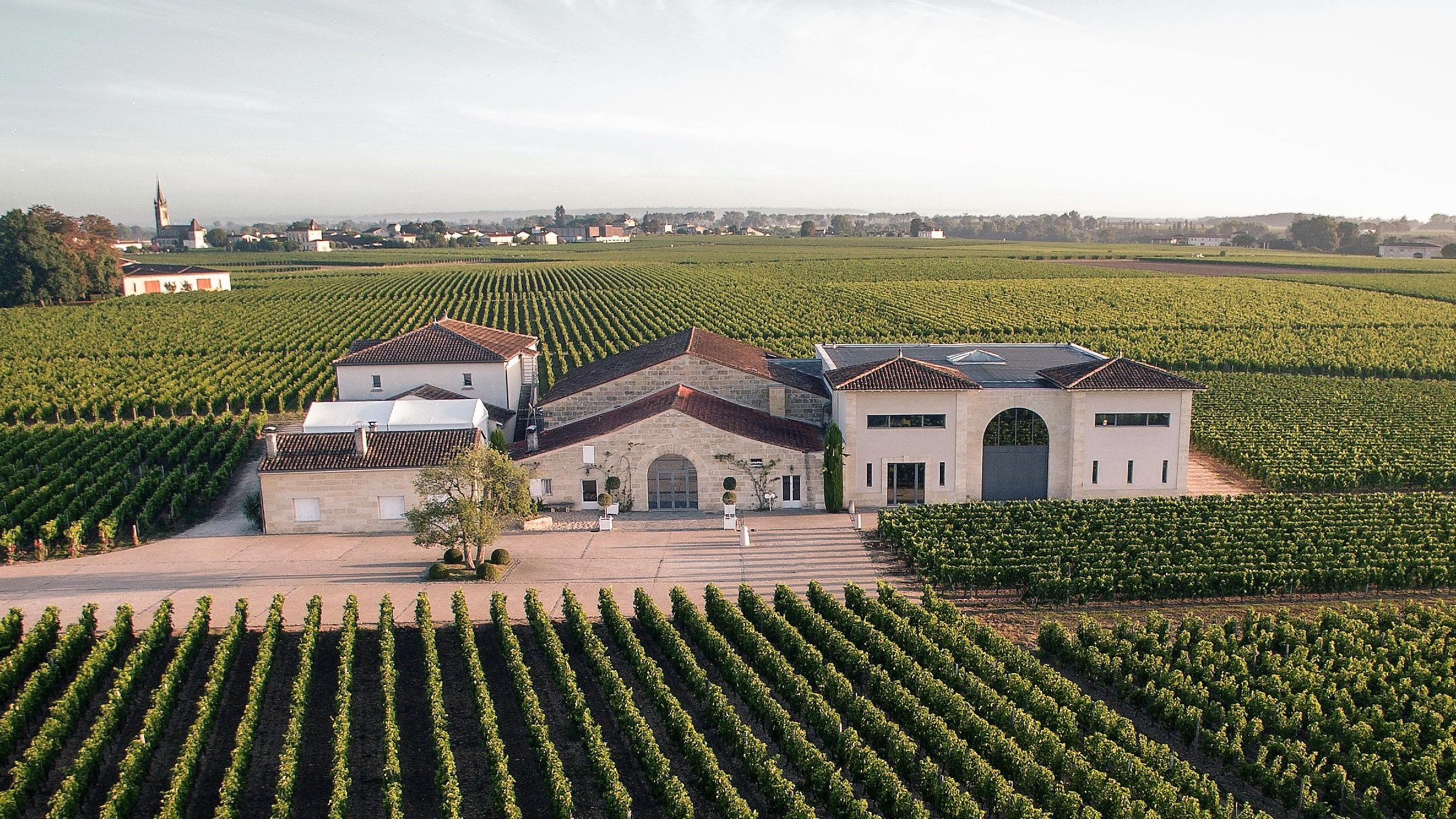
The architectural bones of the building read clearly from the street: old stone, proportions that belong to the medieval streetscape, a presence that fits the square rather than imposing on it. Inside, the design takes a different approach. The interiors are deliberately contemporary, with bold colour choices, patterned wallpaper, and furnishings that make no attempt to replicate period authenticity. This is a considered position rather than a lapse in editorial control, the contrast between the ancient exterior and the fresh, modern rooms is the design argument the hotel is making. It is a more demanding approach than simply installing reproduction antiques, and it either works for a guest or it does not.
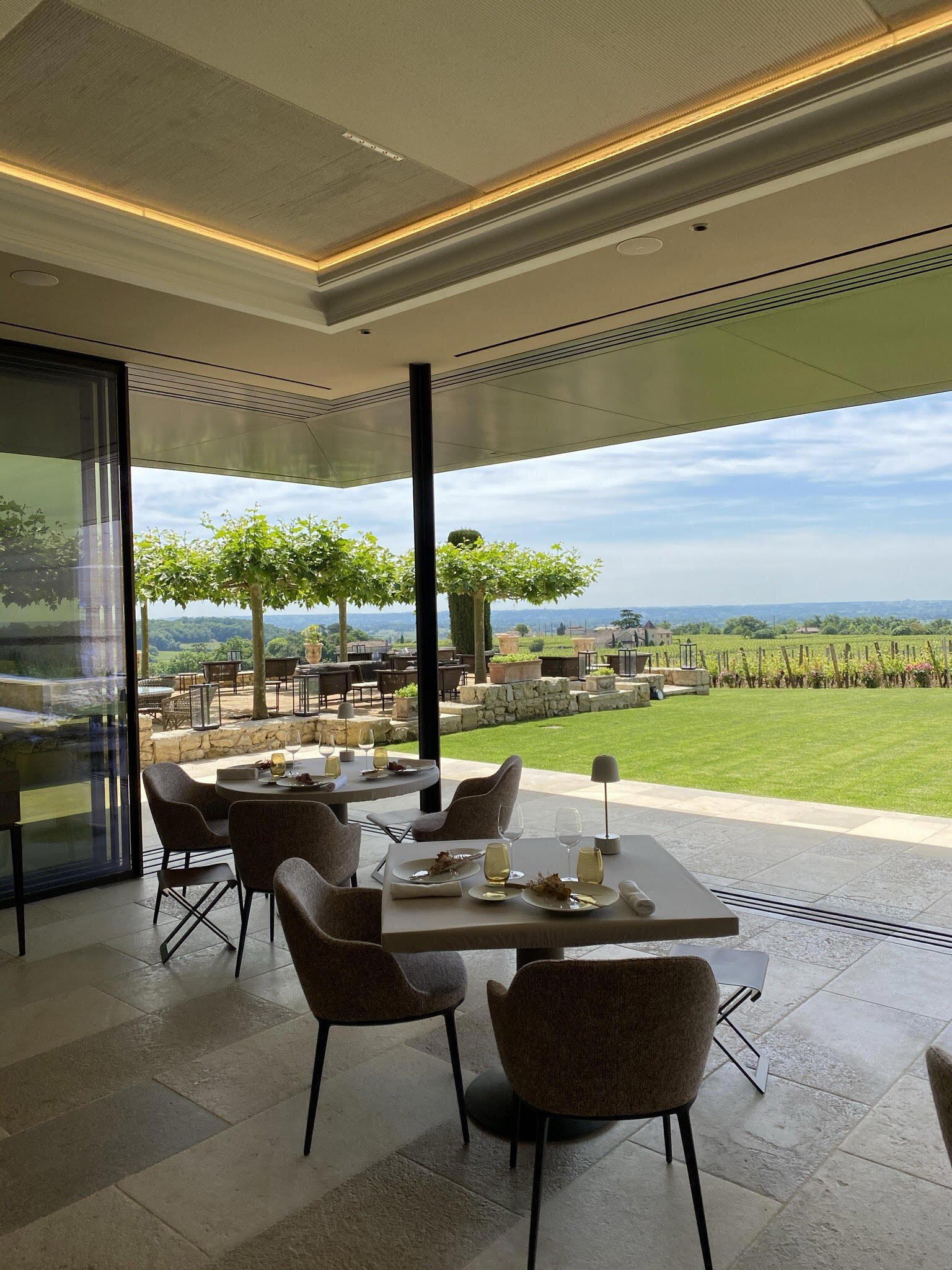
Several rooms include private terraces or balconies with views across Saint-Émilion's rooftops, giving access to a panorama that from street level is only partly visible. The roofscape of a medieval wine village, with its terracotta and limestone, seen from above at dusk, carries a different weight than the same view from a car window on the Route des Grands Crus. That is the specific value the address provides, and it is not available at estate-based alternatives further from the centre such as Château du Palanquey.
Two Michelin Stars in a Wine Village Setting
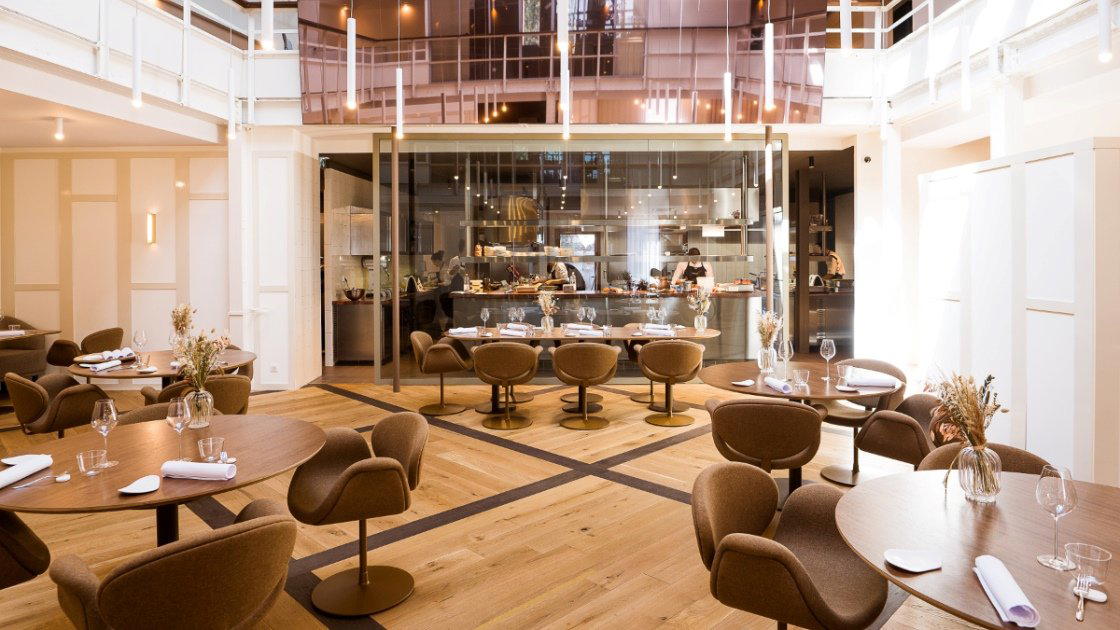
Two-star Michelin restaurants in France's provincial wine regions occupy a position that differs meaningfully from their urban equivalents. In Paris, two stars exist in a dense competitive field where the distinction is partly relative; in a village of Saint-Émilion's scale, two stars function as a regional anchor, drawing a clientele that travels specifically for the table. The Michelin distinction awarded to the restaurant at Hôtel de Pavie in 2025 places it in a cohort of hotel restaurants where the kitchen is not an amenity but a primary reason for the stay itself.
The practical consequence for guests is that the restaurant demands advance planning. Booking the table separately from the room, and early, is the standard approach at properties with this level of kitchen recognition. The combination of a two-star restaurant and a Michelin Key, the guide's hotel distinction, awarded here in 2024, signals an integrated quality standard across dining and accommodation rather than a strong kitchen attached to an indifferent property. Comparable integrated hotel-restaurant properties elsewhere in provincial France, such as Domaine Les Crayères in Reims or Baumanière Les Baux-de-Provence, demonstrate how durable that model can be when both sides of the equation hold their standard.
Breakfast at the hotel is described as lavish, a practical detail that matters more in a wine-country setting than it might in a city. A day structured around tastings at the châteaux of the Route des Grands Crus benefits from a substantive morning meal, and a hotel positioned as a wine-visit base that delivers on this point is doing its job correctly.
Positioning in the Saint-Émilion Accommodation Market
Rates from USD 450 per night, with a price point around USD 612 at standard booking, place Hôtel de Pavie at the upper end of the Saint-Émilion accommodation market. At 21 rooms with two Michelin stars and a Michelin Key, the pricing reflects a supply-demand arithmetic familiar in any small European destination where demand from serious wine travellers consistently exceeds inventory at properties with genuine kitchen credentials.
Among comparable village-centred properties in Saint-Émilion, Logis de la Cadène offers an alternative at smaller scale. Estate-based alternatives such as Château Troplong Mondot compete differently, offering vineyard immersion over village centrality. Neither comparison diminishes Hôtel de Pavie's position; they clarify what each type of stay is actually selling. For guests whose primary objective is access to Saint-Émilion's wine geography during the day and a serious kitchen in the evening, the village-centre hotel with two Michelin stars is the logical choice.
For context on how Hôtel de Pavie sits within France's broader range of luxury wine-country hotels, properties like Les Sources de Caudalie in Bordeaux offer a different Bordeaux-region model centred on spa and estate experience, while Royal Champagne Hotel and Spa in Champillon occupies an analogous position in the Champagne wine corridor. The pattern of a small, kitchen-serious hotel in a wine village with UNESCO-level cultural heritage is not unique to Saint-Émilion, but Saint-Émilion's compactness and the density of grands crus within its immediate territory make the village-centre location particularly efficient for a focused wine visit.
Planning a Stay: Logistics and Timing
The hotel is closed annually from 20 December 2025 to 2 March 2026, covering both the hotel and its restaurant. This is the standard closure pattern for many French provincial properties of this type and should factor into any late-winter planning. The wine harvest period in September and October draws higher demand across Saint-Émilion, and the spring months, when en primeur tastings bring trade and press buyers to the appellation, similarly compress availability. Guests planning visits around either period should expect to book well ahead. The address at Place du Clocher is walkable from the main monuments and wine merchants of the village; Saint-Émilion itself is approximately 35 kilometres east of Bordeaux city centre, accessible by train from Bordeaux's Saint-Jean station to Libourne followed by a short taxi or transfer.
For guests comparing Hôtel de Pavie to other French luxury hotel options beyond Bordeaux, the broader EP Club hotel collection includes properties from Cheval Blanc Paris and Hotel Du Cap-Eden-Roc in Cap d'Antibes to the smaller-scale Castelbrac in Dinard and La Bastide de Gordes. For Riviera alternatives, The Maybourne Riviera, La Réserve Ramatuelle, and Château de la Chèvre d'Or in Èze represent comparable price-tier properties in different settings. Mountain options include Cheval Blanc Courchevel and Four Seasons Megève. Further afield, Aman Venice, Aman New York, and The Fifth Avenue Hotel in New York City offer points of comparison for internationally mobile guests building out a broader travel programme. See also Airelles Saint-Tropez, Casadelmar in Porto-Vecchio, Hôtel and Spa du Castellet, and Villa La Coste for other Provence and South of France options. For the full picture of dining and accommodation in Saint-Émilion, the EP Club Saint-Émilion guide covers the appellation in detail.
At a Glance
Comparable venues nearby, for context on price, style, and recognition.
| Venue | Price | Awards | Notes |
|---|---|---|---|
| Hôtel de PavieThis venue — the venue you are viewing | $300–500 | 1 Michelin Key · Relais Chateaux Award | Not listed |
| Château du Palanquey | Not listed | 1 Michelin Key | Sainte-Colombe, Restored historic chateau with modern comforts in vineyard setting |
| Château Hôtel Spa Grand-Barrail | $300–500 | Gault & Millau Exceptional Hotel | Saint-Emilion, Historic 19th-century château with contemporary luxury renovations, positioned as an upscale wine country retreat. |
| Logis de la Cadène | $300–500 | 1 Michelin Key | historical district, Historic heritage boutique hotel with contemporary luxury refinements, positioned as an intimate culinary and wellness destination. |
| Les Clefs de Troplong Mondot | $200–300 | Michelin Selected | Butte de Mondot, Saint-Emilion, Historic château boutique hotel positioned as an authentic wine estate experience combining 18th-century heritage with refined contemporary comfort. |
| Château Troplong Mondot | Not listed | Not listed | Saint-Emilion, Restored 18th-century château offering ultra-luxury private home experience with five-star hotel services. |
Recognition history
Dated appearances from independent guides and award organizations, with the underlying list record or original source where available.
Michelin 1 Key
Michelin
Relais Chateaux Award
Relais Chateaux
Full recognition history (5 entries)
Michelin 1 Key
Michelin
Relais Chateaux Award
Relais Chateaux
Michelin 1 Key
Michelin
Continue exploring
More in Saint-Émilion
Hotels in Saint-Émilion
Browse all →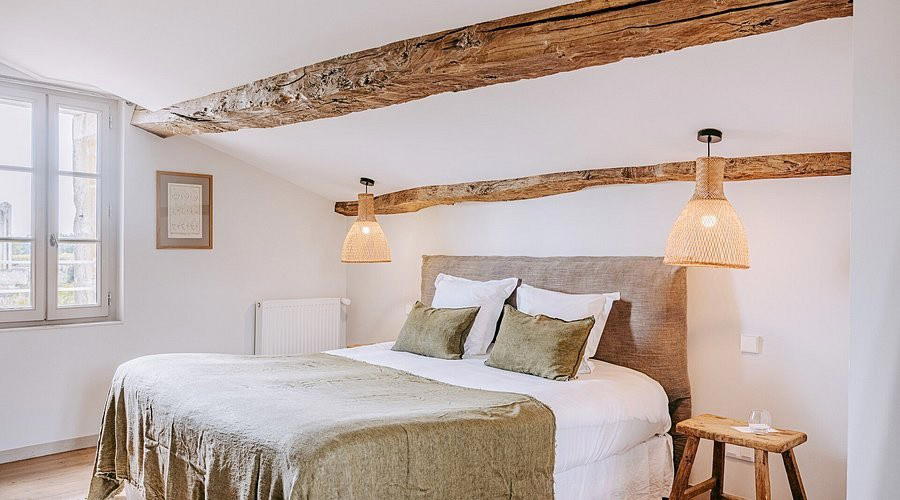
Bars in Saint-Émilion
Browse all →
Restaurants in Saint-Émilion
Browse all →
Details
- Elegant
- Romantic
- Sophisticated
- Scenic
- Quiet
- Romantic Getaway
- Honeymoon
- Anniversary
- Weekend Escape
- Terrace
- Historic Building
- Panoramic View
- Wi Fi
- Spa
- Pool
- Room Service
- Concierge
- Valet Parking
- Vineyard
- Garden
- Elevator
- Wheelchair Accessible
Elegant and peaceful with garden terrace views, praised for precise luxury and attentive service.