Vignobles et Châteaux Wine Bar

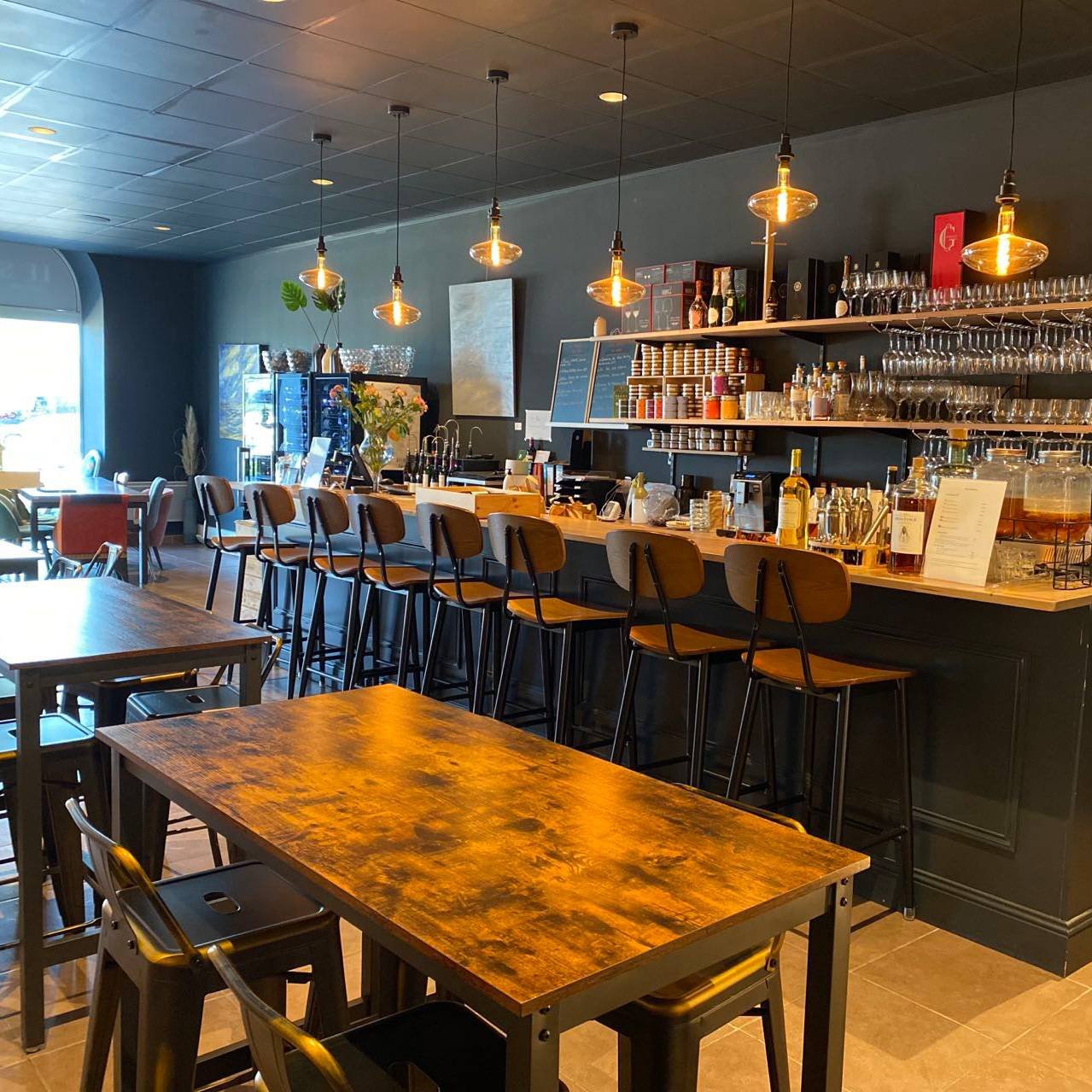
On a narrow cobbled street in the heart of Saint-Émilion, Vignobles et Châteaux Wine Bar occupies a position that few wine destinations in France can match: a dedicated wine list operation inside the world's most concentrated appellation. Recognised by Star Wine List in 2026, the bar sits at the intersection of serious wine curation and the kind of unhurried afternoon drinking that defines the region at its best.
 Discover on Pearl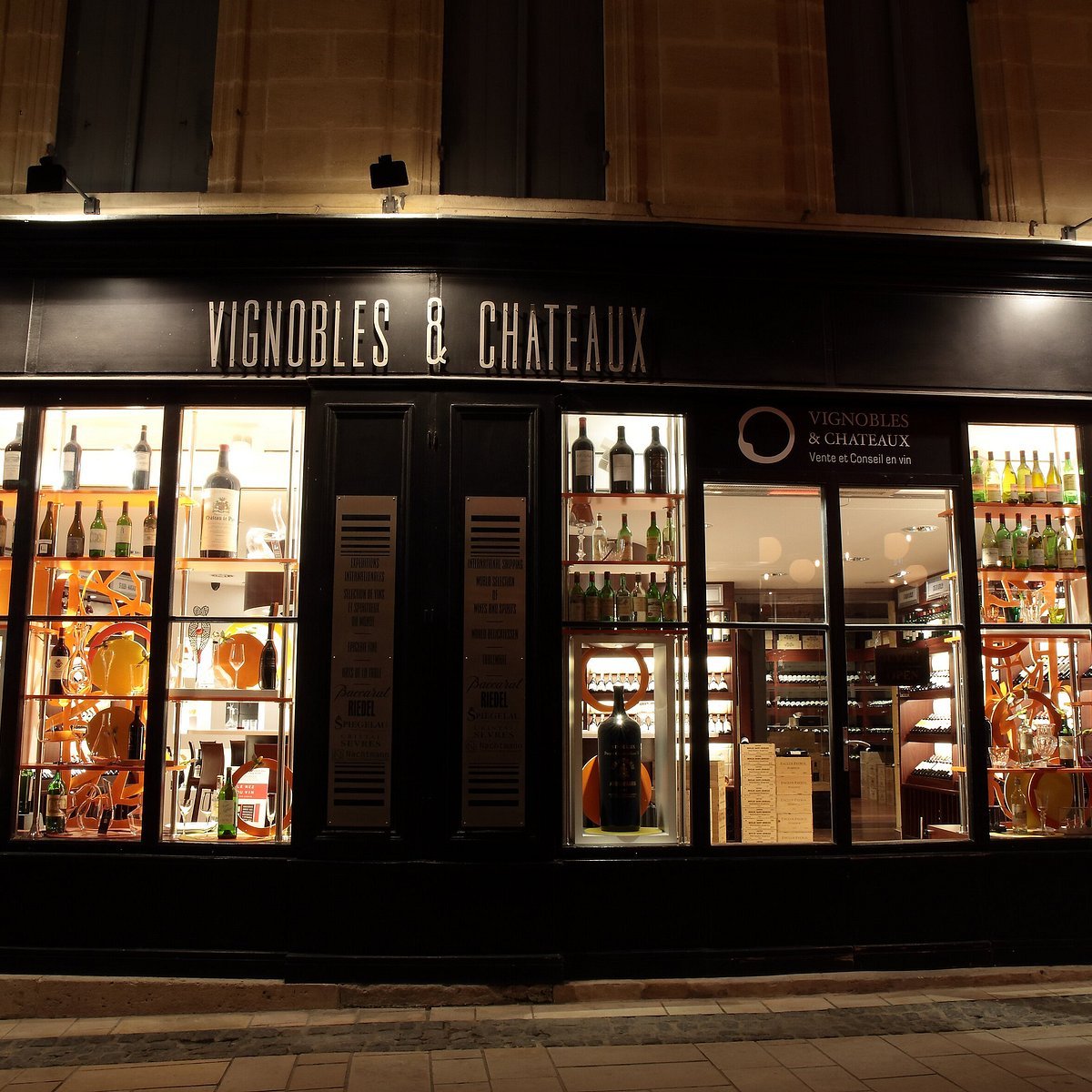
A Wine Bar in the World's Most Concentrated Appellation
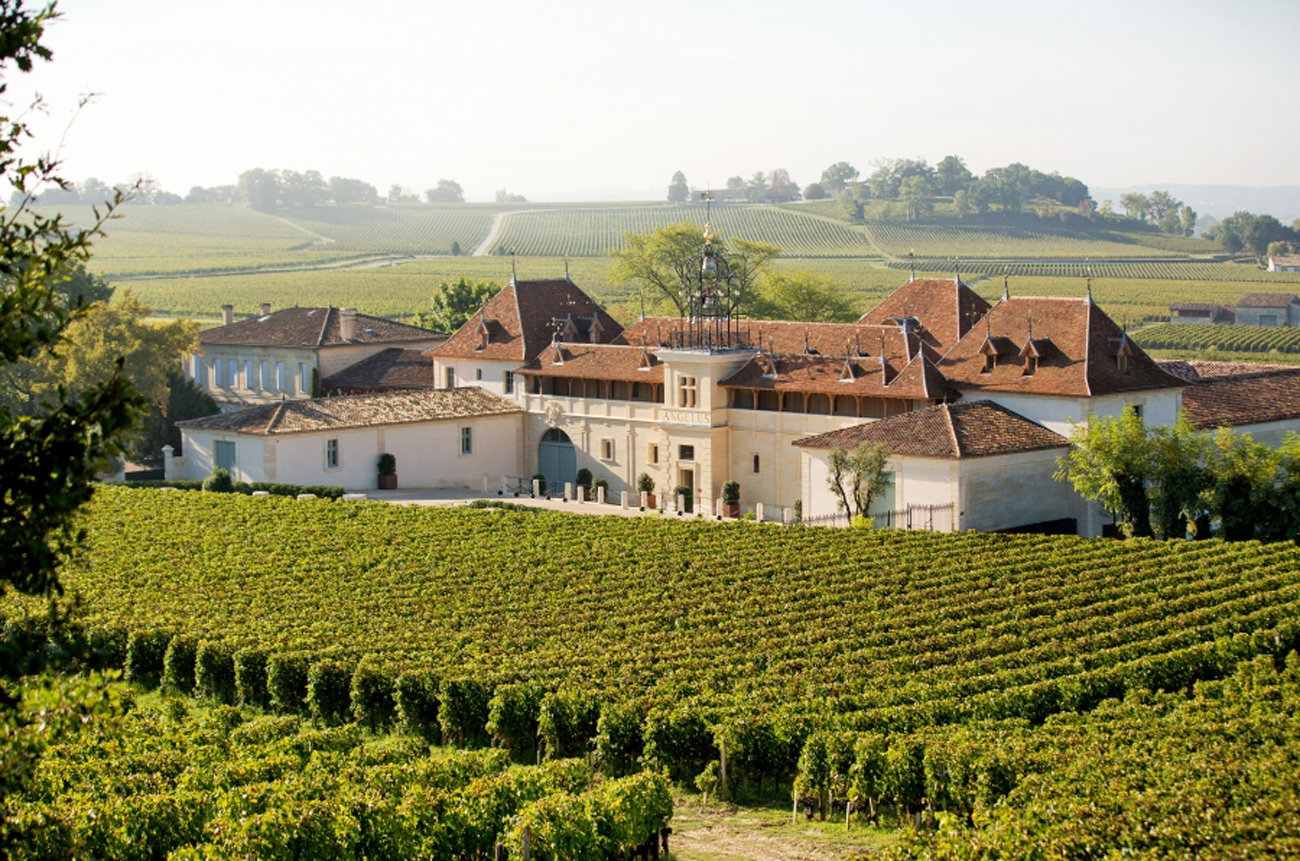
Saint-Émilion does not need to argue for its credentials. The UNESCO-listed medieval village sits atop a limestone plateau riddled with some of the most closely studied terroir in France, and its Grands Crus Classés represent a pricing and prestige tier that few appellations anywhere can approach. For a wine bar to operate credibly here, it cannot simply open bottles and collect margins. The selection has to function as editorial — a point of view on what this appellation produces, and at what register.
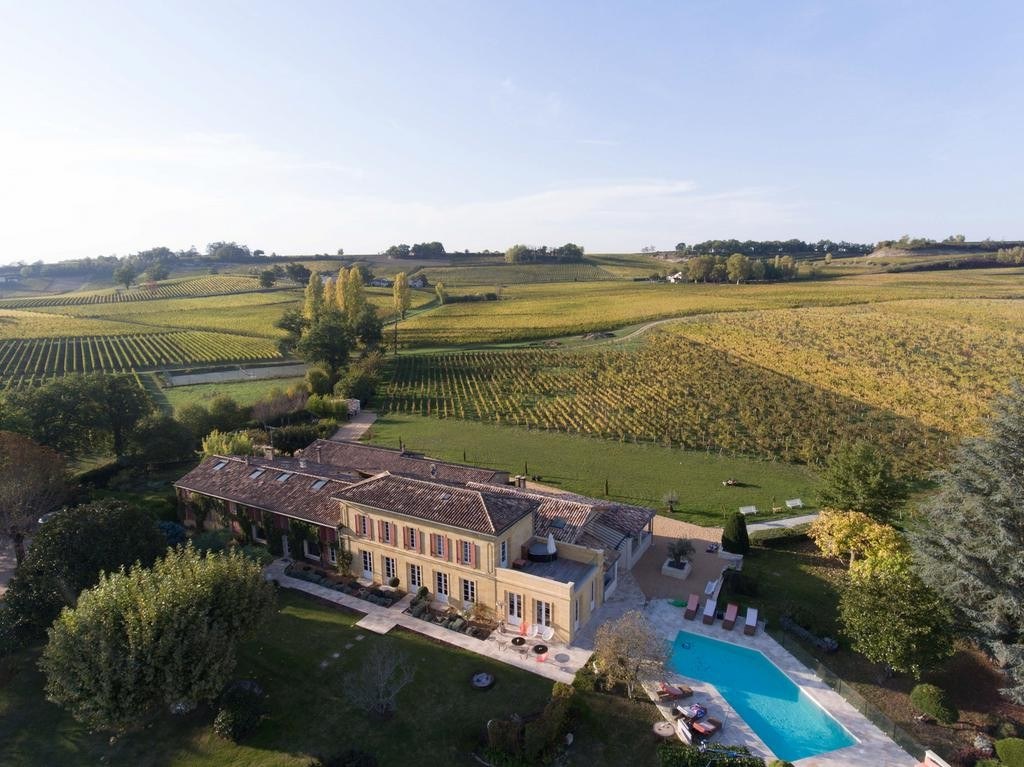
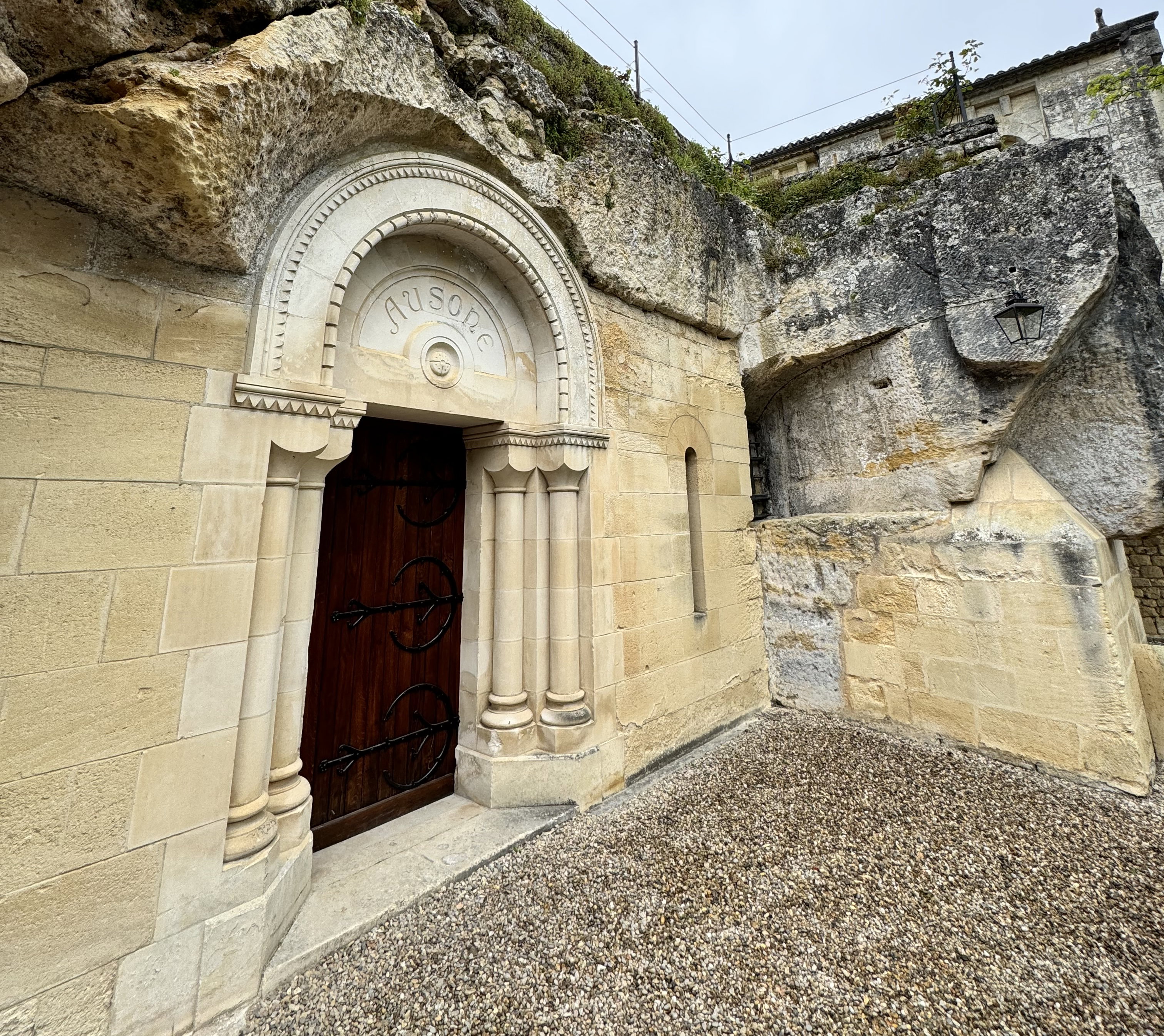
Vignobles et Châteaux Wine Bar, at 1 Rue du Clocher, occupies that position. The address is close to the collegiate church that defines the village's skyline, which means arriving on foot through streets narrowed by centuries of stone construction. The physical approach matters in a place like Saint-Émilion: the limestone underfoot is the same formation that runs beneath the vineyards, and by the time you find the bar, you have already absorbed something of the geology that makes the wines taste the way they do.
What a Star Wine List Recognition Signals Here
The bar holds a Star Wine List award for 2026, placing it inside a peer set defined by the quality and depth of its cellar curation rather than its food programme or cocktail ambition. Star Wine List recognition in a destination like Saint-Émilion carries a specific implication: the selection is being assessed against serious wine-focused venues across Europe, not just against tourist-trade operations that happen to serve local bottles. For a wine bar in a village of roughly 2,000 permanent residents that receives several million visitors annually, holding that kind of third-party validation separates the venue from the considerable volume of places selling Bordeaux labels on reputation alone.
That distinction matters more than it might appear. Saint-Émilion's visitor economy means that most wine stops along its main streets are optimised for throughput rather than depth. A venue that earns specialist recognition is, by definition, working to a different brief. For visitors arriving with a specific interest in Right Bank producers, in the plateau versus côtes distinction, or in smaller Grands Crus Classés that rarely appear outside the region, that focus represents something worth seeking out. See our full Saint-Émilion restaurants guide for further context on how the village's wine and dining options are structured.
The Wine Programme as Editorial Argument
The editorial angle of any serious wine bar in Saint-Émilion is, almost inevitably, the selection itself. Bordeaux's Right Bank — Merlot-dominant, clay-heavy soils on the plateau, more limestone-influenced on the côtes , produces wines that age differently from their Left Bank counterparts, and that age differently from each other depending on which side of the appellation's internal geography they come from. A wine bar that understands this is presenting wines as a map of the land rather than as a catalogue of labels.
The bar's name, Vignobles et Châteaux, signals that orientation directly: vineyards and châteaux, plural, which in the context of Saint-Émilion implies a view across the appellation's spectrum rather than a focus on a single estate or prestige tier. France's broader wine bar scene has moved in this direction in recent years, away from the kind of venue that builds its identity around one famous producer and toward formats that can place a bottle in context. Venues like Coté Vin in Toulouse and La Maison M. in Lyon represent similar specialist wine-bar formats in their respective cities, operating with curatorial ambition rather than broad-category coverage.
Drinking in Saint-Émilion: Context and Timing
Village's tourism calendar peaks hard between May and October, when en primeur tastings, harvest-season visits, and general wine tourism compress into a short window. A wine bar with serious credentials becomes a different proposition depending on when you arrive. During harvest in September and October, the village is operating at full capacity, and the wines on a well-curated list take on additional weight as a reference point for the vintage being brought in from the vineyards surrounding the walls.
By contrast, visiting in the shoulder months , March and April, or November before winter closure patterns take hold , reduces the volume of passing trade significantly. The bar's position on Rue du Clocher, within the fortified village, means it draws from the same foot traffic patterns as the main tourist circuit, but the demographic shifts considerably outside peak season toward buyers, journalists, and trade visitors with specific reasons to be in the appellation. That shift in audience has implications for the quality of conversation possible across the counter.
For those building a wider wine itinerary in southwest France and the Loire, comparable specialist formats include Bouvet Ladubay in Saumur for sparkling wine depth and House of Cointreau in Angers for a different lens on the Loire Valley's spirits and wine heritage. Further afield, Bar Casa Bordeaux in Bordeaux operates within the same regional wine culture, roughly an hour's drive west, and provides a useful comparison point for how urban and village formats handle the same Bordeaux appellation structure.
Planning a Visit
Rue du Clocher runs through the interior of the UNESCO-listed village, accessible on foot from the main entrance points. Saint-Émilion is approximately 40 kilometres east of Bordeaux by road, with regular train service to Saint-Émilion station from Bordeaux Saint-Jean, followed by a short uphill walk into the village. Specific hours, booking requirements, and current pricing are leading confirmed directly with the venue, as seasonal patterns in a village of this scale can shift the operating calendar considerably. The Star Wine List recognition for 2026 provides a current reference point for the bar's standing within France's specialist wine venue circuit.
For those with broader bar itineraries in France and beyond, the EP Club network covers venues across the country and internationally, including Bar Nouveau in Paris, Papa Doble in Montpellier, Au Brasseur in Strasbourg, Le Café de la Fontaine in La Turbie, Le Petit Nice Passedat in Marseille, and further afield at Bar Leather Apron in Honolulu.
Peer Set Snapshot
These are the closest comparables we have in our database for quick context.
| Venue | Cuisine | Price | Awards | Notes |
|---|---|---|---|---|
| Vignobles et Châteaux Wine Bar | This venue | |||
| Bar Nouveau | World's 50 Best | |||
| Buddha Bar | World's 50 Best | |||
| Candelaria | World's 50 Best | |||
| Danico | World's 50 Best | |||
| Harry's Bar | World's 50 Best |
Continue exploring