Logis de la Cadène

1 Michelin Key
A nine-room family-run inn occupying a historic house in the UNESCO-listed centre of Saint-Émilion, Logis de la Cadène has operated since 1848. Its Michelin-starred restaurant is a long-standing fixture of the village dining scene, and the property received a Michelin 1 Key in 2024. Rooms are named for dates significant to the owning family, with interiors that balance contemporary design against the building's considerable age. Rates from $249.

Pearl is the En Primeur Club membership app — saves, bookings, and concierge access live there. Same editors, same standards.
- Address
- 3 Pl. du Marché au Bois, 33330 Saint-Émilion
- Phone
- +33 5 57 24 71 40
- Website
- logisdelacadene.fr
- Directions
- Get directions
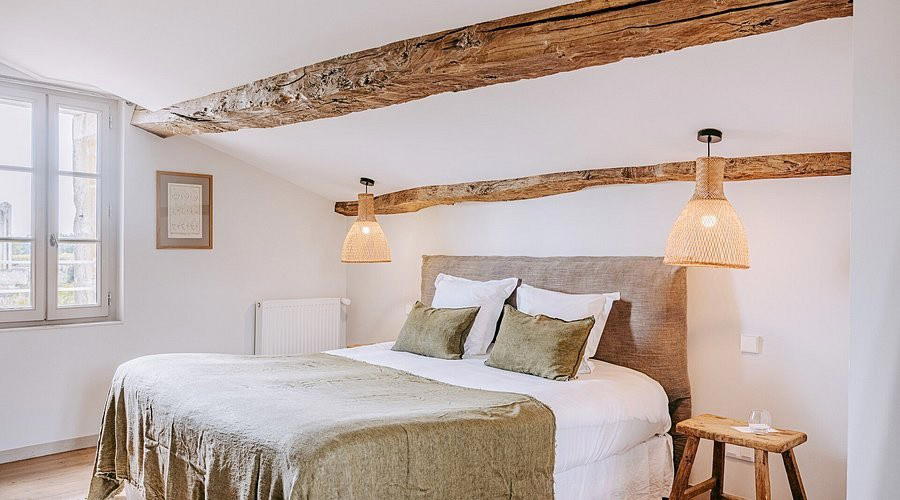
Stone Walls, Starred Tables, and the Slow Rhythm of Saint-Émilion
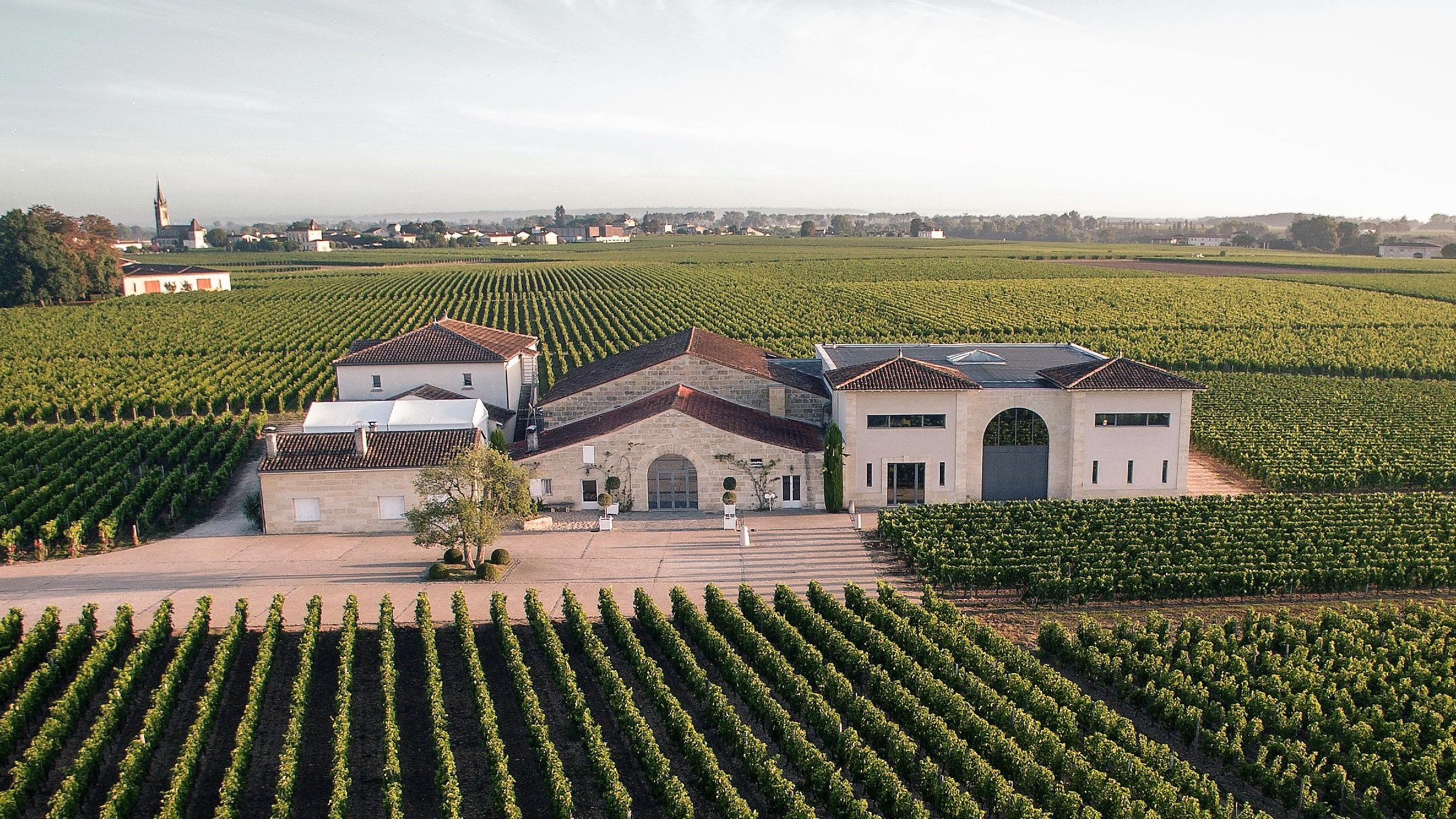
Place du Marché au Bois sits at the compressed heart of Saint-Émilion, where the medieval village's limestone buildings press close and the street plan hasn't changed in centuries. Arriving at Logis de la Cadène here, you step through a facade that the 19th century built and the 21st century has carefully preserved. The sense of compression is deliberate: nine rooms, one dining room, one address on the UNESCO World Heritage list. Saint-Émilion is a village that makes a virtue of smallness, and Logis de la Cadène works within that logic rather than against it.
This is not the format of the destination château-hotel, where scale and vineyard panoramas do most of the work. The property sits closer in spirit to the small maison de maître tradition: a family house converted into an inn, retaining the domestic proportions and, in this case, the family itself. The inn dates to 1848, which places it well before Saint-Émilion's modern wine tourism infrastructure. The Michelin 1 Key recognition awarded in 2024 signals how the hospitality industry now formally classifies properties at this intersection of history, character, and quality — a category that distinguishes the inn from purely amenity-led competitors.
A Room Named After a Year
The nine rooms each carry a date rather than a number or a generic descriptor. The dates run from 1544 to 2022, drawn from the history of the family that has owned and operated the property. This is an unusual choice that rewards guests who look it up: each room's name becomes a fragment of local and familial history, layering meaning onto what might otherwise be a decorative decision. The approach places Logis de la Cadène within a tradition of small European inns where the building itself is the primary luxury, and historical continuity substitutes for the programmatic wellness facilities that larger properties deploy.
The interiors hold contemporary design and historical detail in deliberate tension. Stone, timber, and period proportions form the structural vocabulary; furnishings and finishes read as current without erasing the building's age. The result is chic without effort at chic — which is harder to achieve than it sounds in a building this old in a village this photographed. Guests choosing between the available room types at this property will generally find that the rooms closest to the original structure's character, those where the historical detail is most present, reflect most accurately what makes the inn worth choosing over a more standardised option.
For travellers seeking the retreat dimension that Saint-Émilion's wine country offers, the property's scale is itself a form of programming. Nine rooms means quiet corridors, unhurried mornings, and a dining room that functions as a genuine gathering point rather than a hotel amenity. There are no spa facilities here; the recovery the property offers is architectural and temporal. The village walks, the vineyard air, and the restaurant are the programme. Guests looking for formal wellness infrastructure of the kind offered by, for example, Château Hôtel Spa Grand-Barrail, which sits just outside the village with a full spa footprint, should calibrate accordingly. Logis de la Cadène offers a different kind of restoration.
The Restaurant as Centrepiece
Saint-Émilion has a dining scene disproportionate to its population, driven by wine tourism and the concentration of château entertaining culture in the surrounding appellation. Within that scene, the Logis de la Cadène restaurant occupies a specific position: it holds one Michelin star, making it the property's primary credential and the strongest single reason that the address appears on serious itineraries. The star signals that the kitchen operates at a level that Michelin's inspectors consider worth a detour, not merely convenient for overnight guests.
The restaurant is described as a venerable local fixture, which in a village of Saint-Émilion's size carries real meaning. Longevity in a wine village context means surviving the seasonal rhythms of harvest, the shifting preferences of château clients, and the expectations of wine-world visitors who arrive with calibrated palates. A kitchen that holds a Michelin star over time in this context is doing something more than satisfying tourists. It is holding its own within a dining culture shaped by the standards of the estates surrounding it.
The dining room is the natural pairing for the cellar depth that Saint-Émilion's location implies. The appellation produces some of France's most discussed Merlot-dominant blends, and proximity to the source is part of what guests pay for when they book a room here. The interaction between table and cellar, between starred cooking and grand cru Bordeaux, is the experience the property is structured around. Guests who want to extend that engagement beyond the property's own dining room will find our full Saint-Émilion restaurants guide a useful resource for mapping the broader scene.
Where the Property Sits in Saint-Émilion's Accommodation Range
Saint-Émilion accommodates guests across a spread that runs from chambres d'hôtes inside the village walls to château properties with full-service amenities in the surrounding countryside. Logis de la Cadène sits within the village itself, which is a locational asset: the ability to walk from dinner back to a room without a car journey matters in a wine context. Hôtel de Pavie and Château du Palanquey represent other positions in the local range, while Château Troplong Mondot offers the full château-hotel experience outside the village proper.
For comparison, properties in Bordeaux's broader region that anchor around wellness and spa programming, such as Les Sources de Caudalie near Martillac, operate at considerably higher rates and a different format logic. Logis de la Cadène is priced for what it is: a small, historically grounded inn with a serious kitchen, in an address that is, by definition, irreplicable.
The comparison extends further when Saint-Émilion is placed against France's wider premium small-hotel circuit. Properties like Domaine Les Crayères in Reims or Baumanière Les Baux-de-Provence share the starred-restaurant-anchored inn model, and travelling between them traces a kind of map of French gastronomic regionalism. At the further end of the French luxury spectrum, Paris addresses like Cheval Blanc Paris or the Riviera's Hotel Du Cap-Eden-Roc operate on an entirely different scale. Logis de la Cadène's proposition is more specific and more concentrated.
Planning Your Stay
The property is located at 3 Place du Marché au Bois in the centre of the village, accessible on foot from Saint-Émilion's main square. Saint-Émilion is roughly 40 kilometres east of Bordeaux by road, with a train station just outside the village walls. The harvest period, running broadly through September and October, draws the highest concentration of trade and enthusiast visitors to the appellation; booking well ahead of that window is advisable. The Michelin 1 Key recognition, awarded in 2024, and the restaurant's star mean that both room and dining reservations are subject to demand that the property's nine-room capacity amplifies. Contacting the property directly through its address is the appropriate route given the scale of the operation.
Where the Accolades Land
Comparable venues nearby, for context on price, style, and recognition.
| Venue | Cuisine | Price | Awards | Notes |
|---|---|---|---|---|
| Logis de la CadèneThis venue — the venue you are viewing | Historic heritage boutique hotel with contemporary luxury refinements, positioned as an intimate culinary and wellness destination. | $300–500 | 1 Michelin Key | Not listed |
| Hôtel de Pavie | Classic yet contemporary in historic village setting | $300–500 | 1 Michelin Key · Relais Chateaux Award | Saint-Emilion |
| Château du Palanquey | Restored historic chateau with modern comforts in vineyard setting | Not listed | 1 Michelin Key | Sainte-Colombe |
| Château Hôtel Spa Grand-Barrail | Historic 19th-century château with contemporary luxury renovations, positioned as an upscale wine country retreat. | $300–500 | Gault & Millau Exceptional Hotel | Saint-Emilion |
| Les Clefs de Troplong Mondot | Historic château boutique hotel positioned as an authentic wine estate experience combining 18th-century heritage with refined contemporary comfort. | $200–300 | Michelin Selected | Butte de Mondot, Saint-Emilion |
| Château Troplong Mondot | Restored 18th-century château offering ultra-luxury private home experience with five-star hotel services. | Not listed | 5-Star | Saint-Emilion |
Recognition history
Dated appearances from independent guides and award organizations, with the underlying list record or original source where available.
Michelin 1 Key
Michelin
Full recognition history (3 entries)
Michelin 1 Key
Michelin
Michelin 1 Key
Michelin
Continue exploring
More in Saint-Émilion
Hotels in Saint-Émilion
Browse all →
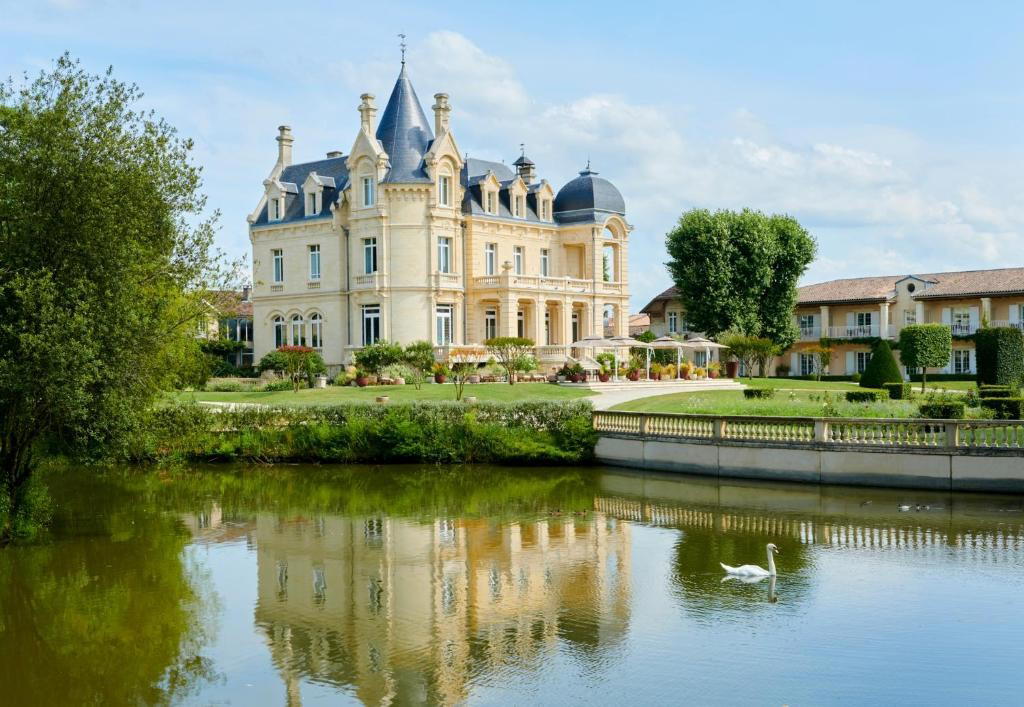
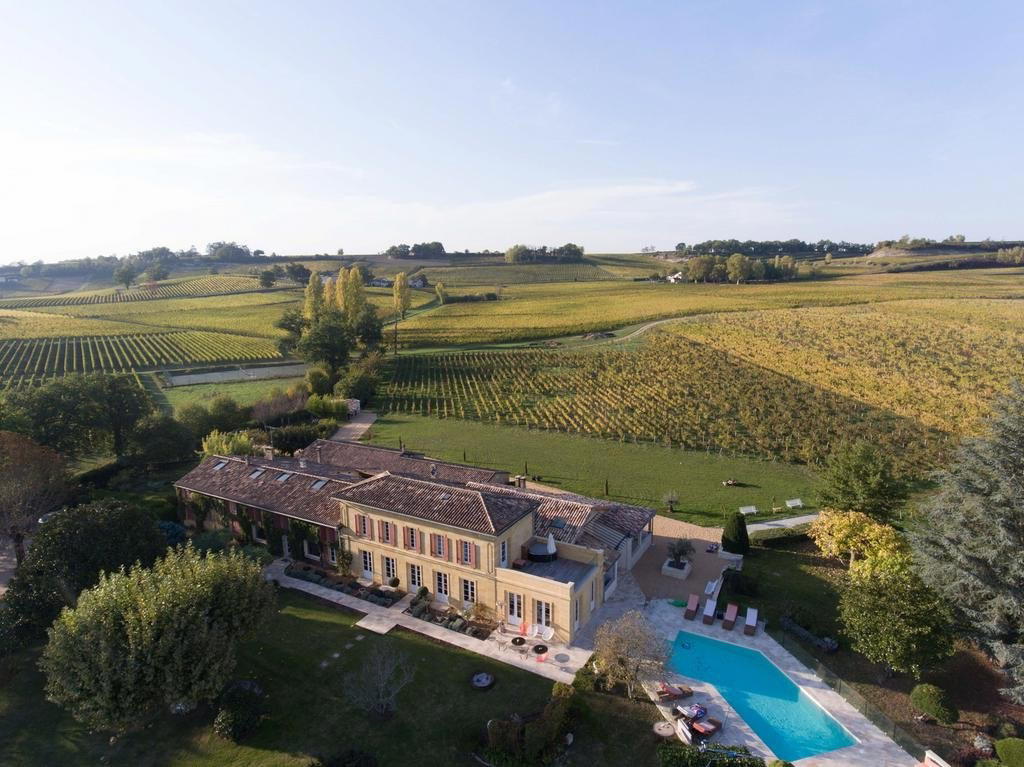
Bars in Saint-Émilion
Browse all →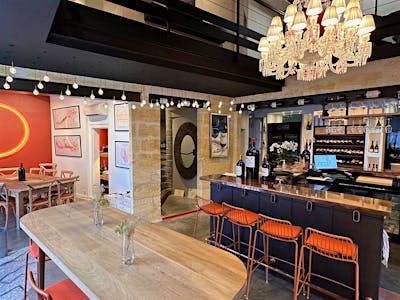
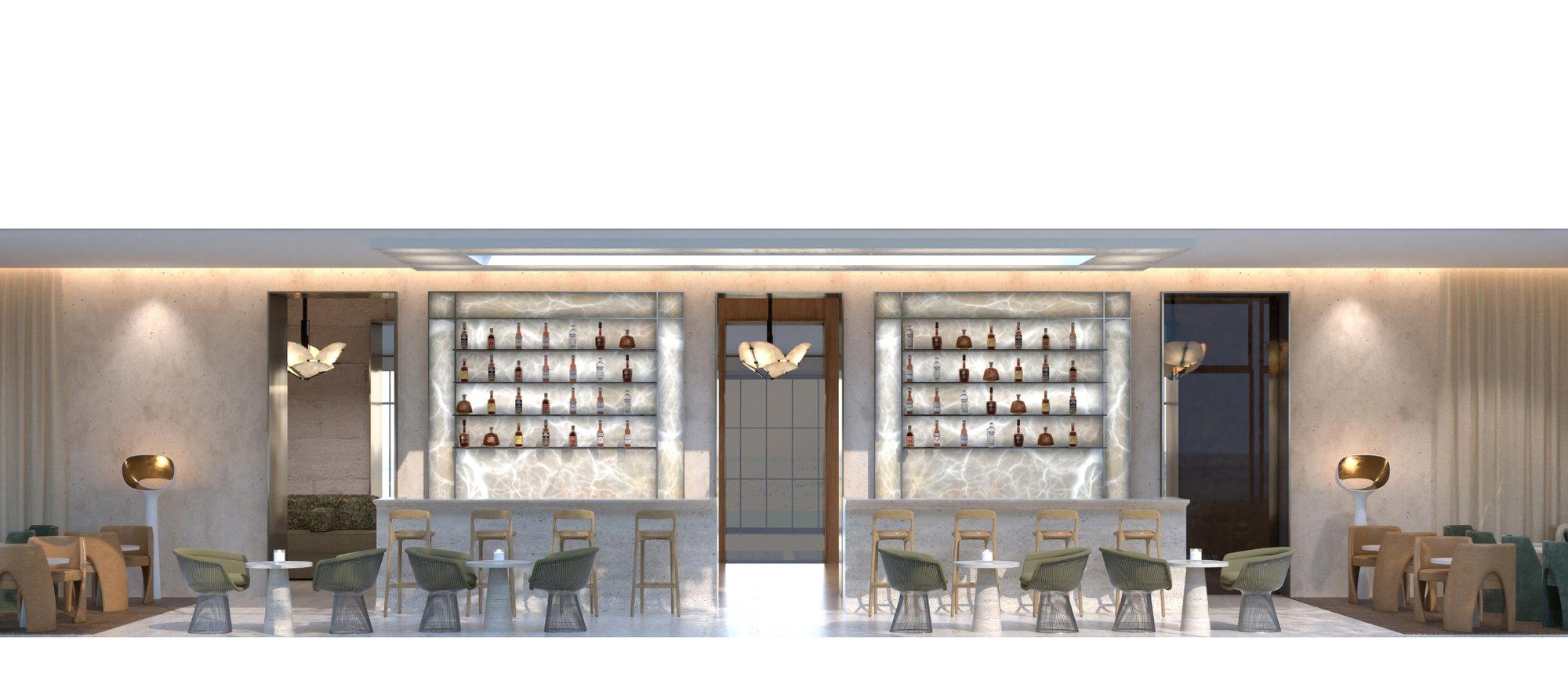
Restaurants in Saint-Émilion
Browse all →
Details
- Romantic
- Elegant
- Intimate
- Classic
- Scenic
- Honeymoon
- Romantic Getaway
- Anniversary
- Celebration
- Destination Spa
- Historic Building
- Garden
- Terrace
- Panoramic View
- Private Dining
- Wi Fi
- Spa
- Massage
- Sauna
- Restaurant
- Room Service
- Concierge
- Garden
- Garden
- Vineyard
- Street Scene
- Wheelchair Accessible
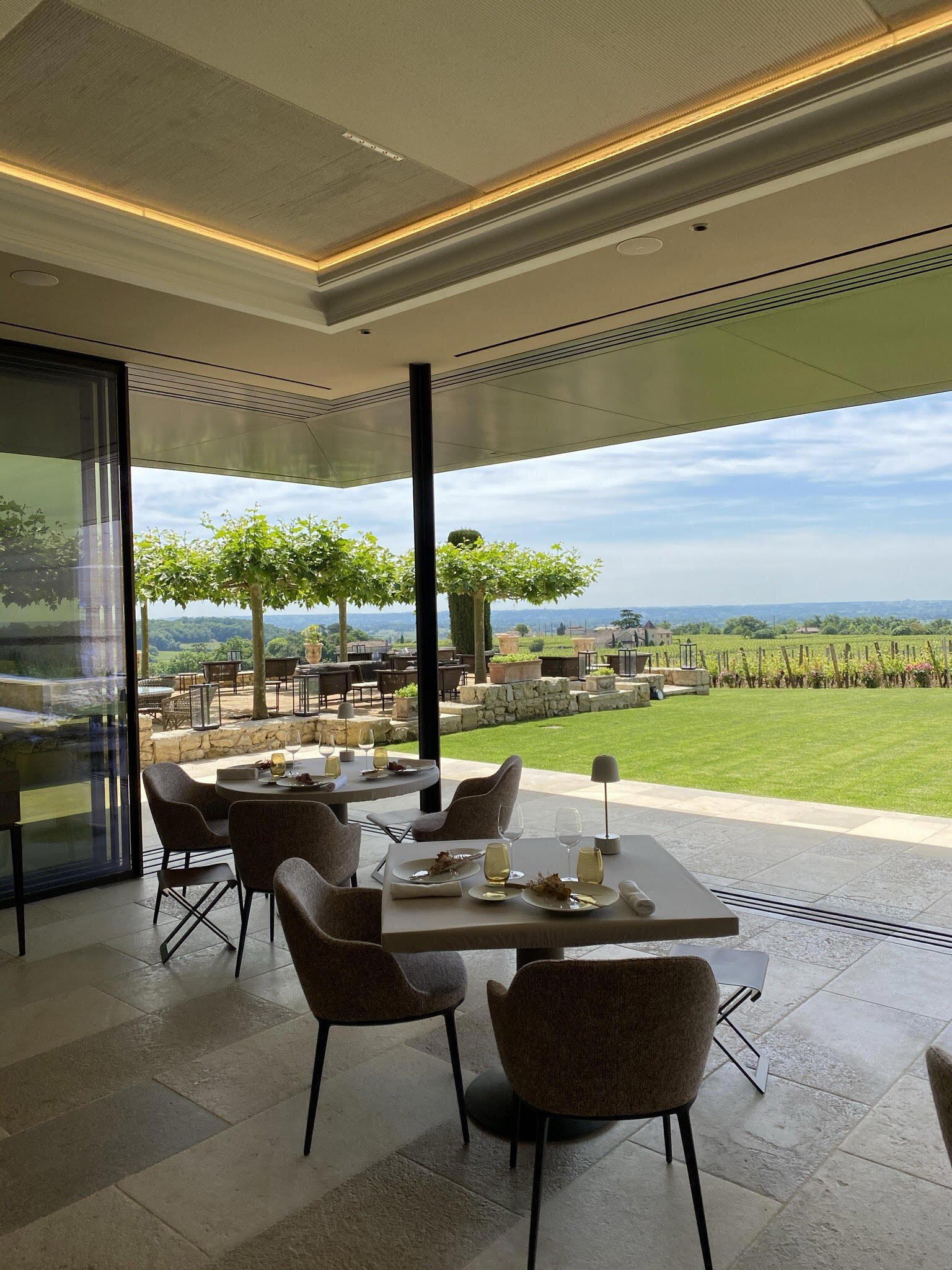
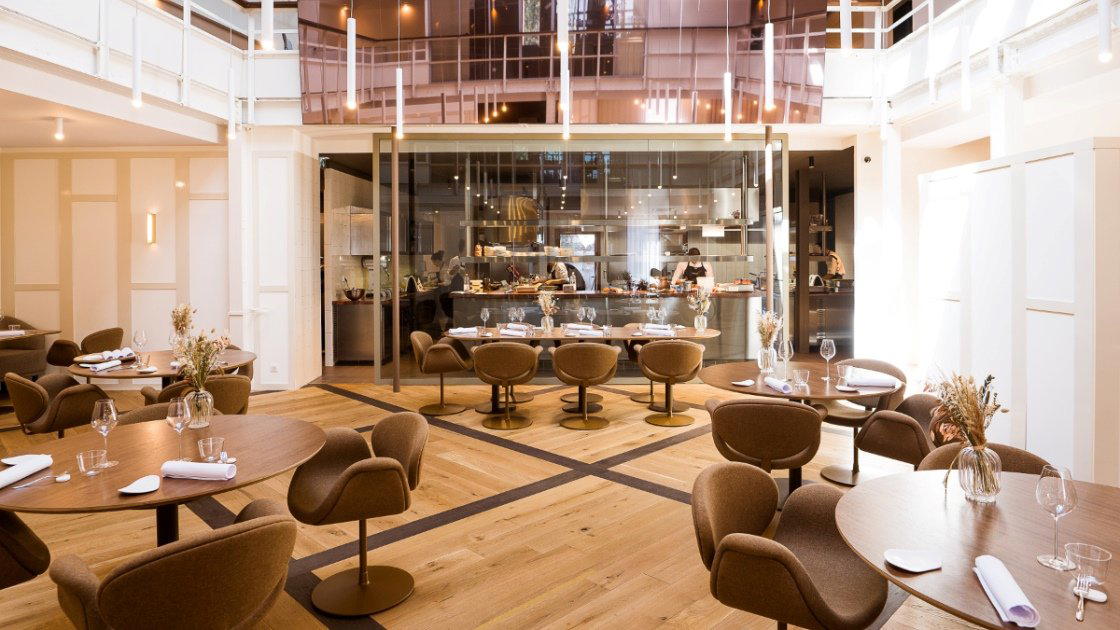
Warm, cozy, and refined with elegant country-chic decor blending historic 1848 architecture with contemporary conveniences; intimate dining spaces with soft lighting and a quiet, sophisticated atmosphere.