On the Quai des Chartrons, Papillon occupies one of Bordeaux's most historically charged stretches of riverfront, where the city's wine-merchant past meets a contemporary bar programme. The drinks list engages seriously with French spirits and classic technique, positioning it within a Bordeaux bar scene that has, in recent years, begun to develop real creative ambition beyond the wine glass.

Pearl is the En Primeur Club membership app — saves, bookings, and concierge access live there. Same editors, same standards.
- Address
- 8 Quai des Chartrons, 33000 Bordeaux, France
- Phone
- +33 5 56 52 53 82
- Hours
- Mon ClosedTue–Sat 6 PM–2 AMSun Closed
- Website
- papillon-bordeaux.eatbu.com
- Directions
- Get directions
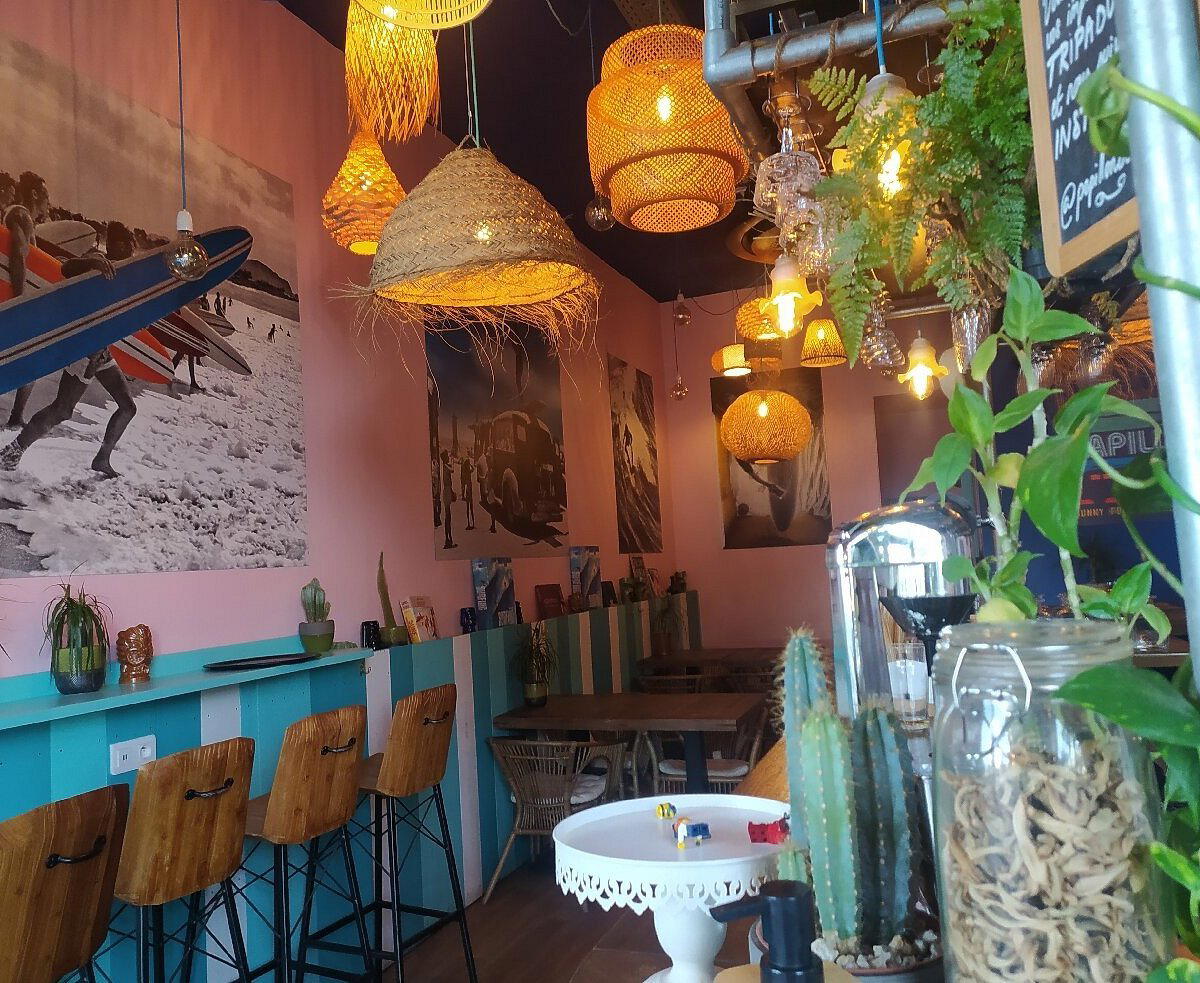
Chartrons, Riverside, and the Context of a Drink
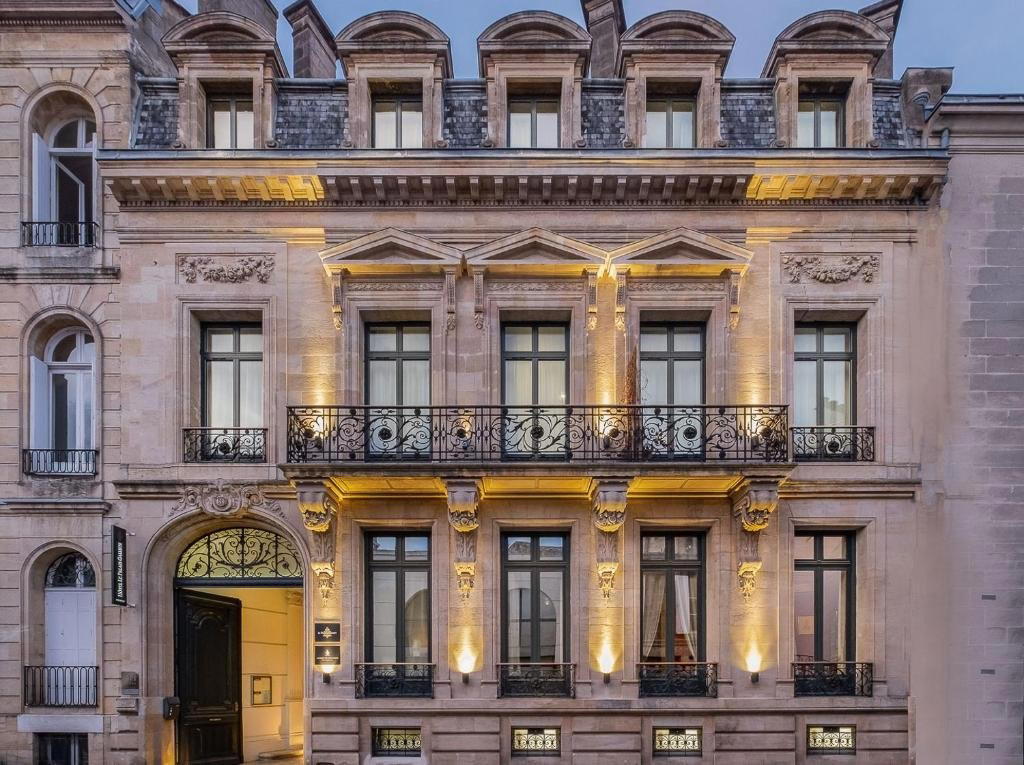
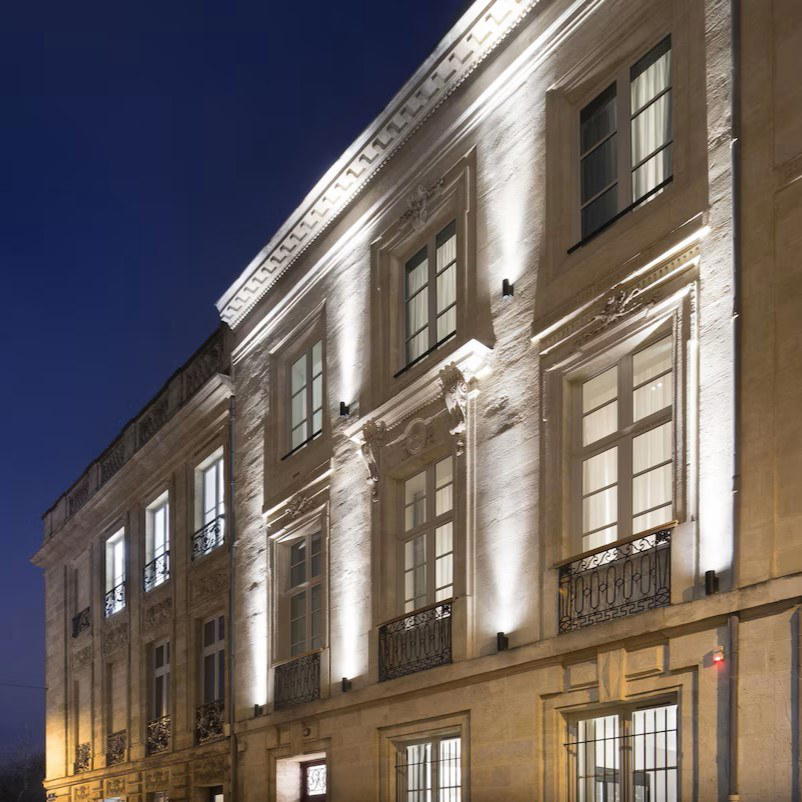
The Quai des Chartrons runs along the left bank of the Garonne at the northern end of Bordeaux's UNESCO-listed riverfront arc. For most of the city's modern history, this was working port and négociant territory: the great wine-merchant houses occupied the deep stone buildings set back from the quay, and the streets behind them still carry the names of trading families and disappeared casks. That commercial weight hasn't fully lifted. Walk the quai today and the architecture still speaks of warehouse scale and transactional purpose, even as the ground floors have converted into restaurants, galleries, and bars. Papillon, at number 8, sits in that converted layer — a bar on a stretch of city where the surrounding fabric makes a particular kind of statement about what Bordeaux is and what it is becoming.
The bar scene along the Chartrons and across central Bordeaux has developed meaningfully over the past decade. The city was, for a long time, defined almost entirely by its wine culture, and the drinking establishment that wasn't a wine bar or a café-terasse felt like a minor outlier. That has changed. Bordeaux now supports a range of serious cocktail-focused venues, from the wine-anchored programme at Aux Quatre Coins du Vin to the neighbourhood-bar ambition of Cornichon, and the more polished format at Bar Casa Bordeaux.
The Cocktail Programme: Technique in a Wine City
Running a serious cocktail programme in Bordeaux requires a particular kind of positioning. The city's identity is so thoroughly tied to wine, its production, its trading, its criticism, that a bar staking its claim on spirits-led mixing is making a quiet argument. The leading versions of that argument in France tend to be made through precision: clear sourcing, considered technique, and a menu that doesn't simply replicate what any competent bar in Paris or Lyon might produce. Venues like La Bar du Plaza Athénée in Paris or La Vertu in Reims demonstrate what French bar culture looks like when it operates at a technically demanding level, and they set a useful reference point for what ambition looks like across the country.
Papillon's position on the Chartrons gives the programme a specific opportunity: Bordeaux's wine heritage is not a constraint here but a raw material. French spirits, Cognac, Armagnac, eau-de-vie, have obvious regional gravity in this part of the country, and a bar that works intelligently with them can build a drinks identity that no equivalent venue in Montpellier or Strasbourg could replicate by simply importing the same formula. The approach taken by bars like Papa Doble in Montpellier or Au Brasseur in Strasbourg is shaped in part by what their cities produce and what their local drinkers expect. The same logic applies here, perhaps more acutely.
The broader French cocktail conversation has been moving toward drinks that engage with terroir in the same way that natural wine culture does: through provenance, restraint, and the willingness to let an ingredient speak rather than bury it in complexity. ComplanTerra in Bordeaux has pursued that direction specifically. Whether Papillon's programme operates along similar lines or takes a more classicist approach to technique, the Chartrons address places it in conversation with this wider shift in how French bars are thinking about what goes into a glass.
Atmosphere and the Riverfront Setting
Approaching from the quayside, the Chartrons presents a long, open prospect: the Garonne wide and grey-green, the cranes of the right bank visible in the middle distance, the stone facades of the négociant buildings running north with their rhythmic windows and heavy cornices. It is not a precious or curated kind of beauty. The scale is too commercial for that, and the wind off the river tends to flatten any romance that might otherwise accumulate. What it offers instead is a sense of historical density, the feeling that the ground underfoot has been used hard for a long time, for serious economic purposes, and that the current occupation of eating and drinking is the latest chapter in a longer story.
Inside, a bar at this address inherits that context whether it intends to or not. The leading Chartrons venues have learned to work with the building rather than neutralise it: stone walls and high ceilings are harder to disguise than they are to acknowledge, and an interior that accepts its own history tends to feel more settled than one that attempts a renovation too complete. The atmosphere that results, assuming the programme is disciplined enough to match it, is one that works for an evening that begins with a single drink and ends considerably later, the way that the leading riverfront bars in French cities tend to do.
For comparison points outside France, the kind of bar that occupies a historically loaded address and makes something coherent of it is a recognisable type. Jewel of the South in New Orleans does this effectively, as does Le Mas Du Langoustier in Hyeres and Trokson in Lyon. What they share is a sense that the surrounding context has been absorbed into the offering, rather than ignored or apologised for.
Planning a Visit
Papillon is located at 8 Quai des Chartrons, in the northern section of Bordeaux's UNESCO-listed riverfront, approximately a fifteen-minute walk from the Place de la Bourse along the Garonne. The Chartrons neighbourhood is well-served by the city's tram network, with line B running parallel to the quai. The riverfront stretch between the Chartrons and the city centre is walkable and well-lit in the evenings, and the area tends to attract a local crowd rather than a tourist-heavy one, which shapes the character of the experience. For a broader orientation to what Bordeaux's bar and restaurant scene currently offers, the EP Club Bordeaux guide maps the city's key venues by neighbourhood and category.
Side-by-Side Snapshot
Comparable venues nearby, for context on price, style, and recognition.
| Venue | Cuisine | Price | Awards | Notes |
|---|---|---|---|---|
| PapillonThis venue — the venue you are viewing | cocktail_bar | $20–30 | Not listed | Not listed |
| ComplanTerra | wine_bar | $30–50 | Star Wine List | Centre ville |
| Bar Casa Bordeaux | cocktail_bar | Not listed | Not listed | Centre ville |
| YARRA | wine_bar | $20–30 | Star Wine List | Chartrons - Grand Parc - Jardin Public |
| Aux Quatre Coins du Vin | wine_bar | $30–50 | Star Wine List | Centre ville |
Continue exploring
More in Bordeaux
Bars in Bordeaux
Browse all →
Restaurants in Bordeaux
Browse all →
Hotels in Bordeaux
Browse all →
Details
- Trendy
- Lively
- Modern
- Date Night
- Casual Hangout
- Standalone
- Seated Bar
- Craft Cocktails
- Waterfront
Current opening hours
- Monday
- Closed
- Tuesday
- 6 PM–2 AM
- Wednesday
- 6 PM–2 AM
- Thursday
- 6 PM–2 AM
- Friday
- 6 PM–2 AM
- Saturday
- 6 PM–2 AM
- Sunday
- Closed
Hours can change for holidays and private events. Last verified .
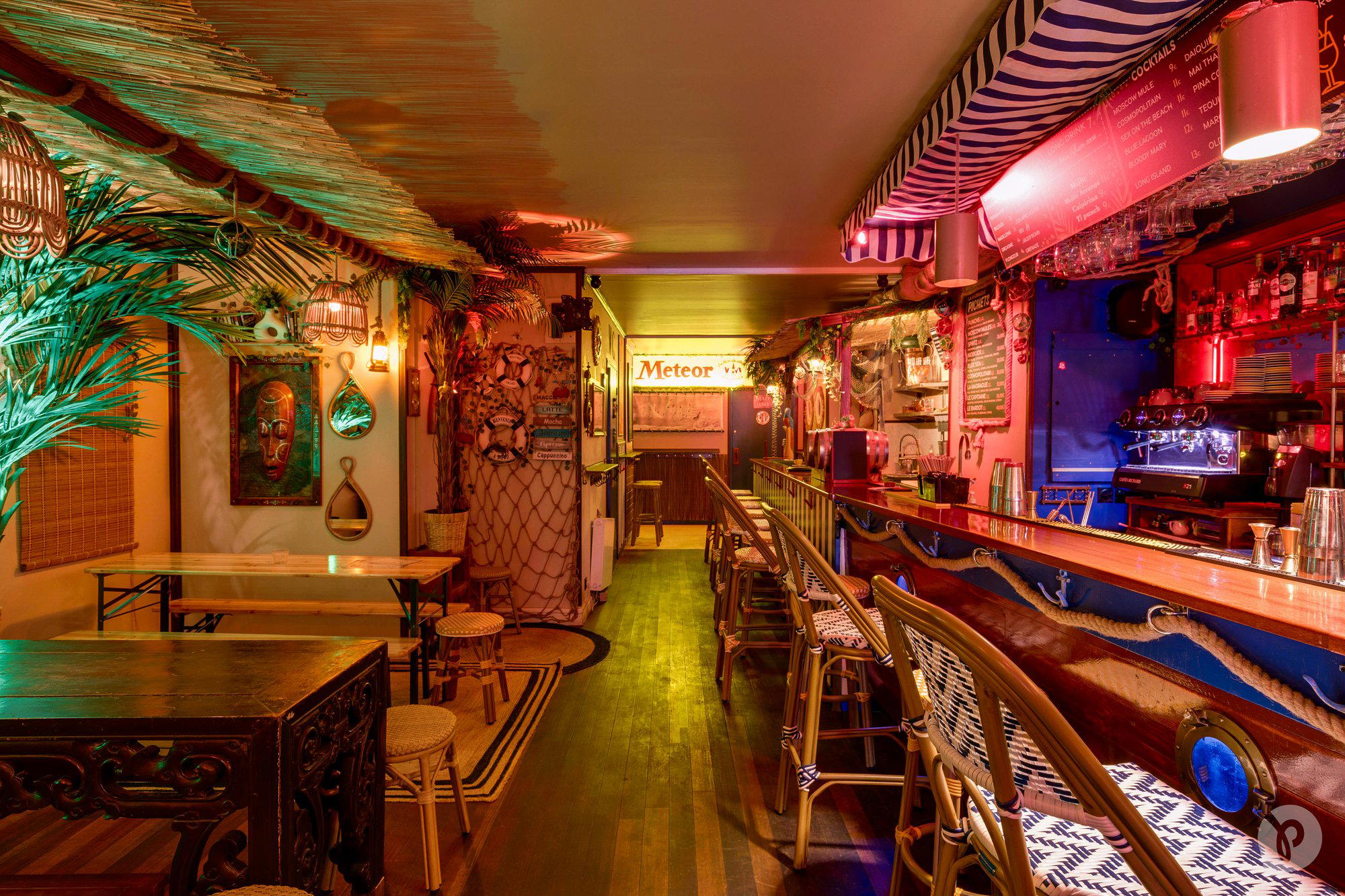
Warm, lively Californian vibe with chilled music at a comfortable volume.