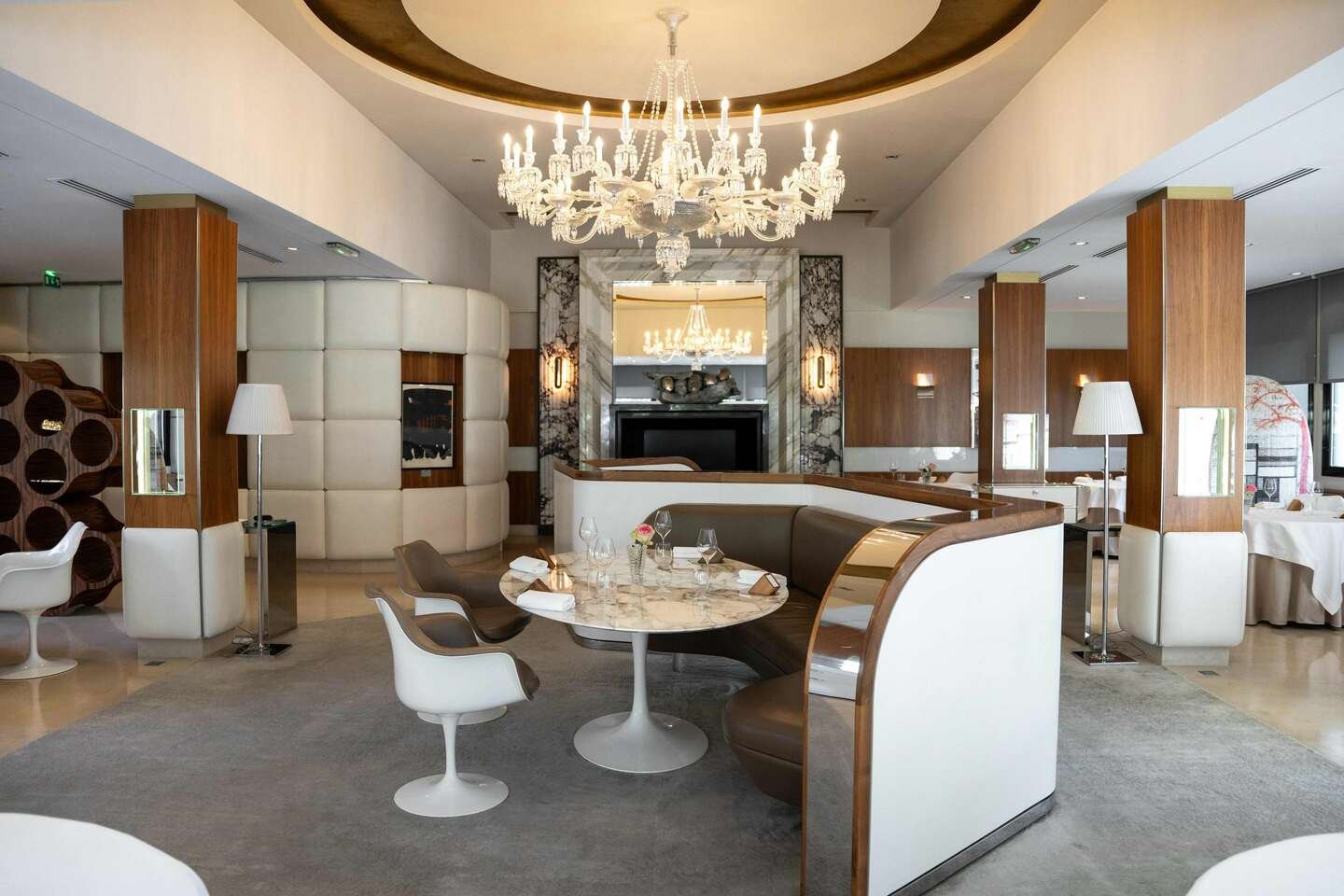
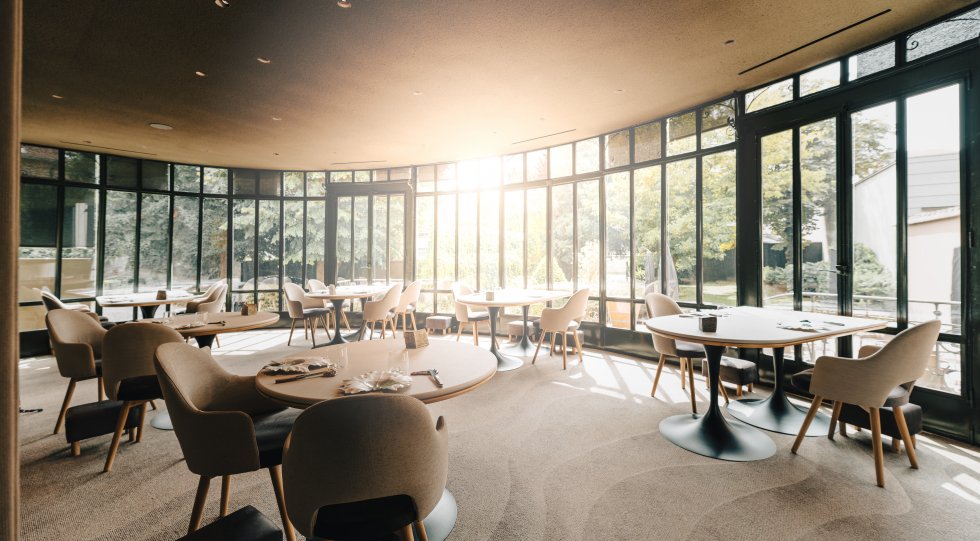
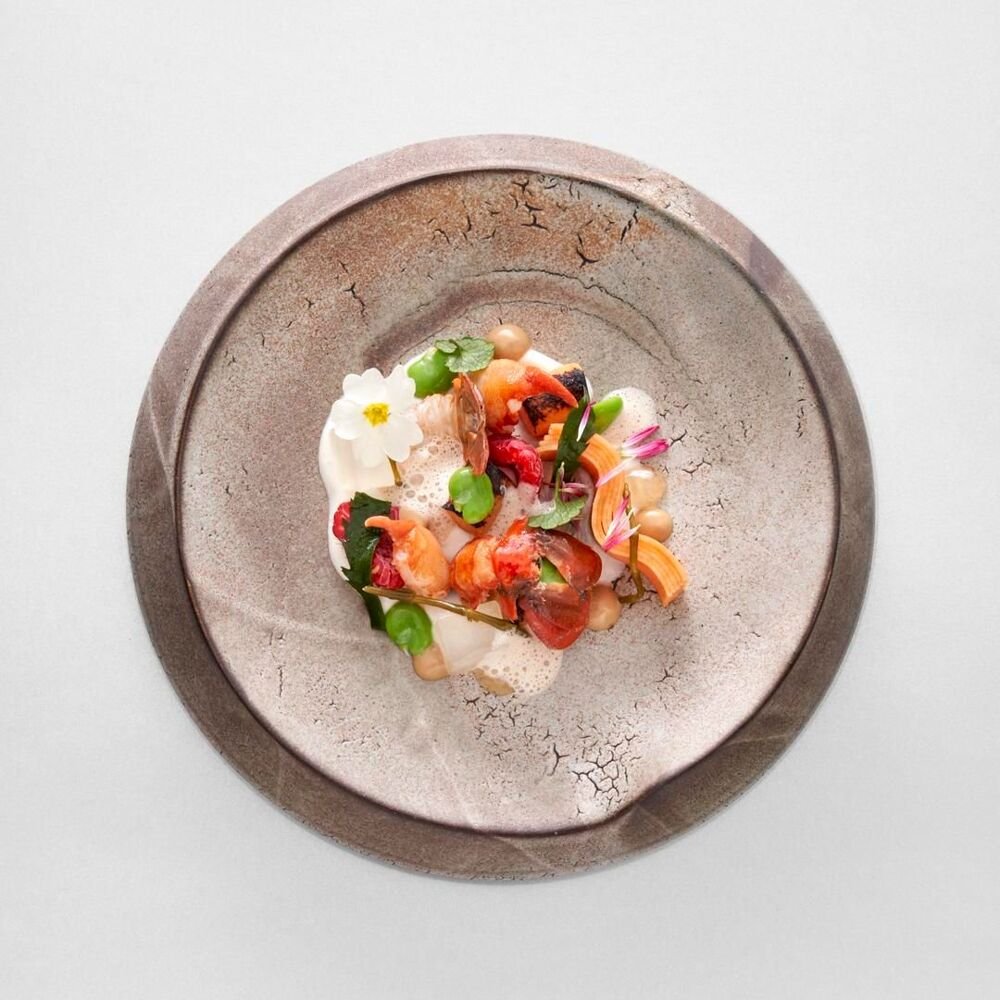
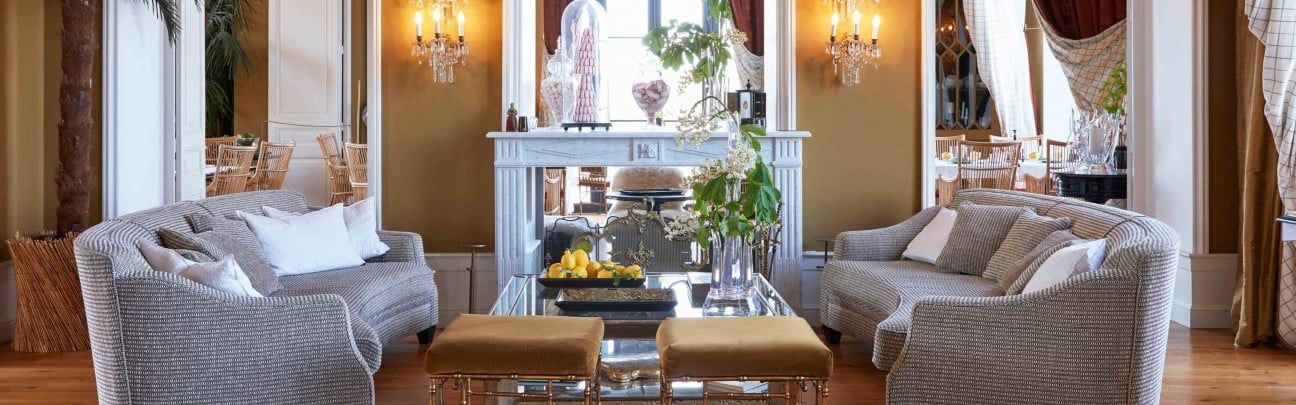
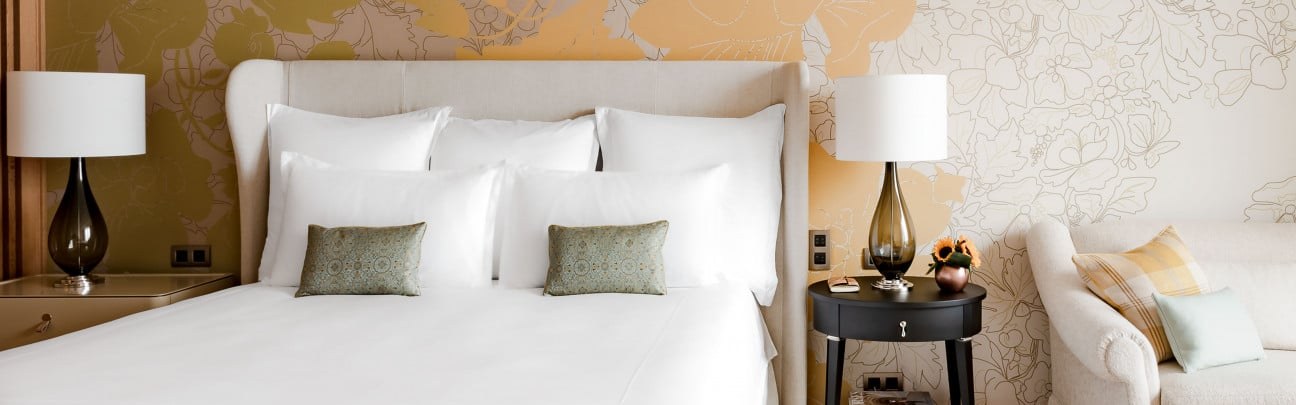
L'Assiette Champenoise sits on the edge of Reims in Tinqueux, occupying a position in the Champagne region's fine dining tier that places it alongside the most serious tables in northeastern France. The address on Avenue Paul Vaillant-Couturier serves both the dedicated traveller arriving from Reims and those routing through the region specifically for its table. For anyone tracing the arc of French haute cuisine outside Paris, this is a significant stop.
 Discover on Pearl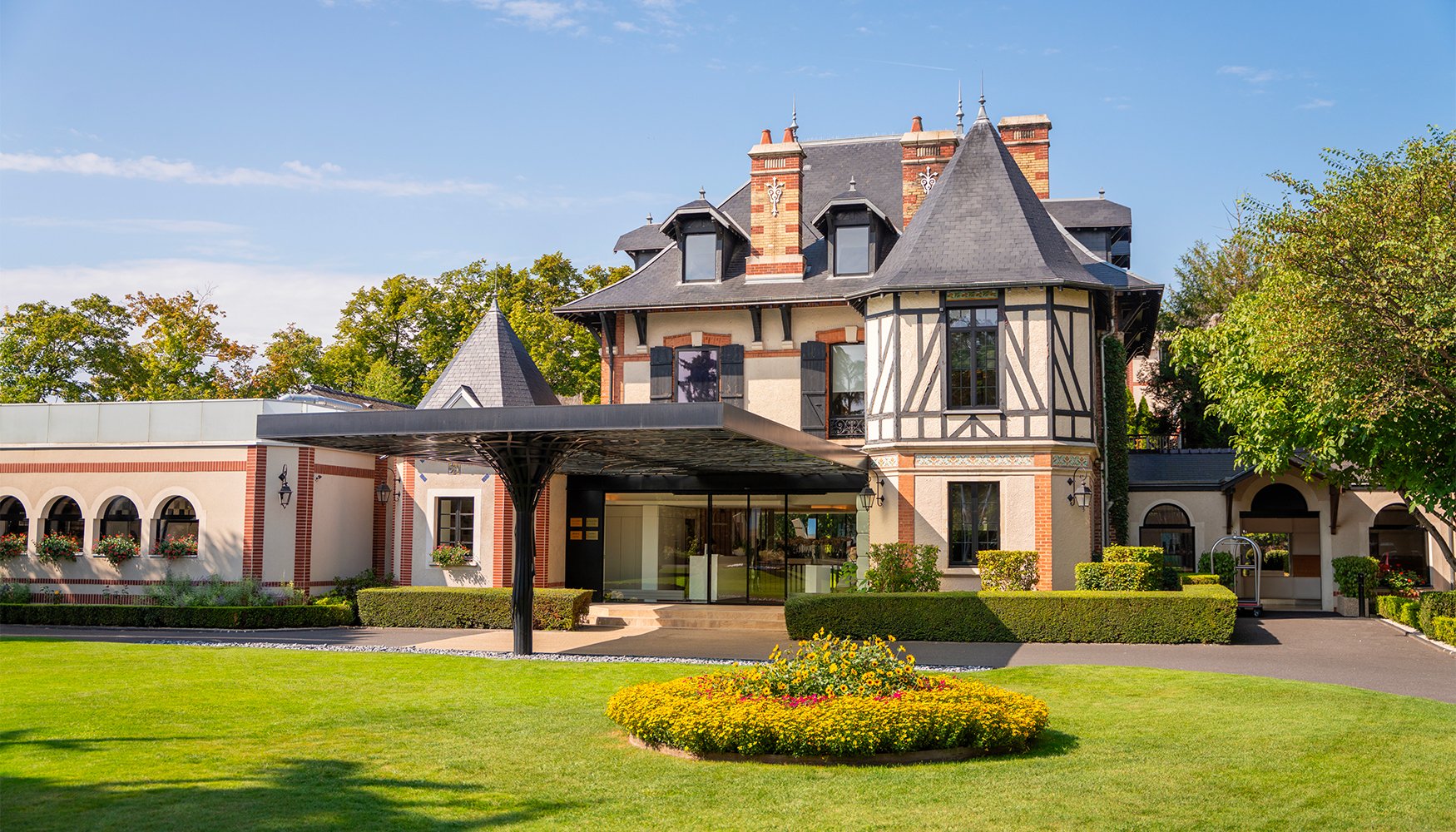
Where Champagne Country Sets the Table
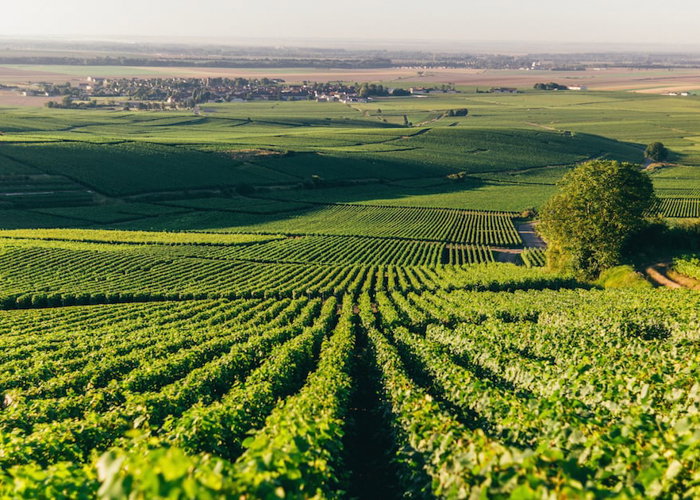
Tinqueux sits at the western edge of Reims, a suburb that most travellers pass through without registering it as a destination in its own right. That oversight is, in part, what defines the particular character of fine dining in this pocket of France. The Champagne region has long been understood through its caves and négociants, through the grand houses that line the road south from Reims toward Épernay. Its restaurant culture operates on a different register: quieter, more self-contained, and calibrated for guests who already know why they are here. L'Assiette Champenoise, at 40 Avenue Paul Vaillant-Couturier, belongs to that structure. It is not a place you discover by accident.
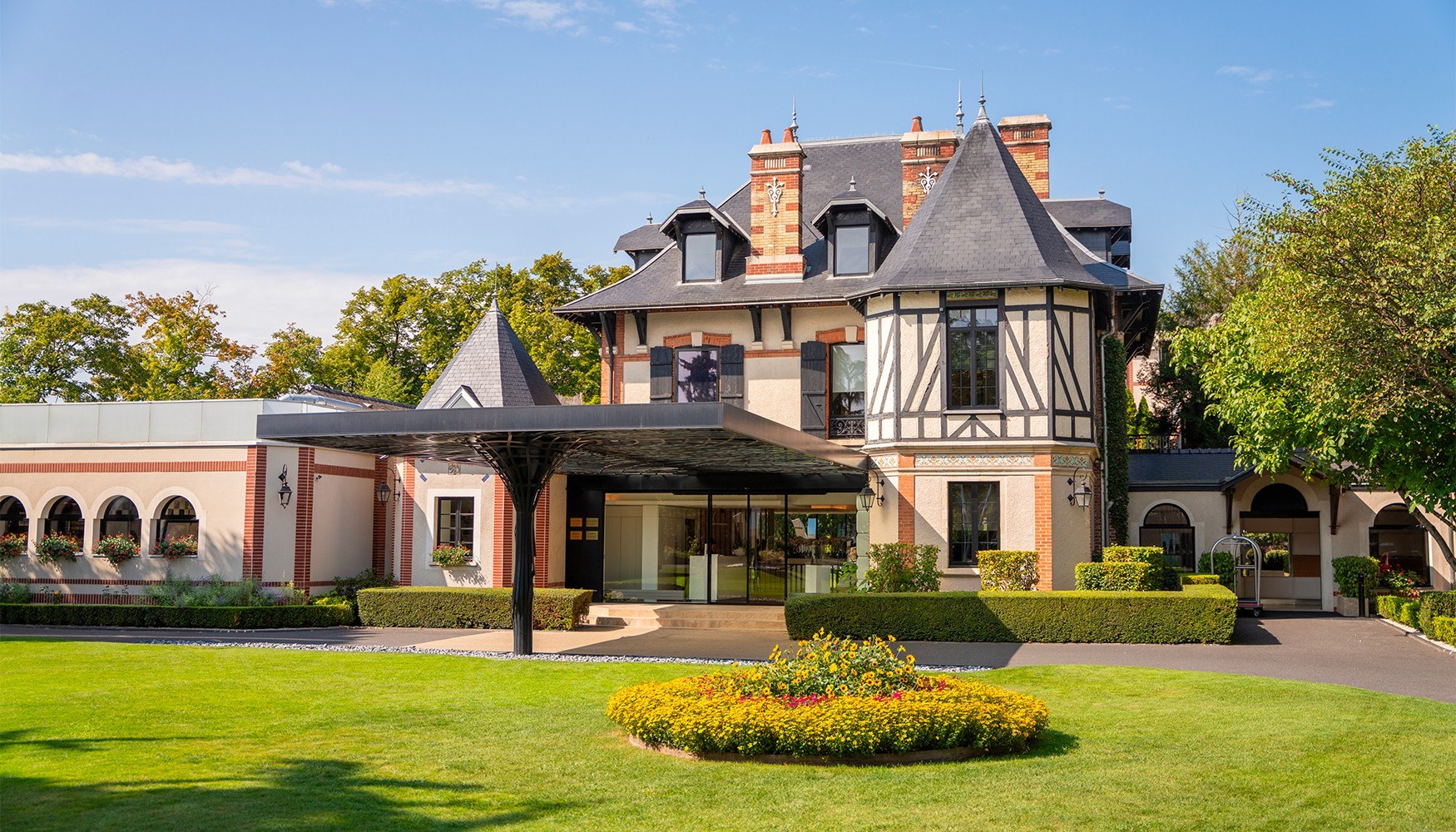
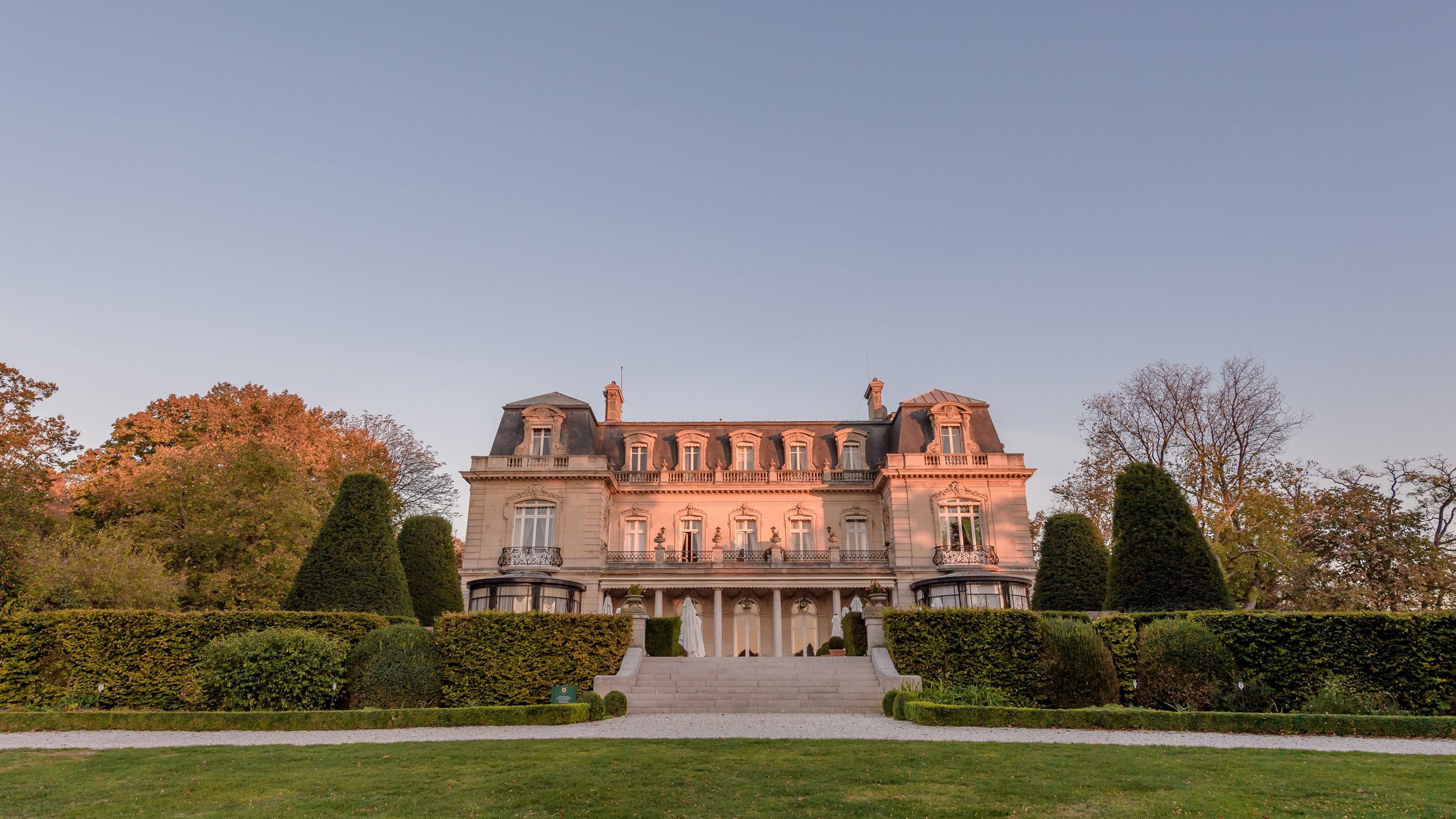
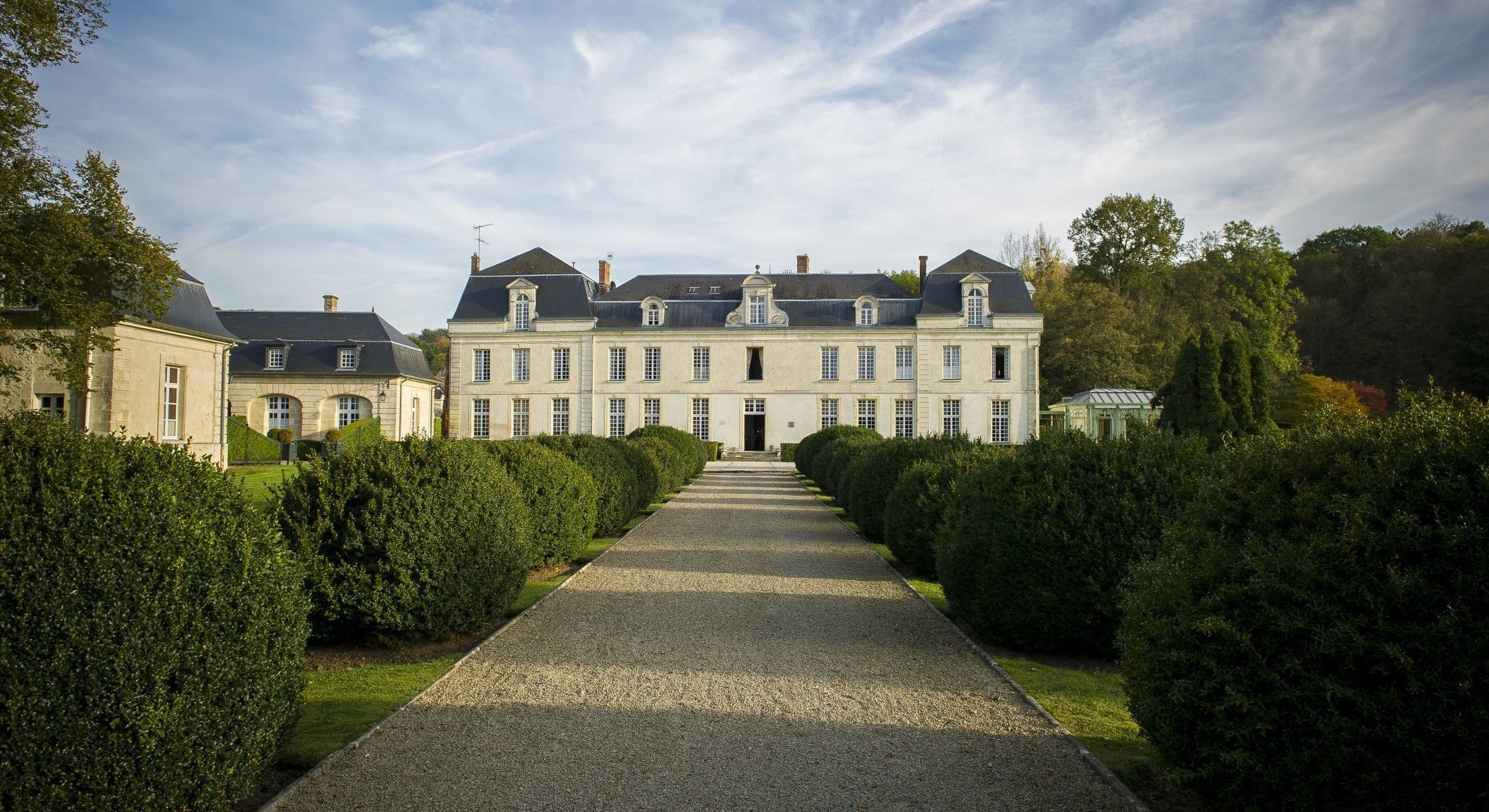
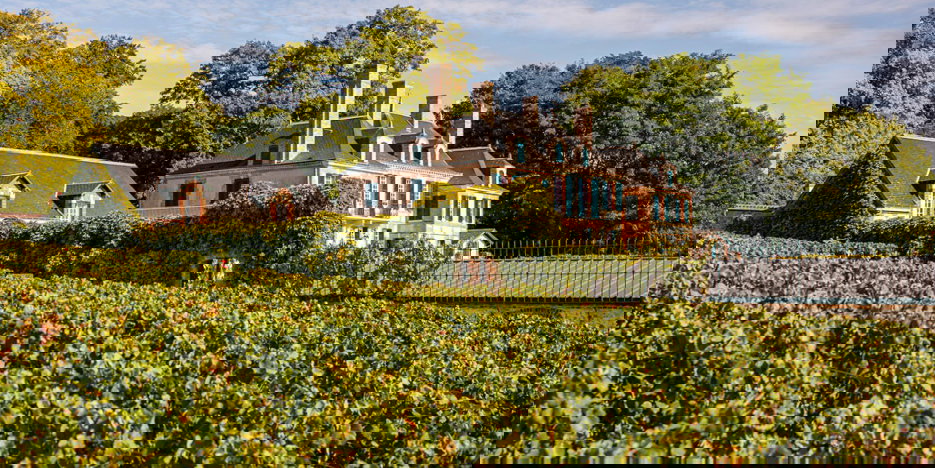
The approach to the property carries the visual grammar common to French grand restaurants outside city centres: formal landscaping, a building that reads more estate than commercial premises, a quietness that arrives before you do. This is a deliberate kind of remove from urban dining noise, and it sets expectations for the register of the meal to follow. In a region where the product in the glass frequently commands more attention than what is on the plate, a kitchen that holds its own against the Champagne houses nearby is making a sustained argument about the food's place in that hierarchy.
Champagne's Dining Tier and Where This Address Sits
French fine dining outside Paris operates in clusters. Lyon has its bouchons and its three-starred institutions. The Loire anchors a different kind of tradition around the table. In the Champagne region, the restaurant tier is smaller and more concentrated, and the competitive set is tight. A table with serious ambitions here is not competing against dozens of peers in the same arrondissement; it is the destination, or one of very few. That scarcity shapes the experience in practical terms: guests tend to travel specifically, reservations are planned in advance, and the occasion carries weight that a walk-in restaurant in a busy city quarter cannot replicate.
For travellers exploring northeastern France's drinking and dining culture in full, the Champagne region's restaurant scene pairs naturally with the kind of bar programmes found in other French cities. Bar Nouveau in Paris represents the capital's shift toward technically precise programmes; Papa Doble in Montpellier works a different southern register. The contrast is instructive: the French bar and dining circuit, read across cities, tells a coherent story about regional identity expressed through what is served and how.
The Drink in Champagne Country
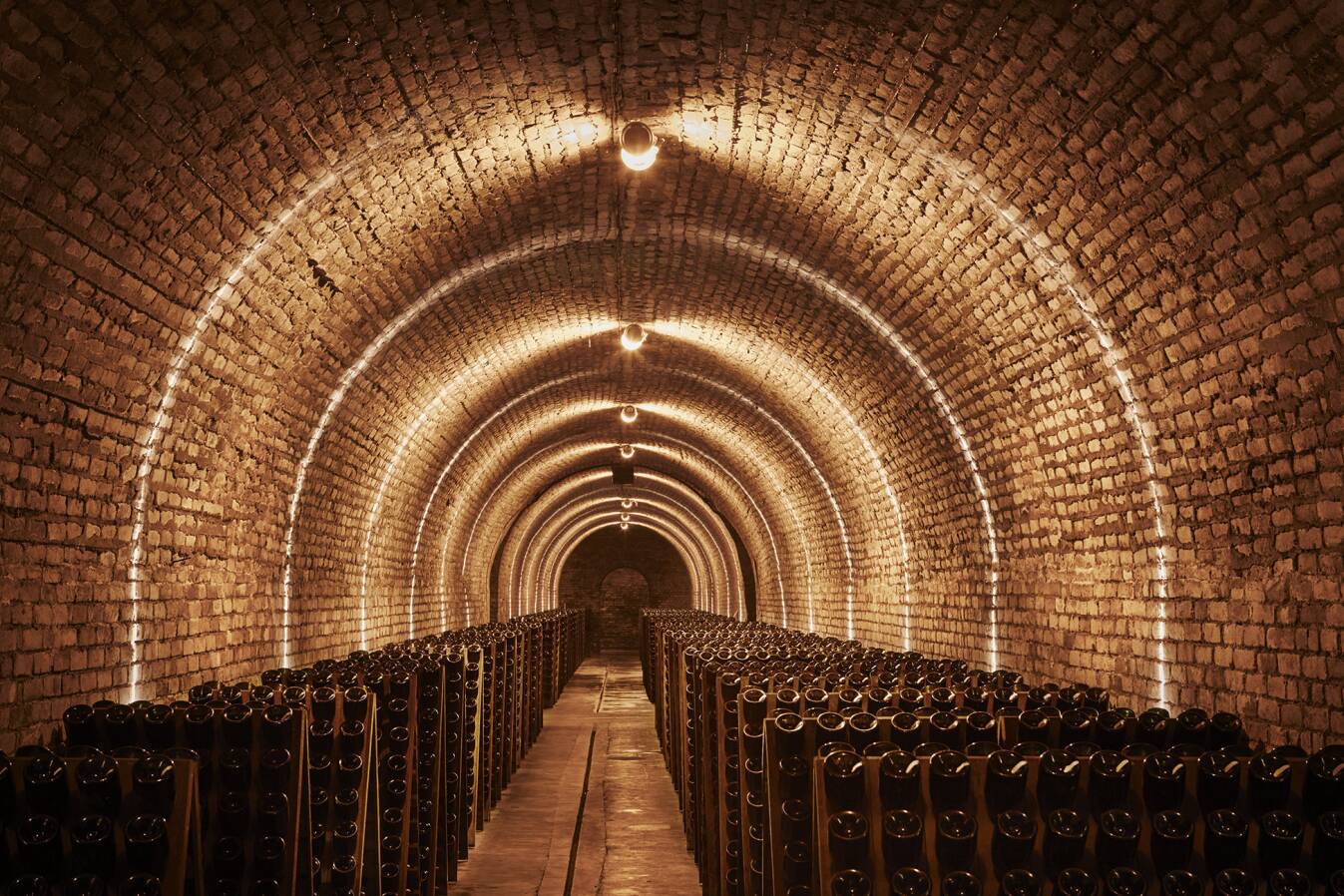
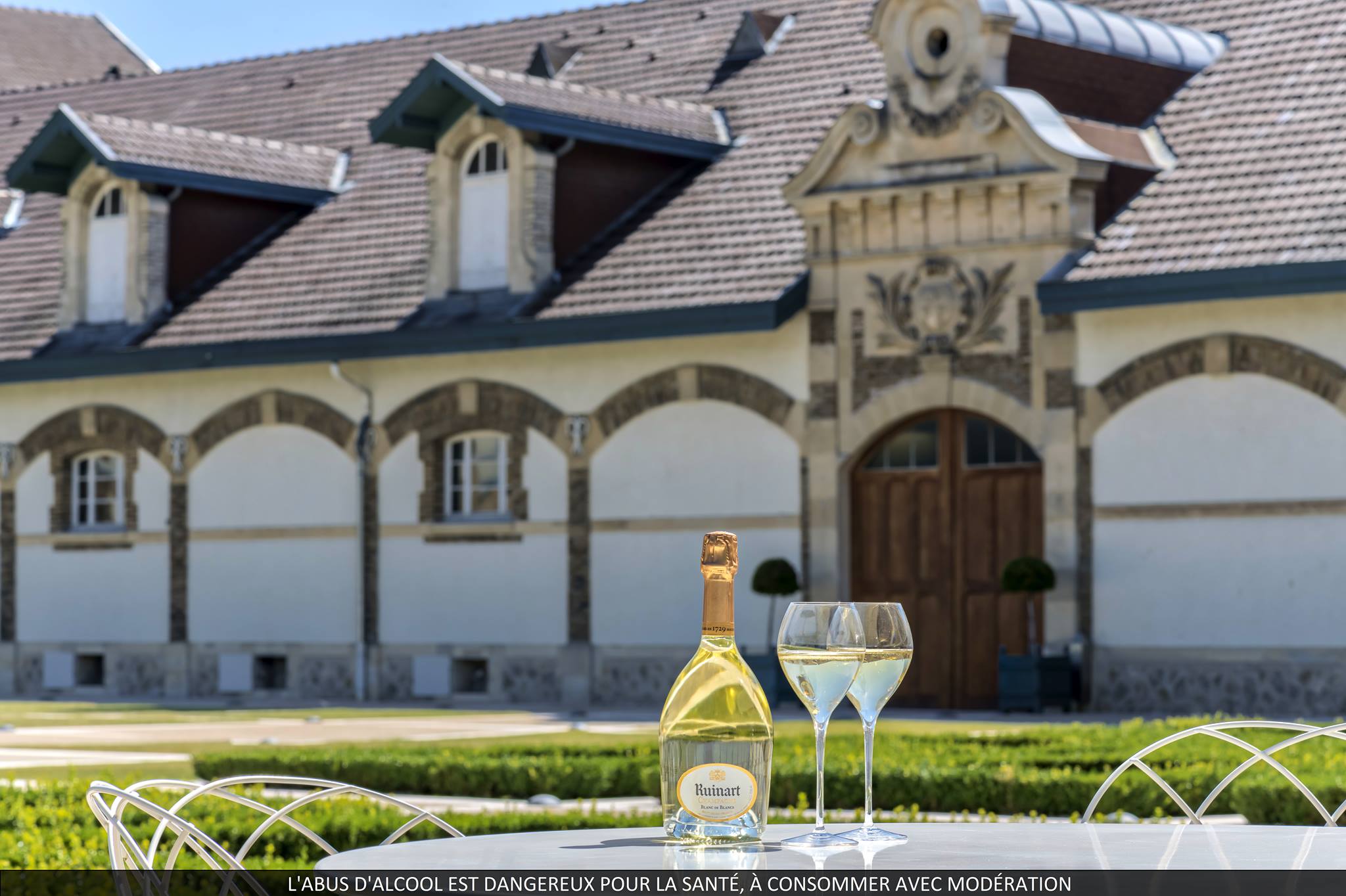
Any serious consideration of what is served at a table in this region has to begin with the wine. The Champagne appellation does not require explanation, but its presence on a restaurant list in Tinqueux carries specific weight. The houses producing within a few kilometres of this address include some of the most closely allocated wines in France, and a kitchen-side cellar in this location has access to grower Champagnes and small-production cuvées that most city restaurants receive at a significant remove, both in distance and in allocation priority.
The broader French drinks programme is something the country's fine dining tables have always used as a structural frame for the meal, not an afterthought. This tradition runs from Bordeaux's grand cru pairings through the natural wine movement in Paris and Lyon, down to the aperitif culture that shapes how a meal begins in the south. For context on how this plays out across French regions, Bar Casa Bordeaux in Bordeaux and Coté vin in Toulouse each anchor the drink-forward tradition in their respective cities. In Champagne, the regional product is the aperitif, the pairing, and often the digestif. A kitchen that takes that seriously is building a programme around one of France's most demanding and specific raw materials.
Further along the Loire, the connection between fine drink production and serious hospitality surfaces in different forms. BOUVET LADUBAY in Saumur and House of Cointreau in Angers both sit within France's broader tradition of producer-as-host. The Champagne region operates within that same lineage, though its restaurant expressions tend to be more autonomous from the houses themselves.
The Scene Across France's Fine Dining Corridor
France's fine dining geography outside Paris rewards a specific kind of traveller: one willing to build an itinerary around tables rather than cities, to treat a restaurant in a Reims suburb as the destination rather than an amenity. This is not a new phenomenon. The Michelin Guide's original logic was built around exactly this premise, that a kitchen could justify a detour. The towns and smaller cities of northeastern and central France have always been part of that map, anchoring serious cooking away from the capital's density.
When placed against the broader French hospitality tier, L'Assiette Champenoise's address and positioning align it with properties that understand the visiting guest rather than the local regular. La Maison M. in Lyon and Au Brasseur in Strasbourg each represent how regional French hospitality anchors itself in local identity while serving a travelling audience. The Champagne region's version of this is shaped by the calendar: harvest season, the house tours, the tasting rooms. A fine dining table in Tinqueux operates within that seasonal logic, drawing guests who are already in the region for the wines and who extend their stay for the food.
For readers working through our full Tinqueux restaurants guide, L'Assiette Champenoise represents the upper tier of what the area offers, a reference point for understanding how seriously the town takes its culinary positioning despite its modest footprint. The address on Avenue Paul Vaillant-Couturier is not incidental; it places the restaurant just far enough from central Reims to operate with the quiet of a destination property while remaining accessible to guests based in the city.
Planning a Visit
Travellers arriving from Reims will find Tinqueux a short drive or taxi ride from the city centre, making it practical as either a lunch or dinner destination within a wider Champagne itinerary. Given the format and standing of the address, advance booking is advisable; tables at this level of the regional fine dining tier are not typically available at short notice, particularly during the autumn harvest period when the Champagne region draws its highest visitor concentration. For international travellers building a France itinerary that takes in multiple regions, the restaurant sits naturally alongside experiences like Le Café de la Fontaine in La Turbie on the Riviera or Le Petit Nice Passedat in Marseille, both of which anchor the same tier of serious French hospitality in their respective cities. For those routing further afield, Bar Leather Apron in Honolulu offers a reference point for how the precision-driven hospitality tradition translates outside Europe entirely.
Comparable Spots, Quickly
These are the closest comparables we have in our database for quick context.
| Venue | Cuisine | Price | Awards | Notes |
|---|---|---|---|---|
| Restaurant L'Assiette Champenoise | This venue | |||
| Bar Nouveau | World's 50 Best | |||
| Buddha Bar | World's 50 Best | |||
| Candelaria | World's 50 Best | |||
| Danico | World's 50 Best | |||
| Harry's Bar | World's 50 Best |
Continue exploring