
World's 50 Best #76
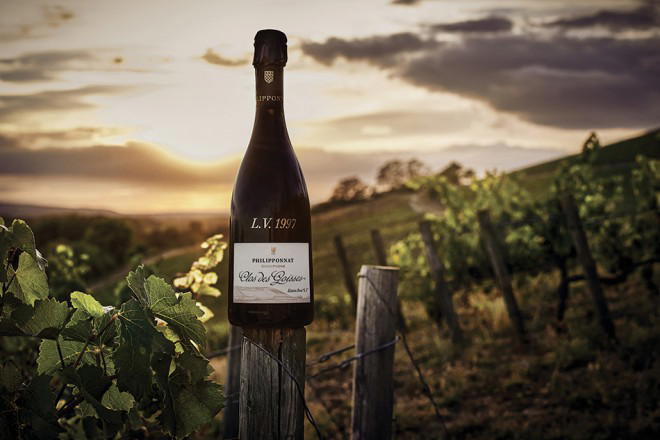
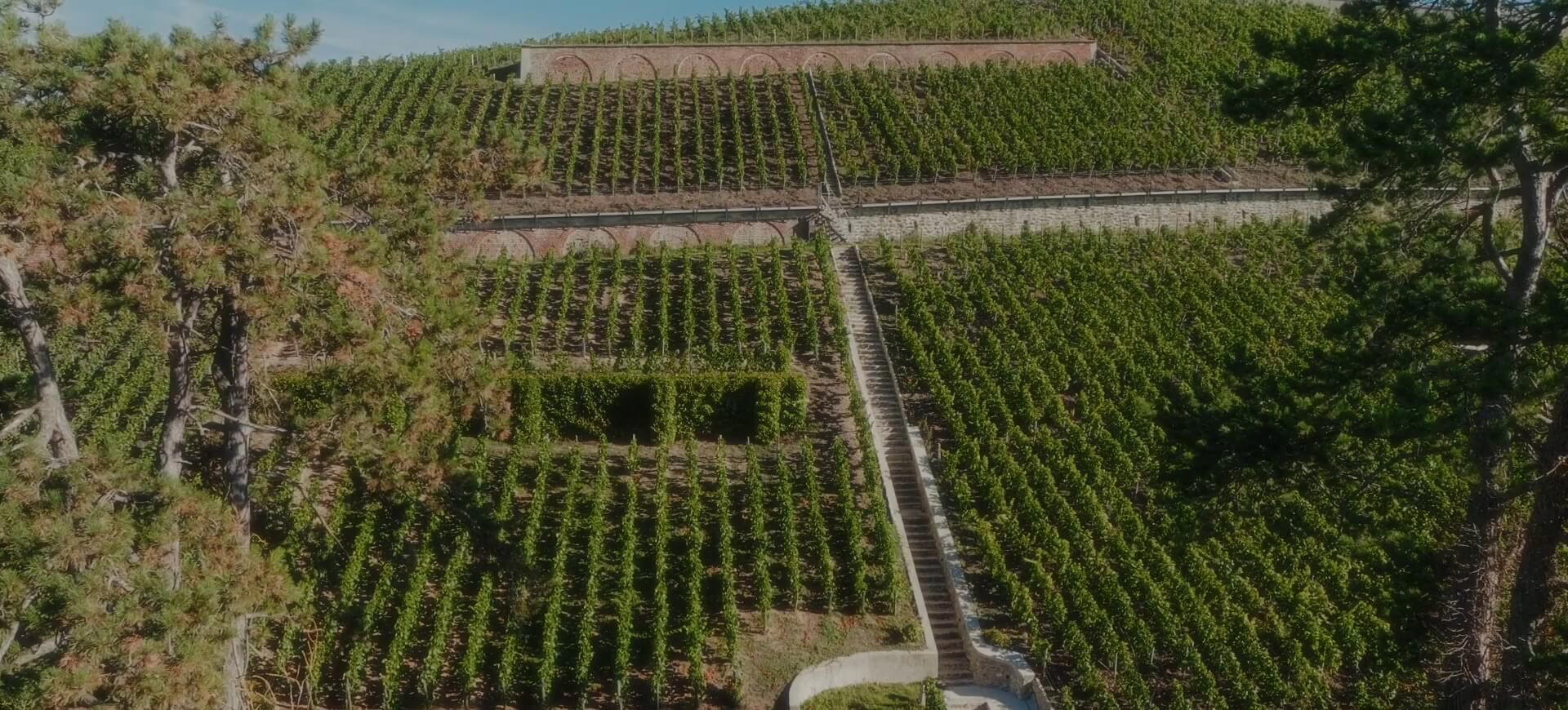
Under winemaker Charles Philipponnat, the house is defined by its approach to extended aging and its allegiance to a single-vineyard tradition that remains rare in the region. It occupies a serious tier within the Aÿ producer community.

Pearl is the En Primeur Club membership app — saves, bookings, and concierge access live there. Same editors, same standards.
- Address
- Rue Nicolas Philipponnat, 51160 Aÿ-Champagne
- Phone
- +33326569300
- Website
- philipponnat.com
- Directions
- Get directions
Aÿ's Long Game: Champagne and the Houses That Age Differently
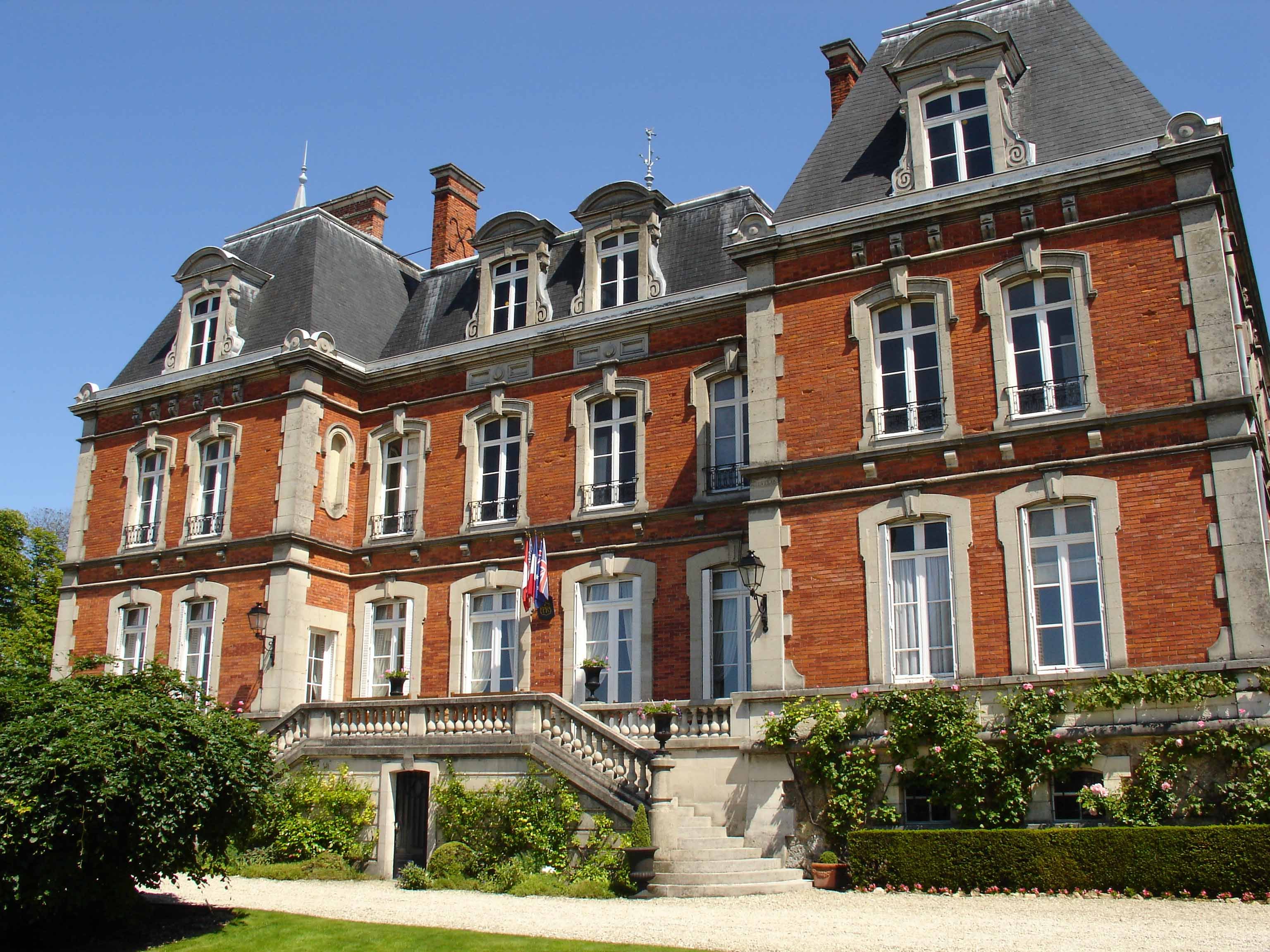
Walk the main thoroughfare of Aÿ-Champagne on a grey October morning, after the harvest lorries have finished their runs, and the village settles into a particular kind of quiet that only wine towns know. The pressing is done; now comes the waiting. For most houses along this stretch of the Marne, that waiting is measured in months. For a producer like Philipponnat, rooted here since 1522, time has always been measured in a different unit. The house sits on Rue Nicolas Philipponnat, a street that carries the family name as straightforwardly as the wine itself, without flourish or fanfare.
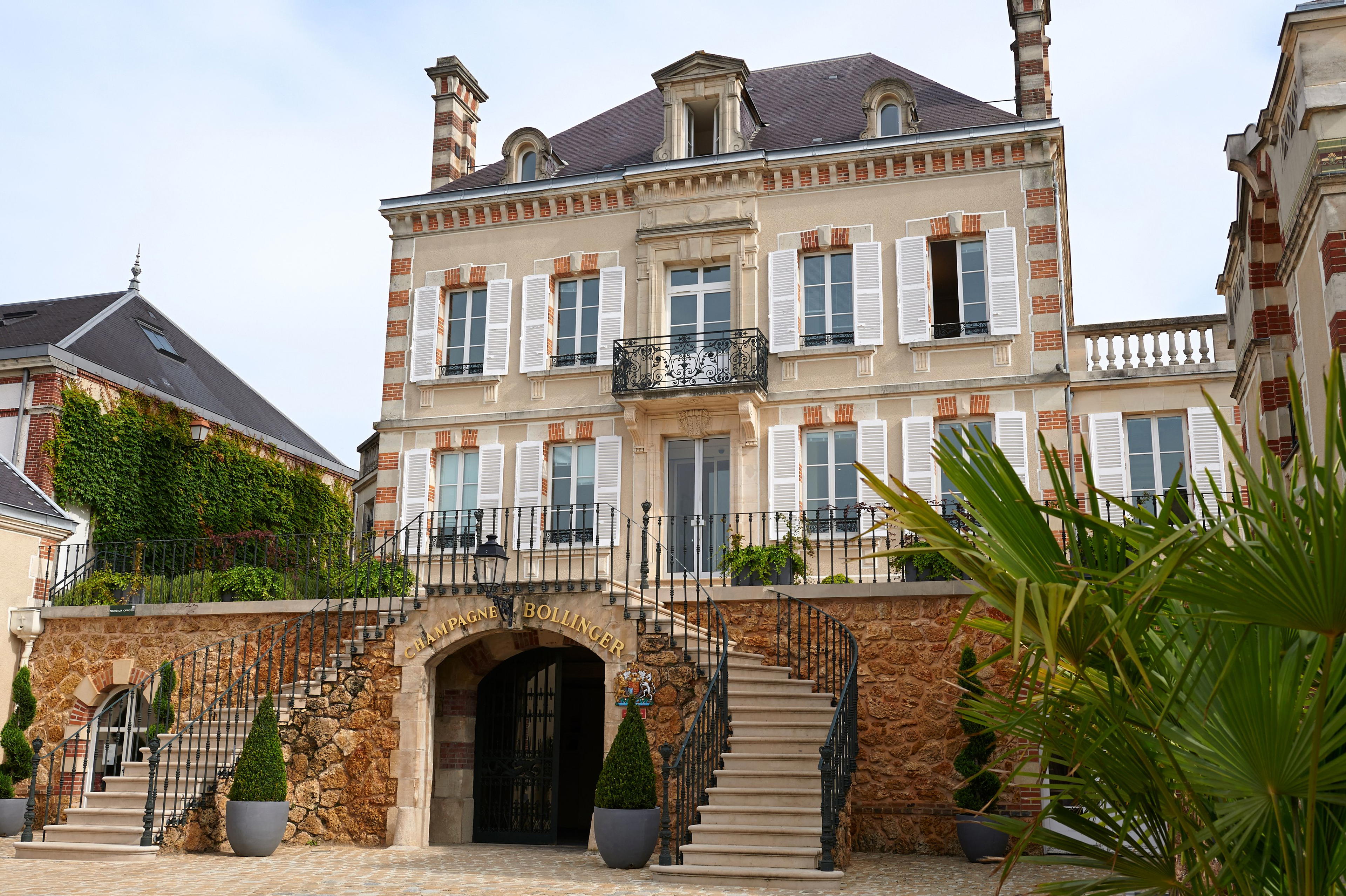
Aÿ occupies a specific position in the Champagne hierarchy. It is a Grand Cru village, rated at 100 percent on the old échelle des crus scale, and its Pinot Noir has historically driven the assemblages of several of the region's most serious houses. Bollinger, Ayala, Deutz, and Lallier all operate from this compact appellation, making Aÿ unusually dense with producers at the serious end of the quality register. What differentiates them is not geography but philosophy: how long wines stay on lees, when disgorgement happens, and what role reserve wines play across years.
After Harvest: The Cellar Logic That Defines a House
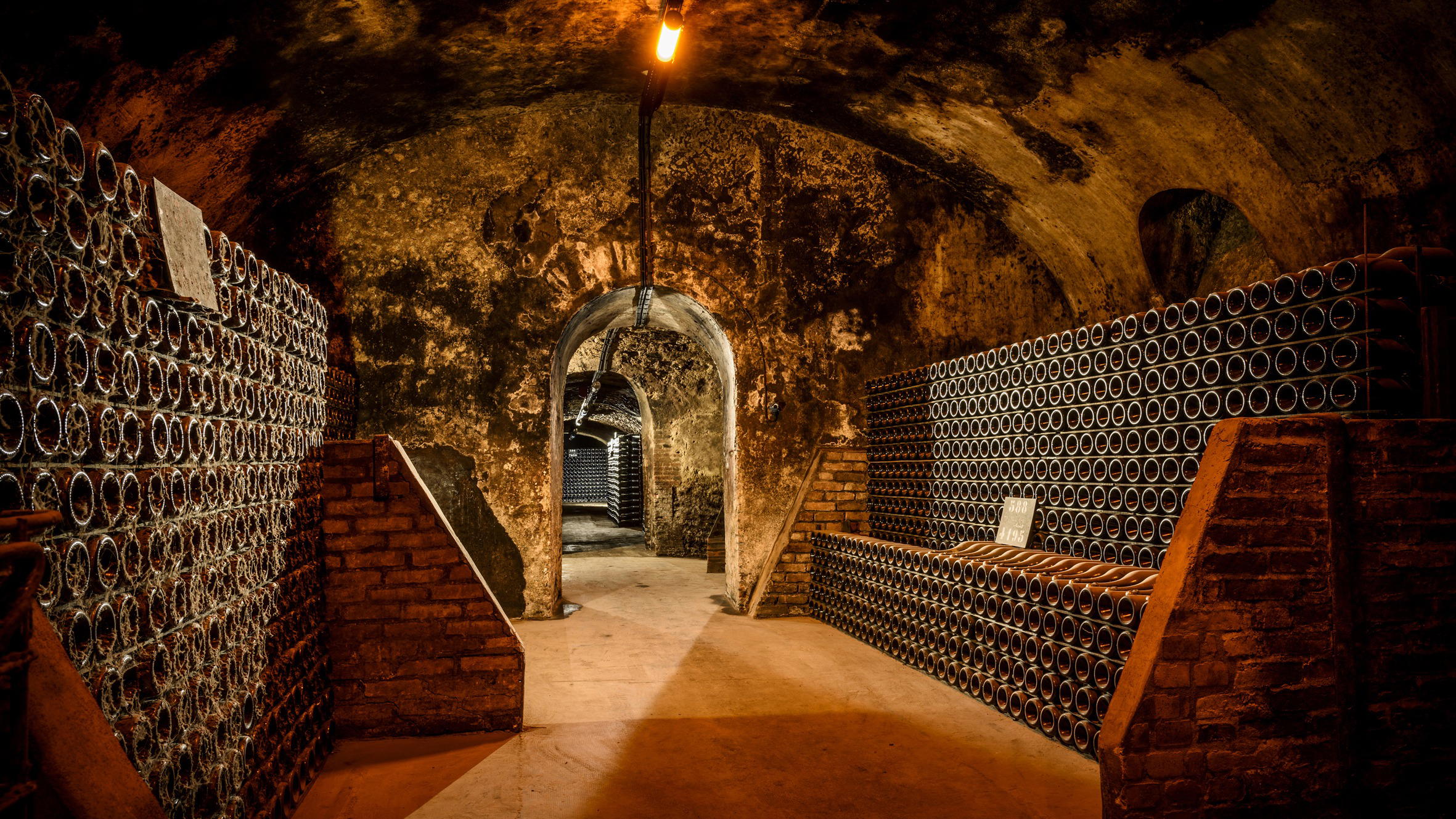
In Champagne, the decisions that matter most happen after the grapes arrive. Pressing, first fermentation, assemblage, and then the long secondary fermentation in bottle: each stage involves judgement calls that compound across time. Extended lees aging is where houses most visibly diverge. The legal minimum for non-vintage Champagne is fifteen months on lees; for vintage, three years. The houses that treat those minimums as targets are operating in a different register than those that treat them as floors.
Philipponnat's approach, under winemaker Charles Philipponnat, sits within the latter category. In a region where extended aging requires holding significant inventory capital off the market, that commitment has a concrete cost. Producers at Billecart-Salmon in Mareuil-sur-Aÿ operate on similarly patient timelines; the broader pattern across serious Champagne houses is that prestige ratings and lees-aging depth tend to move together.
Single-vineyard Champagne is still a minority format in the region. The dominant model remains assemblage across multiple villages and vintages, which gives large houses consistency and scale. Single-parcel bottlings, by contrast, sacrifice that flexibility for site specificity. They require a strong conviction about what a particular piece of land does across the growing season, and they expose the winemaker's hand more directly.
Five Centuries in One Village
A first vintage date of 1522 is not a number to pass over quickly. It means the house was already established when most of what we now call the Champagne method was still centuries from being codified. The secondary fermentation in bottle, the riddling, the disgorgement: none of that existed yet. What existed was a tradition of growing and pressing grapes in a village that already understood its soil was producing something worth paying attention to. The continuity from that point to a 2025 prestige rating is not uninterrupted in any simple sense, but the documentary thread is longer here than at almost any other address in the region.
For comparison, Château Branaire Ducru in St-Julien traces its estate back to the late seventeenth century; Château Batailley in Pauillac to the eighteenth. Among France's premium wine producers, long provenance is not uncommon, but 1522 places Philipponnat at the older end of any serious list. Across other categories entirely, Chartreuse in Voiron has its own claim to centuries of documented production. Age alone does not make a wine; it does, however, create an accumulated relationship between a producer and a piece of land that cannot be purchased or replicated quickly.
The concentration of serious houses in Aÿ creates an unusual situation for the wine traveller. Within a few hundred metres, it is possible to visit producers with fundamentally different stylistic orientations, price points, and production scales. Bollinger is the largest presence, with global distribution and a Pinot-dominant house style that has remained consistent across decades. Deutz sits in a more restrained, Chardonnay-influenced register. Ayala, under the same ownership as Bollinger since 2005, has moved toward lower-dosage formats. Lallier operates as a grower-influenced négociant with a focus on village-specific lots.
Philipponnat occupies the specialist, aging-focused tier of this group. For visitors planning a serious tasting itinerary through the village, Philipponnat functions as an anchor for the cellar-depth category, while the other houses offer contrast across scale, style, and dosage philosophy. The full Aÿ guide covers how to sequence a visit across the village's producer community.
Beyond Champagne, the same kind of specialist, aging-first philosophy appears in other French regions. Albert Boxler in Niedermorschwihr applies comparable patience to Alsace Grand Cru whites; Château Bélair-Monange in Saint-Emilion and Château Bastor-Lamontagne in Preignac represent analogous positions in their respective appellations. Even outside France, the logic holds: Accendo Cellars in St. Helena and Aberlour in Aberlour show the same pattern across Napa Cabernet and Speyside Scotch. The willingness to hold product longer before release is a consistent signal of houses operating outside the commodity tier. Château Boyd-Cantenac in Cantenac offers a further Bordeaux reference point for this kind of classified-estate patience.
Planning a Visit
Aÿ sits approximately five kilometres west of Épernay along the D1 road, easily accessible by car from Reims or Paris. The village is compact enough to cover on foot once you arrive, though the producing houses are spread across several streets rather than concentrated in one quarter. For Philipponnat specifically, the address is Rue Nicolas Philipponnat, 51160 Aÿ-Champagne. The autumn months, from September through November, bring the post-harvest atmosphere described above, when the village is quieter and the cellar teams have moved from picking to pressing and settling. Spring visits, from April through June, coincide with the secondary fermentation period and offer a different window into the production cycle. Either season rewards the visitor willing to engage with the cellar logic rather than just the tasting room.
Comparable Options
Comparable venues nearby, for context on price, style, and recognition.
| Venue | Cuisine | Price | Awards | Notes |
|---|---|---|---|---|
| PhilipponnatThis venue — the venue you are viewing | Pinot Noir, Chardonnay | $100–150 | World's 50 Best #76 | Not listed |
| Billecart-Salmon | Chardonnay, Pinot Noir | Not listed | World's 50 Best #27 · Falstaff Winery - 5 Stars | Mareuil-sur-Ay |
| Deutz | Pinot Noir, Chardonnay | Not listed | Falstaff Winery - 4 Stars | Aÿ |
| Lallier | Pinot Noir, Chardonnay | Not listed | Falstaff Winery - 2 Stars | Aÿ |
| Ayala | Chardonnay, Pinot Noir | $30–50 | Falstaff Winery - 3 Stars | Aÿ |
| Bollinger | Pinot Noir, Chardonnay | $150–200 | World's 50 Best #15 · Falstaff Winery - 5 Stars | Aÿ |
Recognition history
Dated appearances from independent guides and award organizations, with the underlying list record or original source where available.
World's 50 Best Vineyards #76
World's 50 Best
Continue exploring
More in Aÿ
Wineries in Aÿ
Browse all →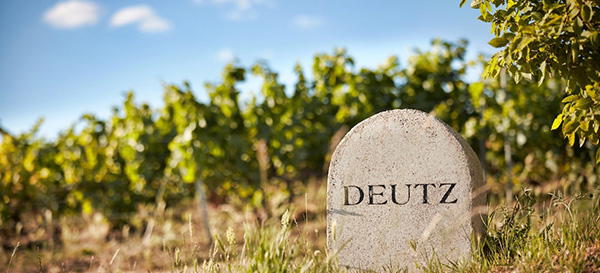
Bars in Aÿ
Browse all →
Restaurants in Aÿ
Browse all →
Details
- Classic
- Elegant
- Historic
- Scenic
- Sophisticated
- Wine Education
- Special Occasion
- Vineyard Tour
- Cave Tasting
- Historic Building
- Vineyard
- Pinot Noir
- Chardonnay
- Sparkling
- Guided Tasting
- Single Vineyard Tasting
- English
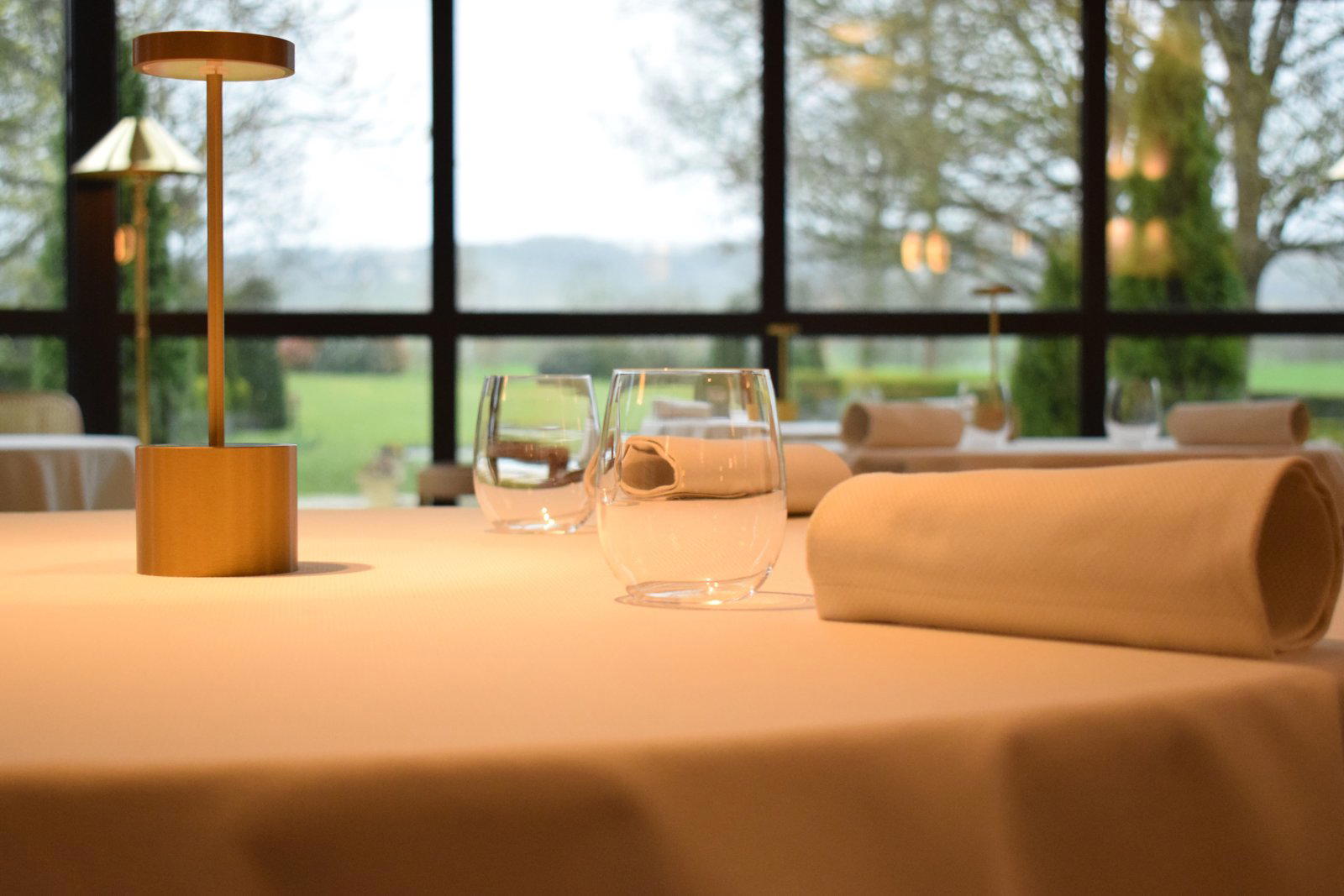
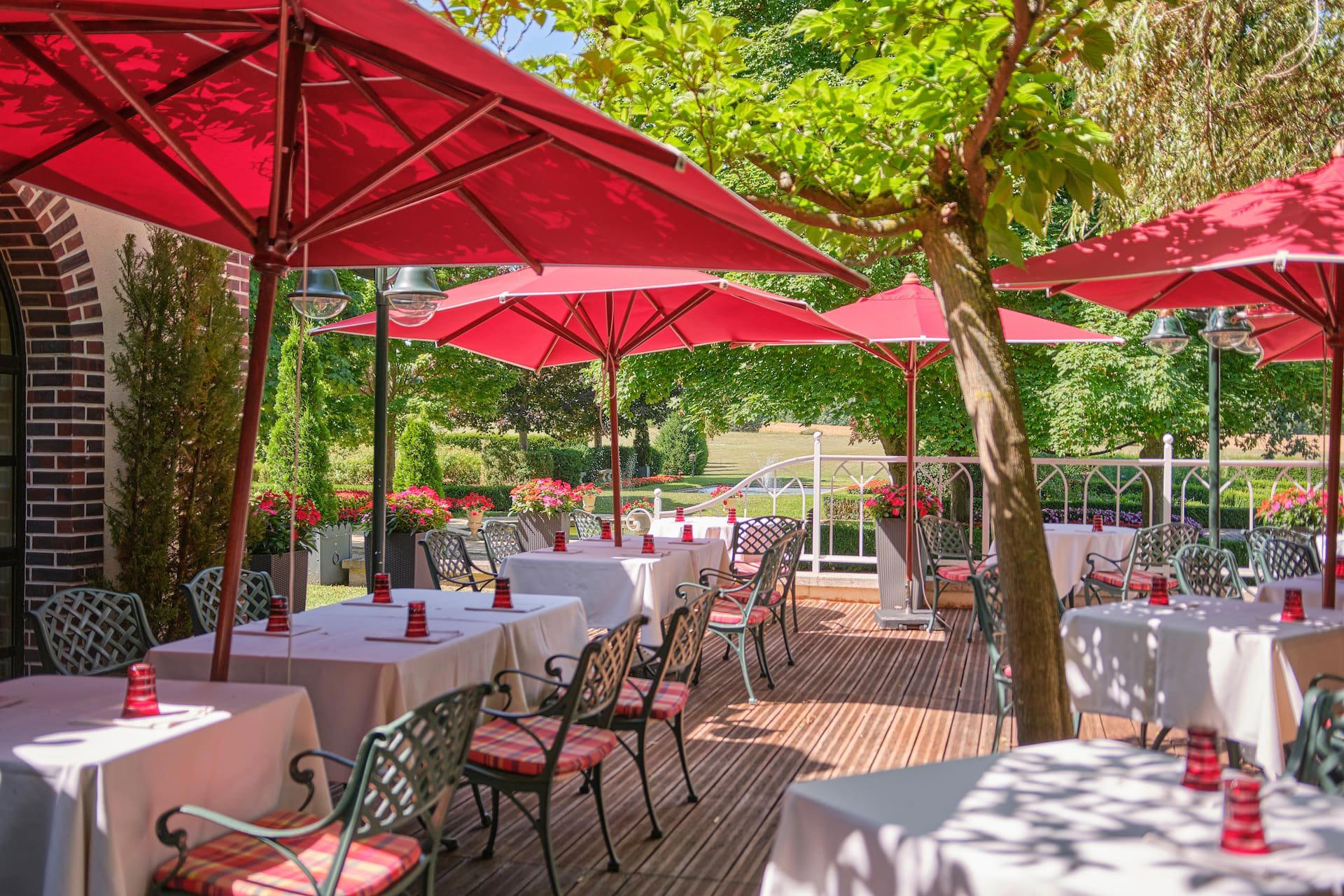
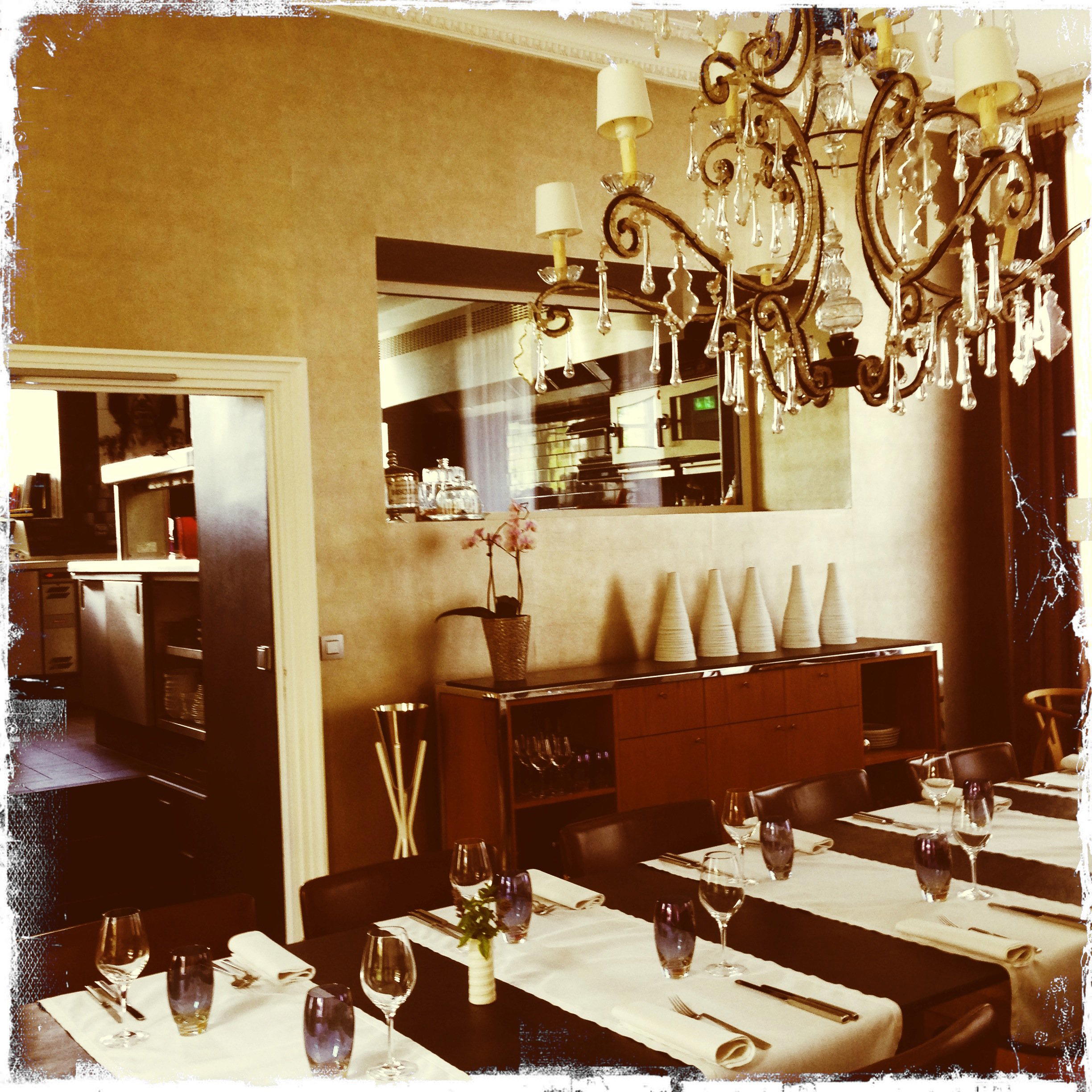
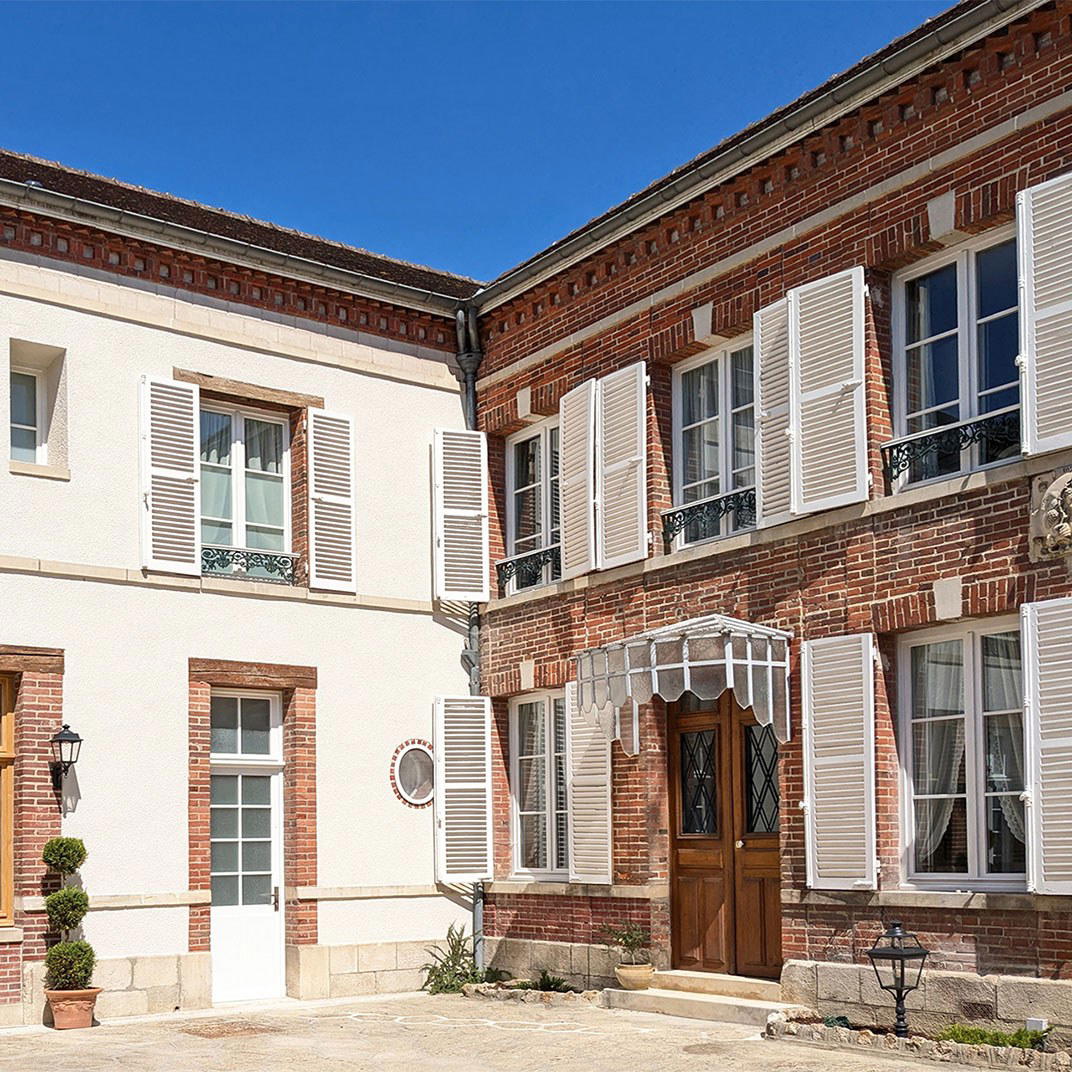
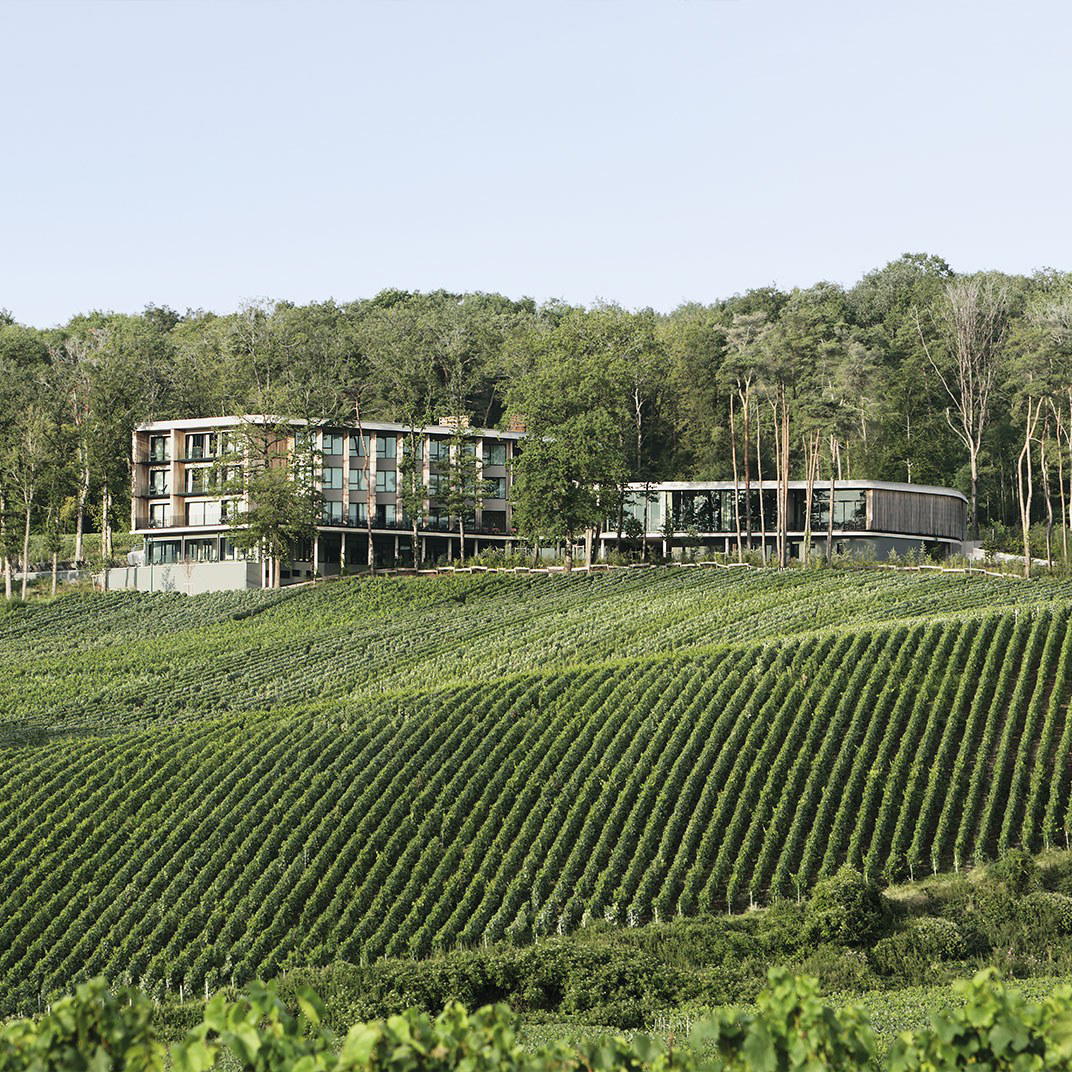
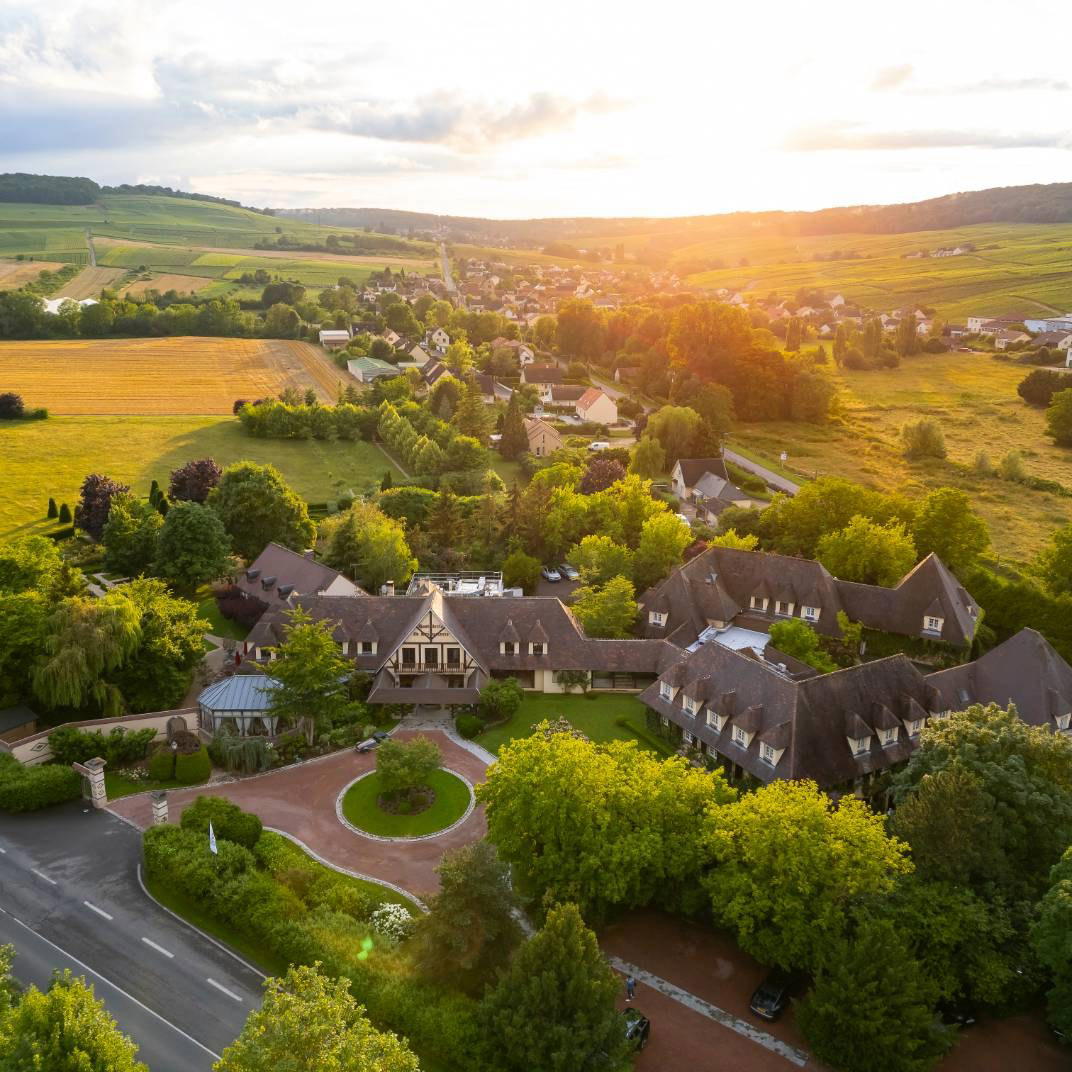
Elegant and historic atmosphere in impeccably kept cellars with scenic vineyard views and knowledgeable guided tours.