Located within the Tokyo Baycourt Club on the Ariake waterfront, Zigi occupies a distinctive position among Tokyo's hotel-based dining rooms, where the structure of the menu does much of the storytelling. The restaurant sits in Koto City, removed from the central dining corridors of Ginza and Minami-Aoyama, making it a deliberate destination rather than a walk-in proposition for those already familiar with Tokyo's premium dining circuit.
 Discover on Pearl
Pearl is the En Primeur Club membership app — saves, bookings, and concierge access live there. Same editors, same standards.
- Address
- 3 Chome-1-15 Ariake, Koto City, Tokyo 135-0063, Japan
- Phone
- +81367001111
- Website
- rtg.jp
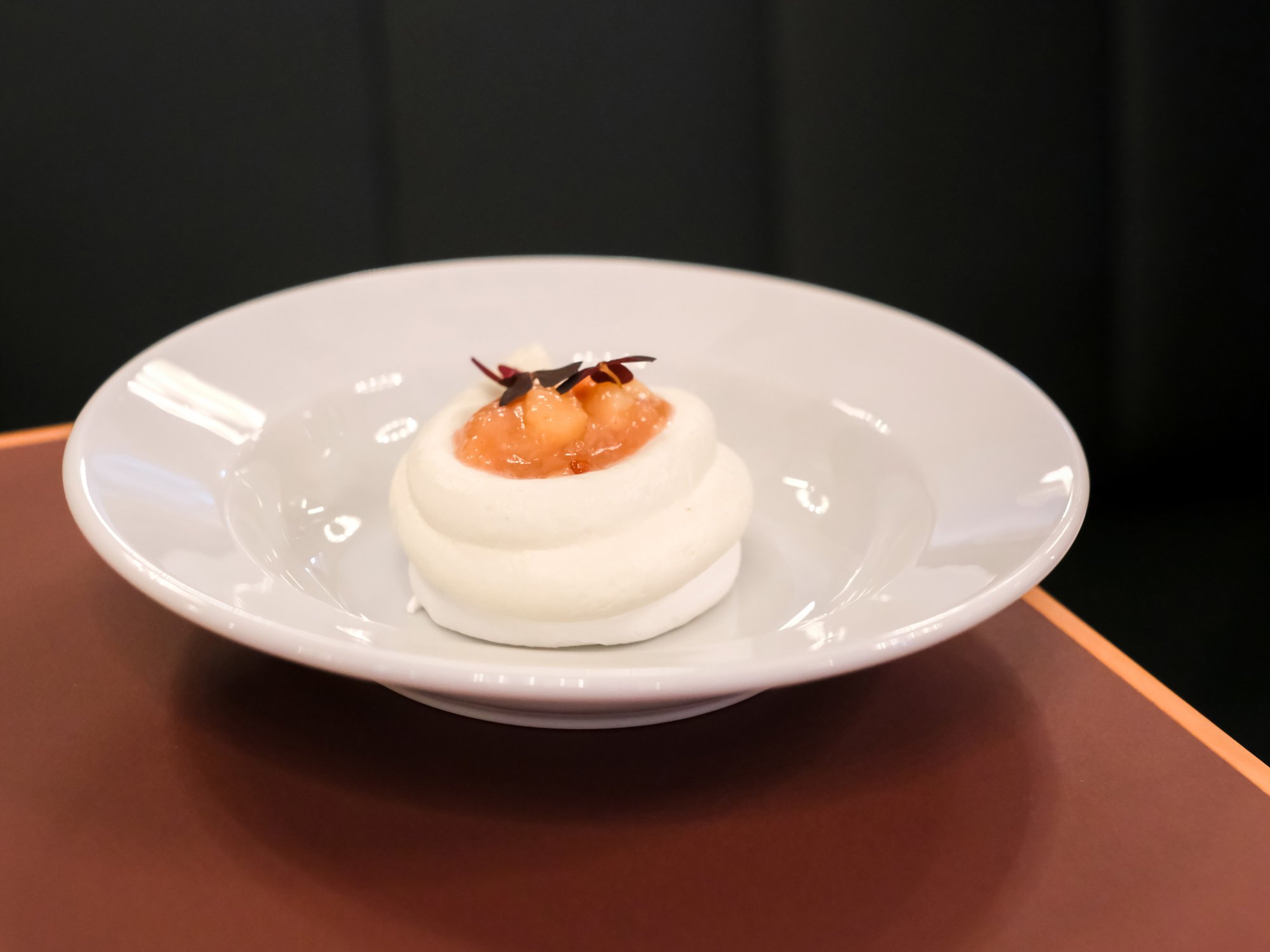
Waterfront Dining and the Logic of Structured Menus in Tokyo
Tokyo's high-end dining scene has long been shaped by a particular tension: the city produces some of the world's most disciplined tasting menus, yet its hotel-based restaurants often operate under different pressures, serving a more transient audience alongside a loyal local one. The restaurants that resolve this tension most effectively tend to do so through menu architecture, using the structure of what they serve, and the sequence in which they serve it, to communicate both kitchen ambition and hospitality philosophy at once. Zigi im Tokyo Baycourt Club, located at 3 Chome-1-15 Ariake in Koto City, sits within this tradition, positioned inside the Baycourt Club on Tokyo Bay's northeastern edge.
The Ariake address is not incidental. This part of Koto City, developed heavily around the 2020 Olympic facilities, sits at a remove from the central dining corridors that define Tokyo's most-discussed restaurant geography. Where Ginza concentrates its counter-sushi rooms and Minami-Aoyama has become a base for French-influenced contemporary kitchens, the Tokyo Bay waterfront functions differently: venues here rely less on foot traffic and neighbourhood reputation, and more on the pull of a specific destination. For comparable properties in Japan's wider culinary map, the same logic applies at HAJIME in Osaka and Gion Sasaki in Kyoto, where geography becomes part of the deliberate guest selection process.
Menu Architecture as Editorial Statement
In Tokyo's premium dining tier, the structure of a menu is rarely neutral. At the leading omakase counters of Ginza, including Harutaka, the sequence itself is the experience: the chef controls every variable, and the guest surrenders to a predetermined logic. At contemporary French rooms like L'Effervescence and Sézanne, multi-course tasting menus signal alignment with a European fine dining grammar, while kitchens like Crony use format innovation to argue for a different set of priorities entirely. At kaiseki rooms such as RyuGin, the menu's seasonal progression carries almost philosophical weight.
A hotel-based dining room within a membership club environment, as Zigi im Tokyo Baycourt Club represents, historically navigates this by offering menus broad enough to serve multiple guest types without losing coherence. The more successful examples in this category use the menu's architecture to draw a clear line between the kitchen's actual ambitions and the hospitality demands of the property. What the menu omits is often as telling as what it includes: a tight selection signals confidence and editorial control; an overextended one signals the opposite. Without current menu data available for Zigi, the relevant question for any visit is which of these positions the kitchen has chosen, and how consistently it holds to it.
The Baycourt Club Context and Tokyo's Membership-Club Dining Tier
The Tokyo Baycourt Club operates as a private membership resort on the waterfront, a format that places Zigi in a different competitive frame from standalone restaurants. Japan's membership-club dining rooms have their own internal hierarchy, one that runs parallel to but does not always intersect with the Michelin guide or the 50 Best list. The evaluation criteria shift: consistency across a broader service envelope matters more than peak-night brilliance, and the kitchen's ability to serve a resident audience over repeated visits shapes the menu's logic as much as any single culinary statement.
This context places Zigi in interesting company nationally. Properties in smaller Japanese cities, from Nanao to Sapporo and Takashima, demonstrate that destination dining outside Tokyo's core can sustain serious kitchens when the surrounding hospitality infrastructure supports repeat engagement. The waterfront resort model, when it works, creates exactly that infrastructure. For further context on how different Japanese regional dining environments operate, Goh in Fukuoka and akordu in Nara illustrate the range of ambition that operates outside the capital's gravitational pull.
Getting There and Planning Your Visit
Ariake is accessible from central Tokyo via the Rinkai Line, with Ariake Station approximately ten minutes on foot from the Baycourt Club address. The waterfront location means the property draws guests from the broader Bay area development, including Odaiba and the Ariake Arena complex. For those combining a visit with a wider Tokyo dining agenda, the eastern waterfront sits at a meaningful distance from Ginza and the western restaurant clusters of Shibuya and Shinjuku, so Zigi functions as an anchor for a specific evening rather than a stop within a multi-venue day.
Because the Baycourt Club is a membership property, access to Zigi is members only. This is a consistent feature of Tokyo's membership-club dining tier and does not differ substantially from comparable properties in other Japanese cities. Seasonal timing may also matter: the waterfront setting along Tokyo Bay means winter evenings can be considerably colder and more exposed than a central Tokyo restaurant experience, while summer brings its own logistical considerations around the bay-area humidity.
Further afield, Nishikawa Machi, Birdland in Sakai, and Bistro Ange in Toyohashi represent the kind of destination-led dining that rewards deliberate planning across Japan. For international points of comparison in the fine dining category, Le Bernardin in New York City and Atomix in New York City offer useful reference points on how structured tasting menus operate within hotel and membership-adjacent contexts in other major cities.
Comparable Spots
Comparable venues nearby, for context on price, style, and recognition.
| Venue | Cuisine | Price | Notes |
|---|---|---|---|
| Zigi im Tokyo Baycourt ClubThis venue — the venue you are viewing | Premium Japanese Kaiseki & Teppanyaki | $$$$ | |
| Koran | Seasonal Japanese Kaiseki Counter | $$$$ | Chūō |
| Ningyocho Imahan Ginza ten | Traditional Wagyu Sukiyaki & Shabu-shabu | $$$$ | Chūō |
| Kiyota Hanare | High-end Edomae Sushi Omakase | $$$$ | Chūō |
| 銀座 よし澤 | Traditional Japanese Kaiseki | $$$$ | Chūō |
| Toribayashi | Modern Yakitori Omakase | $$$$ | Minato |


At a Glance
- Elegant
- Scenic
- Sophisticated
- Modern
- Business Dinner
- Special Occasion
- Celebration
- Date Night
- Chefs Counter
- Panoramic View
- Private Dining
- Hotel Restaurant
- Open Kitchen
- Sake Program
- Extensive Wine List
- Sommelier Led
- Local Sourcing
- Skyline
- Waterfront
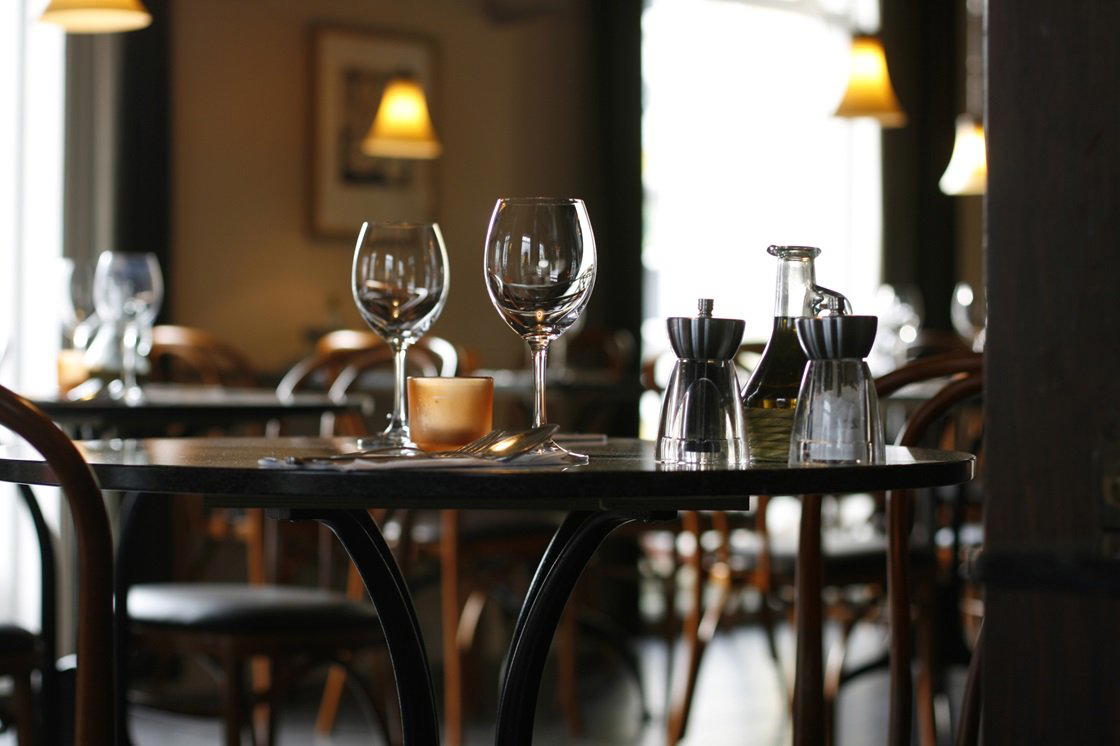
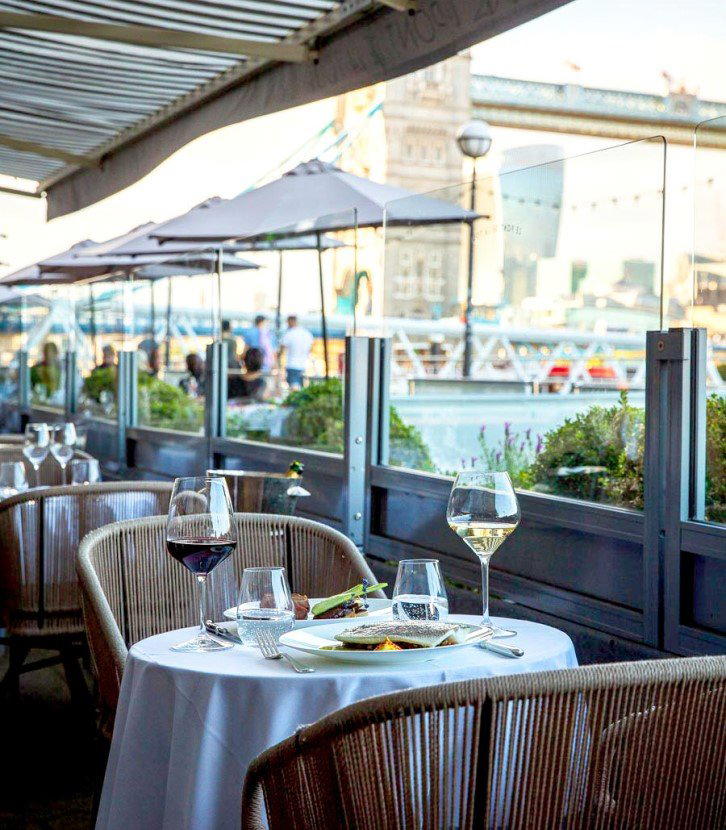
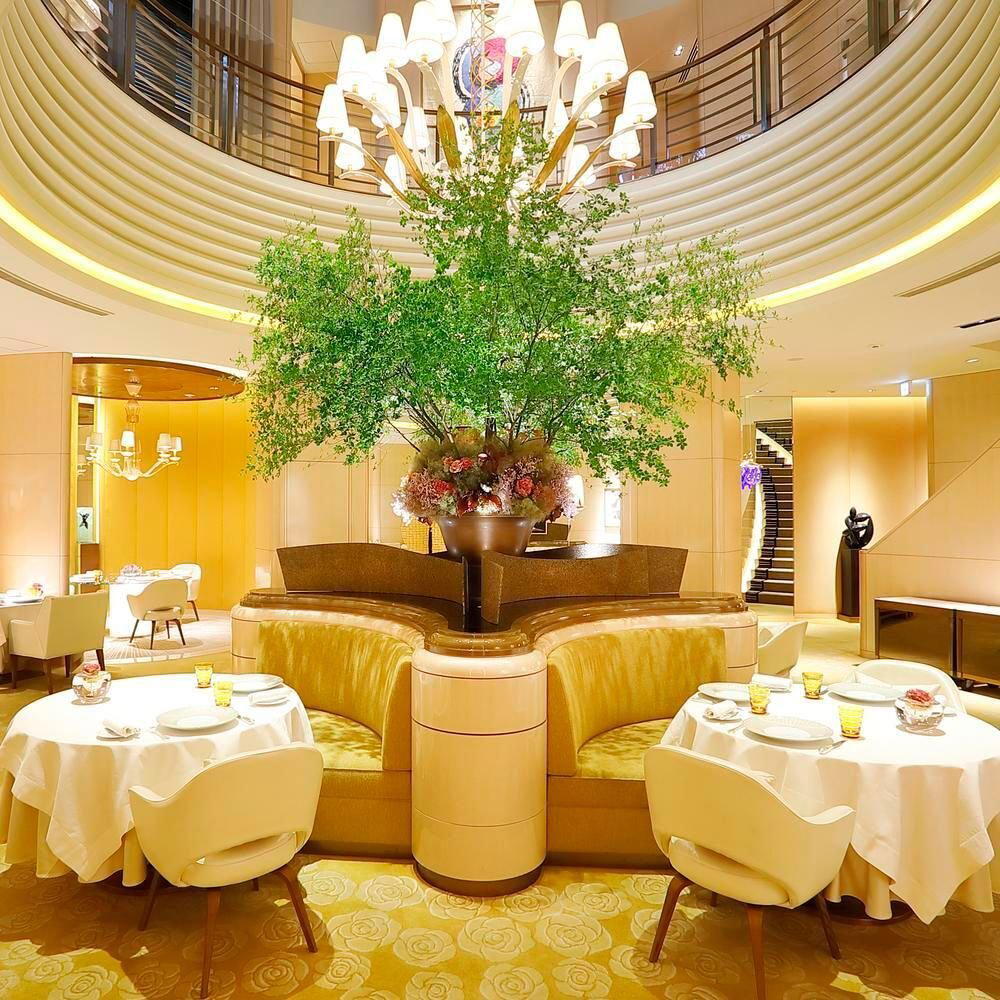
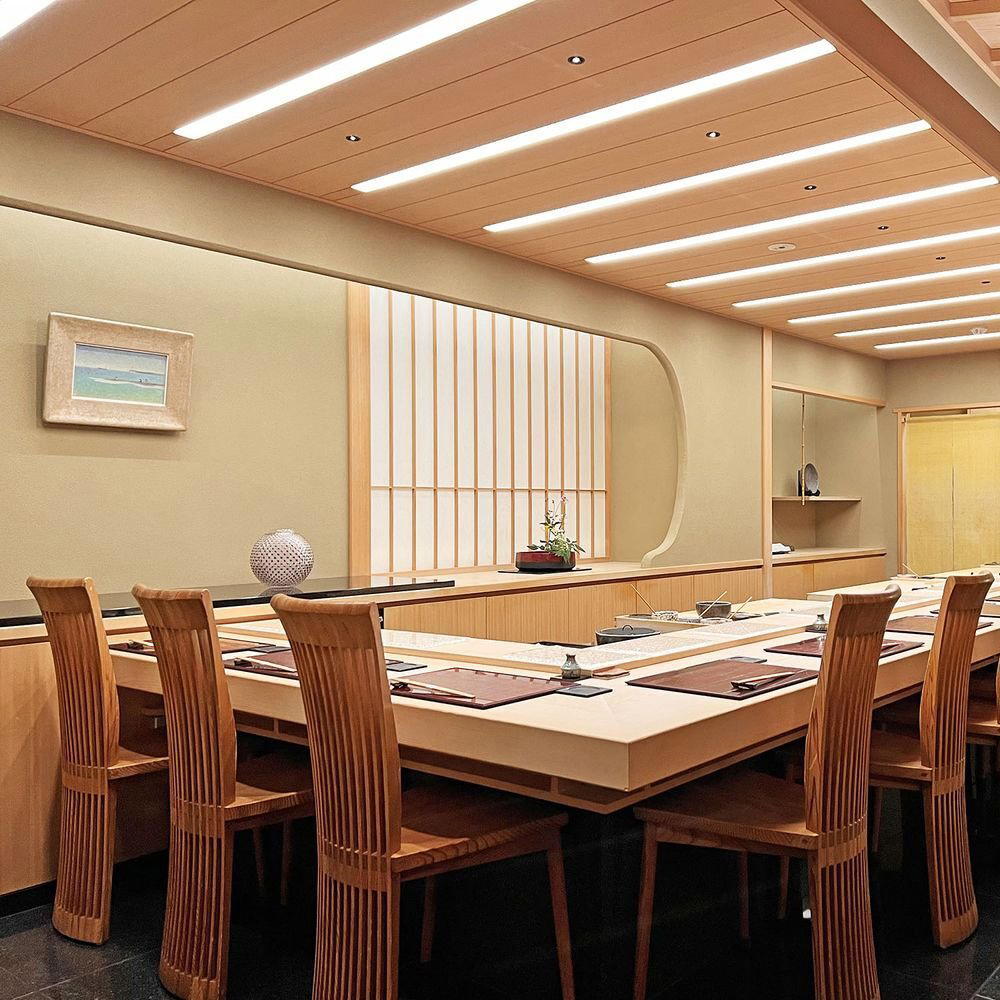
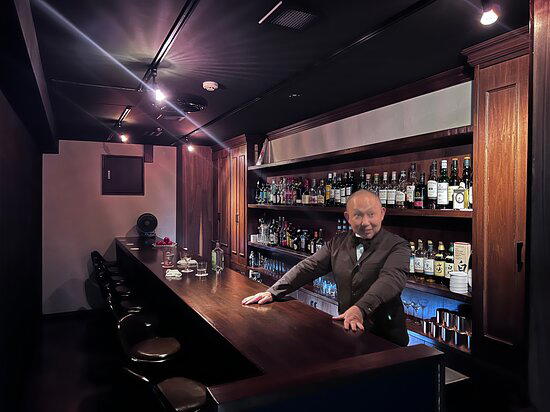
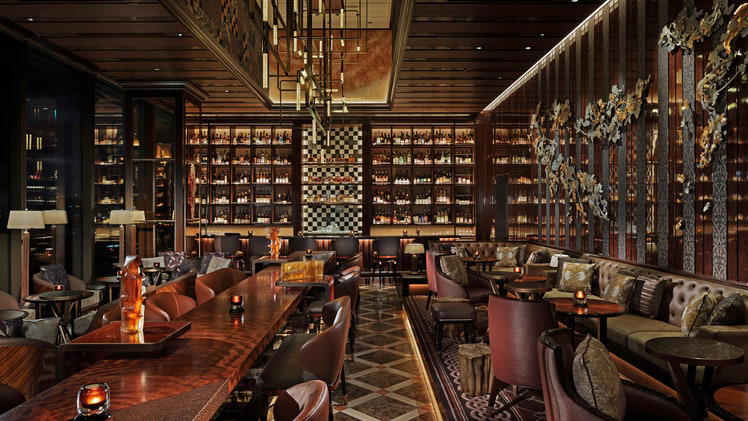
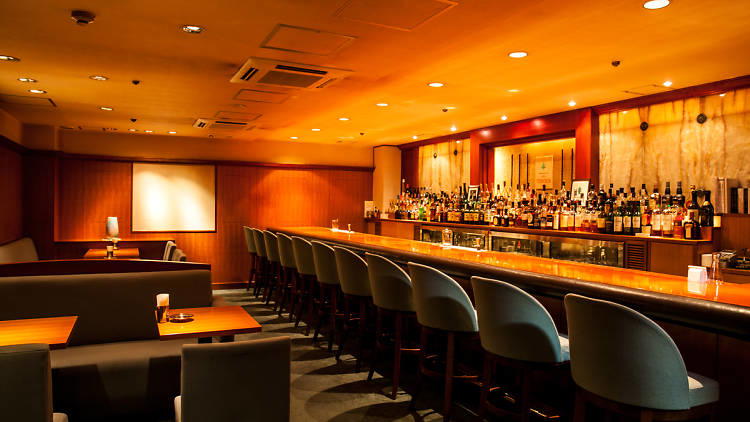
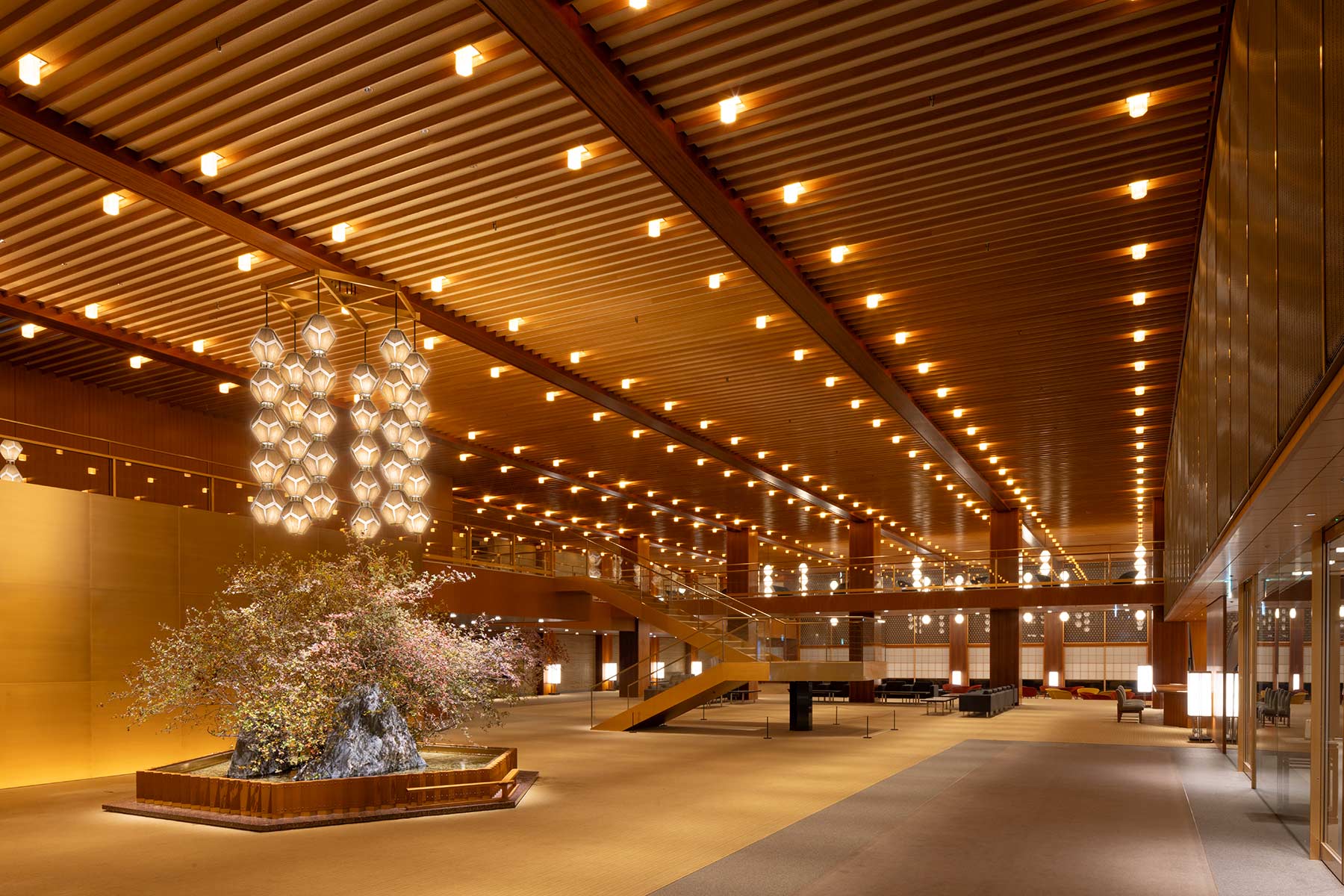
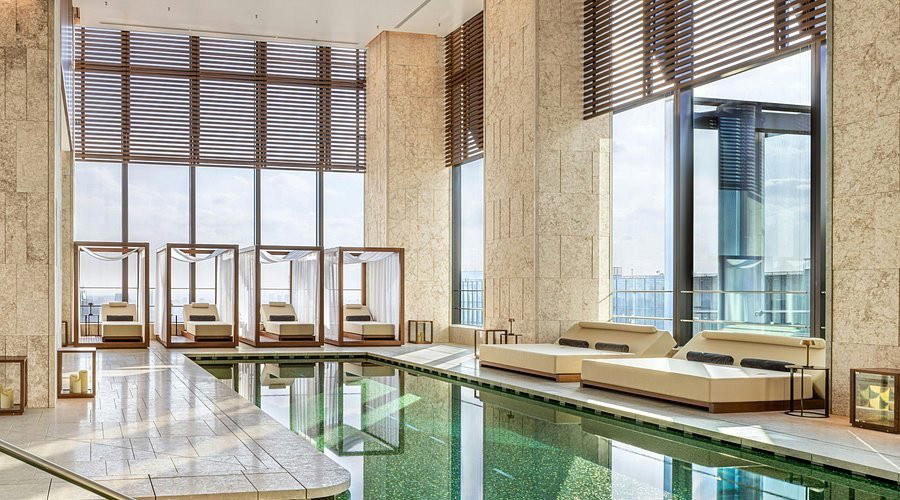
Luxurious and serene with modern minimalist design accented by water, rocks, and wind elements; floor-to-ceiling windows showcase stunning night views; intimate private dining rooms and semi-private kaiseki spaces create an exclusive, tranquil atmosphere.