Tabelog 100 #79
Our verdict
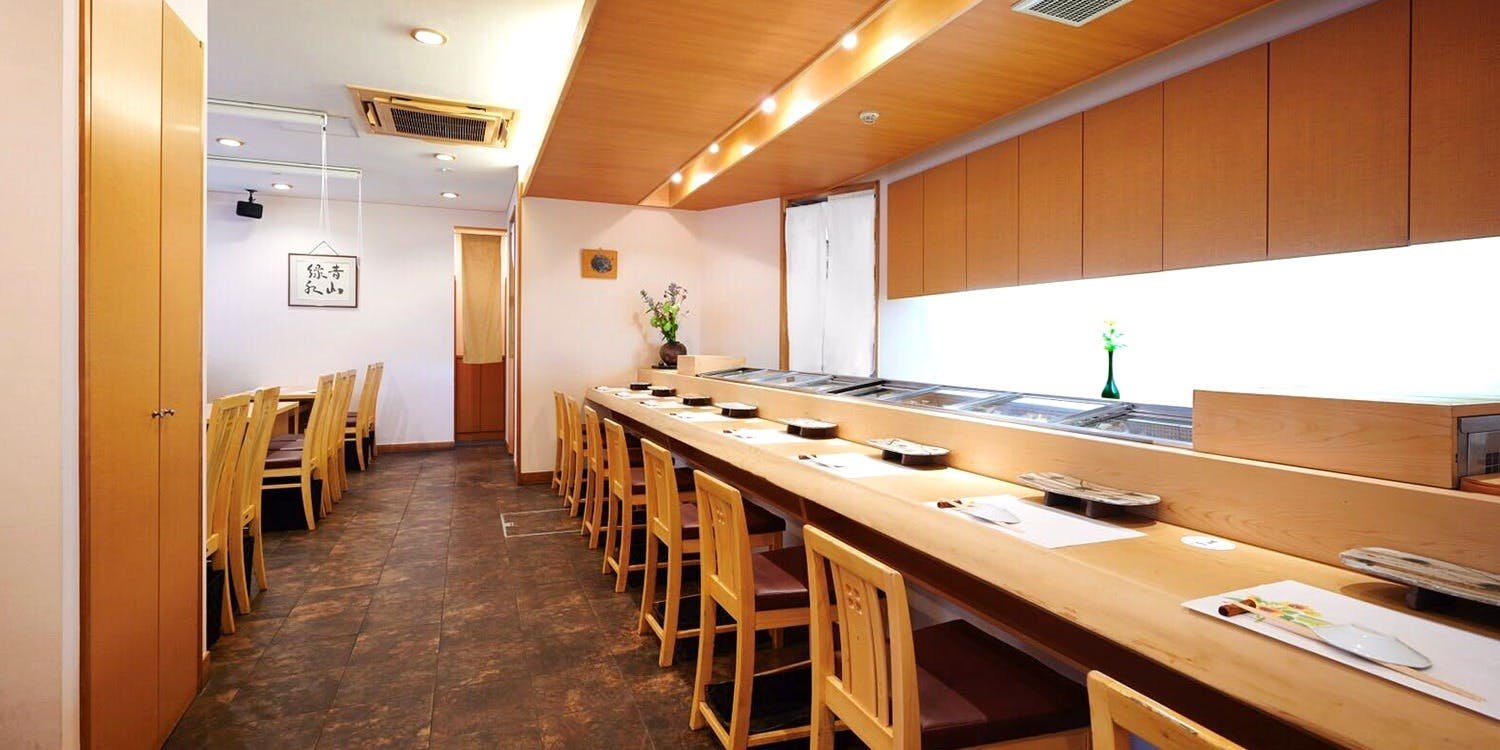
Koran belongs to Ginza’s small-counter Japanese dining tier, where domestic ingredients, sake fluency, and restraint carry more weight than spectacle. Its 2025 Tabelog 100 selection for Tokyo Japanese cuisine, 4.03 score, fish focus, sommelier service, and six-seat counter place it in a serious bracket for travellers who want precision rather than theatre.

Pearl is the En Primeur Club membership app, where members save venues, book tables and use the concierge.
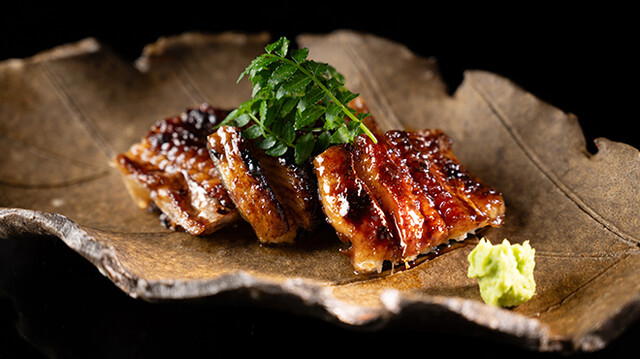
Tokyo’s premium restaurants ask diners to recalibrate before the first course: street-level polish, watch boutiques, and late taxis give way to Japanese dining rooms with controlled pace and settings where quiet matters. Koran fits that pattern: a Japanese cuisine restaurant with disciplined focus that makes sourcing, service rhythm, and the overall sequence feel closely connected.
Read this address not as another luxury Tokyo dinner, but as part of the city’s move toward highly specific, intimate Japanese dining. Tokyo has endless casual choices, while serious Japanese rooms run on different economics: higher ingredient cost, careful pacing, and a guest experience structured around sequence as craft. For the broader map, Our full Tokyo restaurants guide covers the city’s range; Koran occupies the narrower lane where Japanese cooking and a focused evening format meet.
Japanese cooking in Tokyo's small-counter tier
Tokyo Japanese cuisine is often framed through kaiseki formality, sushi scarcity, or kappo ease, but the contemporary middle ground sits between them. These restaurants combine attentiveness, the seasonal logic of classical Japanese cooking, and the restrained service cues that define the city’s more serious rooms. Koran’s public marker is clear enough: Japanese cuisine, presented at a premium price point. This is not a casual drop-in setting; it is a room for diners who care about pacing and sequence.
The 2025 Tabelog 100 selection for Tokyo Japanese cuisine is a meaningful local trust signal. Tabelog’s Hyakumeiten lists matter in Japan because they capture domestic diner attention across category and city, not only international award language. A 4.03 Tabelog score places Koran where small execution differences matter, especially in Tokyo, where high spending alone does not separate serious rooms from merely expensive ones.
The disciplined-service angle is clearest in the restaurant’s Japanese-cuisine positioning. Dining at this level has long relied on seasonality, careful preparation, and attention to temperature and timing; the newer variable is how confidently these rooms guide guests without diluting the Japanese frame. International guests often arrive fluent in fine dining but less fluent in Japanese dining etiquette. The better rooms do not translate the meal into foreign terms; they provide enough structure for non-local diners to understand why restraint is the point.
Why a focused Japanese room changes the meal
A focused Japanese dining room is not just intimate in mood. It changes expectations around timing, pacing, and the social contract. In a serious room, there is little margin for late arrivals, heavy perfume, or treating the setting like a backdrop. Tokyo’s premium Japanese restaurants often depend on synchronised progression: dishes move in sequence, temperature and timing are part of the format, and the pace belongs to the room as a whole. This is where Tokyo’s dining codes still have teeth.
That positioning also clarifies Koran’s competitive place. Tokyo supports radically different models: L'ibisco Ginza ten and Coffee Senmon Ten Sanjikken Ginza honten sit in far lower price categories, while Zakuro Ginza ten occupies a more accessible prepared-meal bracket. 二葉鮨 and Kitsune An point to the city’s broader spectrum of sushi, noodle, and casual Japanese eating. Koran belongs elsewhere: the premium, high-attention tier where the comparison is not everyday Tokyo dining, but Japanese restaurants that ask guests to commit an evening, not stop in between errands.
For travellers building a Tokyo dining week, that matters. An itinerary can absorb only so many formal meals before fatigue sets in. Koran makes sense when the plan calls for one focused Japanese dinner in Tokyo rather than another long tasting menu elsewhere. Around it, the trip can loosen with other Tokyo dining rooms, cafés, and casual stops. The contrast is the point: Tokyo rewards diners who separate occasions rather than chase the same formality every meal.
How it fits into a Tokyo food trip
Tokyo compresses old habits into a polished, practical dining landscape. Daytime food culture stays sharp; serious restaurants handle focused evening dining; transit makes it easy to combine one considered meal with other parts of the city. Koran’s appeal sits in that practical geography as much as its culinary category. It gives travellers a concentrated Japanese dinner without making the trip feel dinner-only, which is why Tokyo remains a reliable anchor for visitors wanting precision and convenience in the same night.
The broader Tokyo map can widen by category. Other Japanese traditions, casual Japanese rooms, cafés, and prepared-food specialists show how many registers the city can hold in a single week. Travellers extending beyond restaurants can cross-check Our full Tokyo hotels guide, Our full Tokyo bars guide, Our full Tokyo wineries guide, and Our full Tokyo experiences guide to keep the itinerary from becoming dinner-only.
Japan’s regional dining spread also contextualises Tokyo. Other cities and regions bring their own formal cuisine grammar, everyday comfort foods, and destination-specific specialties. Even lighter stops across Japan show how varied a dining trip can be when Tokyo is one chapter, not the whole book.
For international comparison, the Japanese-drinks and casual Japanese-food conversation has travelled beyond Japan. Abroad, sake, rice, and relaxed Japanese formats are often translated for local audiences. Koran sits closer to the source: a Tokyo restaurant where the vocabulary remains Japanese and the service style supports the meal rather than turning it into a performance of luxury.
Frequently asked questions
Where is Koran in Tokyo?
Tokyo.
What's the price range at Koran?
Pricing at Koran is listed as Dinner: JPY 40,000 - JPY 49,999; Lunch: JPY 20,000 - JPY 29,999.
What time does Koran open and close?
Check Koran’s official channels before booking, as current opening hours are not provided here.
What makes Koran worth seeking out?
Koran is a Japanese cuisine restaurant in Tokyo and was selected for Tabelog Japanese cuisine TOKYO "Tabelog 100" 2025. Its listed score is 4.03, with a dinner price range of JPY 40,000–JPY 49,999.
How does Koran handle allergies?
The practical route is to check the venue's official channels before booking. Koran lists +81-3-6228-6182, and advance notice is the sensible approach for any dietary issue.
Is Koran a family-friendly restaurant?
It is not framed here as a family venue. Koran is a premium Japanese cuisine restaurant in Tokyo, so it is best suited to guests who are comfortable with a focused dining format.
Style and Standing
Comparable venues for cuisine and category context.
| Venue | Cuisine | Price | Awards | Notes |
|---|---|---|---|---|
| KoranThis venue (the venue you are viewing) | Seasonal Japanese Kaiseki Counter | $200–300 | Tabelog 100 #79 | Not listed |
| Mochiku | Traditional Edo-style tempura omakase | $150–200 | Tabelog 100 #70 | Chūō |
| Sushi Ishijima | Edomae Sushi Omakase | $50–100 | Not listed | Chūō |
| Trois Fleches | Japanese Steakhouse | $300–500 | Tabelog 100 #27 | Chiyoda |
| Restaurant Katsura | Japanese Teppanyaki Steakhouse | Not listed | Tabelog 100 #80 | Chūō |
| Hicho Kurata | High-End Yakitori Omakase | $200–300 | Tabelog 100 #92 | Chiyoda |
Recognition history
Dated appearances from independent guides and award organizations, with the underlying list record or original source where available.
Tabelog 100 #79 · No. 79
Tabelog · Tabelog 100 - Japanese cuisine - TOKYO - 2025