
Our verdict
A kaiseki address in Gion's Hanamikoji corridor, Yukifuran Sato under Chef Koichi Sato holds an Opinionated About Dining ranking among Japan's top restaurants. The kitchen works within the seasonal logic that defines Kyoto kaiseki, each course calibrated to what the land and sea yield at a precise moment in the calendar. For travellers serious about the form, it belongs on the same shortlist as Gion's most focused counters.

Pearl is the En Primeur Club membership app, where members save venues, book tables and use the concierge.
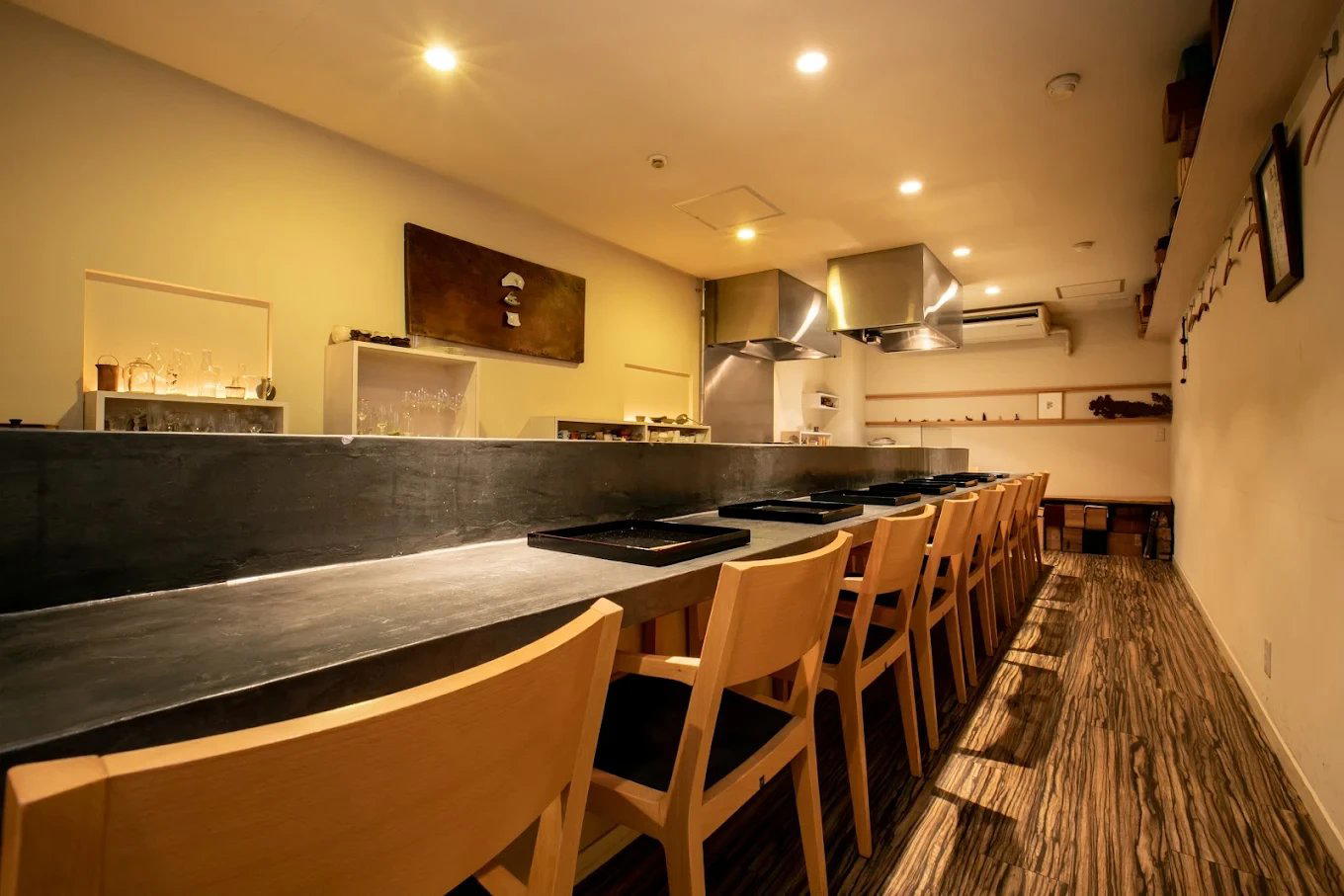
Hanamikoji and the Geography of Intention
The stretch of Hanamikoji that runs through Higashiyama Ward is one of the few streets in Japan where the built environment and the culinary tradition it houses are genuinely inseparable. Machiya facades and stone-paved lanes frame an address like Yukifuran Sato not as decoration but as context: this is a neighbourhood where kaiseki did not arrive as a trend but evolved over centuries as an expression of the city's relationship with ritual, seasonality, and restraint. The Yaohei Building entrance on the south side of Hanamikoji signals the kind of understated address that Kyoto reserves for rooms that do not need to announce themselves.
Gion's dining tier is dense with serious operators. Gion Suetomo and Chihana occupy the upper bracket of traditional kaiseki in the ward, while Ifuki represents the newer generation applying strict seasonal logic to the format. Yukifuran Sato, ranked 276th on the Opinionated About Dining list of leading restaurants in Japan for 2025, sits inside that competitive cluster, recognised but not overexposed, which in Gion is often the more meaningful position.
Sourcing as Argument
Kaiseki at its most disciplined is less a menu format than a sourcing philosophy made edible. The cuisine originated as an accompaniment to the tea ceremony, where the cook's task was to express the season with the minimum of interference, not to impose technique on ingredients but to let the calendar determine what appears on the tray. That logic has never really left Kyoto kaiseki, even as the form became elaborated into multi-course meals at higher price points.
What that means in practice, across kitchens that take the tradition seriously, is a procurement calendar that tracks the arrival of specific ingredients with a precision more common in agriculture than hospitality. Kyoto's own vegetable heritage, the kyo-yasai cultivars, from Kamo eggplant to Manganji pepper to Kujo negi, forms a sourcing backbone that distinguishes the city's kaiseki from what a Tokyo kitchen, however skilled, can replicate with the same materials. The leading Kyoto kaiseki counters treat the weekly or even daily availability of these ingredients as the primary creative constraint. Technique follows sourcing; the menu follows the season.
Chef Koichi Sato operates within this framework at Yukifuran Sato. The kitchen's position on Hanamikoji places it in direct proximity to Nishiki Market and the Kyoto produce networks that supply the ward's serious restaurants. Whether the sourcing emphasis runs toward highland vegetables, lake fish from Biwa, or Pacific seafood that Kyoto kitchens have incorporated into kaiseki over generations, the seasonal logic that defines the form applies here as it does at peer addresses like Ankyu and Doujin.
The OAD Ranking and What It Signals
Opinionated About Dining operates as a crowd-sourced ranking drawn from a self-selecting but deeply experienced reviewer base, predominantly serious food travellers and industry figures who eat frequently at this level. A position at 276th in Japan for 2025 places Yukifuran Sato in the broader tier of nationally recognised kaiseki, below the headline-grabbing Michelin three-star rooms but clearly within the set that the OAD community considers worth a dedicated trip. That's a meaningful distinction in Japan, where the gap between a Michelin-starred address and a non-starred but OAD-ranked room often reflects format and price tier as much as quality differential.
For context within Kyoto's kaiseki scene: Gion Sasaki operates at the top of the ¥¥¥¥ bracket with international recognition, while addresses like Ifuki sit at ¥¥¥¥ and draw the same category of well-travelled diner.
Kaiseki practitioners across Japan's main cities each bring different sourcing terroirs to the form: Kikunoi in Tokyo and Hirosaku in Tokyo represent the form's northern transplant; HAJIME in Osaka applies a different creative register entirely. Kyoto addresses retain a particular authority in the OAD community because the city's ingredient heritage is genuinely difficult to replicate elsewhere.
Timing and the Seasonal Window
The question of when to visit a serious kaiseki counter in Kyoto is not incidental. The cuisine is structured around the Japanese seasonal calendar in ways that produce materially different meals across the twelve months. Spring kaiseki in Gion typically centres on bamboo shoots harvested from the surrounding hills, a short window in April and May that the city's kitchens treat as one of the year's most significant ingredient events. Autumn brings matsutake mushrooms from highland forests, persimmons, and the shift toward warming broths and earthier preparations. The summer months, bridged by the ayu sweetfish season from mountain streams, present a different register again.
A visit to Yukifuran Sato gains most from alignment with one of these peak seasonal moments rather than a general Kyoto trip that happens to include a dinner booking. The kaiseki form rewards the diner who understands what the season is doing to the menu, and Hanamikoji's counter rooms are leading experienced when the seasonal logic is at its most concentrated.
Planning Your Visit
Yukifuran Sato sits on the south side of Hanamikoji in the Yaohei Building, 1F, in Higashiyama Ward. The address places it at the core of Gion's fine dining corridor, walkable from the major shrines and ryokan of the eastern hills. For travellers structuring a broader kaiseki itinerary across Japan's main cities, the EP Club also covers Harutaka in Tokyo, akordu in Nara, Goh in Fukuoka, 1000 in Yokohama, and 6 in Okinawa.
For the full picture of dining, accommodation, and drinking in the city, see our full Kyoto restaurants guide, our full Kyoto hotels guide, our full Kyoto bars guide, our full Kyoto wineries guide, and our full Kyoto experiences guide.
Quick reference: Yukifuran Sato, 八百平ビル 1F, Hanamikoji, Higashiyama Ward, Kyoto. OAD Japan Ranked #276 (2025). Booking method and hours: contact directly or via concierge.
Frequently asked questions
Is there a head chef associated with Yukifuran Sato?
The chef associated with Yukifuran Sato is Koichi Sato.
What's the best thing to order at Yukifuran Sato?
Kaiseki is a fixed-course format, so the kitchen decides the progression based on seasonal availability, not the diner. Chef Koichi Sato's counter in Higashiyama Ward operates within a cuisine tradition built around that exact constraint. Opinionated About Dining ranked Yukifuran Sato #276 among Japan's top restaurants in 2025, which reflects consistent execution across the full course rather than a single standout dish.
Where exactly is Yukifuran Sato?
Yukifuran Sato is located at Japan, 〒605-0083 Kyoto, Higashiyama Ward, 花見小路東入ル南側2軒目 八百平ビル 1F, Kyoto.
What's Yukifuran Sato known for in terms of accolades?
Yukifuran Sato has received recognition including: Opinionated About Dining Top Restaurants in Japan Ranked #276 (2025).
Peers You’d Cross-Shop
Comparable venues nearby, for context on price, style, and recognition.
| Venue | Cuisine | Price | Awards | Notes |
|---|---|---|---|---|
| Yukifuran SatoThis venue (the venue you are viewing) | Seasonal Japanese Kaiseki | $100–150 | Not listed | Not listed |
| Touhichi (らぁ麺 とうひち) | Chicken Shoyu Ramen | $10–20 | Michelin Bib Gourmand · Tabelog 100 #76 | Ichijoji |
| koe donuts Kyoto ten | Organic donut café & dessert shop | $10–20 | Tabelog 100 #74 | Nakagyō |
| Petit Restaurant Naitou | Seasonal yoshoku and tonkatsu | $30–50 | Tabelog 100 #63 | Nakagyō |
| Daigokuden Honpo Honten | Traditional Japanese Wagashi & Sweets Café | $10–20 | Tabelog 100 #18 | Nakagyō |
| Kaikado Cafe | Japanese Tea Cafe | $1–10 | Tabelog 100 #13 | Shimogyō |
Recognition history
Dated appearances from independent guides and award organizations, with the underlying list record or original source where available.
Opinionated About Dining Top Restaurants in Japan Recommended
Opinionated About Dining
Full recognition history (2 entries)
Opinionated About Dining Top Restaurants in Japan Ranked #276
Opinionated About Dining
Continue exploring
More in Kyoto
Restaurants in Kyoto
All restaurants in Kyoto →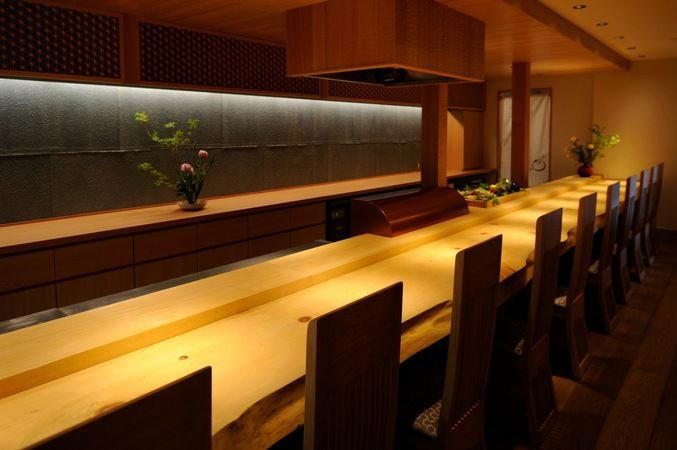
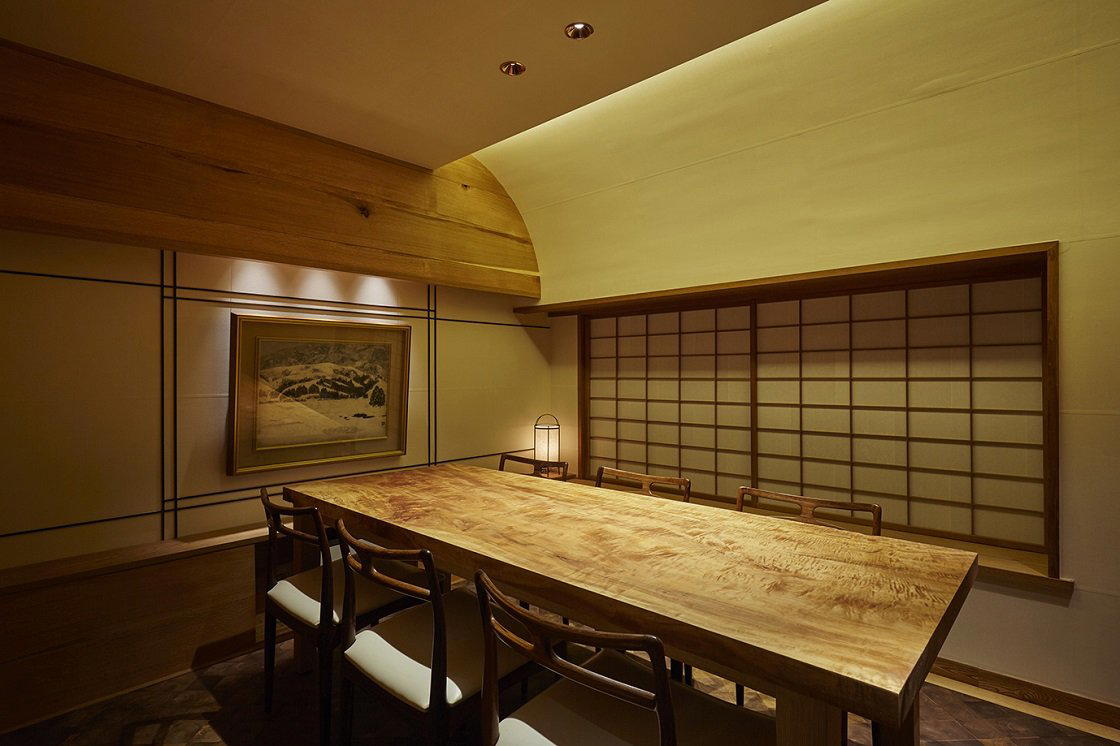
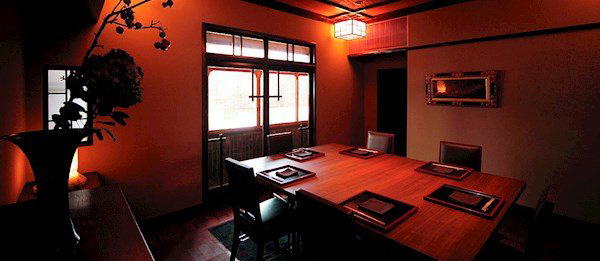
Bars in Kyoto
All bars in Kyoto →
Hotels in Kyoto
All hotels in Kyoto →
Wineries in Kyoto
Browse all →
Details
- Intimate
- Quiet
- Classic
- Sophisticated
- Date Night
- Special Occasion
- Business Dinner
- Solo
- Chefs Counter
- Standalone
- Sake Program
- Local Sourcing
- Tasting Menu
- Counter Dining
- Sake
Current opening hours
- Monday
- 6–10 PM
- Tuesday
- 6–10 PM
- Wednesday
- 6–10 PM
- Thursday
- 6–10 PM
- Friday
- 6–10 PM
- Saturday
- 6–10 PM
- Sunday
- 6–10 PM
Hours can change for holidays and private events. Hours as of .
A calm, secluded counter setting with only eight seats, creating an intimate and focused atmosphere that feels like a hidden retreat.