
A Michelin Plate-recognised Cantonese address in Beijing's Wangjing district, Yue Jie brings Guangdong kitchen discipline to the capital through a menu anchored in slow-cooked technique. Double-boiled soups and Cantonese barbecue require advance ordering, while dried tangerine peel from Xinhui threads through multiple preparations. The ¥¥¥ price tier places it in the mid-to-upper range of Beijing's non-Beijing-cuisine dining circuit.
Pearl is the En Primeur Club membership app — saves, bookings, and concierge access live there. Same editors, same standards.
- Address
- China, CN 北京市 朝阳区 望京东园4区 6 6北京金辉大厦2层 邮政编码: 100102
- Phone
- +86 10 6439 8088
- Directions
- Get directions
 Saves & bookings on Pearl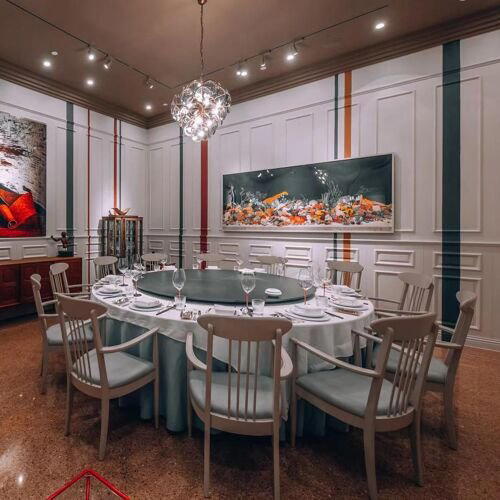
Cantonese Technique in Beijing's Northeast Quarter
Wangjing's dining profile has shifted considerably over the past decade, evolving from a district defined by Korean barbecue strips and quick-service noodle houses into a neighbourhood with genuine mid-to-upper-tier restaurant representation. The change reflects the area's demographics: a large concentration of technology-sector professionals, a significant Korean-Chinese population, and growing demand for cuisine that goes beyond regional Chinese staples. Into this context, Yue Jie on Qi Yang Road arrives with a clear brief, to deliver Cantonese cooking with the kind of technical seriousness more commonly associated with the Sanlitun or Guomao corridors.
In Beijing's broader Cantonese restaurant circuit, a handful of addresses have established benchmark reputations. Lei Garden (Jinbao Tower) anchors the hotel-adjacent luxury tier, while Fu Chun Ju represents a different lineage of southern Chinese hospitality. Yue Jie occupies a middle position: formally recognised by the 2025 Michelin Guide with a Plate distinction, which signals consistent kitchen quality without placing it in the starred tier, and priced at ¥¥¥, which is meaningfully above casual Cantonese dining in the capital but accessible relative to the leading Michelin-starred rooms.
The Architecture of the Meal
Cantonese menus at this level don't reveal themselves in a single order. One instructive approach is to treat the meal as a sequence that moves from technique-light preparations through to the dishes that require the kitchen's longest commitments. That structure matters at Yue Jie because several of the kitchen's most serious preparations require advance notice, double-boiled soup and Cantonese barbecue must be pre-ordered, which means the meal actually begins before you arrive.
Pre-ordering isn't a logistical inconvenience; it's how Cantonese cooking at this level has always worked. Double-boiling, the method that extracts collagen and flavour through hours of sealed, indirect steam heat, produces a categorically different result from anything achievable à la minute. The same logic applies to whole roasted meats, where the dry-hanging and lacquering process demands timing that cannot be collapsed into a kitchen ticket window. Restaurants that skip this requirement either simplify the technique or batch-produce for volume. Pre-ordering, in this context, is a trust signal rather than a friction point.
Opening Moves: The Flavour Thread of Xinhui Peel
Among the preparations where advance ordering isn't required, the deep-fried pork spareribs with Xinhui dried tangerine peel represents one of the kitchen's sharpest editorial choices. Xinhui peel, aged from citrus grown in Guangdong's Pearl River Delta, is one of the more demanding flavour threads to use well, its bitter-citrus character can overwhelm meat-based preparations if the cook's ratio is off, or disappear into frying oil if added at the wrong stage. When the balance holds, the result is rounded citrus warmth that reads as a flavour echo rather than a sharp contrast. The fact that dried tangerine peel is described as a recurring theme across the menu suggests a kitchen identity built around Guangdong's pantry rather than a generic southern Chinese approach.
This is relevant context when comparing Yue Jie to other high-end Chinese restaurants in Beijing operating at similar price points. The House of Dynasties and Zijin Mansion draw from imperial and northern Chinese traditions, while The Beijing Kitchen (Jianguo Road) leans into the capital's own culinary register. Yue Jie's Guangdong-specific ingredient vocabulary marks it as a different proposition entirely, not a generalised Chinese fine-dining experience, but a regional argument.
The Centrepiece: Six-Hour Whelk and Fish Maw Soup
The meal's most demanding preparation is the whelk slices and fish maw soup, slow-cooked for six hours. Fish maw, the dried air bladder of large fish, is among the more expensive dried seafood ingredients in the Cantonese pantry, valued for its gelatin content and the neutral, almost silken texture it develops in long-cooked broths. Combined with whelk, a mollusc that requires careful timing to remain tender rather than rubbery, this soup represents the category of Cantonese cooking where technique and ingredient sourcing are simultaneously on display. The six-hour cook time isn't a marketing claim; it's the minimum required to extract the collagen networks that give the soup its characteristic depth. The result, described here as seducing with depth and umami, belongs to the same tradition as the slow-cooked treasured soups that define Cantonese banquet culture across Hong Kong and Guangzhou.
For reference on how this tradition performs at the highest recognised levels elsewhere, Forum in Hong Kong and Le Palais in Taipei both operate in the Michelin-starred Cantonese tier and carry the benchmark weight for this style. Yue Jie's Plate recognition positions it as a technically committed address that merits attention, particularly for diners familiar with the canon who want a Beijing access point. The executive chef brings Guangdong experience to these preparations.
Closing the Meal
Cantonese barbecue, should you pre-order it, functions as both a centrepiece and a close. The roasting and lacquering traditions that define Cantonese siu mei are among the more recognised in Chinese cookery, carrying cultural weight well beyond the Pearl River Delta. In Beijing, where Peking duck commands the roasted-meat conversation, finding a kitchen that invests in Cantonese barbecue with similar seriousness is a meaningful contrast. Across mainland China, other addresses doing serious Cantonese work include Imperial Treasure Fine Chinese Cuisine in Guangzhou, Dai Yuet Heen in Nanjing, and Chef Tam's Seasons in Macau, each operating in a different city context with a different price tier and audience. 102 House in Shanghai, Ru Yuan in Hangzhou, and Xin Rong Ji in Chengdu illustrate how regional Chinese fine dining varies considerably by city. Yue Jie's case is that it delivers Guangdong specificity in a city where that discipline remains relatively rare.
What the 2025 Michelin Plate Means Here
A Michelin Plate denotes a kitchen producing consistently good food, it is not a consolation prize below the starred tier but a formal signal of cooking that meets the Guide's quality threshold. The 2025 designation confirms that the kitchen's standard has been assessed within a recent window, which matters in a dining environment where restaurants at this price point can shift quickly.
Know Before You Go
- Address: 2F, Beijing Jinhui Tower, Block 6, Wangjing East Garden Zone 4, Chaoyang, Beijing 100102
- Price tier: ¥¥¥ (mid-to-upper range)
- Recognition: Michelin Plate 2025
- Cuisine: Cantonese
- Pre-ordering required for: Double-boiled soup, Cantonese barbecue, plan ahead
What Should I Eat at Yue Jie (Qi Yang Road)?
The clearest path through the menu is to pre-order the double-boiled soup and Cantonese barbecue when making your reservation, both require advance preparation and represent the kitchen's most technique-dependent work. At the table, the whelk slices and fish maw soup (six hours in the making) is the dish that demonstrates the kitchen's commitment to long-cooked Cantonese tradition: deeply layered, collagen-rich, and built on quality dried seafood rather than shortcuts. The deep-fried pork spareribs with Xinhui dried tangerine peel illustrates a recurring ingredient thread across the menu and is worth ordering for the balance of citrus warmth against fried pork. The executive chef's Guangdong background and experience in leading establishments anchor the kitchen's credibility for this regional repertoire, and the 2025 Michelin Plate confirms the standard has been externally assessed within the current year.
In Context: Similar Options
Comparable venues nearby, for context on price, style, and recognition.
| Venue | Cuisine | Price | Awards | Notes |
|---|---|---|---|---|
| Yue Jie (Qi Yang Road)This venue — the venue you are viewing | Cantonese Classics | $$$ | Michelin Plate | Not listed |
| San Qing Tan (Sanlitun Road) | Refined Cantonese Roast Goose & Dim Sum | $$$ | Michelin Plate | Sanlitun |
| Qiao Dong Bei | Modern Dongbei (Northeast Chinese) | $$$ | Michelin Plate | Chaoyangmen |
| Yu De Fu (Dongzhimennei Street) | Traditional Beijing Instant-Boiled Mutton Hotpot | $$$ | Michelin Plate | Chaowai |
| Qiao Dong Bei (Dongcheng) | Modern Dongbei | $$$ | Michelin Plate | Chungshu |
| Na Jia Xiao Guan | Modern Imperial Manchu Cuisine | $$$ | Not listed | Dashanzi |
Recognition history
Dated appearances from independent guides and award organizations, with the underlying list record or original source where available.
Michelin Plate
Michelin
Michelin Plate
Michelin


At a Glance
- Elegant
- Classic
- Sophisticated
- Business Dinner
- Group Dining
- Special Occasion
- Standalone
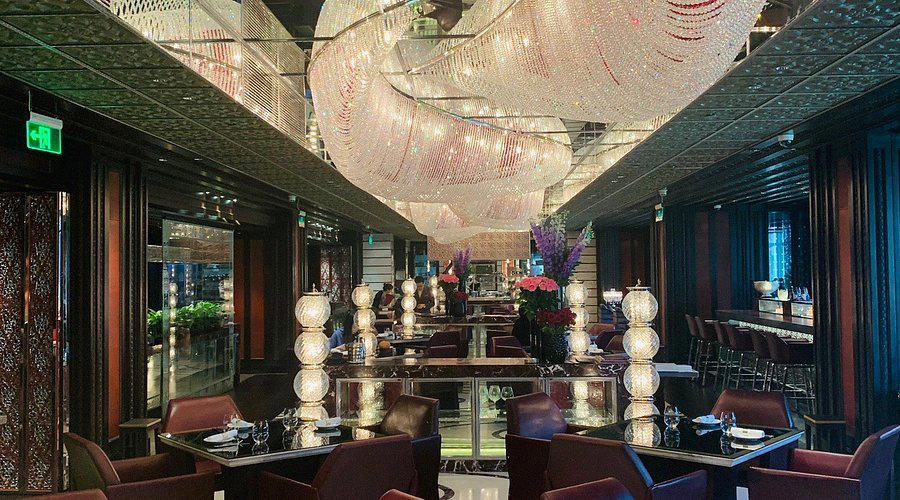
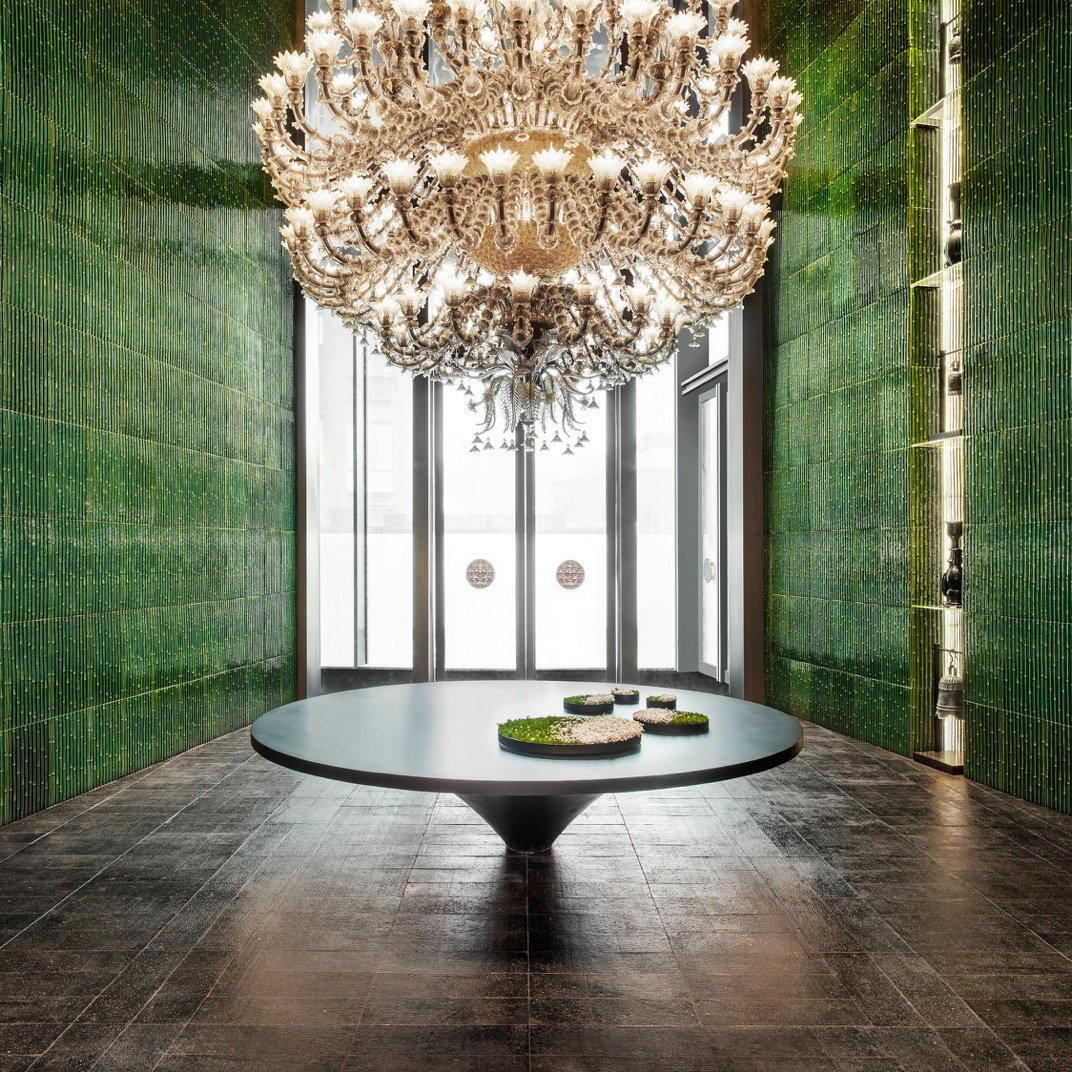
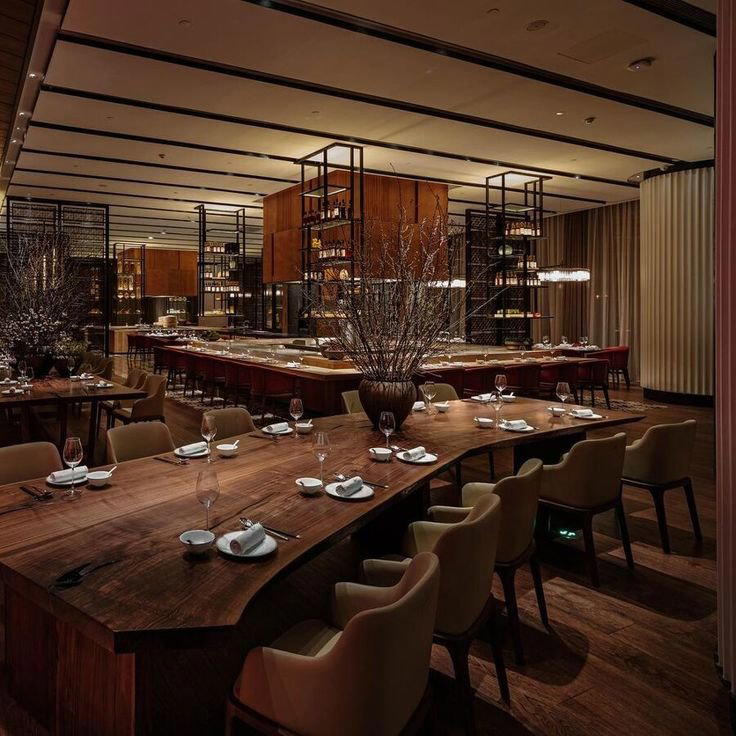
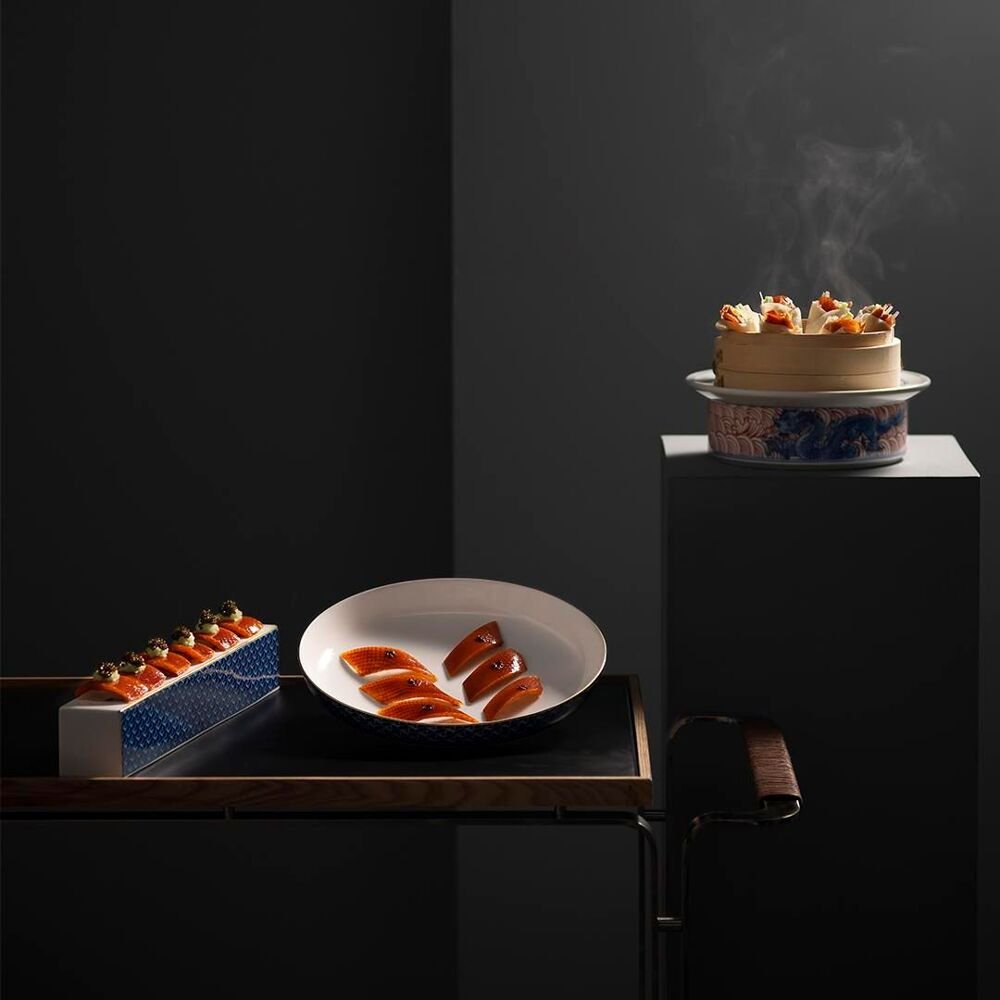
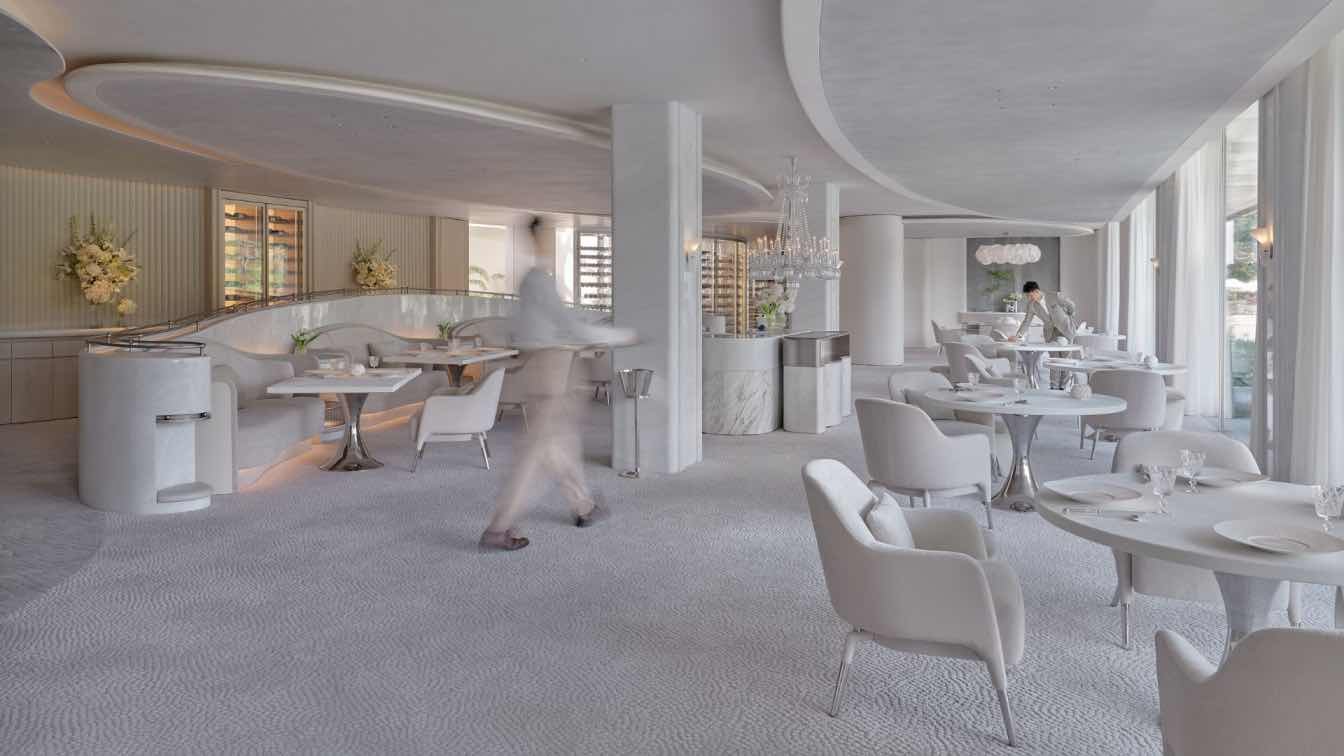
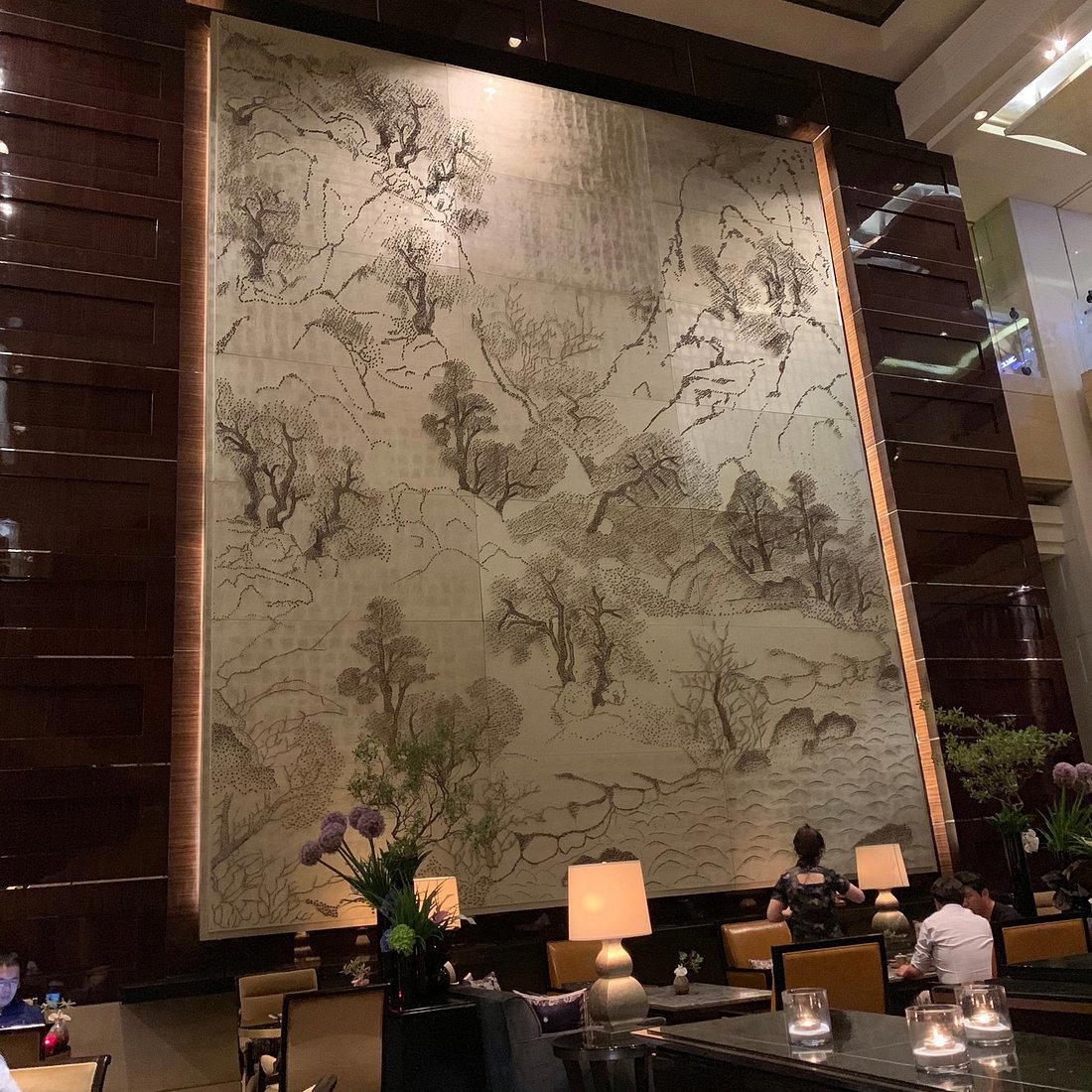
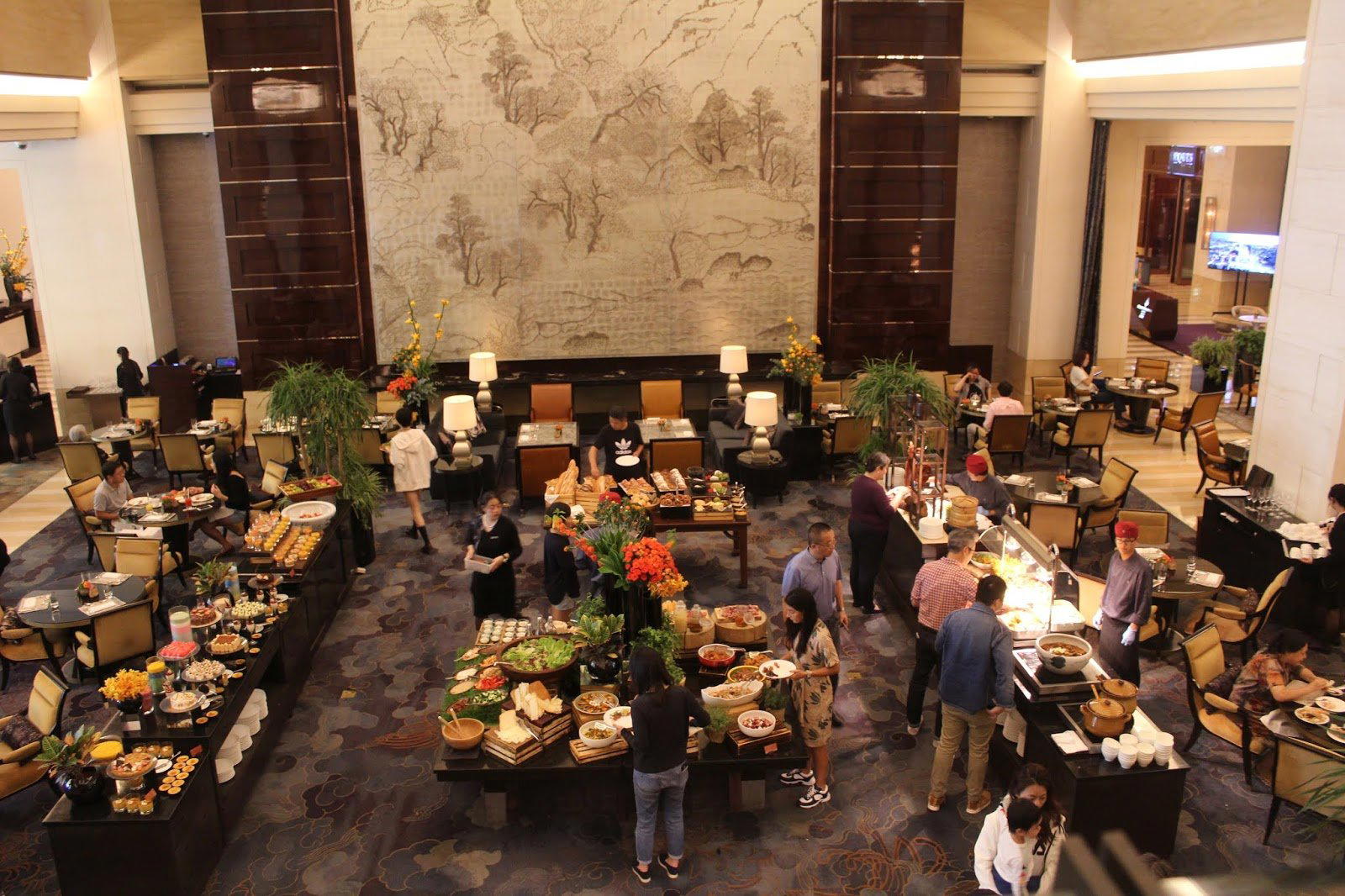
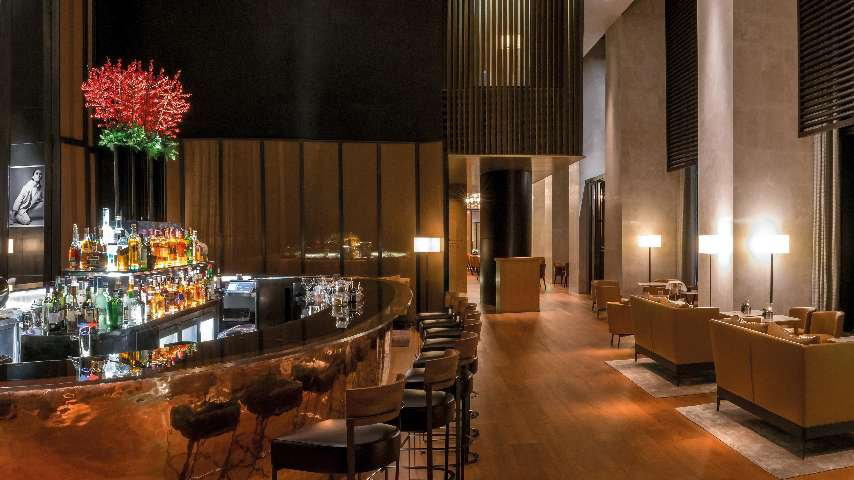
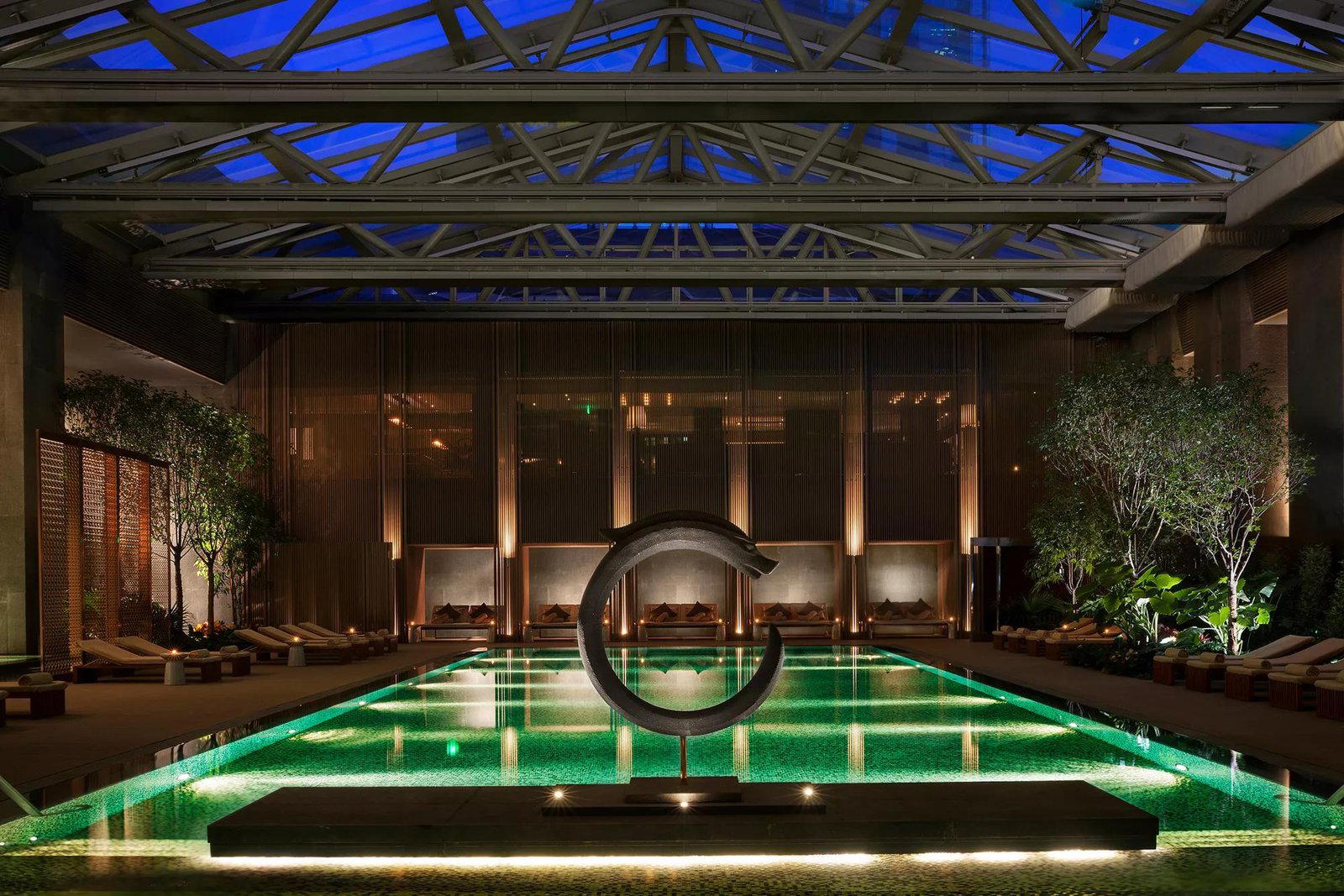
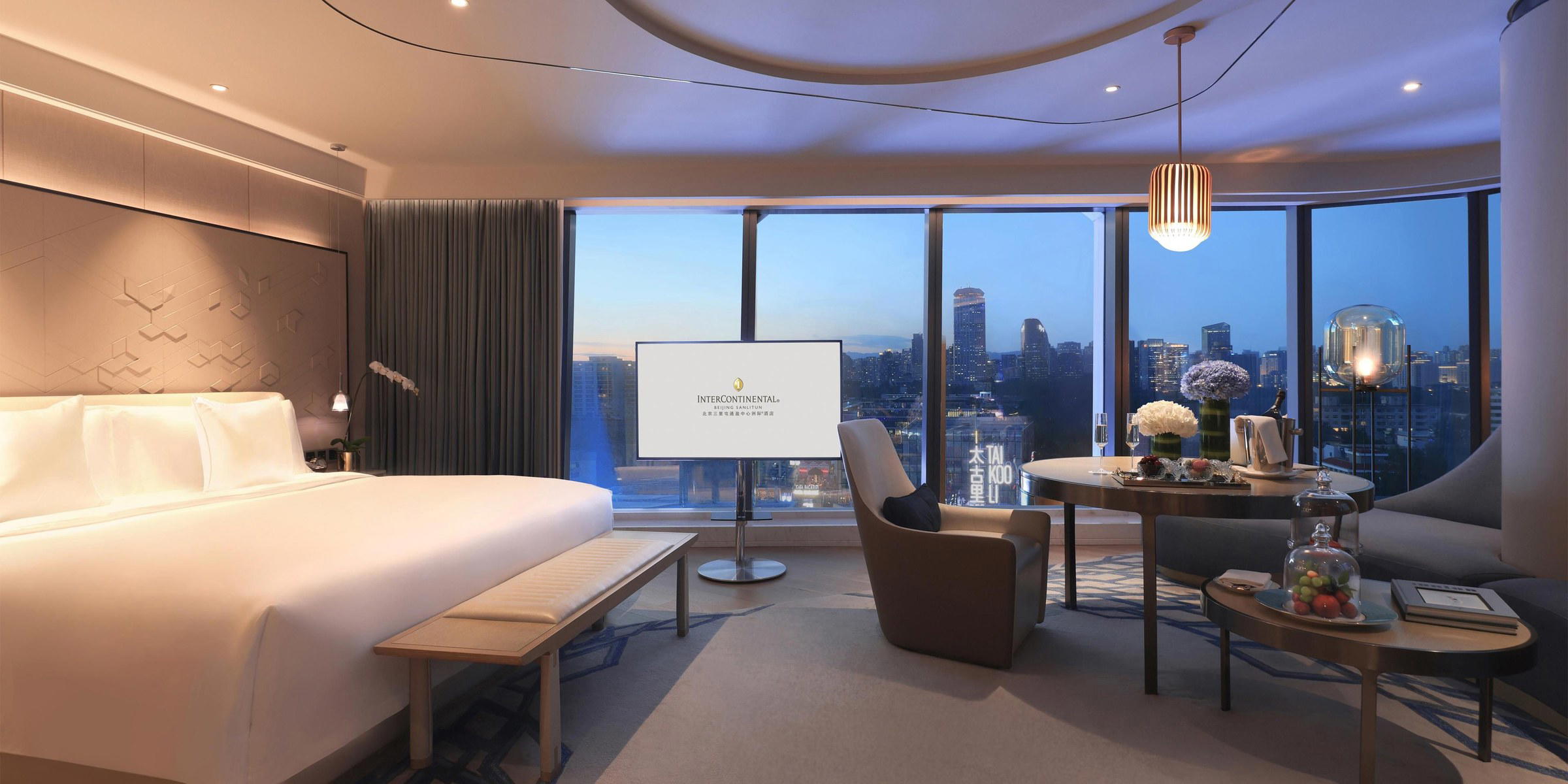
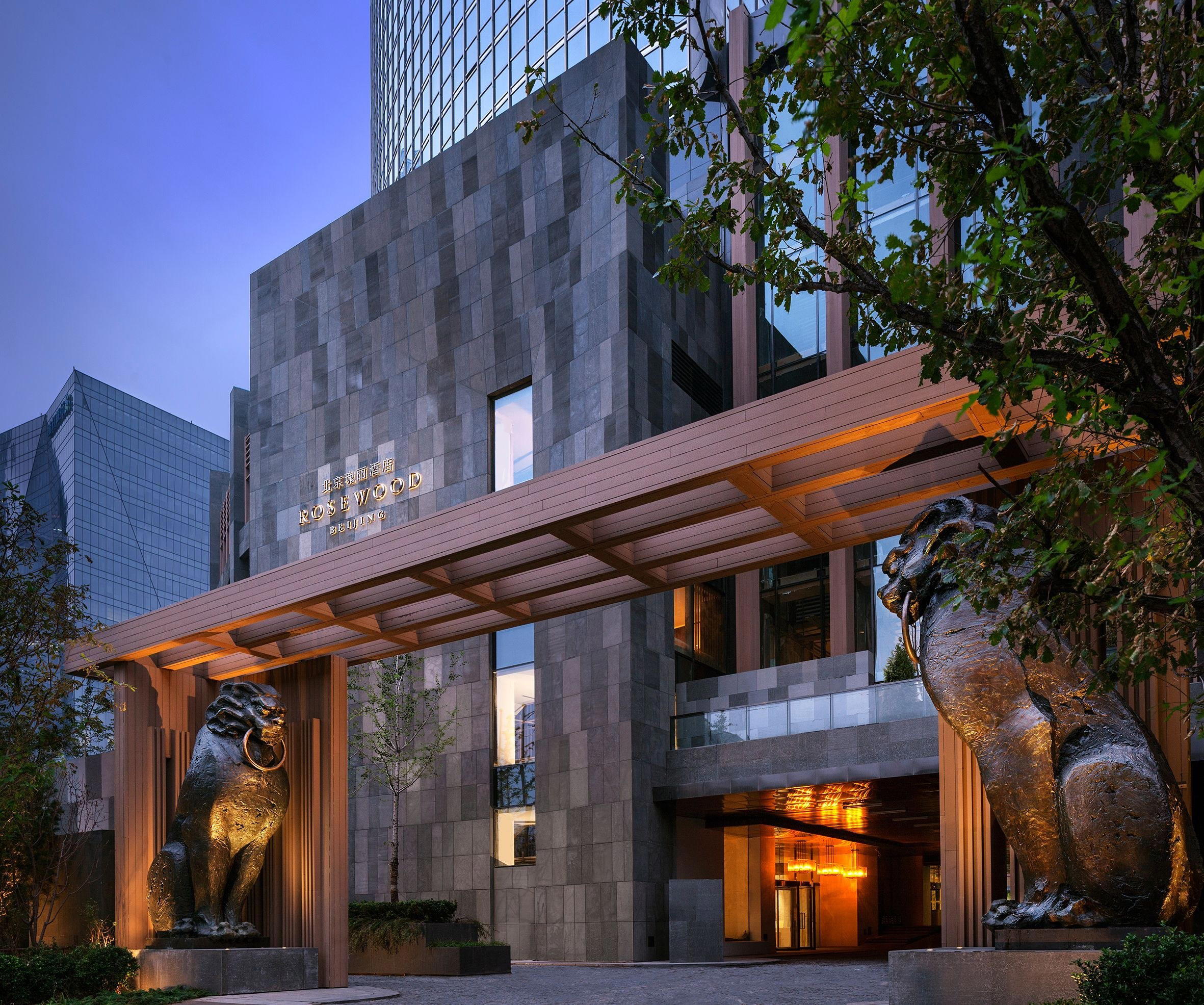
Upscale dining environment reflecting traditional Cantonese culinary heritage with refined presentation of classic dishes.